
What they do
Gentians add bold, nectar-rich blooms that can help support pollinators when flowers are in season.
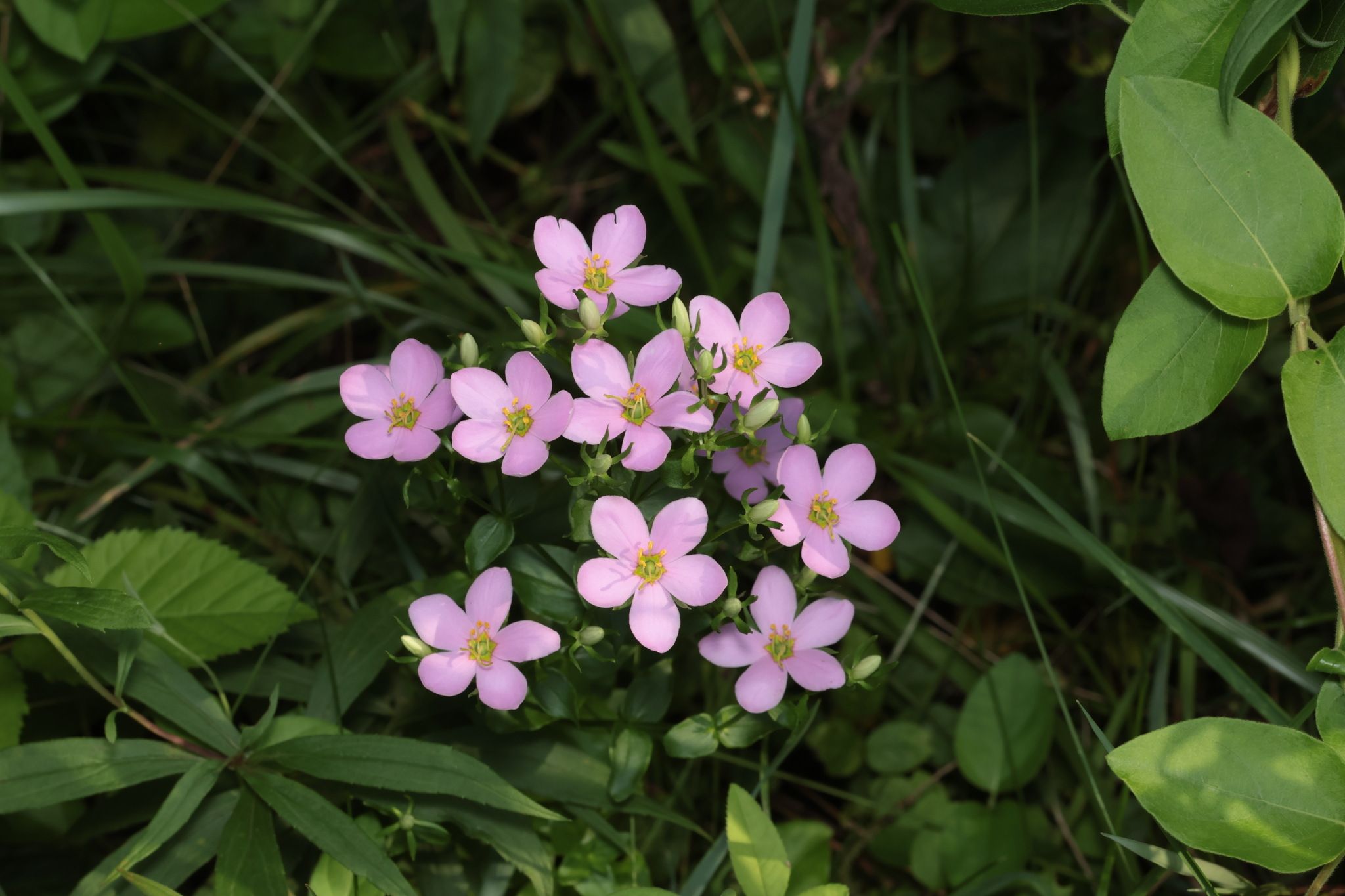
Family Gentianaceae (native genera)
Gentians are a group of native wildflowers in the gentian family (Gentianaceae), known for their vivid, often blue blooms and their value in naturalistic gardens.
Plant Type
Wildflowers (herbaceous perennials) > Gentians
Aliases
Gentian
Native Range
Native species occur in parts of Canada and the United States; choose locally native species when possible.
Bloom window
Varies by species; many bloom from summer into fall
OVERVIEW
Gentians are a group of native wildflowers in the gentian family (Gentianaceae). Gardeners love them for their bold color—especially deep blues—and their clean, simple flower shapes.
If you’re new to gentians, the biggest success factor is choosing the right spot. Many gentians prefer soil that stays evenly moist but still drains well. They also tend to do best when they aren’t crowded by aggressive neighbors.
In a pollinator-friendly garden, gentians can be a “special feature” plant: not always the fastest to fill in, but memorable when they bloom. Pair them with other native plants that match your site so you have flowers across the seasons, and keep the area pesticide-free so visiting insects can benefit.
FAST FACTS
Essential stats and requirements for quick reference.
| Category | Details |
|---|---|
| Also known as | Gentian |
| Bloom window | Varies by species; many bloom from summer into fall |
| Typical height | Varies by species; often low to medium height |
| Pollinators supported | Bees, Butterflies |
| Light & moisture | Sun to part shade; evenly moist, well-drained soil is often the sweet spot |
| Best roles for pollinators | Naturalistic gardens, meadow-style plantings, and careful containers where soil moisture can be managed |
SUMMARY
A quick scan of what they do, what they need, and the best first step.
Gentians add bold, nectar-rich blooms that can help support pollinators when flowers are in season.
A stable spot with the right light and consistent moisture, plus low competition from pushy plants.
Choose the site carefully first—gentians do best when you plant them once and let them settle in.
IMPACT
Key Impacts
RECOGNITION
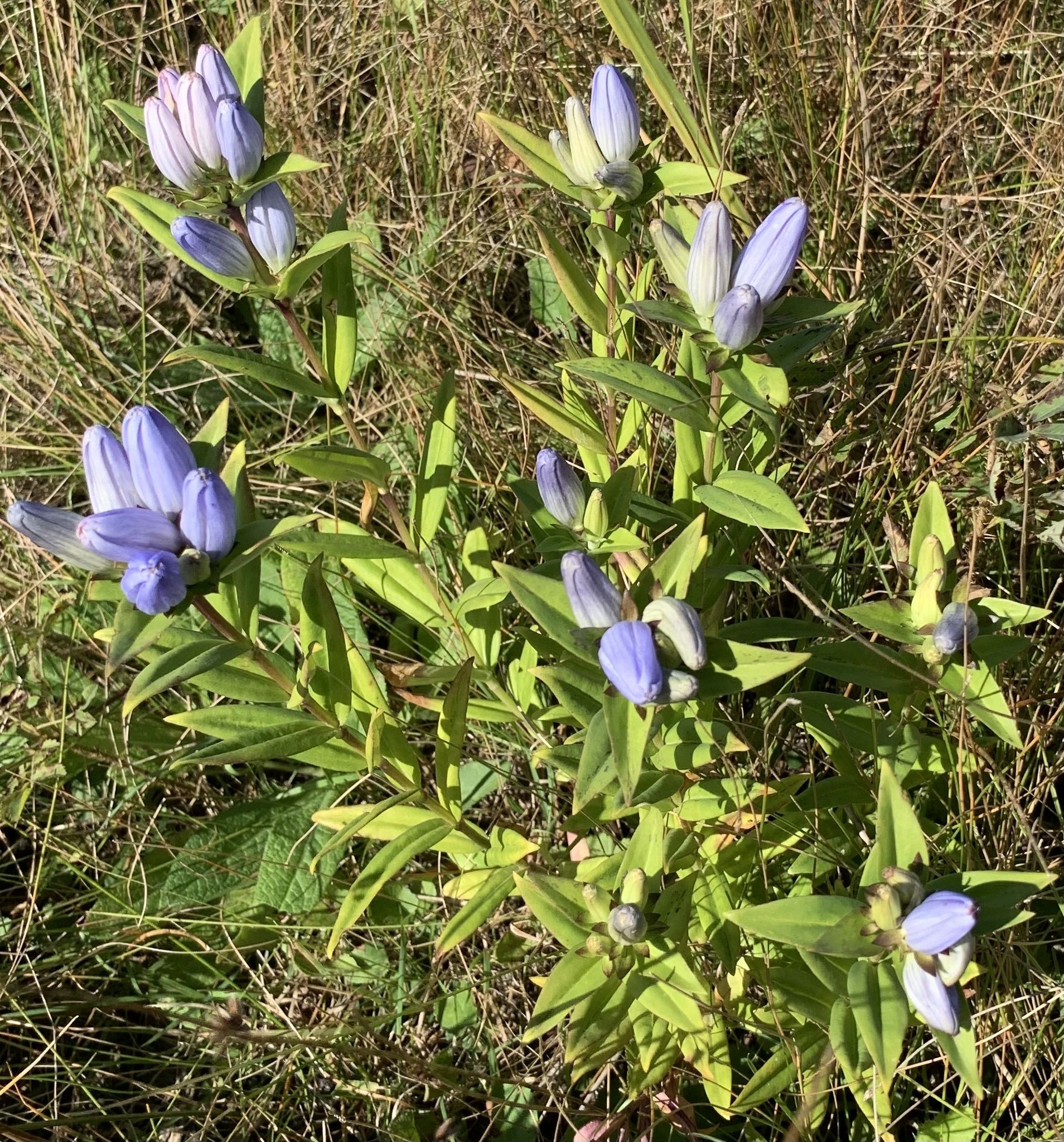
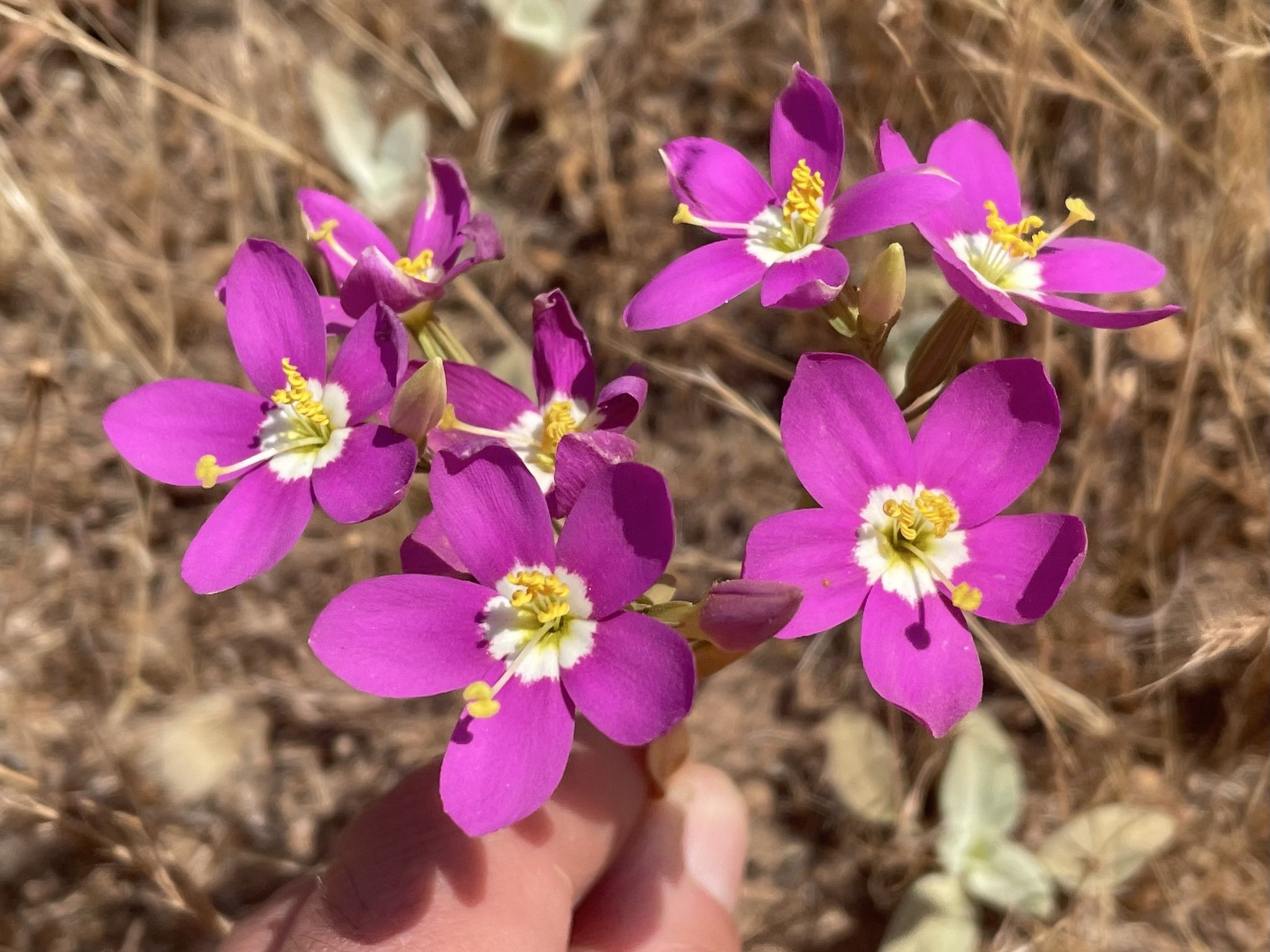
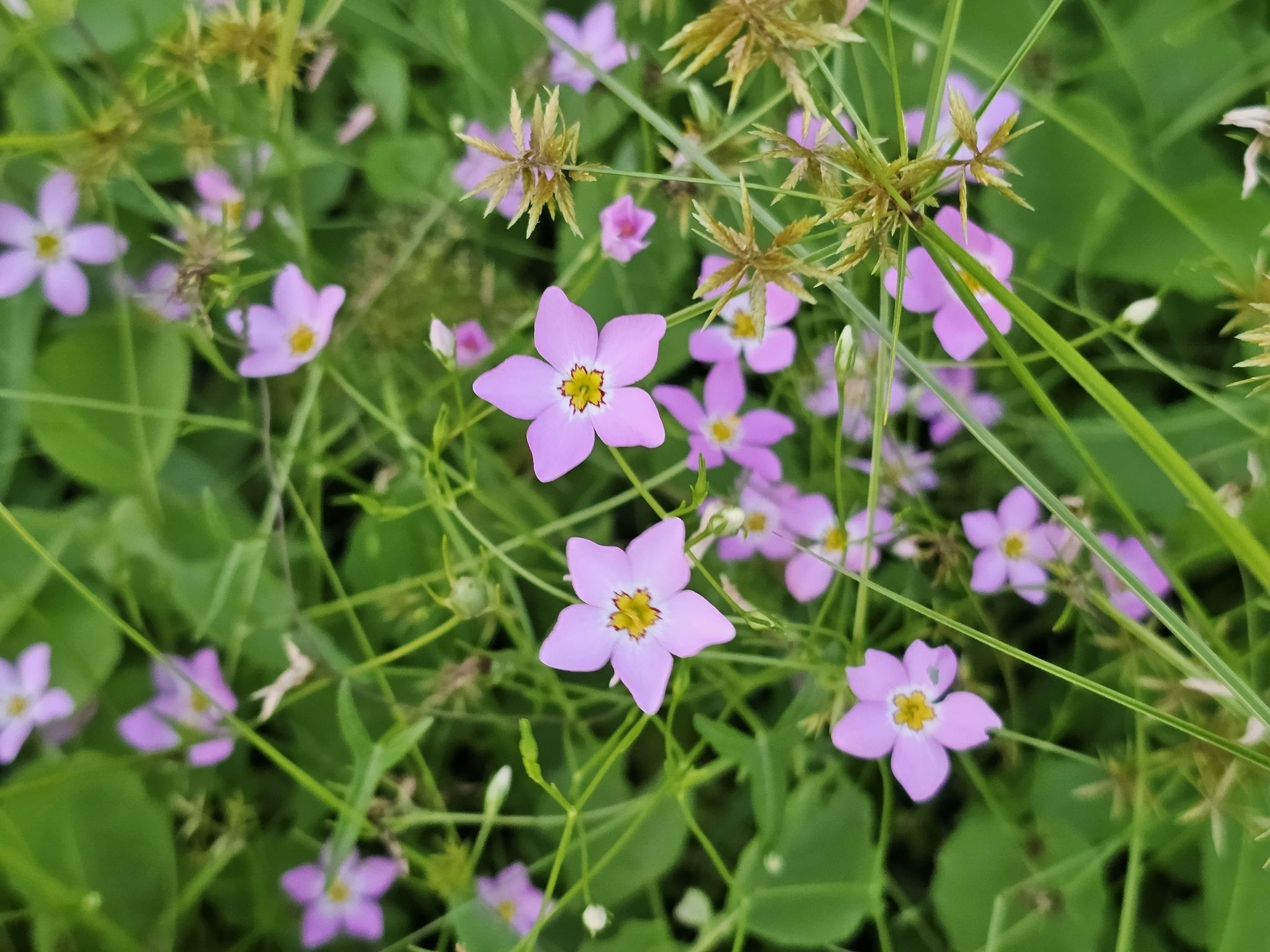
Simple leaves; often appear in opposite pairs along the stem, depending on species.
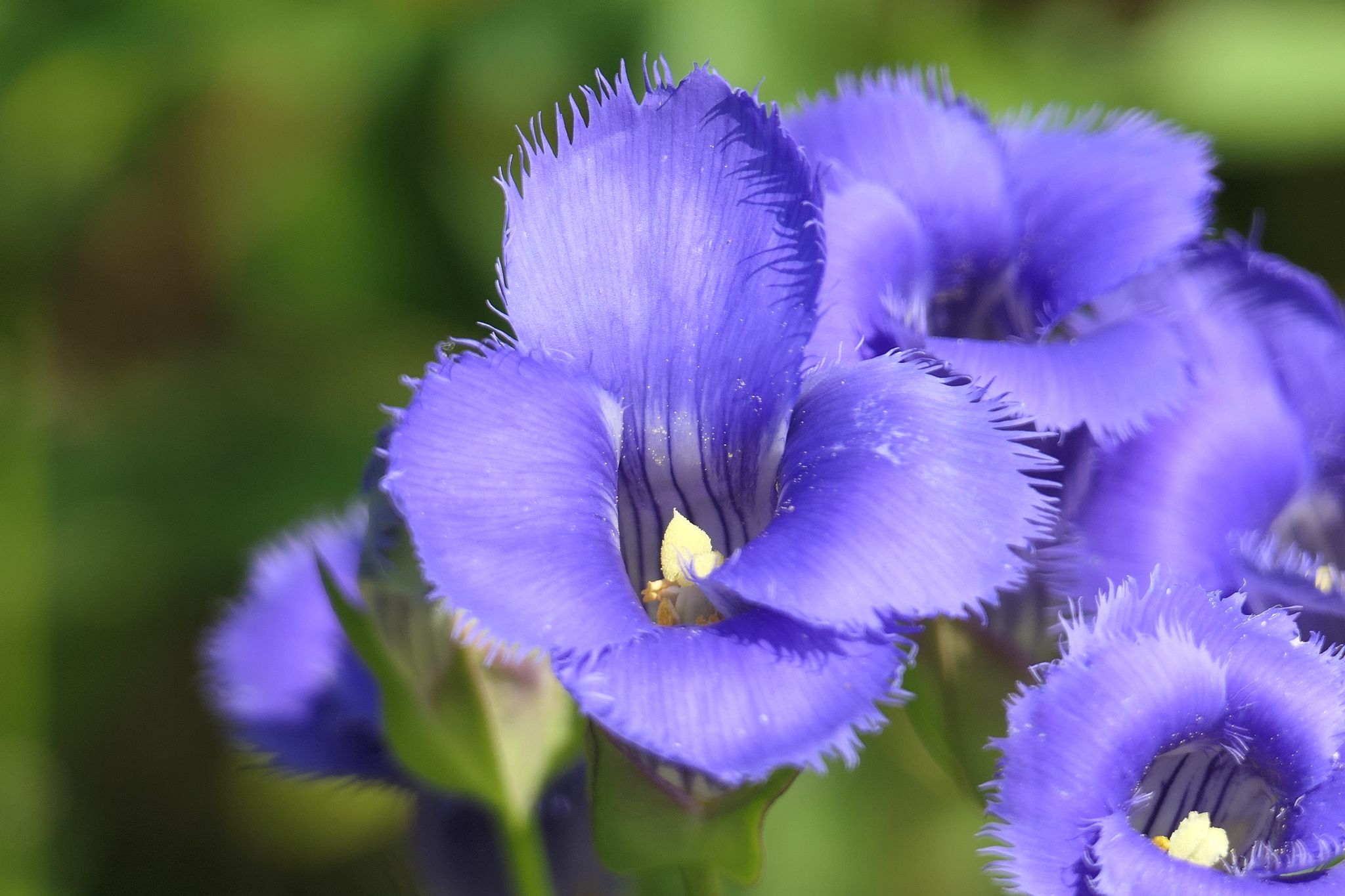
Showy tubular or trumpet-shaped blooms, frequently deep blue; may open wider in sun and warmth.
After flowering, plants form seed capsules (appearance varies by species).
LOCATION
Native environments and the best spots to place it in your landscape.
SEASONALITY
Notes on bloom windows and how this plant helps pollinators across the seasons.
Bloom timing depends on the gentian species you choose.
Bloom Season Role: Often a standout accent bloom, especially later in the season
REQUIREMENTS
The right mix of sun, soil, and space for healthy growth.
Many gentians do well in sun to part shade; match the species to your site.
Loamy, well-drained soil that holds some moisture; avoid compacted clay and very dry, sandy spots unless the species prefers it.
Water to keep soil evenly moist while plants establish; once settled, aim for steady moisture without waterlogging.
Plant in spring or fall when conditions are mild. Set the crown at soil level and water in gently.
Use a light layer of leaf mulch or fine mulch to reduce drying, keeping mulch off the crown.
GARDENING GUIDE
Simple steps to plant, prune, and maintain healthy trees without pesticides.
Pairings
Pairing ideas to keep pollinators fed throughout the growing season.
GLOSSARY
Glossary terms are being added.
What You Can Do
Turn this knowledge into action. Whether you plant a single pot or a whole garden, you are building a vital bridge for local biodiversity.
Join the movement to restore our shared habitats.