
What they do
Provide bold, globe-shaped blooms that can draw a variety of pollinator visitors during their flowering window.
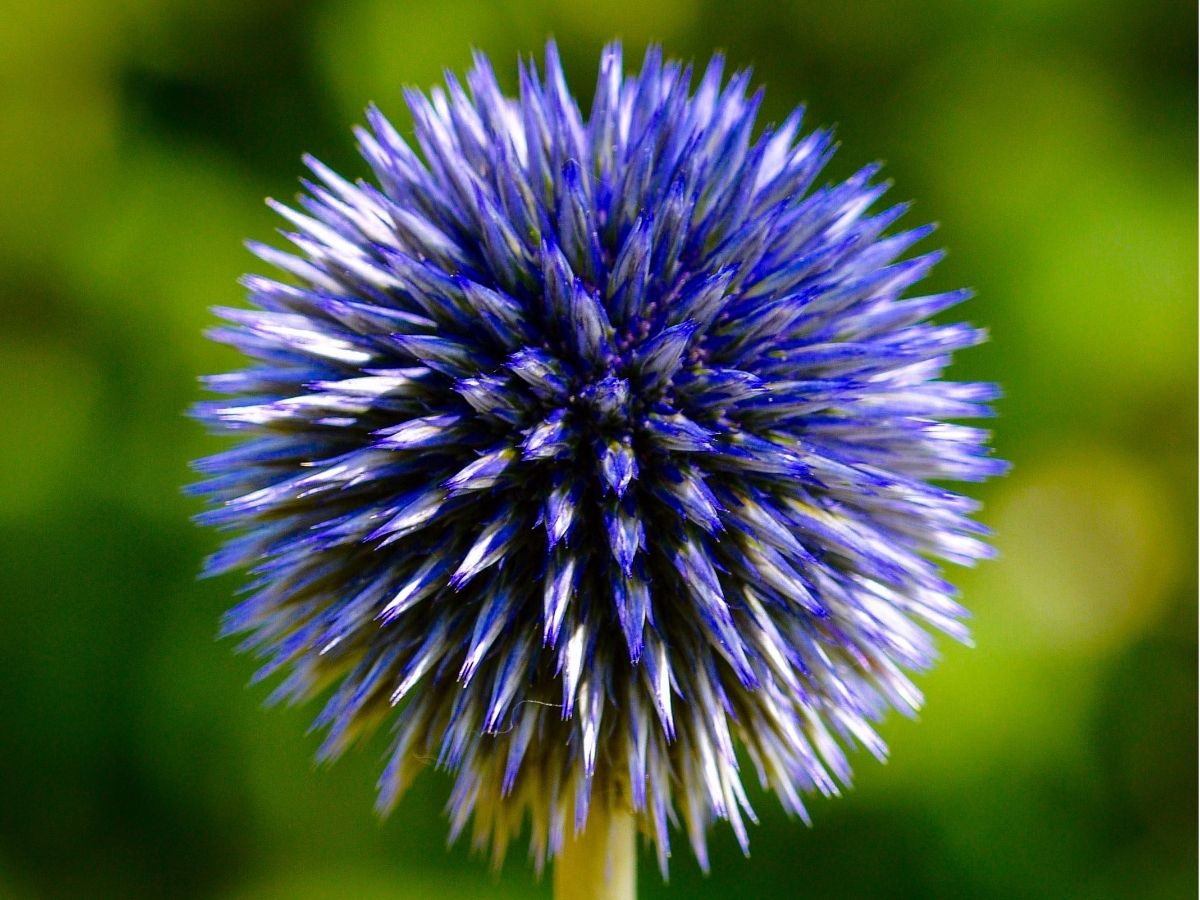
Genus Echinops (native limited)
Globe thistles’ native relatives (genus Echinops) are bold, spiky-looking wildflowers with round, button-like blooms that can be a magnet for many visiting insects when in flower.
Plant Type
Wildflowers (herbaceous perennials) > Globe thistles
Aliases
Globe thistle
Native Range
Native range depends on the species; choose locally appropriate native relatives where available.
Bloom window
Mid-to-late season, depending on the species and site
OVERVIEW
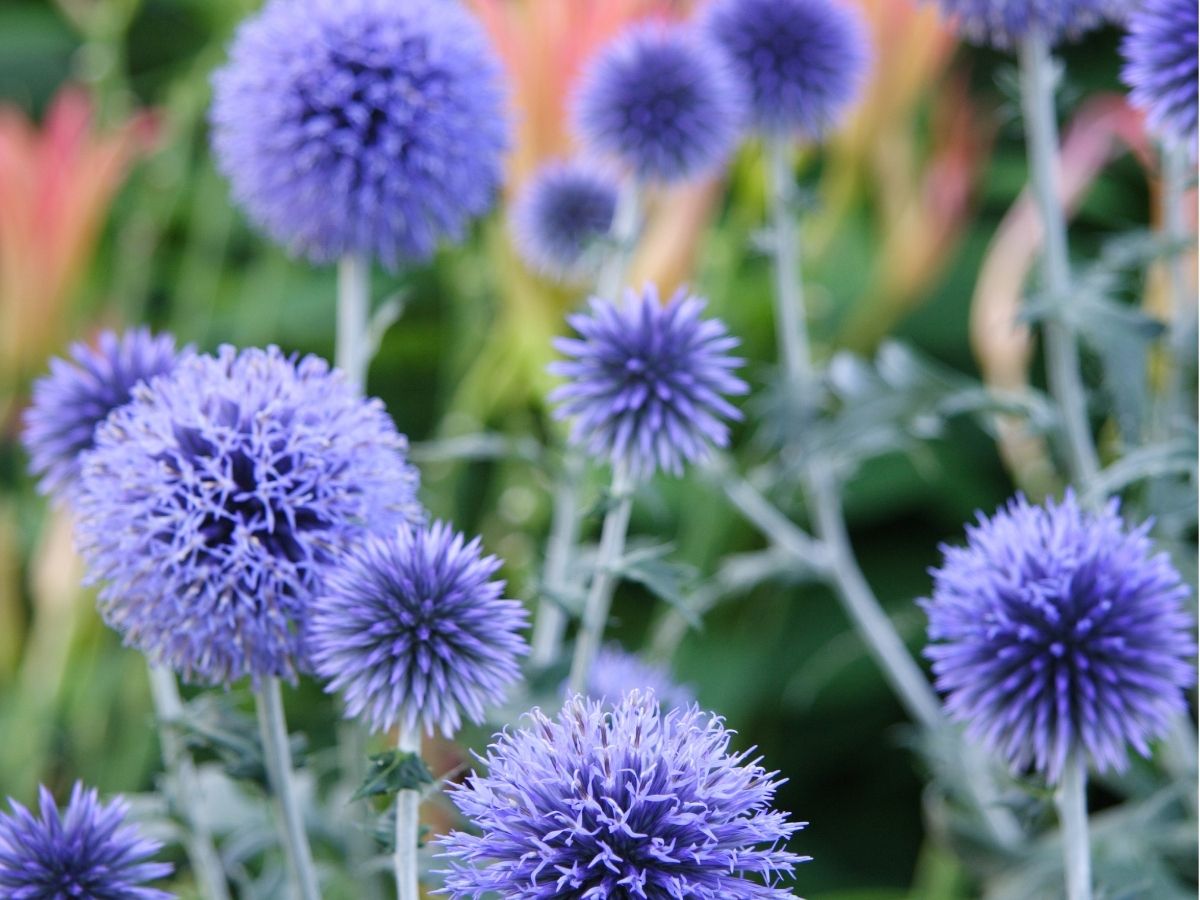
Globe thistles’ native relatives in the genus Echinops are easy to spot once you know what to look for: round, globe-like flower heads made of many tiny florets. In a sunny garden, those globes can be busy with insect visitors during bloom.
These plants are often chosen for their strong shape and long-lasting display. They fit nicely into a pollinator patch as a “structure plant” that stands out from a distance, helping people notice your planting and stop to look closer.
To get the best results, focus on the basics: full sun, well-drained soil, and enough space so the plant isn’t crowded. Water while it’s establishing, then avoid keeping the soil constantly wet. If you like the look of dried seed heads, leave some stems standing and do your main cutback when you’re ready to tidy up later on.
FAST FACTS
Essential stats and requirements for quick reference.
| Category | Details |
|---|---|
| Also known as | Globe thistle |
| Bloom window | Mid-to-late season, depending on the species and site |
| Typical height | Medium to tall (varies by species and growing conditions) |
| Pollinators supported | Bees, Butterflies, Flies, Beetles |
| Light & moisture | Sun; average to dry soils once established |
| Best roles for pollinators | Sunny gardens that need a tough, architectural wildflower with globe-shaped blooms and lots of insect activity during flowering. |
SUMMARY
A quick scan of what they do, what they need, and the best first step.
Provide bold, globe-shaped blooms that can draw a variety of pollinator visitors during their flowering window.
A bright, open spot with well-drained soil and room to grow without being crowded.
Give them full sun and good drainage—those two choices solve most problems.
IMPACT
Key Impacts
RECOGNITION
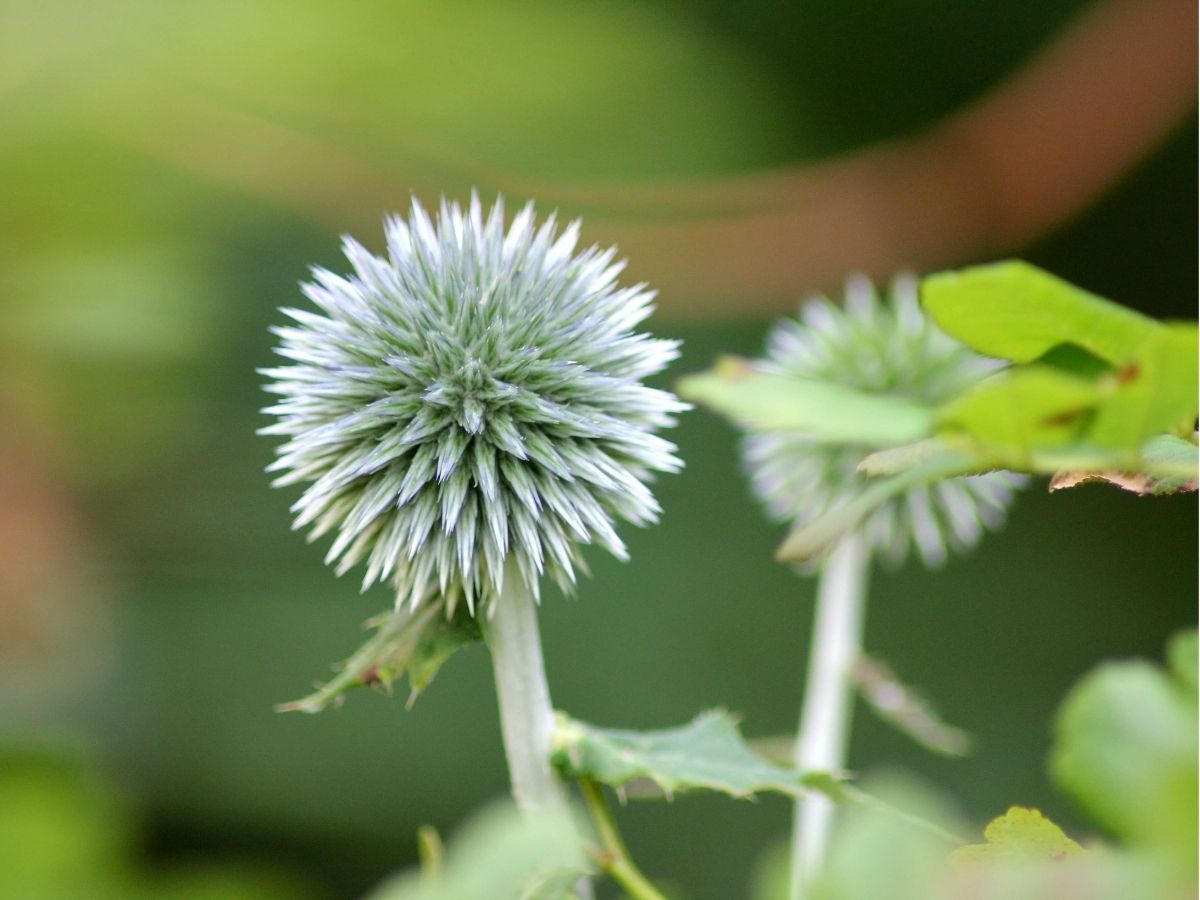
Leaves are often lobed or toothed and may feel rough or prickly; some species have a silvery cast or lighter undersides.
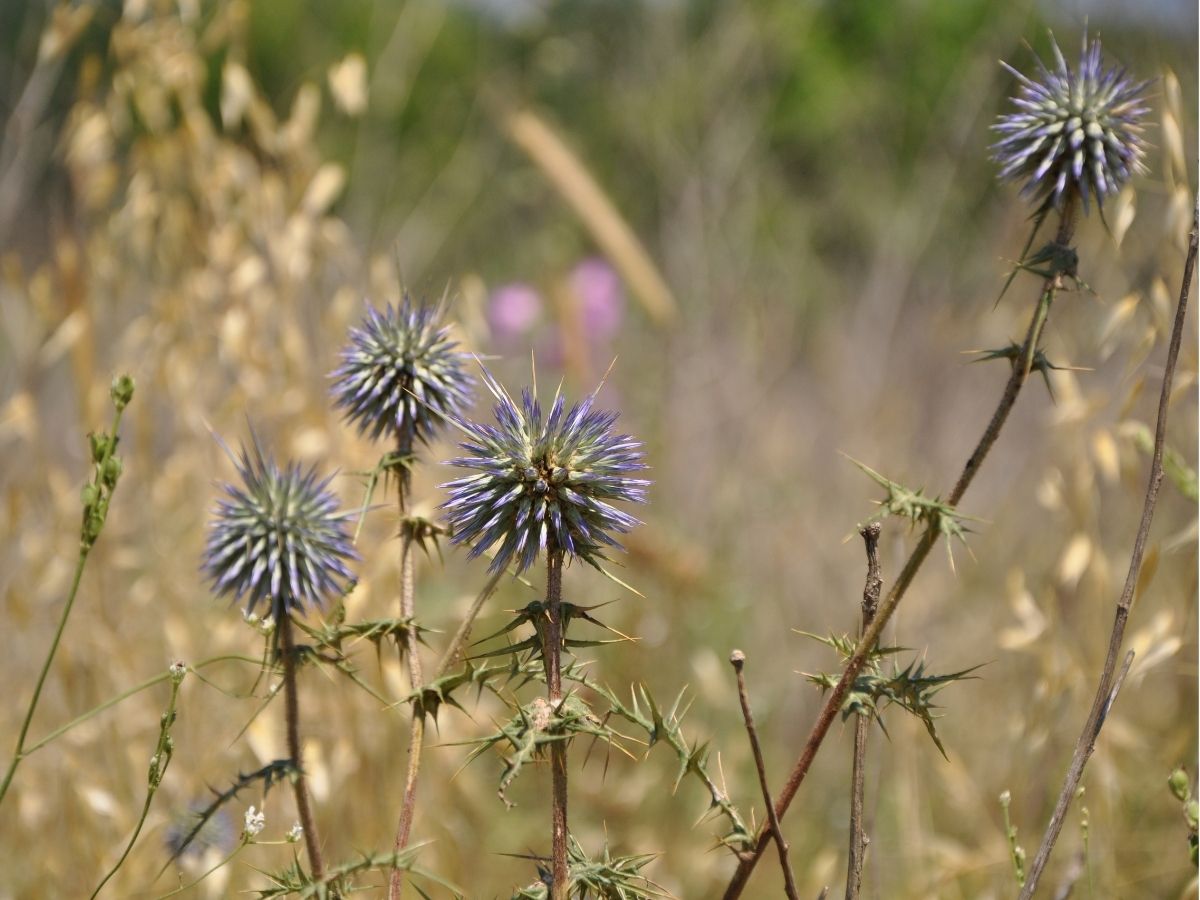
Distinct round flower heads (“globes”) made of many tiny flowers; color is often blue to bluish-purple, depending on species.
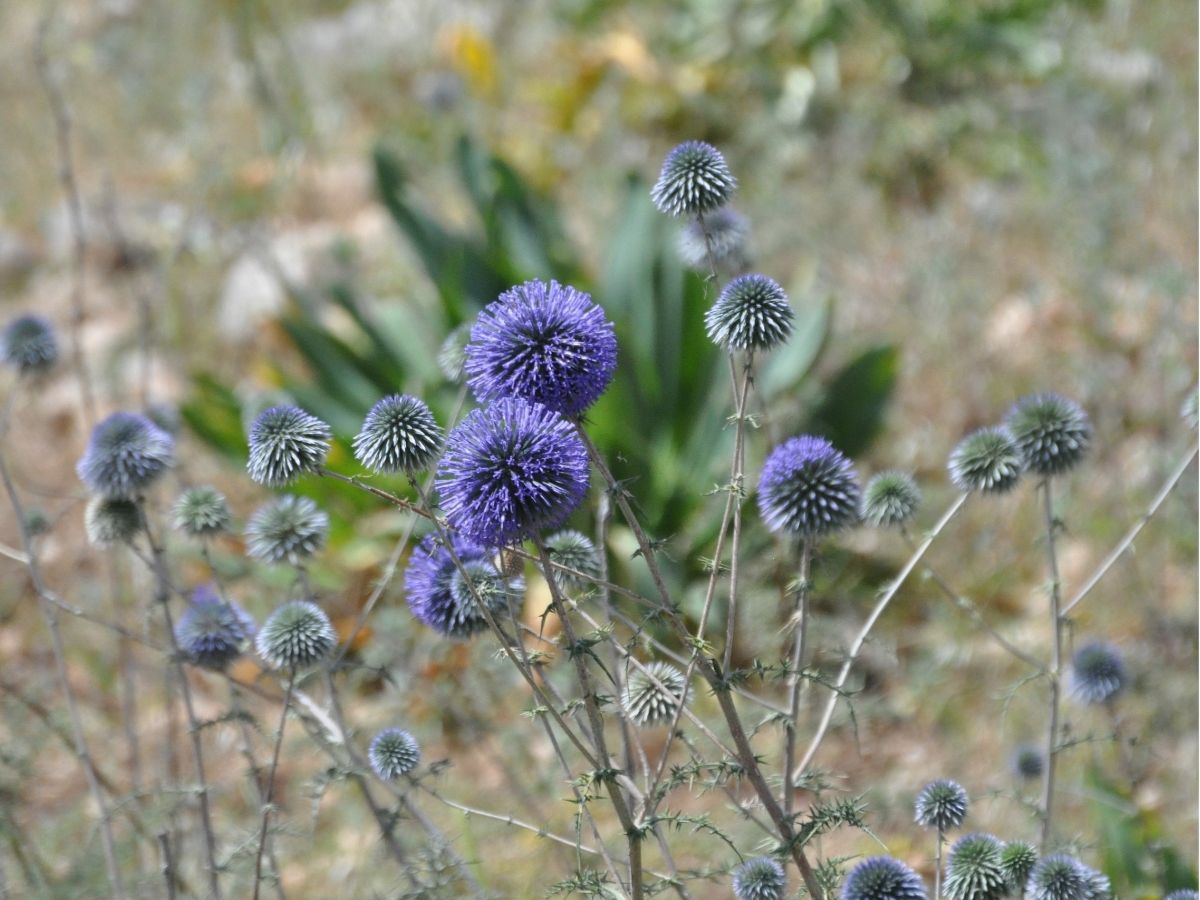
After flowering, the heads dry into textured seed heads that can persist for a while.
LOCATION
Native environments and the best spots to place it in your landscape.
SEASONALITY
Notes on bloom windows and how this plant helps pollinators across the seasons.
Bloom timing varies by species and local conditions, but these plants are often most valuable when other mid-season flowers are also in full swing.
Bloom Season Role: Mid/late-season nectar and pollen stop
REQUIREMENTS
The right mix of sun, soil, and space for healthy growth.
Best in full sun; part sun can work but may reduce flowering and sturdiness.
Well-drained soil is key; average soils are usually fine. Avoid heavy, waterlogged spots.
Water to establish, then let the soil dry slightly between waterings; don’t keep it constantly wet.
Plant with enough space for airflow and mature width; place where the bold shape can be seen.
Use a light mulch to reduce weeds, keeping mulch away from the crown to prevent rot.
GARDENING GUIDE
Simple steps to plant, prune, and maintain healthy trees without pesticides.
Pairings
Pairing ideas to keep pollinators fed throughout the growing season.
GLOSSARY
Glossary terms are being added.
What You Can Do
Turn this knowledge into action. Whether you plant a single pot or a whole garden, you are building a vital bridge for local biodiversity.
Join the movement to restore our shared habitats.