
What they do
Golden alexanders provide early yellow blooms that can help feed a variety of small pollinators when the season is just getting started.
Genus Zizia
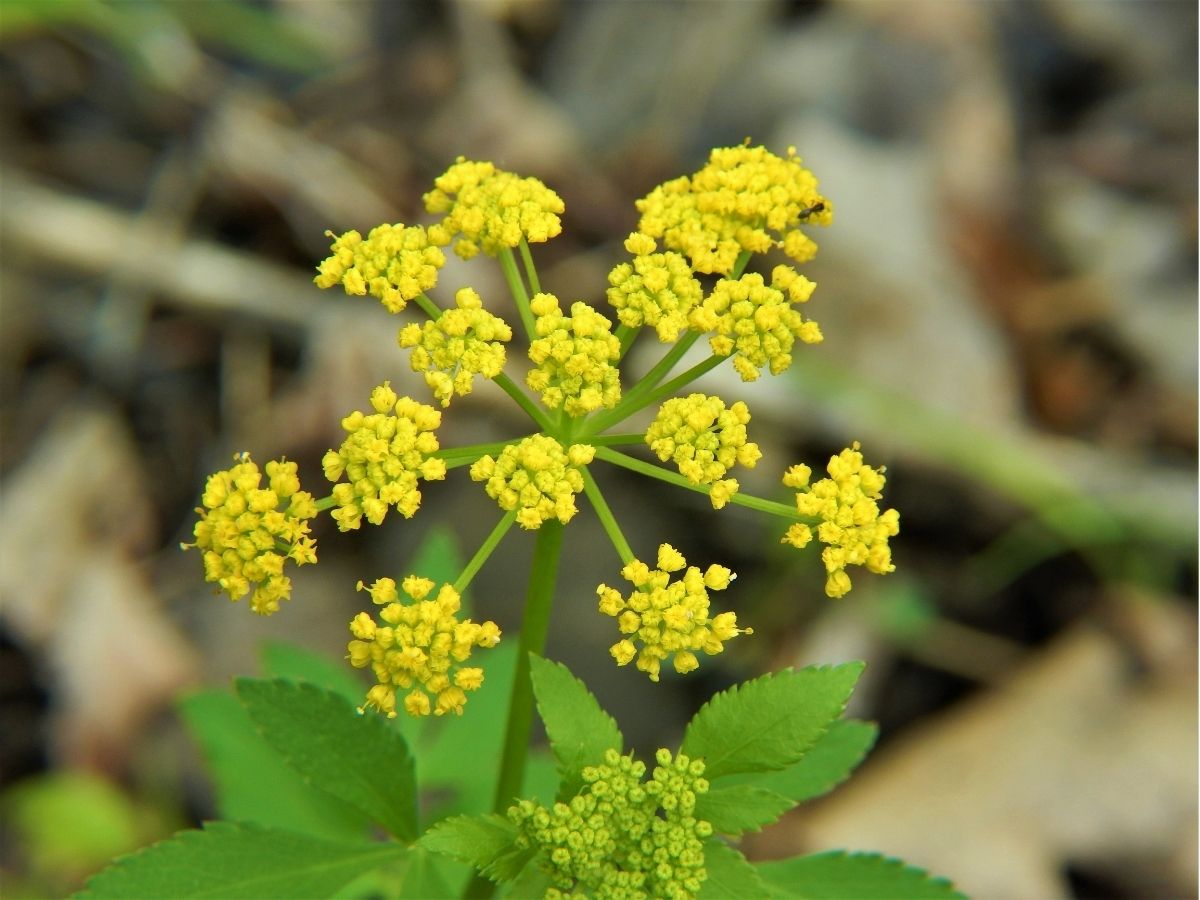
Golden alexanders (genus Zizia) are cheerful, early-season native wildflowers with flat-topped clusters of yellow blooms that help kick off the pollinator season.
Plant Type
Wildflowers (herbaceous perennials) > Golden alexanders
Aliases
Golden alexanders
Native Range
Native to parts of North America
Bloom window
Spring into early summer
OVERVIEW
Golden alexanders (genus Zizia) are an easy, bright way to add early-season blooms to a garden. Their yellow flower clusters show up when many beds are still filling in, and they fit nicely into both tidy borders and more natural, meadow-style plantings.
In a home garden, think of golden alexanders as a “spring starter” plant: it helps get the season going, then blends into the background as summer flowers take over. Plant a few together for a stronger patch of color and to make it easier for pollinators to find.
For best results, choose a spot with sun to part shade and soil that drains between waterings. Keep the area free of pesticide sprays so visiting insects can safely use the flowers. If you like a slightly wilder look, let the plant finish its cycle after blooming before doing a full tidy-up.
FAST FACTS
Essential stats and requirements for quick reference.
| Category | Details |
|---|---|
| Also known as | Golden alexanders |
| Bloom window | Spring into early summer |
| Typical height | About knee-high to waist-high, depending on conditions |
| Pollinators supported | Bees, Flies, Wasps, Butterflies |
| Light & moisture | Sun to part shade; average moisture |
| Best roles for pollinators | Early-season pollinator support, naturalized borders, and sunny-to-partly-shaded garden beds |
SUMMARY
A quick scan of what they do, what they need, and the best first step.
Golden alexanders provide early yellow blooms that can help feed a variety of small pollinators when the season is just getting started.
Give them sun to part shade, reasonably well-drained soil, and room to form a small clump.
Plant them in a visible spot near paths or patios so you’ll notice the early pollinator activity and keep the area pesticide-free.
IMPACT
Key Impacts
RECOGNITION
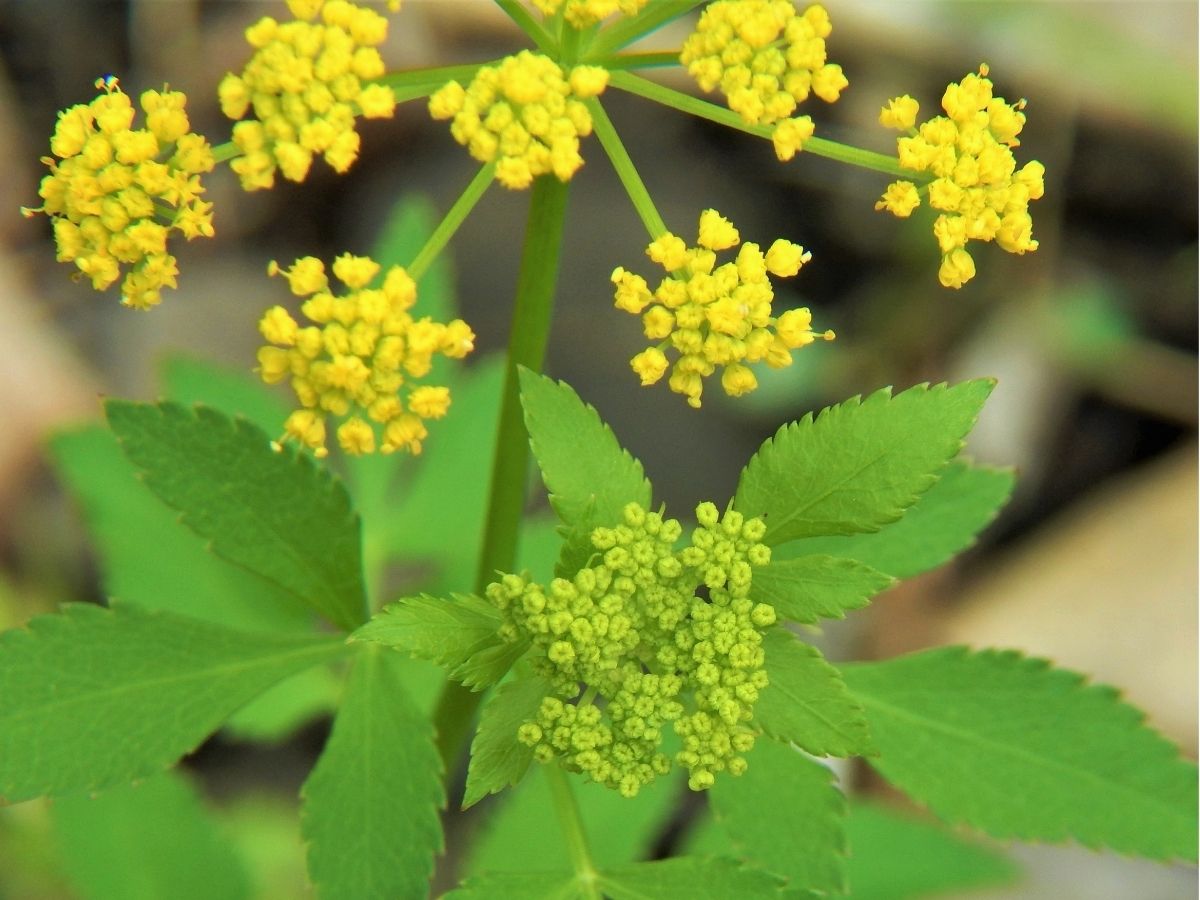
Green, divided leaves with a slightly lacy look; leaves are often grouped in threes or more leaflets.
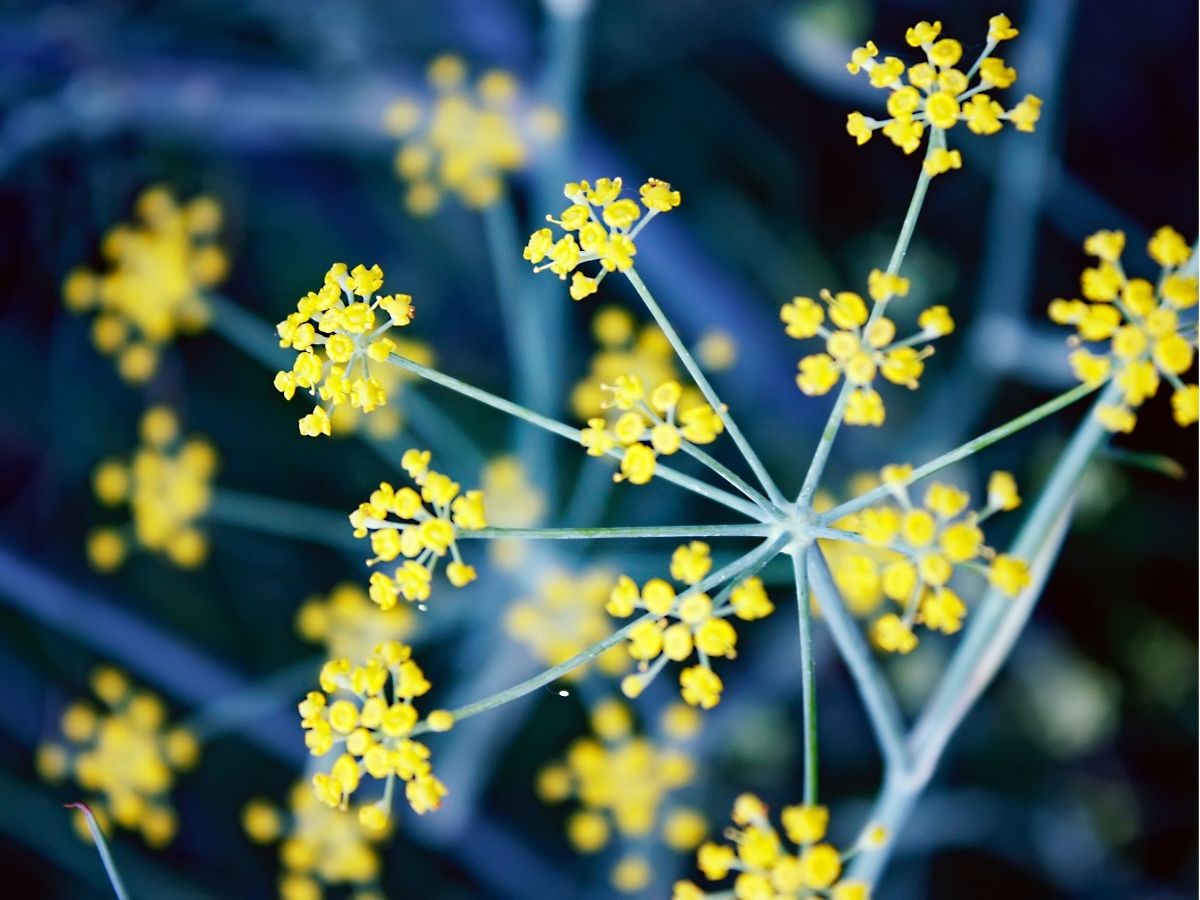
Small, bright yellow flowers packed into flat-topped clusters.
After flowering, the plant forms small, dry seeds typical of umbel-shaped wildflowers.
LOCATION
Native environments and the best spots to place it in your landscape.
SEASONALITY
Notes on bloom windows and how this plant helps pollinators across the seasons.
Golden alexanders are best known for their early-season show.
Bloom Season Role: Early-season nectar and pollen
REQUIREMENTS
The right mix of sun, soil, and space for healthy growth.
Sun to part shade. In hotter, drier spots, a little afternoon shade can help.
Average garden soil that drains reasonably well. It can handle richer soils but may need support from neighboring plants if it grows tall.
Water to establish, then water during long dry spells. Avoid sites that stay waterlogged.
Plant in small groups for a stronger visual effect and easier pollinator “findability.”
Use a light layer of leaf mulch or compost; keep mulch from piling against the crown.
GARDENING GUIDE
Simple steps to plant, prune, and maintain healthy trees without pesticides.
Pairings
Pairing ideas to keep pollinators fed throughout the growing season.
GLOSSARY
Glossary terms are being added.
What You Can Do
Turn this knowledge into action. Whether you plant a single pot or a whole garden, you are building a vital bridge for local biodiversity.
Join the movement to restore our shared habitats.