
What they do
Provide showy bloom spikes that can draw a steady stream of visiting insects during their flowering window.
Genus Amorpha
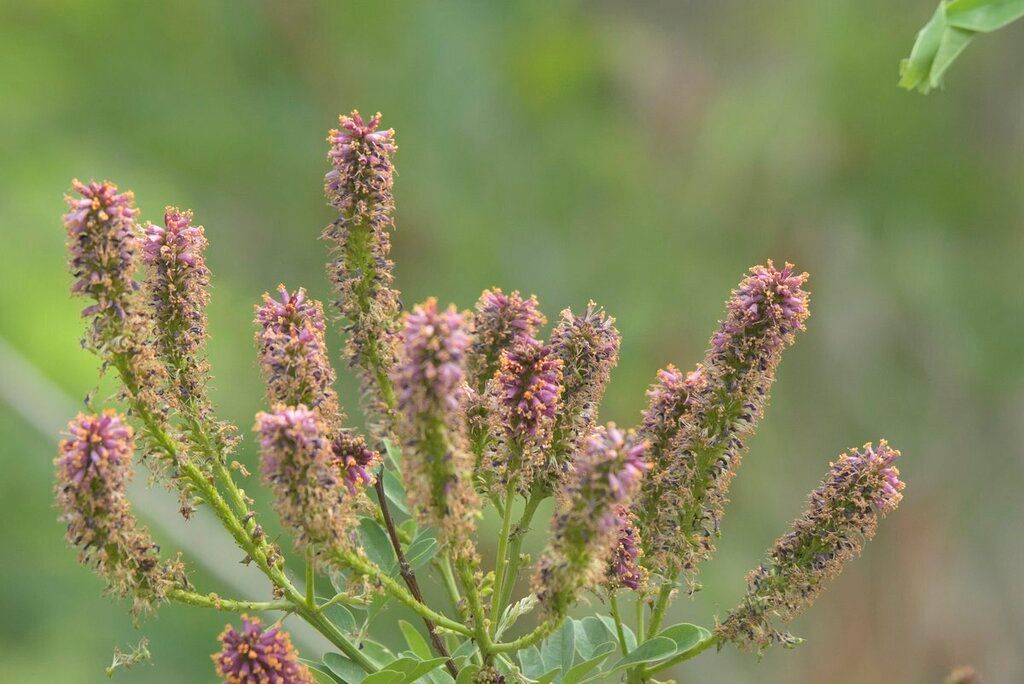
Amorpha (indigo bush and its relatives) are North American native shrubs known for spiky purple blooms and strong pollinator interest. They’re a good choice for sunny gardens where you want a tough, low-fuss plant that supports bees and other beneficial insects.
Plant Type
Wildflowers (herbaceous perennials) > Indigo bush & relatives
Aliases
Leadplant, indigo bush
Native Range
North America (varies by species)
Bloom window
Late spring through summer (varies by species)
OVERVIEW
Amorpha (Indigo bush and relatives) are rugged, native North American shrubs that provide robust, medium-height structure and are valued for their resilience in sunny, low-input areas with well-drained soil. They function as a strong component for holding a layered habitat garden together.
The primary ecological value of Amorpha is its long-season display of spiky purple blooms, which provides substantial nectar and pollen resources for a wide range of native bees and other insects throughout the summer.
To maximize its benefit for local pollinators, site Amorpha in full sun and establish it with consistent watering in the first year. Once established, avoid overwatering and, crucially, avoid all insecticides, especially when the plant is flowering.
FAST FACTS
Essential stats and requirements for quick reference.
| Category | Details |
|---|---|
| Also known as | Leadplant, indigo bush |
| Bloom window | Late spring through summer (varies by species) |
| Typical height | Varies by species; often a medium-sized shrub |
| Pollinators supported | Bees, Butterflies, Wasps, Flies |
| Light & moisture | Sun; adaptable moisture once established (avoid constantly soggy spots) |
| Best roles for pollinators | Sunny pollinator gardens, naturalized edges, and low-input plantings where you want long-lasting blooms and a hardy native shrub. |
SUMMARY
A quick scan of what they do, what they need, and the best first step.
Provide showy bloom spikes that can draw a steady stream of visiting insects during their flowering window.
A bright, sunny spot and well-drained soil; give regular water at first, then let the plant settle into a more natural rhythm.
Place Amorpha where it gets plenty of sun and avoid spraying insecticides on nearby plants while it’s blooming.
IMPACT
Key Impacts
RECOGNITION
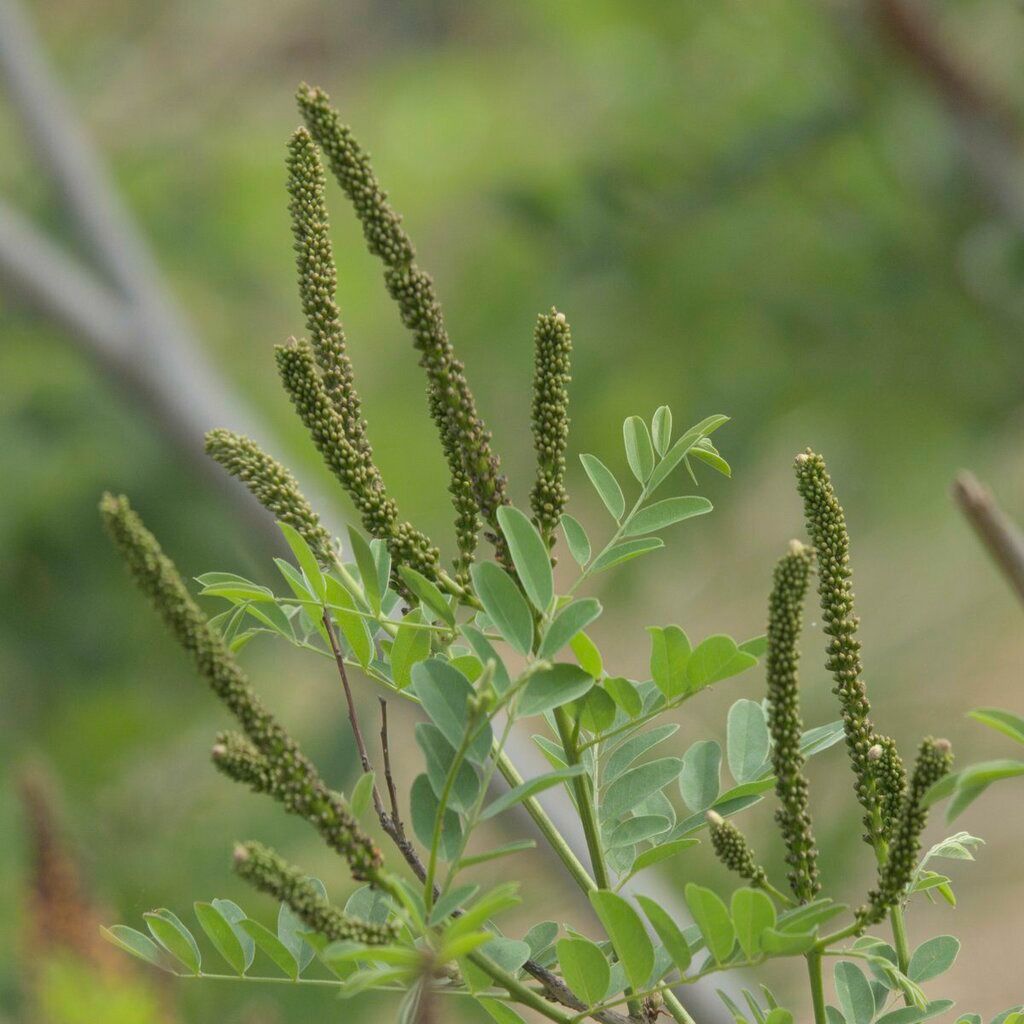
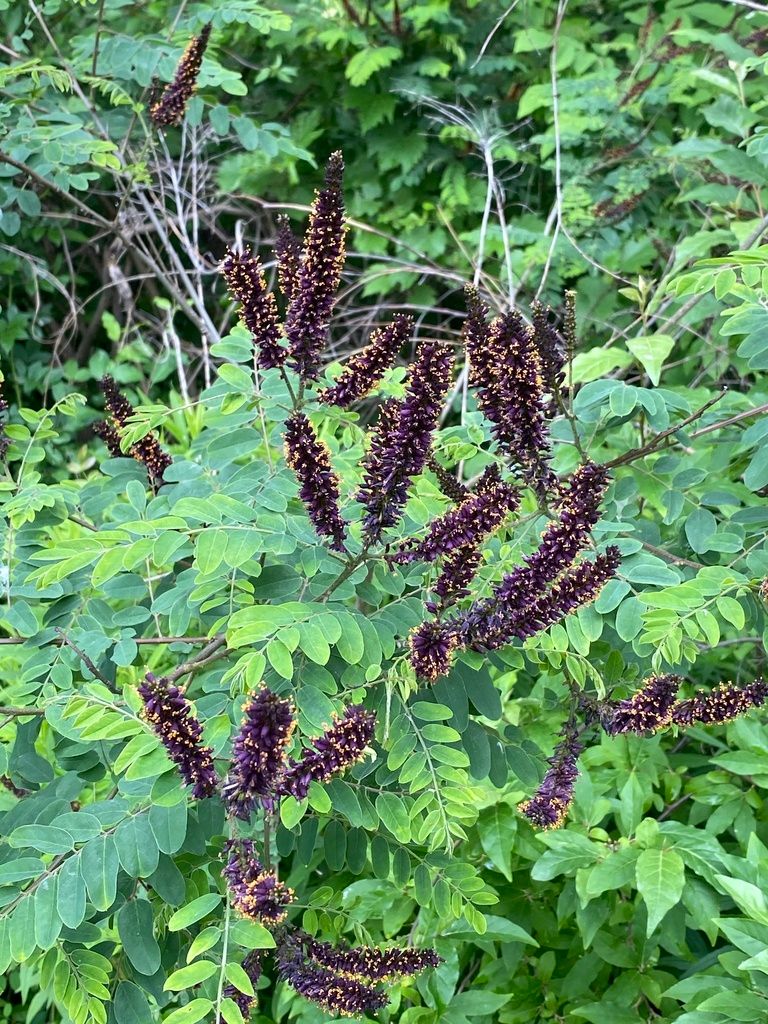
Compound leaves with many small leaflets, giving a soft, feathery texture.
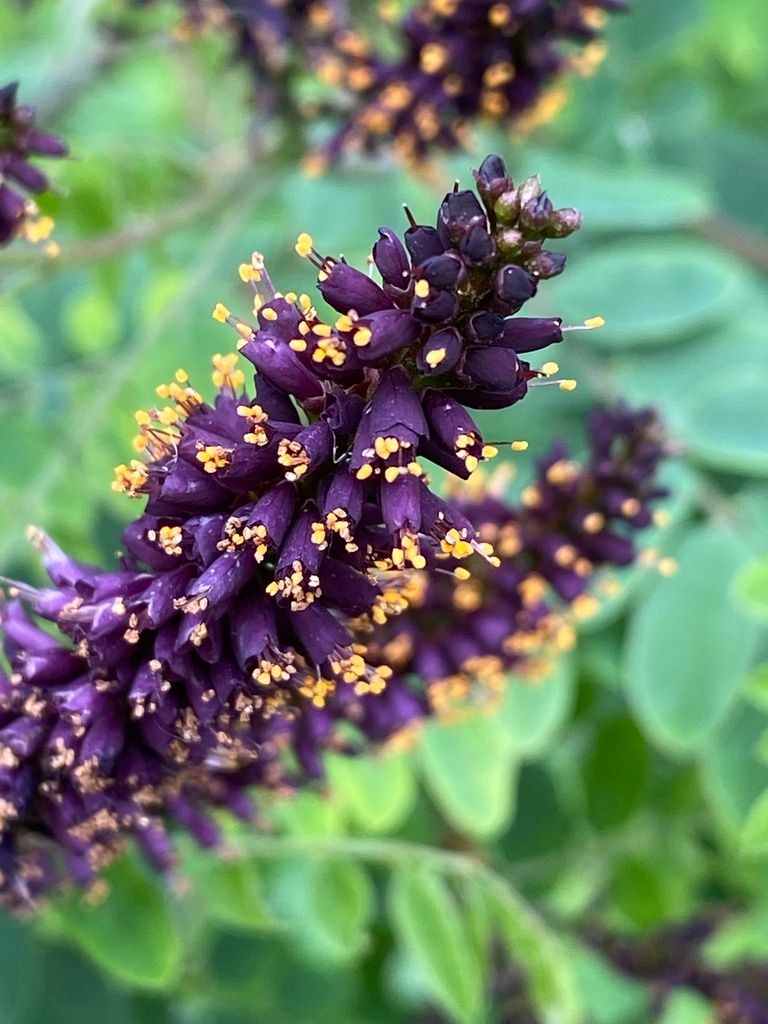
Dense spikes of small purple flowers; bright anthers are often visible and distinctive.
Pods form after flowering; leave some in place for seasonal interest and to allow natural reseeding where appropriate.
LOCATION
Native environments and the best spots to place it in your landscape.
SEASONALITY
Notes on bloom windows and how this plant helps pollinators across the seasons.
Bloom timing depends on the species and local conditions, but many Amorpha plants flower from late spring into summer.
Bloom Season Role: Mid-season nectar and pollen
REQUIREMENTS
The right mix of sun, soil, and space for healthy growth.
Best in full sun; part sun can work but may reduce flowering.
Prefers well-drained soil; tolerates a range of soil types when not waterlogged.
Water regularly during the first season; after establishment, water during long dry spells if needed.
Plant in spring or fall. Give enough space for mature width and airflow.
Mulch lightly to reduce weeds and protect soil, keeping mulch off the stems.
GARDENING GUIDE
Simple steps to plant, prune, and maintain healthy trees without pesticides.
Pairings
Pairing ideas to keep pollinators fed throughout the growing season.
GLOSSARY
Glossary terms are being added.
What You Can Do
Turn this knowledge into action. Whether you plant a single pot or a whole garden, you are building a vital bridge for local biodiversity.
Join the movement to restore our shared habitats.