

What they do
Native loosestrifes add reliable flowers that can be visited by a range of pollinators and help make a garden feel more “alive.”
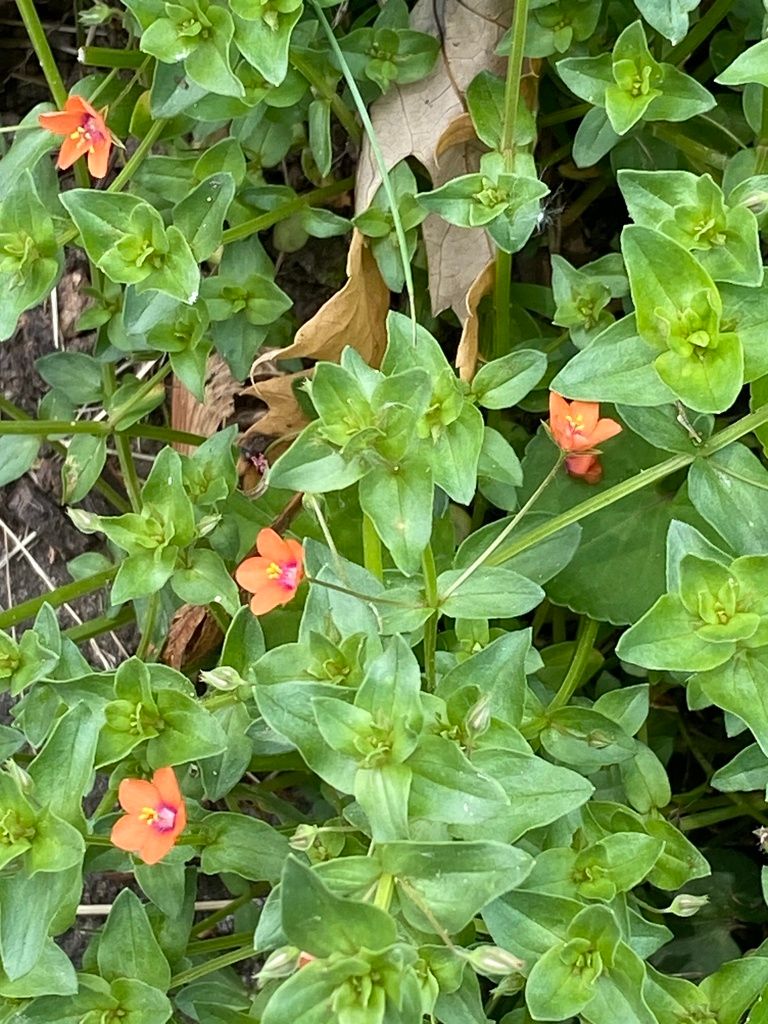
Genus Lysimachia (native spp.)
Native loosestrifes (genus Lysimachia) are easygoing wildflowers that bring long-lasting blooms to gardens and naturalized areas, supporting a variety of pollinators without needing fussy care.
Plant Type
Wildflowers (herbaceous perennials) > Loosestrifes
Aliases
Loosestrife (native)
Native Range
Native species occur in parts of Canada, including areas around Toronto; exact range depends on the species.
Bloom window
Seasonal blooms that can help fill gaps between spring and fall flowers (varies by species).
OVERVIEW
Native loosestrifes (Lysimachia spp.) are a flexible choice for building a pollinator-friendly garden in and around Toronto. The key is picking the right native species for your conditions—especially how wet or dry your soil tends to be.
If you’re starting small, try adding one plant to a mixed border or a dedicated “pollinator patch” with a few other native perennials. If you have a spot that stays a bit damp, some native loosestrifes can be especially happy there. Once established, they’re generally straightforward: keep weeds down early, water during long dry stretches, and let the plant settle into a healthy clump.
When shopping, don’t rely on the common name alone. “Loosestrife” can mean different plants, so check for Lysimachia on the label and ask for the exact species. That simple step helps you choose a plant that fits your garden and supports your pollinator goals.
FAST FACTS
Essential stats and requirements for quick reference.
| Category | Details |
|---|---|
| Also known as | Loosestrife (native) |
| Bloom window | Seasonal blooms that can help fill gaps between spring and fall flowers (varies by species). |
| Typical height | Varies by species; typically low to medium height for a wildflower planting. |
| Pollinators supported | Bees, Butterflies, Flies |
| Light & moisture | Adaptable; choose the right native Lysimachia species for your site’s sun and moisture. |
| Best roles for pollinators | Gardeners who want a native perennial that’s friendly to pollinators and works well in mixed plantings, edges, and naturalized areas. |
SUMMARY
A quick scan of what they do, what they need, and the best first step.
Native loosestrifes add reliable flowers that can be visited by a range of pollinators and help make a garden feel more “alive.”
A site that matches the species’ needs (especially moisture), plus a little space to form a healthy clump.
Before you buy, confirm the plant is a native Lysimachia species and match it to your garden’s moisture level.
IMPACT
Key Impacts
RECOGNITION
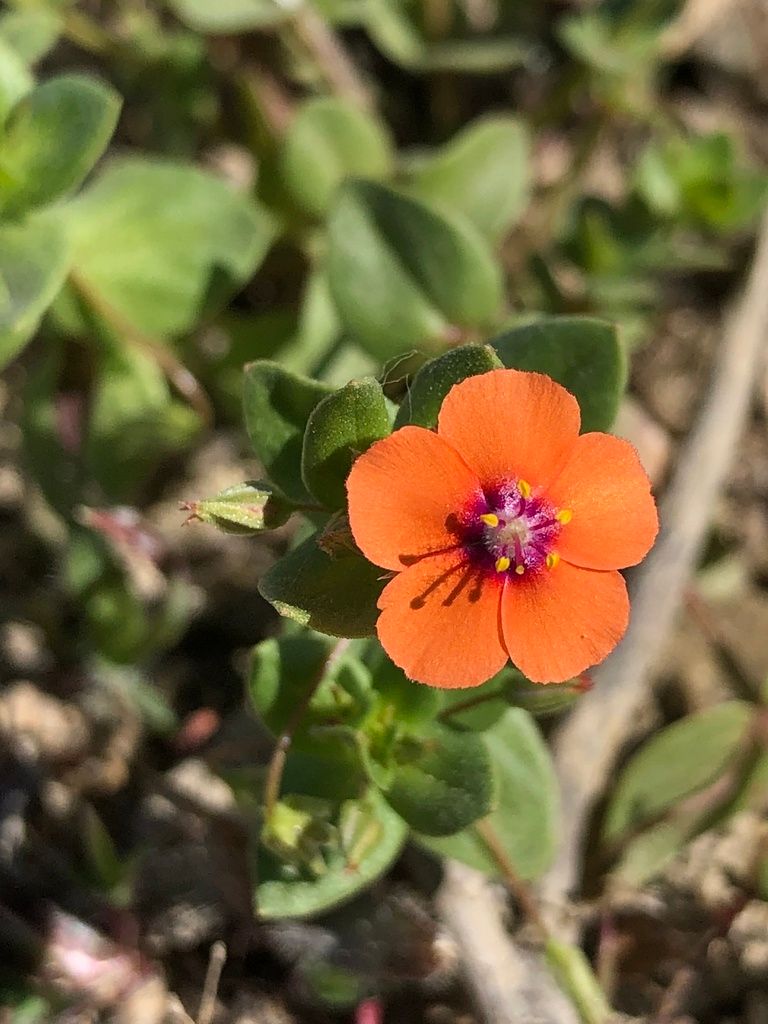
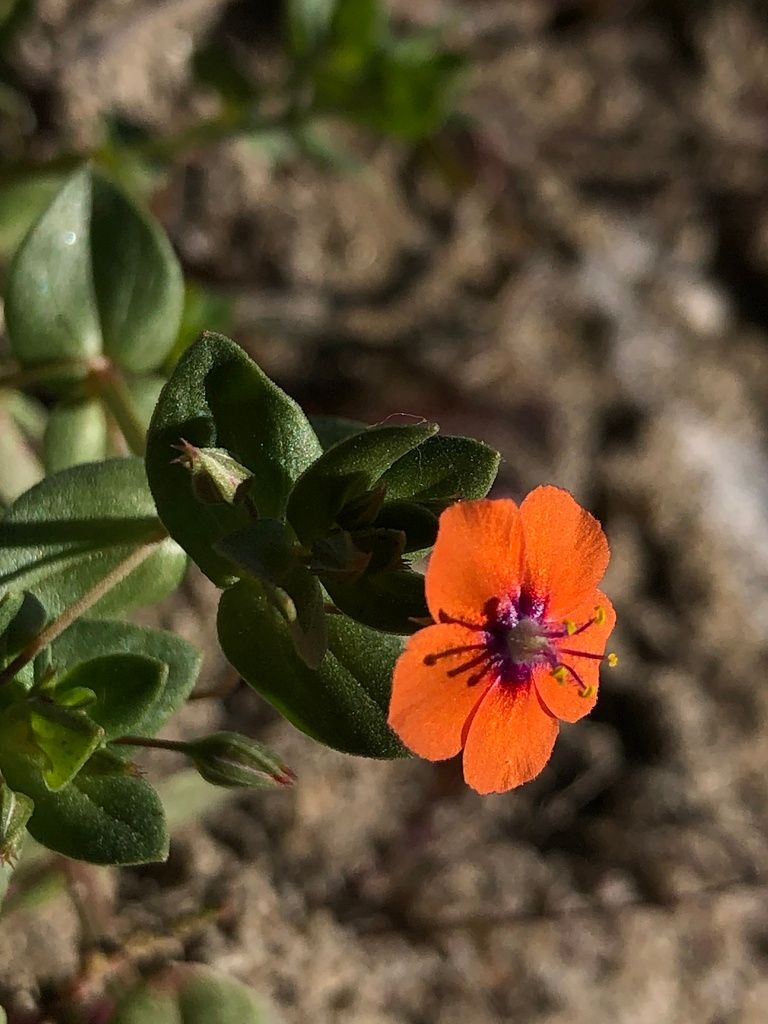
Green leaves along the stems; shape and arrangement vary by species, but plants often look tidy and upright or gently spreading.
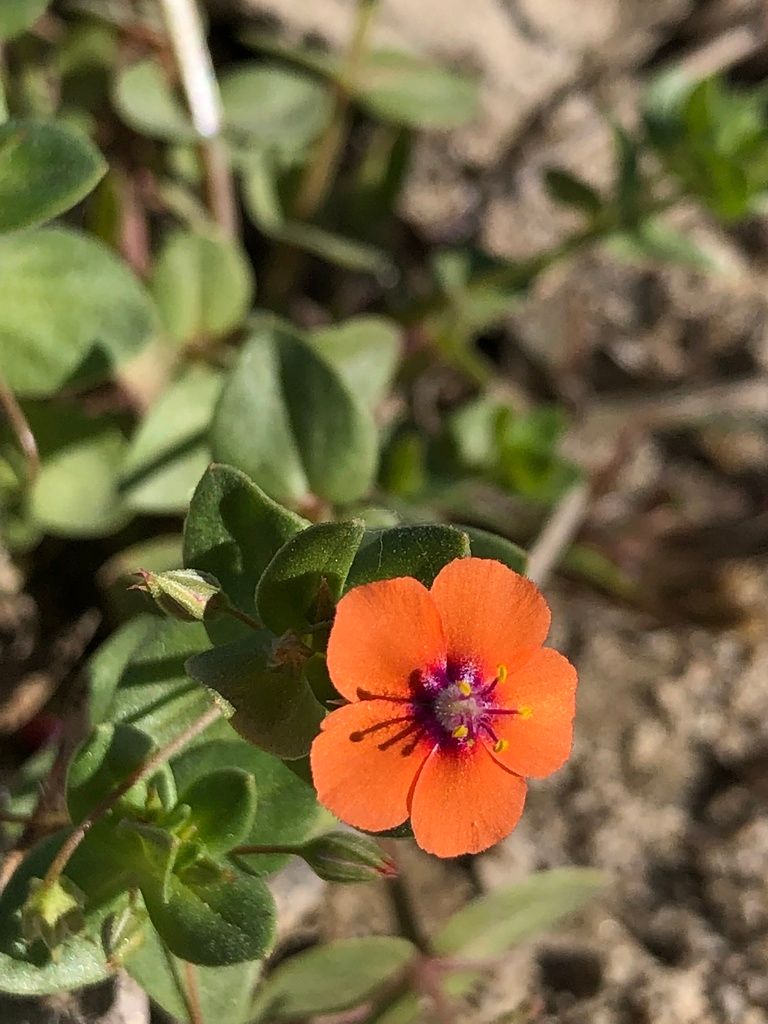
Showy, often yellow blooms; may be clustered or spaced along the stem depending on the species.
After flowering, plants form small seed structures; leaving stems standing for a while can add texture and habitat.
LOCATION
Native environments and the best spots to place it in your landscape.
SEASONALITY
Notes on bloom windows and how this plant helps pollinators across the seasons.
Different native Lysimachia species bloom at different times, but many are useful for keeping flowers going through the growing season.
Bloom Season Role: A steady, mid-season style bloomer that can help keep flowers coming when early blooms fade.
REQUIREMENTS
The right mix of sun, soil, and space for healthy growth.
Sun to part shade is a safe starting point for many native Lysimachia; check the specific species for best results.
Average garden soil works for many; some species prefer consistently moist soils. Avoid compacted, waterlogged spots unless the species is suited to it.
Water new plants regularly until established. After that, water during long dry spells, especially for moisture-loving species.
Plant in spring or fall. Give each plant room to form a clump and avoid burying the crown too deeply.
Use a light layer of leaf mulch or shredded mulch to reduce weeds and hold moisture, keeping mulch off the plant’s base.
GARDENING GUIDE
Simple steps to plant, prune, and maintain healthy trees without pesticides.
Pairings
Pairing ideas to keep pollinators fed throughout the growing season.
GLOSSARY
Glossary terms are being added.
What You Can Do
Turn this knowledge into action. Whether you plant a single pot or a whole garden, you are building a vital bridge for local biodiversity.
Join the movement to restore our shared habitats.