
What they do
Marsh mallows add large, easy-to-visit flowers that can support a variety of pollinators through the blooming season.
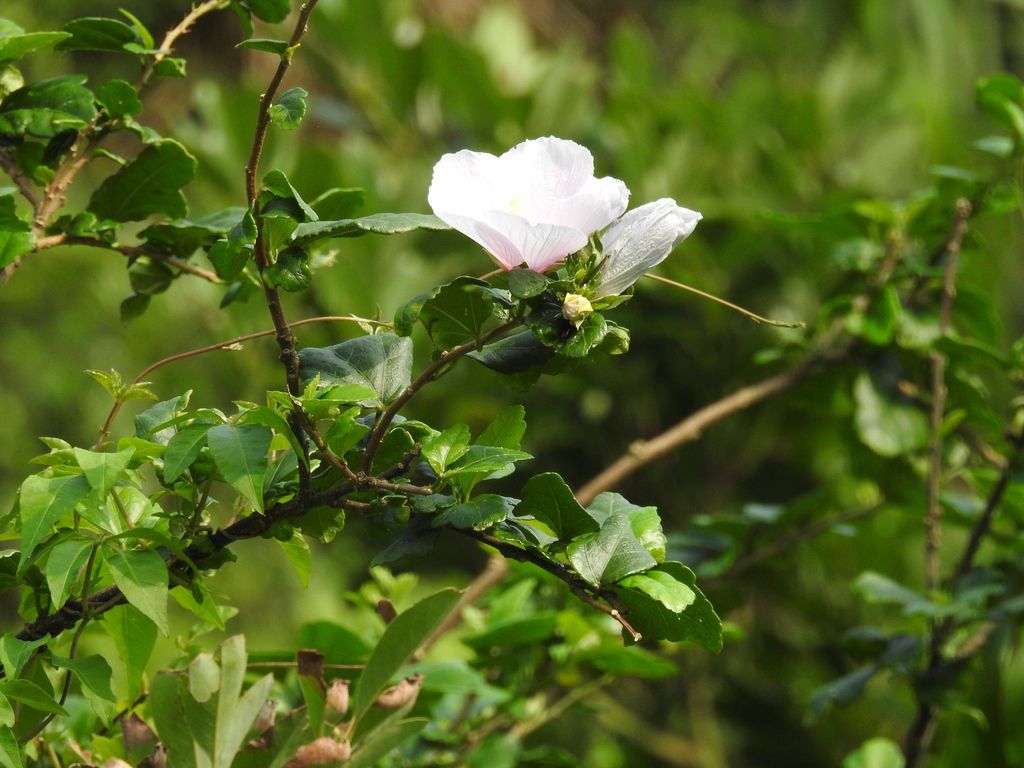
Genus Hibiscus (native spp.)
Marsh mallows are moisture-loving native hibiscus relatives that bring big, showy blooms to sunny spots and offer reliable nectar and pollen for a range of pollinators.
Plant Type
Wildflowers (herbaceous perennials) > Marsh mallows
Aliases
Hibiscus
Native Range
Native species occur in parts of North America; choose locally native Hibiscus species where available.
Bloom window
Mid-to-late season (varies by species and site)
OVERVIEW
Marsh mallows (native Hibiscus species) are a great fit for gardens that get plenty of sun and don’t dry out. Their large flowers can make pollinator activity easy to notice—especially in a schoolyard or community garden where visibility matters.
If you’re working with a damp corner, a rain-garden edge, or a spot that stays moist after storms, this group of plants can help you turn “too wet” into “just right.” Choose locally native Hibiscus species when possible, give them room, and focus on steady moisture—then enjoy the blooms and the visitors they attract.
FAST FACTS
Essential stats and requirements for quick reference.
| Category | Details |
|---|---|
| Also known as | Hibiscus |
| Bloom window | Mid-to-late season (varies by species and site) |
| Typical height | Medium to tall (varies by species) |
| Pollinators supported | Bees, Butterflies |
| Light & moisture | Sun with consistently moist soil is often best. |
| Best roles for pollinators | Sunny, moisture-retentive gardens; rain-garden edges; spots where you want bold flowers and steady pollinator visits. |
SUMMARY
A quick scan of what they do, what they need, and the best first step.
Marsh mallows add large, easy-to-visit flowers that can support a variety of pollinators through the blooming season.
Bright light and soil that stays evenly moist (not bone-dry).
Place them where they’ll get plenty of sun and won’t dry out—then let the blooms do the rest.
IMPACT
Key Impacts
RECOGNITION
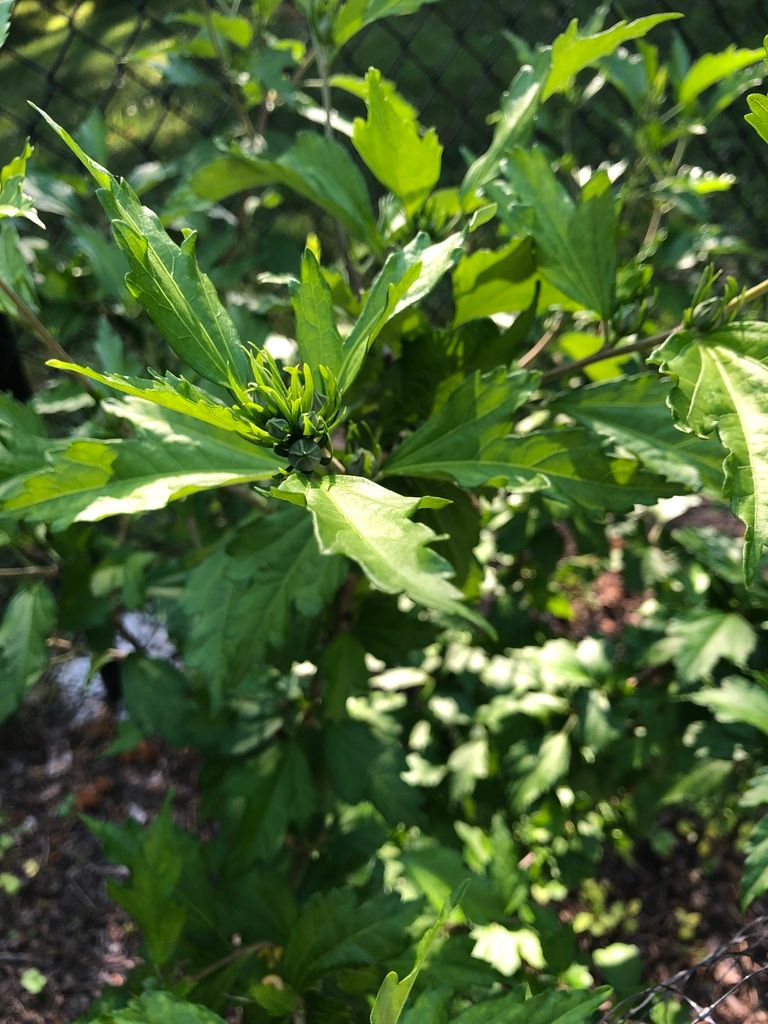
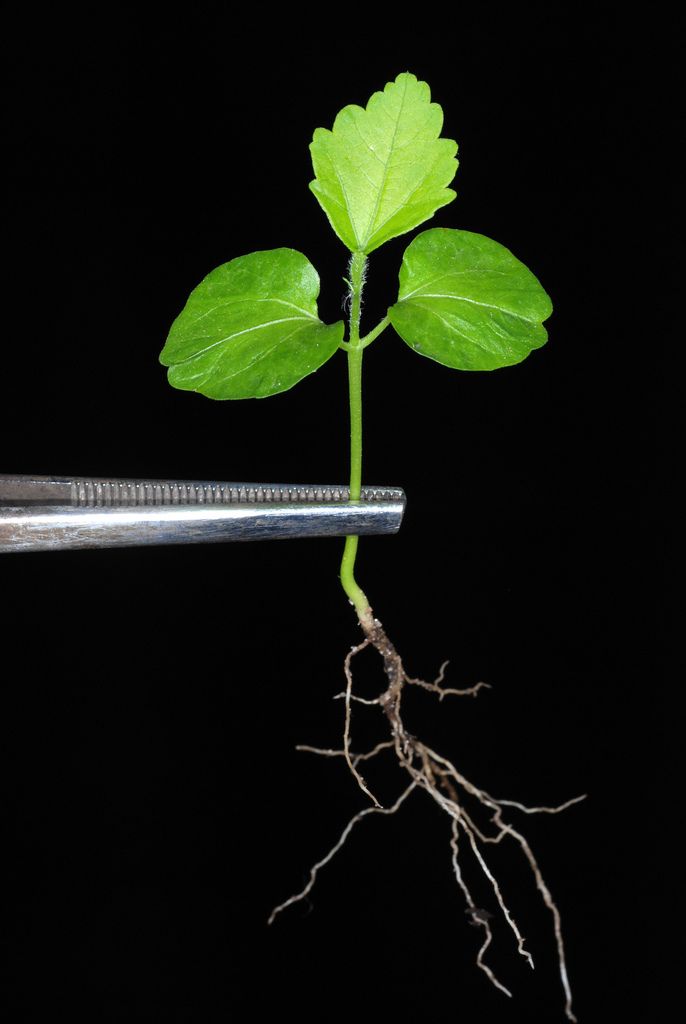
Green leaves on upright stems; shape varies by species and can be lobed or toothed.
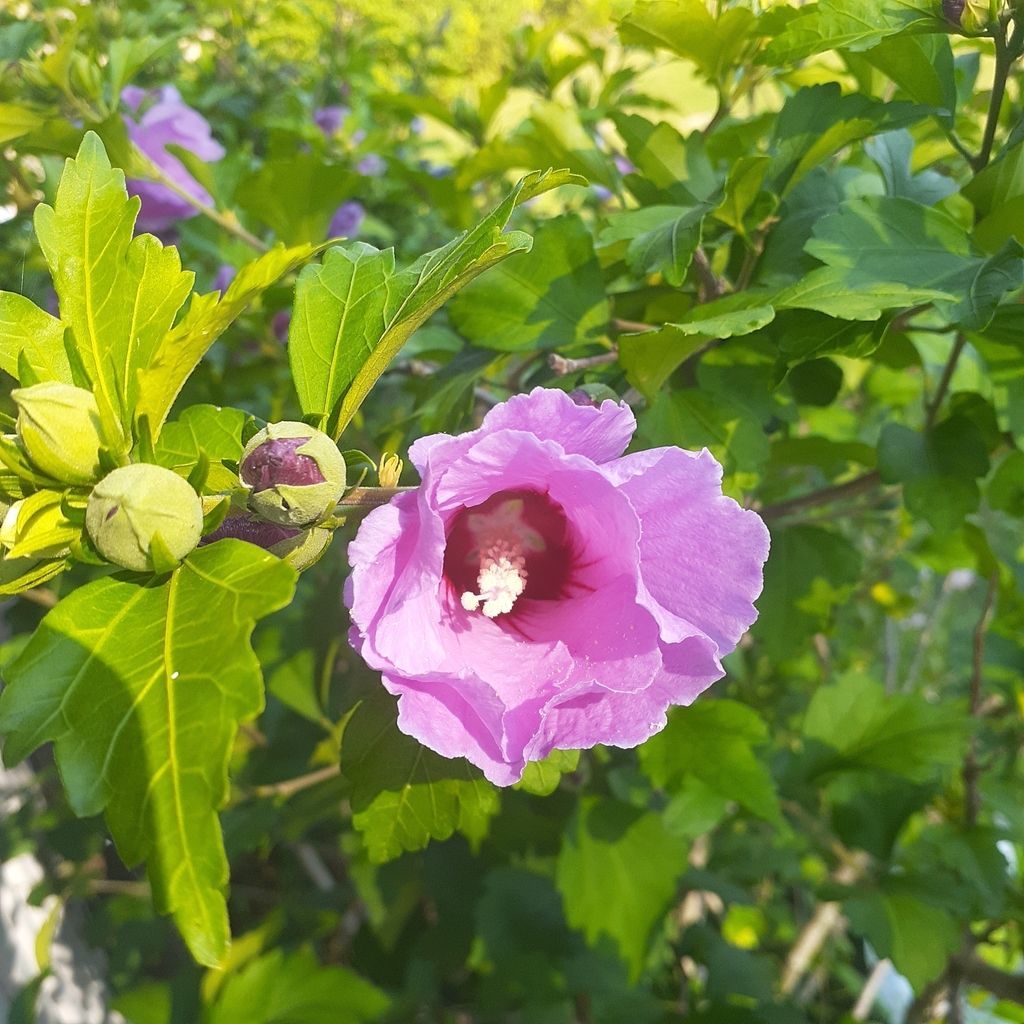
Large, open, hibiscus-like flowers with a prominent center; colors vary by species.
After flowering, forms seed capsules typical of mallows.
LOCATION
Native environments and the best spots to place it in your landscape.
SEASONALITY
Notes on bloom windows and how this plant helps pollinators across the seasons.
Bloom timing depends on the native species and your site, but many marsh mallows shine later in the growing season.
Bloom Season Role: Big, open blooms that can help fill a mid-to-late season gap.
REQUIREMENTS
The right mix of sun, soil, and space for healthy growth.
Best flowering usually happens in full sun; part sun can work with fewer blooms.
Moisture-retentive soil; tolerates heavier soils if drainage isn’t extreme.
Water during dry spells, especially while establishing, so the soil doesn’t dry out completely.
Plant where it has room to mature and where you can keep soil evenly moist.
Use a light mulch to hold moisture and reduce weeds, keeping mulch a little back from the stems.
GARDENING GUIDE
Simple steps to plant, prune, and maintain healthy trees without pesticides.
Pairings
Pairing ideas to keep pollinators fed throughout the growing season.
GLOSSARY
Glossary terms are being added.
What You Can Do
Turn this knowledge into action. Whether you plant a single pot or a whole garden, you are building a vital bridge for local biodiversity.
Join the movement to restore our shared habitats.