

What they do
Milkweeds provide clustered flowers that can feed a wide mix of pollinators and add strong color to a planting.
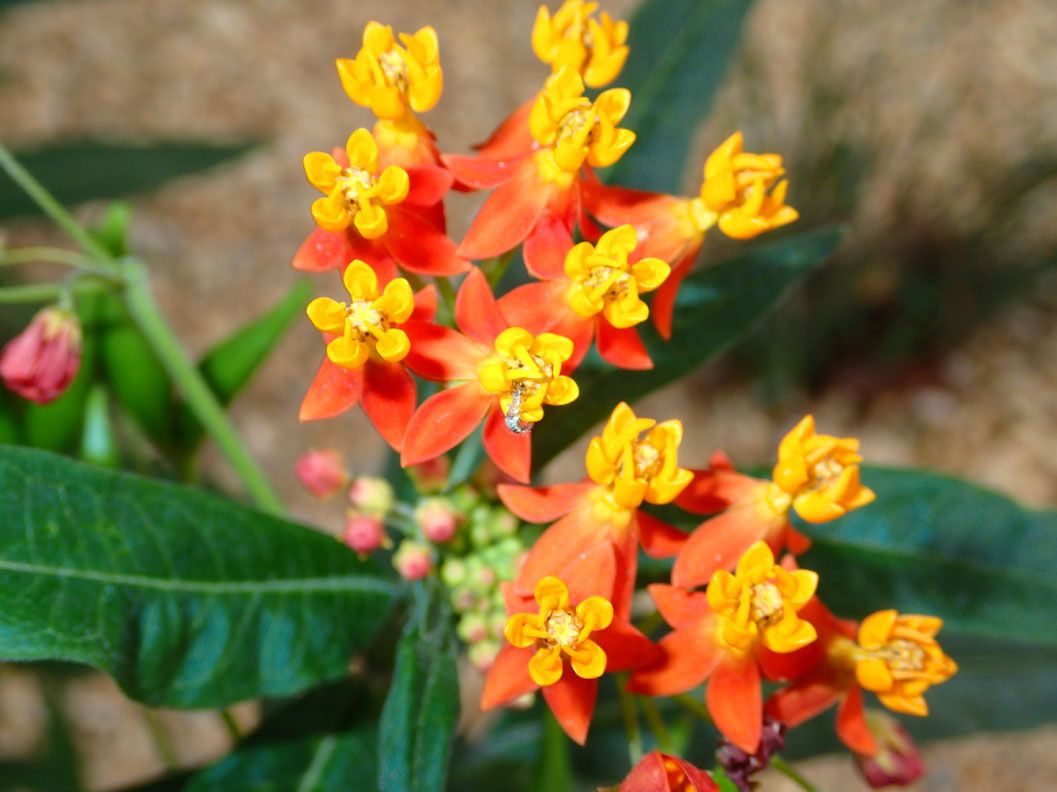
Genus Asclepias (Mexico spp.)
Milkweeds from tropical Mexico (genus Asclepias) are nectar-rich wildflowers that can add bright blooms and pollinator activity to sunny gardens and containers.
Plant Type
Wildflowers (herbaceous perennials) > Milkweeds
Aliases
Milkweed
Native Range
Tropical Mexico (species in the genus Asclepias)
Bloom window
Warm-season blooming (often summer into fall, depending on species and growing conditions)
OVERVIEW
Milkweeds from tropical Mexico (Genus Asclepias) are nectar-rich wildflowers that serve as bright anchor plants in sunny, well-drained pollinator gardens. Their clusters of small blooms offer a consistent, accessible food source, supporting a wide range of native insects throughout their long bloom season. They function effectively in borders and containers, adding dependable vertical interest and structure to layered habitat plantings.
For best results, site these milkweeds where they receive ample sun and in soil that drains readily. They thrive with consistent moisture to establish, but care should focus on avoiding perpetually soggy conditions. To maximize their value to pollinators, always keep the planting area strictly pesticide-free.
FAST FACTS
Essential stats and requirements for quick reference.
| Category | Details |
|---|---|
| Also known as | Milkweed |
| Bloom window | Warm-season blooming (often summer into fall, depending on species and growing conditions) |
| Typical height | Varies by species; often knee- to chest-high |
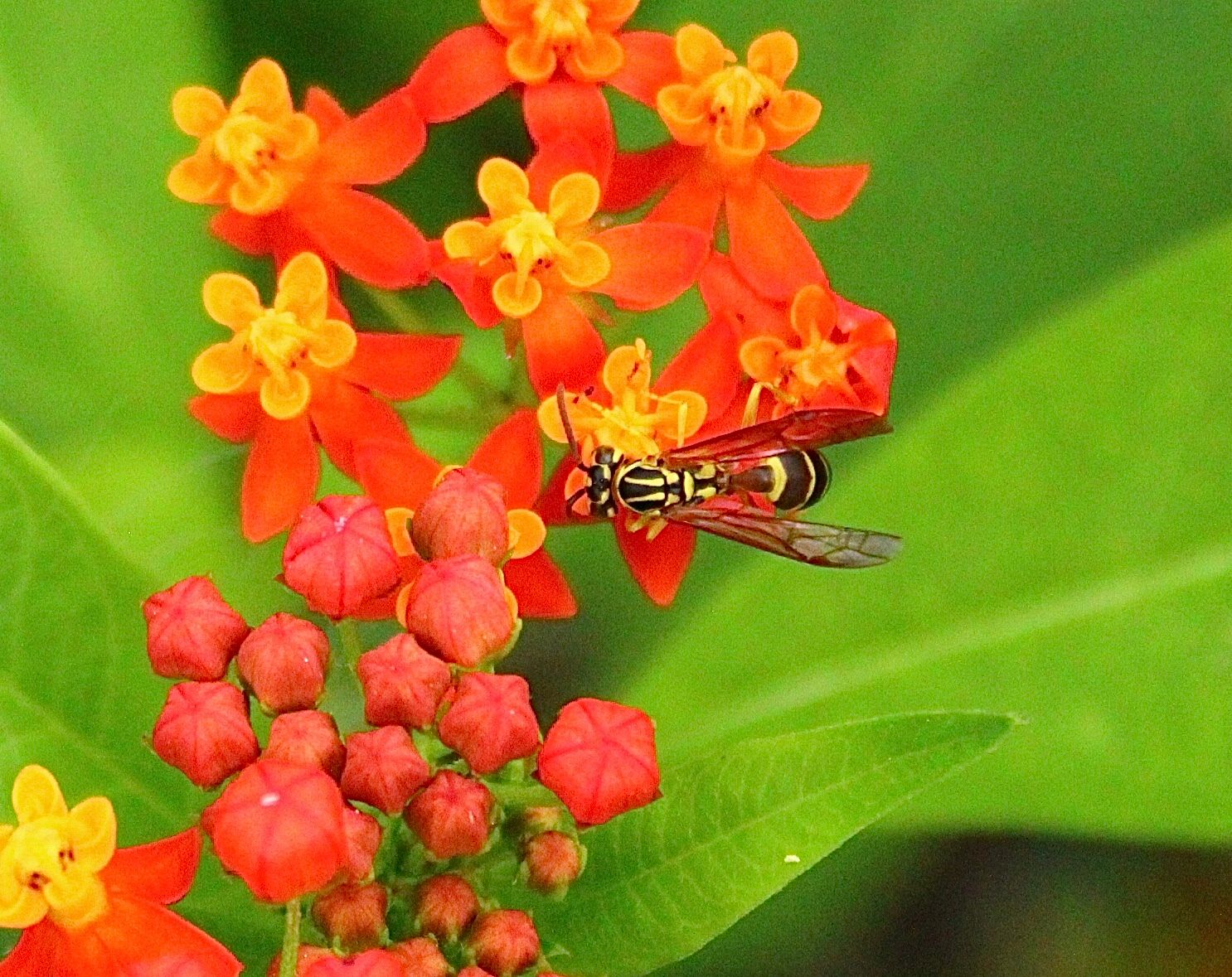
| Pollinators supported | Bees, Butterflies, Wasps, Flies, Beetles |
| Light & moisture | Sun to part sun; best in well-drained soil that’s not constantly wet |
| Best roles for pollinators | Sunny gardens, schoolyard pollinator patches, and large containers where you want long-lasting color and frequent pollinator visits. |
SUMMARY
A quick scan of what they do, what they need, and the best first step.
Milkweeds provide clustered flowers that can feed a wide mix of pollinators and add strong color to a planting.
Bright light, drainage, and a spot where they won’t be overwatered.
Plant milkweed in a sunny, well-drained spot (or a draining container) and skip pesticides.
IMPACT
Key Impacts
RECOGNITION
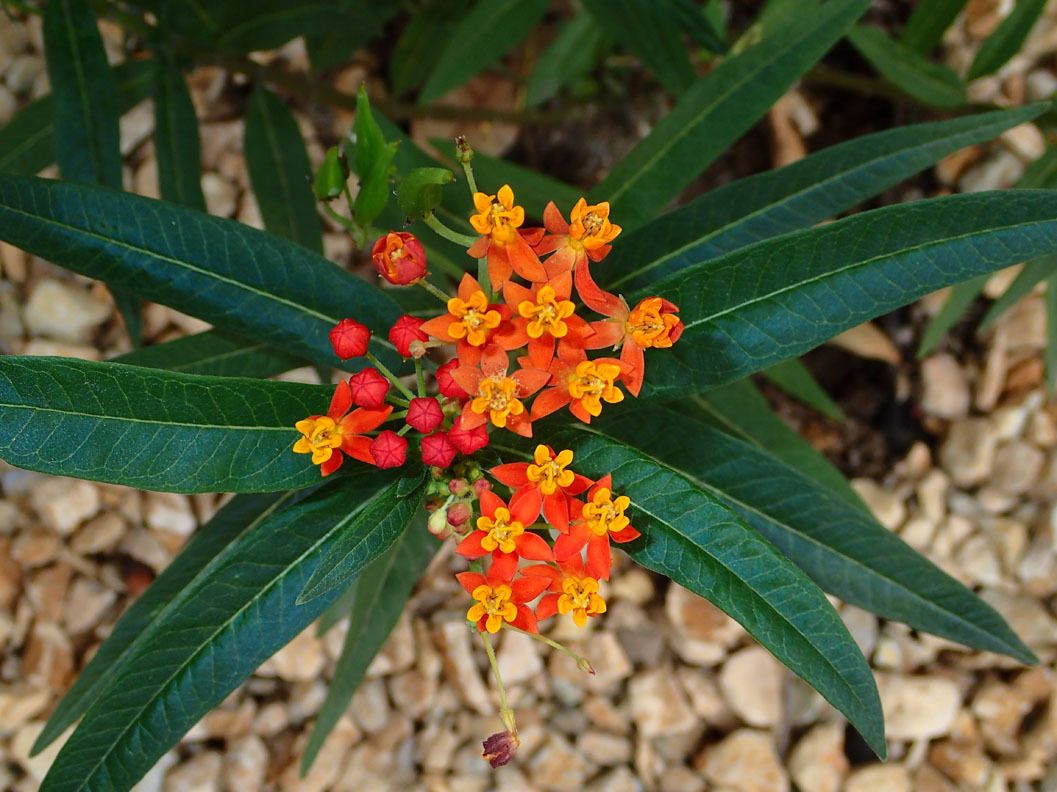
Leaf shape and arrangement vary by species, but many have sturdy, simple leaves on upright stems; broken leaves may release milky sap.
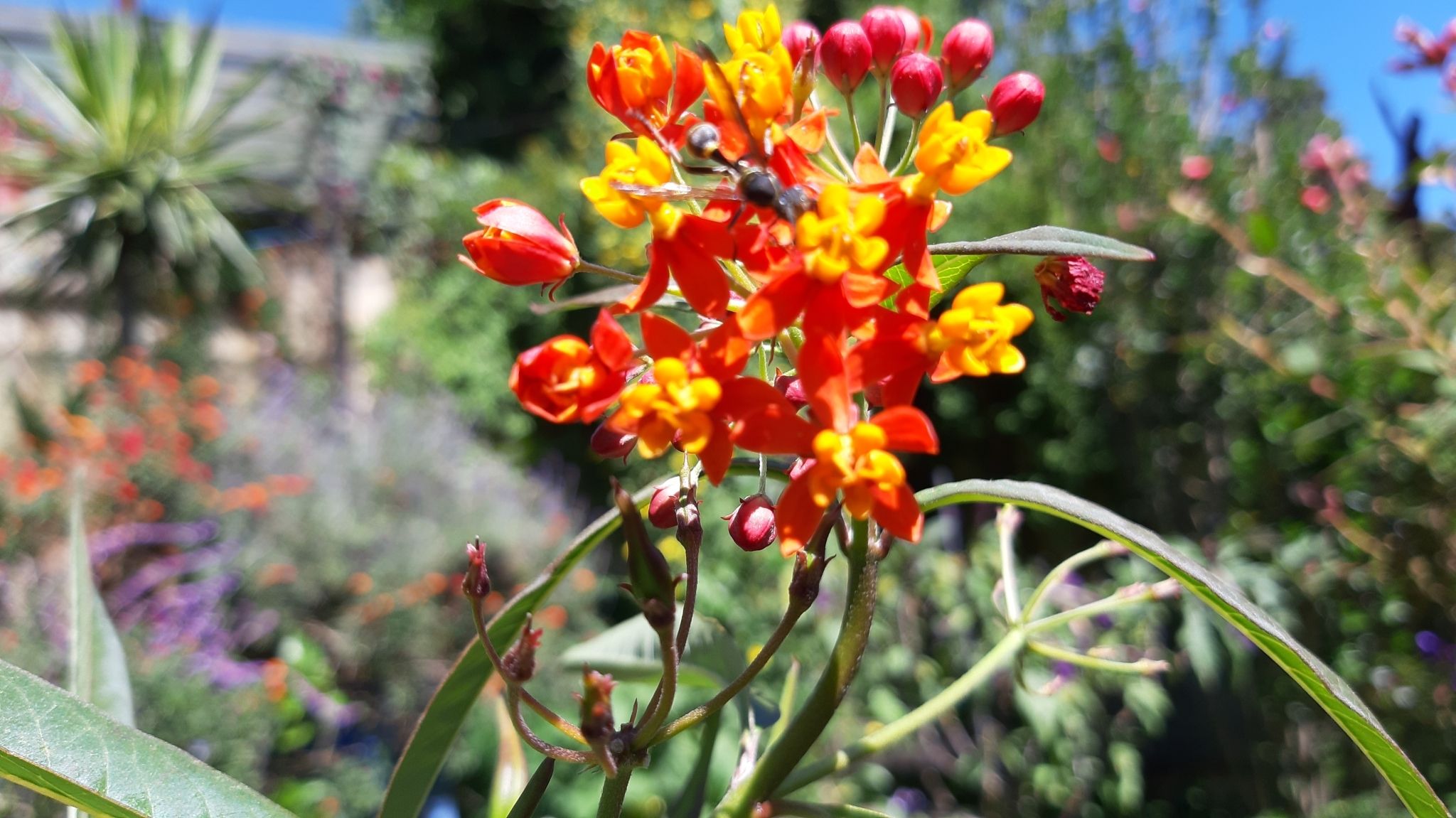
Small, star-shaped flowers packed into rounded clusters; colors vary by species and cultivar.
Seed pods that mature and split open to release silky-tufted seeds.
LOCATION
Native environments and the best spots to place it in your landscape.
SEASONALITY
Notes on bloom windows and how this plant helps pollinators across the seasons.
Bloom timing depends on the species and your growing conditions, but many milkweeds shine in the warmer part of the year.
Bloom Season Role: Mid-to-late season nectar source
REQUIREMENTS
The right mix of sun, soil, and space for healthy growth.
Give as much sun as you can for best flowering; part sun can work but may reduce blooms.
Well-drained soil is key. If your soil stays wet, improve drainage or use a raised bed/container.
Water to establish, then avoid frequent soaking. Let the top of the soil dry a bit between waterings.
Plant in a spot where it can stay put; many milkweeds prefer not to be moved once established.
Use a light mulch to reduce weeds, but keep mulch from piling against the stem to prevent rot.
GARDENING GUIDE
Simple steps to plant, prune, and maintain healthy trees without pesticides.
Pairings
Pairing ideas to keep pollinators fed throughout the growing season.
GLOSSARY
Glossary terms are being added.
What You Can Do
Turn this knowledge into action. Whether you plant a single pot or a whole garden, you are building a vital bridge for local biodiversity.
Join the movement to restore our shared habitats.
Pollinators supported
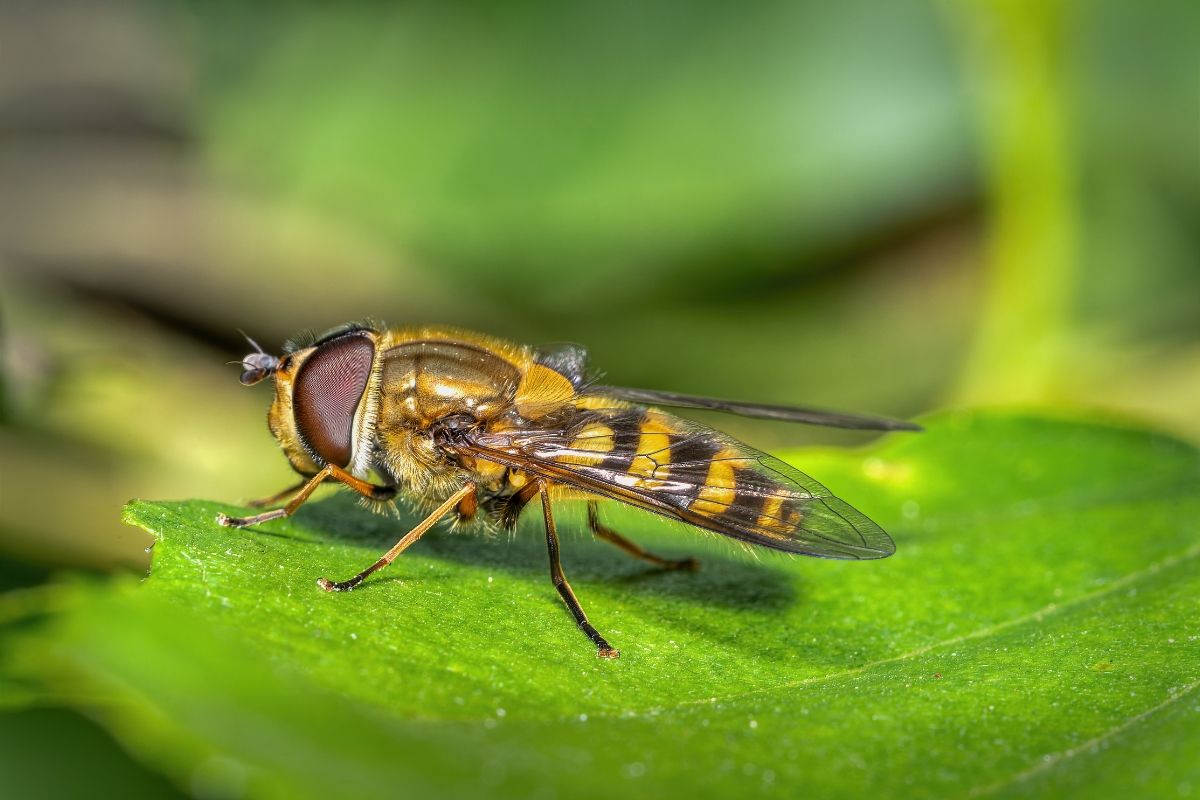
Adults visit flowers for nectar and pollen, and many species’ larvae help keep plant-eating pests in check.
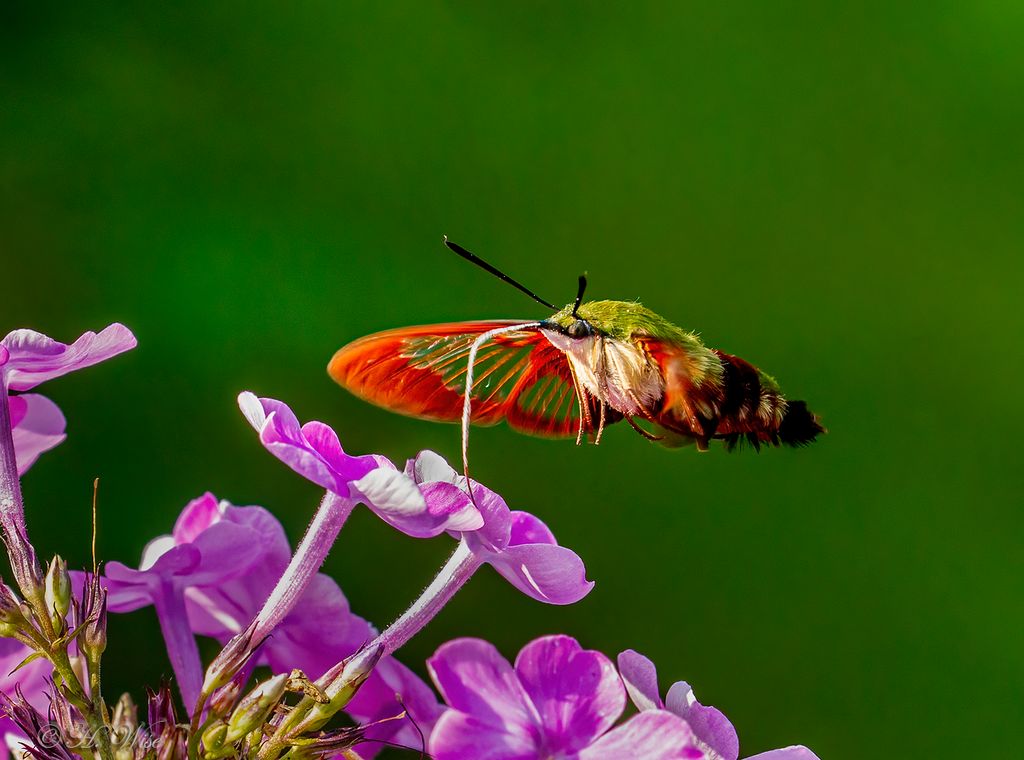
They can move pollen between flowers while feeding on nectar, especially for blooms that open or scent up in the evening.
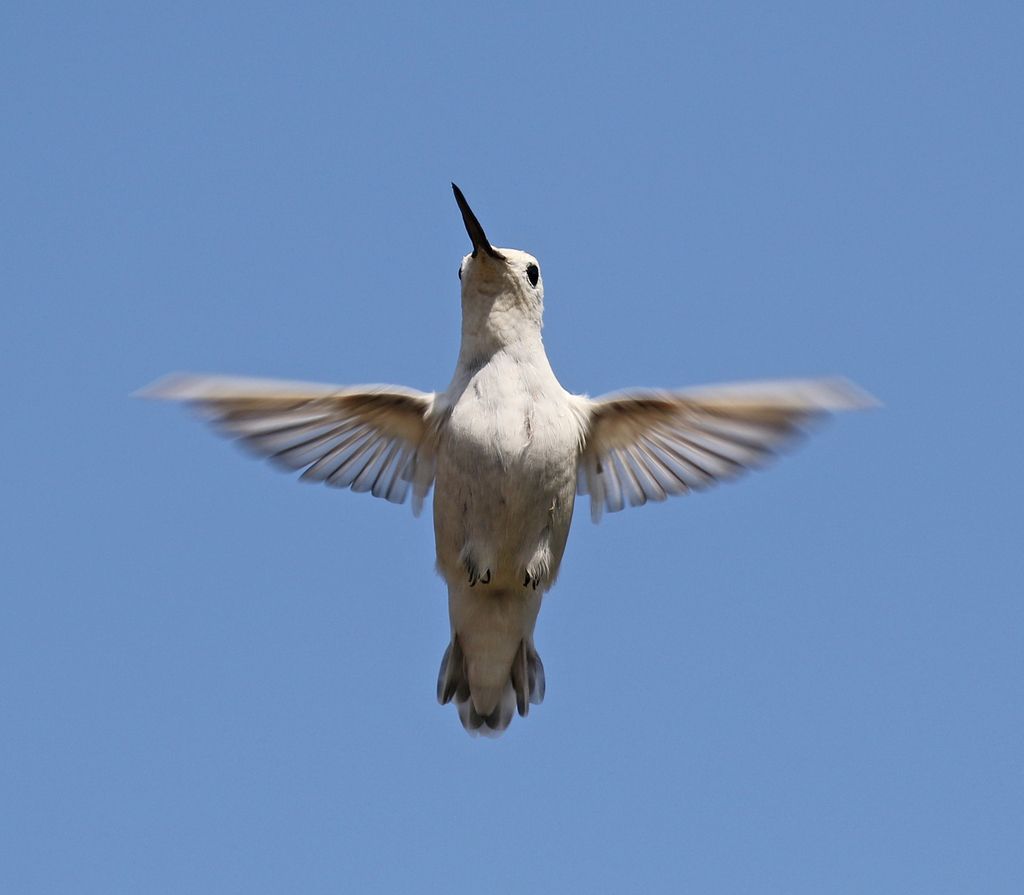
They move pollen between flowers while feeding, helping many plants reproduce.
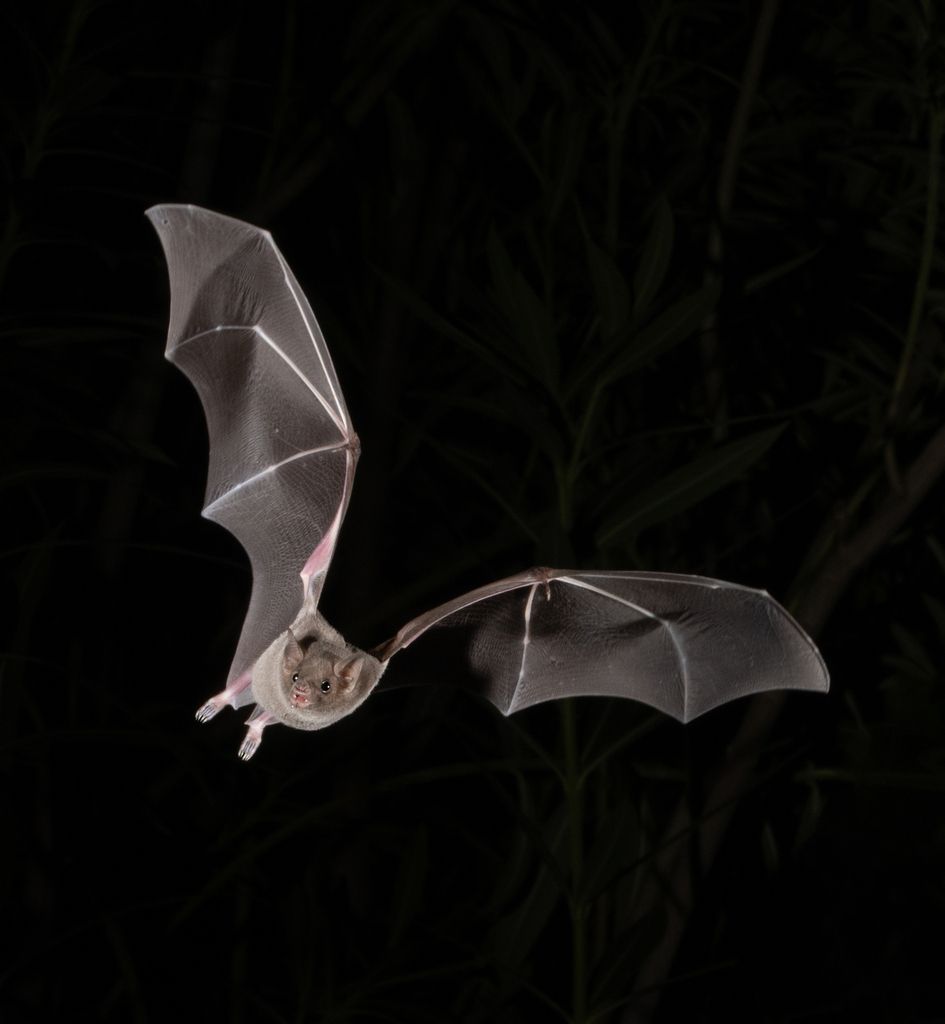
They move pollen between flowers over long distances, helping some plants set fruit and seed.
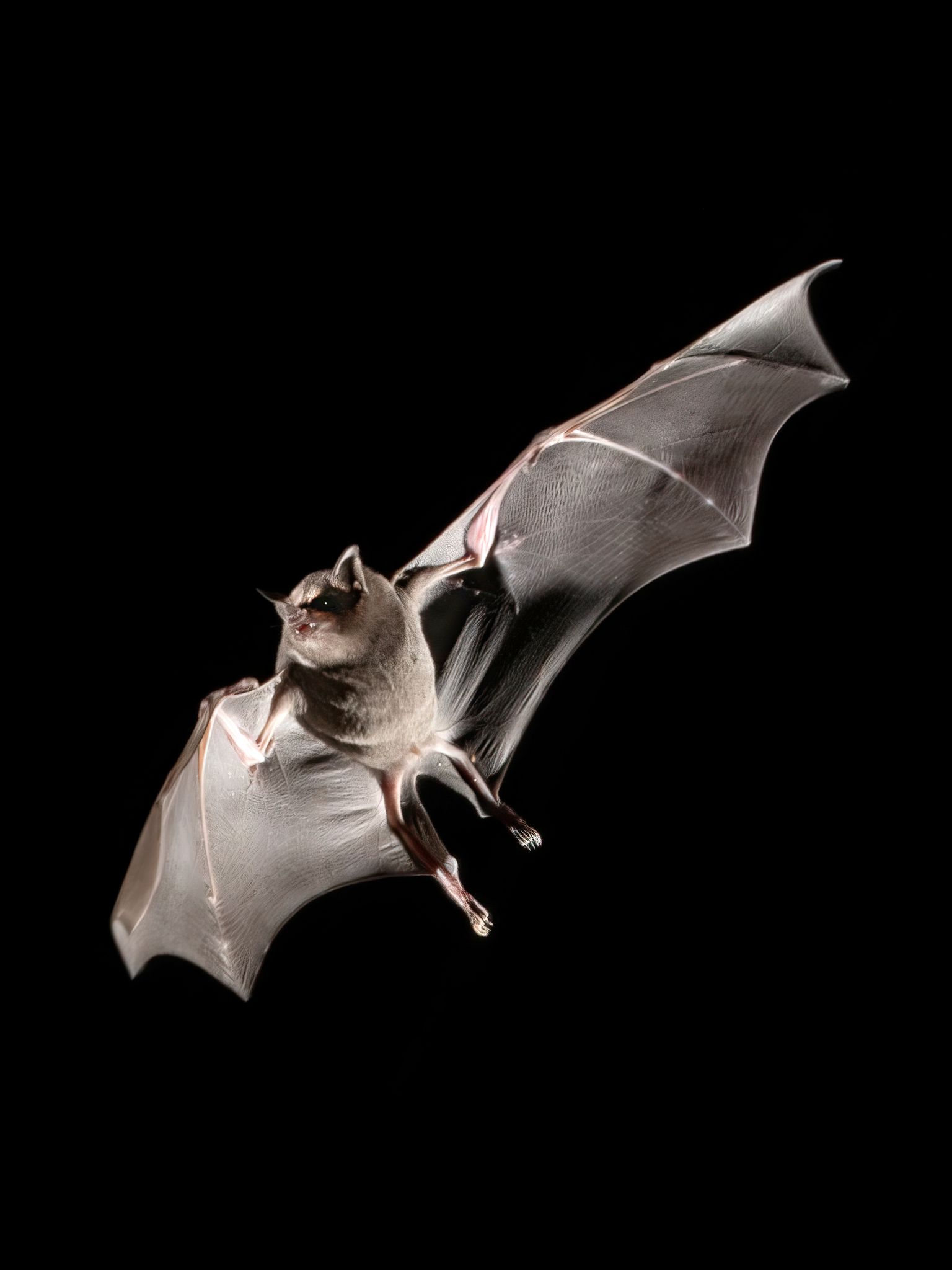
They move pollen between flowers over long distances and help many plants set fruit and seed.
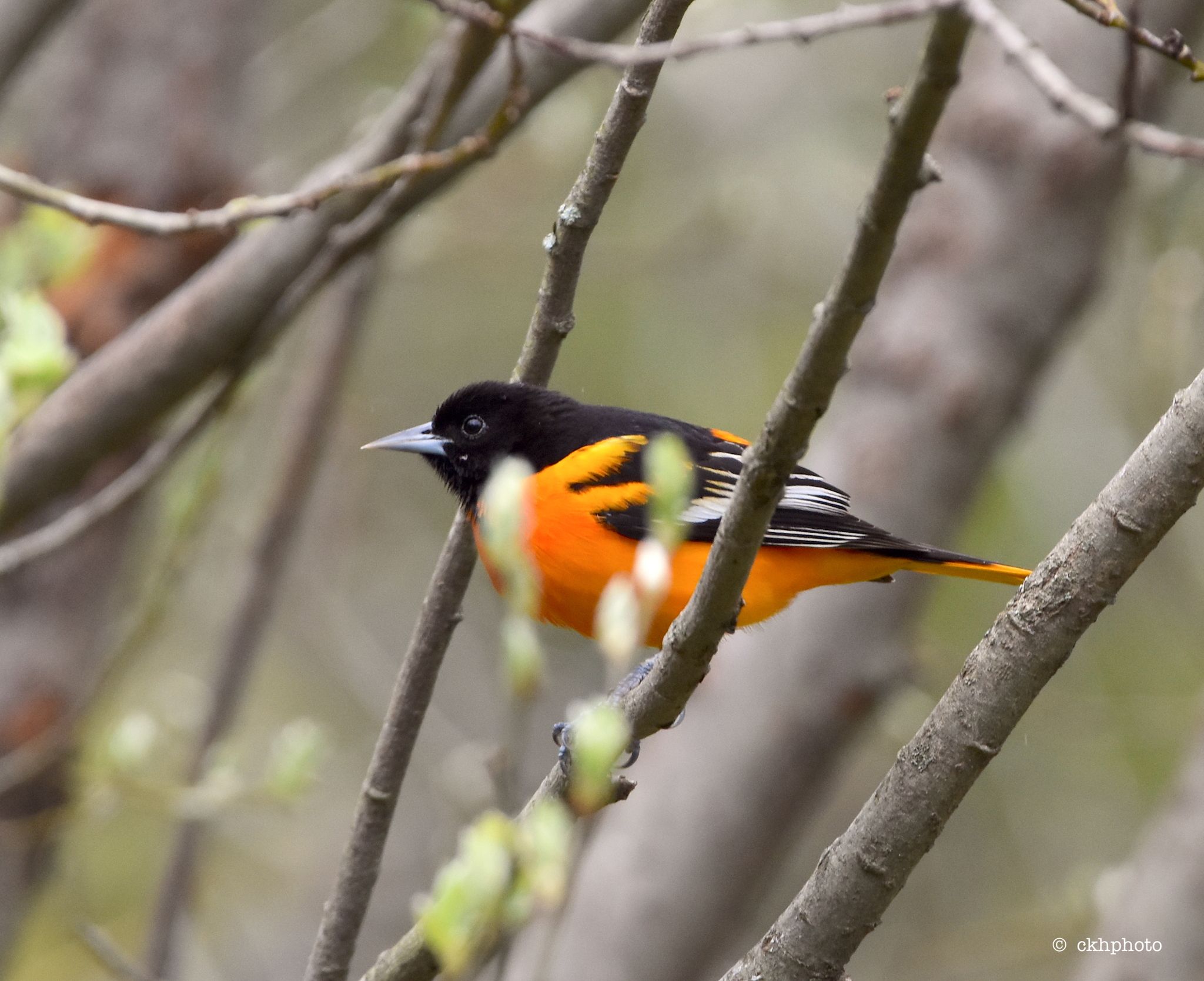
They move pollen between flowers while feeding on nectar, supporting seed and fruit production in many plants.
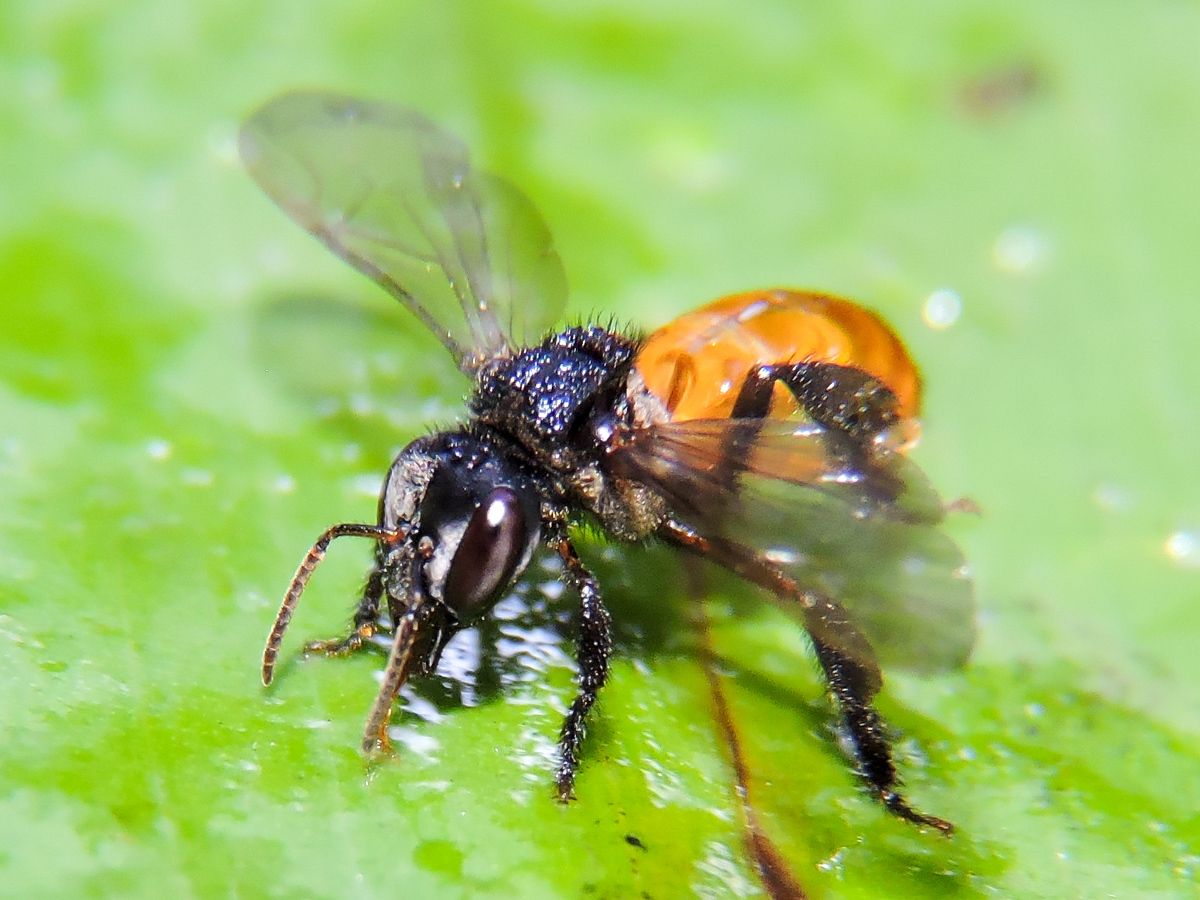
They help pollinate many wild and cultivated plants in tropical and subtropical regions, supporting food webs and biodiversity.