Skip to content
Phlox family (*Polemoniaceae*)
Plant profile

Phlox family

Family Polemoniaceae

The phlox family (Polemoniaceae) includes many garden-friendly wildflowers known for clusters of colorful, nectar-rich blooms that can help support pollinators when grown without pesticides.

Plant Type

Wildflowers (herbaceous perennials) > Phlox family

Aliases

Polemoniaceae

Native Range

Varies by genus and species; many members are native to North America, and some are native to other regions

Bloom window

Varies by species; often spring through summer

OVERVIEW

About This Plant

The Phlox family (Polemoniaceae) offers reliable, high-impact wildflowers known for clustered, nectar-rich blooms. Functionally, these plants deliver essential color and forage in diverse settings, from sunny borders to containers, providing accessible food for a wide variety of North American pollinators.

To ensure the best ecological results, site Phlox-family plants where they receive appropriate light and drainage, which minimizes plant stress. It is critical to avoid all chemical pesticides, especially when they are in bloom, as this protects the insects relying on their flowers for sustenance. A healthy, well-sited phlox plant is generally low-maintenance and highly effective at drawing in pollinators.

Best role for pollinators
Adding easy-to-spot, pollinator-friendly blooms to gardens, schoolyards, and containers
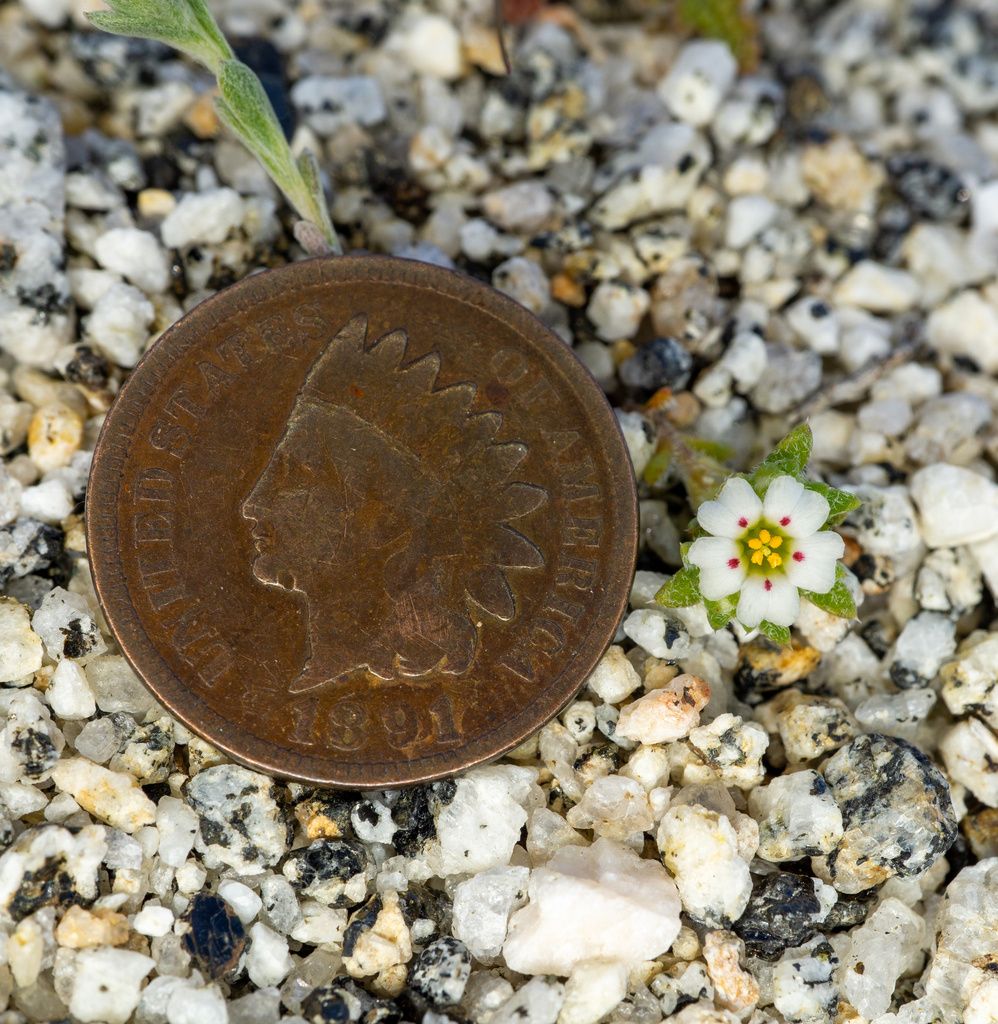
Phlox family (Polemoniaceae)
https://www.inaturalist.org/photos/256034214 Photo: (c) Matt Berger, some rights reserved (CC BY) | CC-BY | iNaturalist

FAST FACTS

Quick Details

Essential stats and requirements for quick reference.

Also known asPolemoniaceae
Bloom windowVaries by species; often spring through summer
Typical heightVaries widely by species; from low, mat-forming types to taller clump-formers
Pollinators supportedBees, Butterflies, Moths
Light & moistureDepends on the species; many do well in sun to part shade with evenly moist, well-drained soil
Best roles for pollinatorsAdding easy-to-spot, pollinator-friendly blooms to gardens, schoolyards, and containers

SUMMARY

If You Remember Three Things

A quick scan of what they do, what they need, and the best first step.

What they do

Phlox-family wildflowers add bright, nectar-rich blooms that can attract a variety of pollinators.
What they need

Choose a species that matches your light and moisture, give it room, and keep chemicals out of the garden.

One best action

Pick one phlox-family plant suited to your site and grow it pesticide-free.

IMPACT

Why Plant This?

Phlox-family plants can be a practical way to add pollinator-friendly flowers to small or large spaces. When you match the right species to your site and avoid pesticides, their clustered blooms can provide reliable foraging spots for visiting insects.
Many phlox-family flowers have a narrow tube with nectar at the base—great for insects that can reach in, and a fun feature to spot up close.

Key Impacts

What it Supports

  • Clusters of small flowers can make foraging efficient for visiting insects.
  • Many species are easy to tuck into small spaces, including school gardens and home beds.
  • Growing a mix of bloom times helps keep flowers available across the season.

RECOGNITION

Identification Guide

Because this is a whole plant family, details vary—but many members share a few common “phlox-like” traits.

Leaves

Often simple leaves arranged neatly along the stem; shape and texture vary by species.

Flowers

Commonly five fused petals forming a tube with a flat, star-like face; often in clusters.

Fruits

Typically small, dry seed capsules; best noticed after flowering.
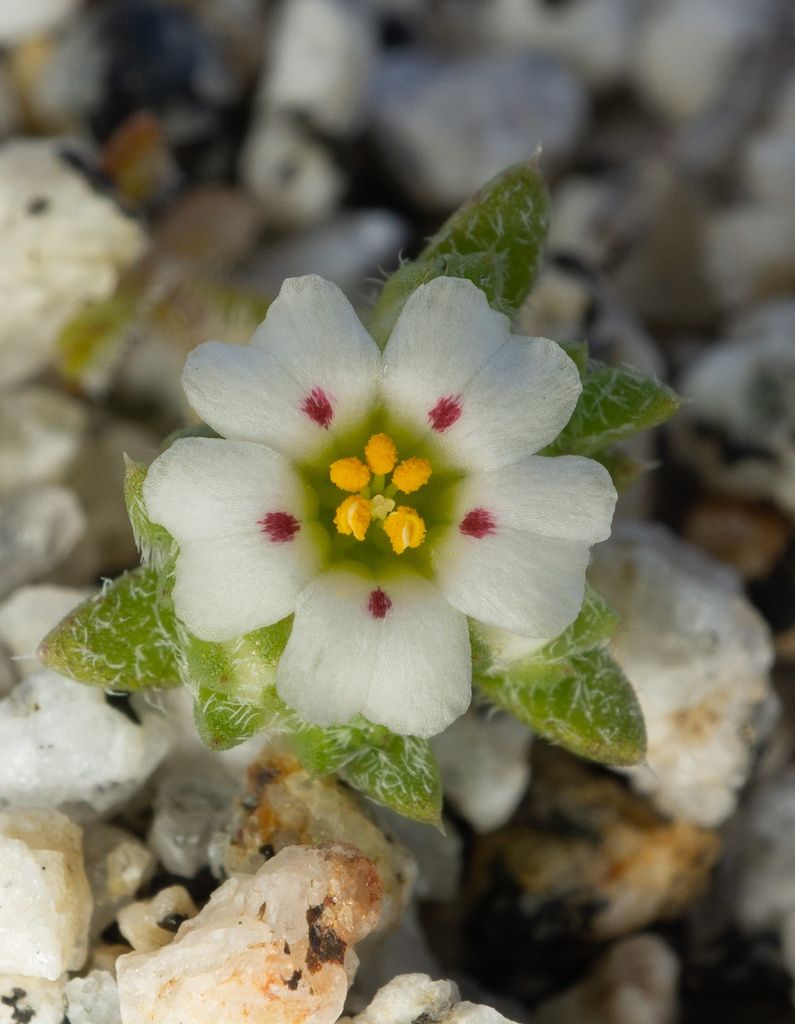
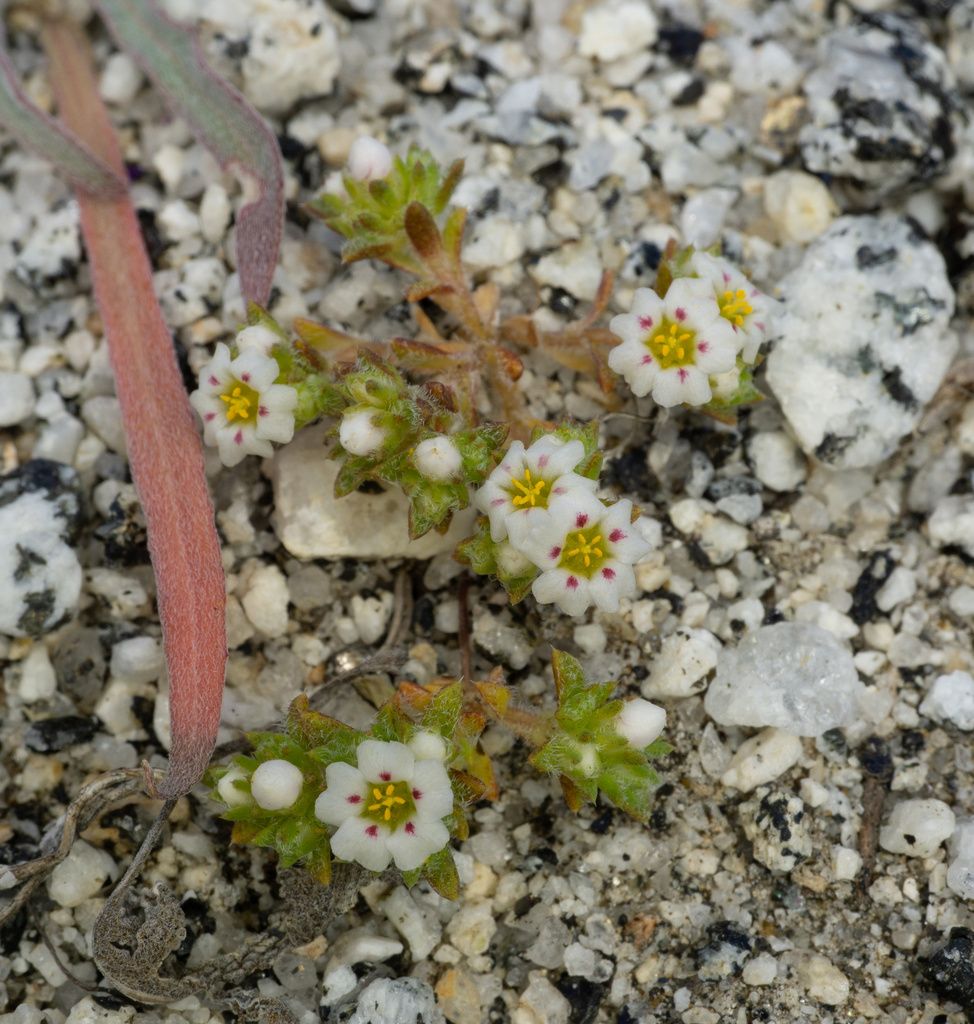
Phlox family (Polemoniaceae)
https://www.inaturalist.org/photos/256034222 Photo: (c) Matt Berger, some rights reserved (CC BY) | CC-BY | iNaturalist
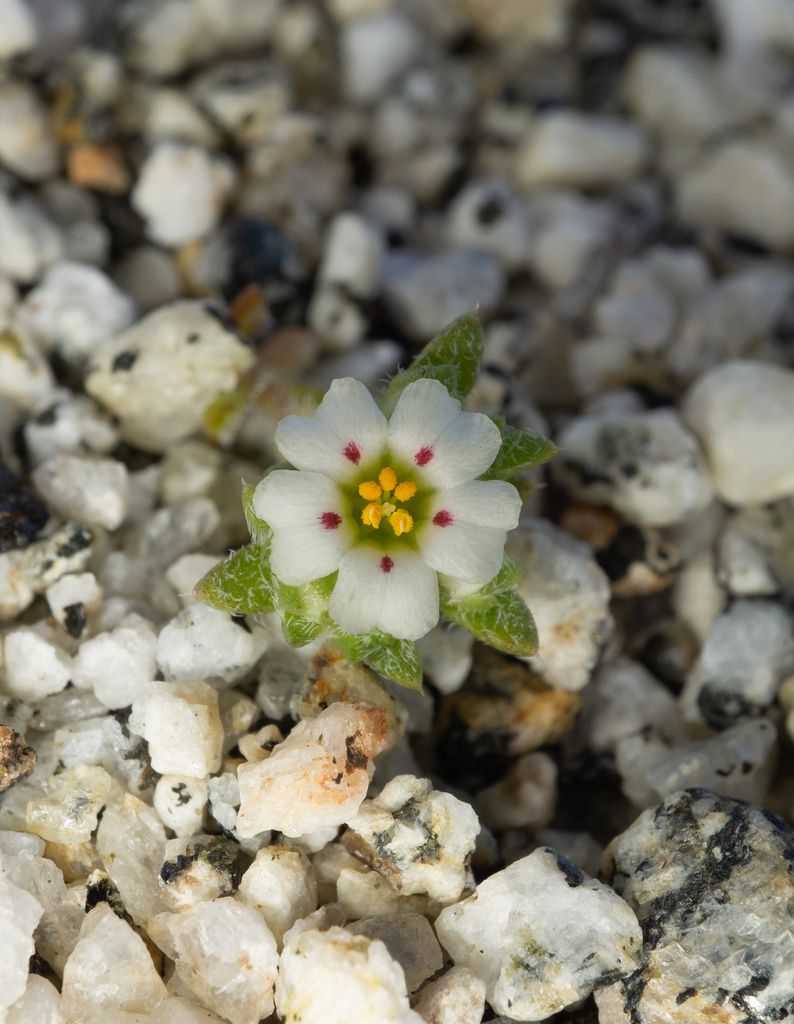
Phlox family (Polemoniaceae)

LOCATION

Where It Grows

Native environments and the best spots to place it in your landscape.

Habitats

  • Open woodlands and woodland edges (for some species)
  • Prairies and meadows (for some species)
  • Rocky slopes or dry, well-drained sites (for some species)
  • Moist garden soils and streamside-like conditions (for some species)

Where it is often used

  • Pollinator garden beds
  • Schoolyard habitat patches
  • Borders and edging (for lower-growing species)
  • Meadow-style mixes (where appropriate)
  • Containers and patio pots (for compact varieties)

SEASONALITY

When It Blooms

Notes on bloom windows and how this plant helps pollinators across the seasons.

Bloom window

Bloom timing depends on the species you choose, but many phlox-family plants help fill spring-to-summer gaps with showy color.

Bloom Season Role: Often provides clustered blooms that offer many small “landing spots” in one place

Seasonal benefits

  • Adds a noticeable burst of color when many pollinators are active
  • Works well as a “connector” plant between early and later-blooming wildflowers

REQUIREMENTS

What It Needs

The right mix of sun, soil, and space for healthy growth.

Sun exposure

Choose a species that matches your site; many do well with sun or part shade.

Soil type

Most prefer well-drained soil; improve heavy soil with organic matter and avoid spots that stay waterlogged.

Moisture needs

Water regularly while establishing; after that, water during long dry spells based on the species’ needs.

Planting method

Plant in spring or fall when conditions are mild; set plants at the same depth they were growing in the pot.

Mulching tips

Use a light mulch to reduce weeds and hold moisture, keeping mulch off the crown to prevent rot.

GARDENING GUIDE

How to Grow It

Simple steps to plant, prune, and maintain healthy trees without pesticides.

Planting tips

  • Pick a phlox-family species suited to your light and moisture.
  • Clear weeds and loosen the soil; mix in compost if the soil is compacted.
  • Plant at the same depth as in the pot and firm soil gently around roots.
  • Water well after planting and keep soil lightly moist until established.
  • Label your plant so you can track bloom time and care needs.

Seasonal care

  • Weed gently around young plants so they aren’t crowded.
  • Water during dry periods, especially in the first season.
  • Deadhead spent blooms if you want a tidier look or to encourage more flowering (species-dependent).
  • Leave some seed heads if you’d like natural reseeding (where appropriate).
  • Cut back old stems after they finish, or leave some structure until later for a more natural garden look.

What not to do

  • Planting in a spot that stays soggy after rain
  • Choosing a species that doesn’t match the site (too much shade or too much sun)
  • Overwatering containers so roots sit in water
  • Spraying pesticides to “solve” insect problems

Pairings

Best Pairings for Season-Long Bloom

Pairing ideas to keep pollinators fed throughout the growing season.

Early Bloom

  • Early-blooming native wildflowers suited to your site (for example, woodland or meadow spring flowers)

Mid-Season Bloom

  • Other summer-blooming wildflowers that match your sun and moisture

Late-Season Bloom

  • Late-season bloomers to keep flowers available into fall
Because this page covers a whole family, always check the specific species name for the best match to your garden conditions and goals.

GLOSSARY

Key Terms

A few quick terms you might see on plant tags or garden signs:

Glossary terms are being added.

What You Can Do

Make a difference for native habitats.

Turn this knowledge into action. Whether you plant a single pot or a whole garden, you are building a vital bridge for local biodiversity.

Join the movement to restore our shared habitats.

Pollinators supported

Species that benefit from this plant

Pollinator links are being added for this plant.

Regions

Where this plant is native

Regional links are being added for this plant.