
What they do
Rudbeckias add bright, long-blooming flowers that help make a garden feel alive and active with pollinators.
Genus Rudbeckia
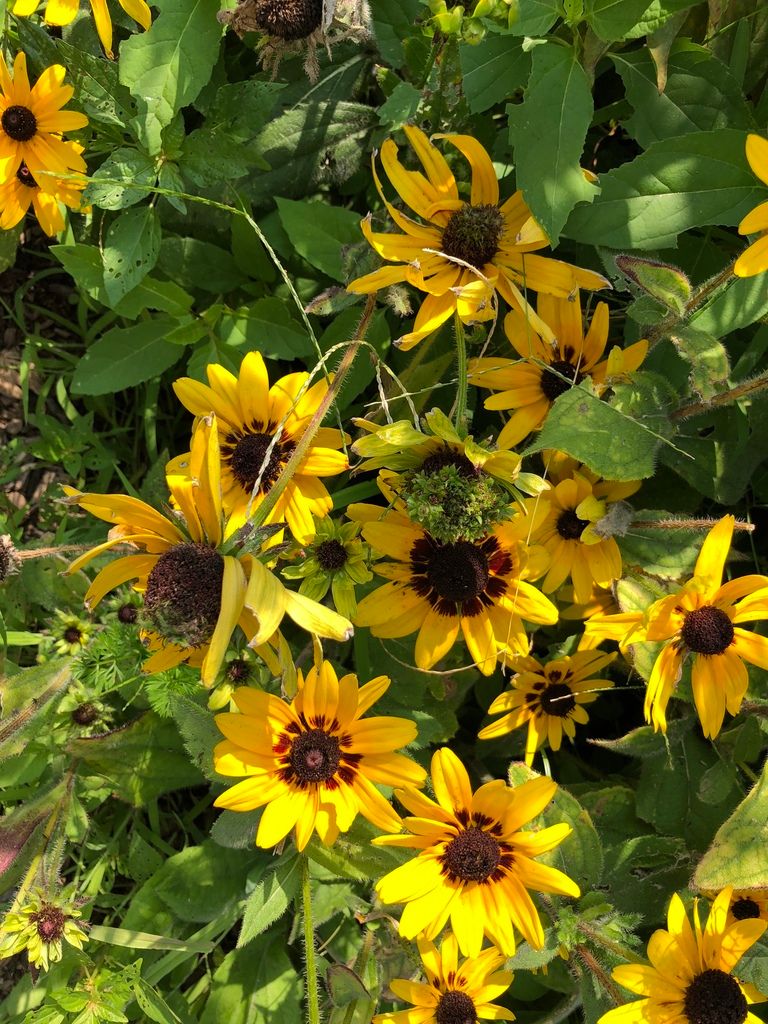
Rudbeckias are cheerful, daisy-like wildflowers known for bold yellow blooms and dark centers. They’re easy to grow, long-blooming, and a reliable way to add pollinator-friendly color to gardens, schoolyards, and even large containers.
Plant Type
Wildflowers (herbaceous perennials) > Rudbeckias
Aliases
Black-eyed Susan
Native Range
North America (varies by species)
Bloom window
Summer into fall (varies by species and cultivar)
OVERVIEW
Rudbeckias (Genus Rudbeckia) are essential mid-to-late season wildflowers that add dependable height and consistent color to habitat patches. They are reliable “starter” plants that serve a critical functional role by providing structure and a long-term food source. They thrive in sunny spots with good drainage.
The greatest ecological value of Rudbeckias lies in their blooms, which offer a rich source of pollen and nectar for a wide array of native bees, butterflies, and other emerging insects during the late season. To maximize benefits, avoid all systemic pesticides. Furthermore, allow the spent flower heads to remain after blooming, as the central cones hold seeds that provide vital winter forage for bird species, such as goldfinches.
FAST FACTS
Essential stats and requirements for quick reference.
| Category | Details |
|---|---|
| Also known as | Black-eyed Susan |
| Bloom window | Summer into fall (varies by species and cultivar) |
| Typical height | Varies widely by species and cultivar; from compact to tall border plants |
| Pollinators supported | Bees, Butterflies, Flies, Beetles |
| Light & moisture | Best in sun; adaptable with average moisture once established |
| Best roles for pollinators | Sunny beds, school gardens, pollinator patches, and low-fuss color that lasts |
SUMMARY
A quick scan of what they do, what they need, and the best first step.
Rudbeckias add bright, long-blooming flowers that help make a garden feel alive and active with pollinators.
Sun, decent drainage, and a little patience while roots settle in.
Plant a small cluster (or one big pot) in a sunny spot and let the flowers keep coming through the season.
IMPACT
Key Impacts
RECOGNITION
Often medium green and slightly rough; shape varies by species, from oval to more lance-like.
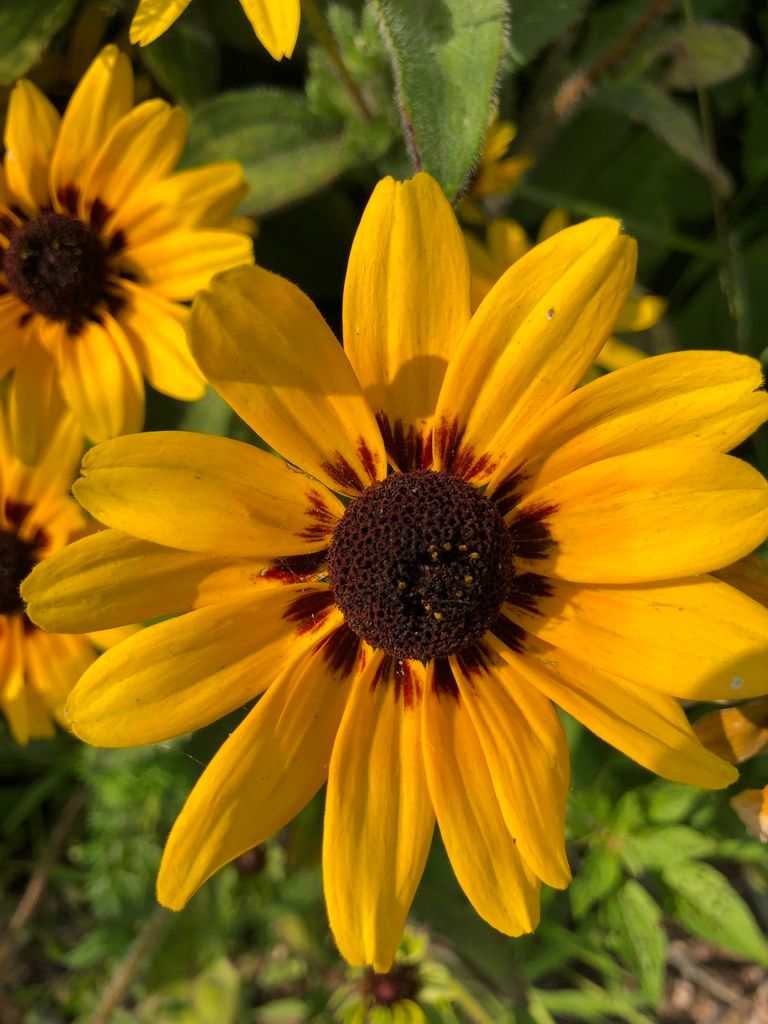
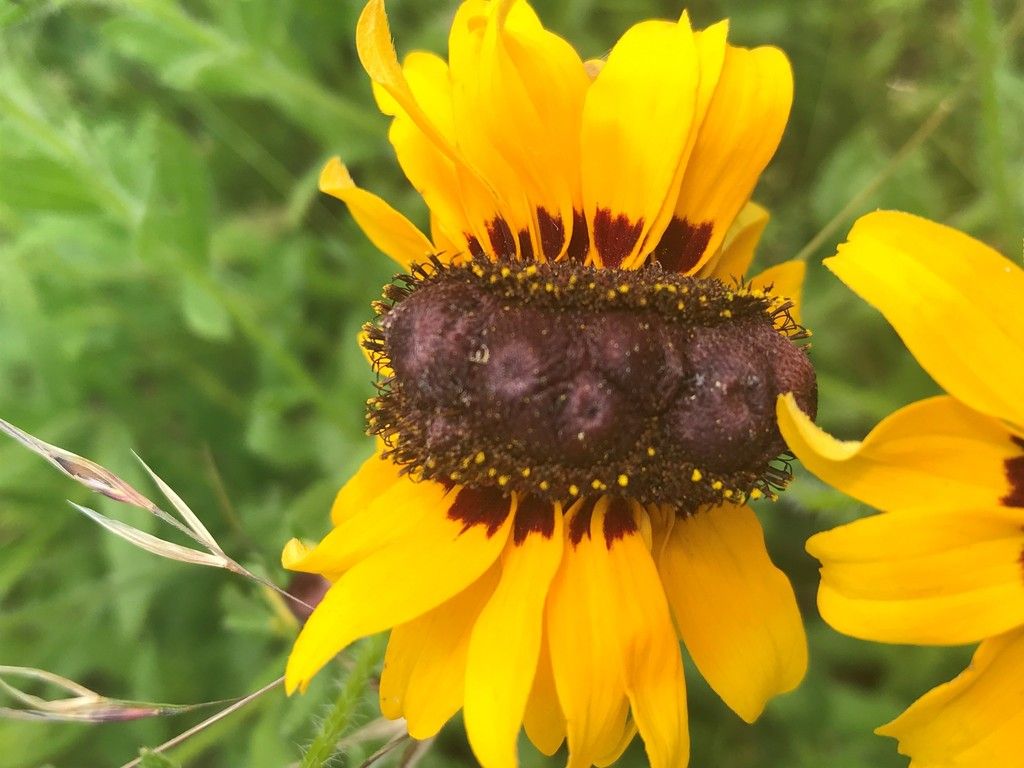
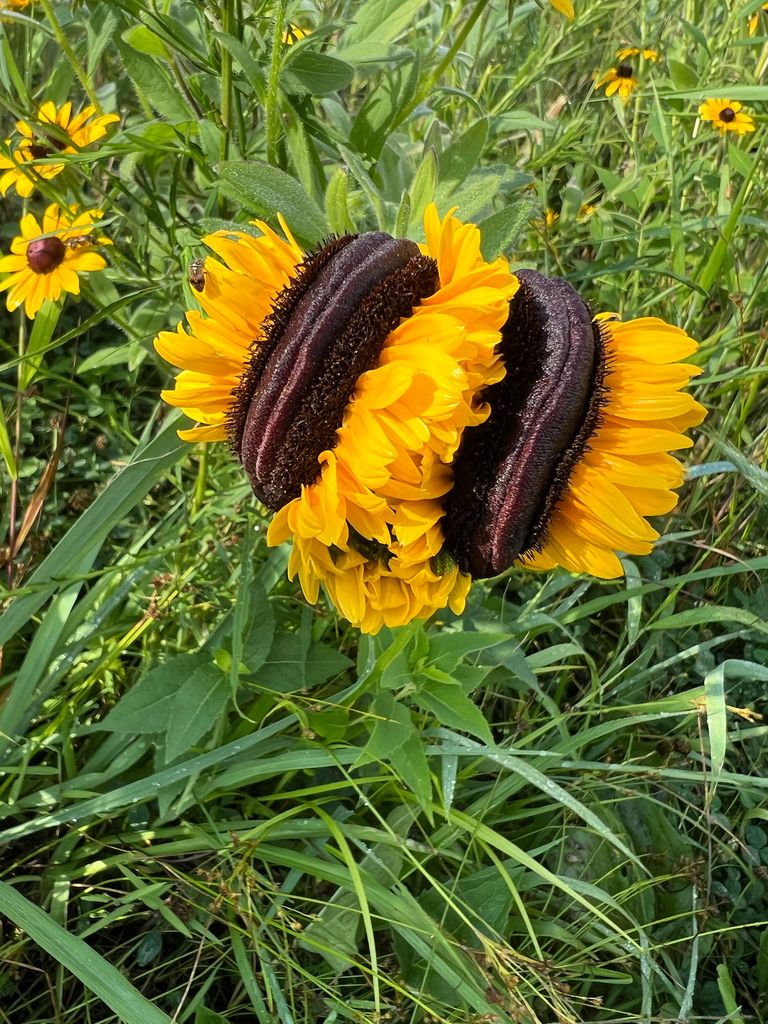
Yellow to golden ray petals around a darker central cone; blooms are typically held above the foliage.
After flowering, the center cone dries and holds seeds; leaving some standing adds texture and can be useful for wildlife.
LOCATION
Native environments and the best spots to place it in your landscape.
SEASONALITY
Notes on bloom windows and how this plant helps pollinators across the seasons.
Rudbeckias are often at their best when summer is in full swing and can keep going toward fall, depending on the type and conditions.
Bloom Season Role: A steady, mid-to-late season nectar and pollen stop
REQUIREMENTS
The right mix of sun, soil, and space for healthy growth.
Choose a sunny spot for the strongest flowering. Part sun can work, but blooms may be fewer.
Most garden soils are fine as long as water doesn’t sit for long. If soil is heavy, mix in compost to improve structure.
Water regularly while plants establish. After that, many rudbeckias handle typical garden conditions well; water during long dry spells.
Plant in spring or fall. Give plants room for airflow and to grow to their mature width. Grouping a few together looks better and helps pollinators find them.
Use a light layer of mulch to reduce weeds and keep soil from drying too fast, but keep mulch off the crown (the base of the plant).
GARDENING GUIDE
Simple steps to plant, prune, and maintain healthy trees without pesticides.
Pairings
Pairing ideas to keep pollinators fed throughout the growing season.
GLOSSARY
Glossary terms are being added.
What You Can Do
Turn this knowledge into action. Whether you plant a single pot or a whole garden, you are building a vital bridge for local biodiversity.
Join the movement to restore our shared habitats.