
What they do
Salvias add bright, easy-to-spot flowers that can keep pollinators coming back through much of the growing season.
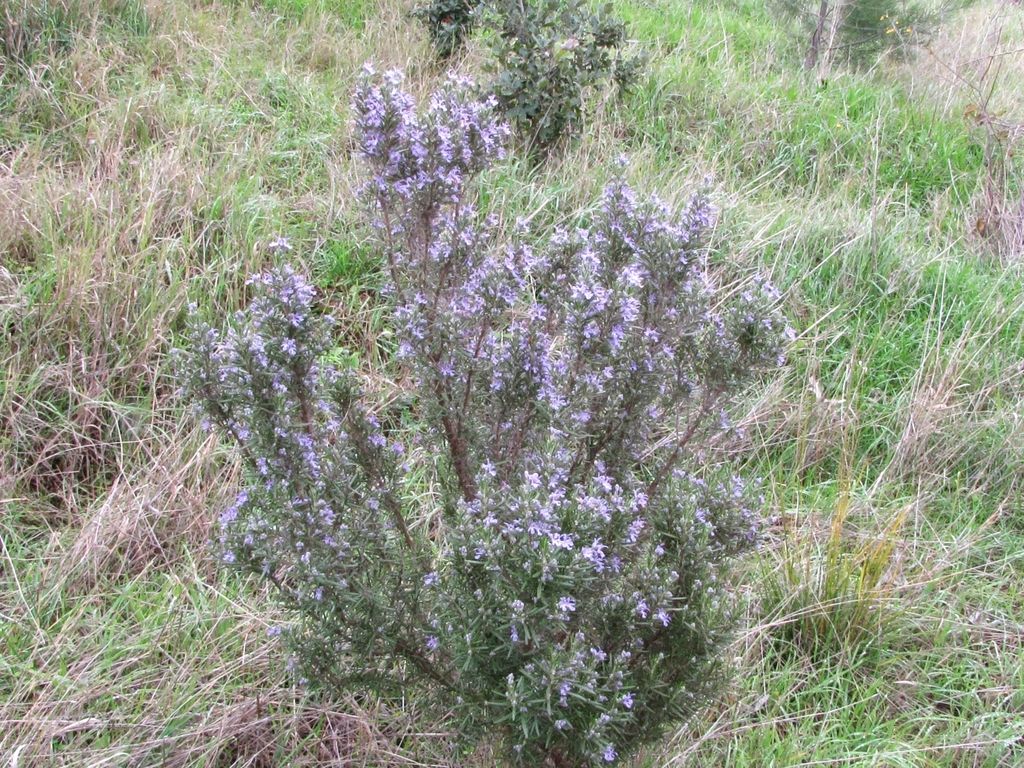
Genus Salvia (Mexico spp.)
Salvias are a big, colorful group of flowering plants in the genus Salvia, with especially rich diversity in Mexico. Many are easy, pollinator-friendly garden plants that bloom over a long season when given sun and well-drained soil.
Plant Type
Wildflowers (herbaceous perennials) > Salvias
Aliases
Salvias
Native Range
Mexico is a major center of diversity for Salvia; the genus occurs in many regions worldwide.
Bloom window
Often blooms for a long stretch once established; timing varies by species and cultivar.
OVERVIEW
Salvias (genus Salvia, particularly Mexican species) are valued for their upright structure and exceptionally long blooming season, making them a “workhorse” wildflower for sustained pollinator support. They are an essential choice for adding height and reliable, nectar-rich flowers to sunny gardens, borders, and containers.
For successful integration, prioritize full sun and excellent drainage to avoid root struggles. Many salvias respond well to light trimming of spent spikes, encouraging continuous bloom throughout the season. To maximize their benefit for local insects, avoid pesticides and pair them with early- and late-season flowers to ensure a year-round food supply.
FAST FACTS
Essential stats and requirements for quick reference.
| Category | Details |
|---|---|
| Also known as | Salvias |
| Bloom window | Often blooms for a long stretch once established; timing varies by species and cultivar. |
| Typical height | Varies widely by species and variety; from compact to tall, upright clumps |
| Pollinators supported | Bees, Butterflies, Hummingbirds |
| Light & moisture | Sun to part sun; best in well-drained soil with moderate moisture |
| Best roles for pollinators | Sunny beds, borders, pollinator patches, and containers where you want reliable color and frequent pollinator visits. |
SUMMARY
A quick scan of what they do, what they need, and the best first step.
Salvias add bright, easy-to-spot flowers that can keep pollinators coming back through much of the growing season.
Good light, decent drainage, and a little patience while roots settle in.
Choose a salvia suited to your garden conditions and give it a sunny, well-drained spot.
IMPACT
Key Impacts
RECOGNITION
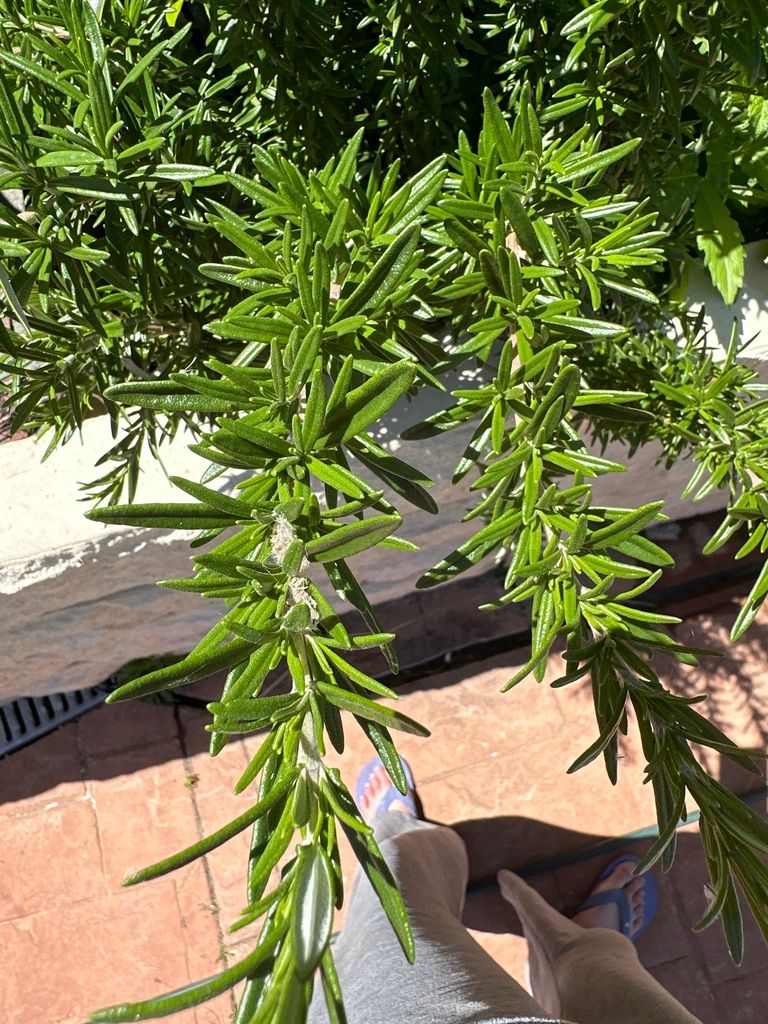
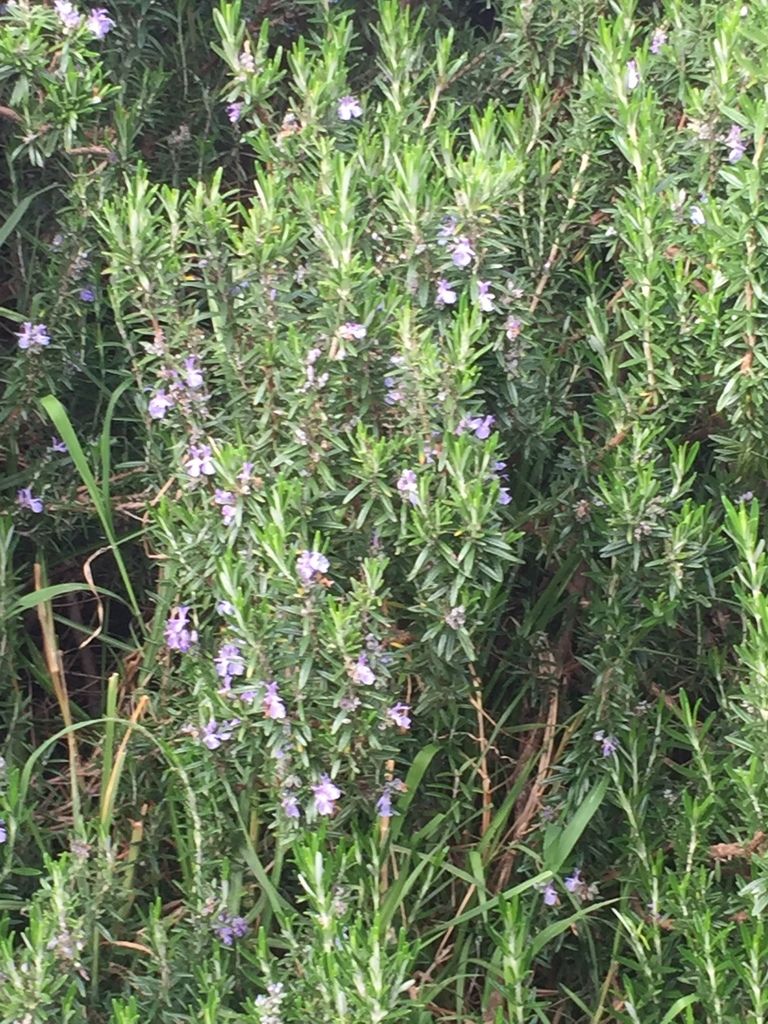
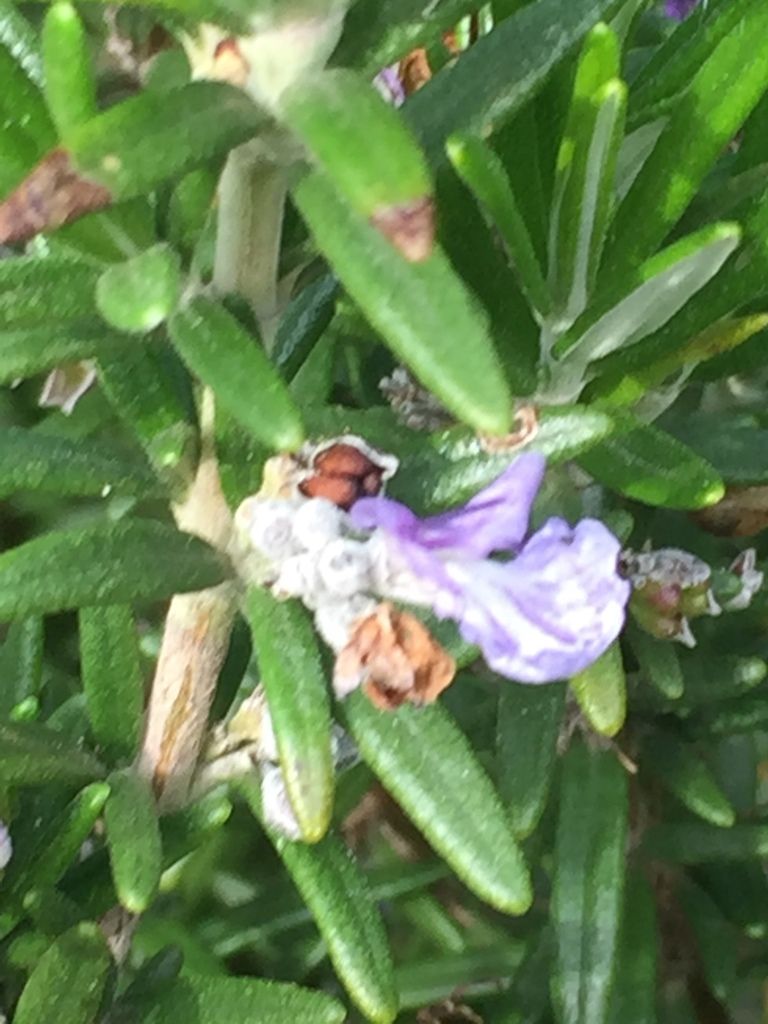
Often opposite leaves with a slightly textured surface; many are fragrant when gently rubbed.
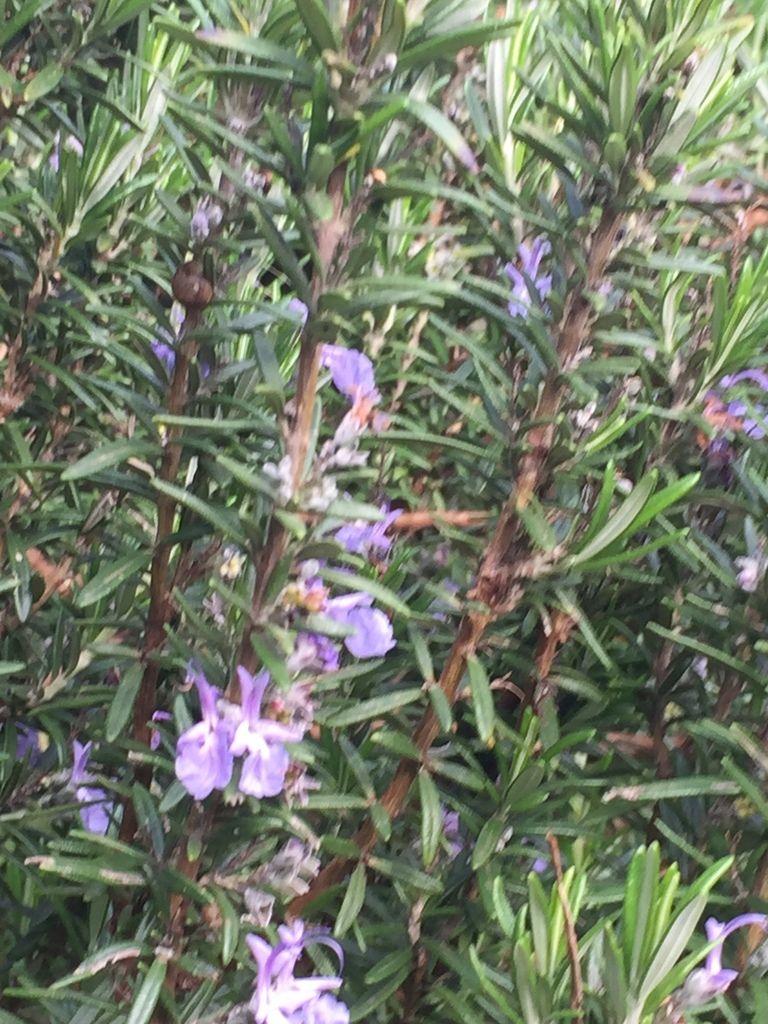
Tube-shaped flowers arranged along spikes or clustered stems; colors vary widely.
Small, dry seed structures typical of the mint family; not usually a showy feature in gardens.
LOCATION
Native environments and the best spots to place it in your landscape.
SEASONALITY
Notes on bloom windows and how this plant helps pollinators across the seasons.
Bloom timing depends on the species and the variety you choose, but many garden salvias are known for repeat flowering.
Bloom Season Role: Long-blooming color and nectar source
REQUIREMENTS
The right mix of sun, soil, and space for healthy growth.
Give salvias plenty of light for best flowering—full sun is ideal for many types, with some tolerating part sun.
Aim for well-drained soil. If your soil stays wet, improve drainage with organic matter and choose a raised spot or container.
Water regularly while the plant is getting established. After that, many salvias prefer a “water, then let it dry a bit” routine rather than constant moisture.
Plant with enough space for airflow and mature size. Set the crown at the same level it was in the pot.
Use a light mulch to reduce weeds and keep soil from splashing onto leaves, but keep mulch pulled back from the base of the plant.
GARDENING GUIDE
Simple steps to plant, prune, and maintain healthy trees without pesticides.
Pairings
Pairing ideas to keep pollinators fed throughout the growing season.
GLOSSARY
Glossary terms are being added.
What You Can Do
Turn this knowledge into action. Whether you plant a single pot or a whole garden, you are building a vital bridge for local biodiversity.
Join the movement to restore our shared habitats.
Pollinators supported
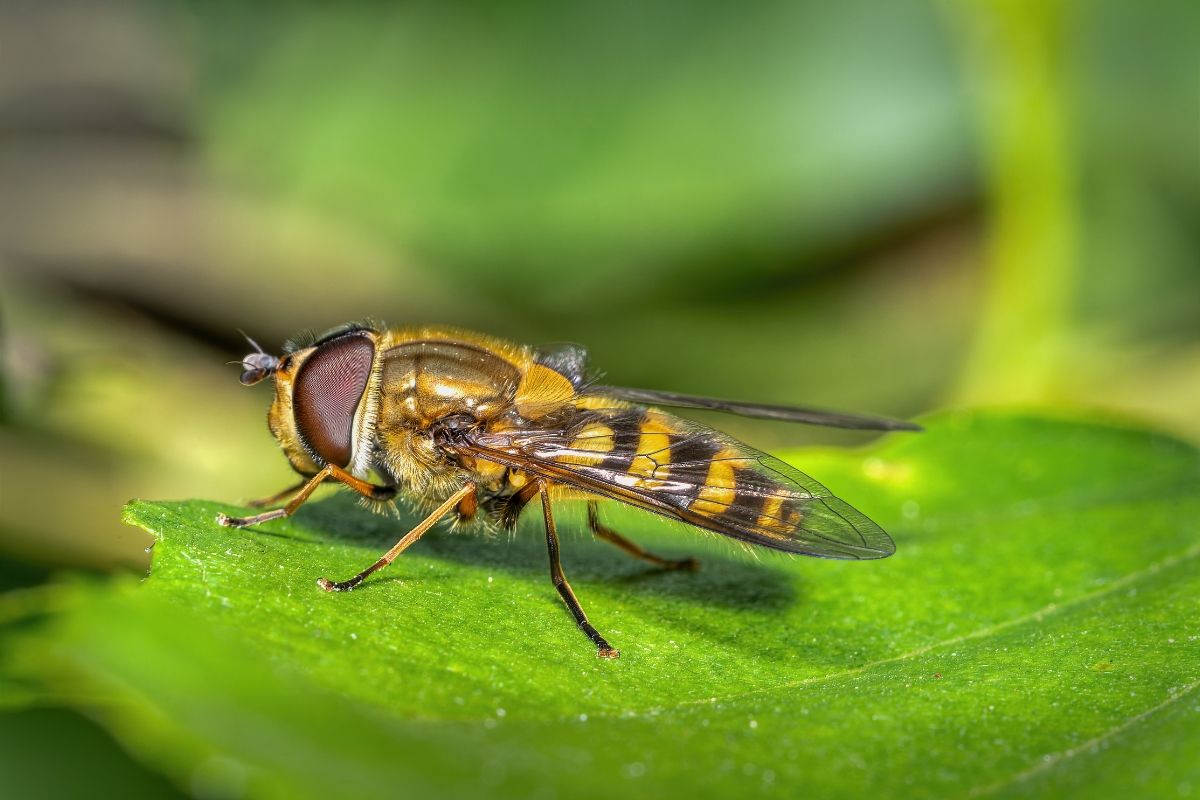
Adults visit flowers for nectar and pollen, and many species’ larvae help keep plant-eating pests in check.
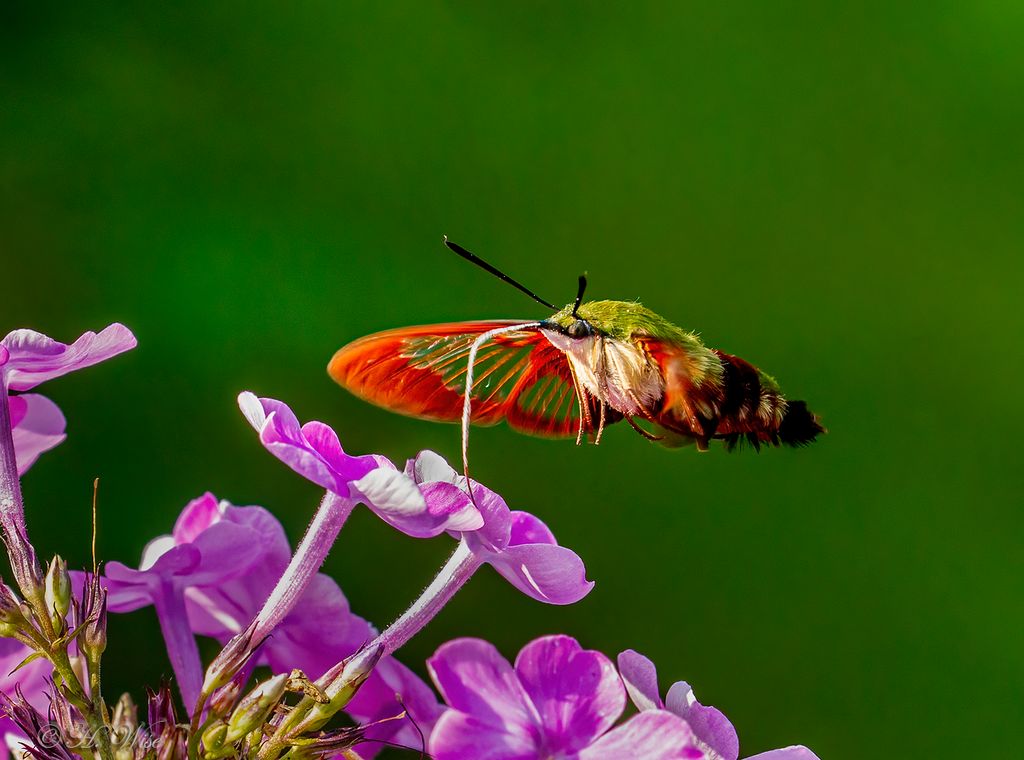
They can move pollen between flowers while feeding on nectar, especially for blooms that open or scent up in the evening.
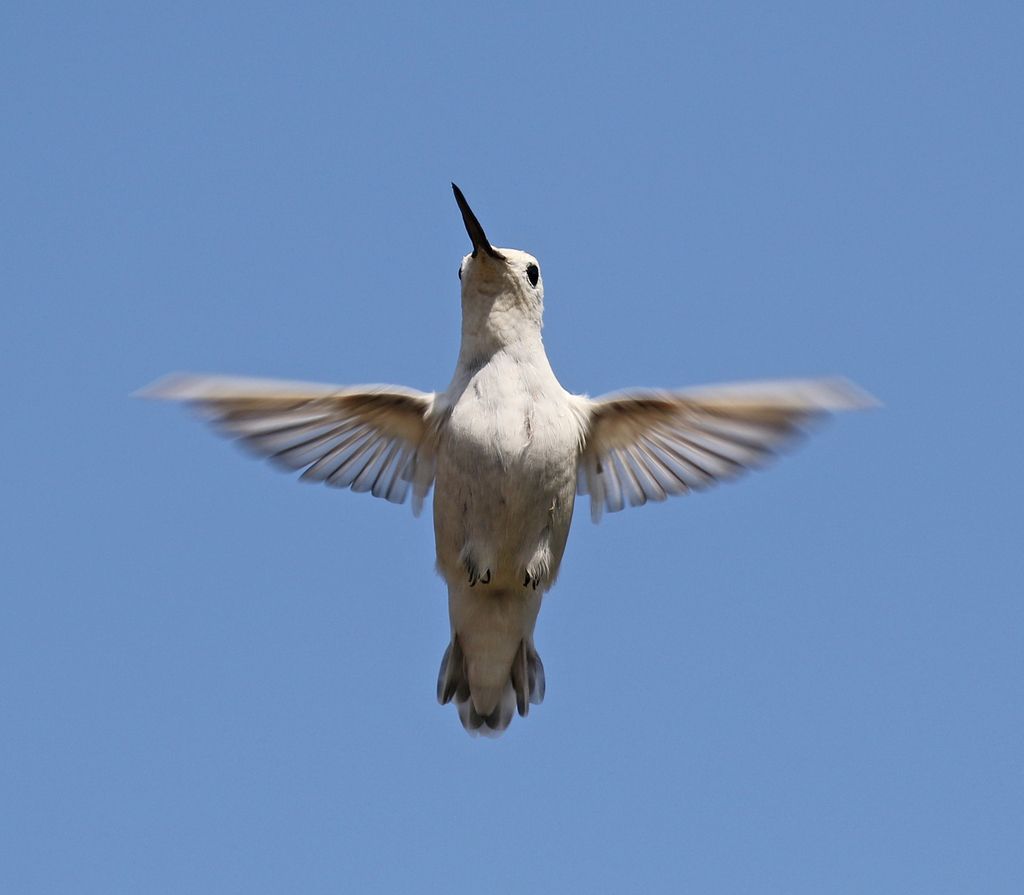
They move pollen between flowers while feeding, helping many plants reproduce.
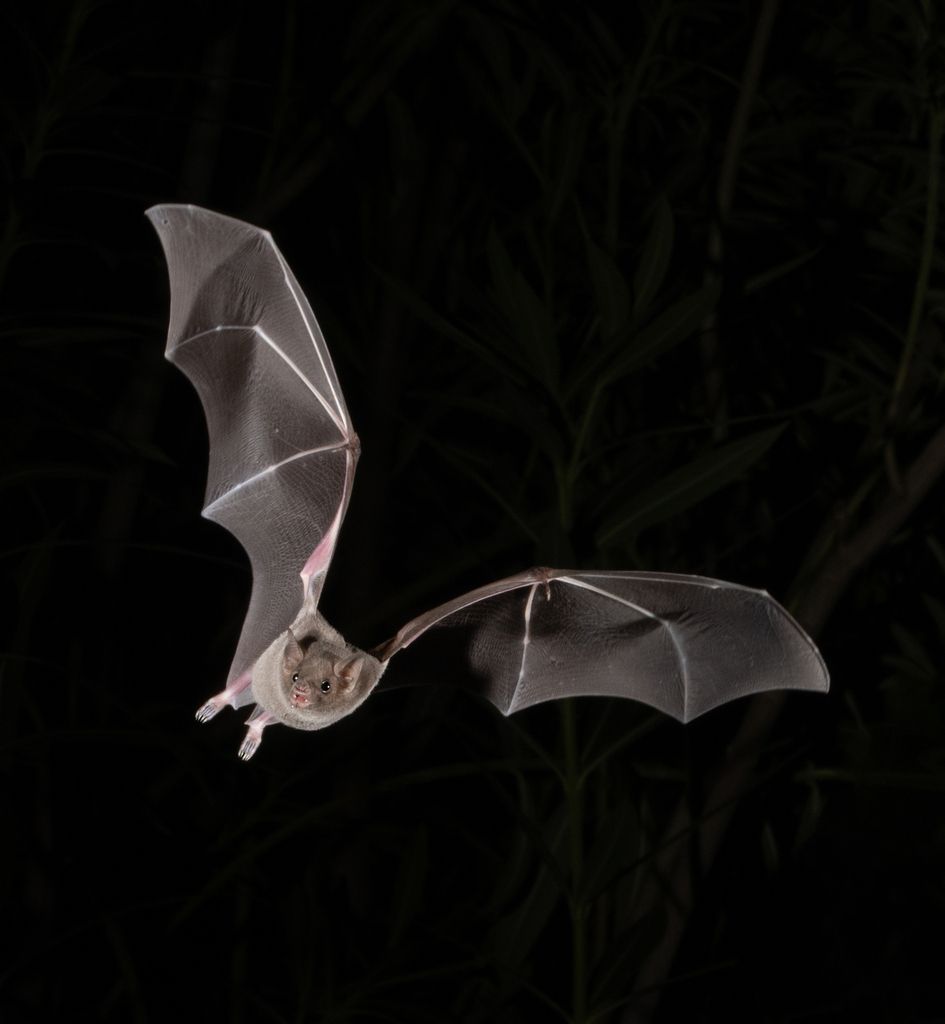
They move pollen between flowers over long distances, helping some plants set fruit and seed.
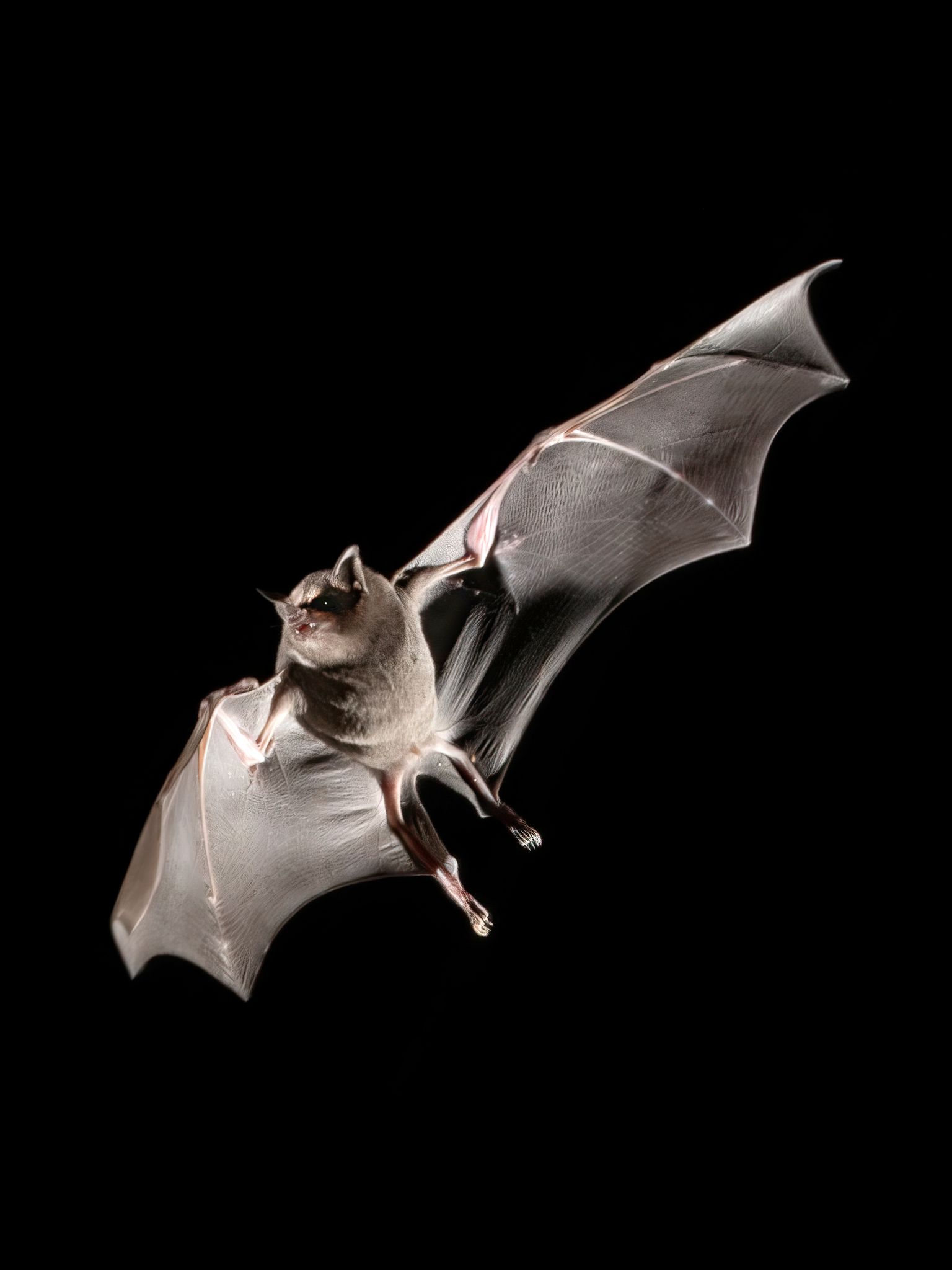
They move pollen between flowers over long distances and help many plants set fruit and seed.
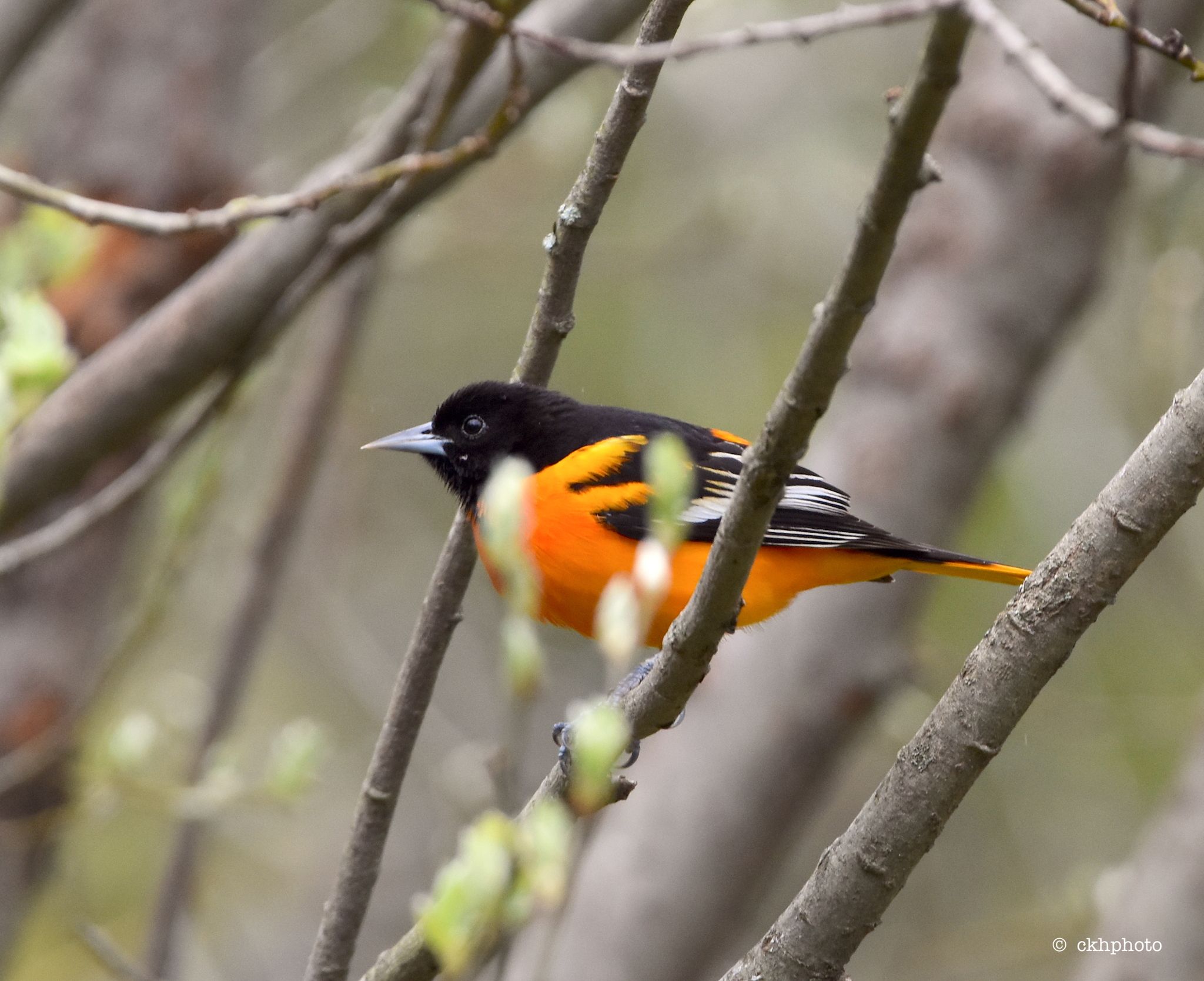
They move pollen between flowers while feeding on nectar, supporting seed and fruit production in many plants.
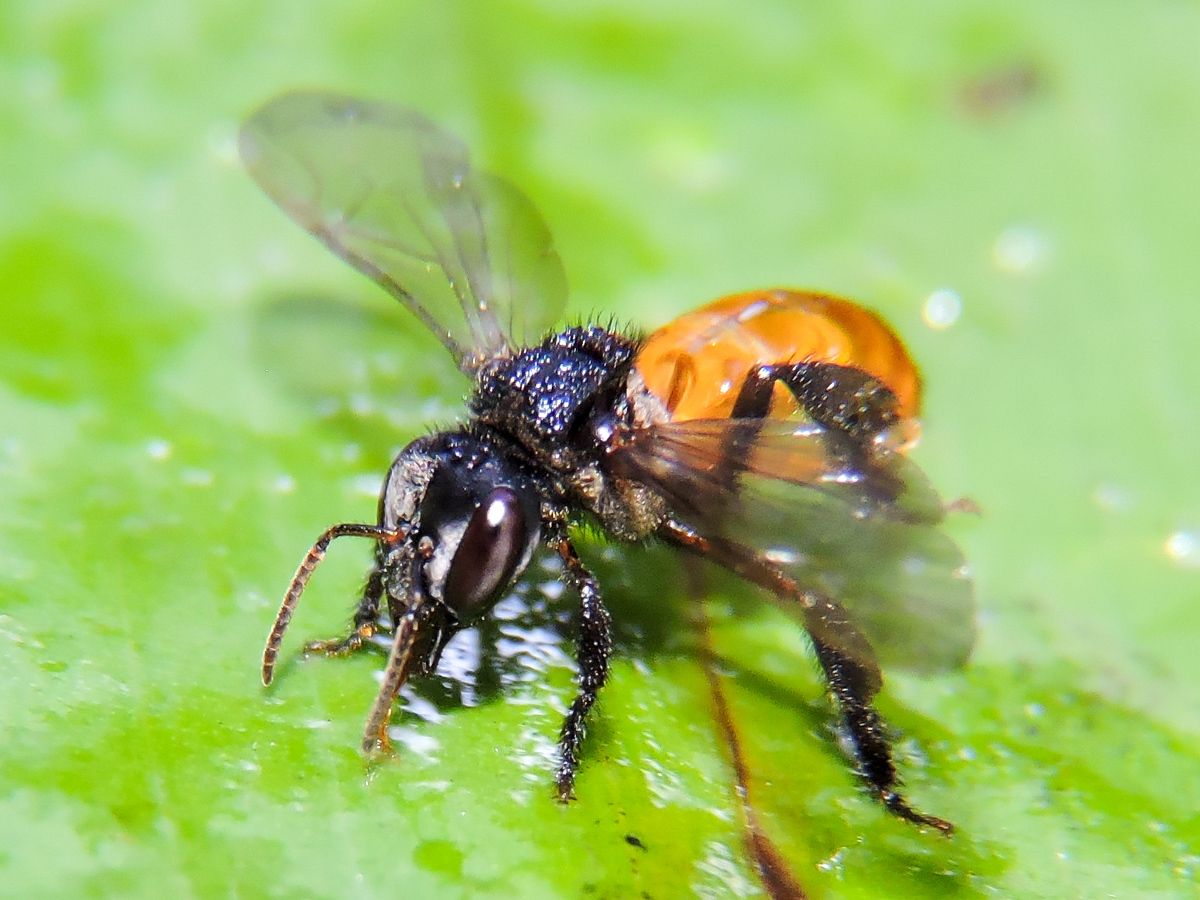
They help pollinate many wild and cultivated plants in tropical and subtropical regions, supporting food webs and biodiversity.