

What they do
Add reliable shade-garden structure and spring flowers that can be visited by small pollinators.
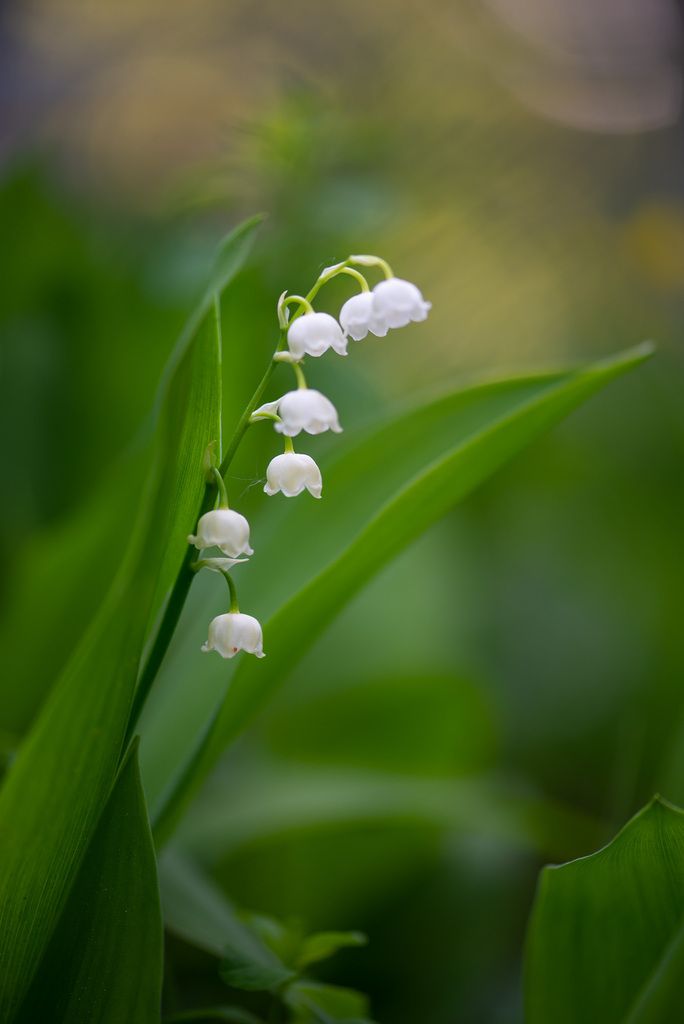
Genus Polygonatum
Solomon’s seals are graceful woodland perennials in the genus Polygonatum, grown for arching stems, tidy leaves, and small dangling flowers that support early-season garden life.
Plant Type
Wildflowers (herbaceous perennials) > Solomon’s seals
Aliases
Solomon’s seal
Native Range
Northern Hemisphere (varies by species)
Bloom window
Spring
OVERVIEW
Solomon’s seals (genus Polygonatum) are a gentle, dependable choice for shade. They don’t shout for attention—until you notice the details: the arching stems, the tidy leaf pattern, and the little flowers tucked underneath.
In a garden, they work best when you treat them like woodland plants. Give them shade or dappled light, soil that stays evenly moist, and a layer of organic matter like compost or leaf mold. Once established, they’re usually low-fuss and can slowly form a fuller patch.
For pollinator-friendly gardening, the biggest help is simple: grow a variety of flowers across the seasons and avoid pesticides. Solomon’s seals can be one of those early, shady-season bloomers that adds to the overall mix—especially when paired with other shade plants that flower at different times.
FAST FACTS
Essential stats and requirements for quick reference.
| Category | Details |
|---|---|
| Also known as | Solomon’s seal |
| Bloom window | Spring |
| Typical height | Varies by species; generally medium height with arching stems |
| Pollinators supported | Bees, Flies |
| Light & moisture | Shade to part shade; evenly moist, well-drained soil |
| Best roles for pollinators | Shady gardens, woodland edges, and underplanting where you want a soft, leafy look with subtle spring flowers. |
SUMMARY
A quick scan of what they do, what they need, and the best first step.
Add reliable shade-garden structure and spring flowers that can be visited by small pollinators.
Shade or dappled light, soil that stays lightly moist, and time to settle in.
Plant them where they’ll get consistent moisture and protection from harsh afternoon sun.
IMPACT
Key Impacts
RECOGNITION
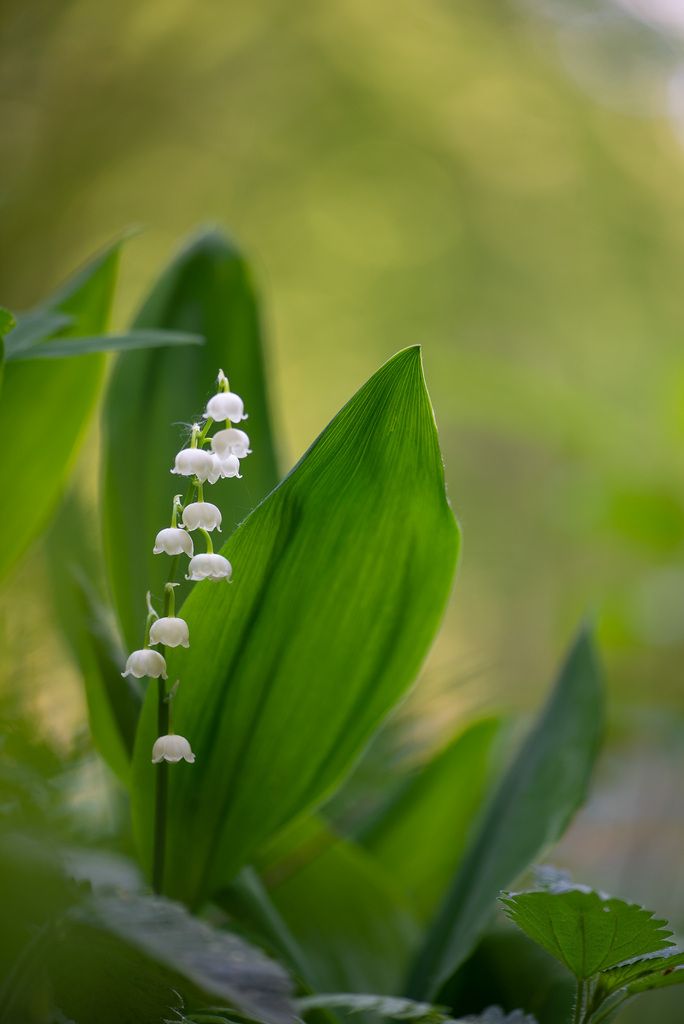
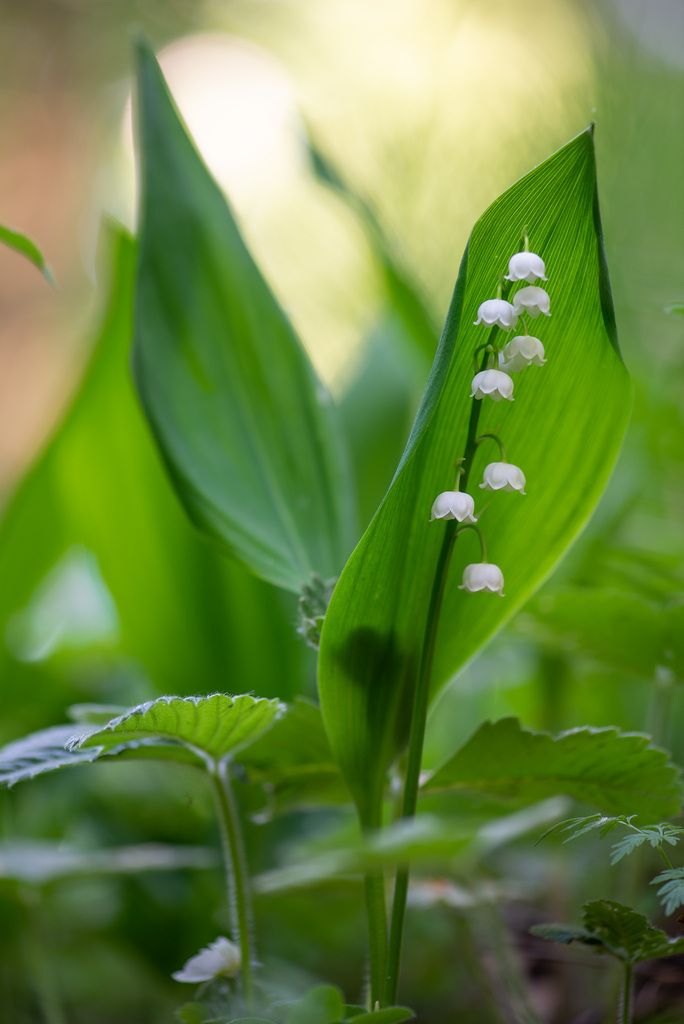
Smooth, oval leaves arranged in a clean line along arching stems; overall look is layered and orderly.
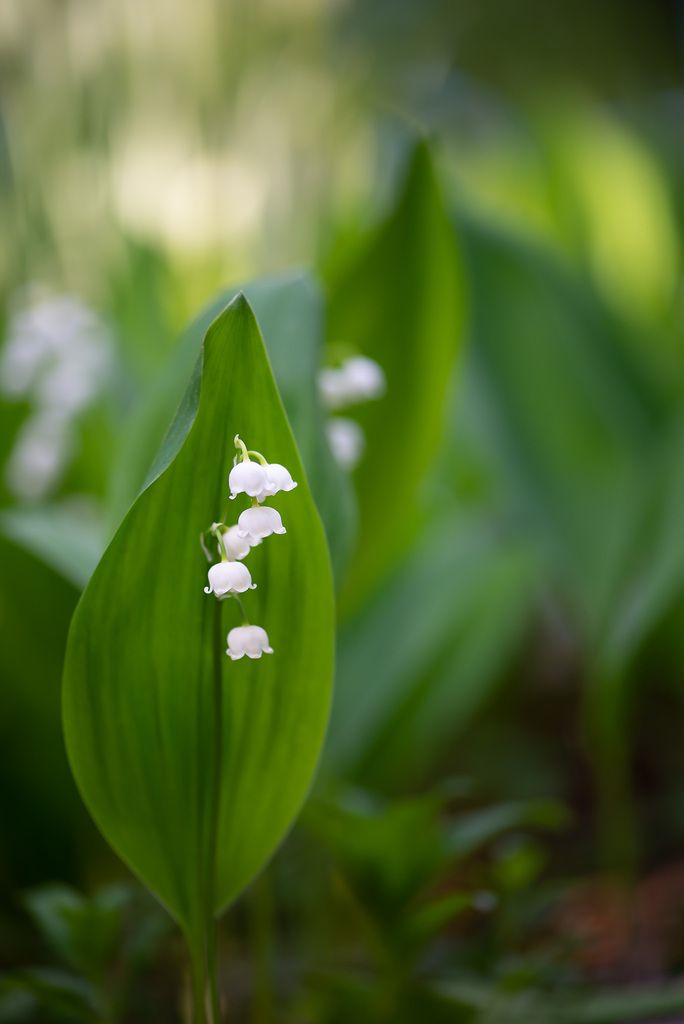
Small, pale, bell-shaped flowers that dangle beneath the stem in spring.
Berries form after flowering; treat as ornamental only and keep away from curious kids and pets.
LOCATION
Native environments and the best spots to place it in your landscape.
SEASONALITY
Notes on bloom windows and how this plant helps pollinators across the seasons.
Solomon’s seals bloom in spring, with flowers that are easy to miss unless you look beneath the stems.
Bloom Season Role: Early-season, subtle blooms tucked under the stems
REQUIREMENTS
The right mix of sun, soil, and space for healthy growth.
Best in shade or dappled light; morning sun with afternoon shade can work in many gardens.
Rich, humus-y soil is ideal; aim for soil that drains but doesn’t dry out quickly.
Water regularly during the first season; after that, water during long dry spells, especially in shade that’s dry under trees.
Plant in spring or fall; give clumps room to expand slowly over time.
Use a light layer of leaf mold or compost; keep mulch from piling directly against stems.
GARDENING GUIDE
Simple steps to plant, prune, and maintain healthy trees without pesticides.
Pairings
Pairing ideas to keep pollinators fed throughout the growing season.
GLOSSARY
Glossary terms are being added.
What You Can Do
Turn this knowledge into action. Whether you plant a single pot or a whole garden, you are building a vital bridge for local biodiversity.
Join the movement to restore our shared habitats.