
What they do
St. John’s-worts add bright blooms and provide a steady place for pollinators to forage.
Genus Hypericum
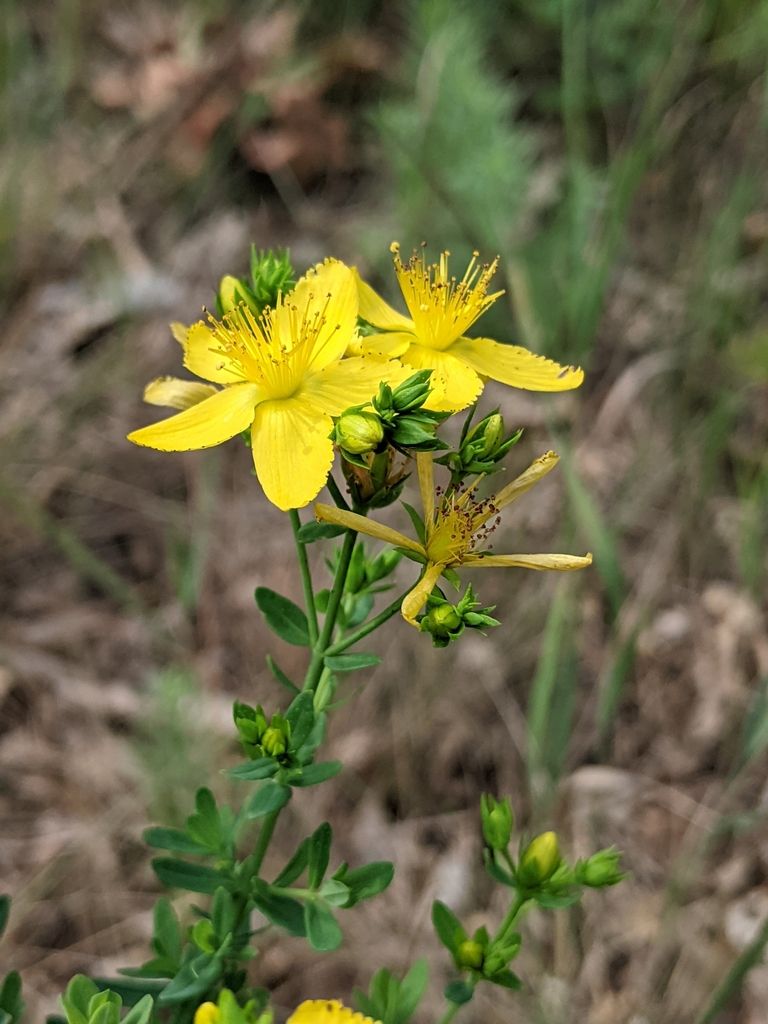
St. John’s-worts (genus Hypericum) are sunny, easygoing native wildflowers that offer bright blooms and steady pollinator activity in gardens, schoolyards, and even large containers.
Plant Type
Wildflowers (herbaceous perennials) > St. John’s-worts (native)
Aliases
Hypericum
Native Range
Native species occur across parts of North America; choose locally native options when possible.
Bloom window
Warm-season bloom; timing varies by species
OVERVIEW
St. John’s-worts (genus Hypericum) are a practical choice for a pollinator-friendly planting because they’re bright, generally easy to grow, and fit neatly into mixed beds. Start with sun and good drainage, then let the plant settle in—most of the work is simply giving it space, keeping weeds down early, and avoiding pesticides so visiting insects can do their thing.
If you’re building a small patch, use St. John’s-wort as a “steady” mid-season bloomer, then add a few earlier and later flowering natives around it. That way, your garden offers food across more of the growing season, and it stays interesting to look at, too.
FAST FACTS
Essential stats and requirements for quick reference.
| Category | Details |
|---|---|
| Also known as | Hypericum |
| Bloom window | Warm-season bloom; timing varies by species |
| Typical height | Low to medium (varies by species) |
| Pollinators supported | Bees, Butterflies, Flies, Beetles |
| Light & moisture | Best in sun with average moisture; many types handle short dry spells once established |
| Best roles for pollinators | Sunny pollinator patches, school gardens, borders, and low-maintenance plantings |
SUMMARY
A quick scan of what they do, what they need, and the best first step.
St. John’s-worts add bright blooms and provide a steady place for pollinators to forage.
Sun, well-drained soil, and a little patience while roots settle in.
Give them a sunny spot and avoid soggy soil.
IMPACT
Key Impacts
RECOGNITION
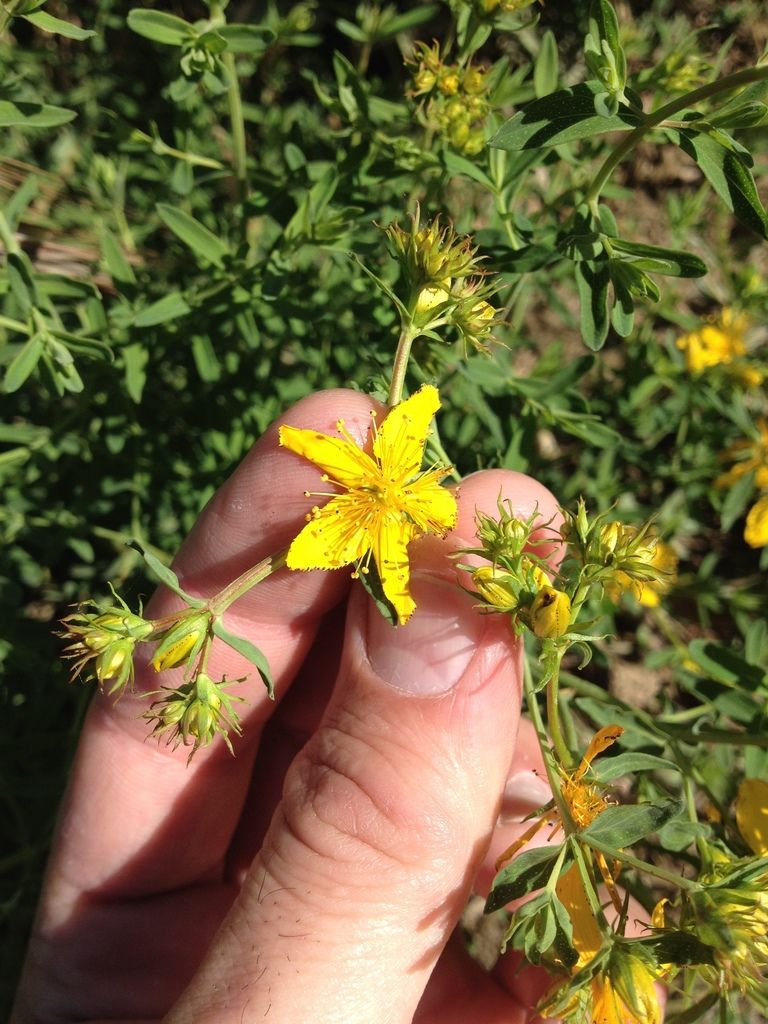
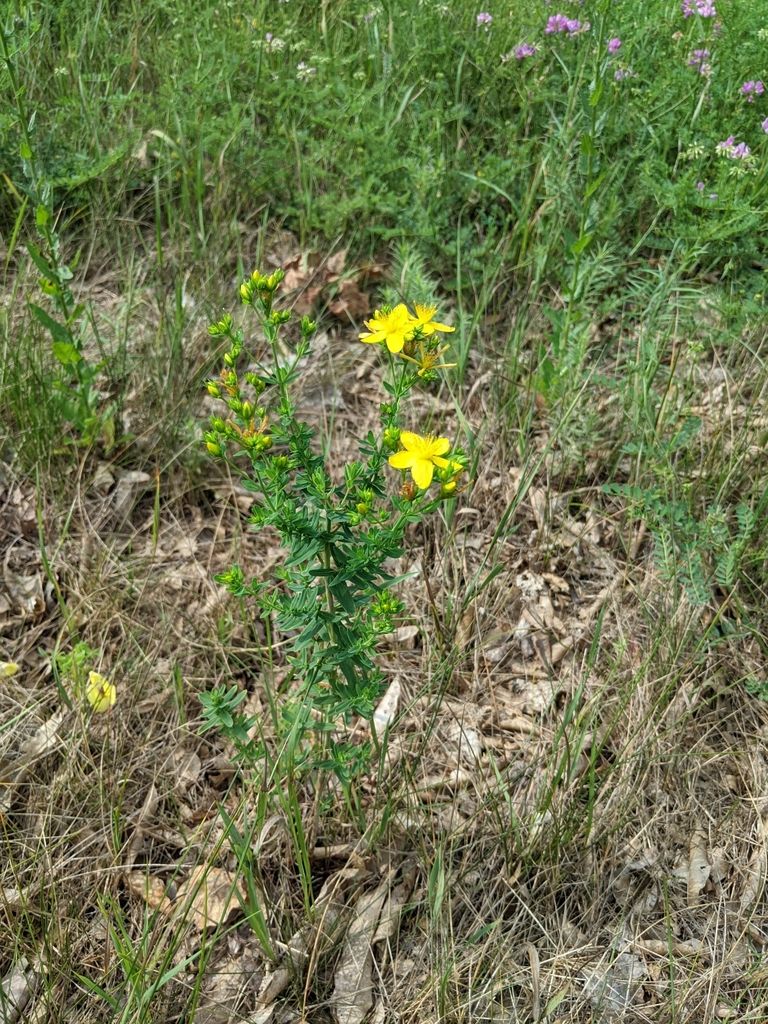
Often opposite leaves on the stem; leaf shape and size vary by species, usually simple and smooth-edged.
Yellow, star-like flowers with many stamens; blooms are showy and easy to spot in sun.
Small seed capsules may form after flowering; appearance varies by species.
LOCATION
Native environments and the best spots to place it in your landscape.
SEASONALITY
Notes on bloom windows and how this plant helps pollinators across the seasons.
Bloom timing depends on the species, but many St. John’s-worts flower during the warmer part of the growing season.
Bloom Season Role: Reliable mid-season color and nectar/pollen stop
REQUIREMENTS
The right mix of sun, soil, and space for healthy growth.
Plant in full sun for the best flowering; part sun can work but may reduce blooms.
Well-drained soil is key. Many types tolerate average garden soil and leaner soils once established.
Water regularly at first; after establishment, many types handle average moisture and short dry periods.
Plant in spring or fall. Space so air can move between plants and the clump can expand naturally.
Use a light mulch layer to reduce weeds, but keep mulch off the crown to prevent rot.
GARDENING GUIDE
Simple steps to plant, prune, and maintain healthy trees without pesticides.
Pairings
Pairing ideas to keep pollinators fed throughout the growing season.
GLOSSARY
Glossary terms are being added.
What You Can Do
Turn this knowledge into action. Whether you plant a single pot or a whole garden, you are building a vital bridge for local biodiversity.
Join the movement to restore our shared habitats.