
What they do
Provide summer blooms for pollinators and add a natural, meadowy look to gardens.
Genus Desmodium
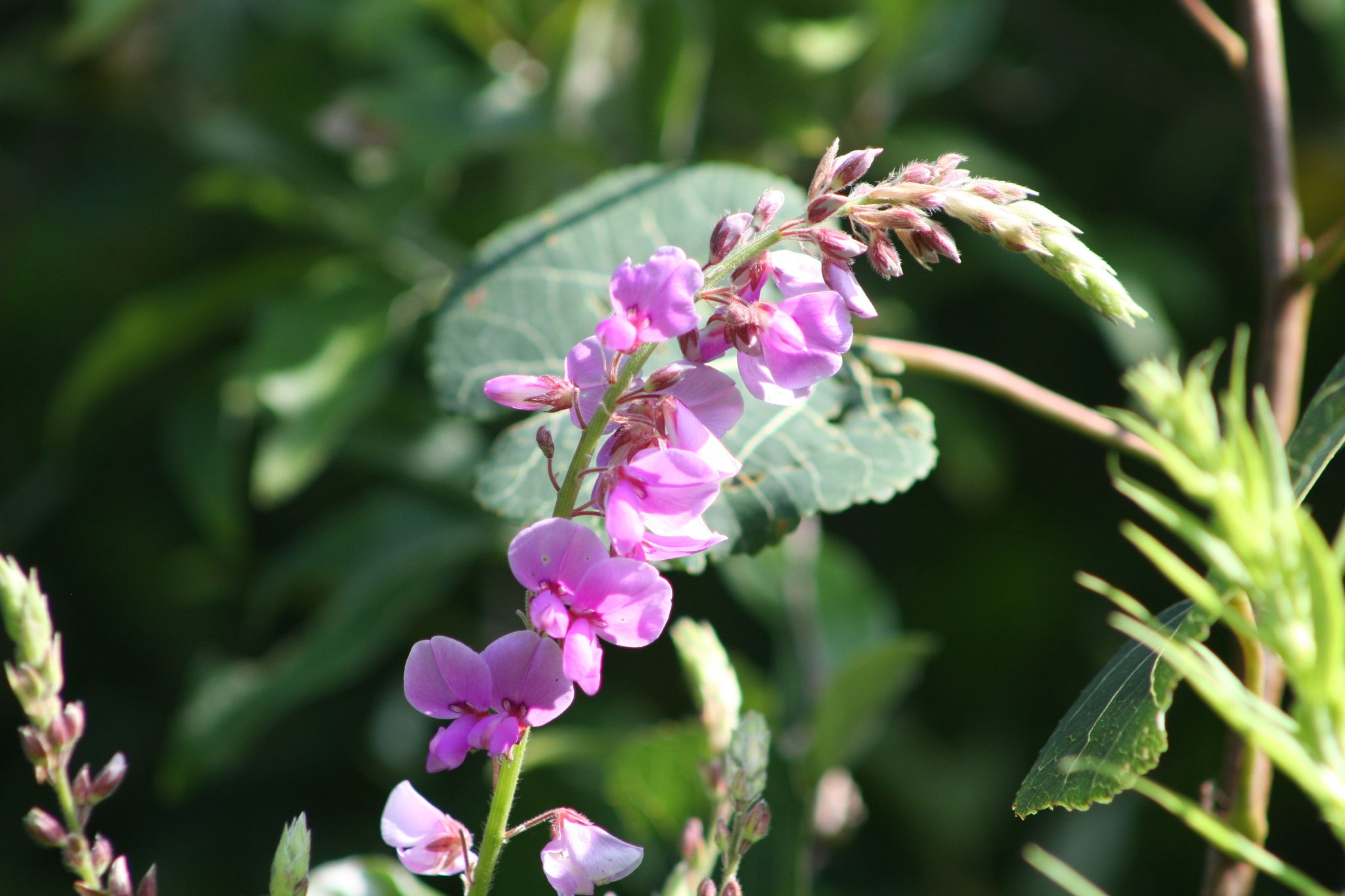
Tick-trefoils are native wildflowers in the genus Desmodium that offer nectar and pollen in summer and leave behind “stick-tight” seed pods that hitchhike on clothing and fur.
Plant Type
Wildflowers (herbaceous perennials) > Tick-trefoils
Aliases
Tick-trefoil
Native Range
Native to parts of North America (species vary).
Bloom window
Summer into early fall (varies by species)
OVERVIEW
Tick-trefoils (genus Desmodium) are a group of native, herbaceous perennial wildflowers with a relaxed, natural look. They’re especially useful for adding summer blooms to pollinator plantings, and they fit well in gardens that aim to feel a little more like a meadow or woodland edge.
What you’ll notice first is the trefoil-style foliage and the small pea-family flowers that open along the stems. Later, the plant’s signature feature shows up: segmented seed pods that cling to fabric and fur. That trait helps the plant spread, but it also means placement matters—tuck tick-trefoils a bit back from paths and play areas.
In the garden, tick-trefoils are usually happiest in sun to part shade with average soil moisture. They don’t need fussy care once established, but they do appreciate a little space and airflow. Pair them with other native wildflowers and some grasses or sedges for support and a full-season, layered look.
FAST FACTS
Essential stats and requirements for quick reference.
| Category | Details |
|---|---|
| Also known as | Tick-trefoil |
| Bloom window | Summer into early fall (varies by species) |
| Typical height | Knee- to waist-high (varies by species and growing conditions) |
| Pollinators supported | Bees, Butterflies |
| Light & moisture | Adaptable; many do well in sun to part shade with average moisture |
| Best roles for pollinators | Pollinator-friendly borders, meadow-style plantings, woodland edges, and “let it be” corners where native wildflowers can do their thing. |
SUMMARY
A quick scan of what they do, what they need, and the best first step.
Provide summer blooms for pollinators and add a natural, meadowy look to gardens.
A spot with decent light and soil that isn’t constantly soggy; give them room to sway and seed.
Place tick-trefoils a little back from paths so you can enjoy the flowers without collecting the seed pods on your clothes.
IMPACT
Key Impacts
RECOGNITION
Often three-part (trefoil-like) leaves; leaflets may be oval to more elongated depending on the species.
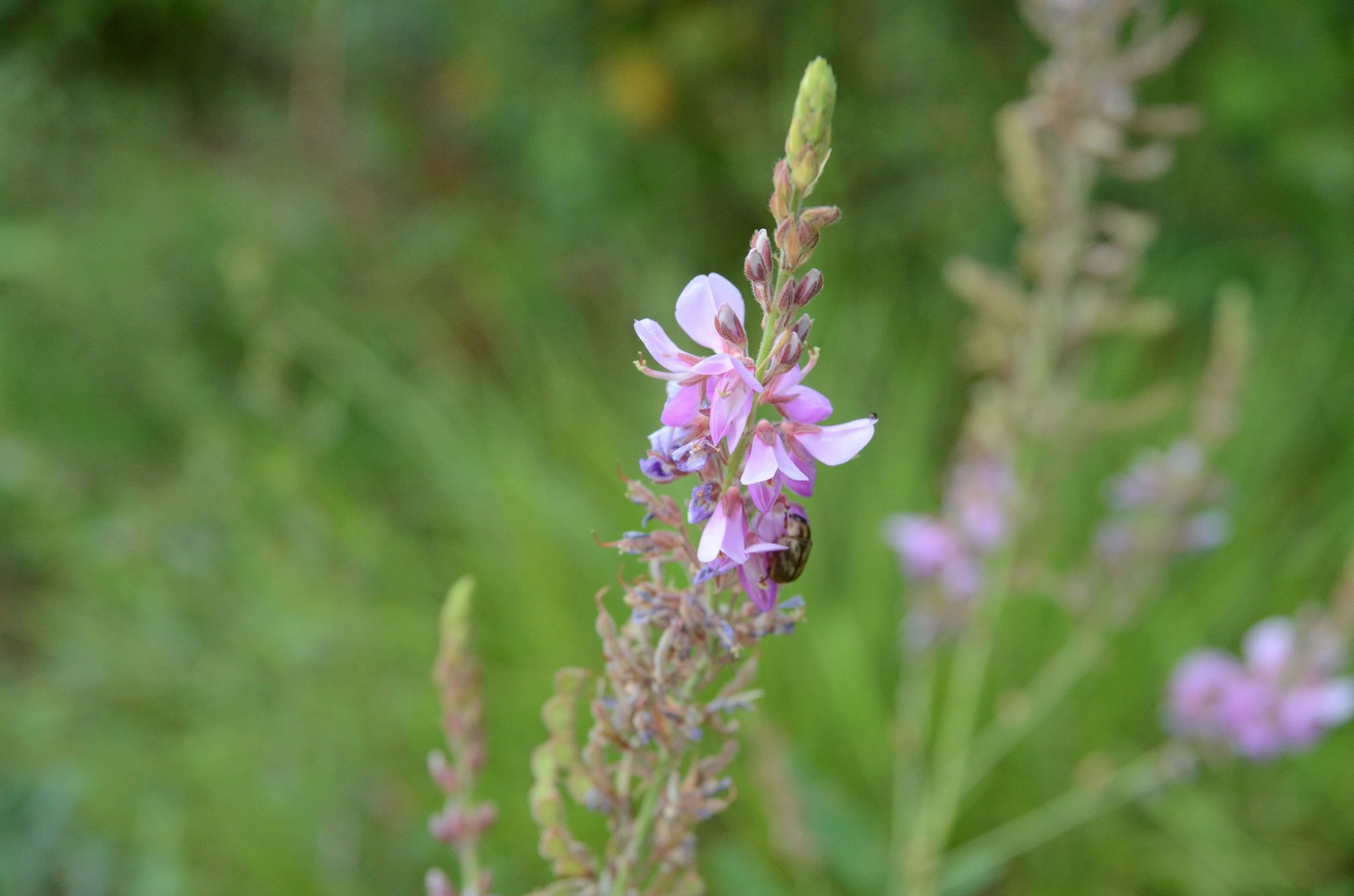
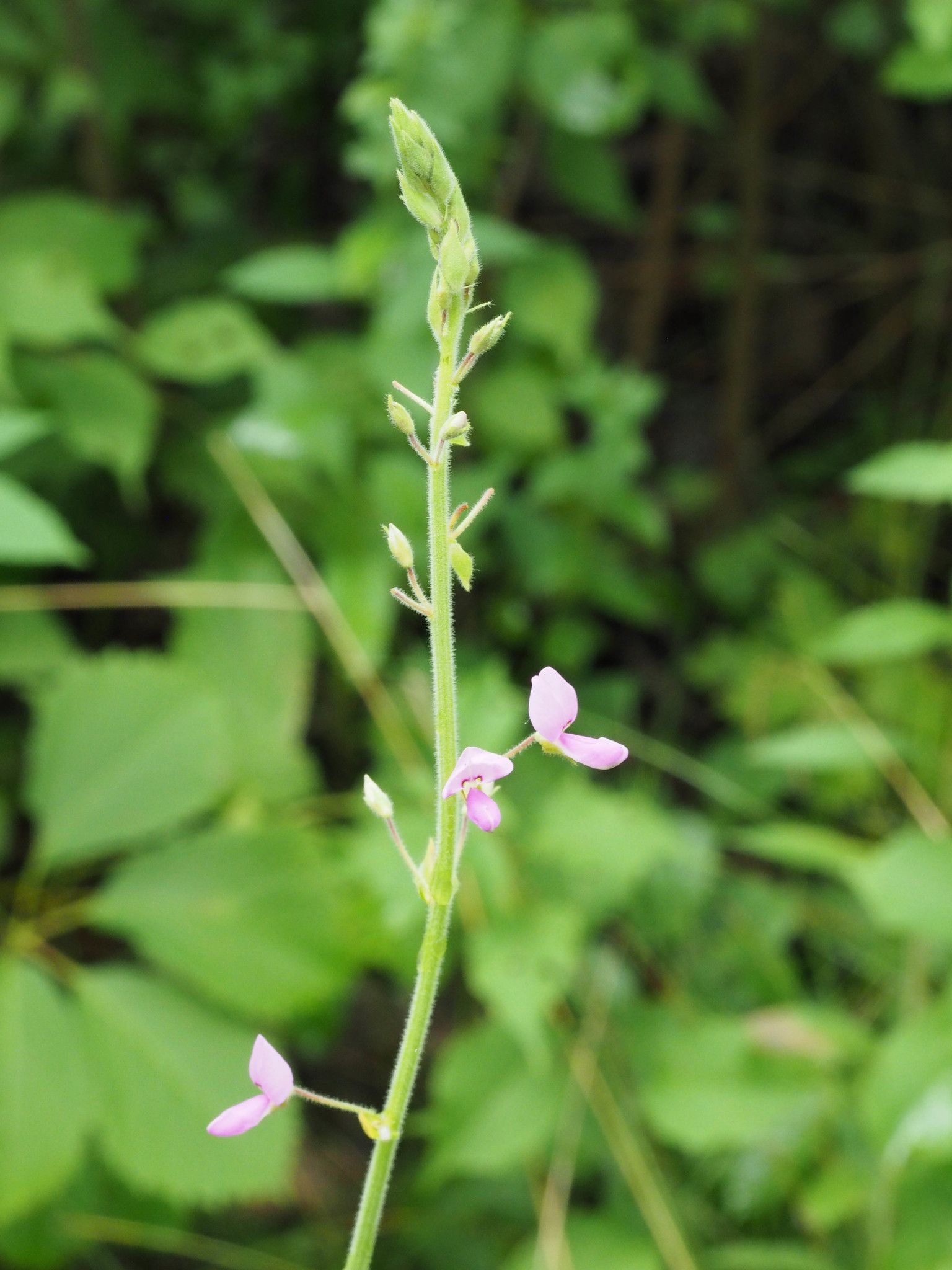
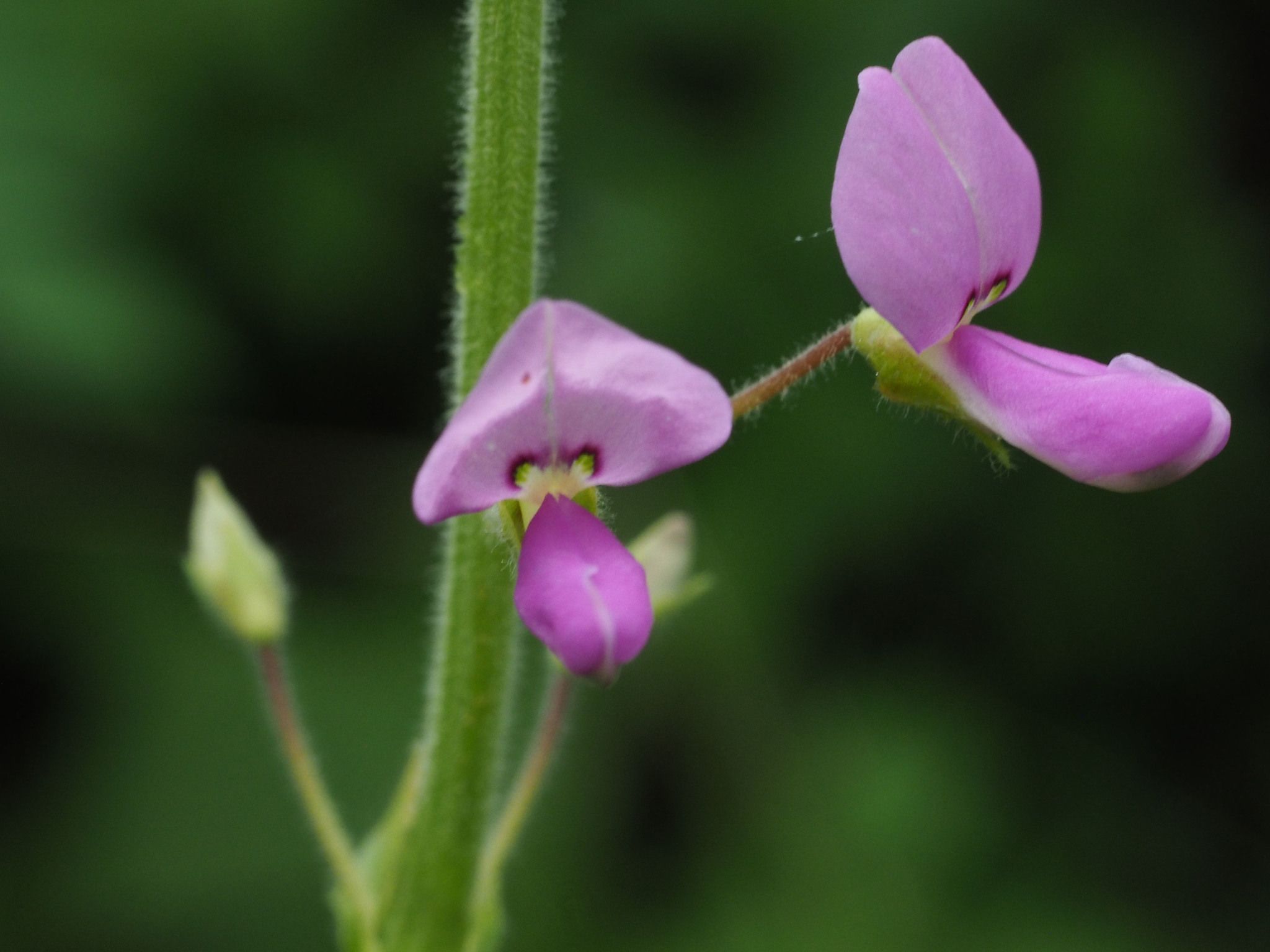
Small pea-family blossoms, commonly pink to purple, opening in clusters along upright stems.
Segmented pods that break into small sections and cling to clothing or fur when mature.
LOCATION
Native environments and the best spots to place it in your landscape.
SEASONALITY
Notes on bloom windows and how this plant helps pollinators across the seasons.
Tick-trefoils generally bloom in the warmer months, with timing depending on the species and the site.
Bloom Season Role: Mid-to-late season nectar and pollen
REQUIREMENTS
The right mix of sun, soil, and space for healthy growth.
Sun to part shade; more sun usually means sturdier stems and more flowers.
Average garden soil is often fine; avoid constantly waterlogged spots.
Water to establish; after that, many tick-trefoils handle normal rainfall in a suitable site.
Plant in spring or fall. Give each plant space for airflow and to reduce flopping.
Use a light mulch layer if needed; keep mulch off the crown to prevent soggy stems.
GARDENING GUIDE
Simple steps to plant, prune, and maintain healthy trees without pesticides.
Pairings
Pairing ideas to keep pollinators fed throughout the growing season.
GLOSSARY
Glossary terms are being added.
What You Can Do
Turn this knowledge into action. Whether you plant a single pot or a whole garden, you are building a vital bridge for local biodiversity.
Join the movement to restore our shared habitats.