

What they do
Provide tubular blooms that offer nectar and keep a garden active with pollinator visits.
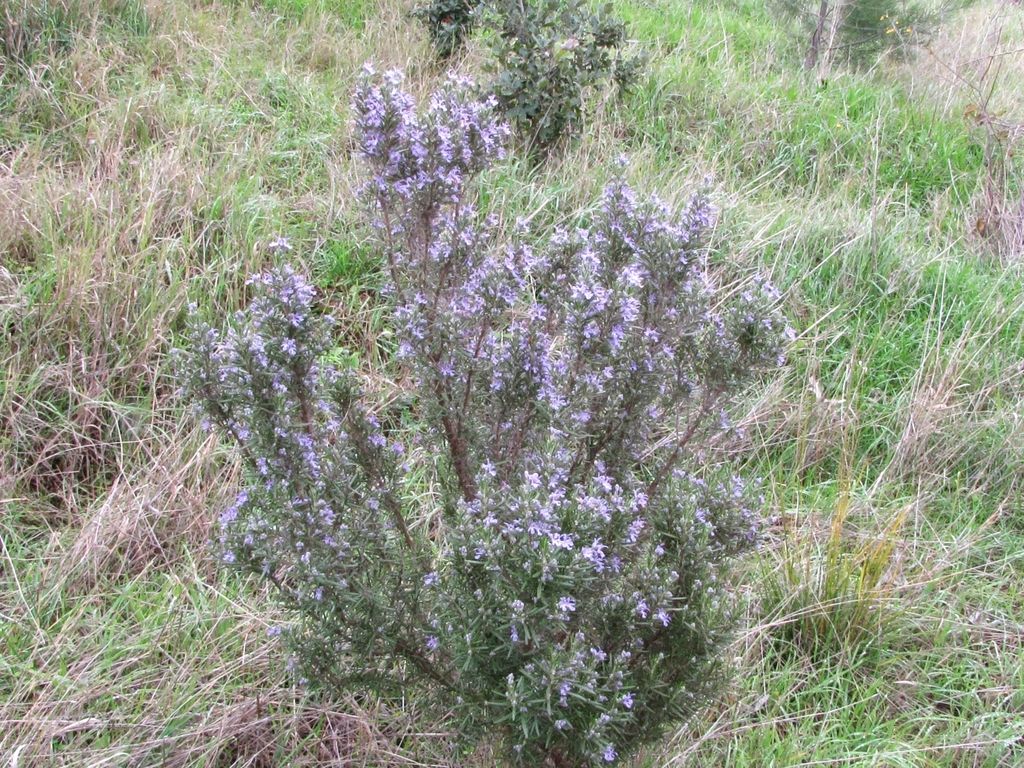
Genus Salvia (tubular spp.)
Trumpet sages are a group of Salvia plants with tubular flowers that are especially handy for pollinator gardens. They’re easy to spot, easy to grow in the right place, and can fit into beds, borders, and even large pots.
Plant Type
Wildflowers (herbaceous perennials) > Trumpet sages
Aliases
Trumpet sage
Native Range
Varies by species within Salvia; choose region-appropriate options when possible
Bloom window
Often blooms from early summer into fall, depending on the species and site
OVERVIEW
Trumpet sages are a flexible group of Salvia plants known for tubular blooms and a long season of color. They’re a strong choice when you want a plant that looks good in a sunny bed, doesn’t demand constant attention, and still supports pollinators.
If you’re new to gardening, focus on two basics: sun and drainage. Most trumpet sages struggle in soggy soil, especially over long stretches. In a schoolyard or home garden, a raised bed or a large container can be an easy way to get the drainage right.
For a fuller pollinator garden, pair trumpet sages with early bloomers (so something is flowering in spring) and late bloomers (so the garden stays active into fall). A mix of flower shapes and bloom times helps keep your planting interesting—and useful—through the season.
FAST FACTS
Essential stats and requirements for quick reference.
| Category | Details |
|---|---|
| Also known as | Trumpet sage |
| Bloom window | Often blooms from early summer into fall, depending on the species and site |
| Typical height | Varies by species; often knee- to waist-high, sometimes taller |
| Pollinators supported | Bees, Hummingbirds, Butterflies |
| Light & moisture | Sun with well-drained soil; water to establish, then avoid soggy conditions |
| Best roles for pollinators | Sunny pollinator gardens, borders, and large containers where you want long-lasting color and frequent pollinator visits |
SUMMARY
A quick scan of what they do, what they need, and the best first step.
Provide tubular blooms that offer nectar and keep a garden active with pollinator visits.
Sun, drainage, and a little patience while roots establish.
Choose a sunny spot with good drainage (or use a pot with drainage holes) and avoid overwatering.
IMPACT
Key Impacts
RECOGNITION
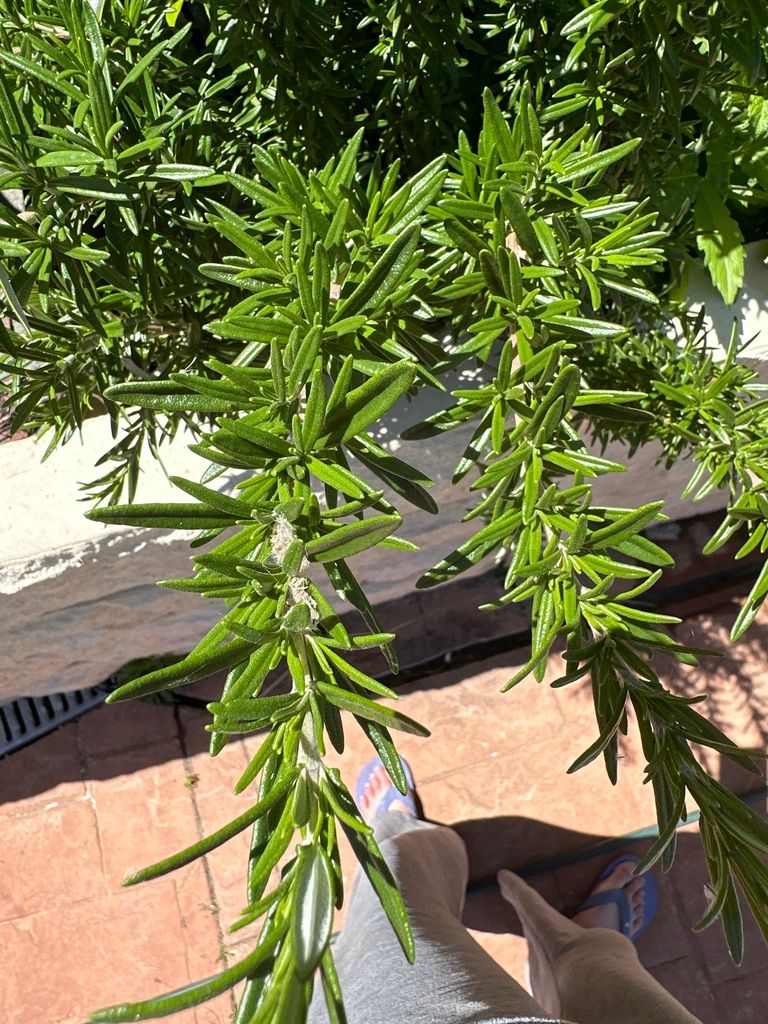
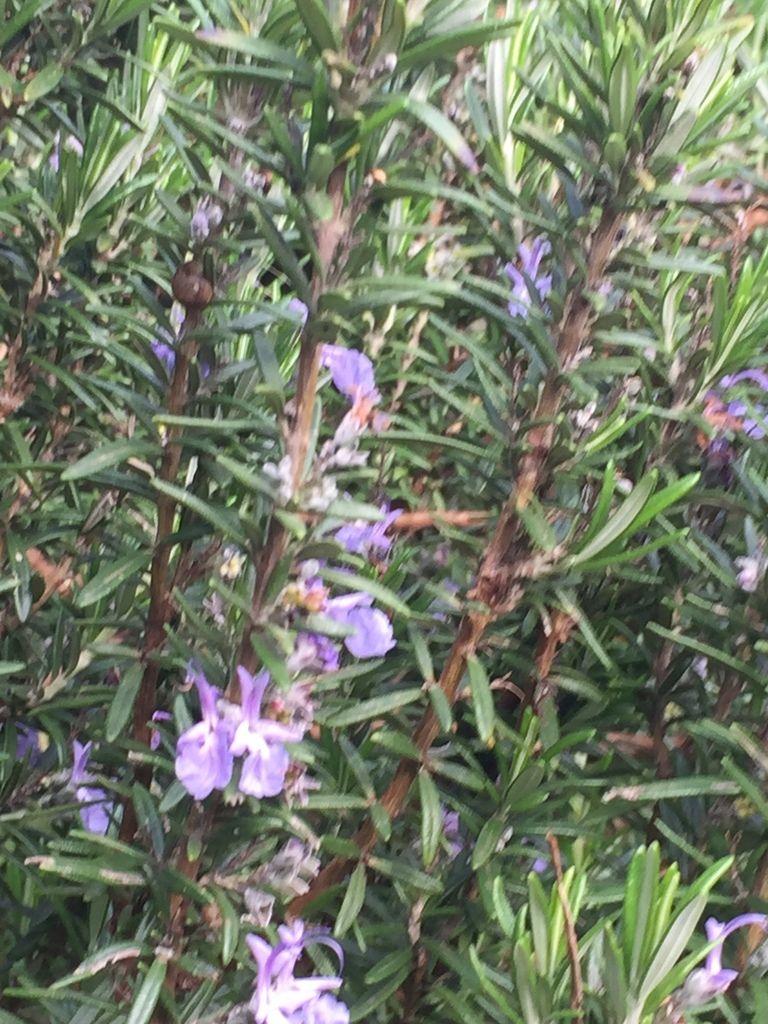
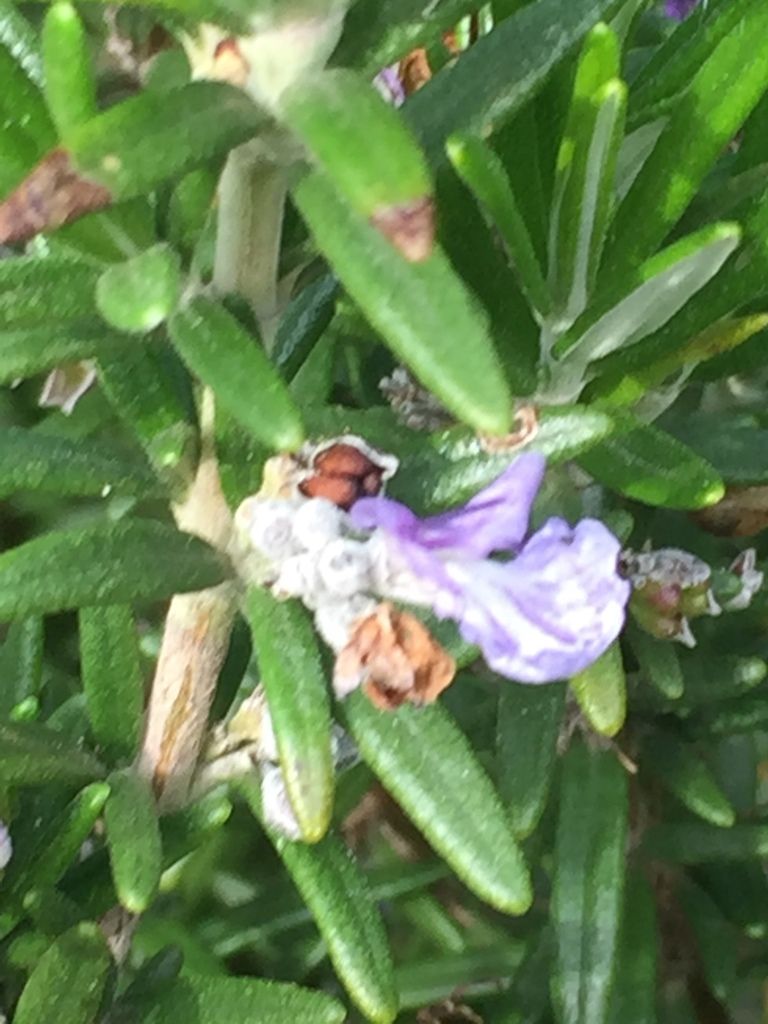
Usually opposite leaves; often slightly fuzzy or textured; many are pleasantly aromatic when touched.
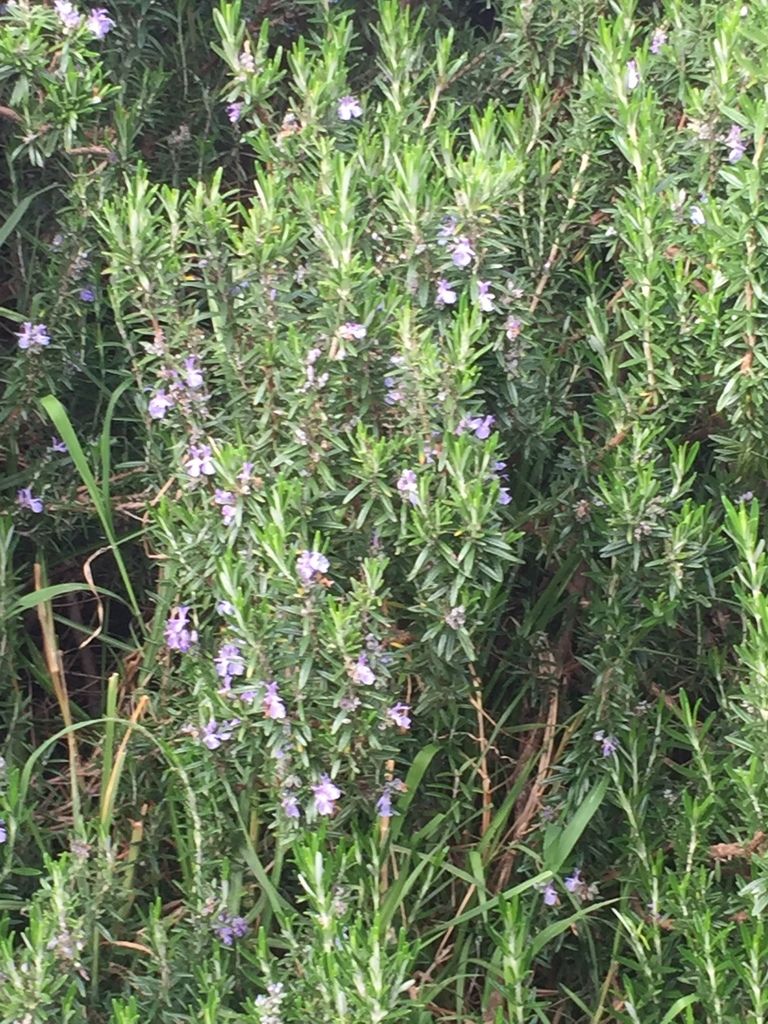
Tubular, two-lipped flowers in spikes or airy clusters; colors vary widely by species and cultivar.
Small, dry seed structures typical of the mint family; often not showy.
LOCATION
Native environments and the best spots to place it in your landscape.
SEASONALITY
Notes on bloom windows and how this plant helps pollinators across the seasons.
Trumpet sages are often chosen for their long bloom window and repeat flowering.
Bloom Season Role: A steady nectar stop when other flowers come and go
REQUIREMENTS
The right mix of sun, soil, and space for healthy growth.
Aim for a sunny site for best flowering; part sun can work but may reduce blooms.
Well-drained soil is key. If your soil stays wet, improve drainage with compost and site choice, or grow in a container.
Water regularly during the first season to help roots establish. After that, water when the top soil dries out; avoid keeping the soil constantly wet.
Plant at the same depth as the pot. Give each plant room for airflow so leaves dry quickly after rain.
Use a light mulch layer to reduce weeds, but keep mulch pulled back from the crown to prevent rot.
GARDENING GUIDE
Simple steps to plant, prune, and maintain healthy trees without pesticides.
Pairings
Pairing ideas to keep pollinators fed throughout the growing season.
GLOSSARY
Glossary terms are being added.
What You Can Do
Turn this knowledge into action. Whether you plant a single pot or a whole garden, you are building a vital bridge for local biodiversity.
Join the movement to restore our shared habitats.