What they do
Provide long-lasting clusters of small flowers that many pollinators can use.
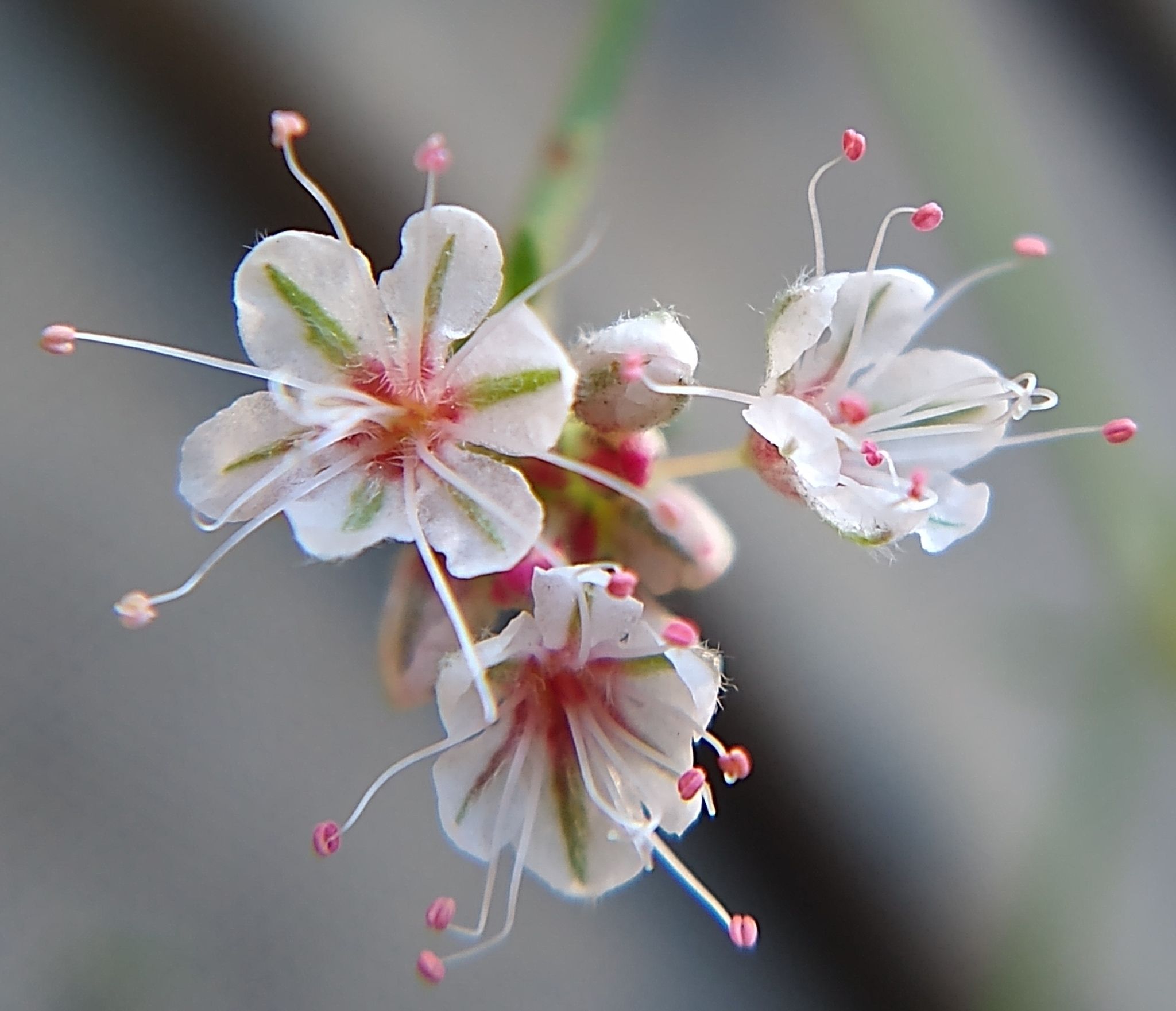
Genus Eriogonum
Wild buckwheats (genus Eriogonum) are tough, long-blooming western native wildflowers that can turn dry, sunny spots into reliable pollinator stops.
Plant Type
Wildflowers (herbaceous perennials) > Wild buckwheats
Aliases
Wild buckwheat
Native Range
Western North America (varies by species).
Bloom window
Often blooms from late spring through summer (varies by species).
OVERVIEW
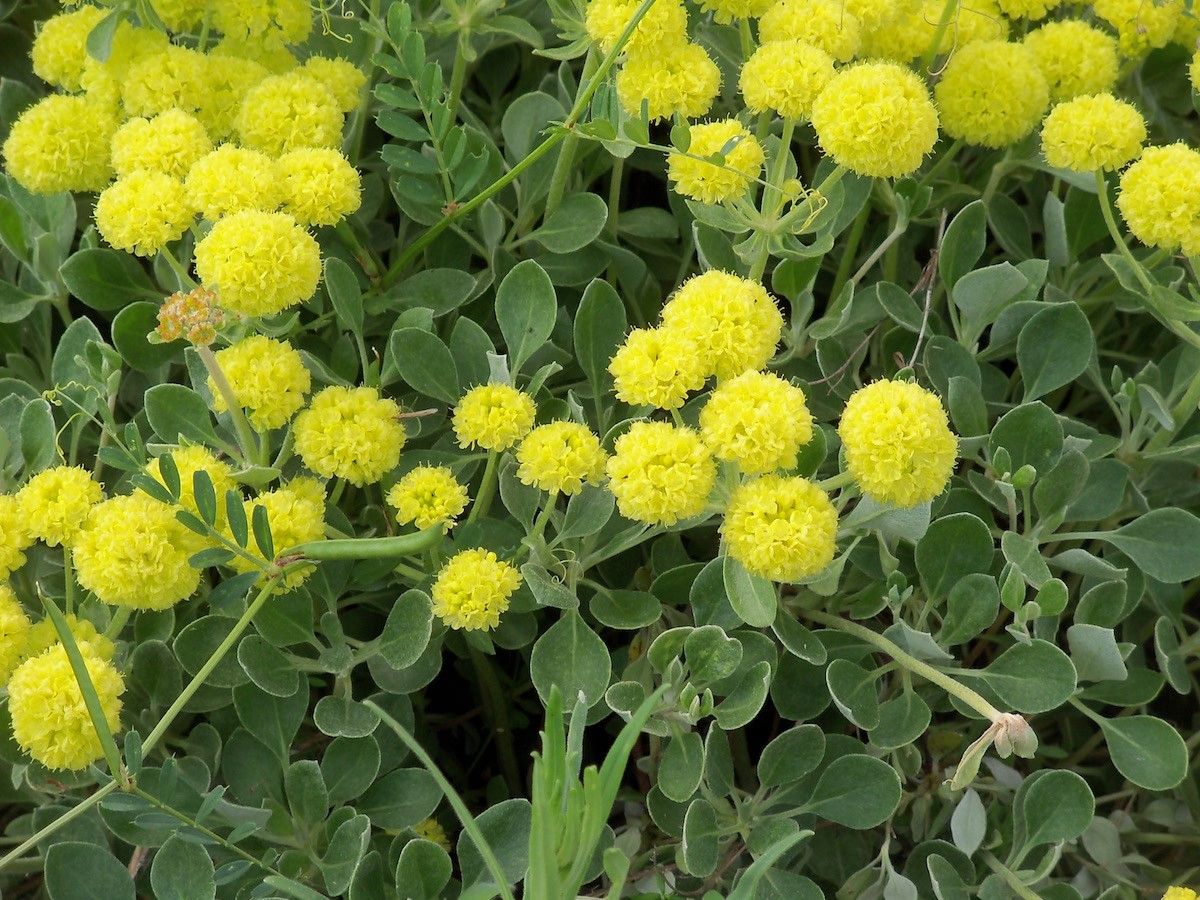
Wild buckwheats (Genus Eriogonum) are tough, western-native wildflowers that function as reliable, long-season forage anchors in dry and sunny habitats. Their greatest value to local North American pollinators, including many bees and butterflies, lies in their dense clusters of tiny, accessible flowers, providing a steady and easy-to-reach source of nectar and pollen. They are an excellent, low-fuss plant for challenging garden spaces like gravelly areas and dry slopes.
If you are planting Eriogonum, site selection is critical: they require full sun and fast-draining soil. To maximize pollinator support and ensure plant health, avoid over-watering and heavy fertilizers. The best practice is to avoid all insecticides, especially when the plants are blooming, as a well-sited wild buckwheat is resilient and will deliver continuous support to your local insect community.
FAST FACTS
Essential stats and requirements for quick reference.
| Category | Details |
|---|---|
| Also known as | Wild buckwheat |
| Bloom window | Often blooms from late spring through summer (varies by species). |
| Typical height | Varies widely by species—from low mounds to taller flowering stems. |
| Pollinators supported | Bees, Butterflies, Flies, Wasps, Beetles |
| Light & moisture | Full sun; dry to medium moisture with good drainage. |
| Best roles for pollinators | Sunny, well-drained spots where you want long-lasting blooms and low-fuss pollinator support. |
SUMMARY
A quick scan of what they do, what they need, and the best first step.
Provide long-lasting clusters of small flowers that many pollinators can use.
Sun and well-drained soil; most types do best with modest watering after they’re established.
Choose a well-drained, sunny spot and avoid overwatering.
IMPACT
Key Impacts
RECOGNITION
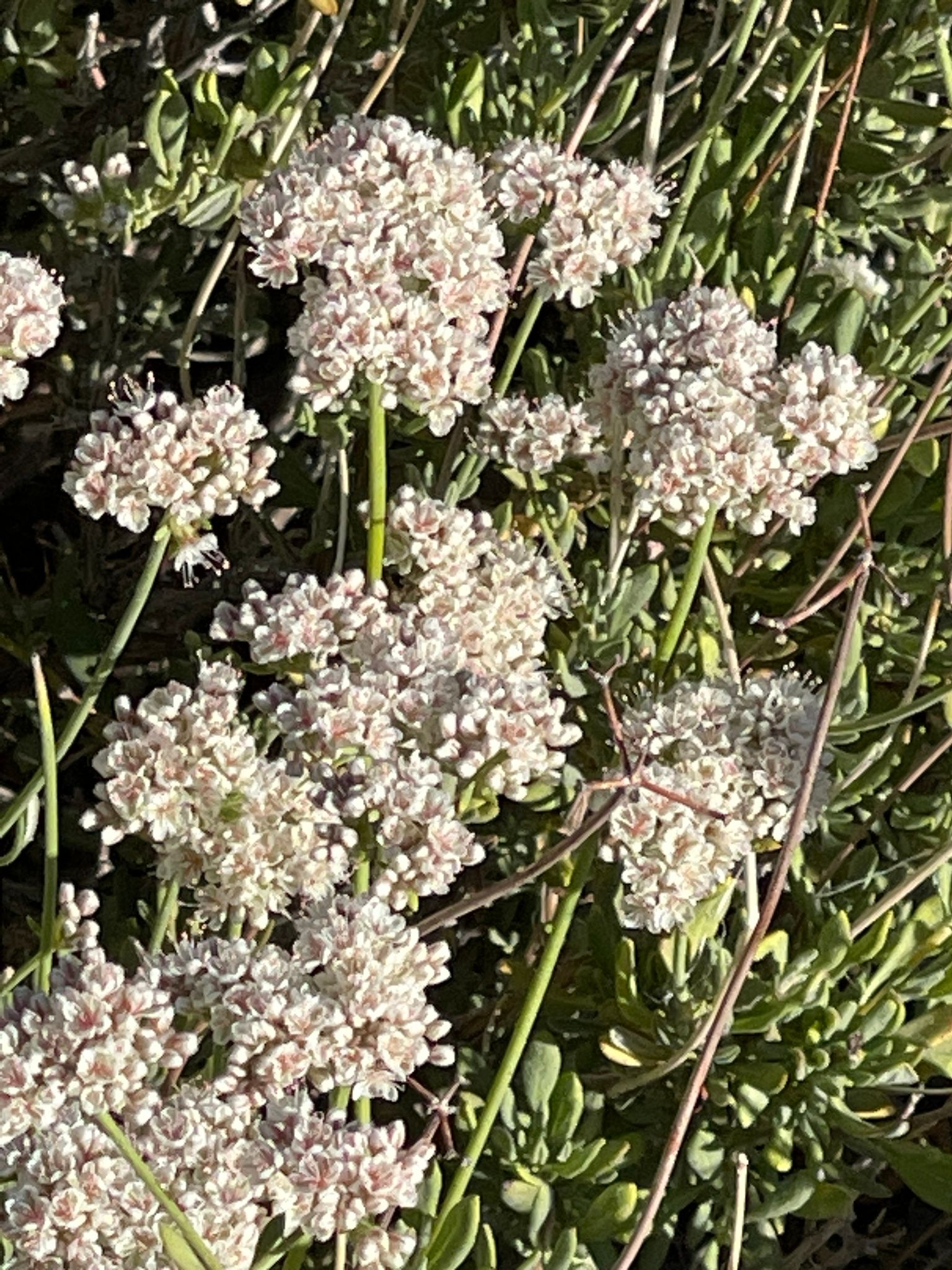
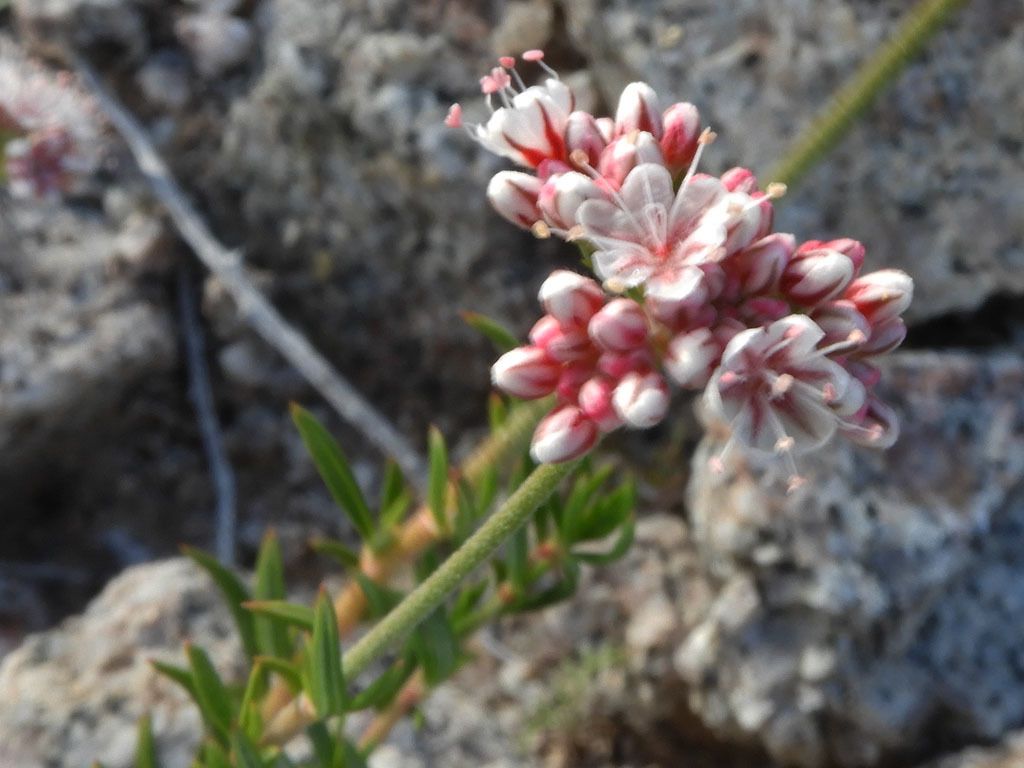
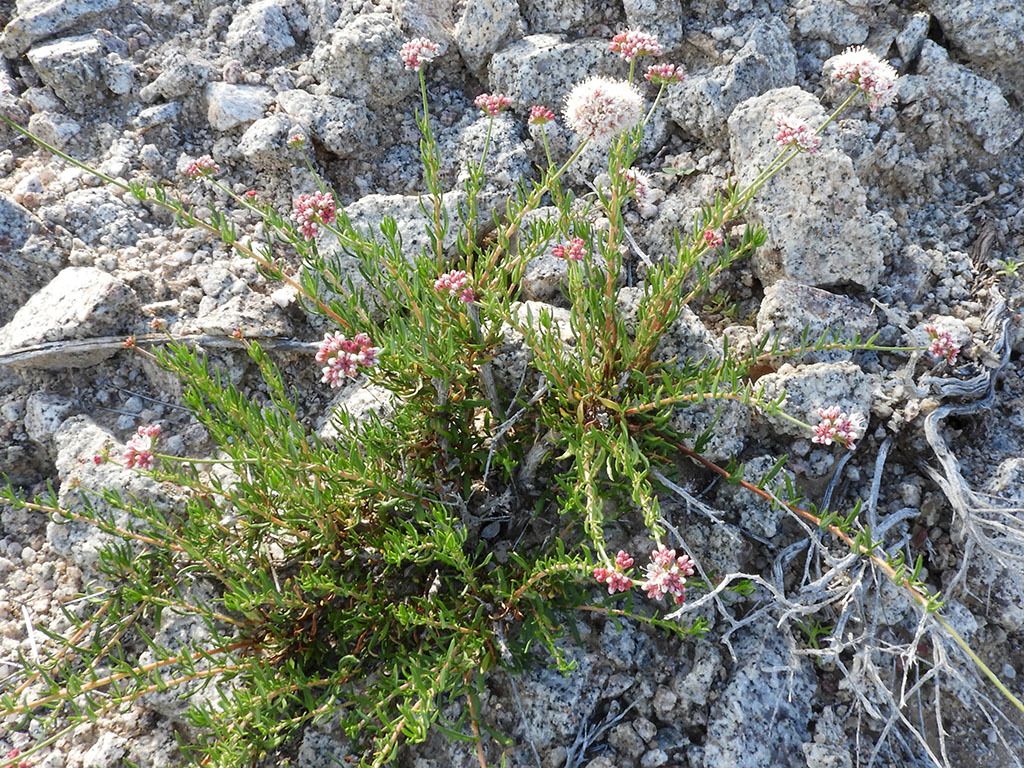
Often basal or clustered leaves; shape and texture vary by species, sometimes with a gray-green or silvery cast.
Tiny flowers packed into clusters; colors range from white/cream to yellow, pink, or rusty tones as they age.
Small, dry seeds that form after flowering; spent clusters may persist and add texture.
LOCATION
Native environments and the best spots to place it in your landscape.
SEASONALITY
Notes on bloom windows and how this plant helps pollinators across the seasons.
Bloom timing depends on the species, but many wild buckwheats flower for a long stretch once they start.
Bloom Season Role: Long-blooming support plant that can bridge gaps between other flowering waves.
REQUIREMENTS
The right mix of sun, soil, and space for healthy growth.
Full sun is best for strong flowering and compact growth.
Well-drained soil is key. Many types prefer lean, gritty, or rocky soils over rich, heavy mixes.
Water to help new plants establish, then reduce. Once established, many species prefer infrequent deep watering rather than frequent light watering.
Plant where water won’t pool. If your soil is heavy, consider a raised area, a slope, or a gravelly planting pocket.
Use a light layer of gravel or coarse mulch if needed, and keep mulch away from the plant’s crown.
GARDENING GUIDE
Simple steps to plant, prune, and maintain healthy trees without pesticides.
Pairings
Pairing ideas to keep pollinators fed throughout the growing season.
GLOSSARY
Glossary terms are being added.
What You Can Do
Turn this knowledge into action. Whether you plant a single pot or a whole garden, you are building a vital bridge for local biodiversity.
Join the movement to restore our shared habitats.
Pollinators supported
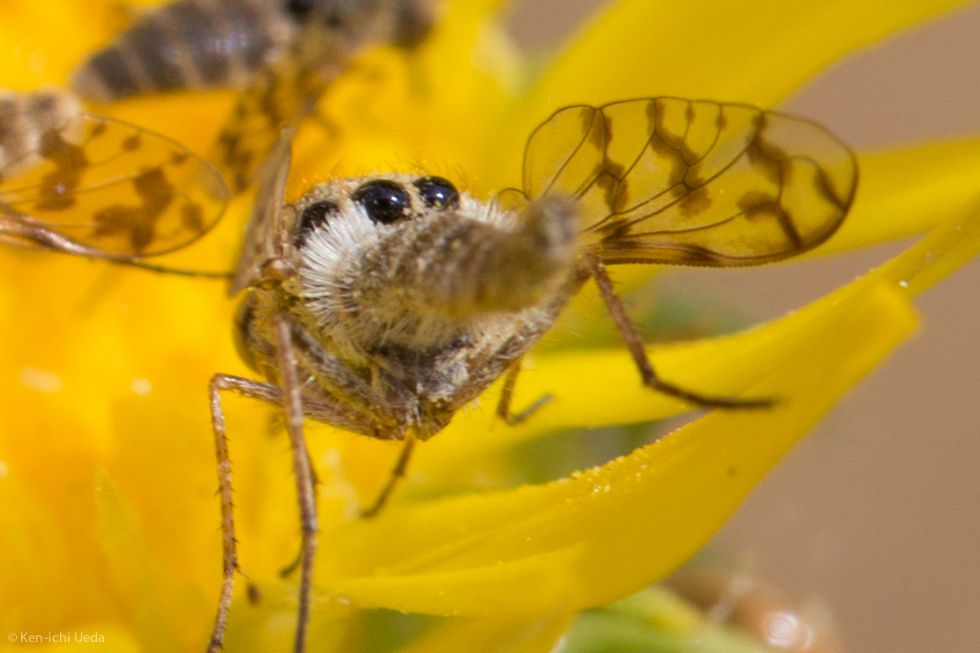
Adults visit flowers for nectar and can move pollen between blooms; their presence is a sign of diverse, functioning habitats.
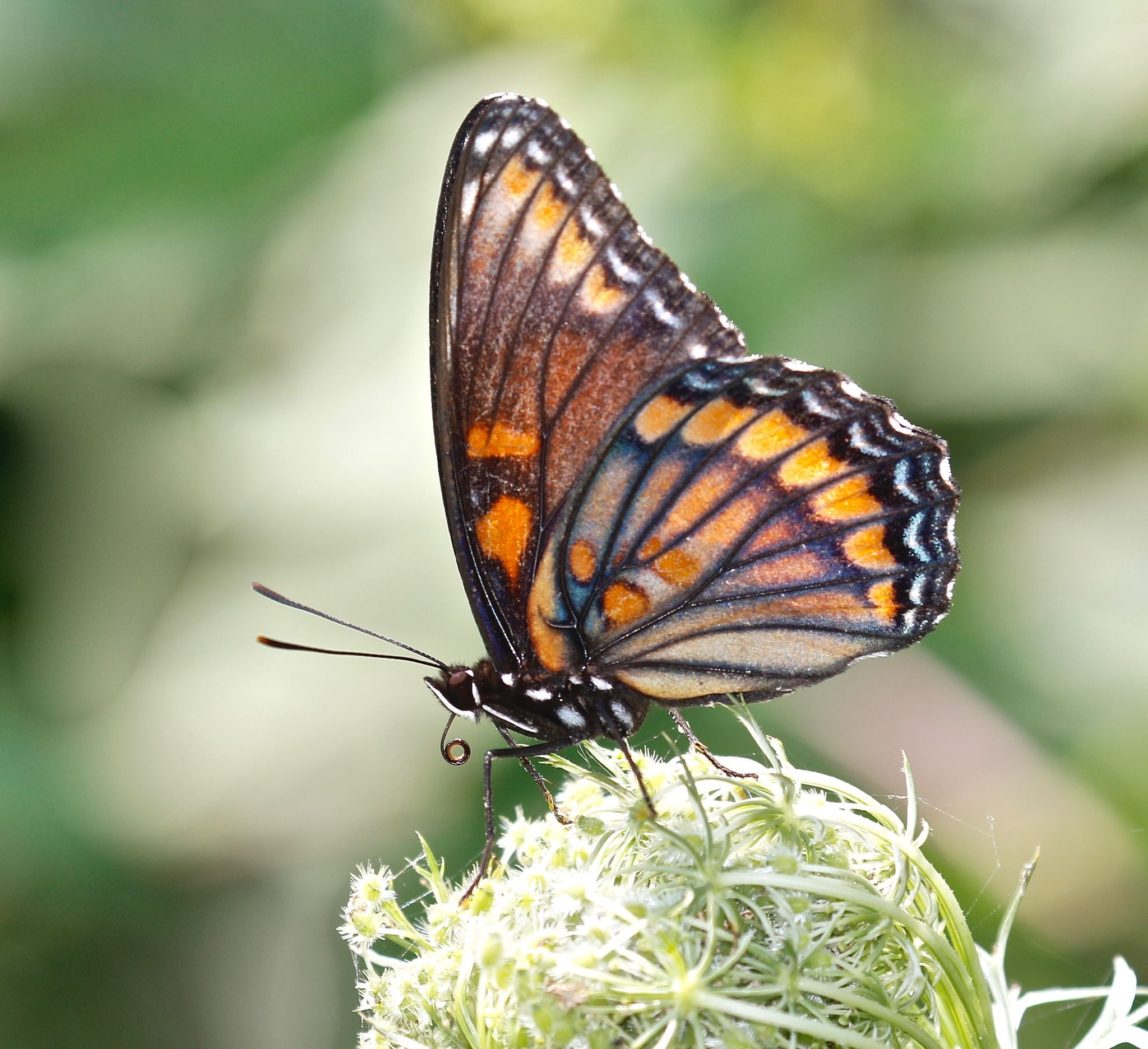
Many brushfoots move pollen between flowers as they feed, and their caterpillars are part of healthy food webs.
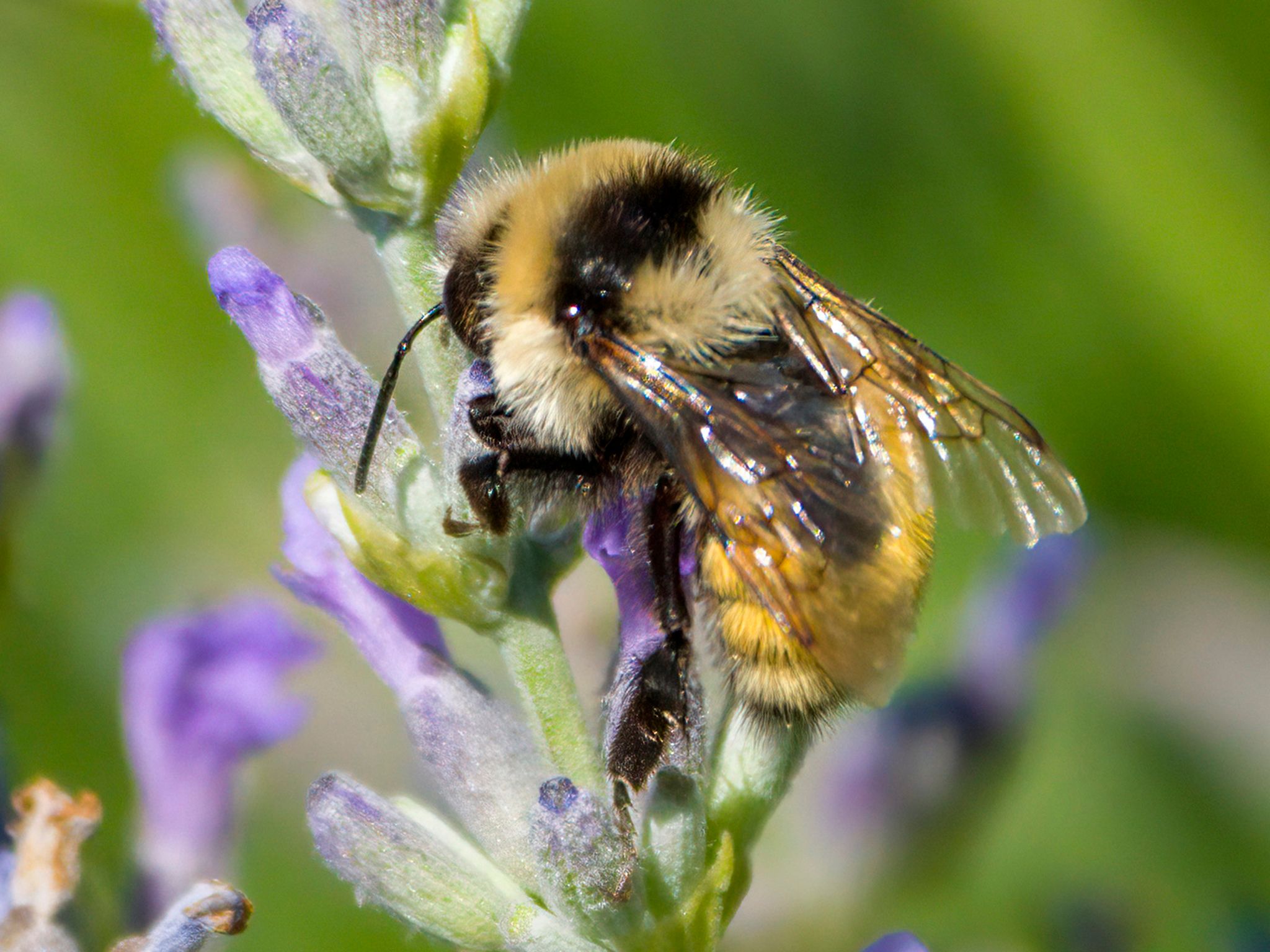
Bumble bees are important pollinators of many wildflowers and garden plants, helping ecosystems and food crops reproduce.
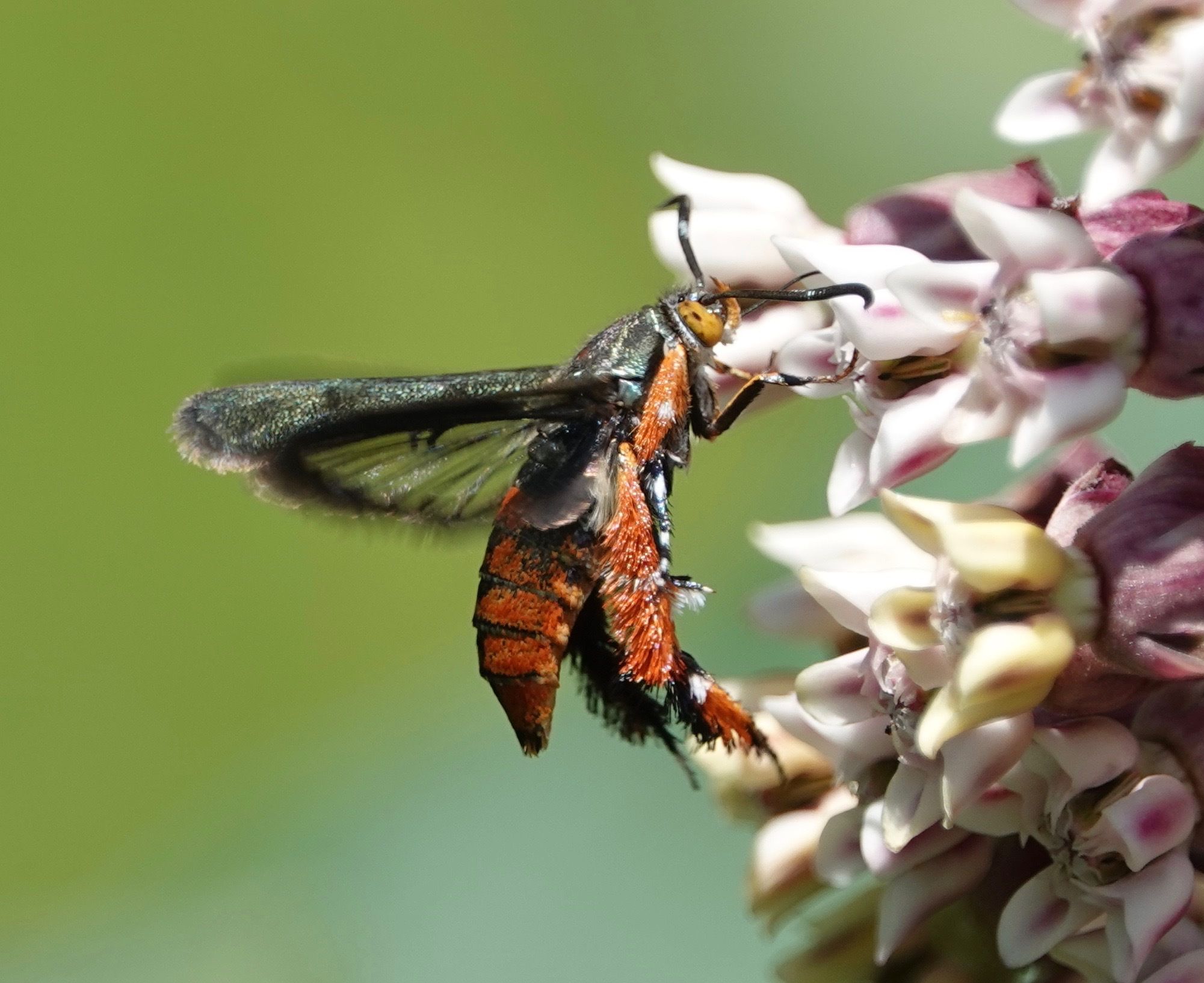
Adults can move pollen between blooms, and their presence can signal how healthy local plant communities are.
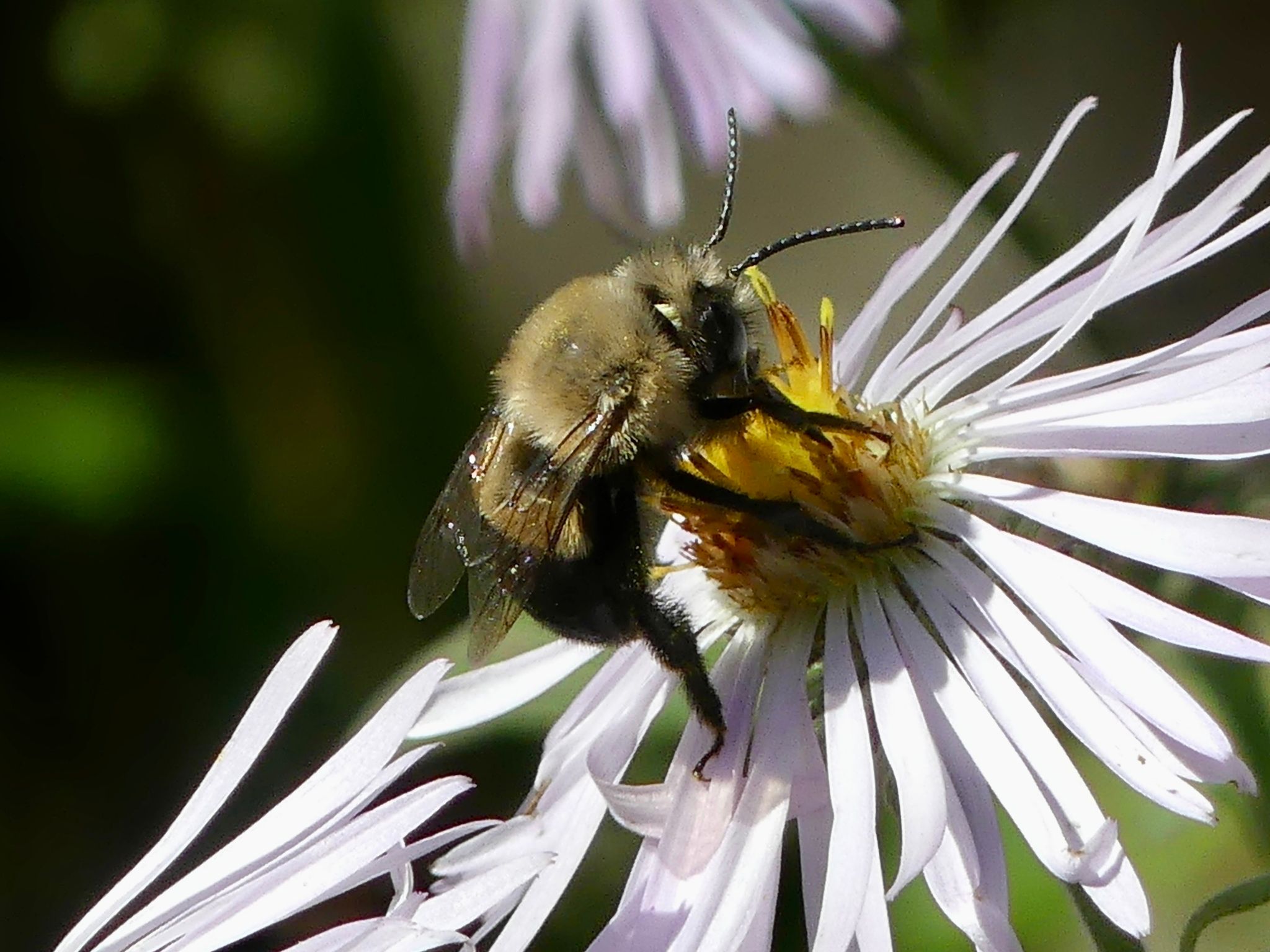
They move pollen between flowers while feeding, helping wild plants and many garden plants set seed and fruit.
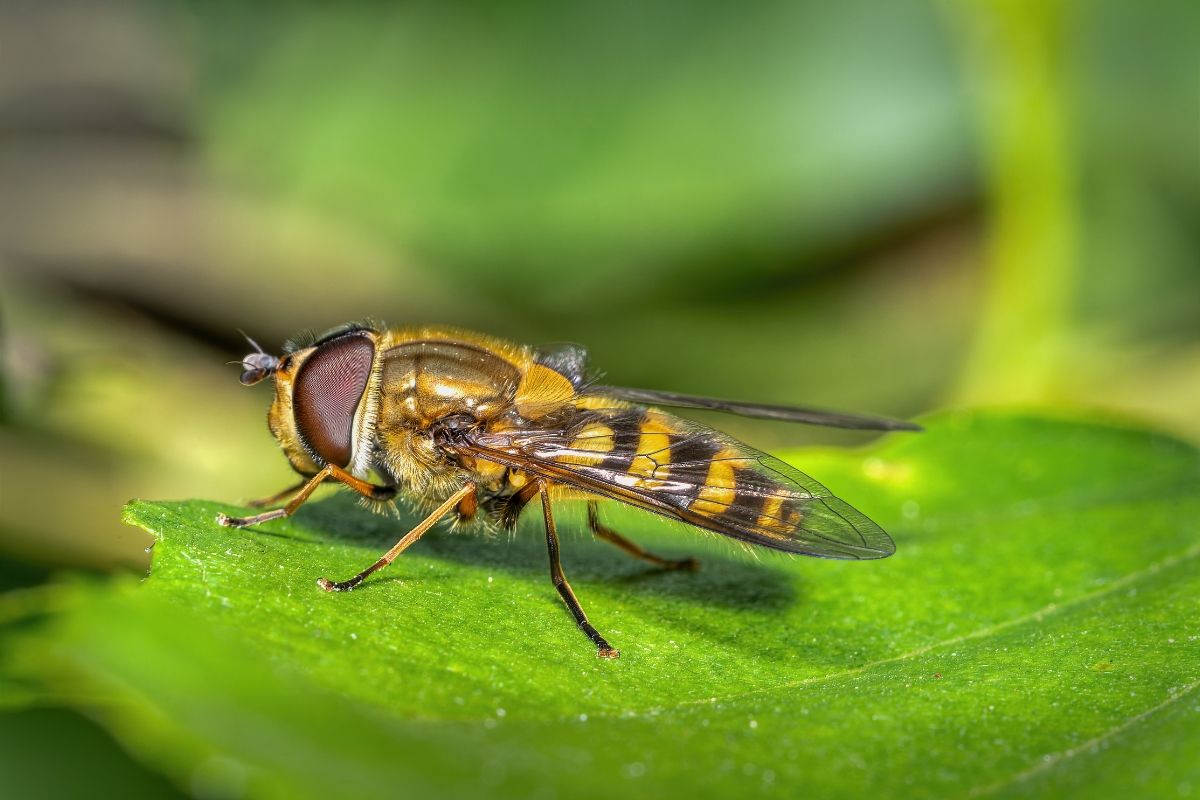
Adults visit flowers for nectar and pollen, and many species’ larvae help keep plant-eating pests in check.
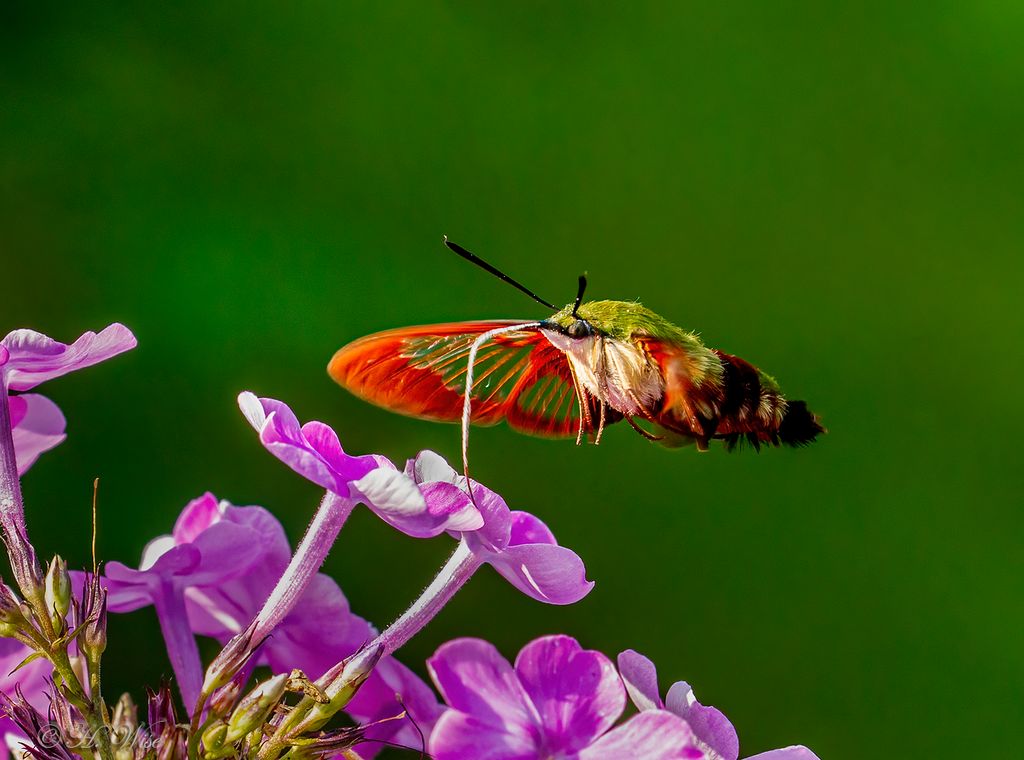
They can move pollen between flowers while feeding on nectar, especially for blooms that open or scent up in the evening.
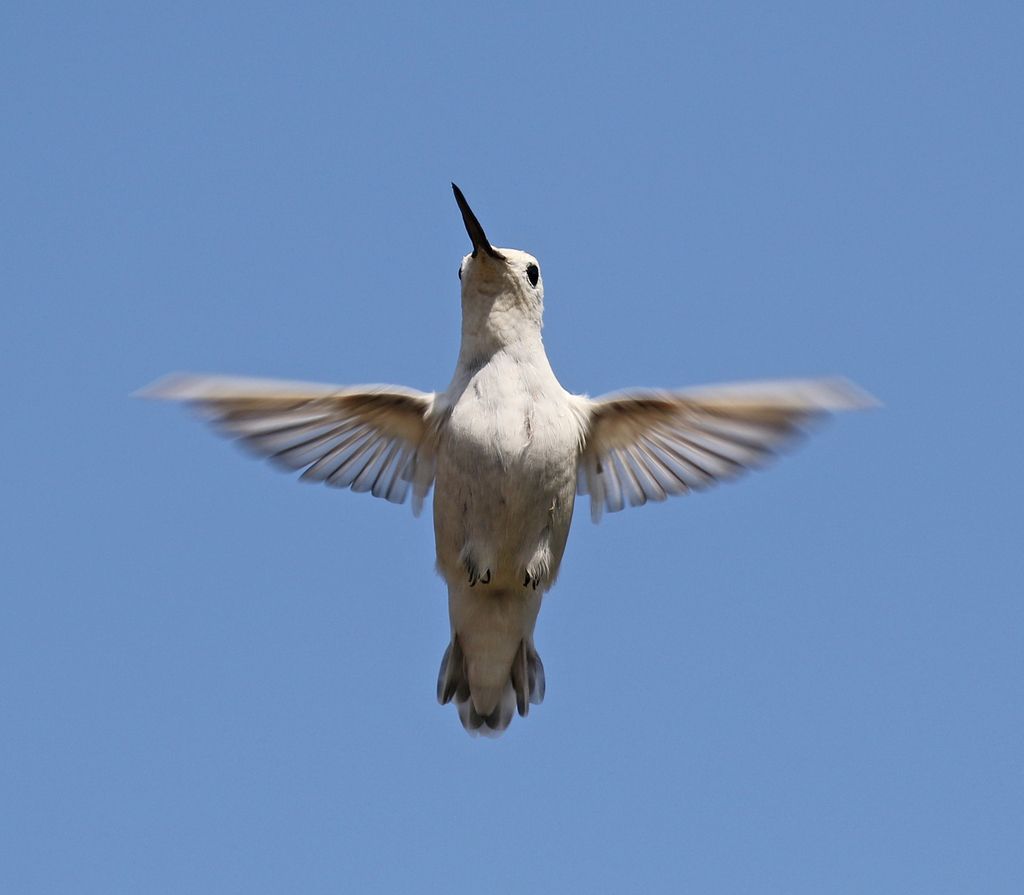
They move pollen between flowers while feeding, helping many plants reproduce.
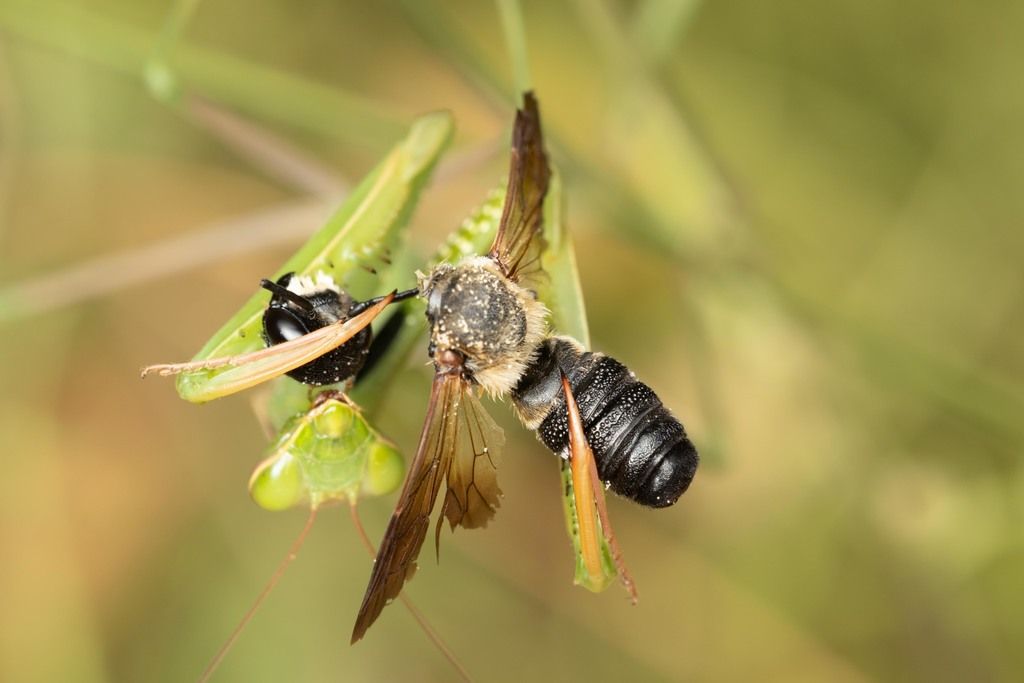
They move pollen between flowers while foraging, helping many wild plants and garden plants set seed and fruit.
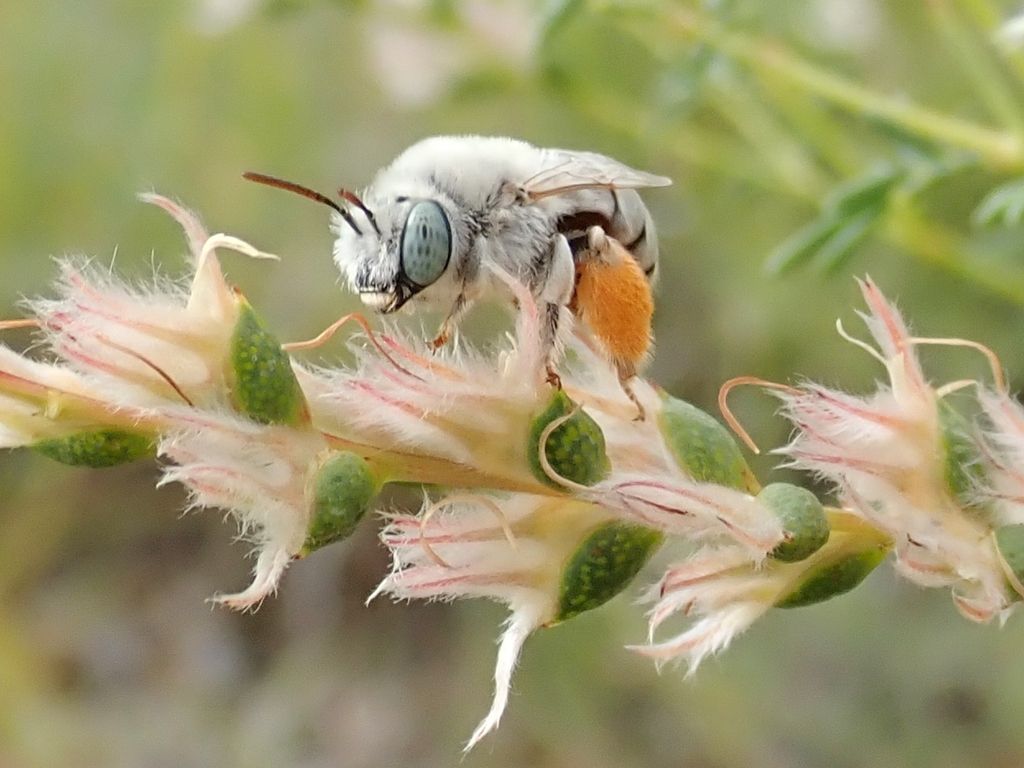
They move pollen between flowers as they feed, supporting seed and fruit set in many wild plants and some crops.
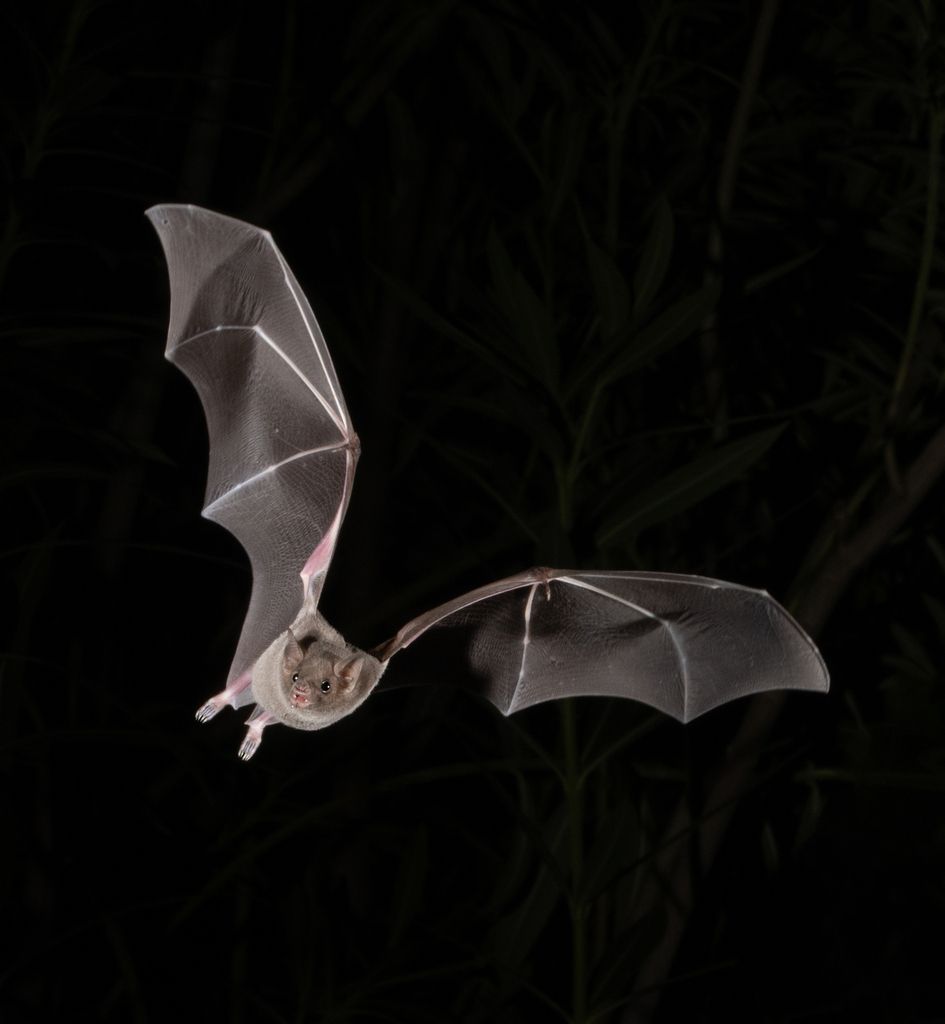
They move pollen between flowers over long distances, helping some plants set fruit and seed.
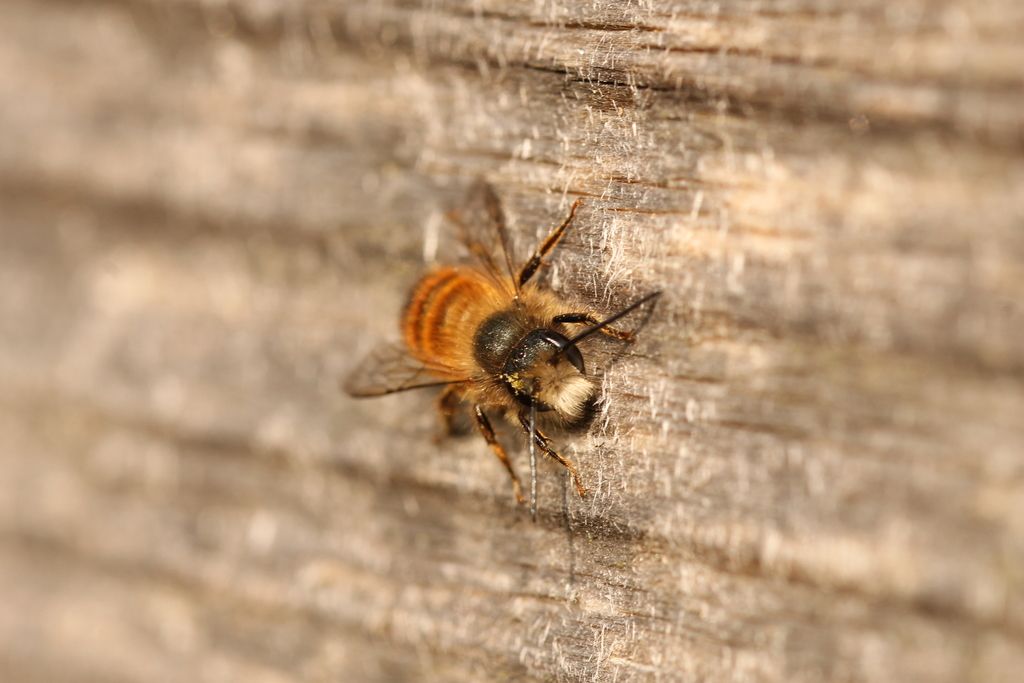
They move pollen between flowers while foraging, helping many wild plants and garden crops set seed and fruit.
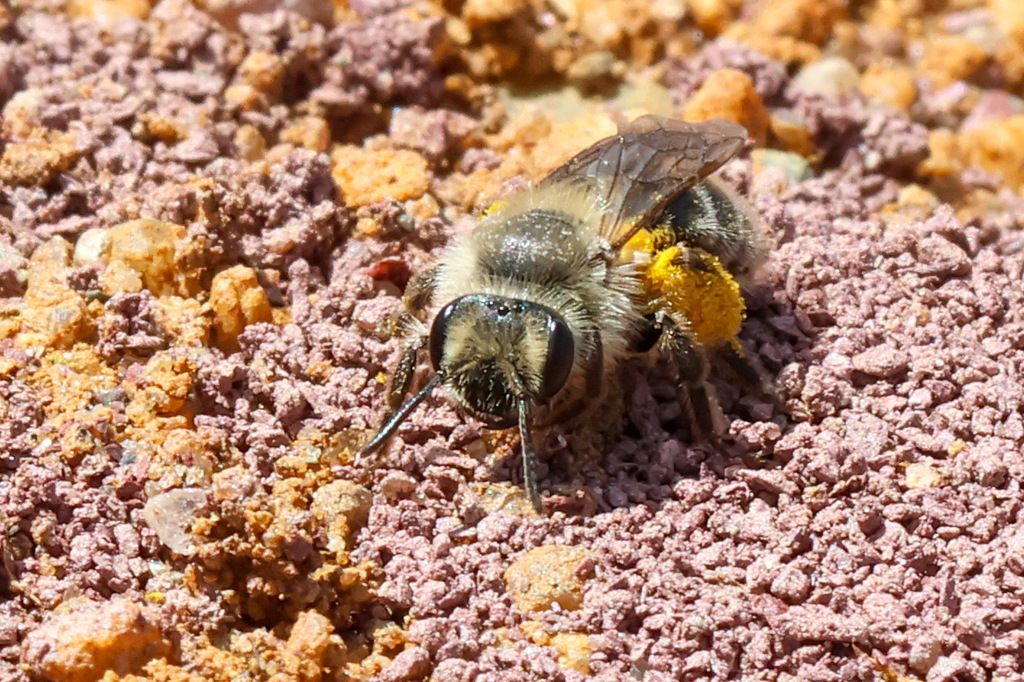
They move pollen between flowers while foraging, helping many wild plants and garden plants set seed and fruit.
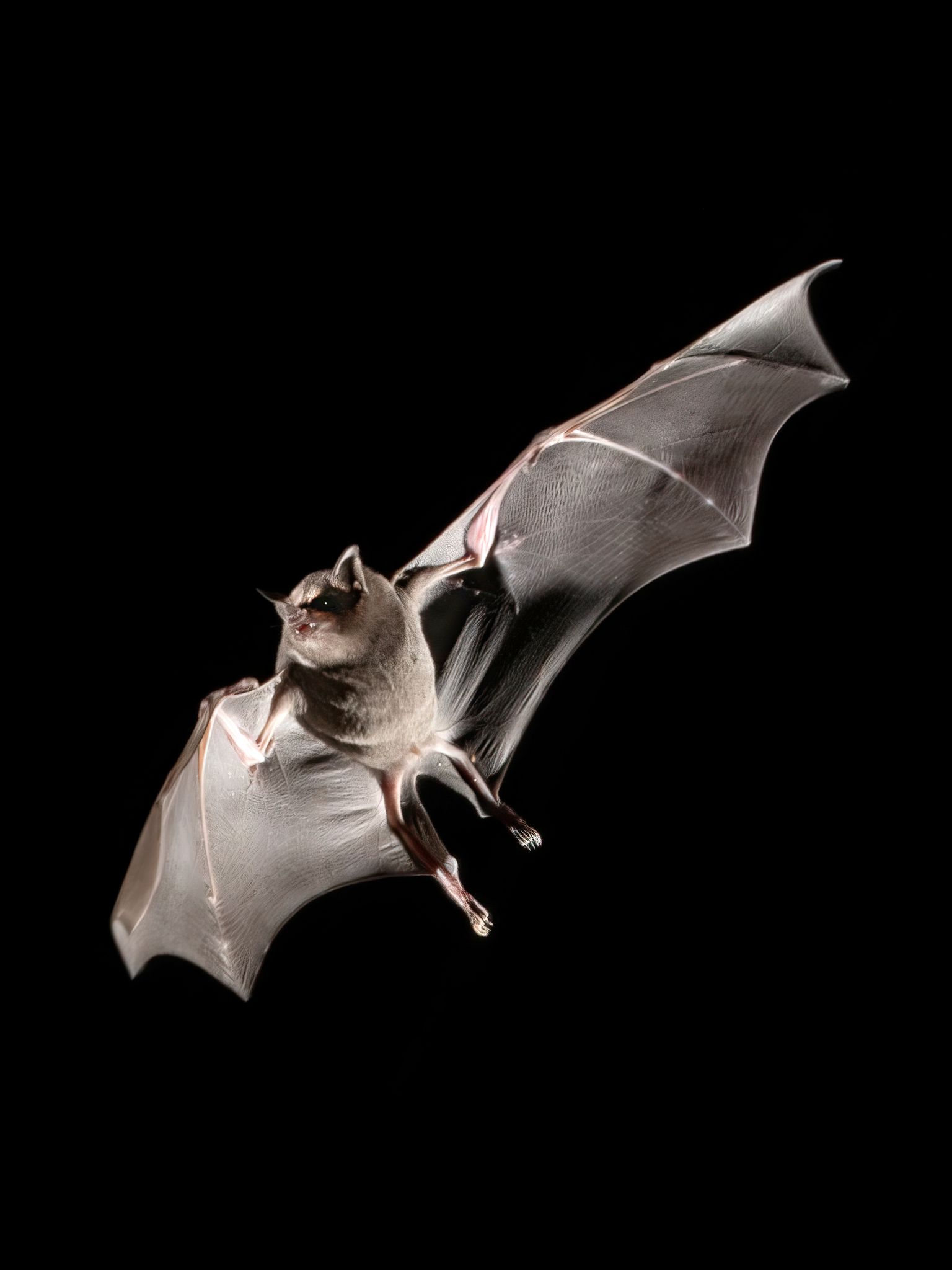
They move pollen between flowers over long distances and help many plants set fruit and seed.
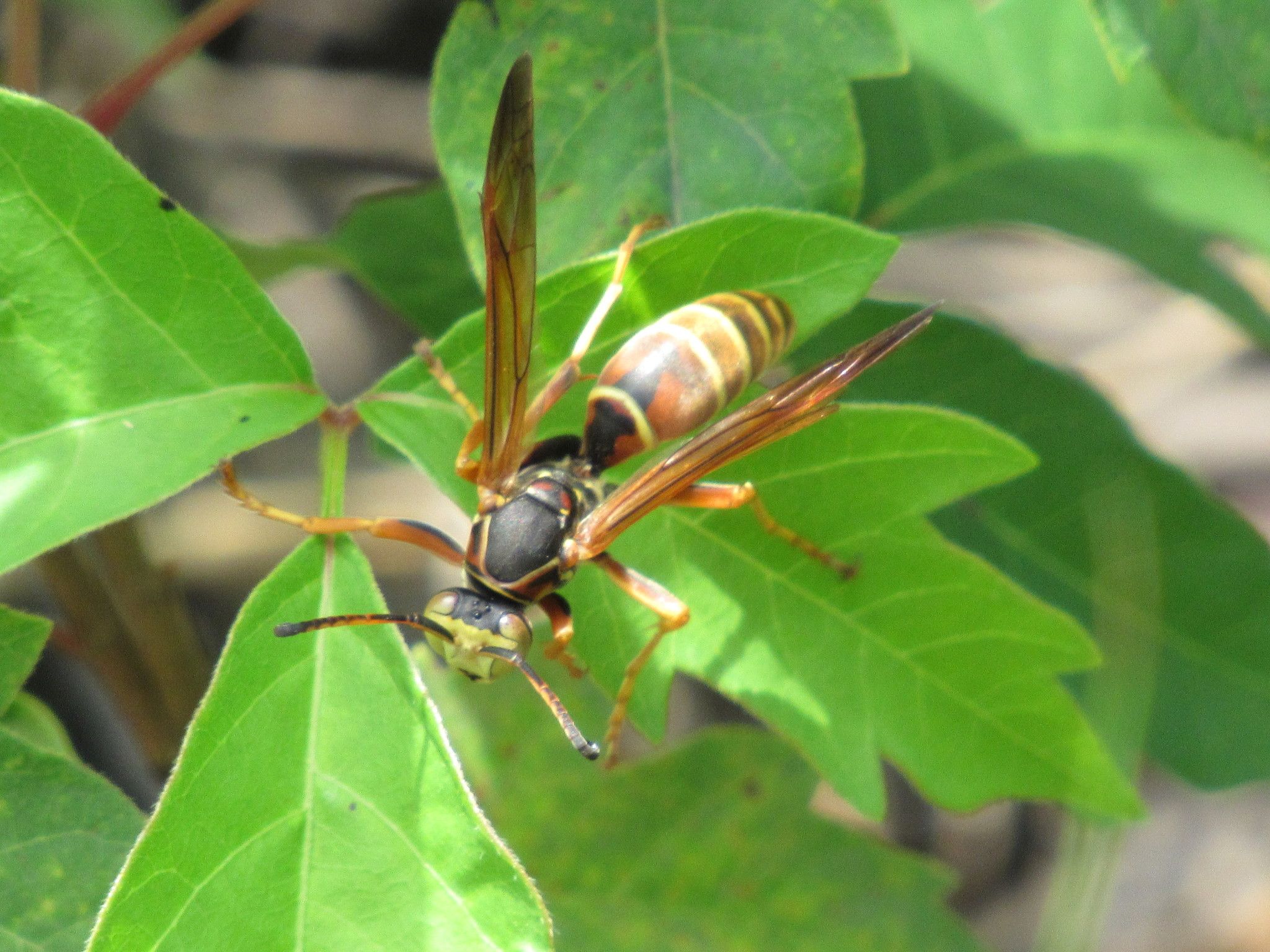
They can move pollen while drinking nectar, and they also help control many plant-eating insects.
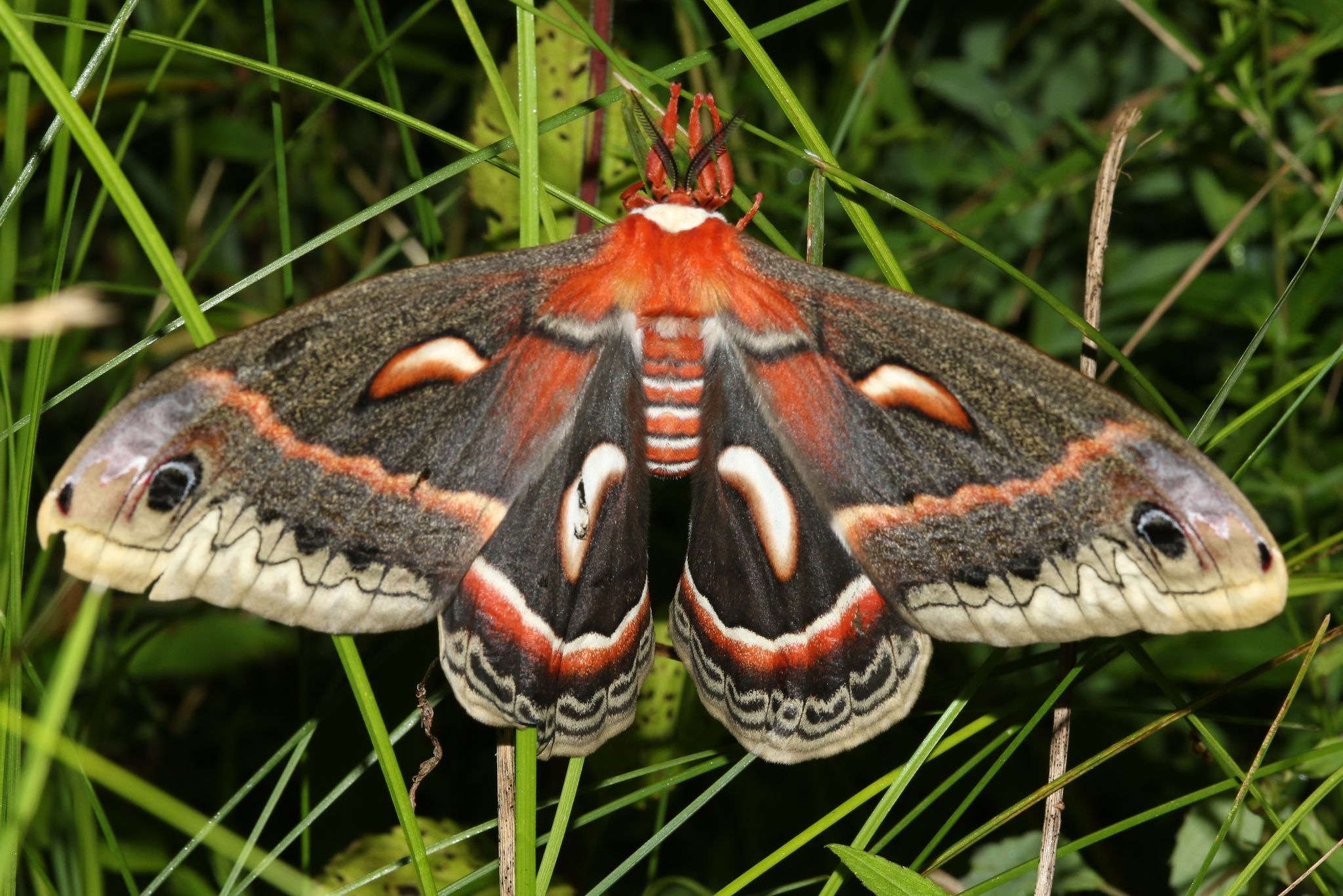
They’re part of healthy food webs and plant communities, and their caterpillars depend on a wide range of native trees and shrubs.
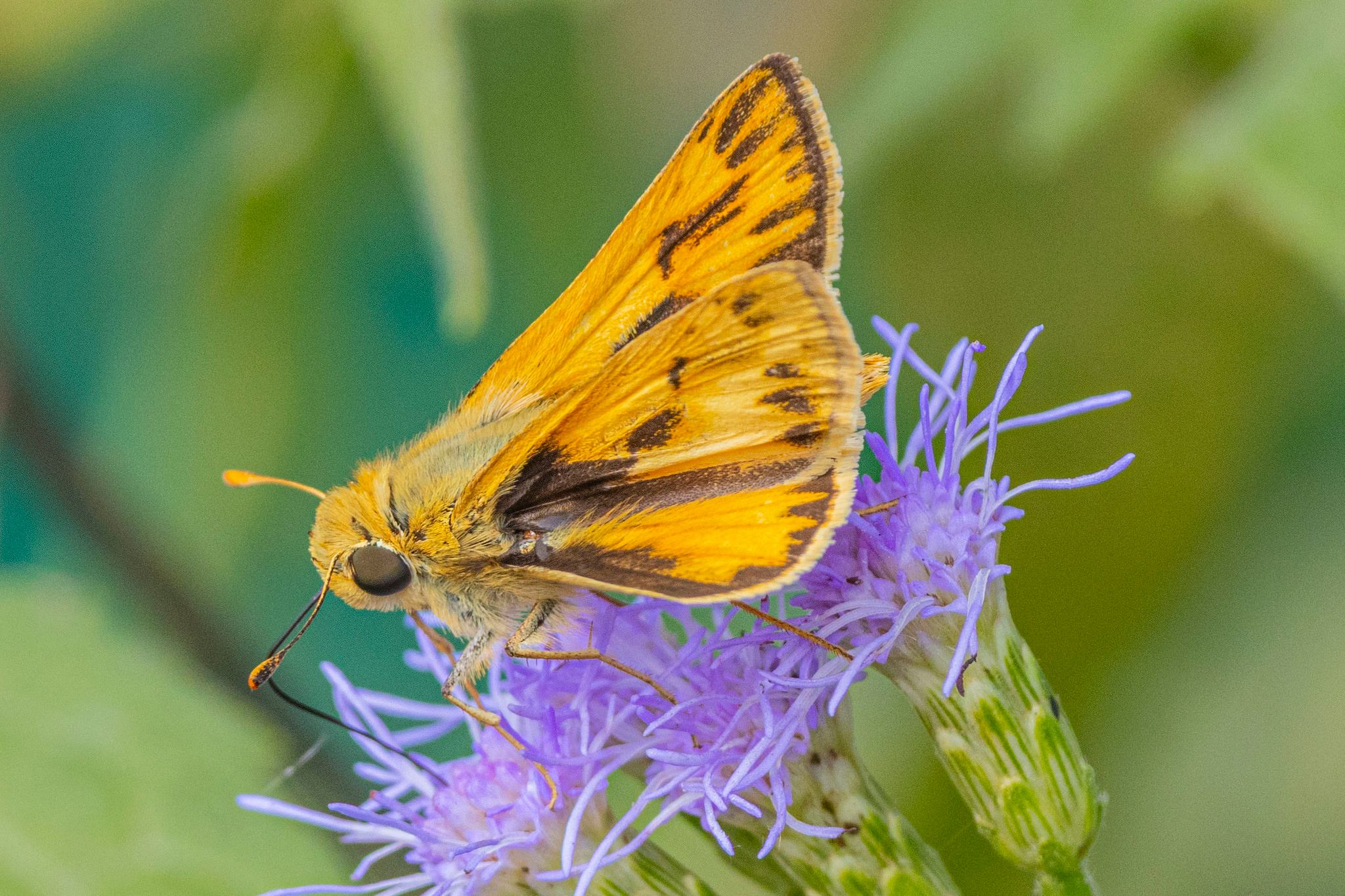
Skippers visit many flowers for nectar and can help move pollen between blooms while they feed.
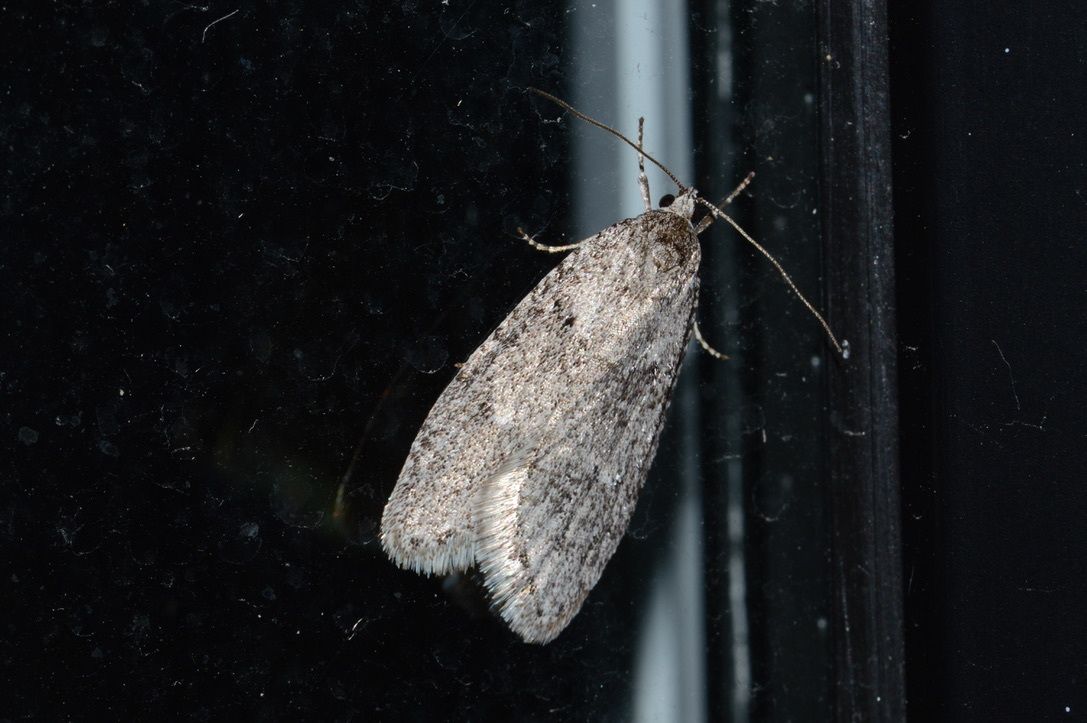
Many small moths move pollen while feeding on nectar, supporting wild plants and garden blooms—especially in the evening and at night.
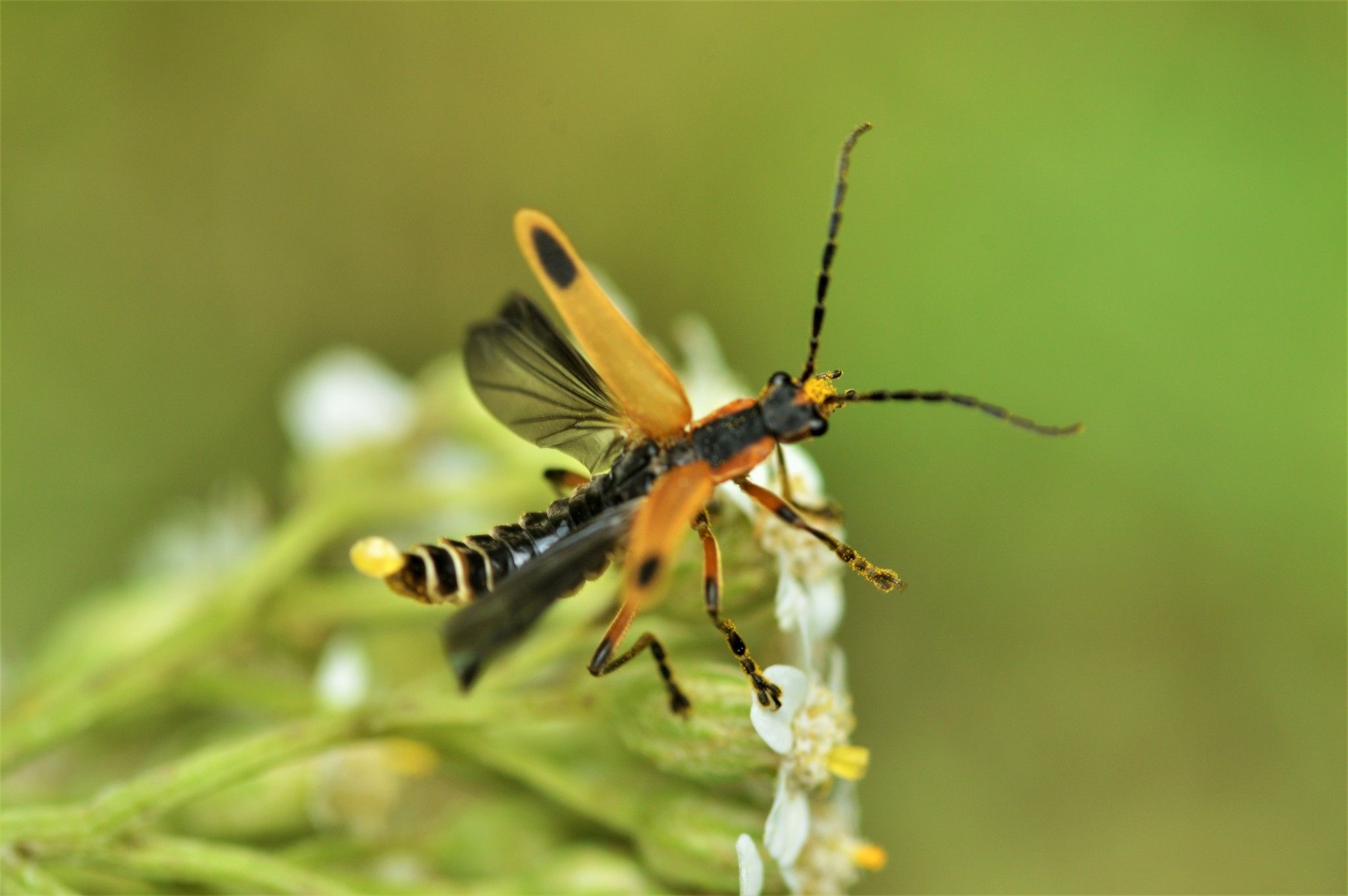
Many adults visit flowers and can move pollen between blooms, while also helping control some garden pests.
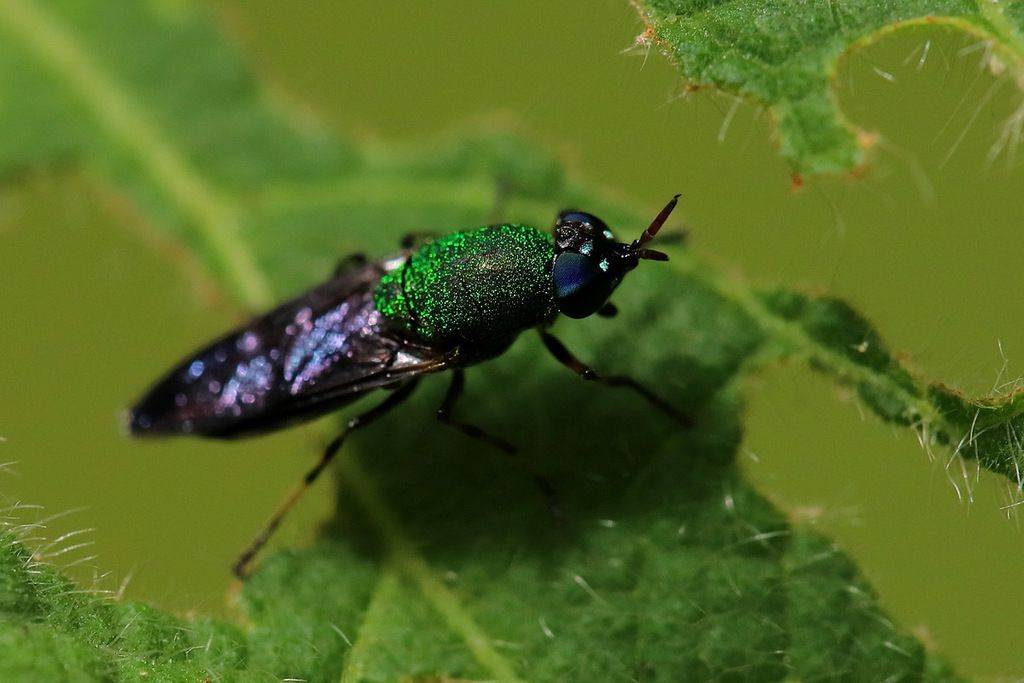
Many adults visit flowers for nectar and can move pollen between blooms while feeding.
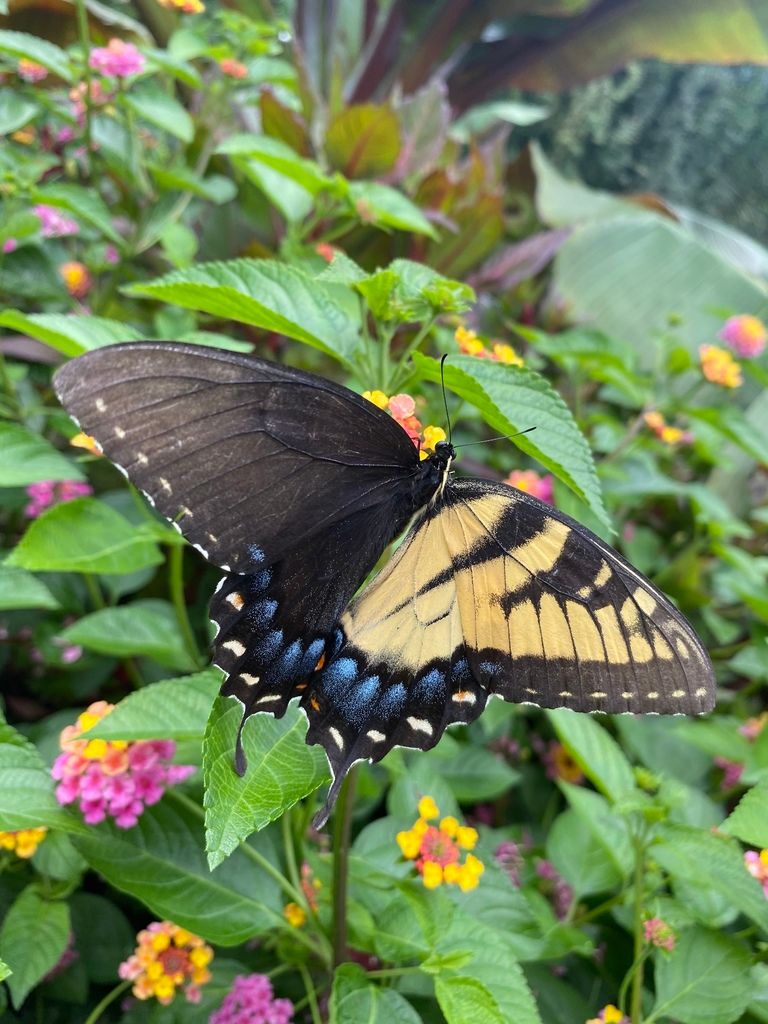
Adult swallowtails visit many flowers for nectar and can help move pollen between blooms as they feed.
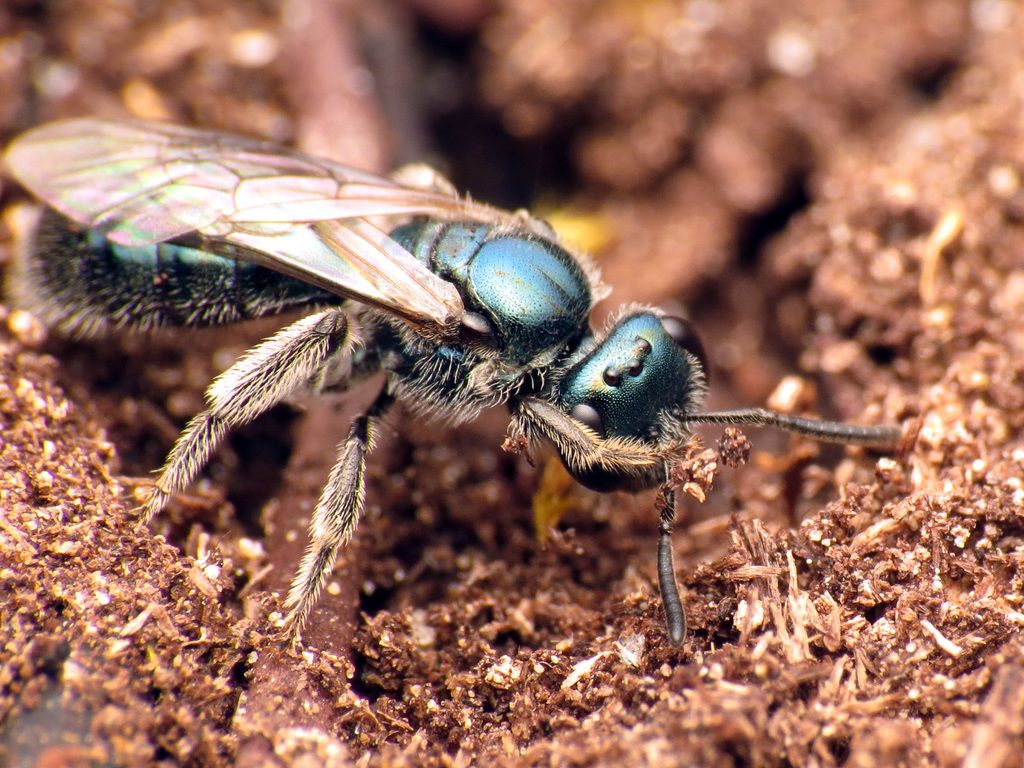
They help move pollen between flowers in gardens, parks, and natural areas, supporting seed and fruit production.
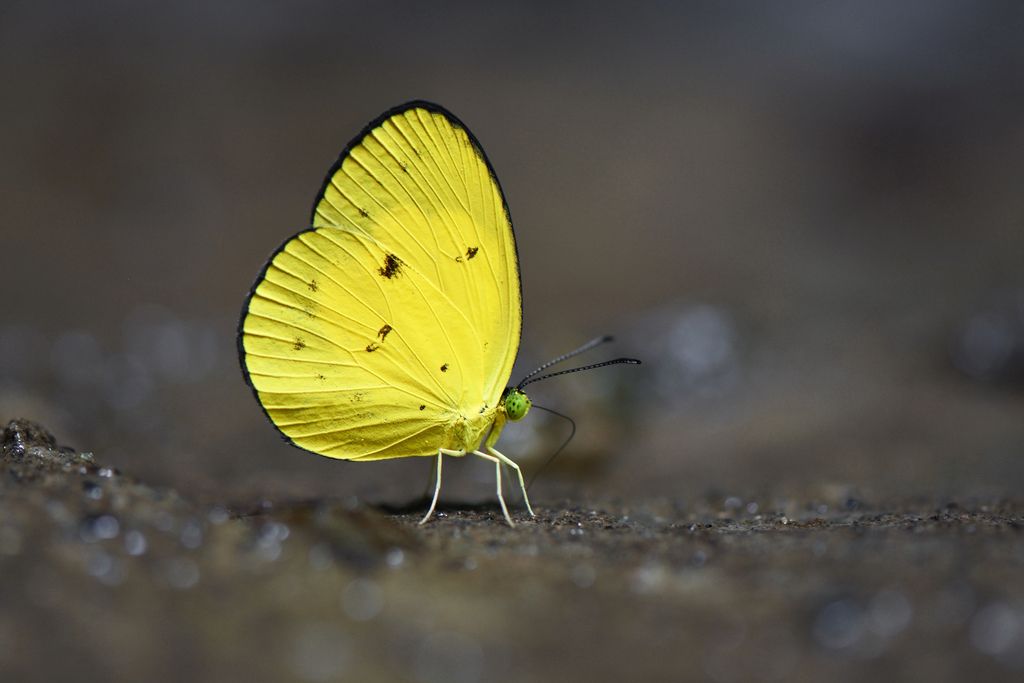
They visit a wide range of flowers for nectar and can help move pollen between blooms as they feed.
Regions

The Mojave is a warm-desert region where life is shaped by limited water, intense sun, and big temperature swings.