

What they do
Wild geraniums add long-lasting greenery and open flowers that are easy for many small pollinators to visit.
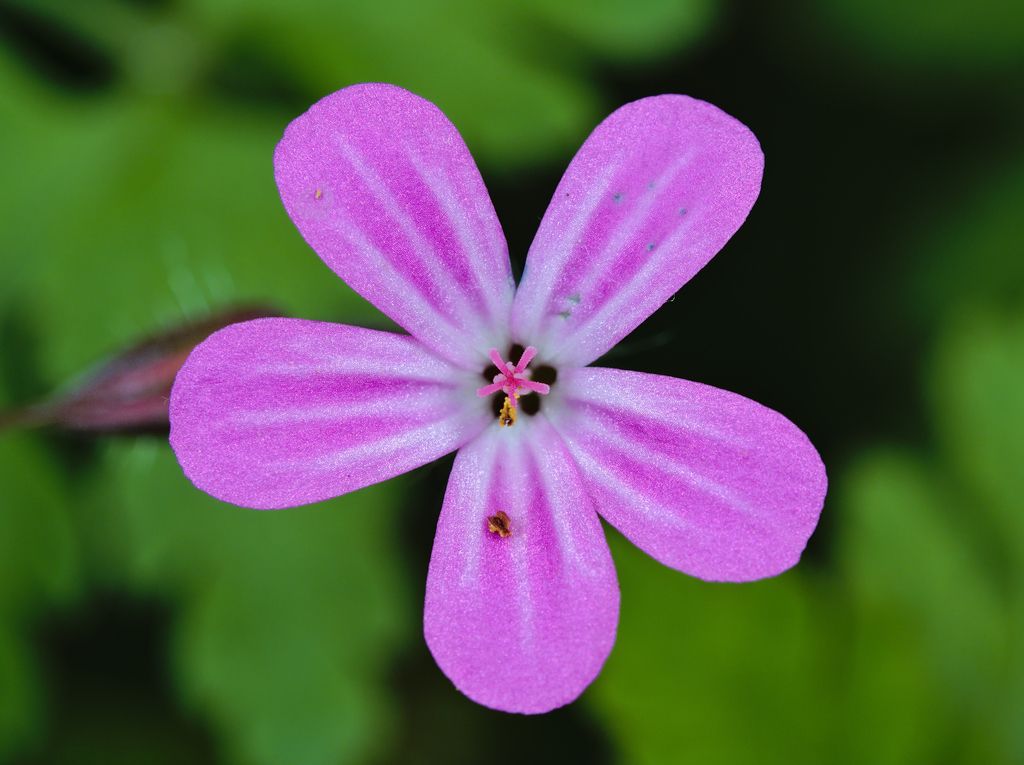
Genus Geranium
Wild geraniums (Genus Geranium) are easygoing, pollinator-friendly wildflowers that bring soft, open blooms and fresh green foliage to gardens and naturalized edges.
Plant Type
Wildflowers (herbaceous perennials) > Wild geraniums
Aliases
Wild geranium
Native Range
Found across many temperate regions; species differ by location.
Bloom window
Spring into summer (varies by species and site)
OVERVIEW
Wild geraniums (Genus Geranium) are a flexible choice for gardens that aim to be both beautiful and welcoming to pollinators. Their flowers are typically open and easy to access, and the plants often form a neat clump that fits well along paths, in mixed borders, or in a lightly shaded corner.
If you’re working with a small space, wild geraniums can also do well in a larger container with regular watering and good drainage. In garden beds, they’re often happiest where the soil stays evenly moist but not soggy. Once established, they’re usually low-fuss: keep them from being crowded out, water during extended dry periods, and avoid pesticide use—especially when flowers are open and insects are visiting.
Because “wild geranium” can refer to different species in different places, the best approach is to choose a locally appropriate Geranium species (or a well-behaved garden selection) that matches your light and moisture conditions.
FAST FACTS
Essential stats and requirements for quick reference.
| Category | Details |
|---|---|
| Also known as | Wild geranium |
| Bloom window | Spring into summer (varies by species and site) |
| Typical height | Low to medium (varies by species) |
| Pollinators supported | Bees, Flies, Butterflies |
| Light & moisture | Adaptable; generally happiest with some sun and evenly moist (not soggy) soil. |
| Best roles for pollinators | Pollinator-friendly gardens, naturalized edges, and mixed borders—especially where you want a soft, wildflower look. |
SUMMARY
A quick scan of what they do, what they need, and the best first step.
Wild geraniums add long-lasting greenery and open flowers that are easy for many small pollinators to visit.
A spot with light that isn’t too harsh, soil that drains, and a little room to form a clump.
Plant them where you can enjoy the blooms up close—and keep that area pesticide-free.
IMPACT
Key Impacts
RECOGNITION
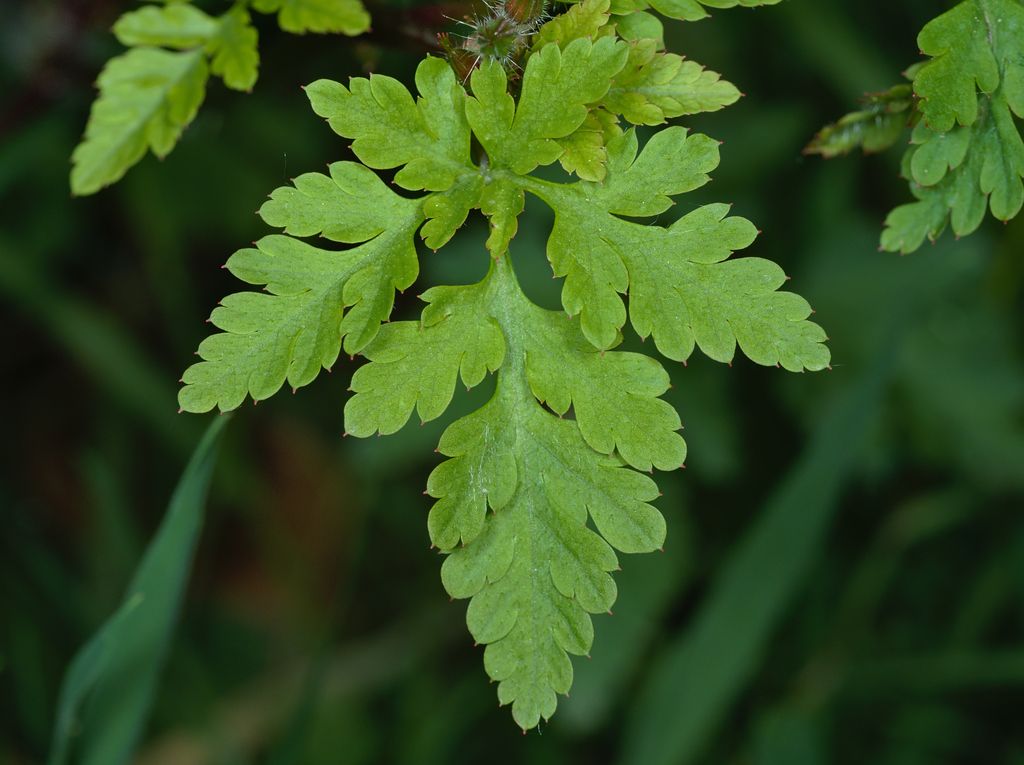
Green leaves that are rounded to lobed, often forming a neat mound; leaf shape and depth of lobes vary by species.
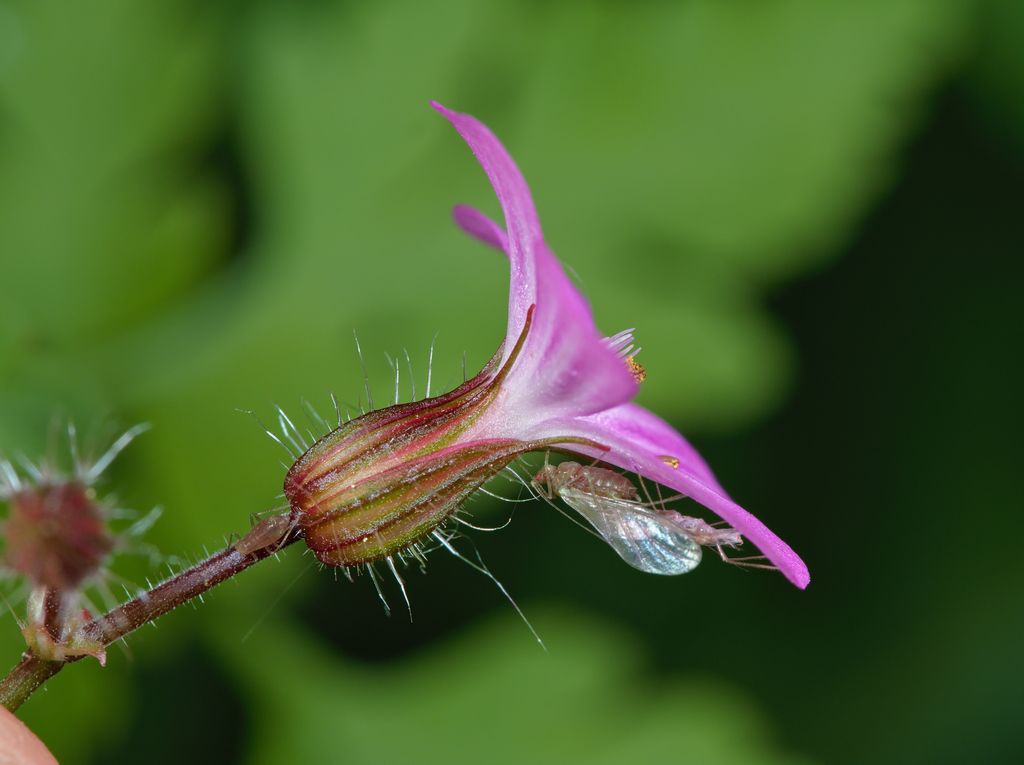
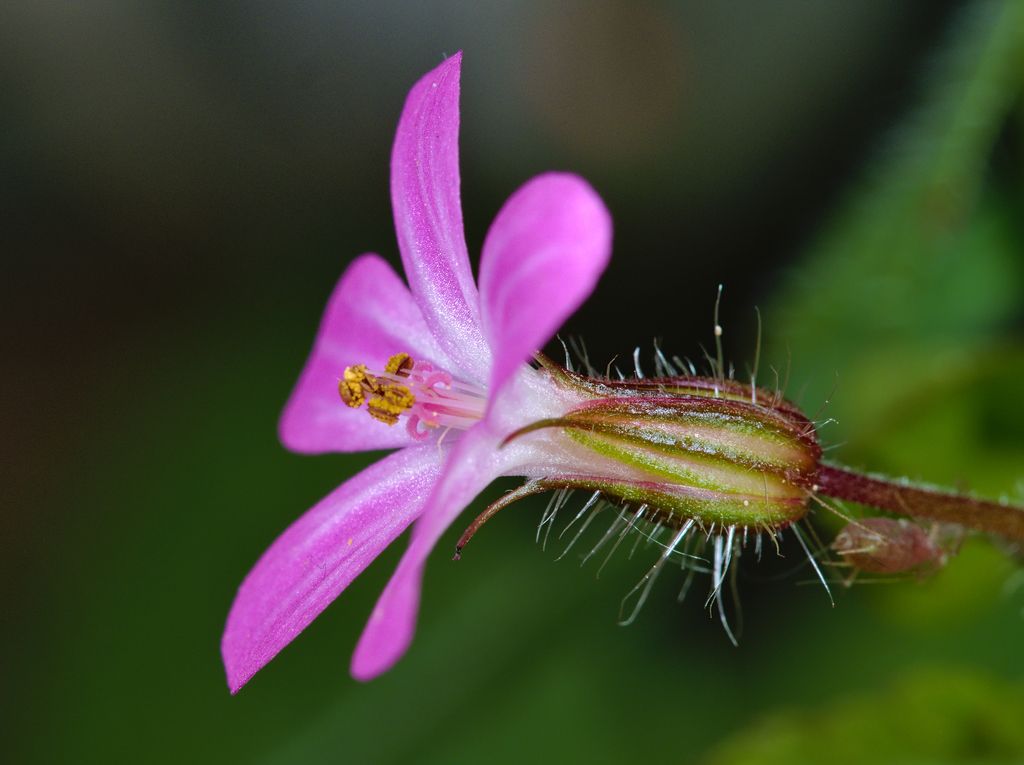
Five petals, often with fine veining; colors vary by species and cultivar, commonly in soft pinks, purples, or blues.
A developing seed structure that can look like a narrow beak; it changes as it matures and dries.
LOCATION
Native environments and the best spots to place it in your landscape.
SEASONALITY
Notes on bloom windows and how this plant helps pollinators across the seasons.
Bloom timing depends on the species and the site, but wild geraniums often shine from spring into early summer, with foliage that stays attractive afterward.
Bloom Season Role: A gentle, early-to-mid season nectar and pollen stop in many gardens.
REQUIREMENTS
The right mix of sun, soil, and space for healthy growth.
Part sun is a safe starting point; many types also handle light shade.
Loamy, well-drained soil is ideal; improve heavy soil with compost to help drainage.
Water to establish, then aim for steady moisture; let the top layer dry slightly between waterings in containers.
Plant in spring or fall; give each plant space to form a clump and allow airflow.
Use a thin layer of leaf mulch or compost to hold moisture and reduce weeds; keep mulch off the crown.
GARDENING GUIDE
Simple steps to plant, prune, and maintain healthy trees without pesticides.
Pairings
Pairing ideas to keep pollinators fed throughout the growing season.
GLOSSARY
Glossary terms are being added.
What You Can Do
Turn this knowledge into action. Whether you plant a single pot or a whole garden, you are building a vital bridge for local biodiversity.
Join the movement to restore our shared habitats.