

What they do
Wild gingers create a calm, leafy ground layer in shade and add early-season interest close to the soil surface.
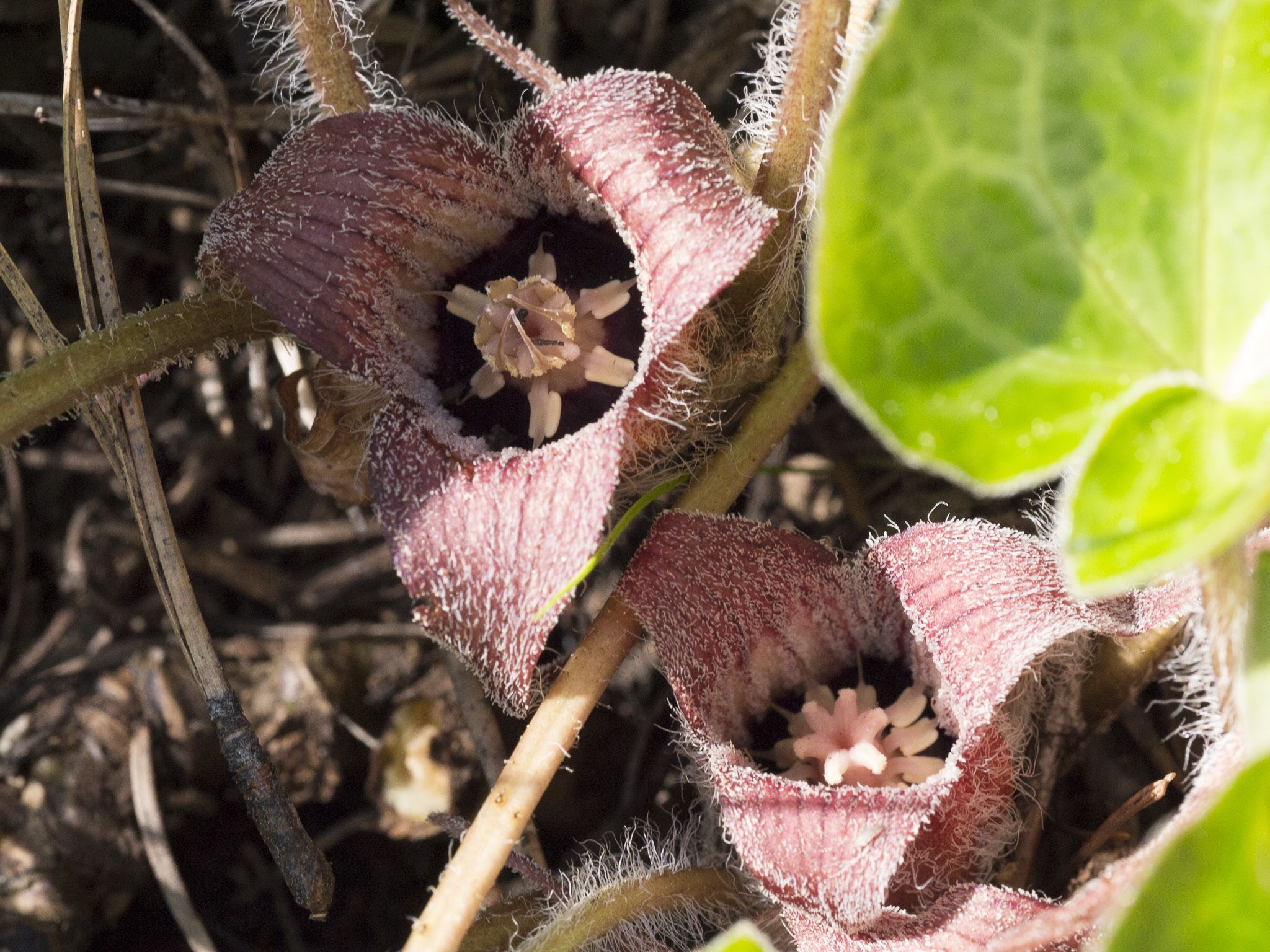
Genus Asarum
Wild gingers (genus Asarum) are low, shade-loving woodland perennials grown for their heart-shaped leaves and quiet, ground-hugging coverage—an easy way to green up shady spots without fuss.
Plant Type
Wildflowers (herbaceous perennials) > Wild gingers
Aliases
Wild ginger
Native Range
Varies by species within the genus; many wild gingers are native to parts of North America and Asia.
Bloom window
Spring (flowers are small and often tucked under the leaves)
OVERVIEW
Wild gingers (genus Asarum) are a go-to choice for gardeners who want a calm, green ground layer in shade. They’re especially useful in places where lawns struggle and many sun-loving flowers won’t bloom well.
What to expect: the leaves are the main attraction—often heart-shaped and forming a neat patch over time. The flowers usually appear in spring, but they’re small and sit close to the soil, sometimes hidden under the foliage.
If you’re planting wild gingers, focus on the basics: shade, soil that stays lightly moist, and a natural, woodland-style mulch like shredded leaves or compost. Once established, they’re generally low-maintenance and pair beautifully with ferns and other shade perennials.
FAST FACTS
Essential stats and requirements for quick reference.
| Category | Details |
|---|---|
| Also known as | Wild ginger |
| Bloom window | Spring (flowers are small and often tucked under the leaves) |
| Typical height | Low-growing ground layer |
| Pollinators supported | Small native insects |
| Light & moisture | Shade to part shade; evenly moist, well-drained soil |
| Best roles for pollinators | Shady gardens, woodland-style plantings, and low groundcover in spots where many flowers struggle |
SUMMARY
A quick scan of what they do, what they need, and the best first step.
Wild gingers create a calm, leafy ground layer in shade and add early-season interest close to the soil surface.
Shade or dappled light, soil that stays lightly moist, and a little patience while they settle in and spread.
Plant them where the soil won’t bake—think under trees, along shaded paths, or on the north side of buildings.
IMPACT
Key Impacts
RECOGNITION
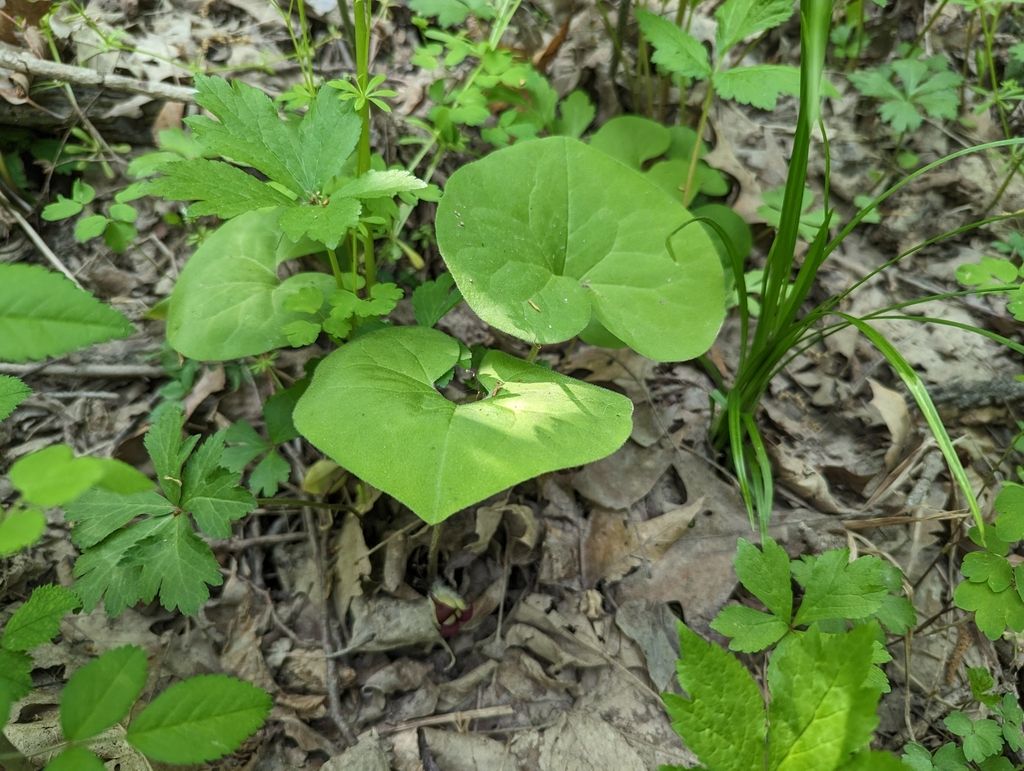
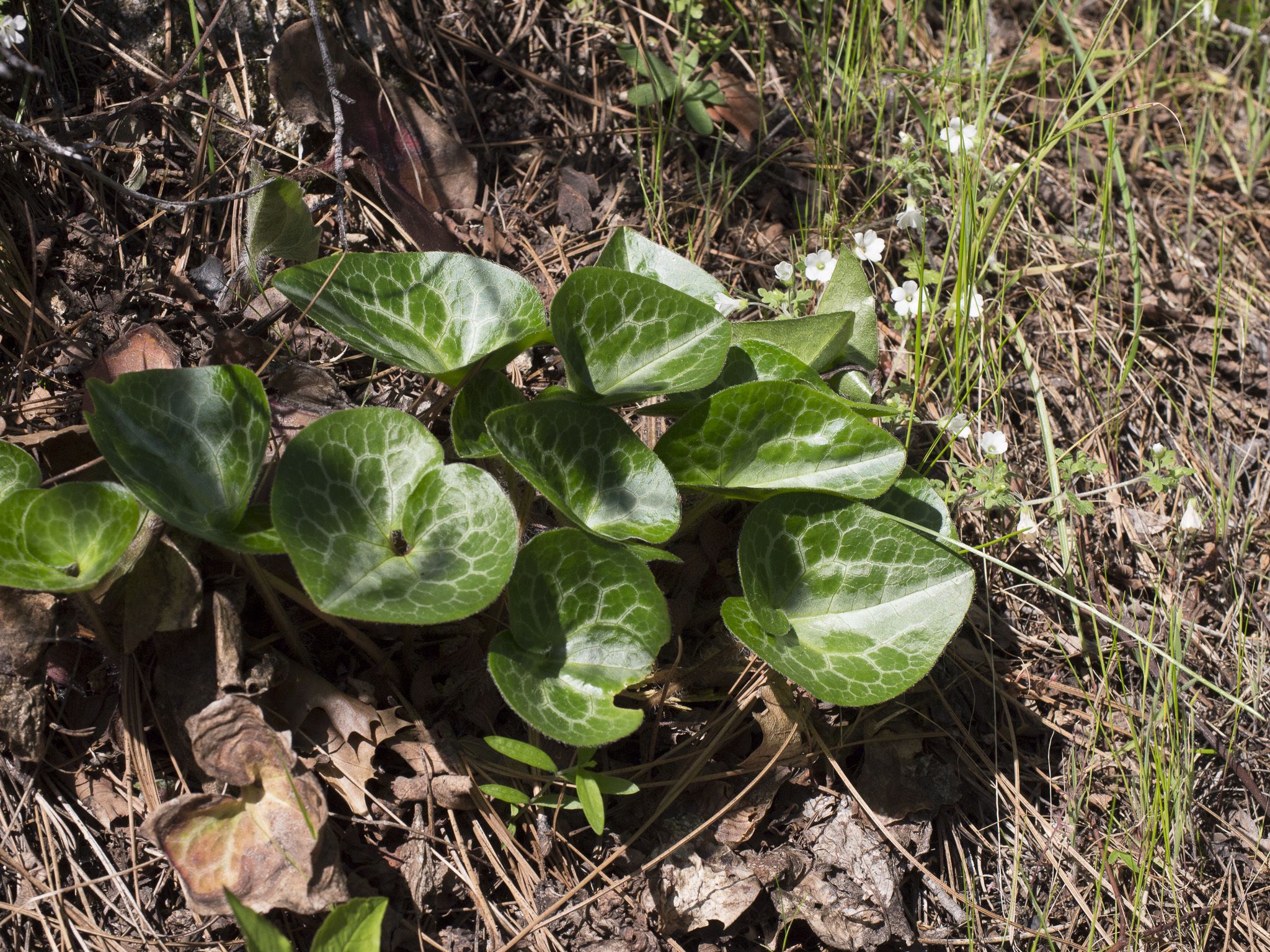
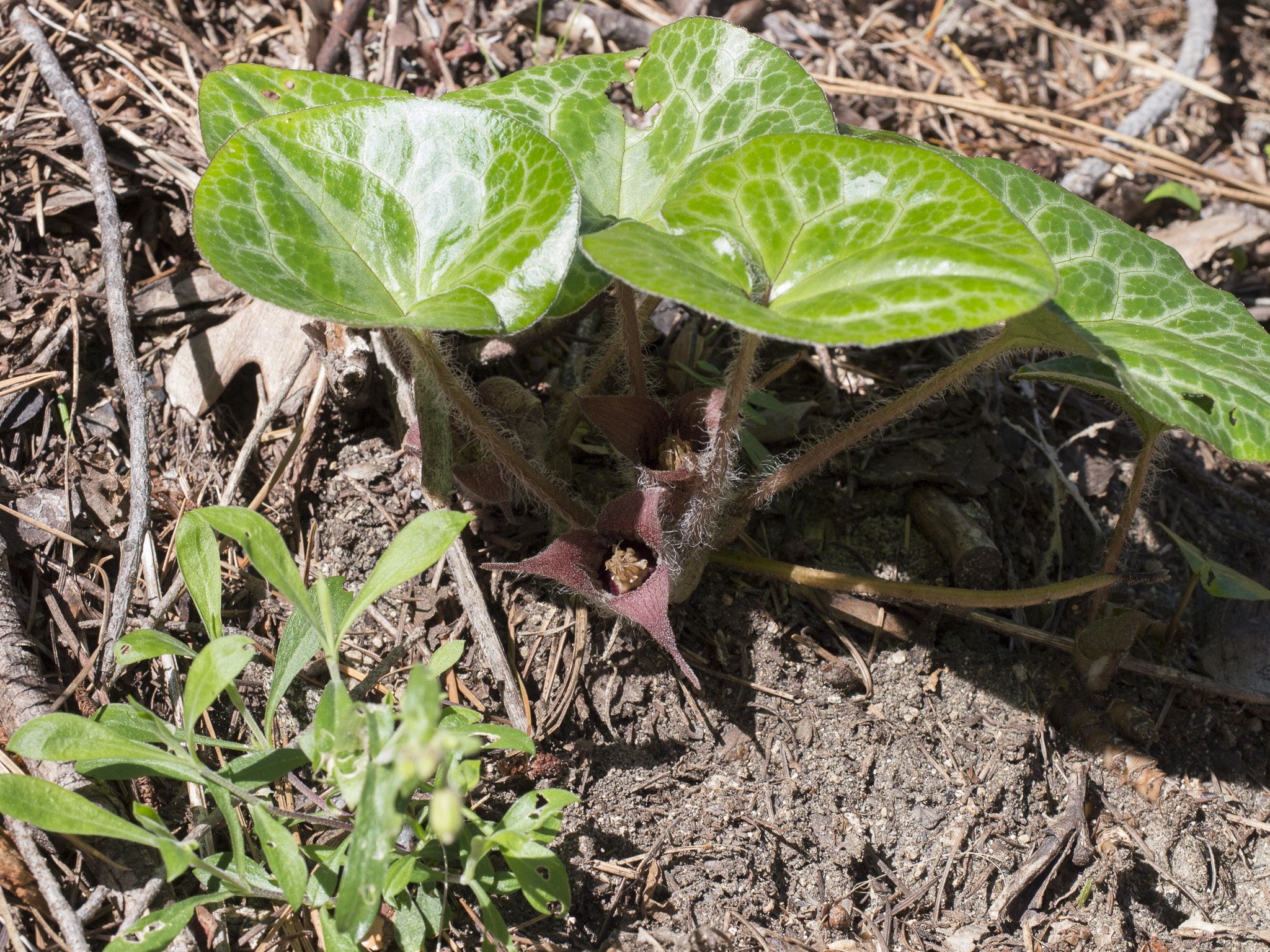
Heart-shaped to rounded leaves on individual stems, forming a low patch; leaves are the main show.
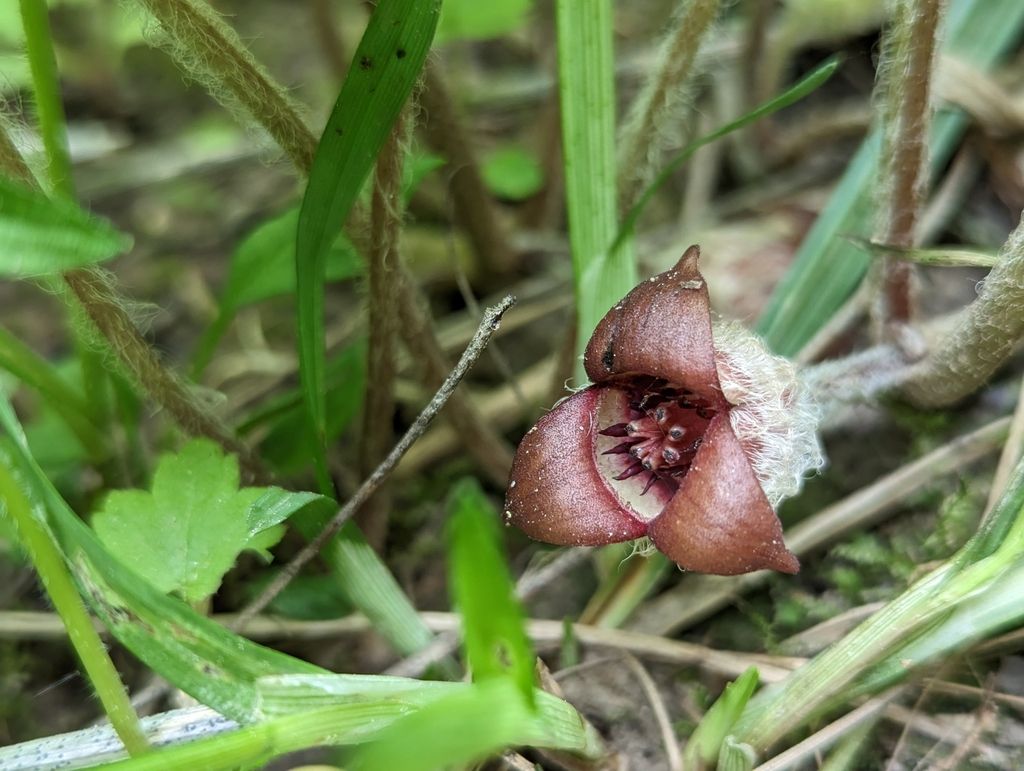
Small, often brownish or purplish flowers near the soil surface, frequently hidden under leaves.
Small seed structures close to the ground; not usually a garden feature.
LOCATION
Native environments and the best spots to place it in your landscape.
SEASONALITY
Notes on bloom windows and how this plant helps pollinators across the seasons.
Wild gingers bloom in spring, but the flowers are usually small and close to the ground.
Bloom Season Role: Early-season, subtle blooms; foliage is the main feature
REQUIREMENTS
The right mix of sun, soil, and space for healthy growth.
Best in shade or dappled light; avoid harsh afternoon sun.
Rich, leafy, well-drained soil that holds moisture without staying soggy.
Water to keep soil evenly moist while establishing; after that, water during dry stretches, especially in shade under trees.
Plant at the same depth as in the pot; give plants room to slowly spread into a patch.
Use a light layer of leaf mulch or compost around (not on top of) the crowns to keep soil cool and moist.
GARDENING GUIDE
Simple steps to plant, prune, and maintain healthy trees without pesticides.
Pairings
Pairing ideas to keep pollinators fed throughout the growing season.
GLOSSARY
Glossary terms are being added.
What You Can Do
Turn this knowledge into action. Whether you plant a single pot or a whole garden, you are building a vital bridge for local biodiversity.
Join the movement to restore our shared habitats.