
What they do
They sip nectar and can transfer pollen between flowers as they move from bloom to bloom.
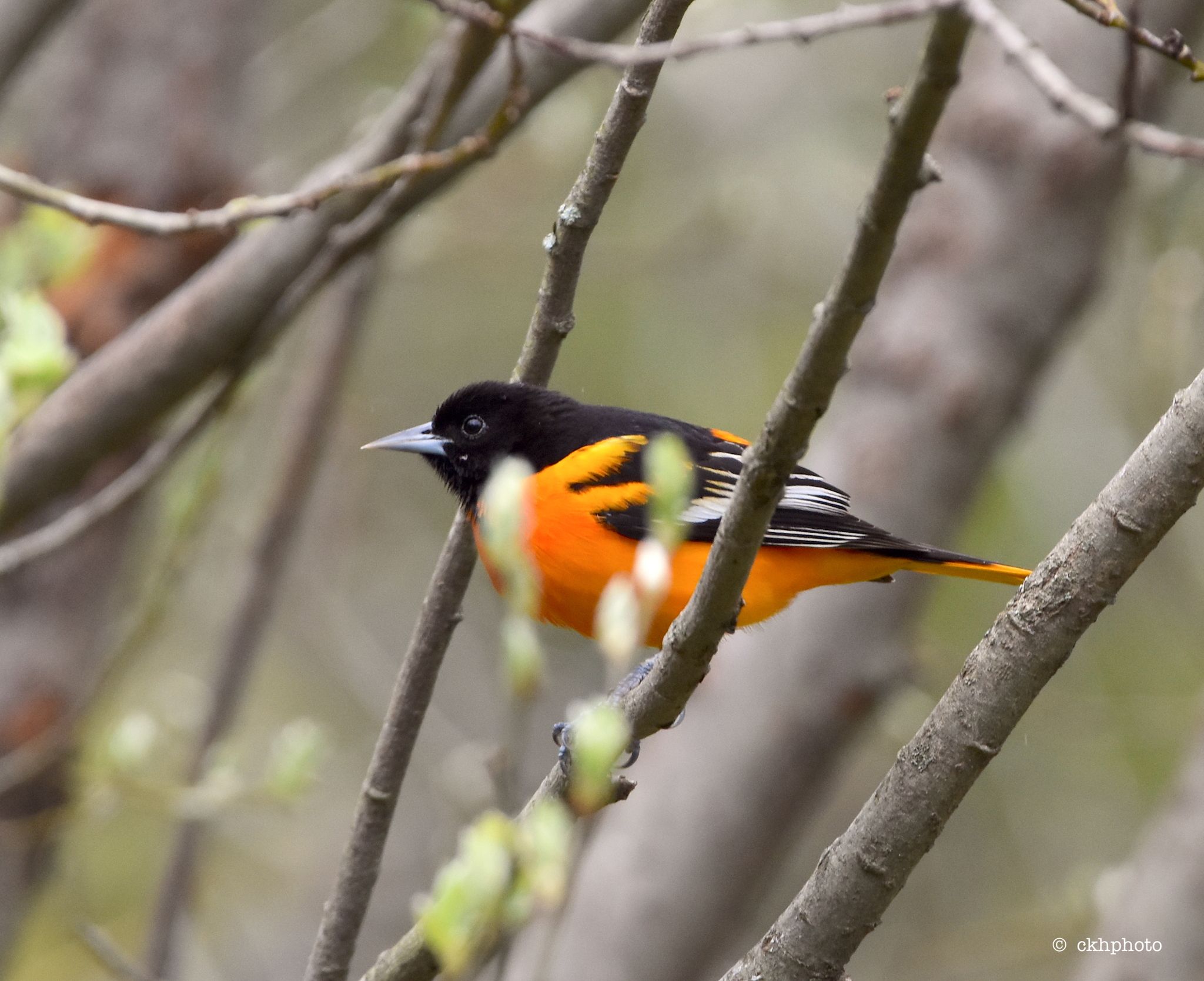
Various families (region-dependent)
They move pollen between flowers while feeding on nectar, supporting seed and fruit production in many plants.
Category
Birds (nectar-feeding birds)
Order
Varies by region
Family
Varies by region
Also Known As
nectar-feeding bird
Intro
At a glance
Food
Habitat
Seasonality
Where to look
Key takeaways
A quick summary you can scan in under 10 seconds.
They sip nectar and can transfer pollen between flowers as they move from bloom to bloom.
A steady sequence of blooms plus safe cover (shrubs/trees) and low pesticide exposure.
Plant a “bloom ladder” (early–mid–late flowers) so nectar is available across the season.
Why it matters
Key Impacts
Identification
Watch for birds that move quickly from flower to flower rather than pecking at seeds or fruit.
Look for a bill that can reach into flowers (often slender, slightly curved, or pointed—varies by species).
Notice feeding style: hovering at blooms (in some regions) or perching and leaning into flowers.
Check for pollen "dusting" on the forehead, face, or bill after feeding.
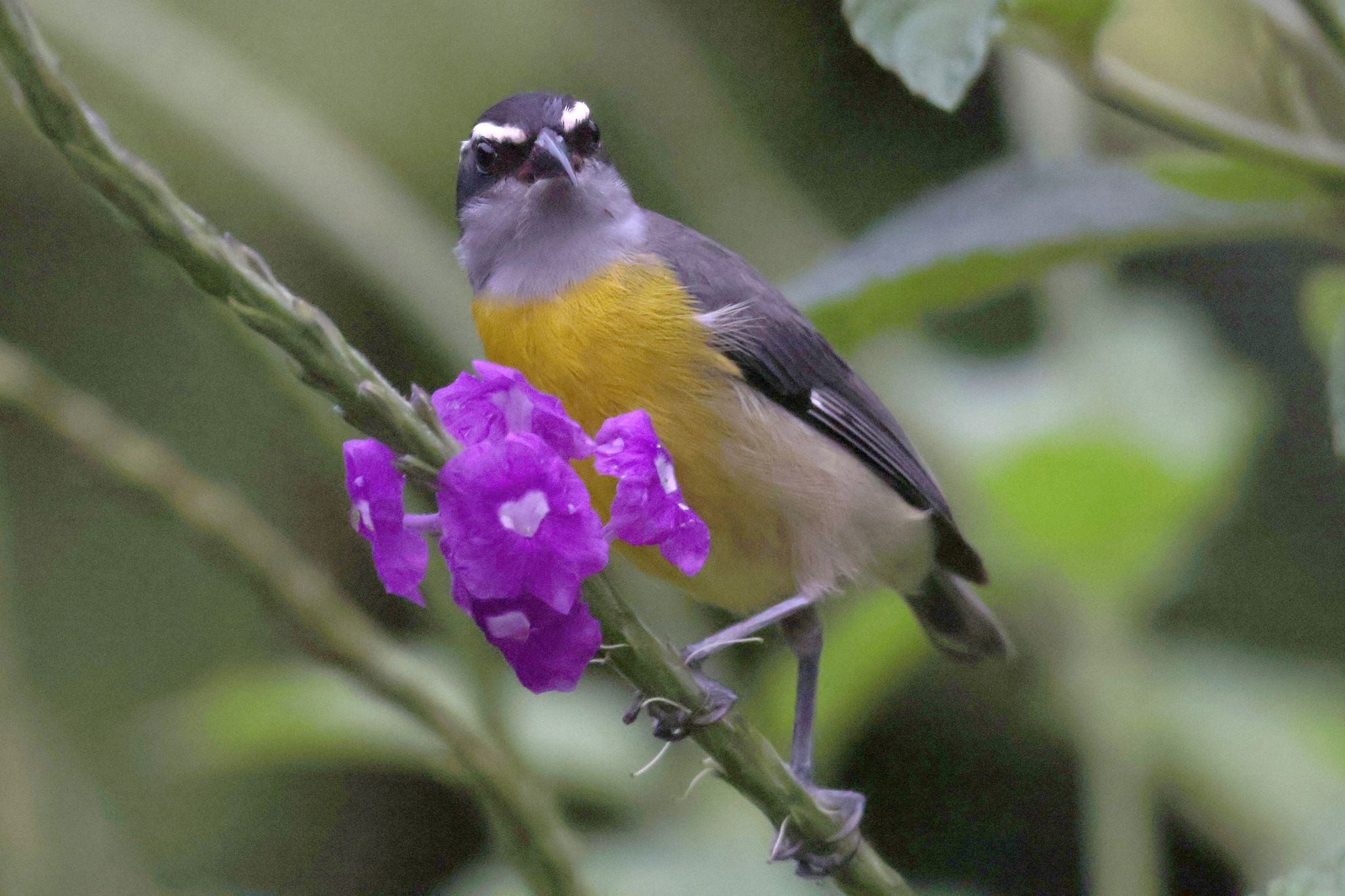
Range and habitat
Life cycle
Nectar-feeding birds time their movements and breeding around food availability, which often tracks flowering cycles. In some regions they are year-round residents; in others they shift locally or migrate to follow blooms. For many species, nectar is key energy, while insects can be especially important during nesting.
Birds seek early blossoms from trees and shrubs as nectar becomes available. Many species increase insect feeding as breeding begins (varies by region).
Peak flower diversity can support regular feeding routes through gardens and natural areas. Nesting and feeding young may increase the need for insect-rich habitat nearby.
Late blooms can be crucial as other nectar sources fade. Some species may shift locations to track flowering patches.
In milder regions, birds may rely on winter-blooming plants or sheltered microhabitats. In colder regions, nectar-feeding activity may drop or shift to other food sources, depending on the species present.
Gardening guide
Provide the right food and habitat to help this pollinator thrive.
Early season
Mid-season
Late season
Keep or plant dense native shrubs to provide cover and potential nesting sites.
Aim for layered habitat: grasses/groundcover + shrubs + small trees where space allows.
Leave some natural "messiness" (leaf litter, twiggy corners) in low-traffic areas for insects and shelter value.
Avoid heavy pruning during the main nesting season; do major pruning outside peak nesting periods when possible.
Provide fresh water (a shallow birdbath or small water feature) and keep it clean.
Habitat loss/fragmentation that removes flowering patches and nesting cover.
Pesticides, including systemic pesticides (chemicals that get inside the plant), which can contaminate nectar and reduce insect prey.
Bloom gaps, especially landscapes with only spring flowers and little mid- or late-season nectar.
Climate stress that shifts flowering times, increases heat events, or changes rainfall patterns (varies by region).
Invasive plants that crowd out diverse native flowers and simplify habitat structure.
Take action
Plant for continuous bloom: include early shrubs/trees, mid-season perennials, and late-season asters/goldenrods.
Choose native plants first and add structure (shrubs + small trees) to create sheltered feeding and nesting areas.
Avoid pesticides and herbicides; use non-chemical options and tolerate some leaf damage as part of a healthy food web.
Add clean water and keep cats indoors or supervised to reduce predation pressure.
Student challenge
Do a 15-minute "bloom check" once a week—list what’s flowering now, note any gaps, and propose one plant to add for the next season.
Examples
Examples from this subgroup. Status varies by region.
Archilochus colubris
This is a well-known nectar-feeding bird in parts of eastern North America that visits many garden and woodland flowers. While feeding, it can move pollen between blooms, especially among tubular flowers.
Phylidonyris novaehollandiae
This nectar-feeding bird is an example from Australia of a group that frequently visits flowering shrubs and trees. Its foraging can help transfer pollen as it moves between blossoms.
Promerops cafer
This species is a well-known nectar-feeding bird from southern Africa that visits large, nectar-rich blooms. Its feeding behavior can make it an effective pollen carrier for certain flower types.
Definitions
What You Can Do
Turn this knowledge into action. Whether you plant a single pot or a whole garden, you are building a vital bridge for local biodiversity.
Join the movement to restore our shared habitats.
Native plants
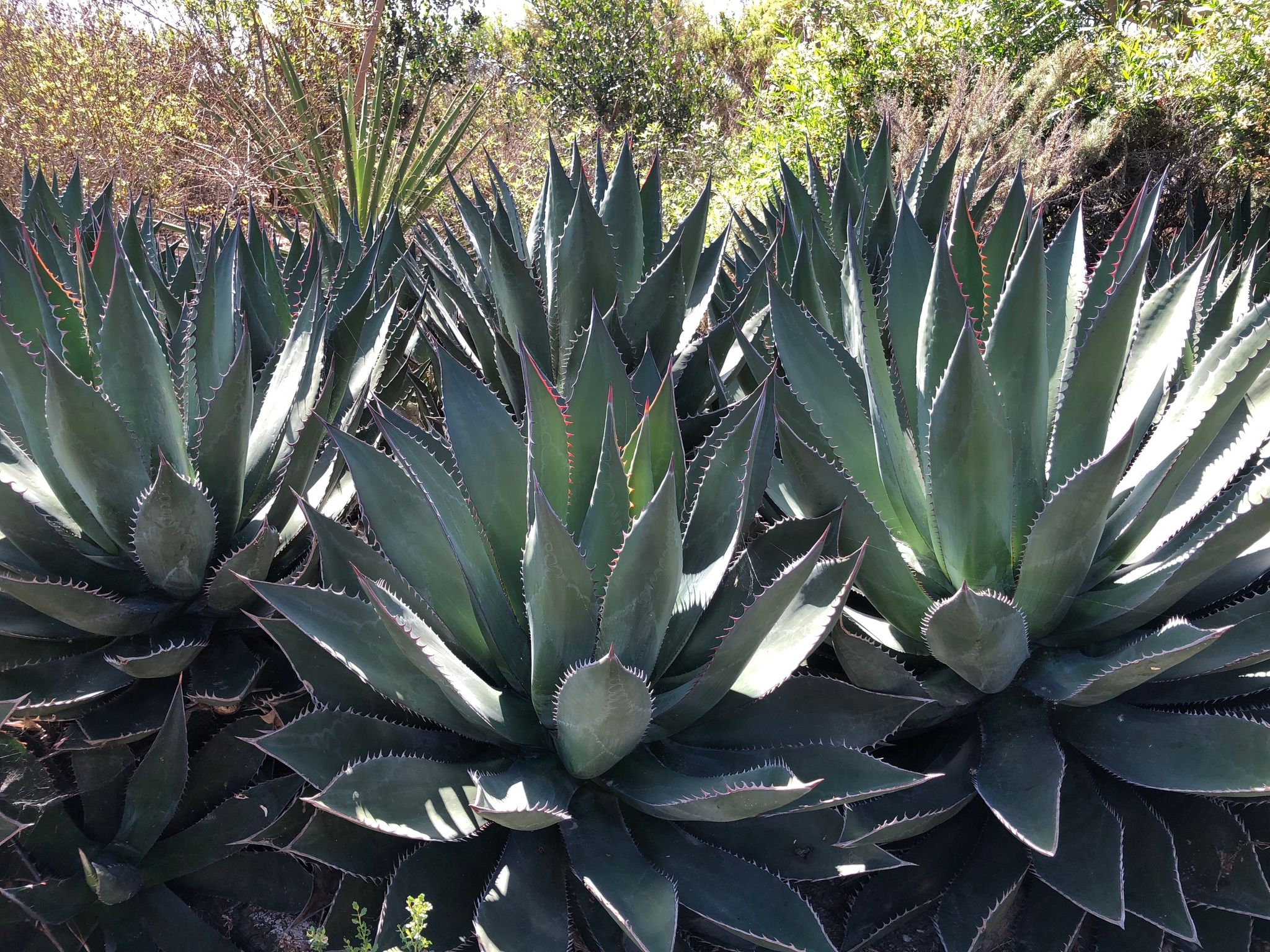
Agaves are bold, sculptural succulents that store water in thick leaves and thrive in bright, dry spots. Their flowers can be a big seasonal draw for pollinators when plants are mature and in bloom.
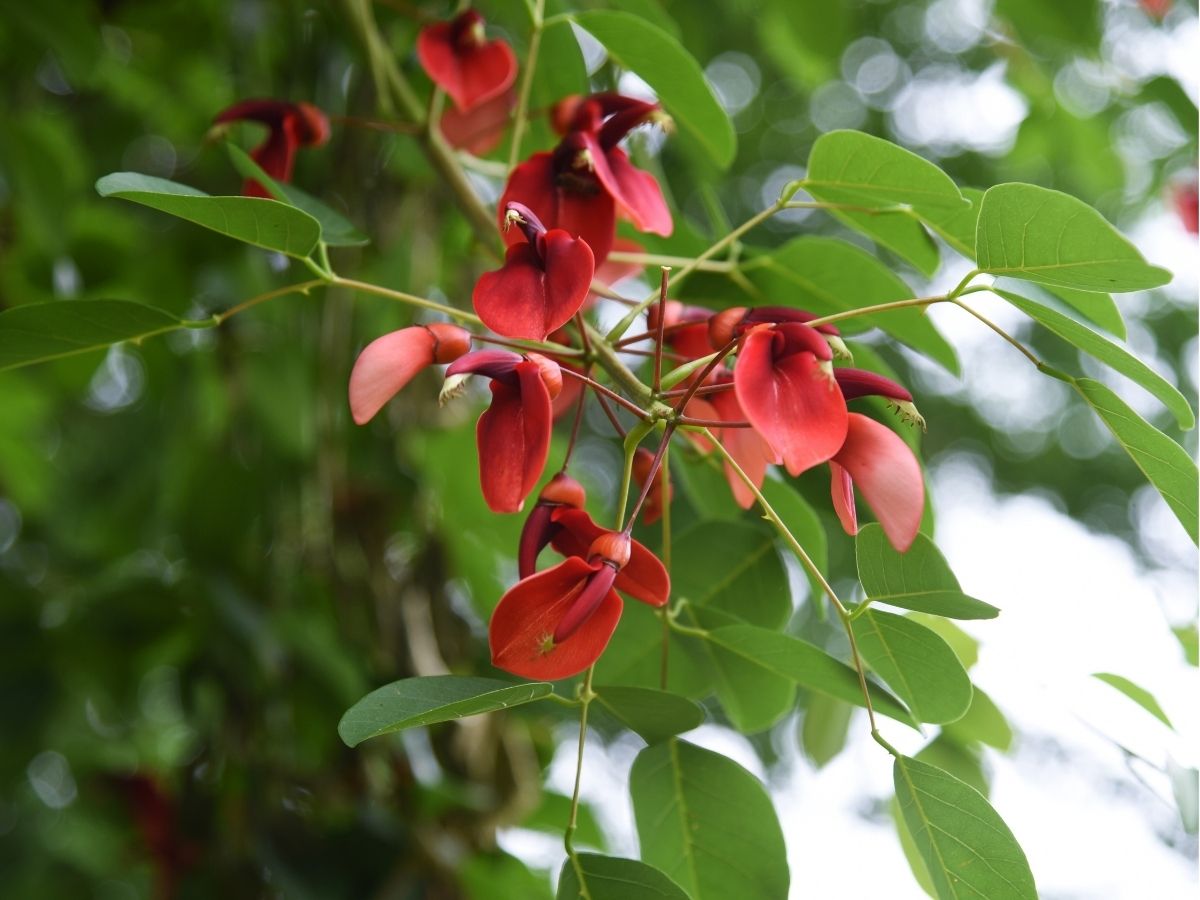
Erythrinas (coral trees) are showy flowering trees in the genus Erythrina, known for bold, nectar-rich blooms that can be a seasonal food stop for pollinators in warm gardens.
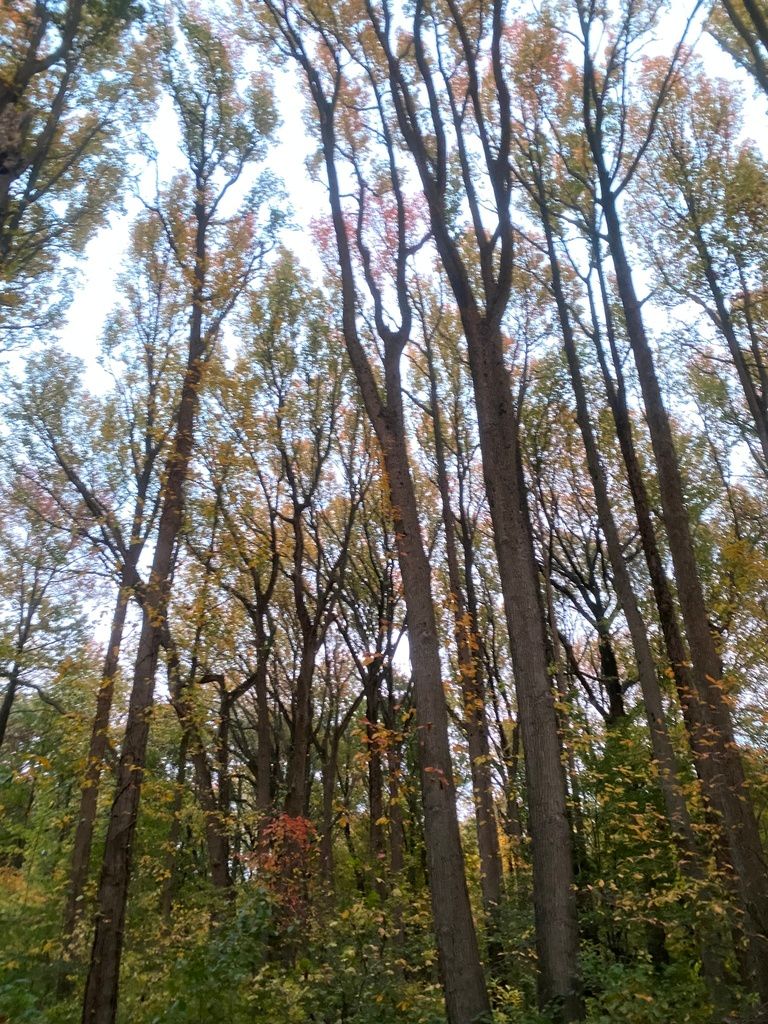
Inga is a group of tropical trees (genus Inga) known for fluffy, brush-like flowers and long pods. In warm climates, it can be a shade tree that also offers nectar and pollen for a variety of insects.
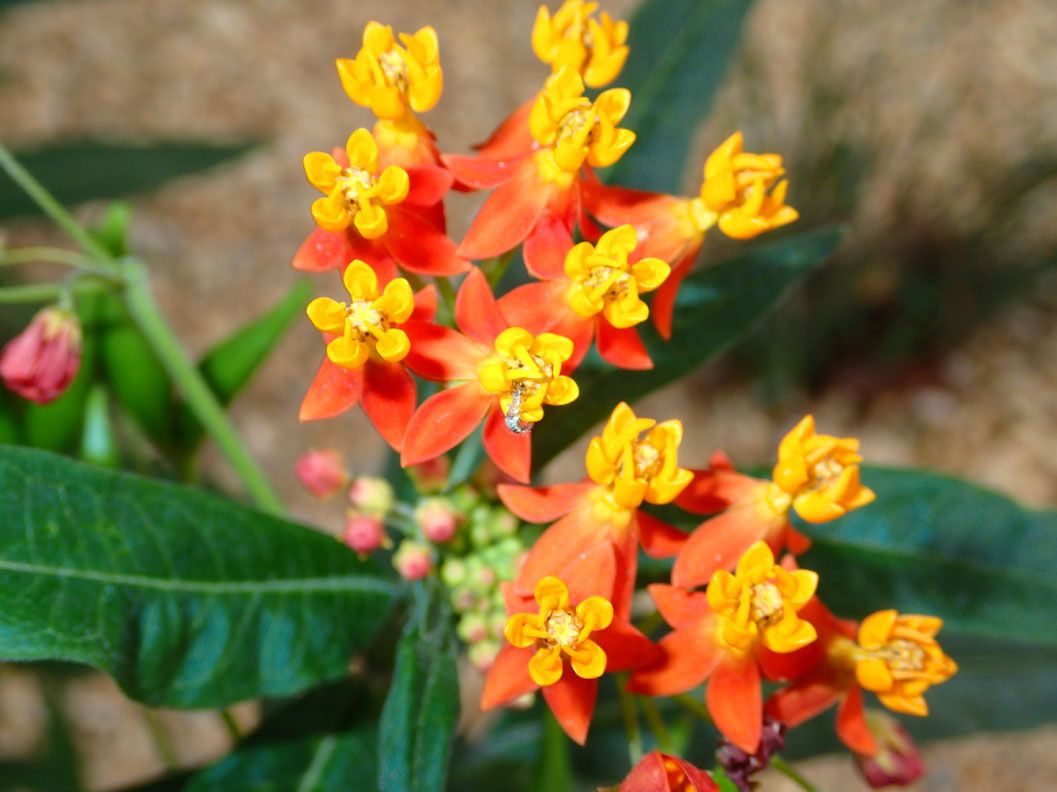
Milkweeds from tropical Mexico (genus Asclepias) are nectar-rich wildflowers that can add bright blooms and pollinator activity to sunny gardens and containers.
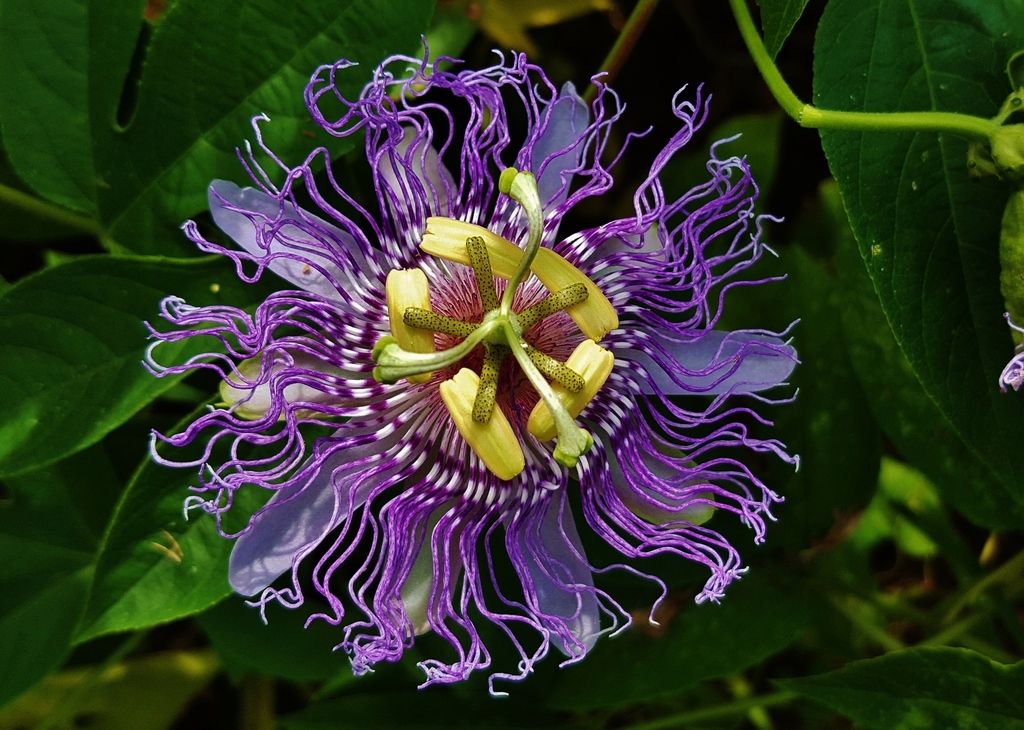
Passionflowers (genus Passiflora) are climbing vines known for their intricate, otherworldly blooms and their ability to add vertical color to fences, trellises, and sunny walls.
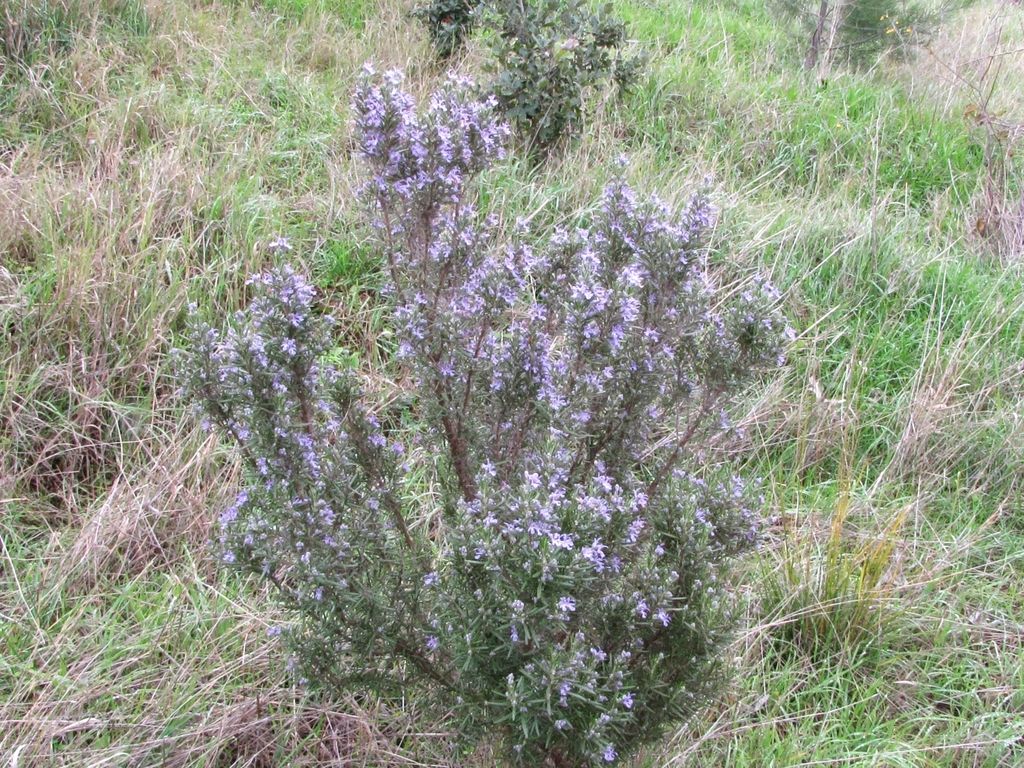
Salvias are a big, colorful group of flowering plants in the genus Salvia, with especially rich diversity in Mexico. Many are easy, pollinator-friendly garden plants that bloom over a long season when given sun and well-drained soil.
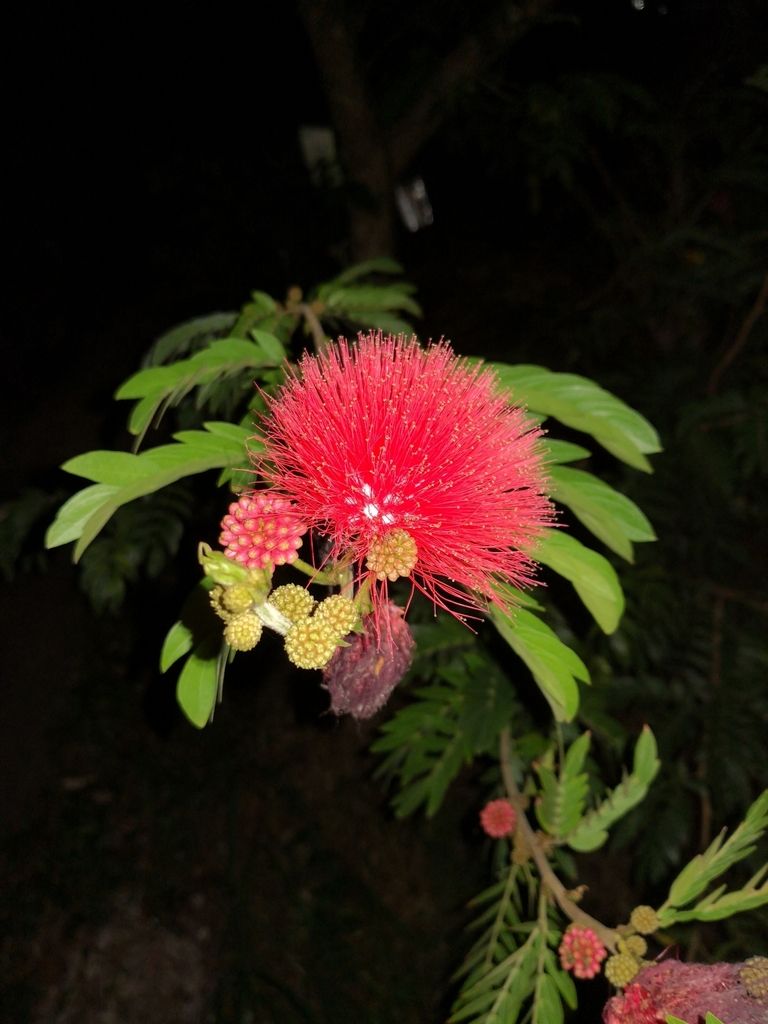
Wild lilacs (genus Calliandra) are warm-climate shrubs known for fluffy “powderpuff” blooms that can add color and pollinator activity to sunny gardens and patios.