
Climate pattern
- Short, intense warm season; long cold season
- Wind and exposure can dry plants and cool insects quickly
- Microclimates (small local weather differences) near water, sheltered slopes, or protected yards can be noticeably warmer
Aberdeen Plains is a tundra region extending from the MacAlpine Lake region to the Hudson Bay, characterized by continuous permafrost, shrub tundra vegetation, numerous lakes, and serves as an important summer range for caribou.
Zone
Arctic
Common Name
Aberdeen Plains
CEC Level III Code
2.4.2
CEC Level II Code
2.4 Southern Arctic
Overview
Region facts
| Category | Details |
|---|---|
| Aliases | Aberdeen Plains |
| Geographic Range | The Aberdeen Plains region extends from the MacAlpine Lake region in Nunavut and southeasterly to the Hudson Bay region near the community of Rankin Inlet. |
| Climate Snapshot | The Aberdeen Plains region has a mean annual temperature between -8°C and -11°C, with a summer mean of 5.5°C, a winter mean of -25.5°C, and mean annual precipitation ranging from 200-275 mm. |
| Terrain Profile | The Aberdeen Plains area, extending across the Canadian Shield with massive granitic rocks, features a broad, level terrain that transitions into gently sloping plains and hills reaching up to 300 masl, with continuous permafrost and discontinuous, thin, sandy moraine on the surface. |
| Vegetation Cover | Mainly shrub tundra vegetation is found, with dwarf birch, willow, and alder on warm, dry sites, and willow, sedge, and moss dominating poorly drained sites. |
| Wildlife Habitat | The Aberdeen Plains region is a vital summer range for caribou and a breeding habitat for snow and Canada goose, with other wildlife including moose, fox, wolf, lynx, and various smaller mammals and raptors. |
Eco snapshot
Mainly shrub tundra vegetation is found, with dwarf birch, willow, and alder on warm, dry sites, and willow, sedge, and moss dominating poorly drained sites.
The Aberdeen Plains region is a vital summer range for caribou and a breeding habitat for snow and Canada goose, with other wildlife including moose, fox, wolf, lynx, and various smaller mammals and raptors.
Seasonal timing
Yearly needs
What pollinators need throughout the year, and what to do about it.
| Season | What pollinators need most | What you can do |
|---|---|---|
| Late winter/early spring | Safe overwintering sites; early food when warmth arrives | In your home region: leave some leaf litter/stems until it’s consistently warm; plan early-bloom plants. |
| Spring | Early nectar/pollen; calm, sunny feeding spots | In your home region: plant early bloomers; add a shallow water dish with stones; avoid pesticides. |
| Summer | Steady nectar/pollen; nesting materials and undisturbed soil | In your home region: keep blooms continuous; leave some bare ground; add a small brush pile or stem bundle. |
| Late summer/fall | Late-season nectar; places to prepare for winter | In your home region: plant late bloomers; don’t deadhead everything; delay major cleanup. |
| Winter or Dry Season | Protected shelter from cold/wind; intact habitat | In your home region: keep seedheads and stems; avoid removing all “messy” habitat; plan next season’s patch. |
What You Can Do
Turn this knowledge into action. Whether you plant a single pot or a whole garden, you are building a vital bridge for local biodiversity.
Join the movement to restore our shared habitats.
Native plants
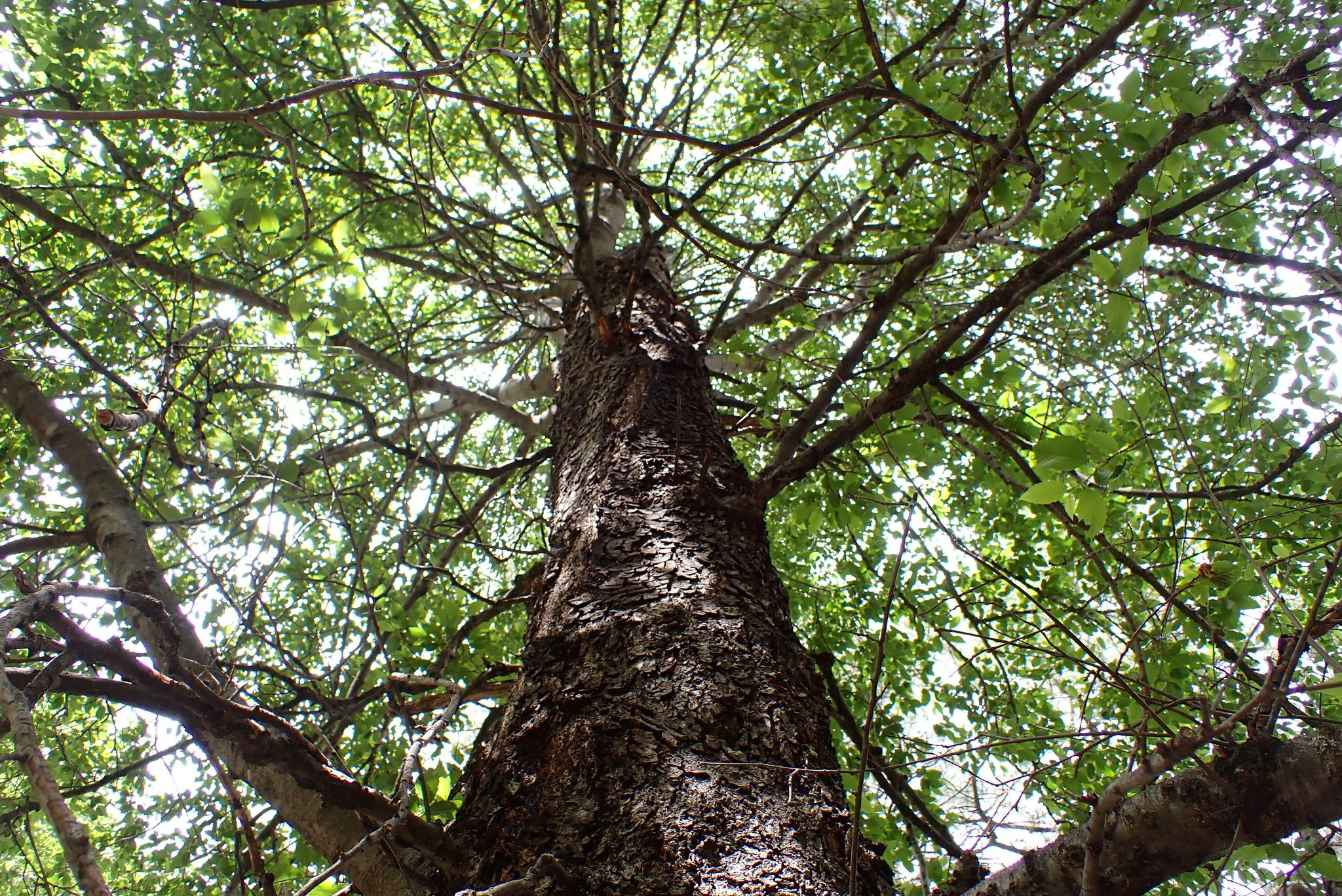
Alders are fast-growing trees in the genus Alnus that are especially useful in damp spots and along edges where you want quick cover and early-season pollen for insects.
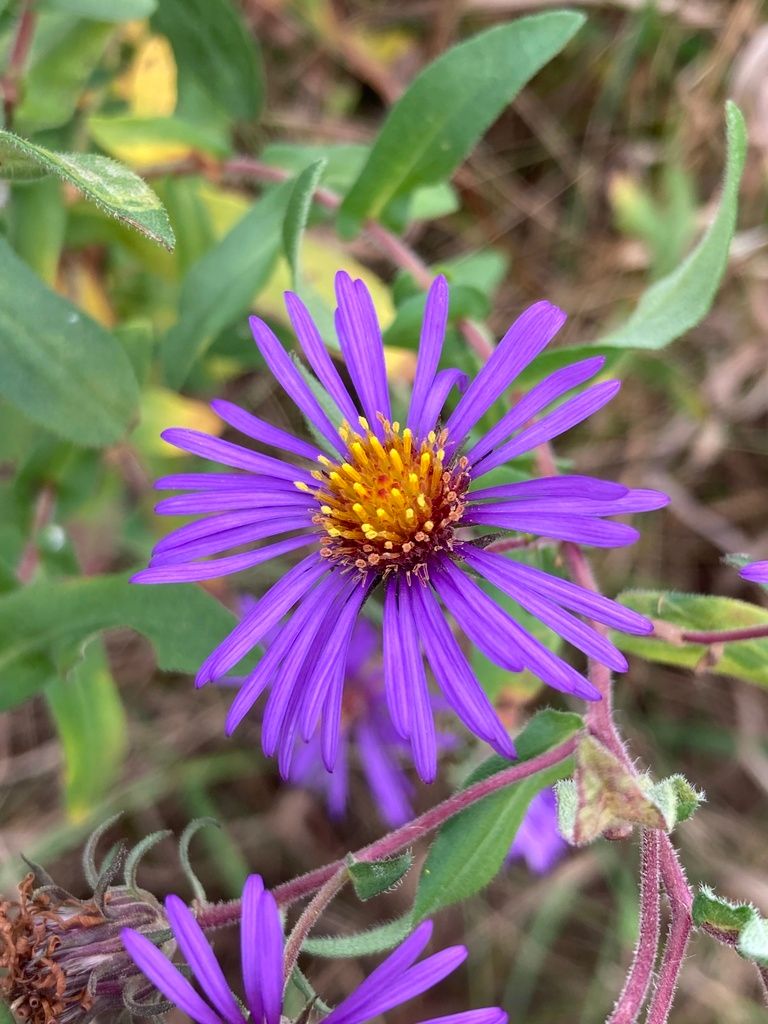
Asters are late-season wildflowers that bring a burst of daisy-like blooms when many gardens are winding down, making them a reliable choice for pollinator-friendly planting.
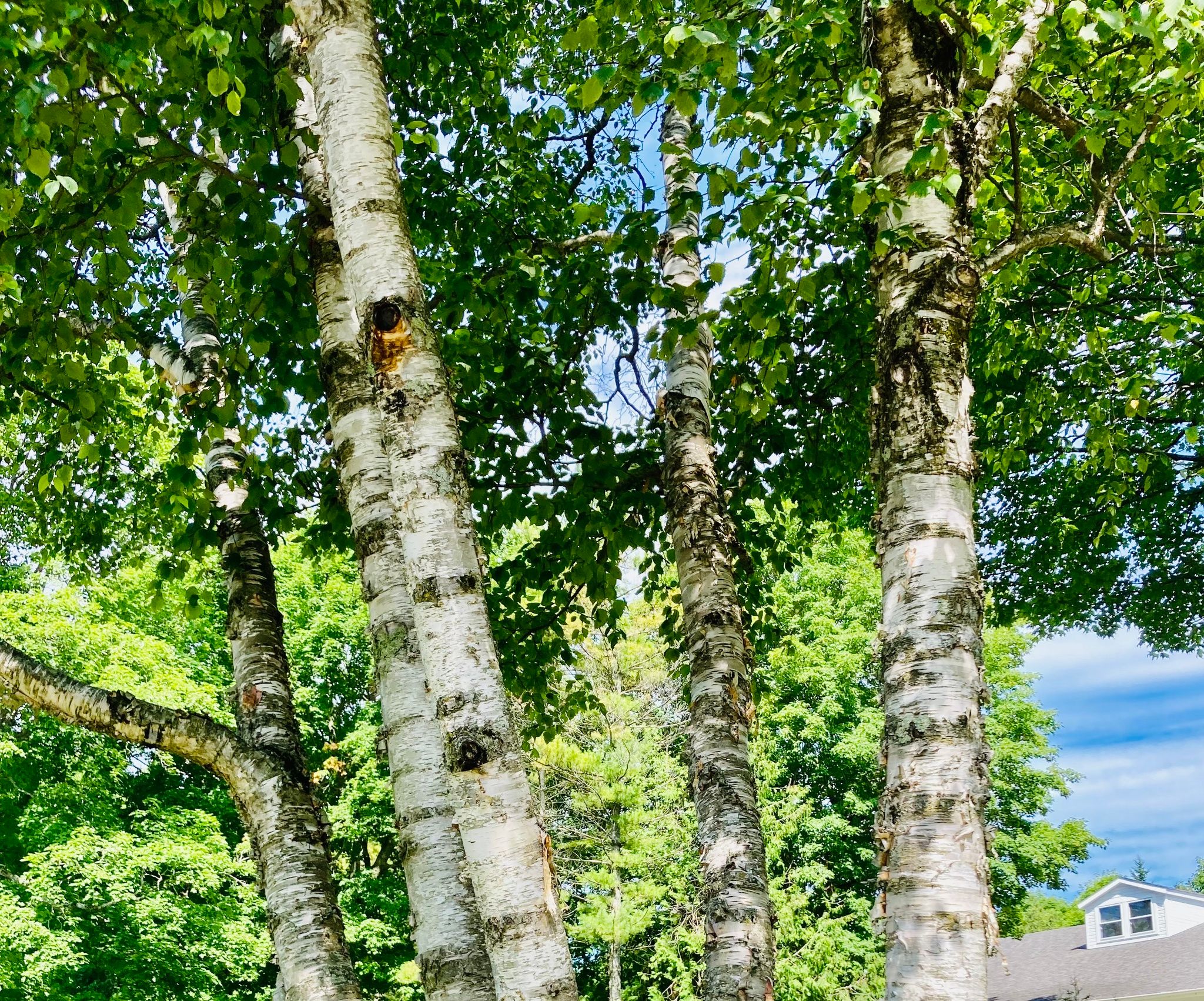
Birches are graceful trees in the genus Betula, known for their often light-colored bark and early-season pollen and catkins that support springtime insects.
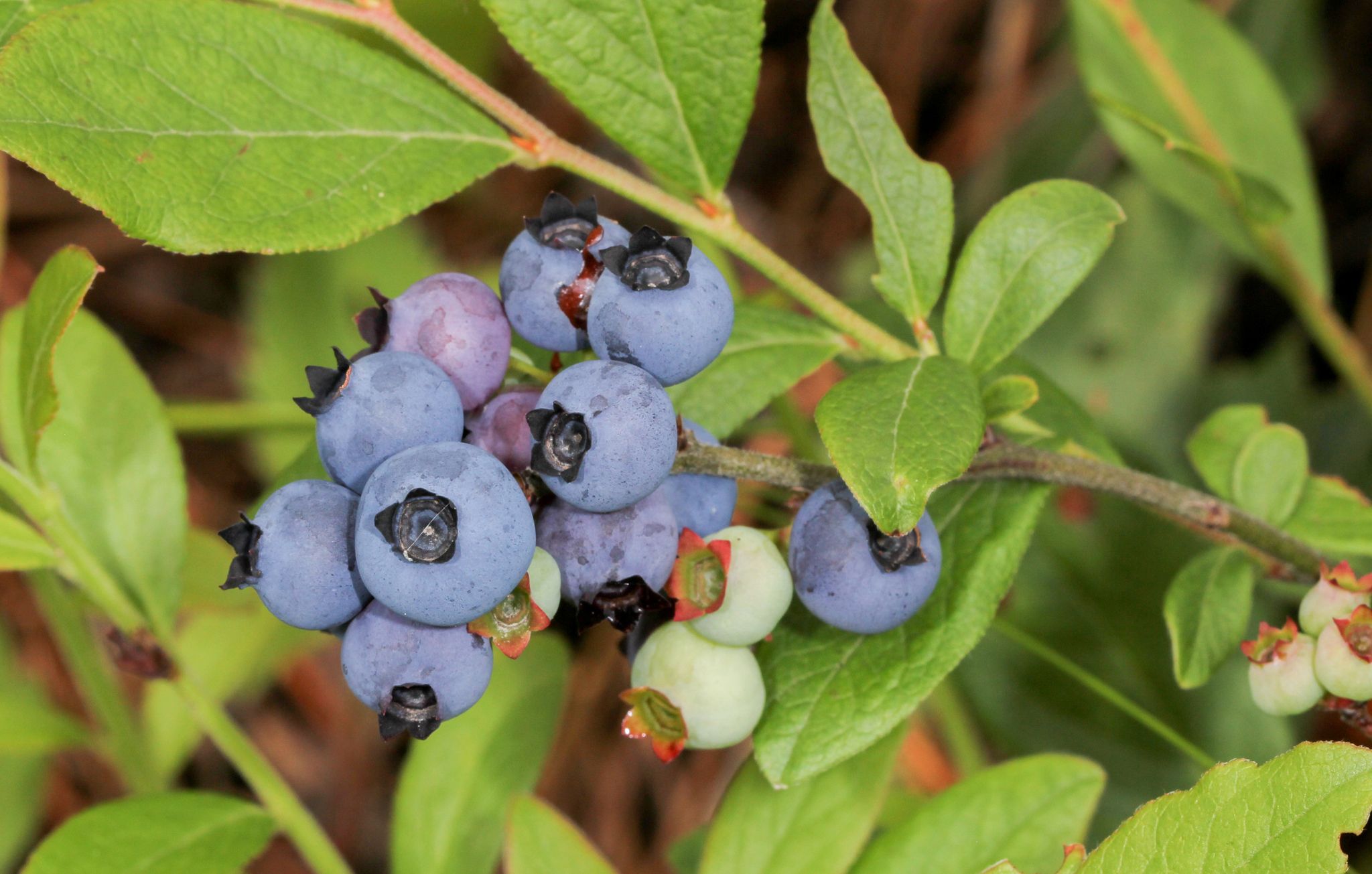
Blueberries and huckleberries (genus Vaccinium) are berry-producing shrubs with spring flowers that can support pollinators and later feed people and wildlife—great for gardens, schoolyards, and even large containers.
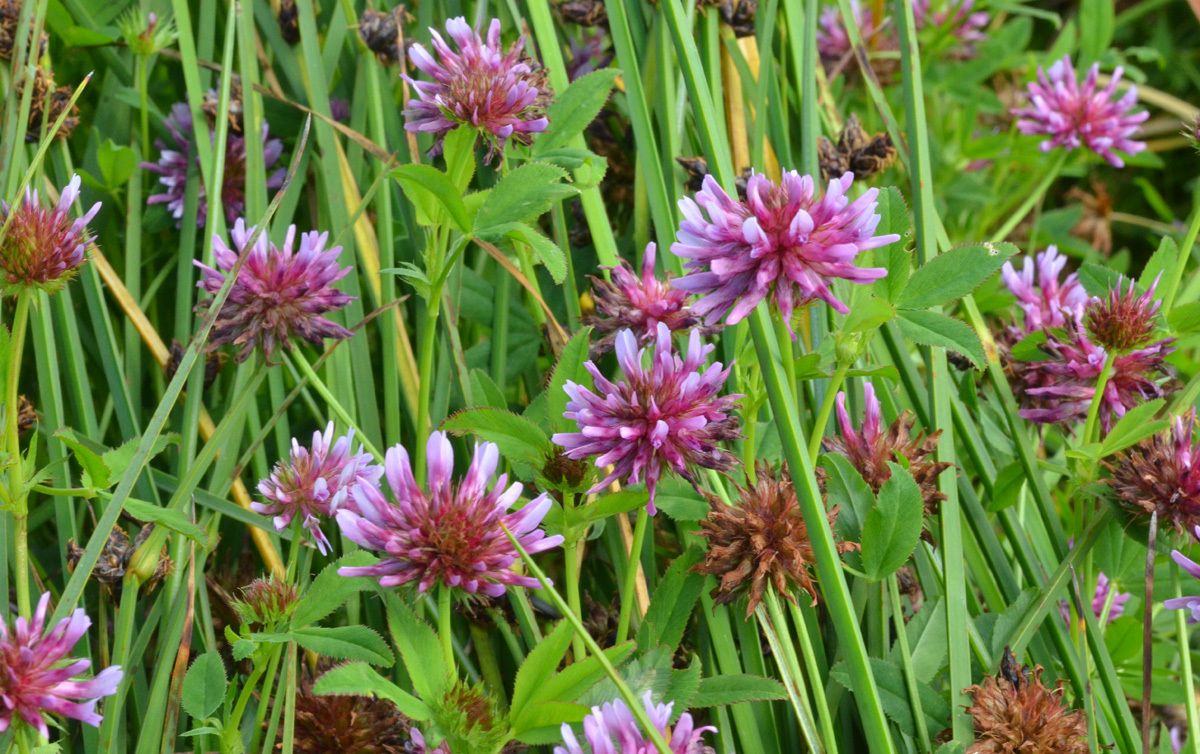
Clovers are small, easygoing plants in the genus Trifolium that can add nectar and pollen to gardens, lawns, and pots while helping cover bare soil.
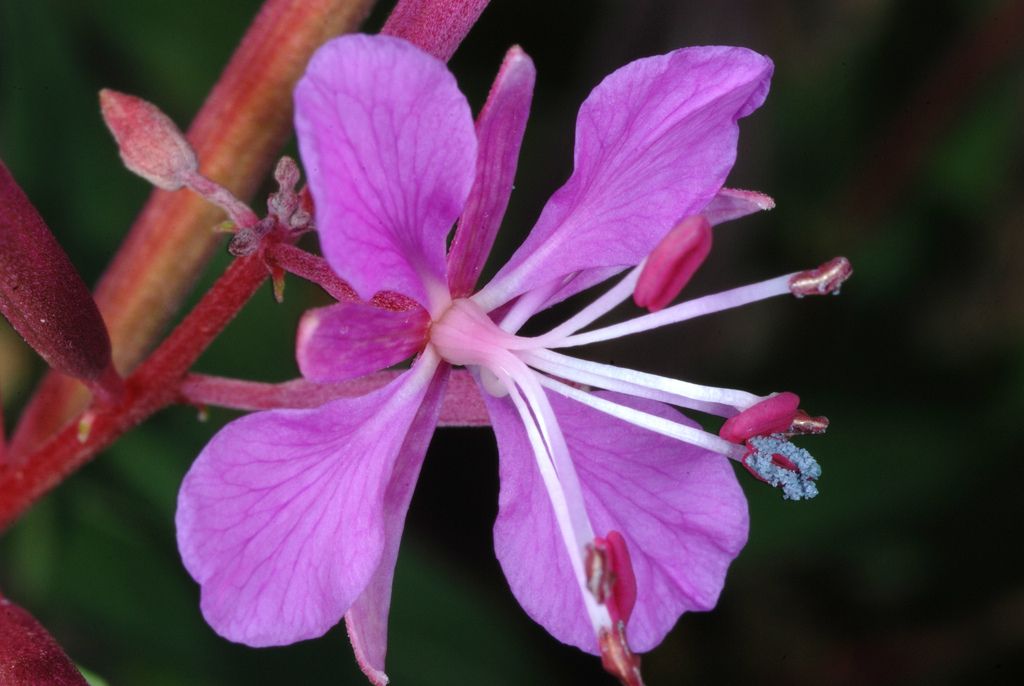
Fireweed is a tough, fast-growing wildflower in the genus Chamerion that brings bright pink blooms and lots of pollinator activity to sunny, open spaces.
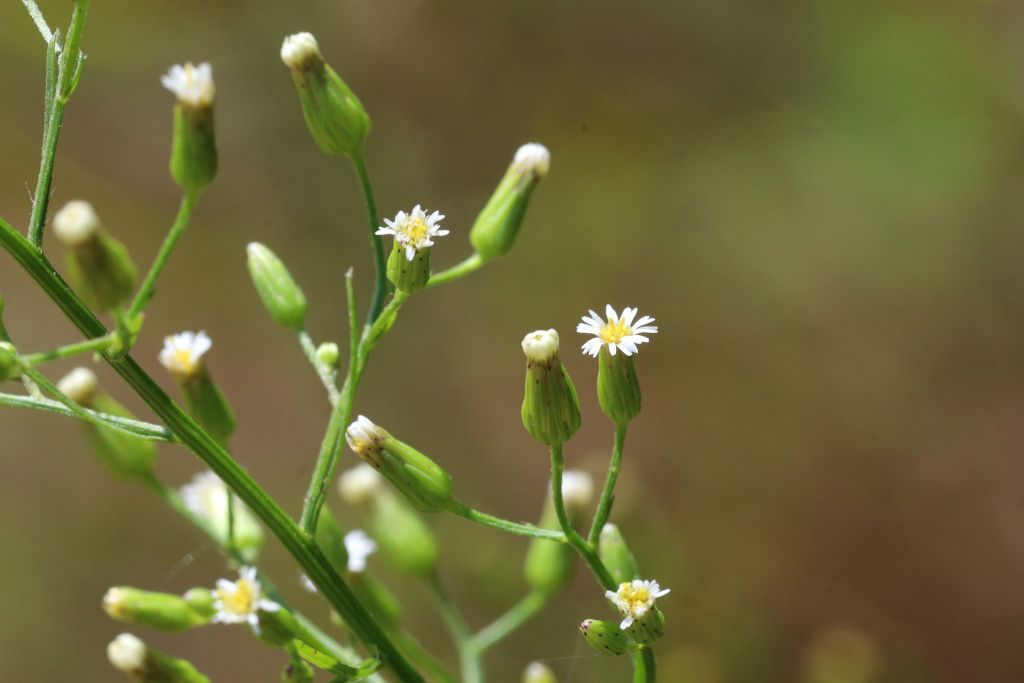
Fleabanes (genus Erigeron) are easygoing wildflowers with daisy-like blooms that can brighten gardens, schoolyards, and balcony pots while offering steady nectar and pollen for many small pollinators.
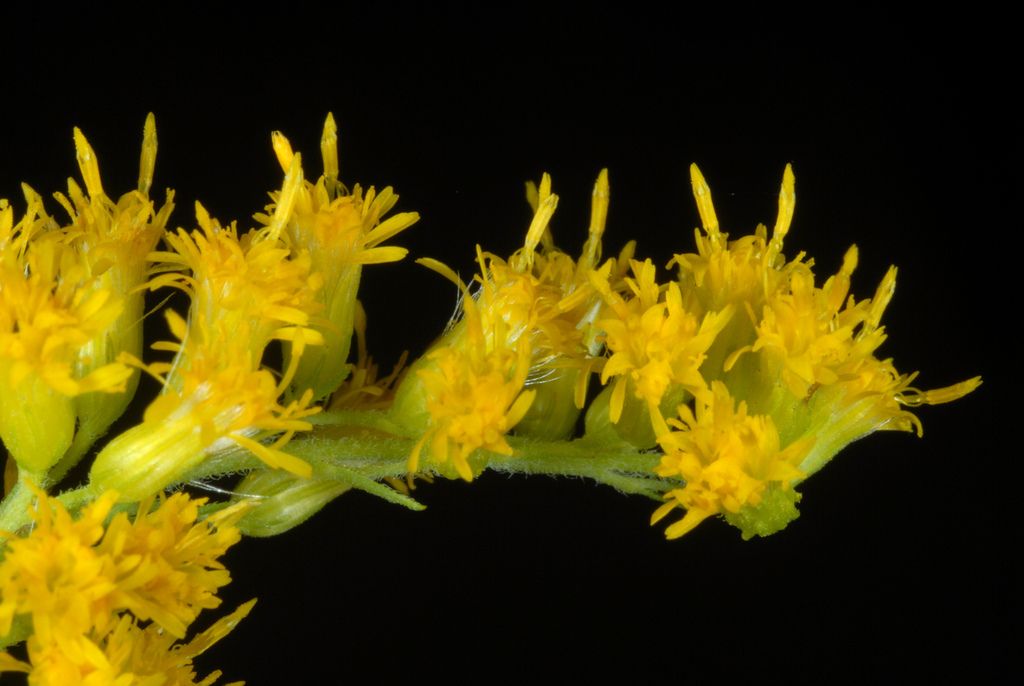
Goldenrods are tough, sunny wildflowers in the genus Solidago that light up late-season gardens with golden blooms and provide reliable nectar and pollen when many other flowers are fading.
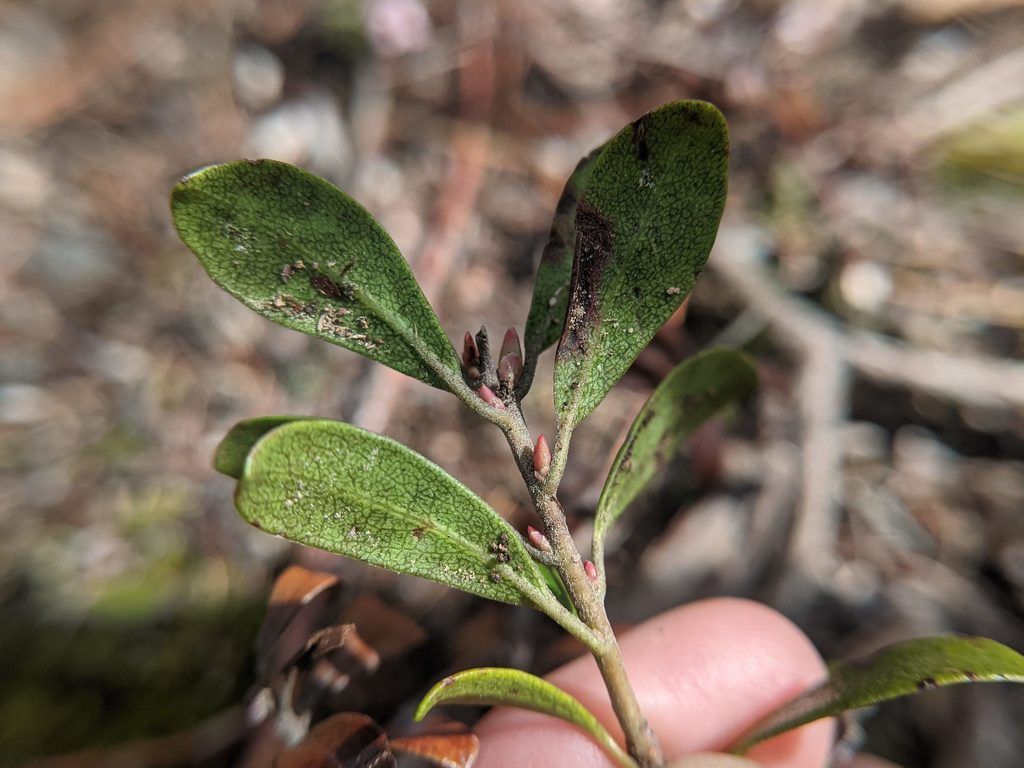
Kinnikinnick is a tough, low-growing evergreen groundcover in the genus Arctostaphylos (often called bearberry) that forms a tidy mat and offers small spring flowers followed by red berries.
Manzanitas are tough, beautiful western shrubs with urn-shaped flowers that can feed early-season pollinators and evergreen leaves that keep gardens looking good year-round.
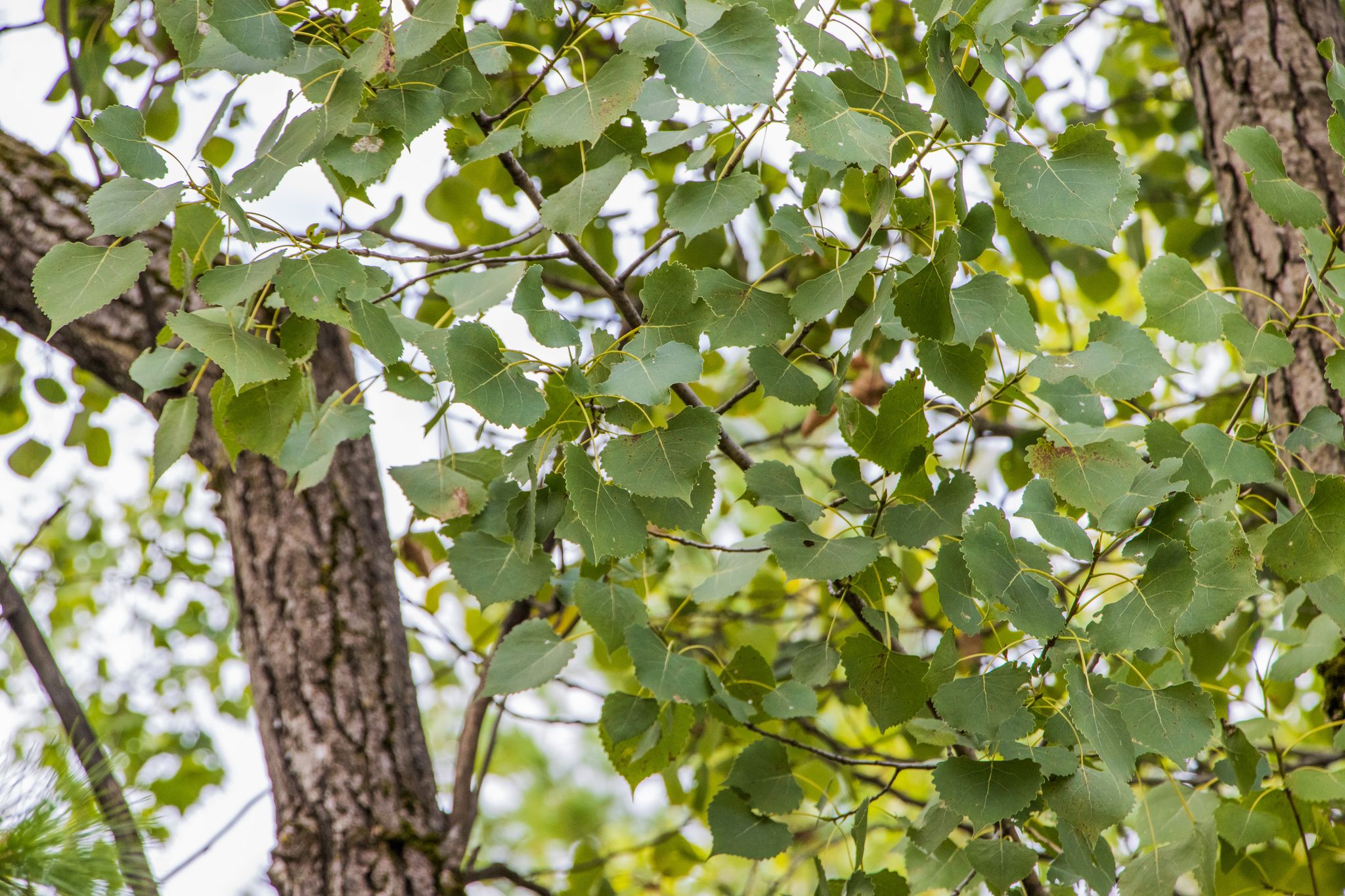
Poplars, aspens, and cottonwoods (genus Populus) are fast-growing trees best known for their fluttering leaves and soft “cottony” seeds. They can support early-season pollinators with spring catkins, but they’re also big, thirsty, and often short-lived in small yards—so they’re best chosen with space and roots in mind.
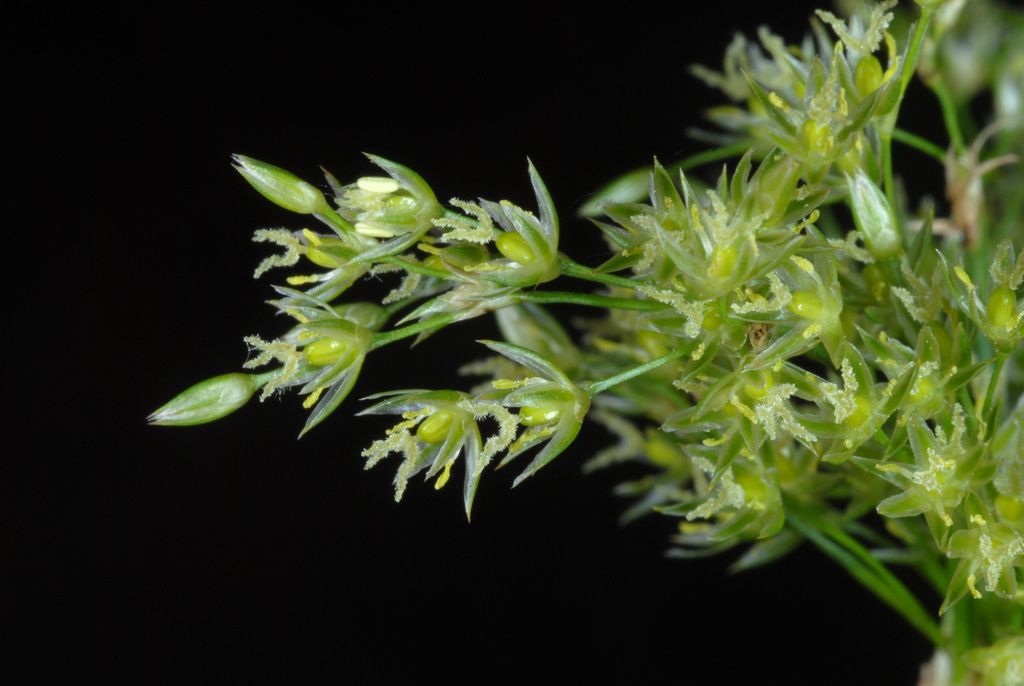
Rushes are tough, grass-like wetland plants (genus Juncus) that thrive in damp soil and help create calm, sheltered habitat at the edges of ponds, rain gardens, and low spots.
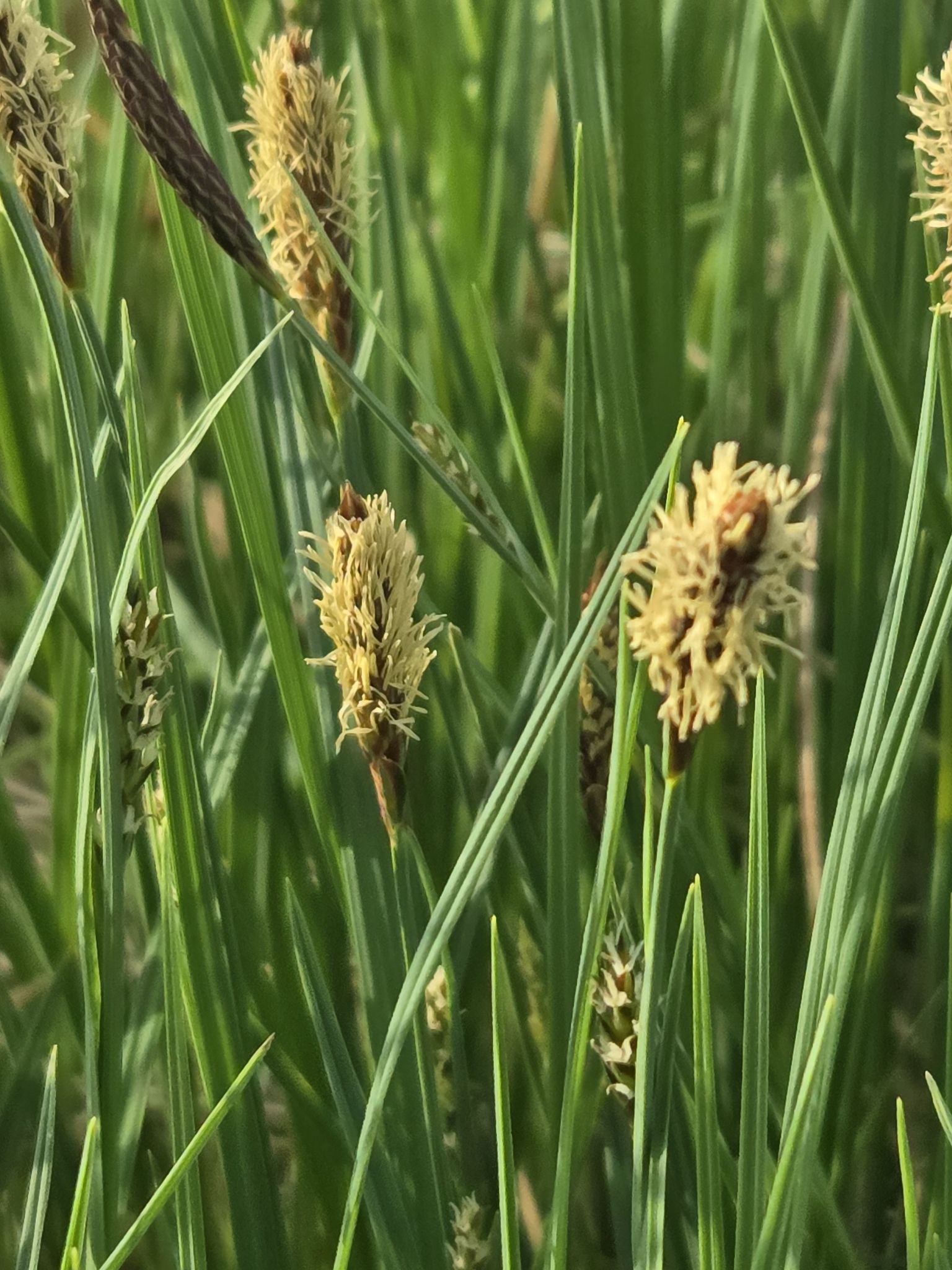
Sedges (genus Carex) are grass-like plants that form tidy clumps and thrive in many garden conditions, especially where soil stays a bit damp. They add texture, cover bare ground, and can support small wildlife by providing shelter and nesting material.
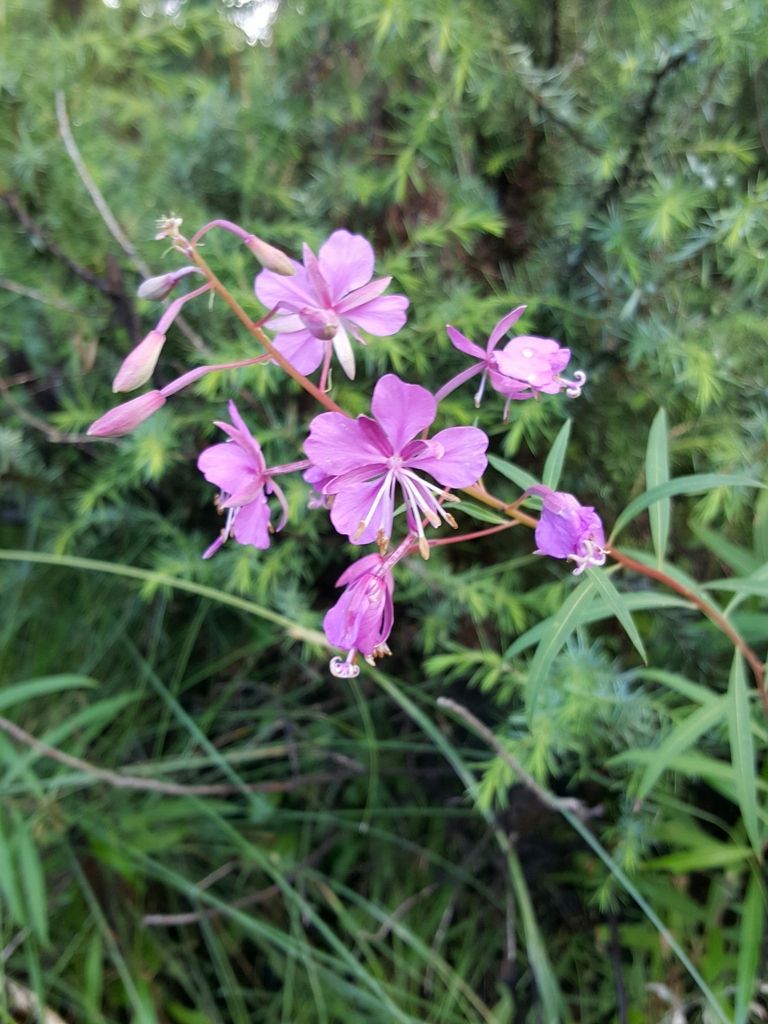
Willowherbs (genus Epilobium) are easygoing wildflowers that pop up in sunny, open spots and offer simple, nectar-rich blooms that many small pollinators can use.
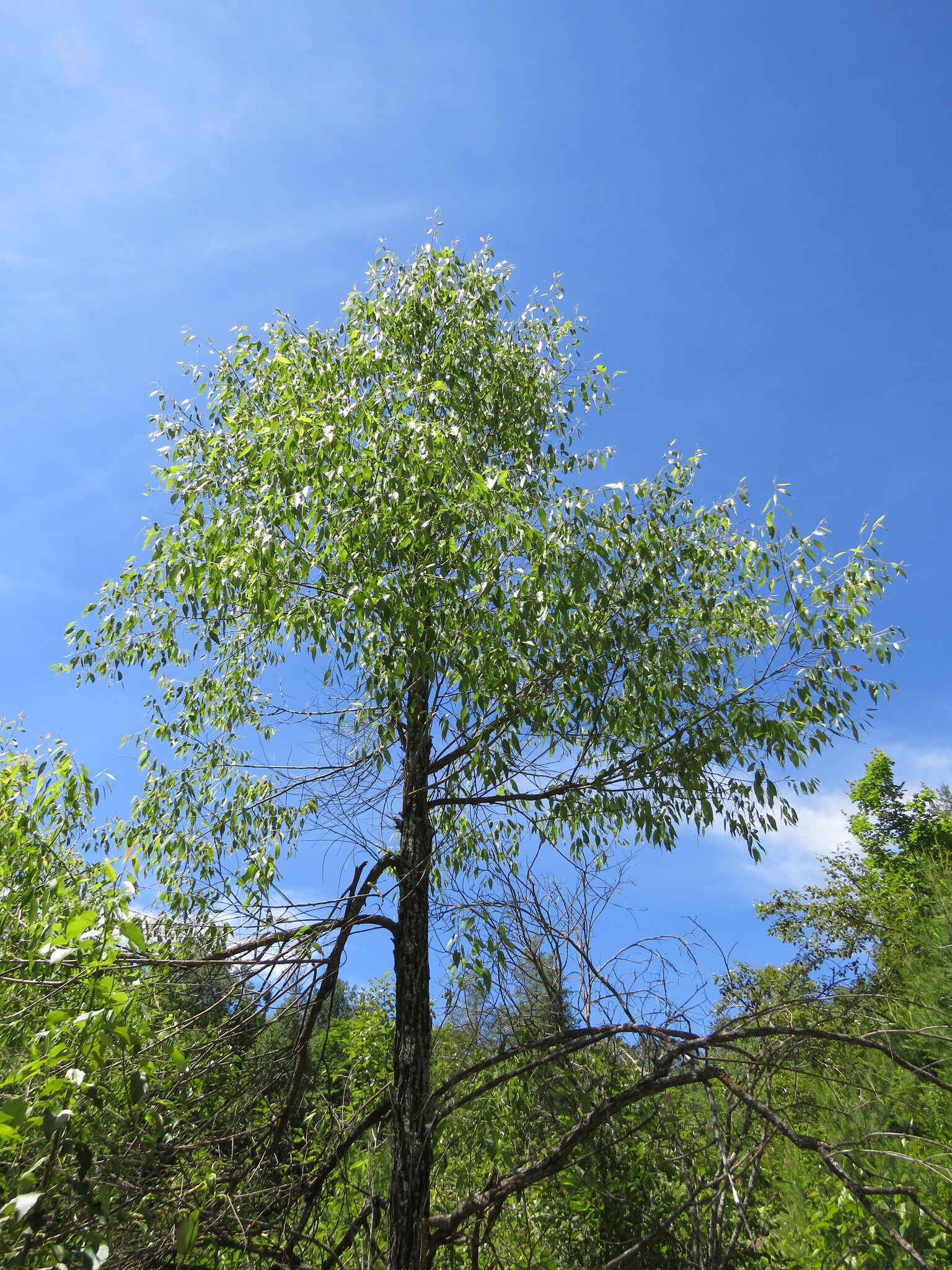
Willows are fast-growing trees and shrubs in the genus Salix that offer some of the earliest pollen and nectar of the year, making them a strong choice for pollinator-friendly yards, parks, and school grounds.
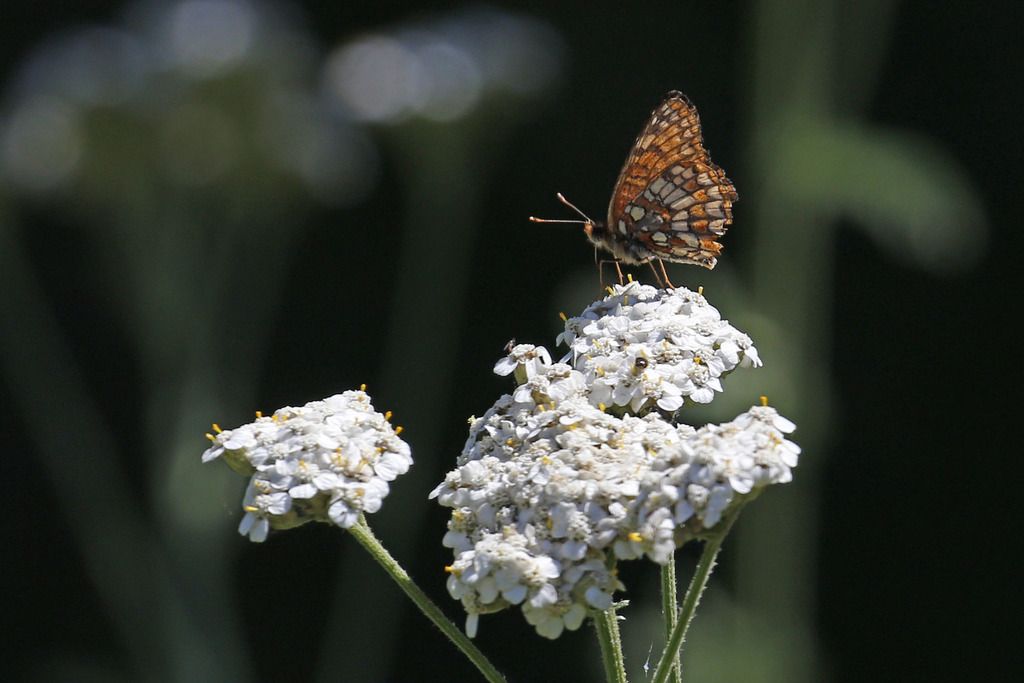
Yarrow is a tough, easygoing wildflower that brings long-lasting blooms and steady pollinator visits to gardens, schoolyards, and even containers.
Pollinators
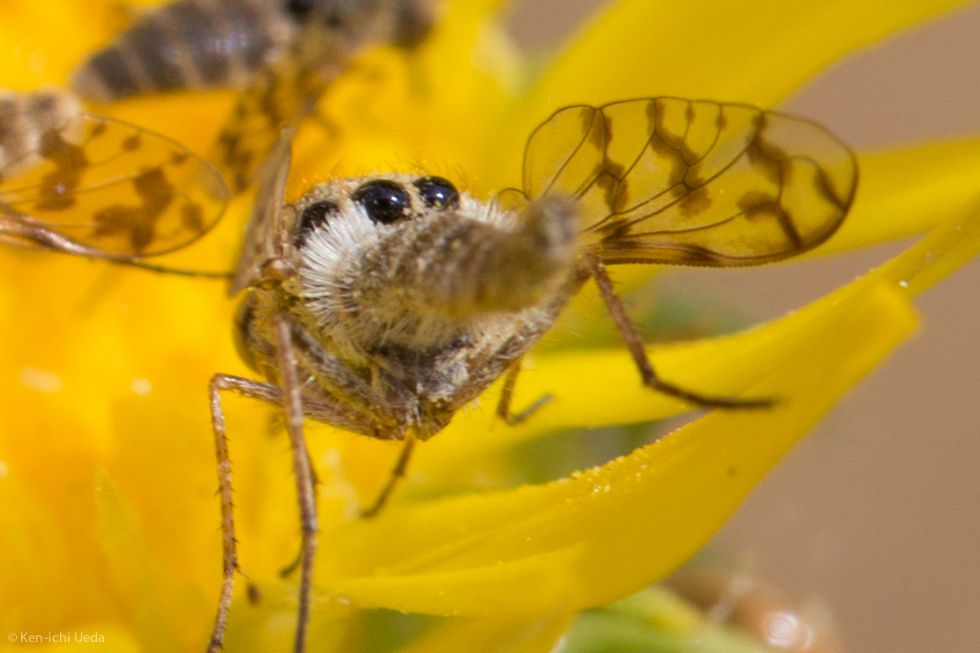
Adults visit flowers for nectar and can move pollen between blooms; their presence is a sign of diverse, functioning habitats.
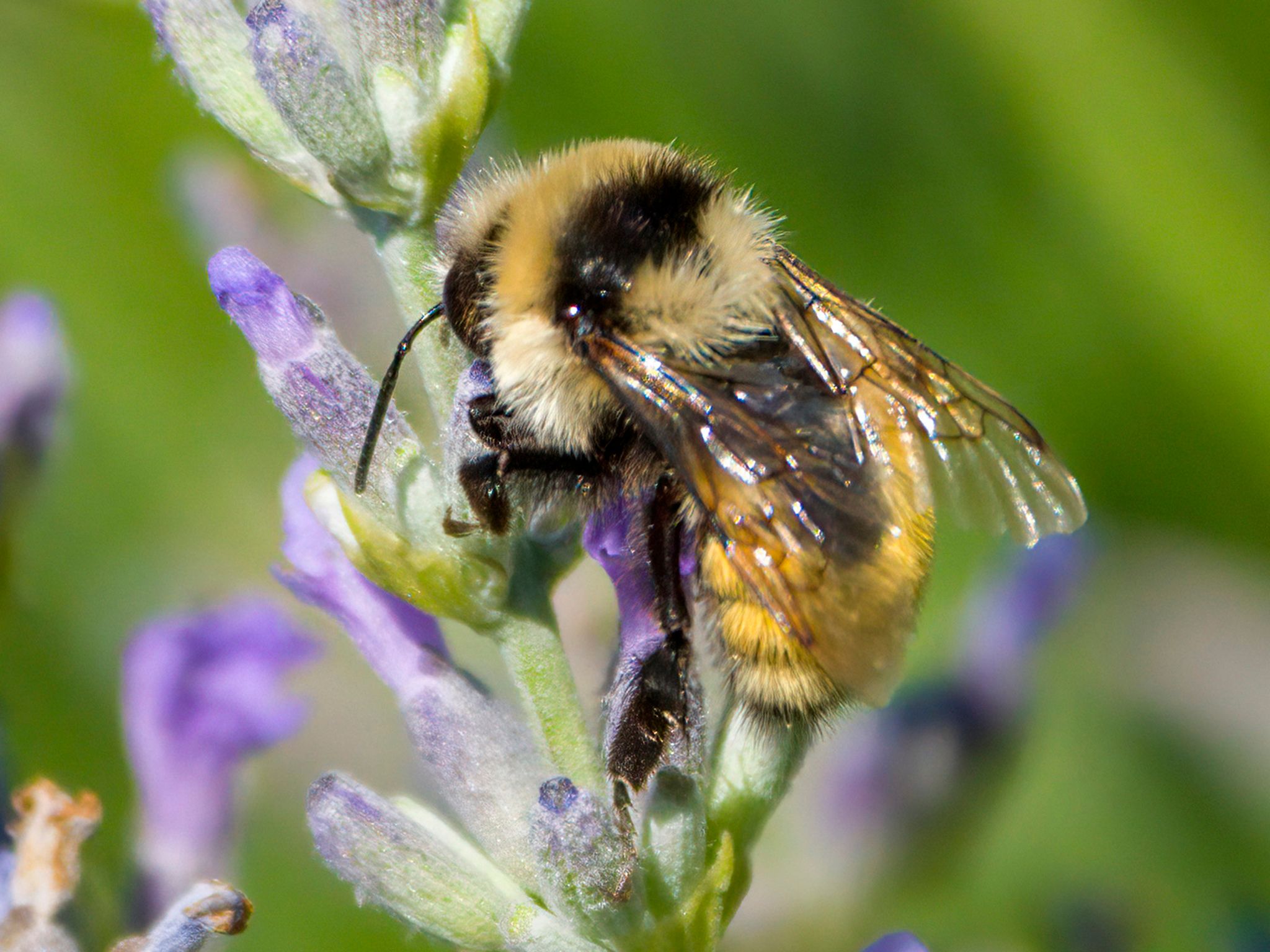
Bumble bees are important pollinators of many wildflowers and garden plants, helping ecosystems and food crops reproduce.
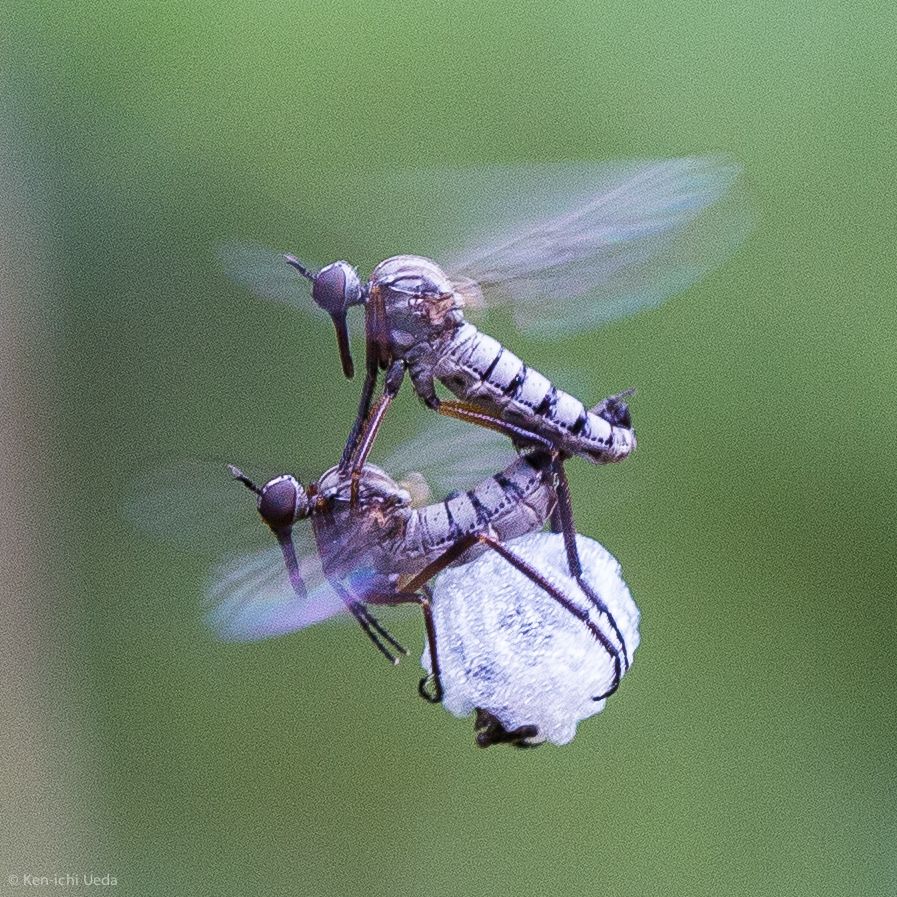
Many visit flowers for nectar and can move pollen between blooms while also playing important roles in local food webs.
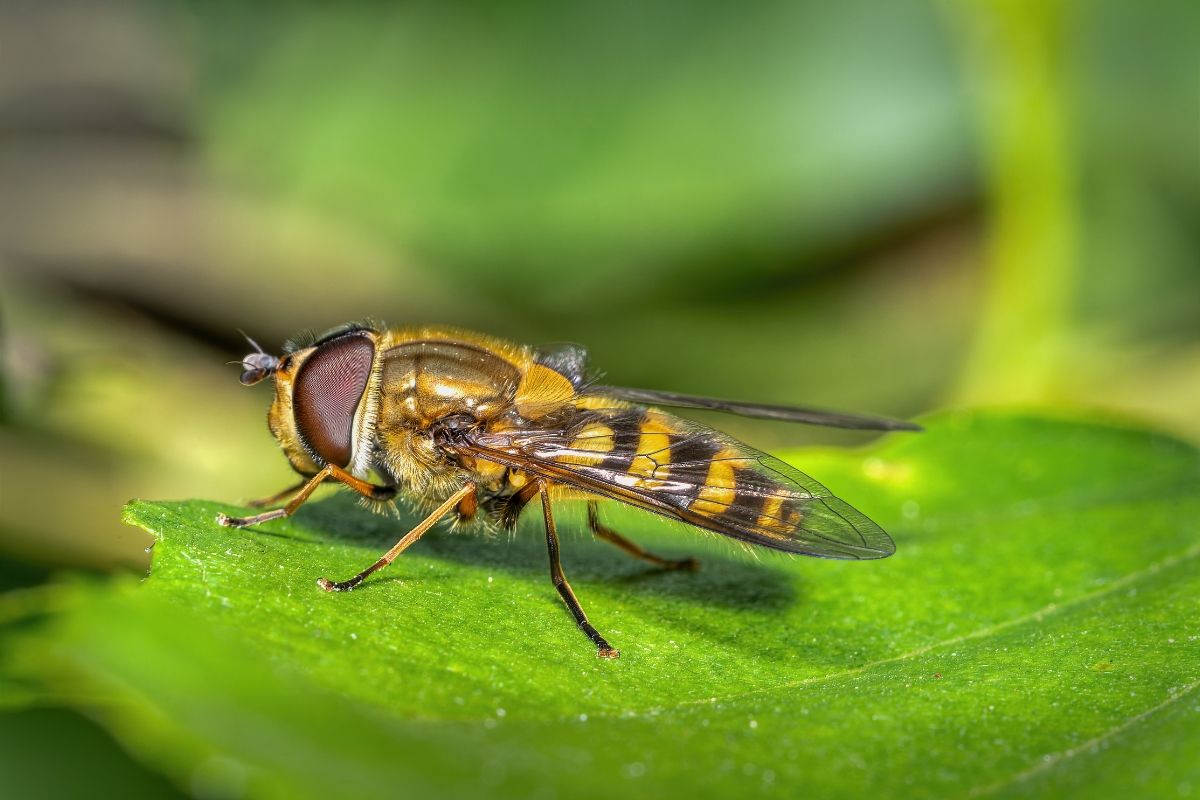
Adults visit flowers for nectar and pollen, and many species’ larvae help keep plant-eating pests in check.
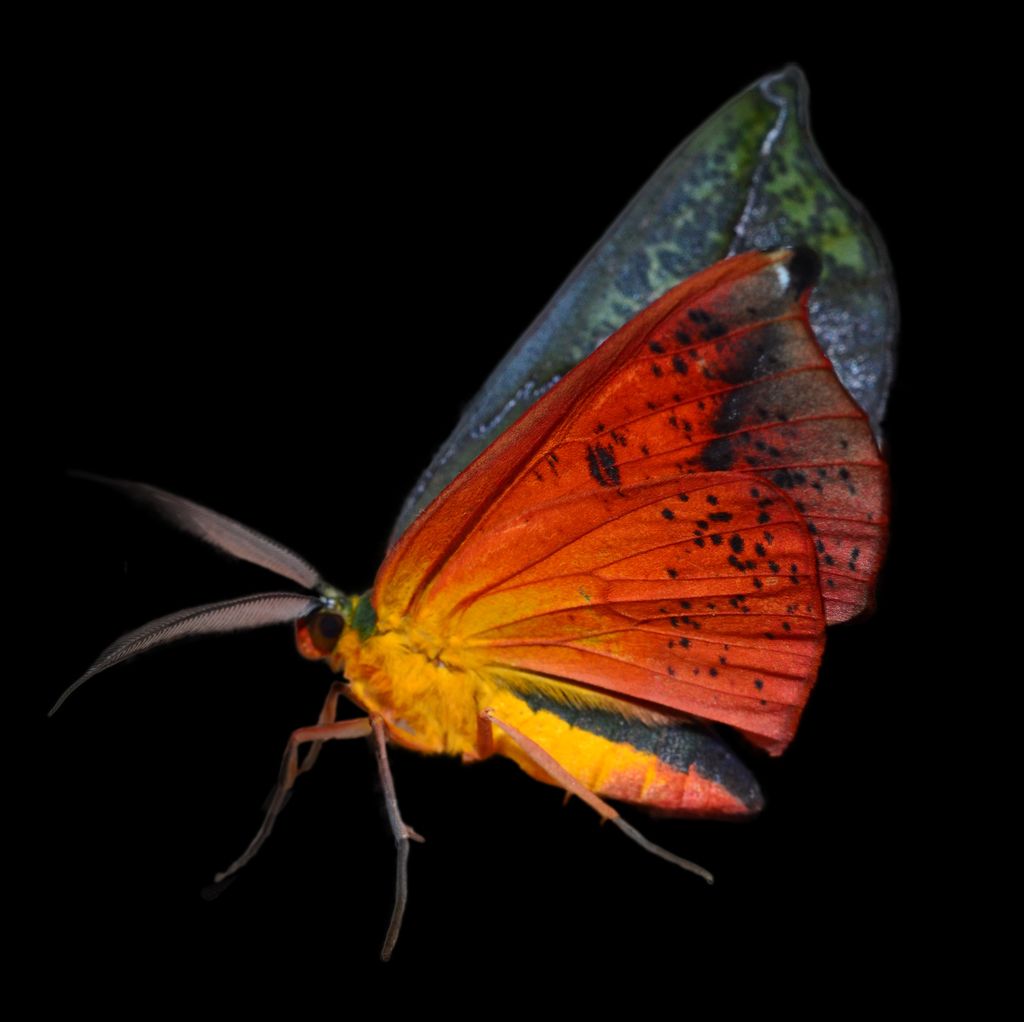
Adults can help move pollen as they nectar at flowers, and their caterpillars are an important part of local food webs.
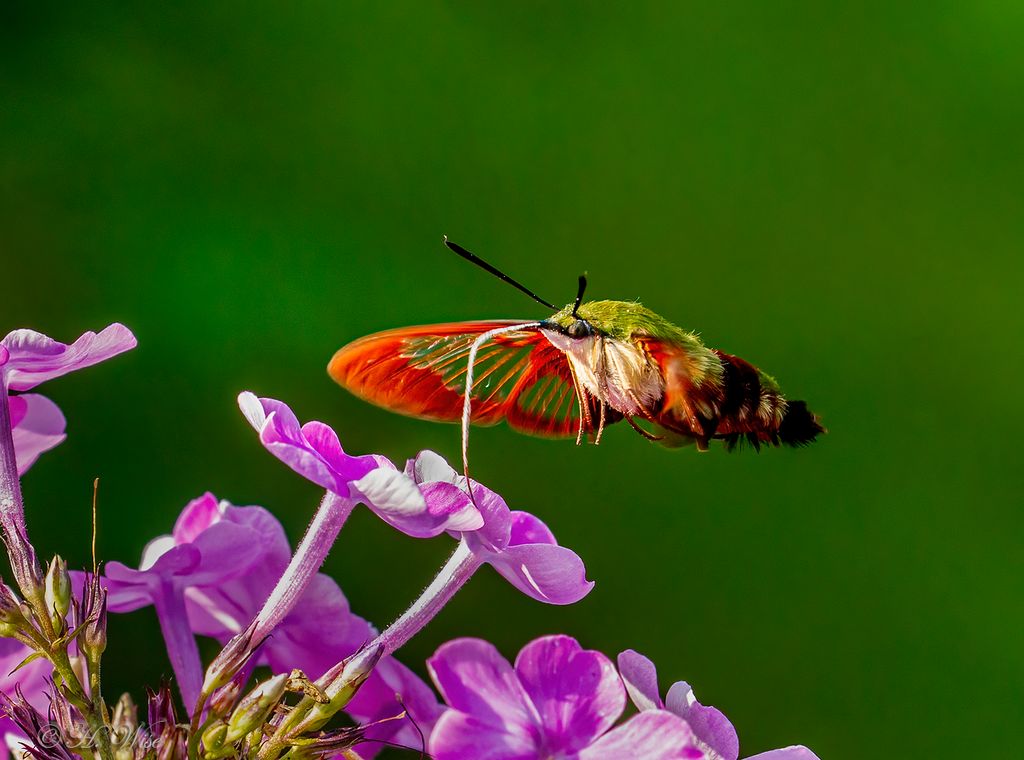
They can move pollen between flowers while feeding on nectar, especially for blooms that open or scent up in the evening.
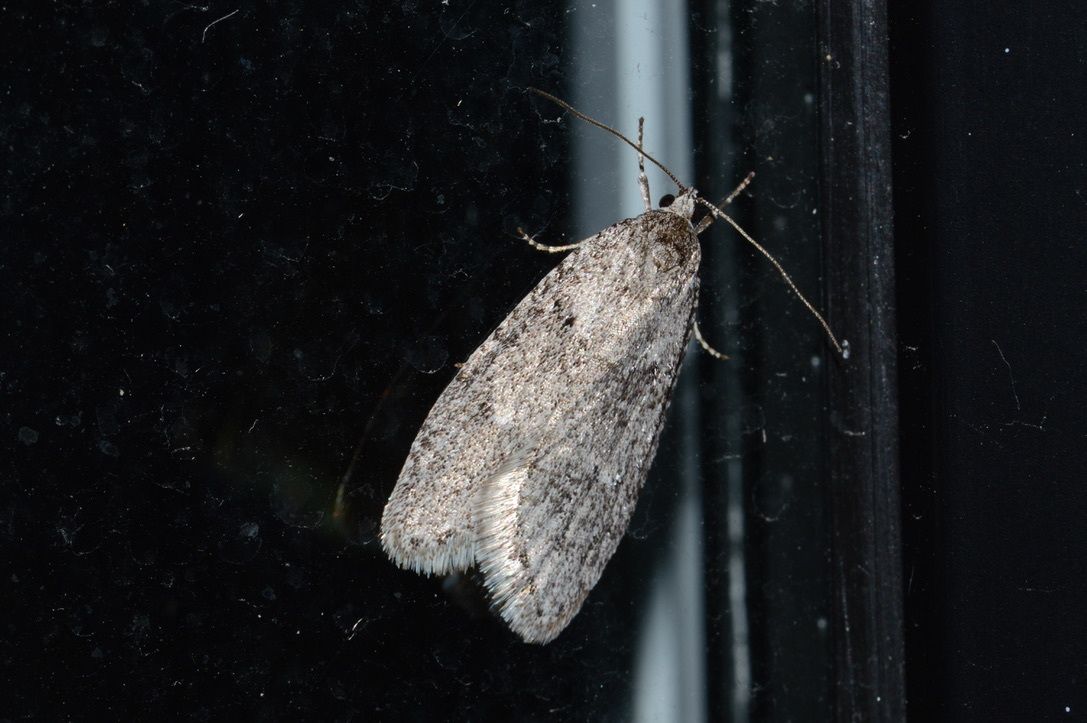
Many small moths move pollen while feeding on nectar, supporting wild plants and garden blooms—especially in the evening and at night.
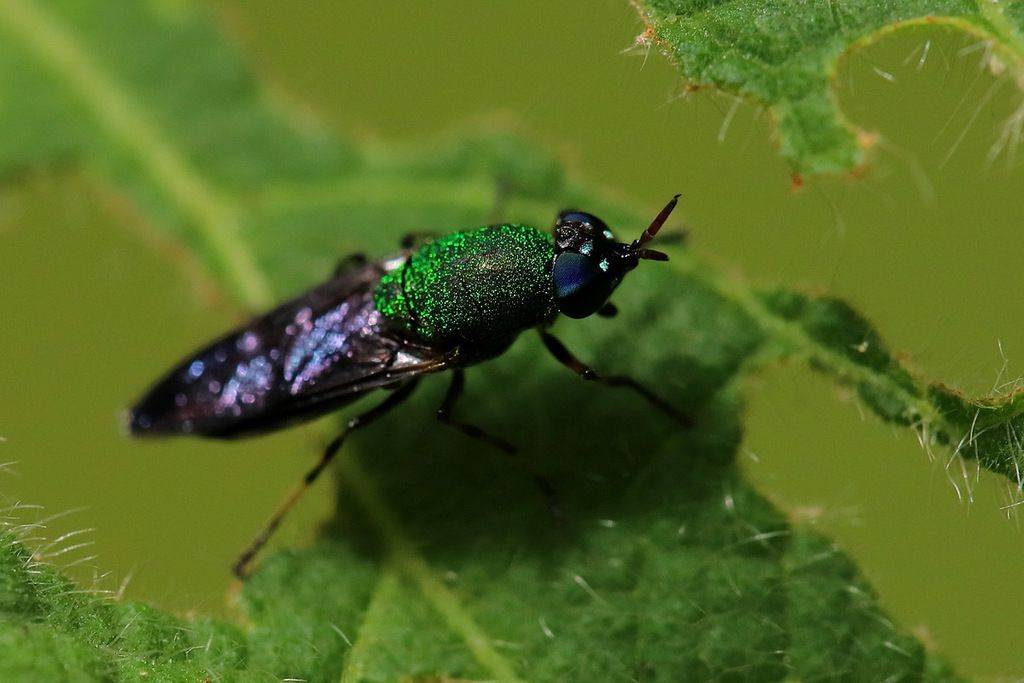
Many adults visit flowers for nectar and can move pollen between blooms while feeding.
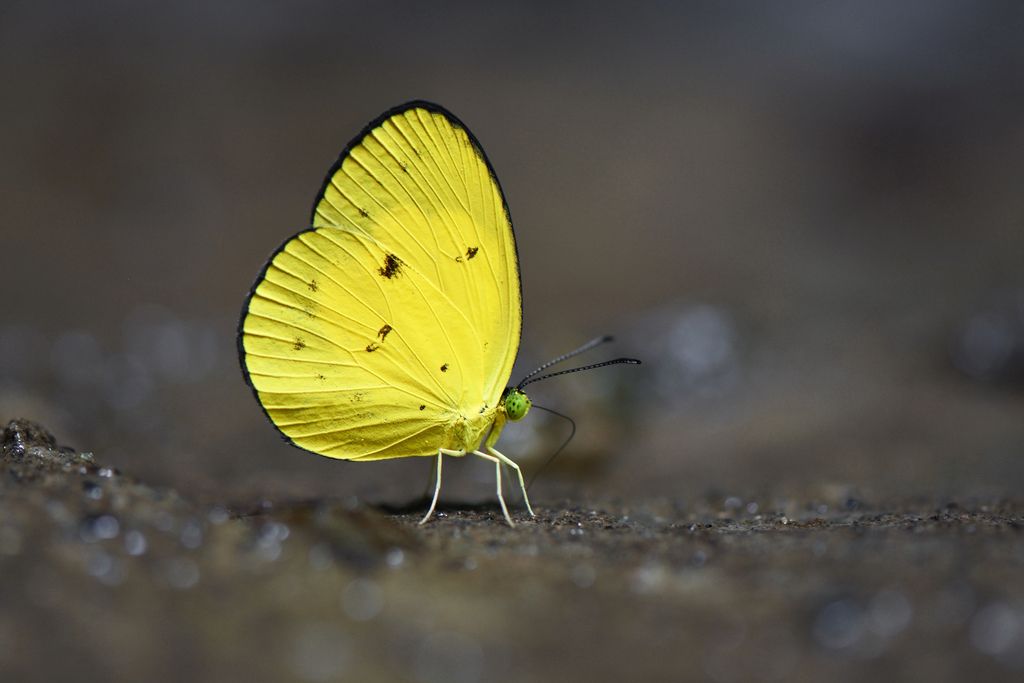
They visit a wide range of flowers for nectar and can help move pollen between blooms as they feed.