Skip to content
California Central Coast
Region profile

California Central Coast

California Coastal Sage, Chaparral, and Oak Woodlands is an ecoregion occupying south central California and northwestern Baja California, with a Mediterranean climate, characterized mainly by chaparral and oak woodlands, and hosting diverse flora and fauna.

Zone

Coastal

Common Name

California Central Coast

CEC Level III Code

11.1.1

CEC Level II Code

11.1 Mediterranean California

Overview

About This Region

The California Central Coast is a vital region for biodiversity, but its pollinators face serious challenges. Habitat loss from agriculture and human development reduces feeding and breeding grounds. Climate change, causing extreme weather and range shifts, disrupts the delicate timing between plants and pollinators. Misuse of insecticides poses a direct threat. Conservation efforts here focus on restoring native habitats and implementing integrated pest management to support species like the monarch butterfly and native bees.
California Central Coast
https://www.inaturalist.org/photos/130164809 Photo: (c) Christian Schwarz, some rights reserved (CC BY-NC) | CC-BY-NC | iNaturalist

Region facts

At a glance

AliasesCalifornia Central Coast, Central California Foothills and Coastal Mountains, CA Central Coast, Big Sur, Central Coast, Monterey Bay, Santa Cruz�Monterey Coast, Santa Cruz–Monterey Coast, Central California Foothills & Coastal Mountains
Geographic Range
This ecoregion occupies south central California and northwestern Baja California, as well as the Channel Islands, Isla de Cedros and Isla Guadalupe.
Climate SnapshotThe ecoregion has a Mediterranean climate characterized by hot dry summers and mild winters, with mean annual temperatures ranging from approximately 14°C to 18°C and a mean annual precipitation of 548 mm.
Terrain ProfileThe terrain consists of coastal terraces, open low mountains or foothills, parallel ranges and valleys, and areas of irregular plains.
Vegetation CoverThe vegetation is mainly chaparral and oak woodlands, with grasslands at lower elevations and patches of pine at higher elevations, including coastal sage scrub in the south.
Wildlife HabitatThe ecoregion is home to species such as mule deer, gray fox, cougar, coyote, bobcat, various birds including the turkey vulture and brown pelican, and reptiles like the western species of rattlesnake and western fence lizard.

Eco snapshot

What shapes this region

Climate pattern

  • Many areas follow a Mediterranean rhythm: rain mostly in cooler months, dryness in warmer months.
  • Coastal fog can extend the “green season” near the ocean and shift bloom timing.
  • Microclimates (small local weather differences) are created by hills, canyons, and sun exposure.
Vegetation profile

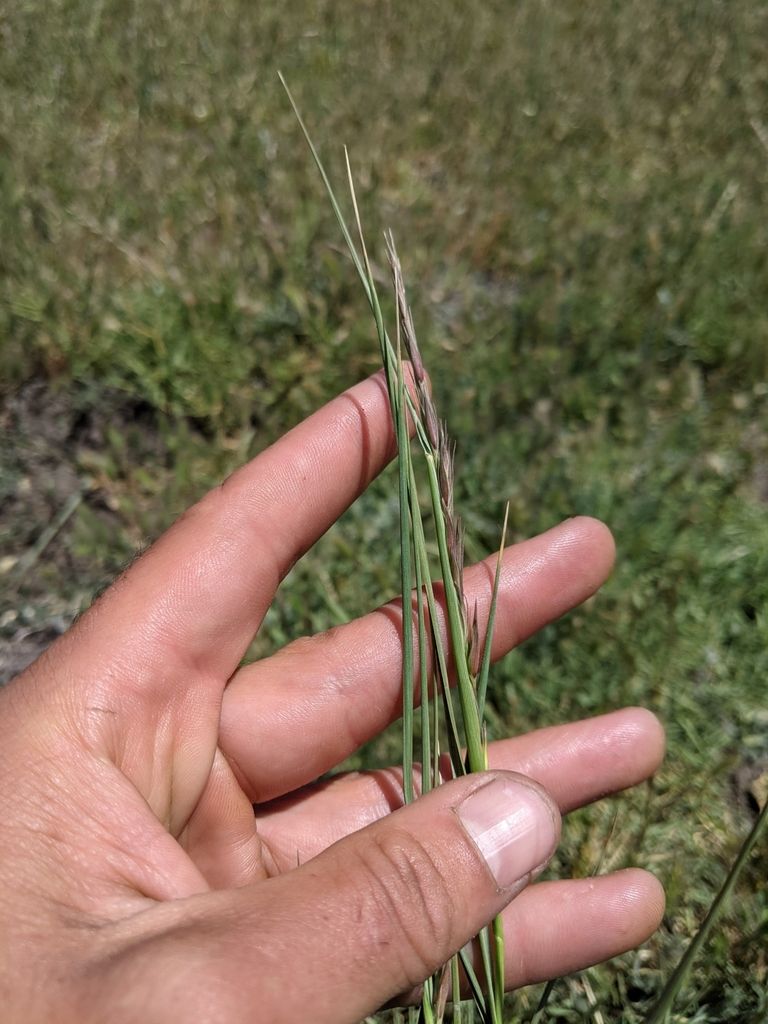
The vegetation is mainly chaparral and oak woodlands, with grasslands at lower elevations and patches of pine at higher elevations, including coastal sage scrub in the south.

Wildlife profile

The ecoregion is home to species such as mule deer, gray fox, cougar, coyote, bobcat, various birds including the turkey vulture and brown pelican, and reptiles like the western species of rattlesnake and western fence lizard.

Why pollinators matter here

  • Pollinators support native plant reproduction and healthy food webs.
  • Dry summers can reduce available nectar/pollen unless gardens include late-blooming natives.
  • Diverse habitats mean many different pollinator niches—gardens can help connect them.
  • Pesticide exposure and habitat fragmentation can reduce pollinator survival in developed areas.

Seasonal timing

Planting seasons

Timing varies by microclimate; use this as a flexible guide.

Seasonal timing

  • Fall to winter: Often a good window for planting natives so roots establish during cooler, wetter months (where winter moisture is reliable).
  • Late winter to spring: Great for adding flowering perennials and topping up gaps once you see what’s emerging.
  • Summer: Planting can work with careful watering and shade protection, but it’s typically more maintenance.

Quick seasonal checklist

  • Choose 3–5 native species with staggered bloom times.
  • Plant in clusters (same plant together) to make flowers easy to find.
  • Add mulch thoughtfully (leave some bare soil for ground-nesting bees).
  • Set up a simple watering plan for the first year (especially for summer starts).

Yearly needs

Pollinator calendar

What pollinators need throughout the year, and what to do about it.

Late winter / early springEarly nectar and pollen; safe nesting sitesPrioritize early-blooming natives; leave some bare, well-drained soil; delay heavy cleanup so overwintering insects aren’t disturbed
SpringLots of blooms; water sources; nesting materialsAdd a “spring peak” of flowers in clusters; provide a shallow water dish with stones; keep some stems/brush for habitat
SummerDrought-season nectar; shade/shelter; pesticide-free spacesPlant or maintain summer bloomers; water young plants deeply but less often; avoid all insecticides (especially systemics)
Late summer / fall“Bridge” blooms before winter; seed/fruit resources; shelterAdd late-blooming natives; let some plants go to seed; leave leaf litter in corners for shelter
Winter (cool/wet season)Overwintering shelter; minimal disturbanceKeep habitat “messy” in a few areas; avoid cutting everything back; plan next season’s bloom sequence

Keystone plants

Keystone plants by season

Mix early, mid, and late bloomers so pollinators always find food.

Early Bloom

  • California poppy
  • Manzanita
  • Ceanothus (California lilac)
  • Redbud
  • Golden currant

Mid-Season Bloom

  • Yarrow
  • California buckwheat
  • Blue-eyed grass
  • Douglas iris
  • Coyote mint

Late-Season Bloom

  • Narrowleaf milkweed
  • Coyote brush
  • Goldenrod
  • California fuchsia

Seed mix concept

A Billion Small Steps Seed mix

A simple way to plan a pollinator patch is to think in three layers that cover the long dry season:

Spring starter

Spring starter: early bloomers that build pollinator populations after winter.

Summer bridge

Summer bridge: drought-tough plants that keep nectar/pollen available when many landscapes go dry.

Fall finisher

Fall finisher: late bloomers that provide critical food before winter and help pollinators store energy.

What You Can Do

Make a difference for native habitats.

Turn this knowledge into action. Whether you plant a single pot or a whole garden, you are building a vital bridge for local biodiversity.

Join the movement to restore our shared habitats.

Native plants

Plants that thrive in this region

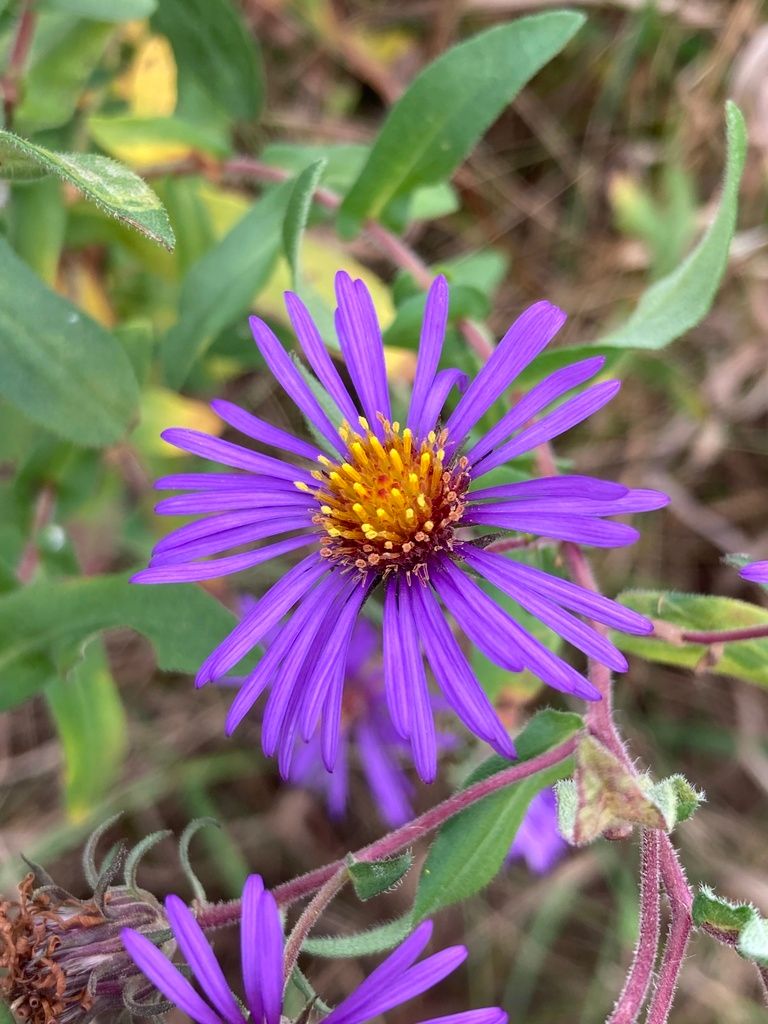
Asters (*Symphyotrichum* spp.)

Asters

Asters are late-season wildflowers that bring a burst of daisy-like blooms when many gardens are winding down, making them a reliable choice for pollinator-friendly planting.

View plant profile
Baccharis (*Baccharis* spp.)

Baccharis

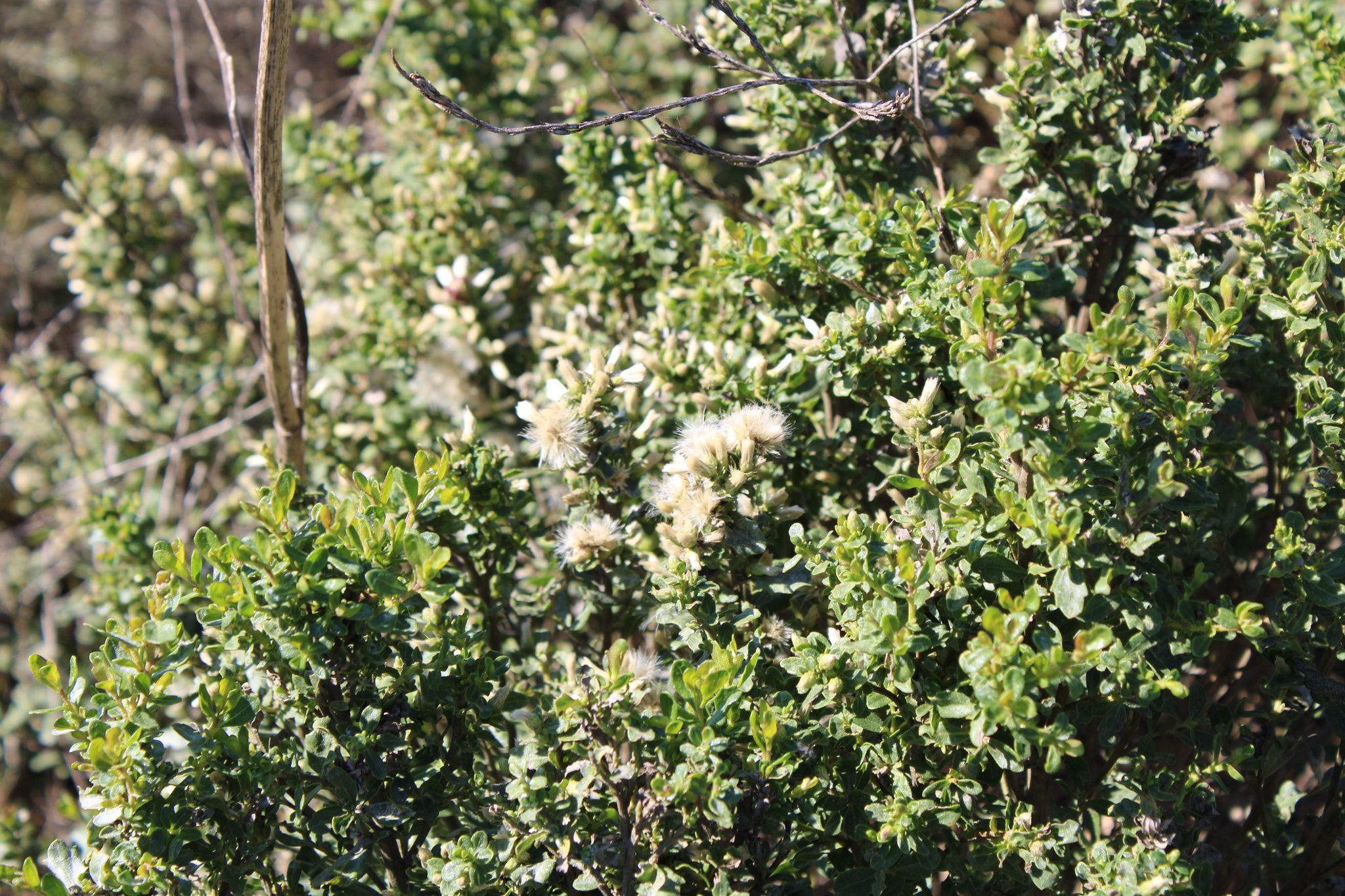
Baccharis is a genus of tough, wildlife-friendly shrubs often used to add structure and long-season nectar to gardens and restoration plantings. If you have a sunny spot and want a low-fuss shrub that can support pollinators, Baccharis is worth a look.

View plant profile
California lilac (*Ceanothus* spp.)

California lilac

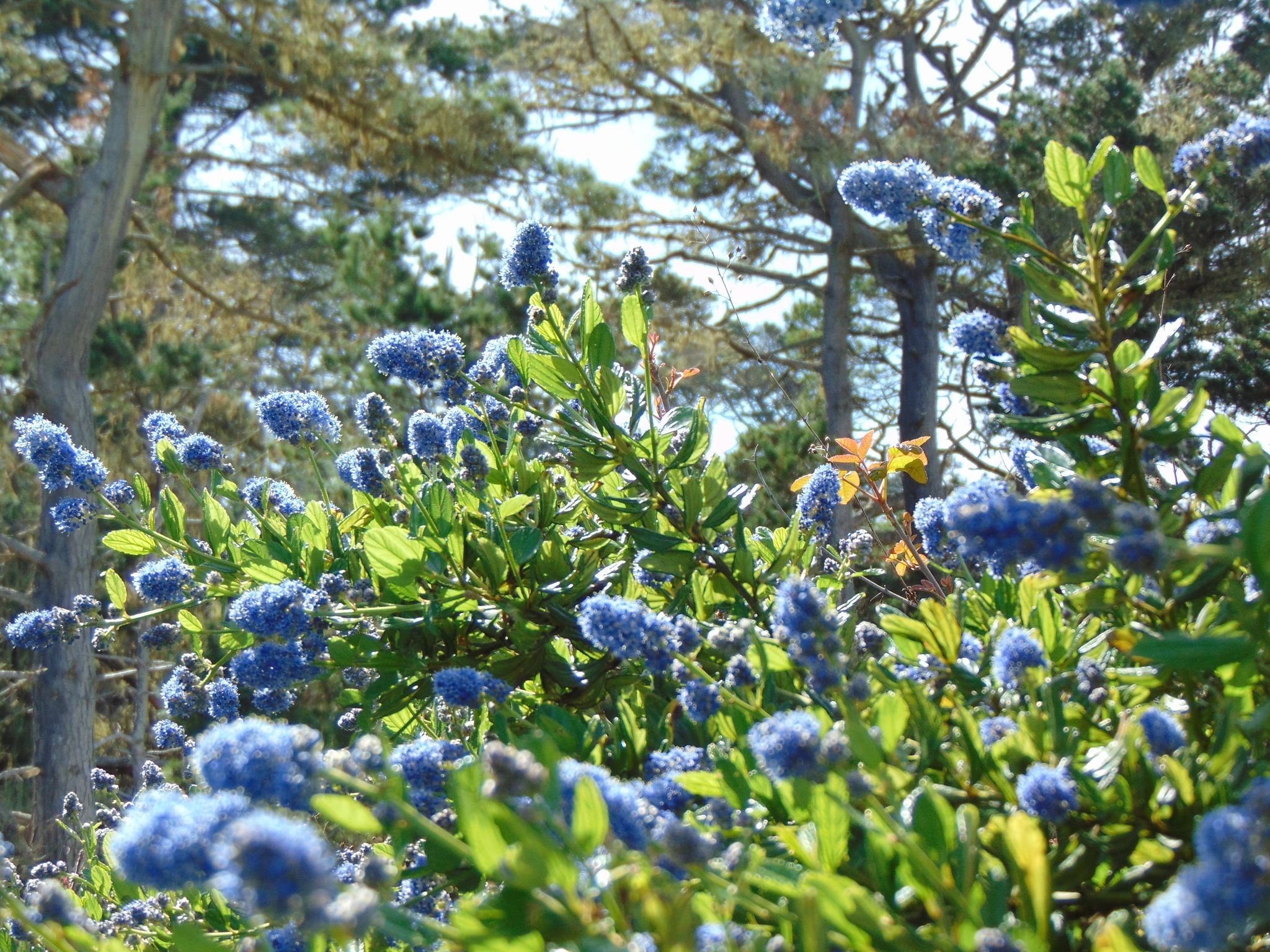
California lilac (Ceanothus) is a flowering shrub known for clouds of blue blooms that can be a big draw for pollinators when it’s planted in the right spot.

View plant profile
F_wildflowers-annuals-biennials-clarkias.jpg

Clarkias

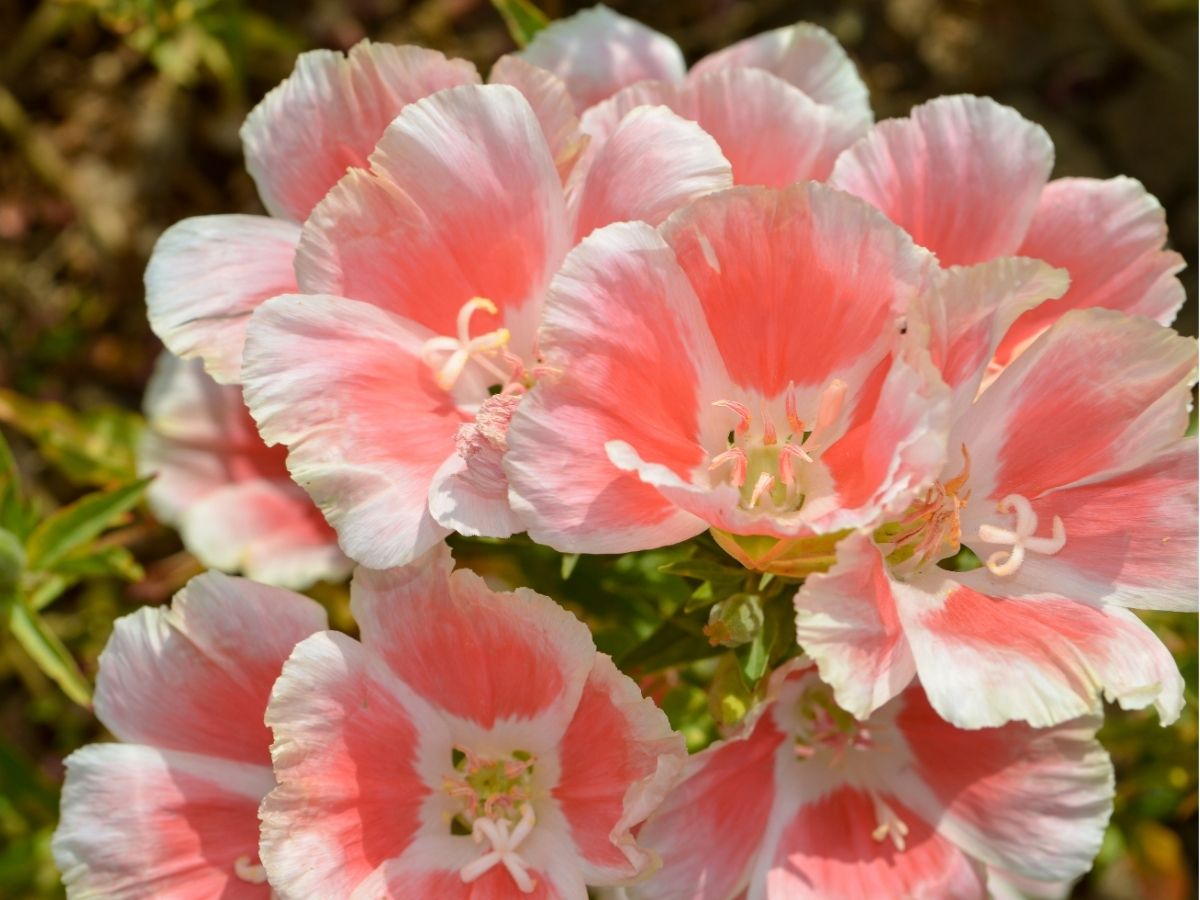
Clarkias are cheerful, easy-to-grow wildflowers in the genus Clarkia, known for silky, colorful blooms that can brighten beds, borders, and containers while offering nectar and pollen for visiting insects.

View plant profile
Goldenrods (*Solidago* spp.)

Goldenrods

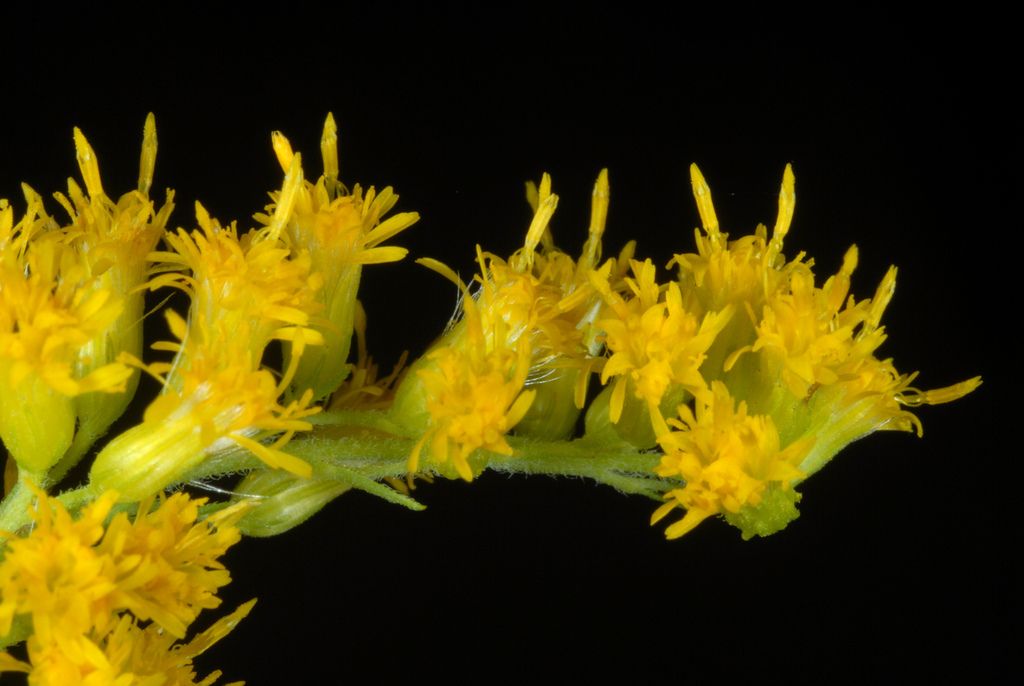
Goldenrods are tough, sunny wildflowers in the genus Solidago that light up late-season gardens with golden blooms and provide reliable nectar and pollen when many other flowers are fading.

View plant profile
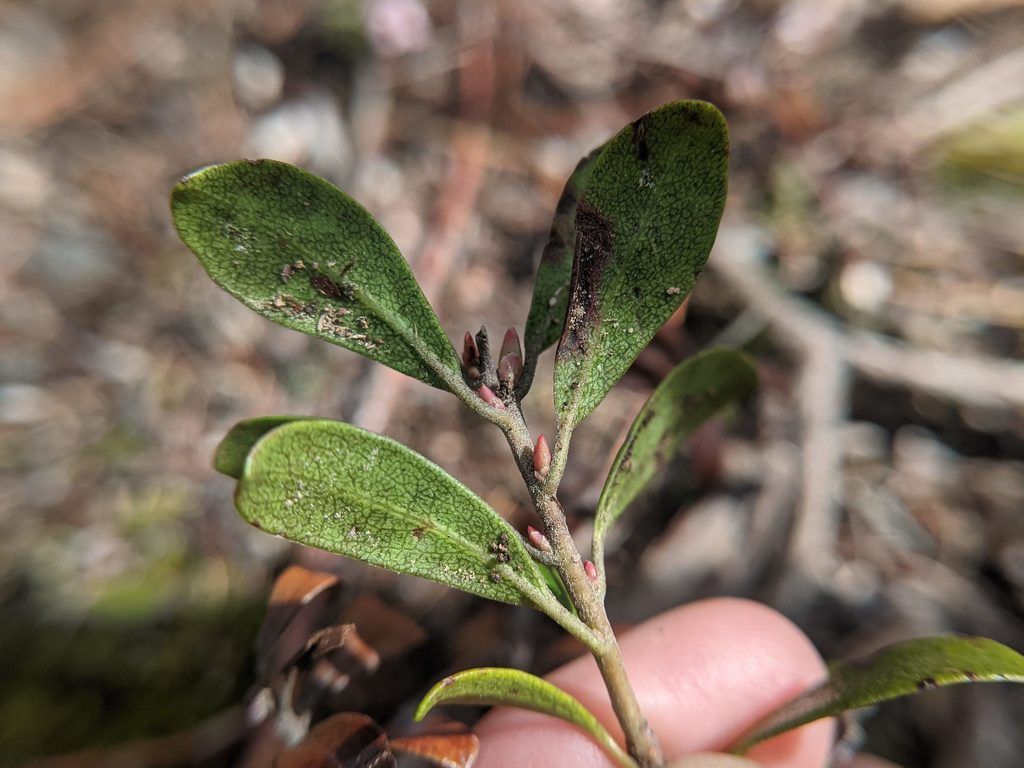
Manzanitas (West) (Arctostaphylos spp.)

Manzanitas

Manzanitas are tough, beautiful western shrubs with urn-shaped flowers that can feed early-season pollinators and evergreen leaves that keep gardens looking good year-round.

View plant profile
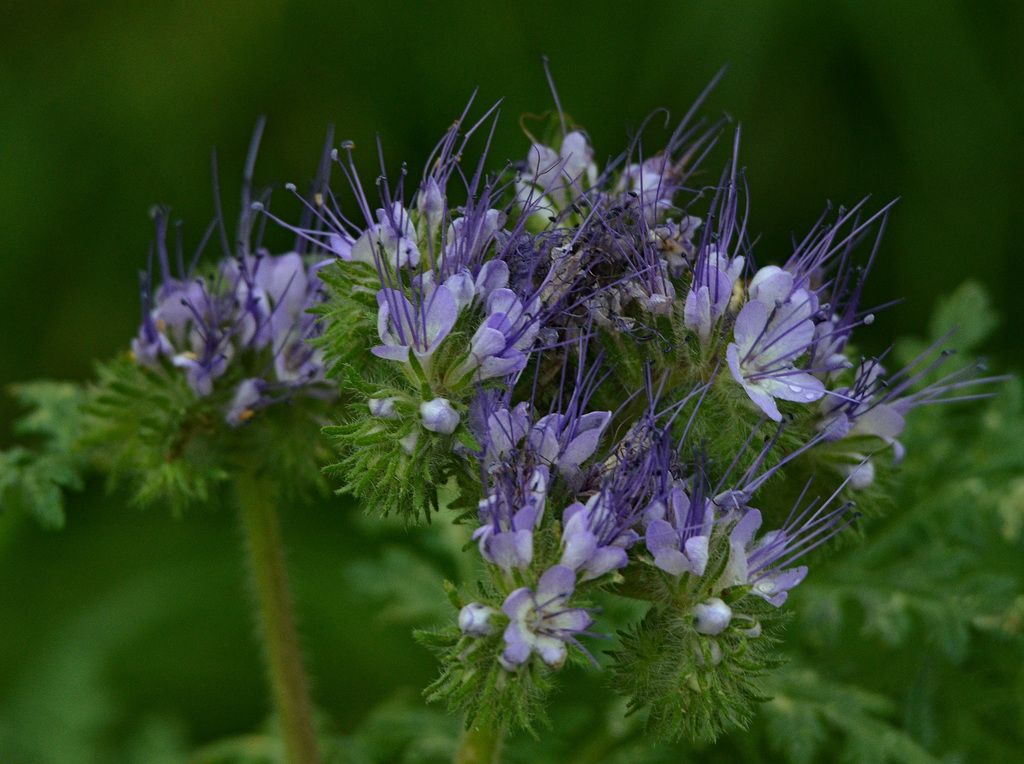
Phacelias (*Phacelia* spp.)

Phacelias

Phacelias are easygoing wildflowers in the genus Phacelia, known for their nectar-rich blooms that can bring lots of pollinator activity to gardens, schoolyards, and even containers.

View plant profile
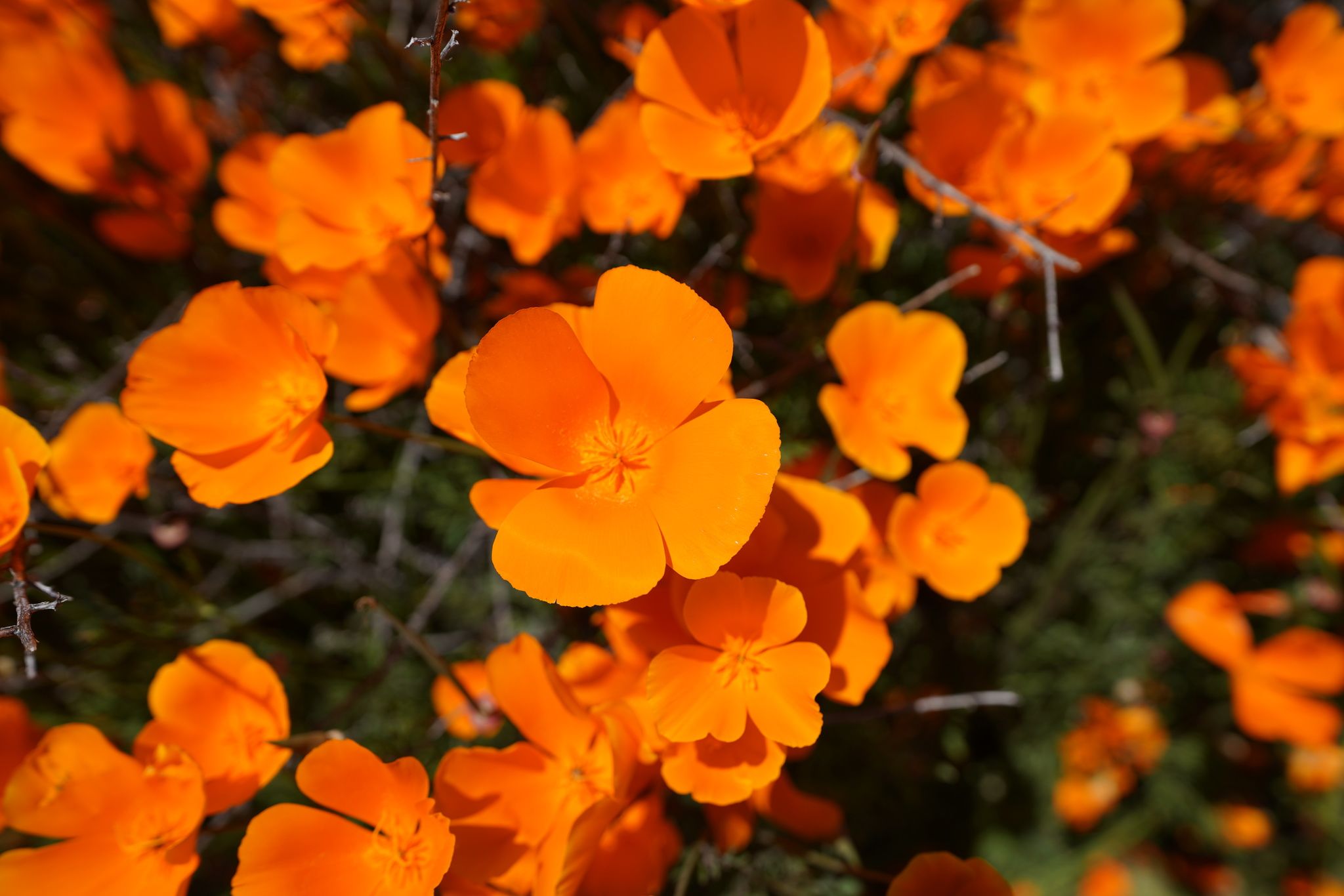
Poppies (*Eschscholzia* spp.)

Poppies

Bright, cup-shaped poppy flowers from the genus Eschscholzia that thrive in sunny spots and can add easy, pollinator-friendly color to gardens, pots, and schoolyards.

View plant profile
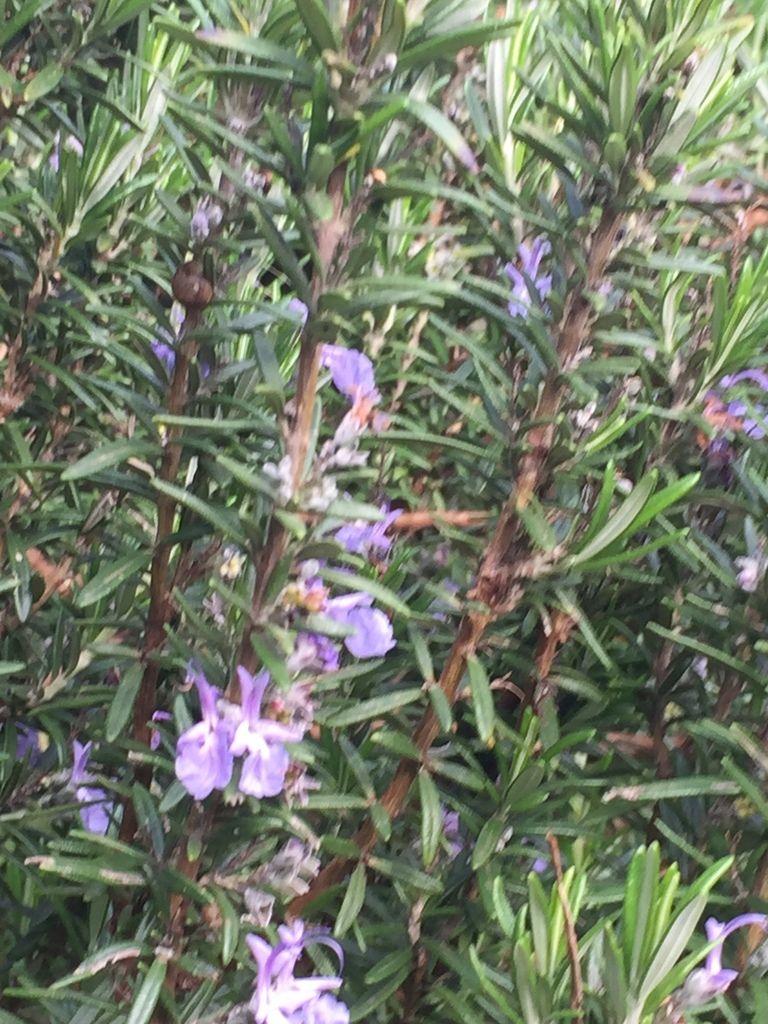
Sages (*Salvia* spp.)

Sages

Sages (genus Salvia) are aromatic, nectar-rich plants that can add long-lasting color and steady pollinator activity to gardens, balconies, and schoolyards.

View plant profile
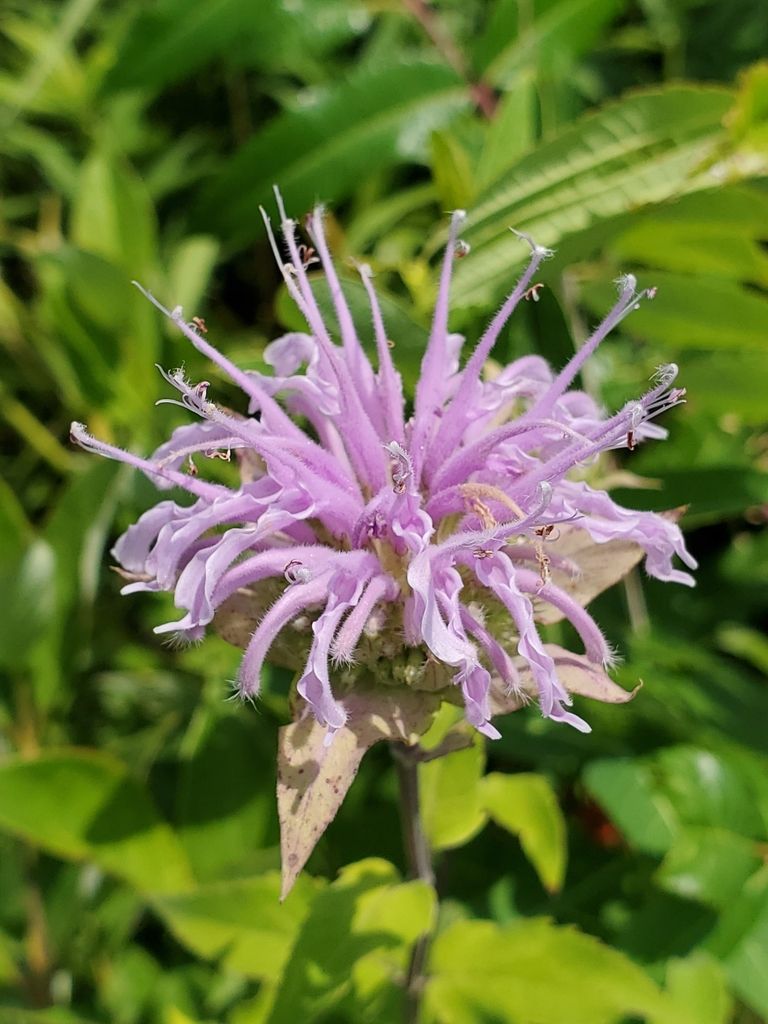
Wild bergamot & bee balms (*Monarda* spp.)

Wild bergamot & bee balms

Wild bergamot and other bee balms (the genus Monarda) are easygoing native wildflowers known for their shaggy, pom‑pom blooms that draw in lots of pollinators. They’re a great choice when you want long-lasting summer color and a plant that feels lively with buzzing visitors.

View plant profile
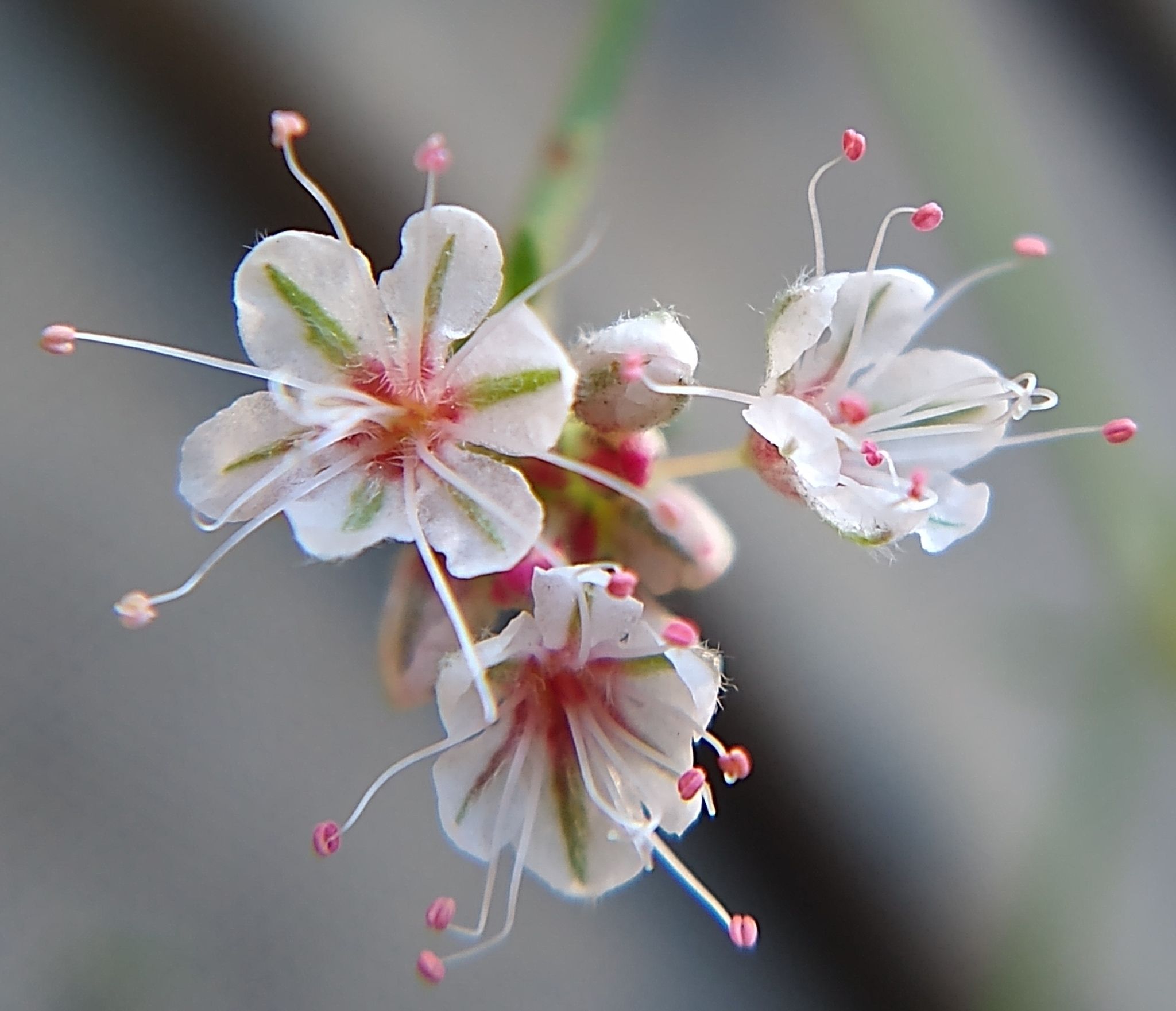
Wild buckwheats (*Eriogonum* (genus))

Wild buckwheats

Wild buckwheats (genus Eriogonum) are tough, long-blooming western native wildflowers that can turn dry, sunny spots into reliable pollinator stops.

View plant profile

Pollinators

Pollinators active in this region

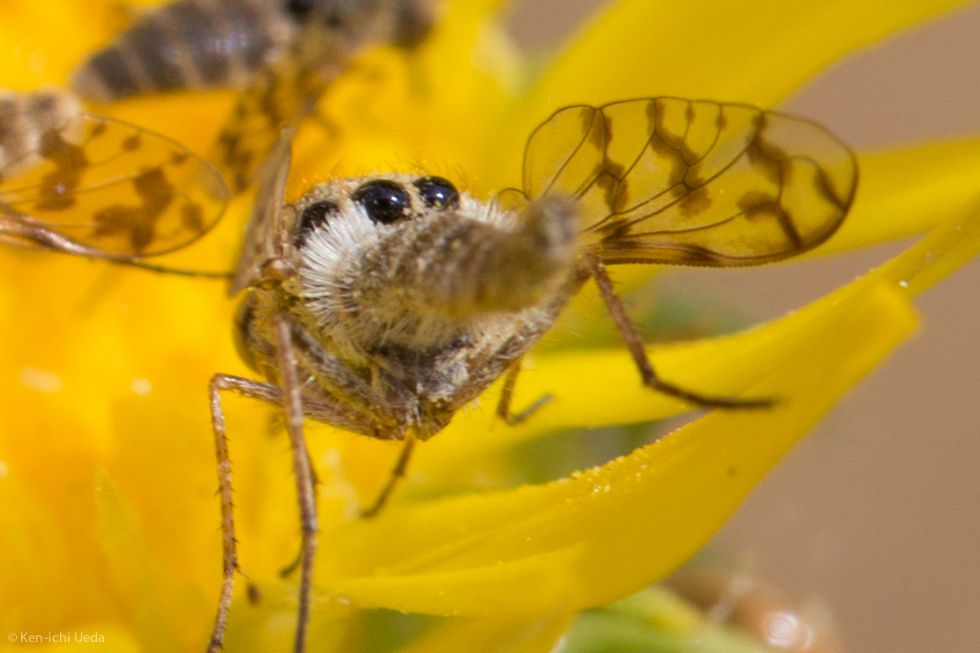
Bee flies (Family Bombyliidae)

Bee flies

Adults visit flowers for nectar and can move pollen between blooms; their presence is a sign of diverse, functioning habitats.

View pollinator profile
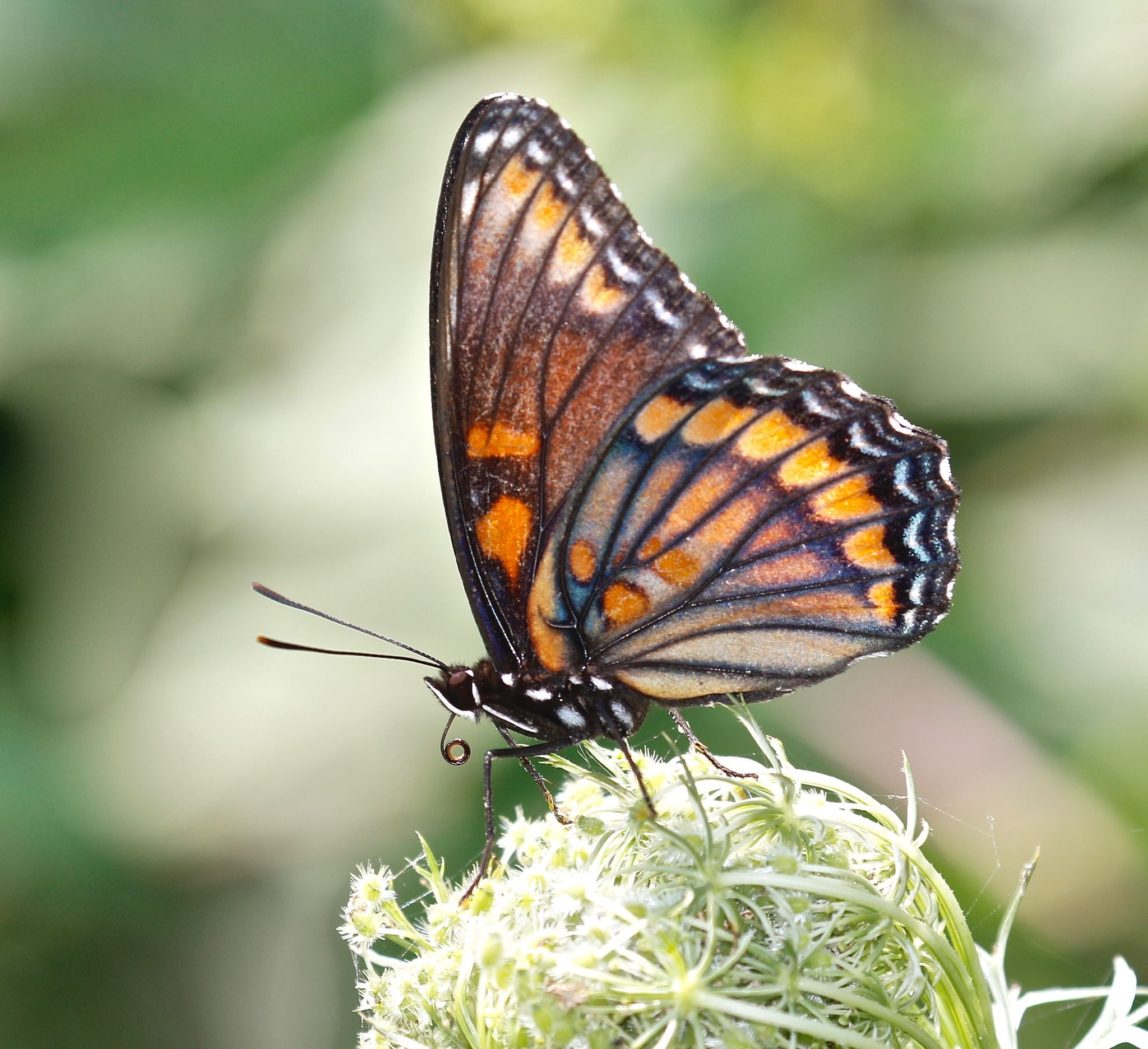
Brushfoots (Family Nymphalidae)

Brushfoots

Many brushfoots move pollen between flowers as they feed, and their caterpillars are part of healthy food webs.

View pollinator profile
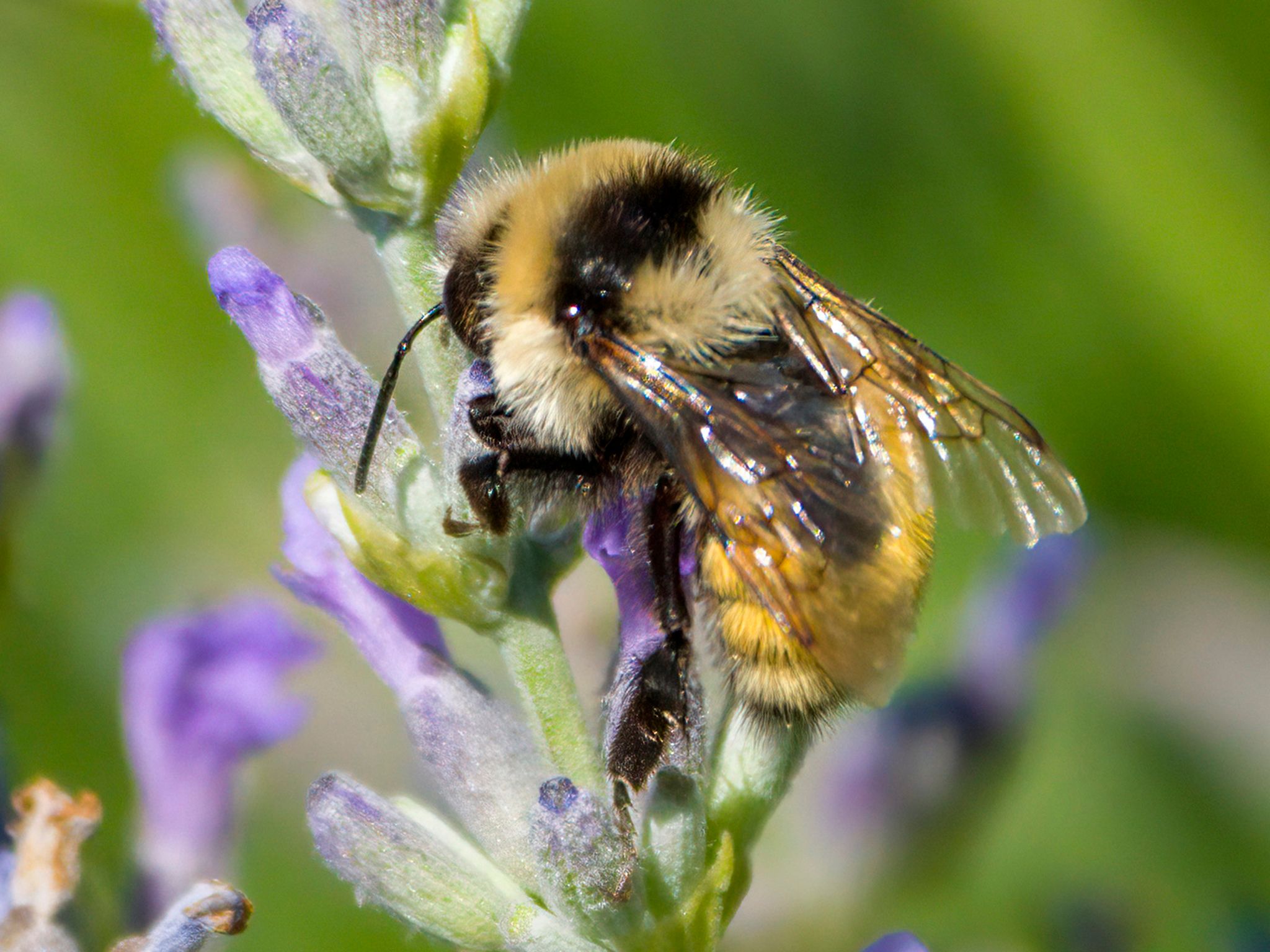
Bumble bees (Genus Bombus)

Bumble bees

Bumble bees are important pollinators of many wildflowers and garden plants, helping ecosystems and food crops reproduce.

View pollinator profile
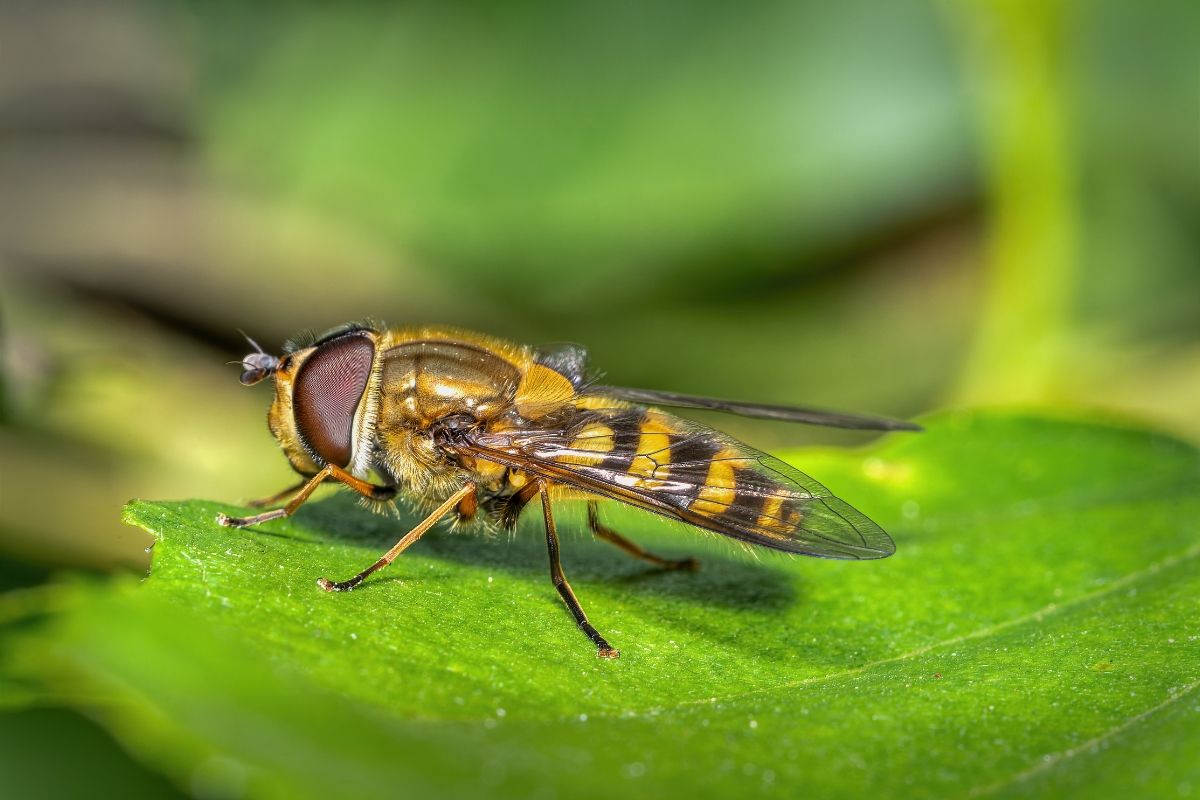
F_hoverfly-01.jpg

Flower flies / hoverflies

Adults visit flowers for nectar and pollen, and many species’ larvae help keep plant-eating pests in check.

View pollinator profile
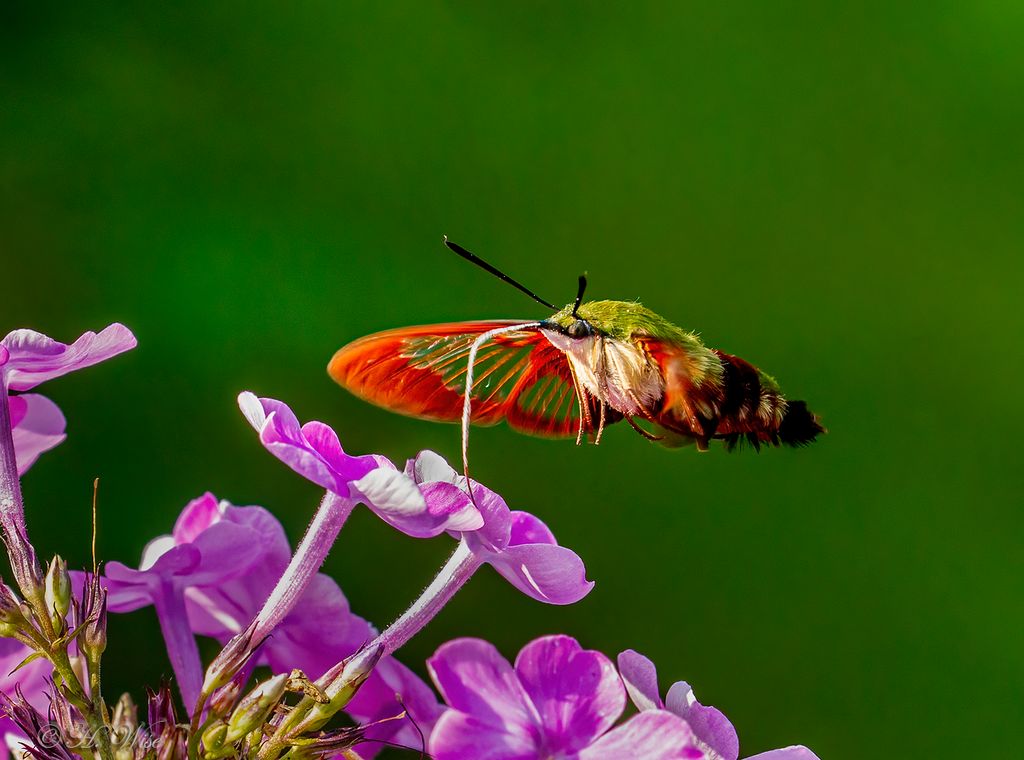
Hawk / sphinx moths (Family Sphingidae)

Hawk / sphinx moths

They can move pollen between flowers while feeding on nectar, especially for blooms that open or scent up in the evening.

View pollinator profile
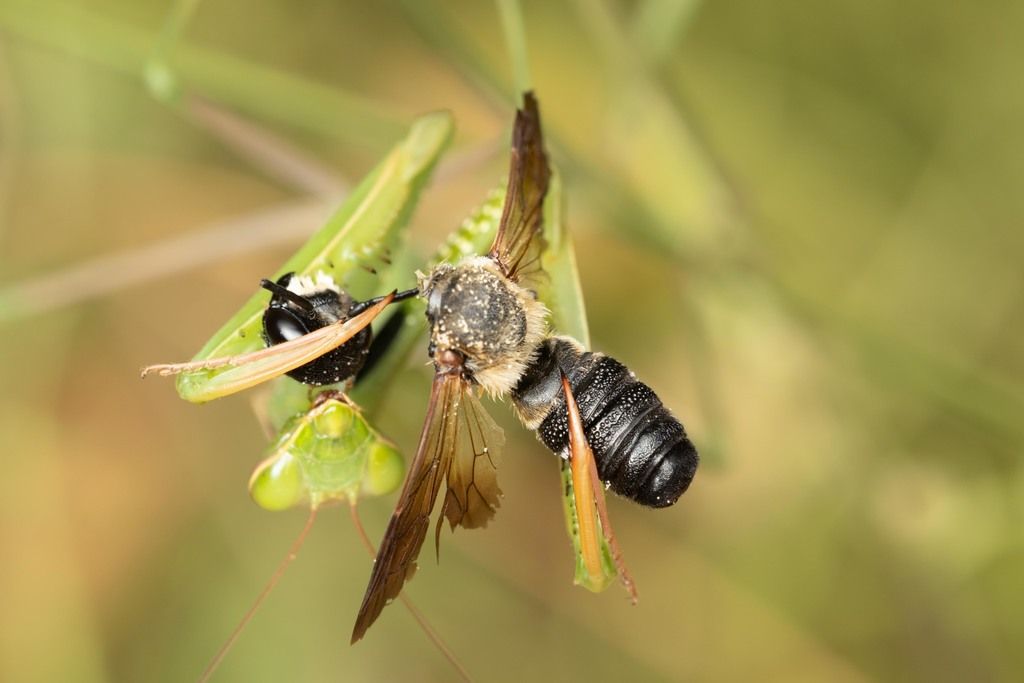
Leafcutter bees (Genus Megachile)

Leafcutter bees

They move pollen between flowers while foraging, helping many wild plants and garden plants set seed and fruit.

View pollinator profile
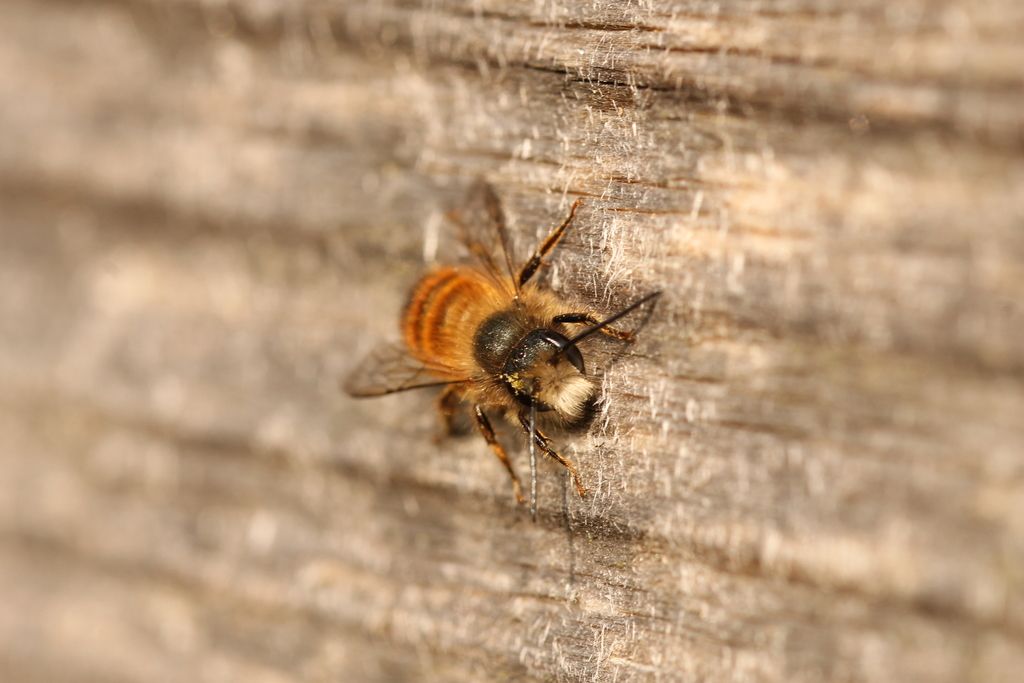
Mason bees (Genus Osmia)

Mason bees

They move pollen between flowers while foraging, helping many wild plants and garden crops set seed and fruit.

View pollinator profile
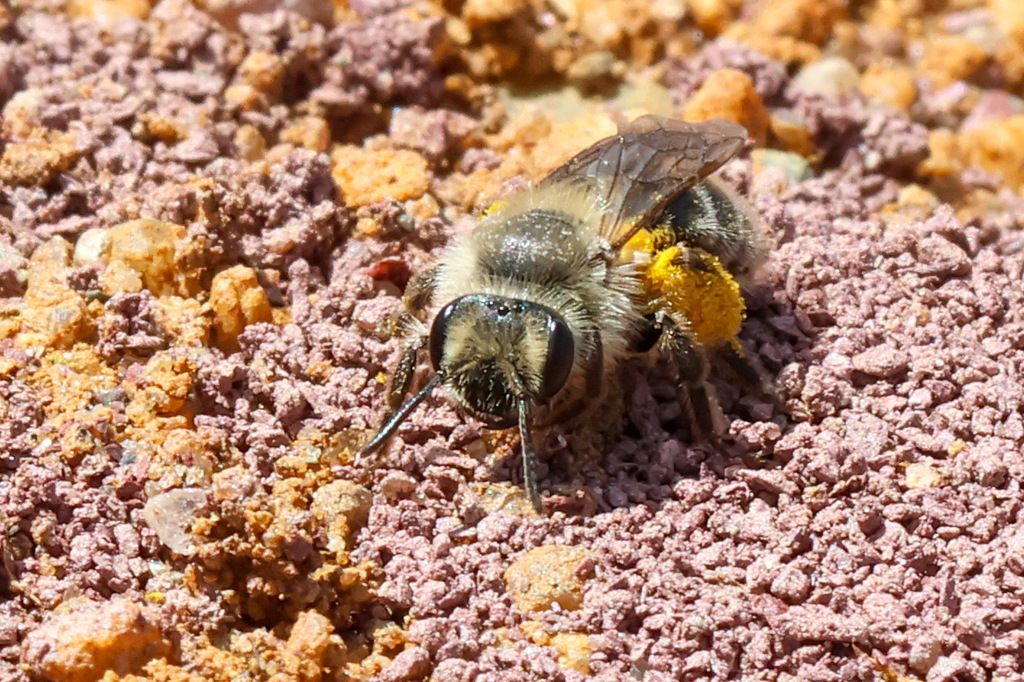
Mining bees (Genus Andrena)

Mining bees

They move pollen between flowers while foraging, helping many wild plants and garden plants set seed and fruit.

View pollinator profile
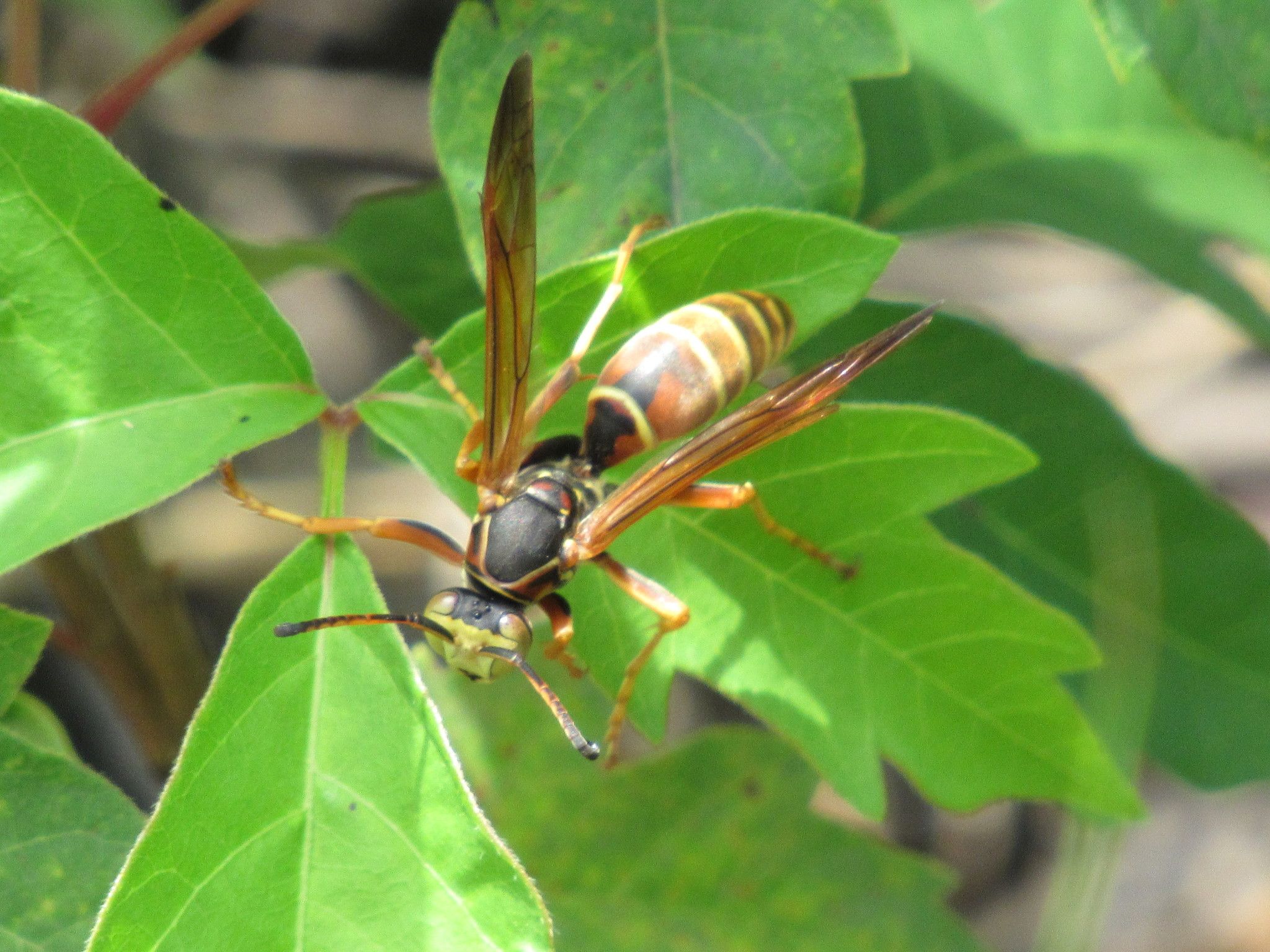
Paper wasps (Genus Polistes)

Paper wasps

They can move pollen while drinking nectar, and they also help control many plant-eating insects.

View pollinator profile
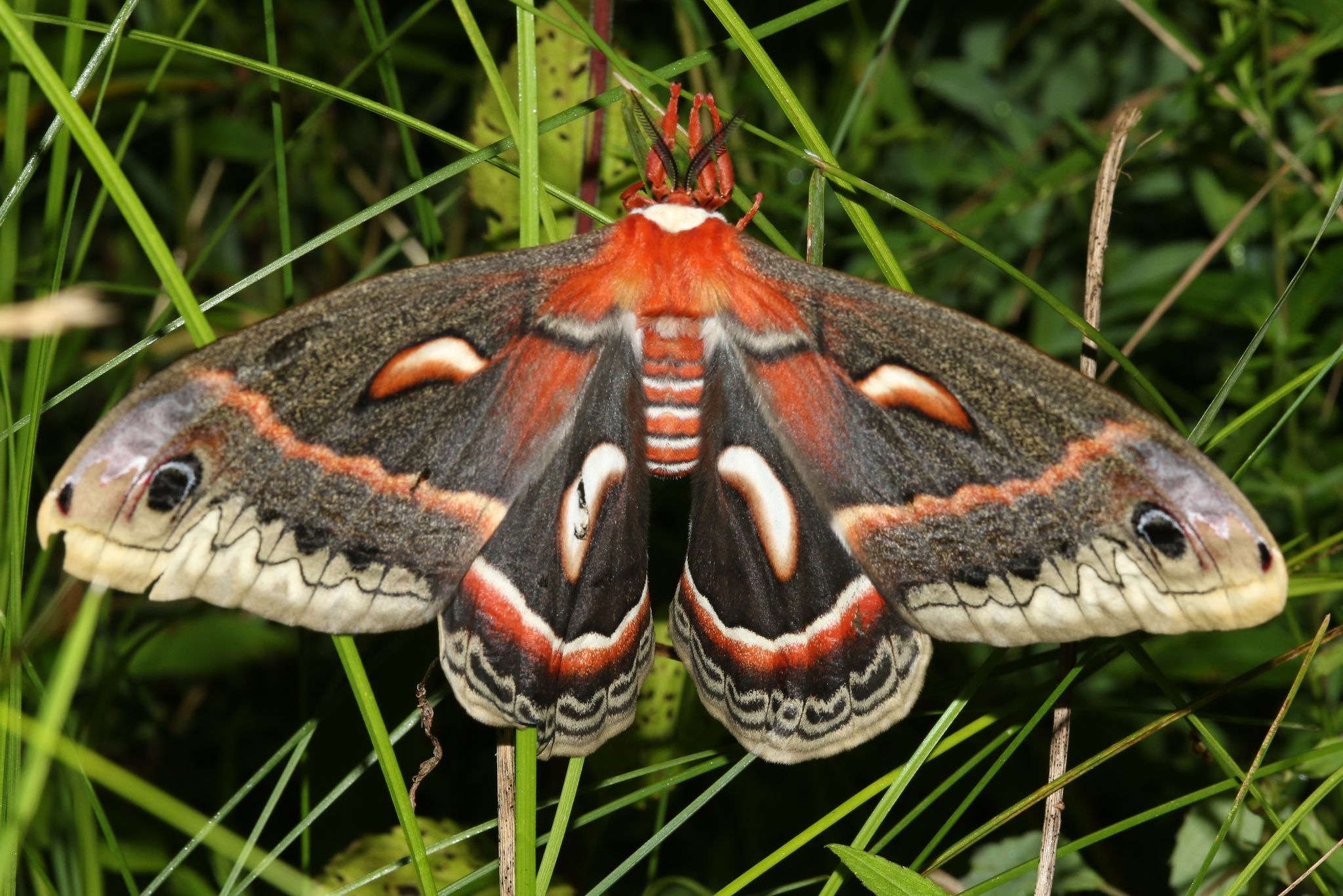
Silkmoths (giant moths) (Family Saturniidae)

Silkmoths (giant moths)

They’re part of healthy food webs and plant communities, and their caterpillars depend on a wide range of native trees and shrubs.

View pollinator profile
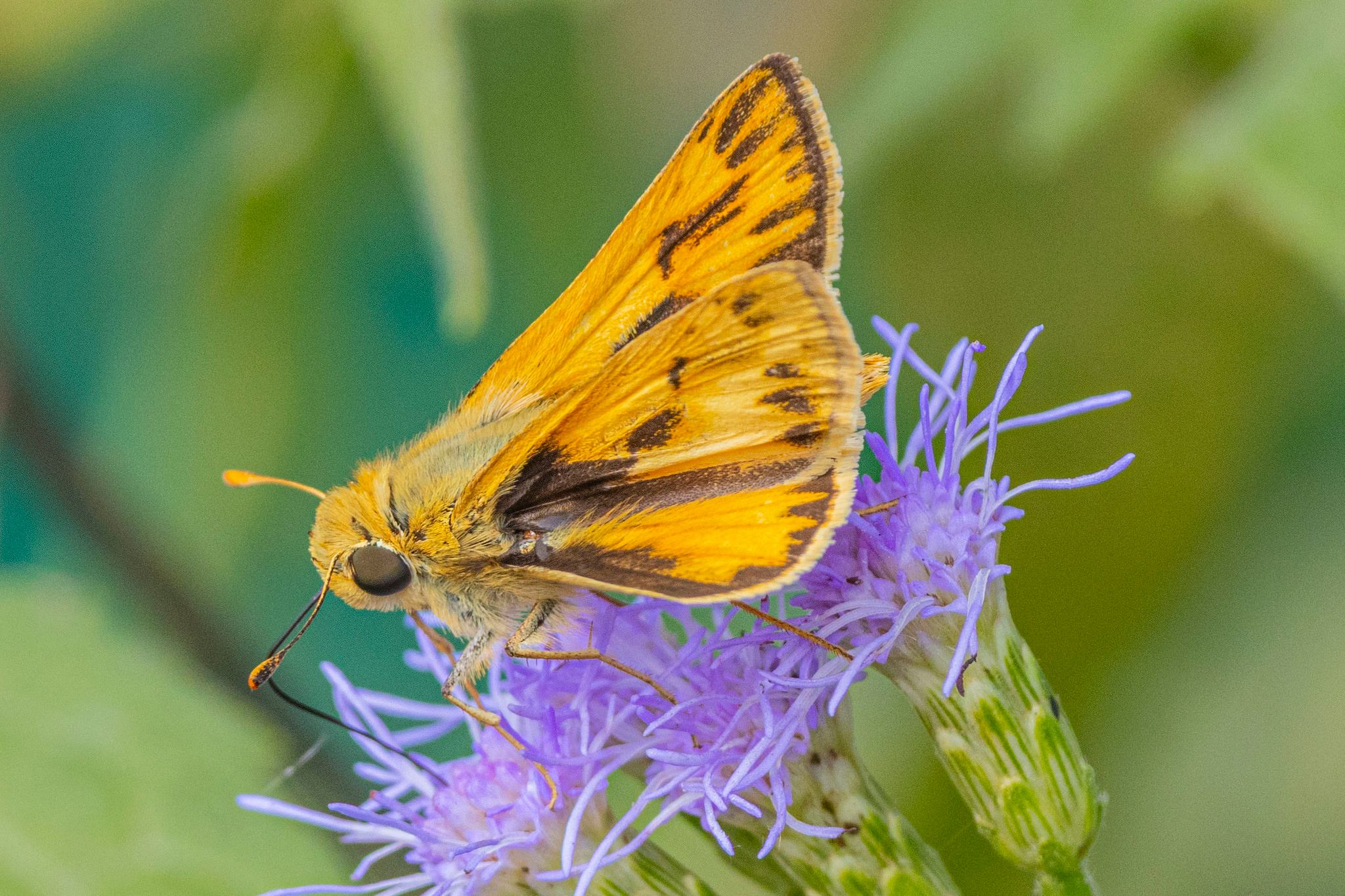
Skippers (Family Hesperiidae)

Skippers

Skippers visit many flowers for nectar and can help move pollen between blooms while they feed.

View pollinator profile
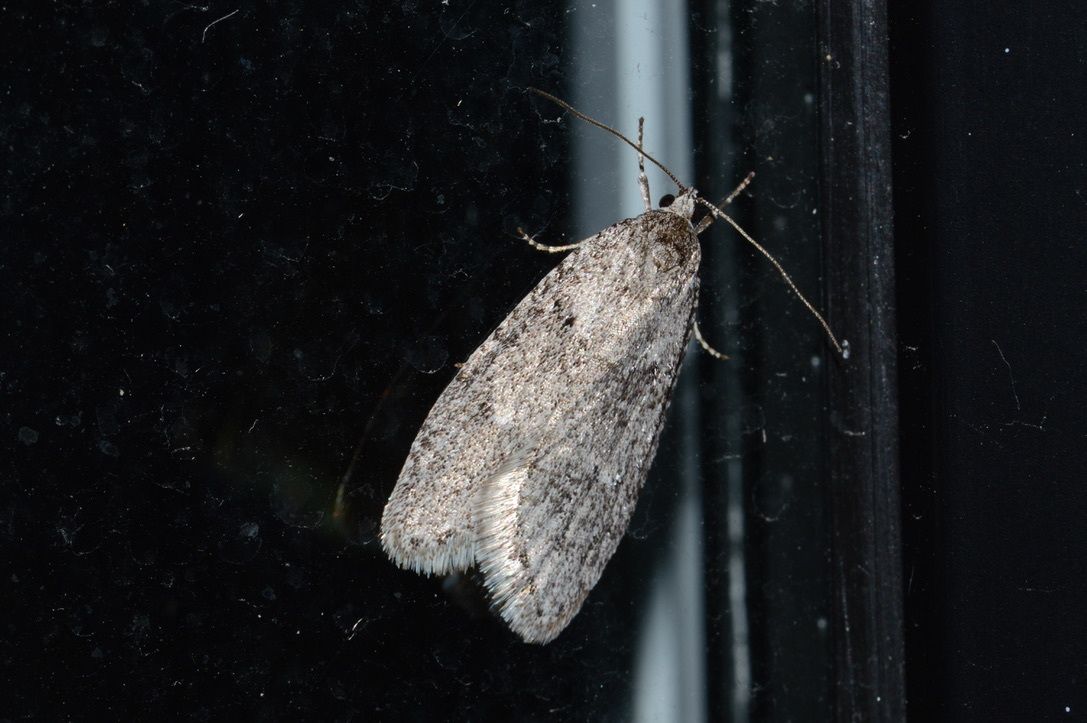
Small nectar moths (micro-moths) (Multiple families (varies))

Small nectar moths (micro-moths)

Many small moths move pollen while feeding on nectar, supporting wild plants and garden blooms—especially in the evening and at night.

View pollinator profile
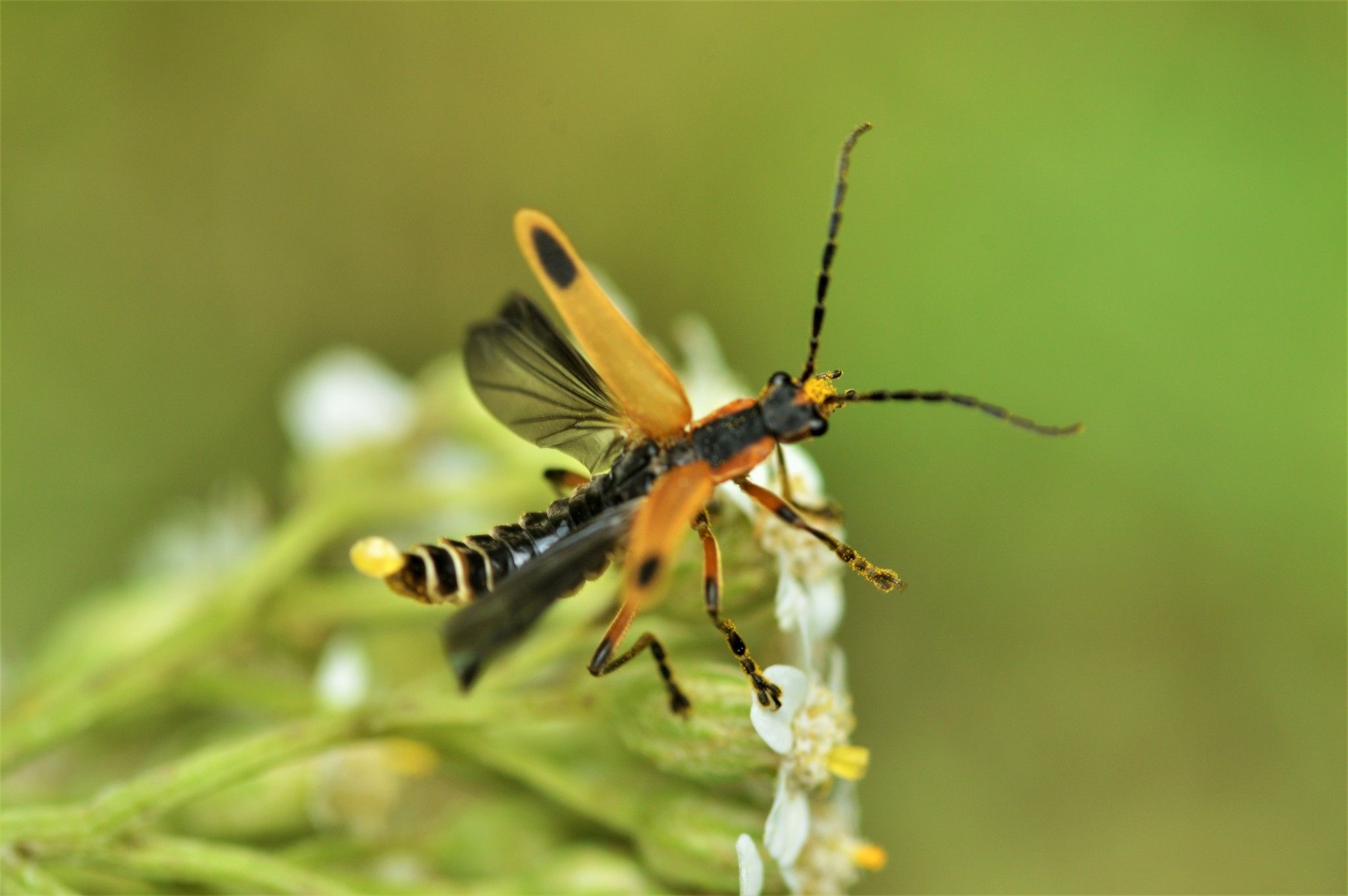
Soldier beetles (Family Cantharidae)

Soldier beetles

Many adults visit flowers and can move pollen between blooms, while also helping control some garden pests.

View pollinator profile
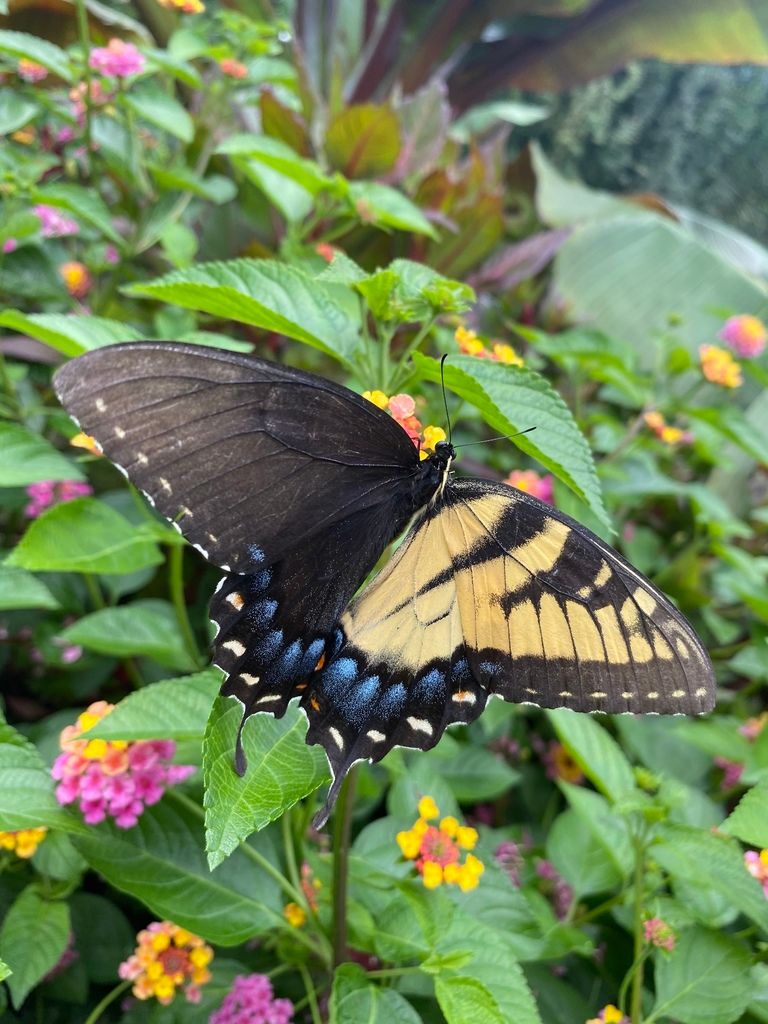
Swallowtails (Family Papilionidae)

Swallowtails

Adult swallowtails visit many flowers for nectar and can help move pollen between blooms as they feed.

View pollinator profile
Sweat bees (Family Halictidae)

Sweat bees

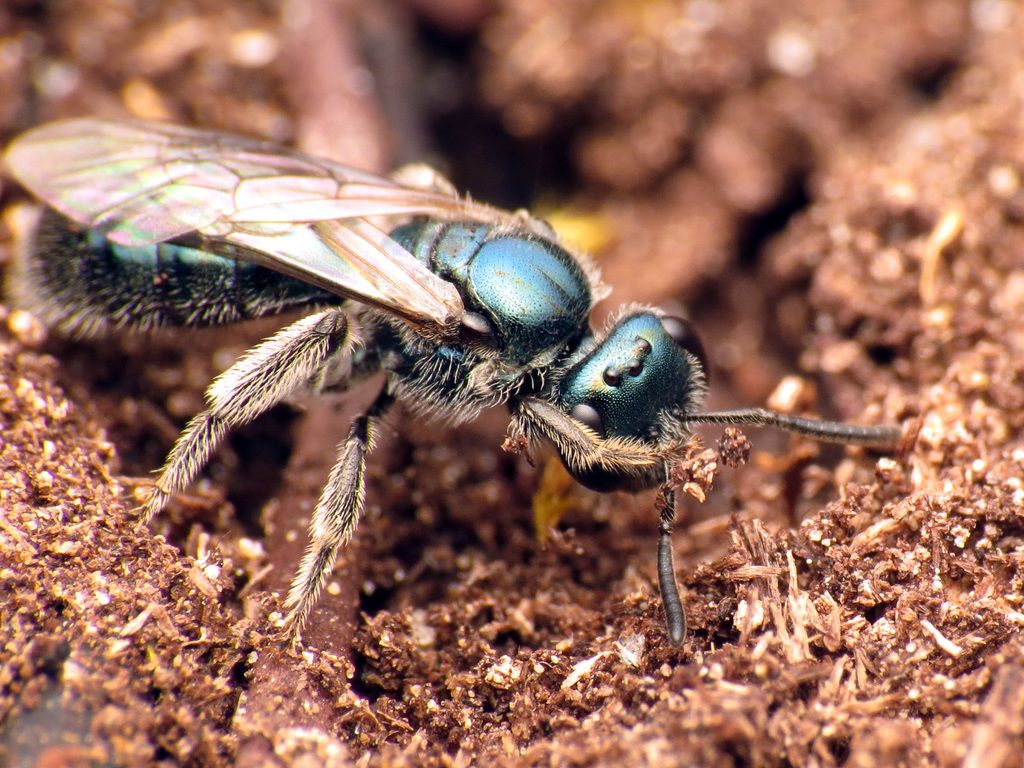
They help move pollen between flowers in gardens, parks, and natural areas, supporting seed and fruit production.

View pollinator profile
Whites & sulphurs (Family Pieridae)

Whites & sulphurs

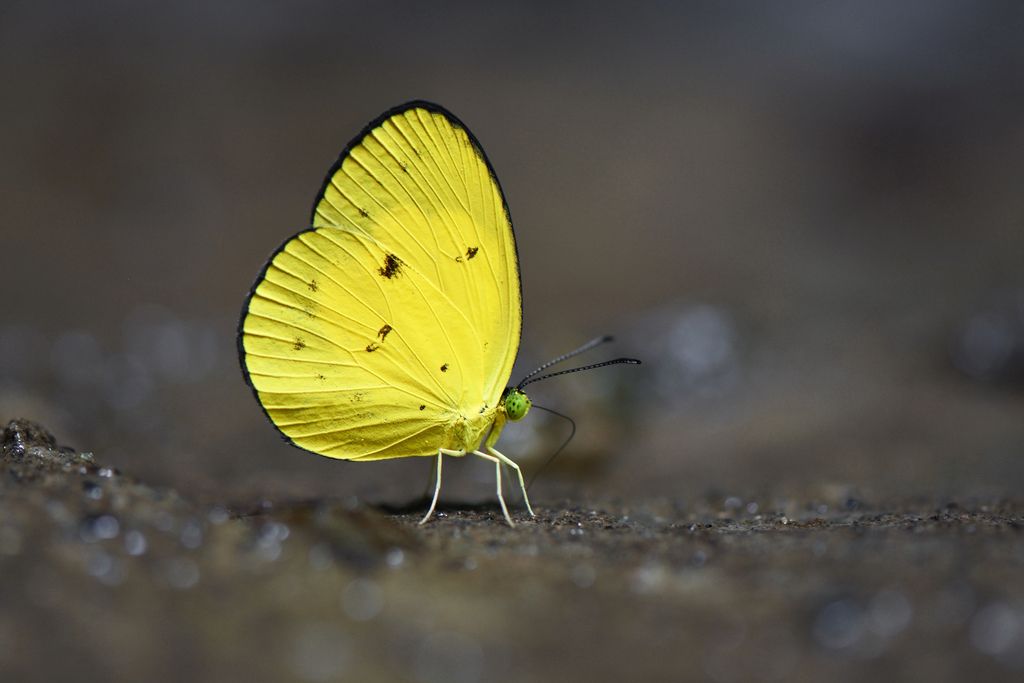
They visit a wide range of flowers for nectar and can help move pollen between blooms as they feed.

View pollinator profile