Skip to content
California Central Valley
Region profile

California Central Valley

Central California Valley is a nonagricultural region that is hilly or mountainous, forest or shrub-covered, and has a mild, mid-latitude, Mediterranean climate bordering on a mid-latitude desert climate in the south.

Zone

Coastal

Common Name

California Central Valley

CEC Level III Code

11.1.2

CEC Level II Code

11.1 Mediterranean California

Overview

About This Region

California Central Valley is a highly agricultural region, famous for producing over half of the fruits, vegetables, and nuts grown in the US, making it vital for pollinators. Its Mediterranean climate—mild winters and significant day-night temperature differentials—is ideal for a variety of crops, including wine grapes and olives. This intensive agricultural use means pollinators are essential for crop yield, but they also face challenges from habitat loss and potential pesticide exposure, despite the region’s productive environment.

Region facts

At a glance

AliasesCalifornia Central Valley, Central California Valley, Central Valley, Sacramento Valley, San Joaquin Valley, CEC 11.1.2
Geographic Range
The Central California Valley is an elongated basin in the central part of California, covering approximately 45,983 km², differing from adjacent hilly or mountainous, forested ecoregions.
Climate SnapshotThe Central California Valley has a mild, mid-latitude Mediterranean climate, characterized by long, hot, dry summers and mild, slightly wet winters.
Terrain ProfileThe terrain primarily consists of flat fluvial plains and terraces with some low or rolling hills, and elevations generally range from sea level to about 210 meters above sea level.
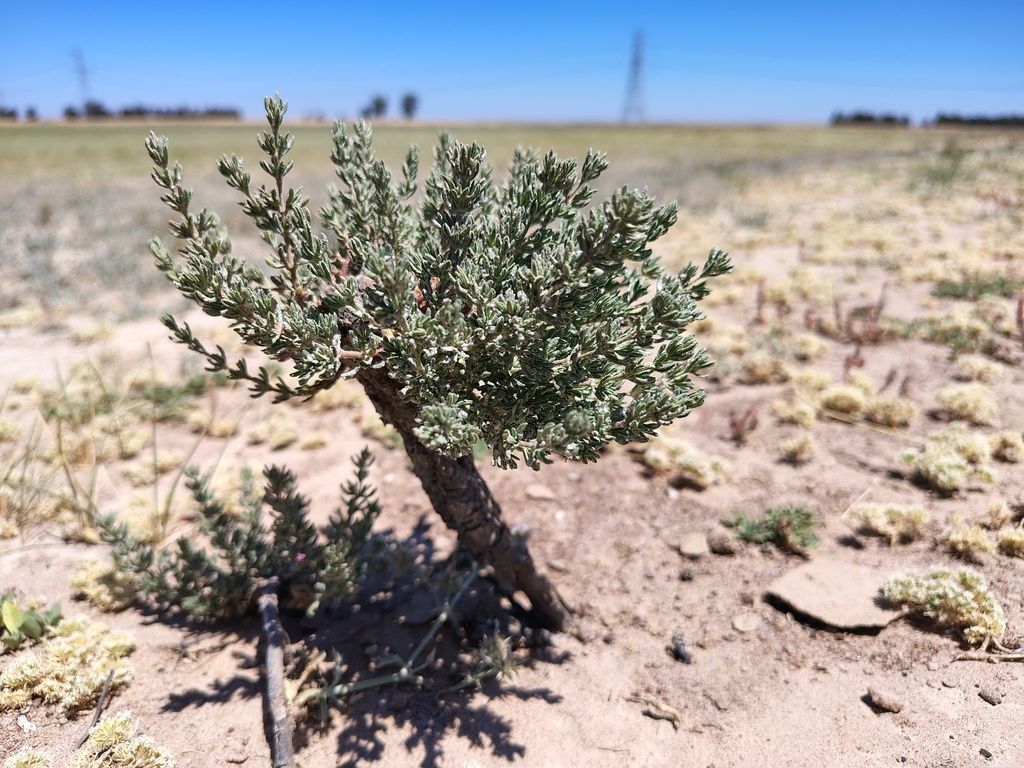
Vegetation CoverThe region, once characterized by extensive grasslands and prairies, has been greatly altered, now consisting primarily of agricultural land with remnants of valley oak savanna, riparian woods of oak, willow, and sycamore, and localized occurrences of tule marsh and saltbush communities.
Wildlife HabitatThe valley's wildlife includes species such as pronghorn, Tule elk, coyote, and the San Joaquin Valley kit fox, along with various birds and aquatic life like chinook salmon and delta smelt.

Eco snapshot

What shapes this region

Climate pattern

  • Mediterranean-style pattern is common: wetter/cooler season and a long dry season.
  • Summer heat can be intense; wind and sun exposure can dry soils quickly.
  • Microclimate (small local weather differences) can shift what thrives—especially near rivers, in cities, or at the valley edges.
Vegetation profile

The region, once characterized by extensive grasslands and prairies, has been greatly altered, now consisting primarily of agricultural land with remnants of valley oak savanna, riparian woods of oak, willow, and sycamore, and localized occurrences of tule marsh and saltbush communities.

Wildlife profile

The valley’s wildlife includes species such as pronghorn, Tule elk, coyote, and the San Joaquin Valley kit fox, along with various birds and aquatic life like chinook salmon and delta smelt.

Why pollinators matter here

  • Pollinators support flowering plants that stabilize soils and feed wildlife.
  • Habitat can be fragmented, so small patches help connect the landscape.
  • Long dry periods can create “nectar gaps” when few plants are blooming.
  • Pesticide exposure risk can be higher near managed landscapes—pesticide-free refuges matter.

Seasonal timing

Planting seasons

Timing varies by microclimate; use this as a flexible guide.

Seasonal timing

  • Cooler/wetter season: Great for planting many natives, especially perennials and shrubs, so they can root in before summer.
  • Spring: Good for adding starts (young plants) and filling gaps; watch watering as temperatures rise.
  • Summer: Focus on keeping new plants alive; add heat-tough plants only if you can water them in.
  • Late summer/fall: Plan for late-blooming support; in many areas, this is when pollinators most need reliable flowers.

Quick seasonal checklist

  • Choose 3+ bloom windows (early, mid, late).
  • Plant in clusters (easier for pollinators to find).
  • Add a water plan for year one (even drought-tolerant natives need establishment care).
  • Leave a small “messy” area for nesting and shelter.

Yearly needs

Pollinator calendar

What pollinators need throughout the year, and what to do about it.

Late winter/early springEarly nectar/pollen; safe nesting spots starting upPlant early bloomers; leave some bare soil; avoid “spring cleanup” that removes shelter
SpringLots of flowers; continuous bloom; nesting materialsAdd a mix of native wildflowers + shrubs; plant in clumps; provide shallow water with a landing stone
SummerHeat/drought resilience; reliable nectar; shade/shelterPrioritize drought-tough natives; water new plants deeply but less often; include some afternoon shade or structure
Late summer/fall“Bridge” blooms when many landscapes go dry; energy for overwinteringPlant late bloomers; keep at least one area flowering into fall; avoid deadheading everything at once
Winter or Dry SeasonShelter; undisturbed nesting sites; minimal disturbanceLeave stems/leaves in place; keep mulch off some bare ground; plan next season’s plant additions

Seed mix concept

A Billion Small Steps Seed mix

A simple way to plan a seed mix (or a planting plan) for the Central Valley is to build it in three parts so something is blooming through the dry season:

Spring starter

Spring starter: fast, early flowers that kick off the year and feed emerging pollinators.

Summer bridge

Summer bridge: heat-tough bloomers that keep nectar available when it’s hot and dry.

Fall finisher

Fall finisher: late-season flowers (often shrubs or tough perennials) that carry pollinators into the cooler season.

What You Can Do

Make a difference for native habitats.

Turn this knowledge into action. Whether you plant a single pot or a whole garden, you are building a vital bridge for local biodiversity.

Join the movement to restore our shared habitats.

Native plants

Plants that thrive in this region

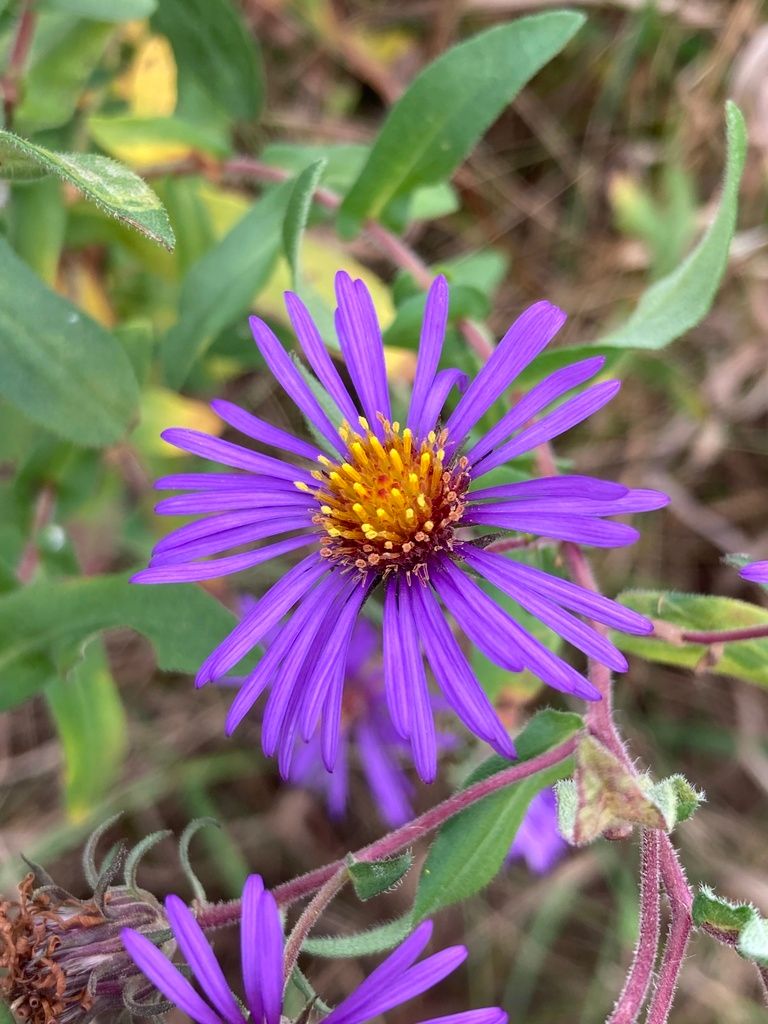
Asters (*Symphyotrichum* spp.)

Asters

Asters are late-season wildflowers that bring a burst of daisy-like blooms when many gardens are winding down, making them a reliable choice for pollinator-friendly planting.

View plant profile
Baccharis (*Baccharis* spp.)

Baccharis

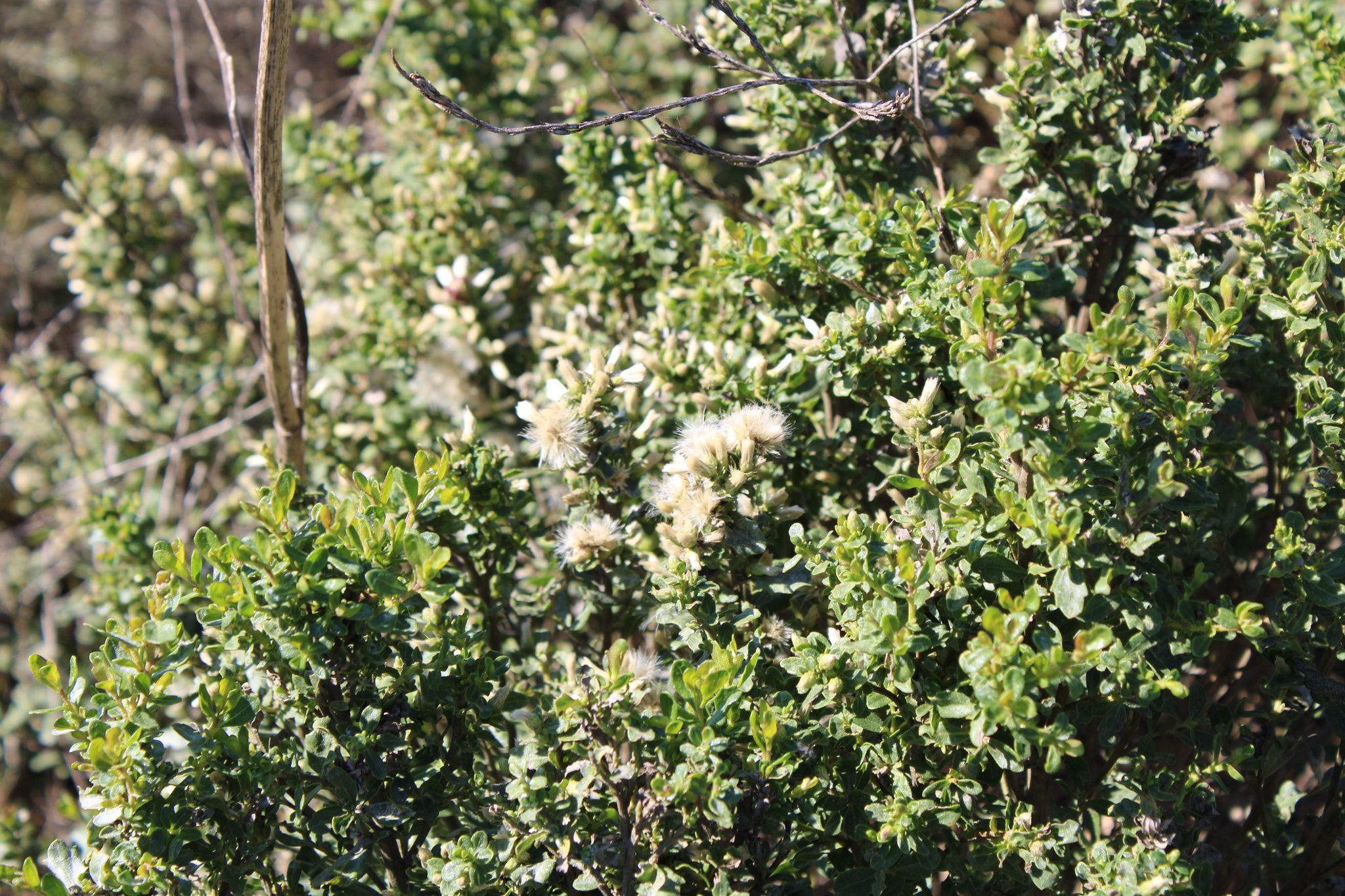
Baccharis is a genus of tough, wildlife-friendly shrubs often used to add structure and long-season nectar to gardens and restoration plantings. If you have a sunny spot and want a low-fuss shrub that can support pollinators, Baccharis is worth a look.

View plant profile
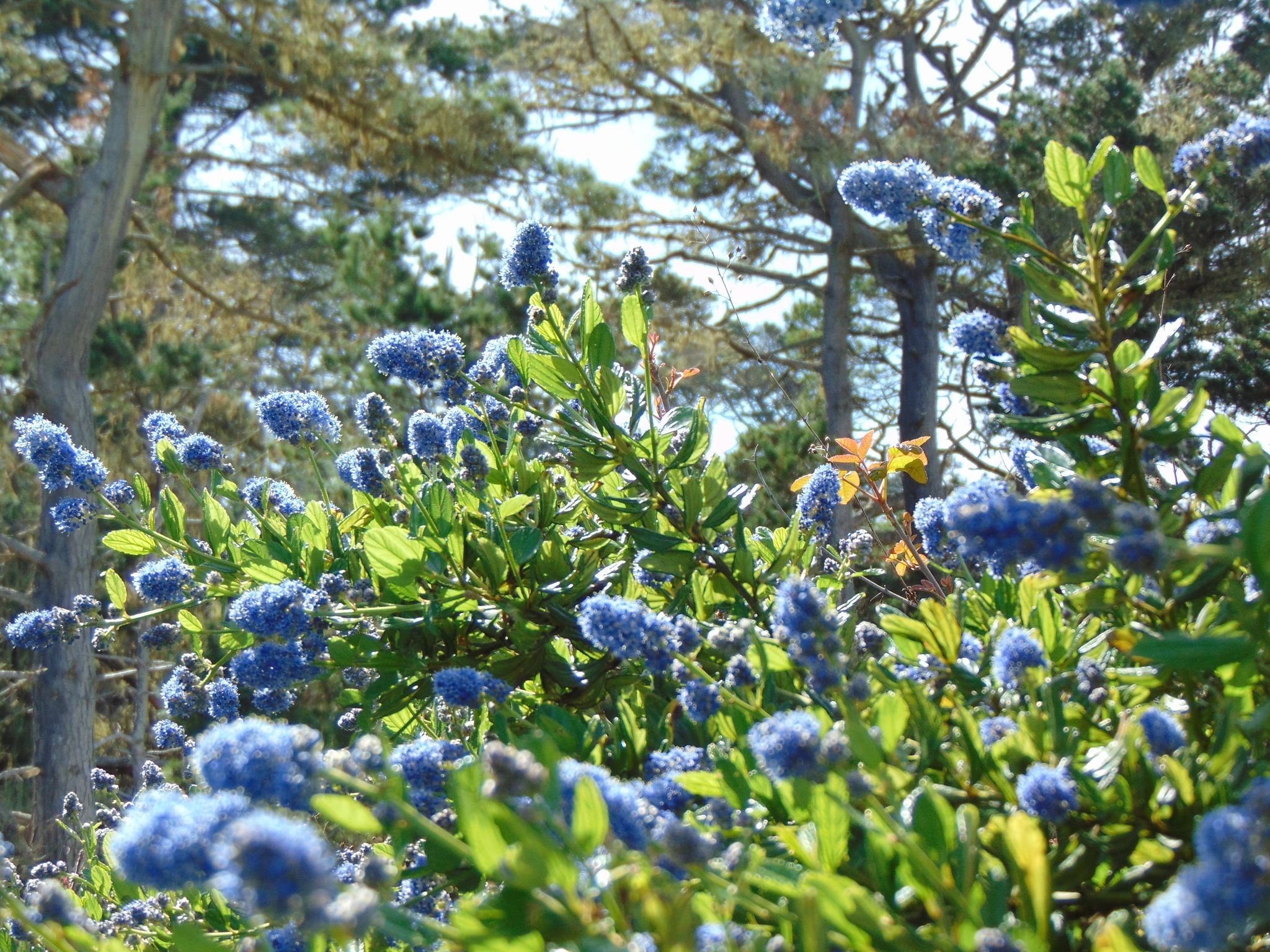
California lilac (*Ceanothus* spp.)

California lilac

California lilac (Ceanothus) is a flowering shrub known for clouds of blue blooms that can be a big draw for pollinators when it’s planted in the right spot.

View plant profile
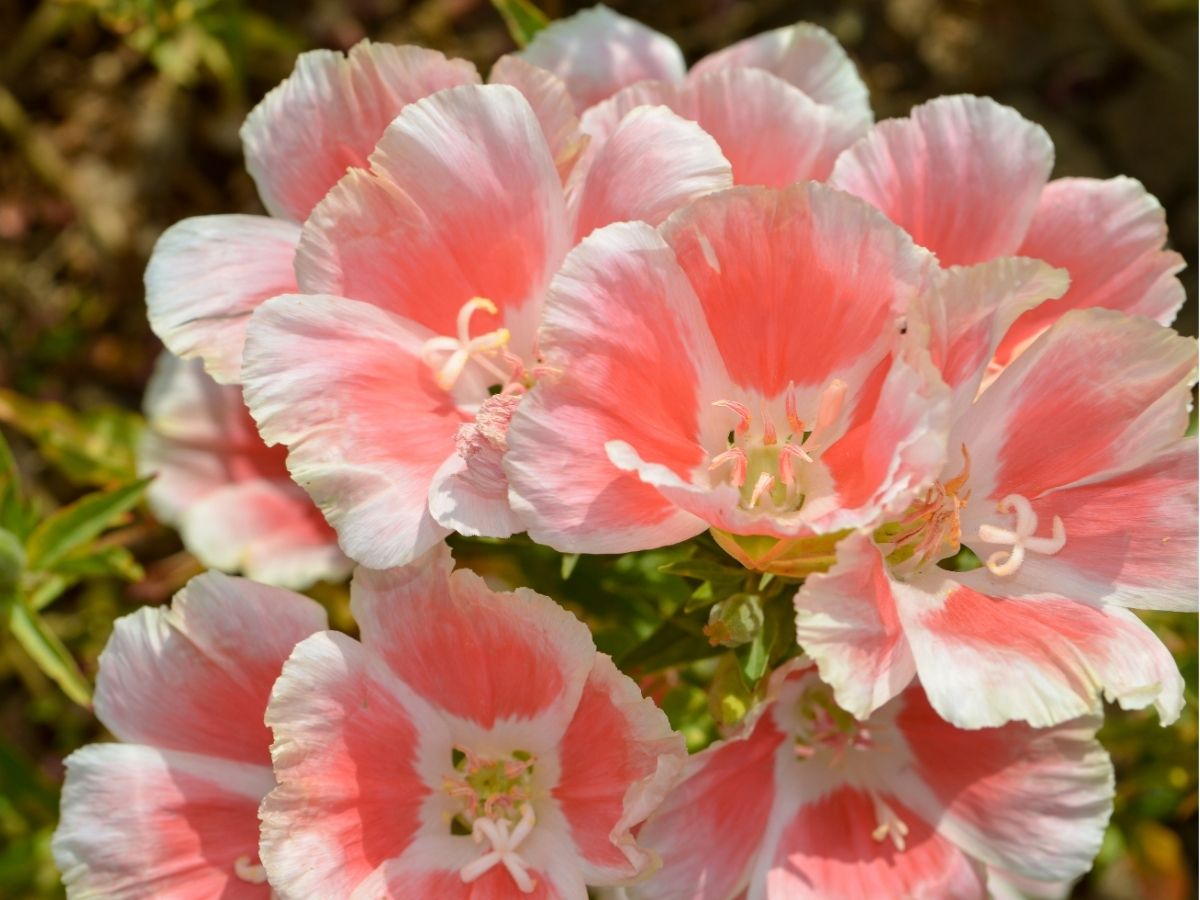
F_wildflowers-annuals-biennials-clarkias.jpg

Clarkias

Clarkias are cheerful, easy-to-grow wildflowers in the genus Clarkia, known for silky, colorful blooms that can brighten beds, borders, and containers while offering nectar and pollen for visiting insects.

View plant profile
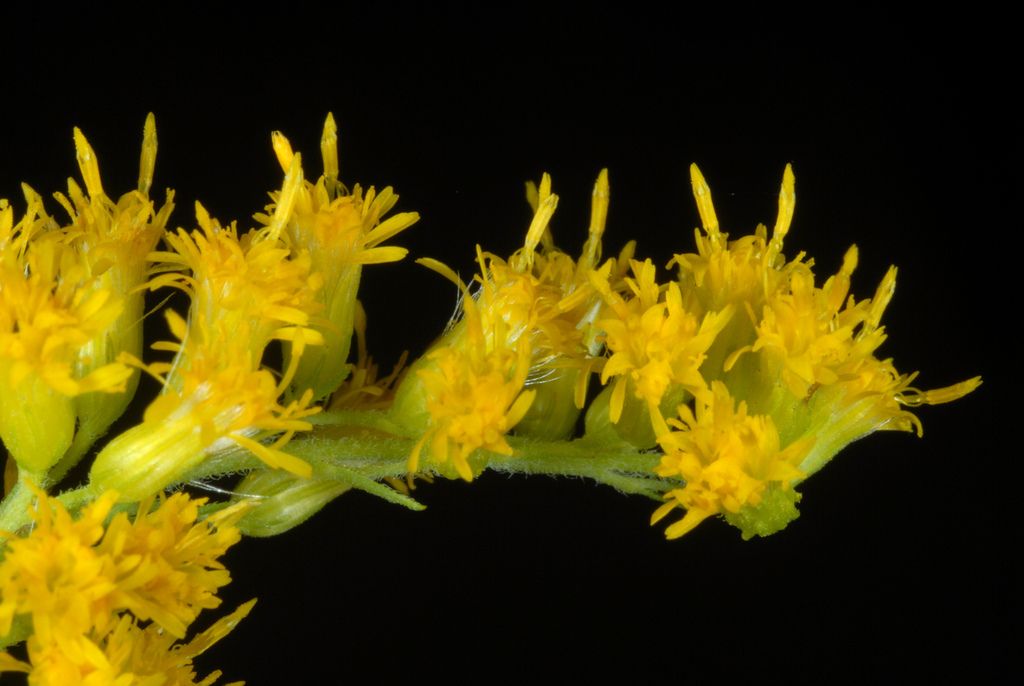
Goldenrods (*Solidago* spp.)

Goldenrods

Goldenrods are tough, sunny wildflowers in the genus Solidago that light up late-season gardens with golden blooms and provide reliable nectar and pollen when many other flowers are fading.

View plant profile
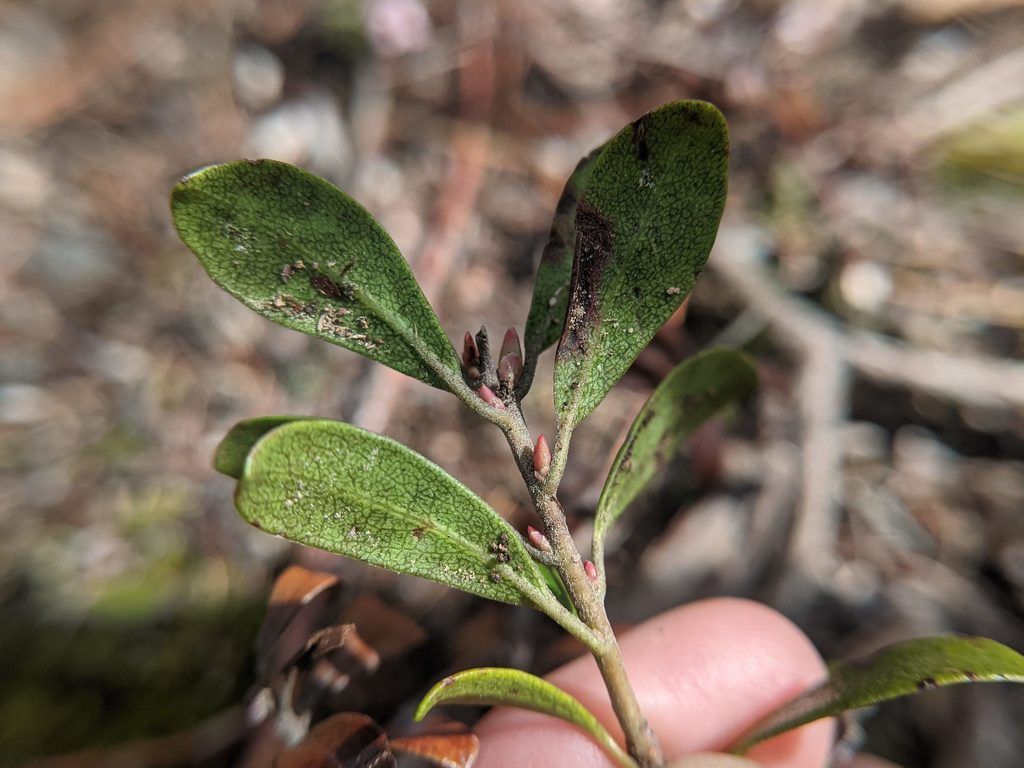
Manzanitas (West) (Arctostaphylos spp.)

Manzanitas

Manzanitas are tough, beautiful western shrubs with urn-shaped flowers that can feed early-season pollinators and evergreen leaves that keep gardens looking good year-round.

View plant profile
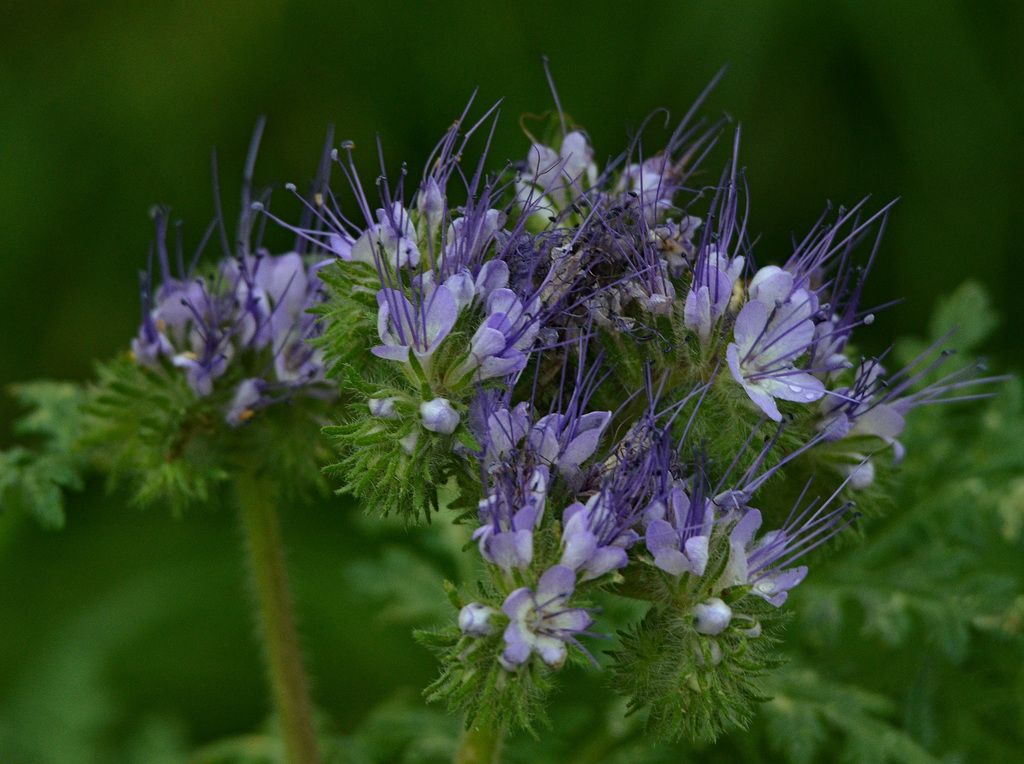
Phacelias (*Phacelia* spp.)

Phacelias

Phacelias are easygoing wildflowers in the genus Phacelia, known for their nectar-rich blooms that can bring lots of pollinator activity to gardens, schoolyards, and even containers.

View plant profile
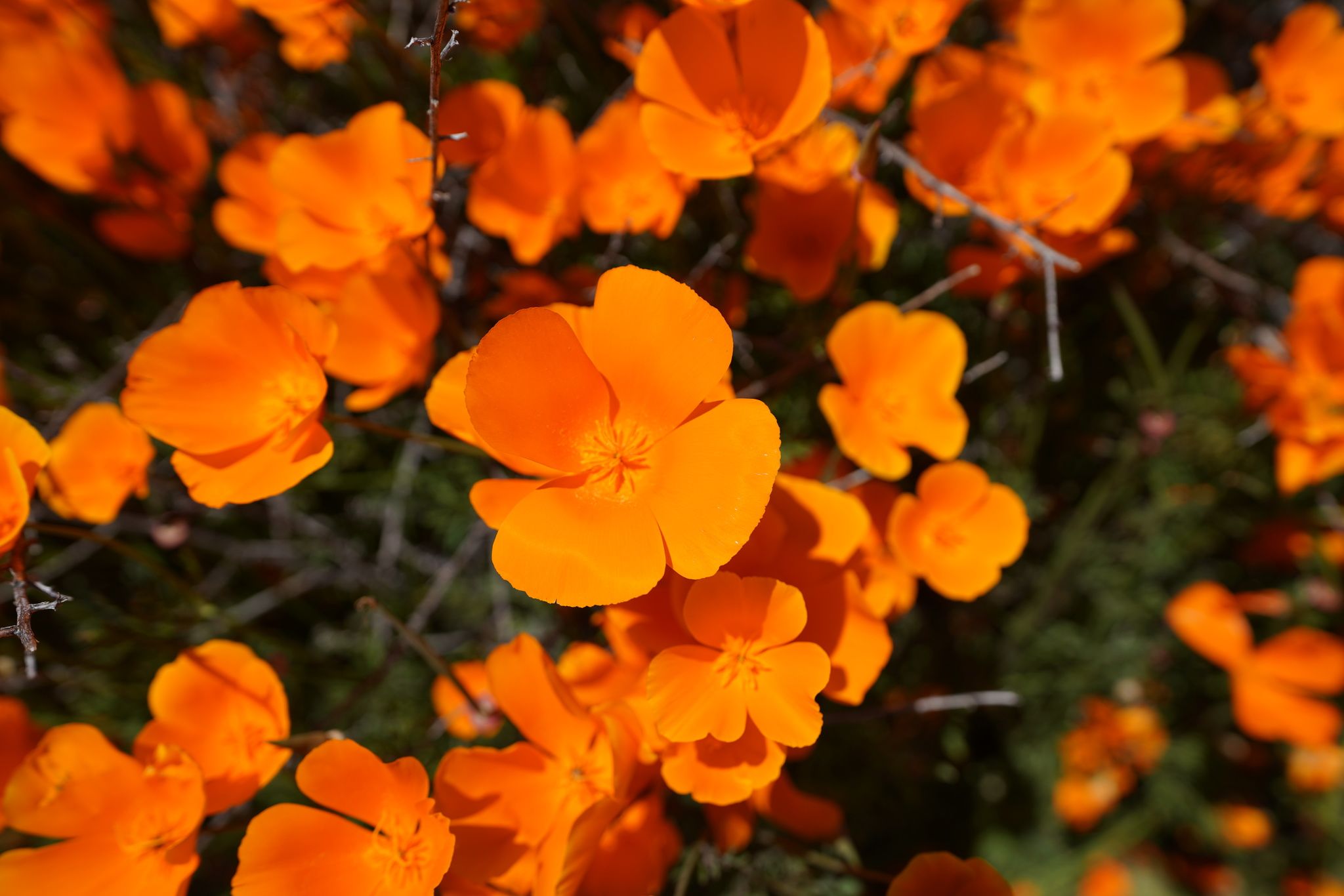
Poppies (*Eschscholzia* spp.)

Poppies

Bright, cup-shaped poppy flowers from the genus Eschscholzia that thrive in sunny spots and can add easy, pollinator-friendly color to gardens, pots, and schoolyards.

View plant profile
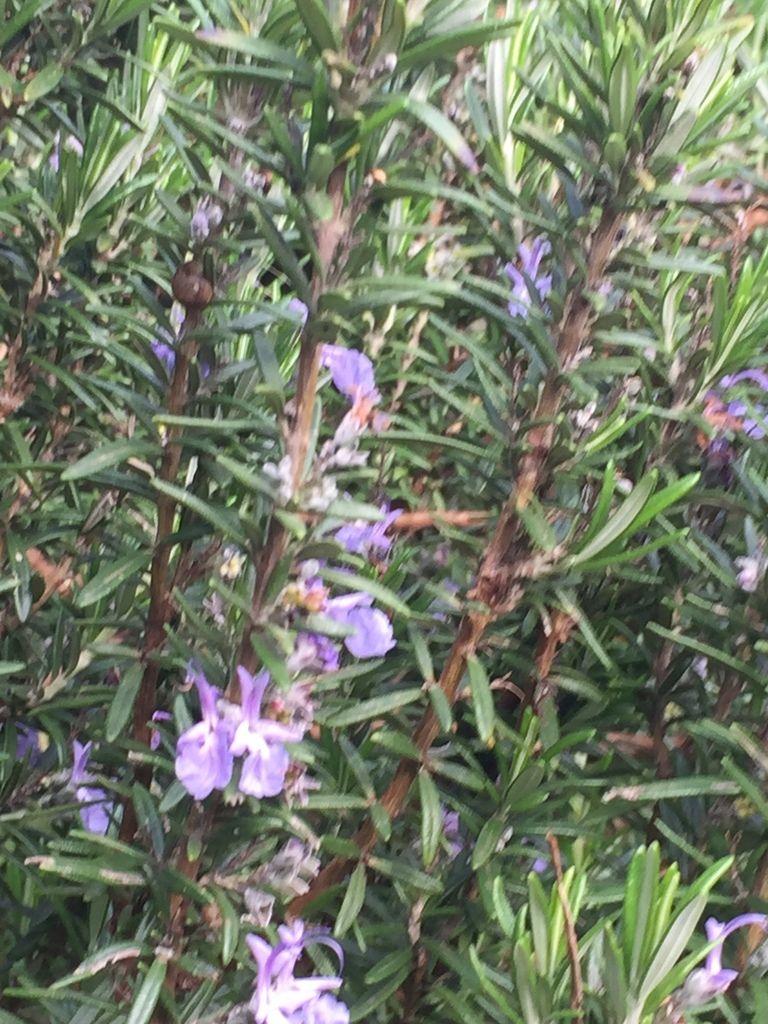
Sages (*Salvia* spp.)

Sages

Sages (genus Salvia) are aromatic, nectar-rich plants that can add long-lasting color and steady pollinator activity to gardens, balconies, and schoolyards.

View plant profile
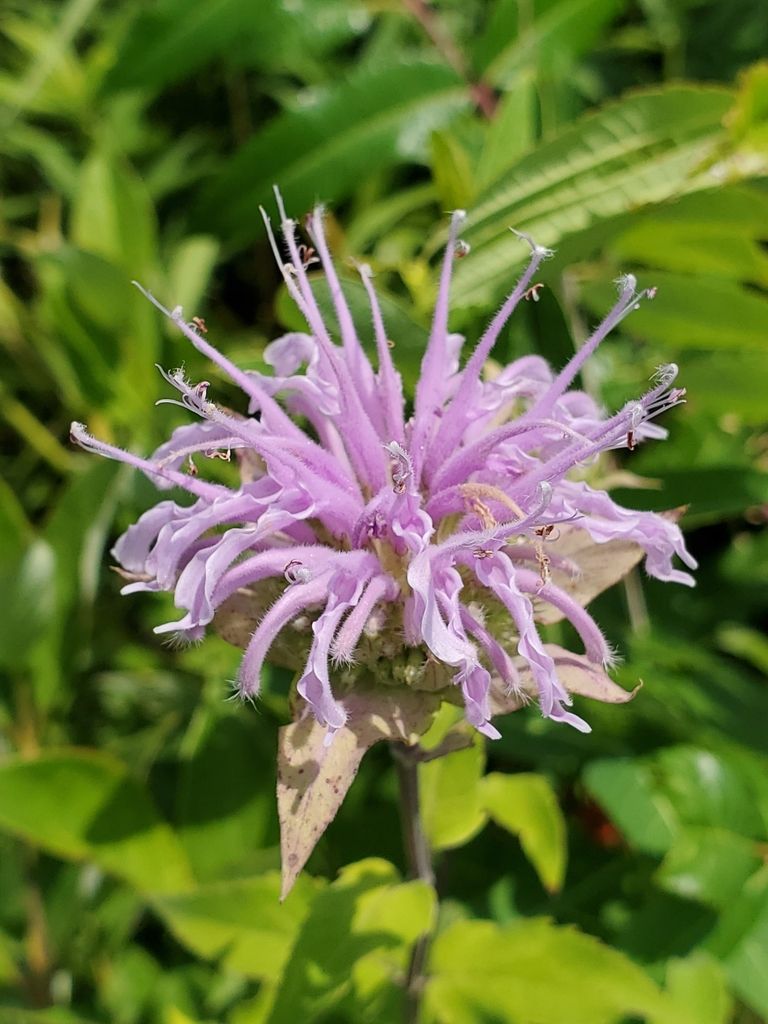
Wild bergamot & bee balms (*Monarda* spp.)

Wild bergamot & bee balms

Wild bergamot and other bee balms (the genus Monarda) are easygoing native wildflowers known for their shaggy, pom‑pom blooms that draw in lots of pollinators. They’re a great choice when you want long-lasting summer color and a plant that feels lively with buzzing visitors.

View plant profile
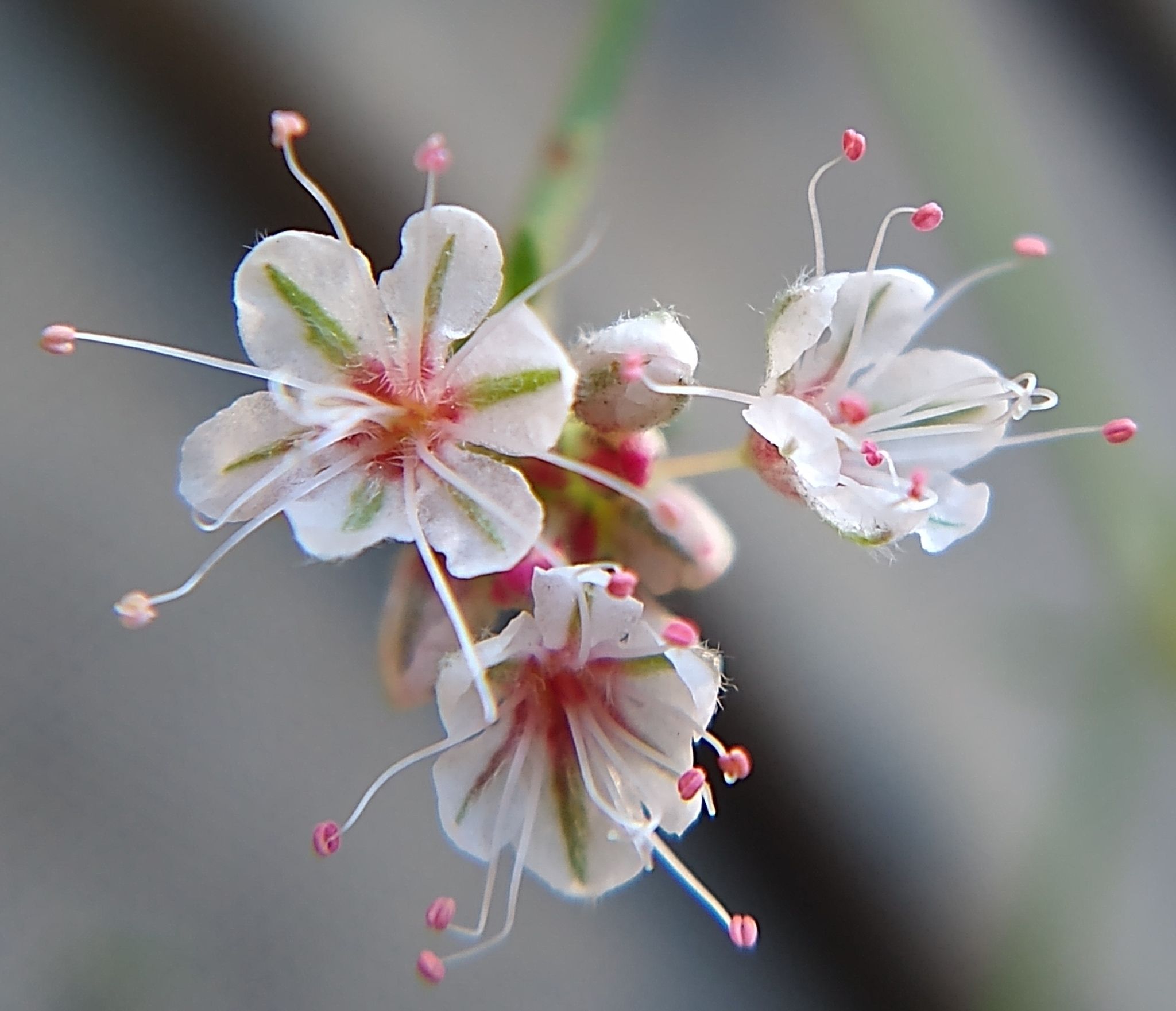
Wild buckwheats (*Eriogonum* (genus))

Wild buckwheats

Wild buckwheats (genus Eriogonum) are tough, long-blooming western native wildflowers that can turn dry, sunny spots into reliable pollinator stops.

View plant profile

Pollinators

Pollinators active in this region

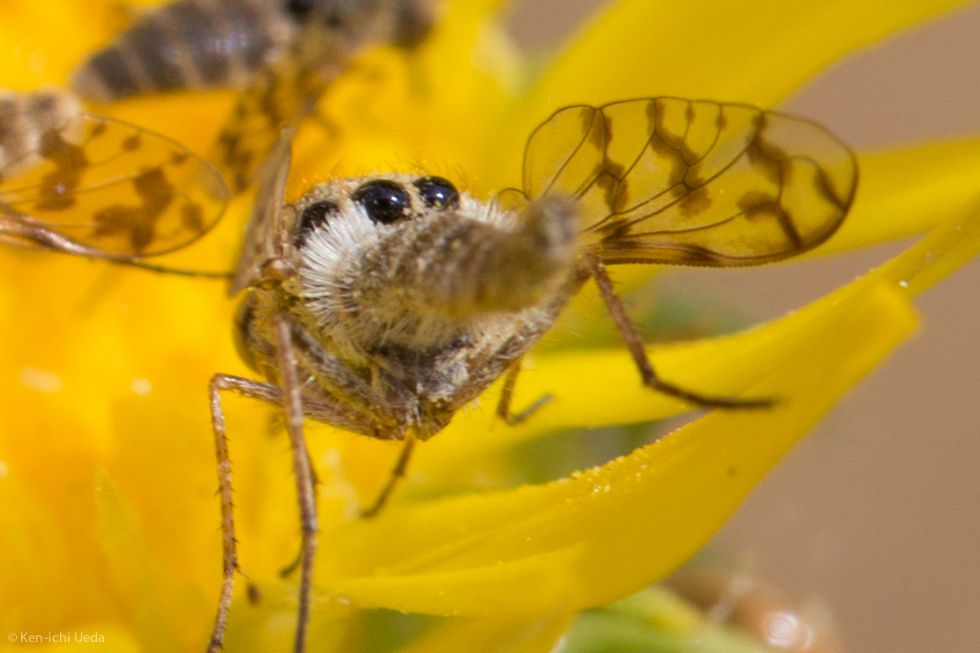
Bee flies (Family Bombyliidae)

Bee flies

Adults visit flowers for nectar and can move pollen between blooms; their presence is a sign of diverse, functioning habitats.

View pollinator profile
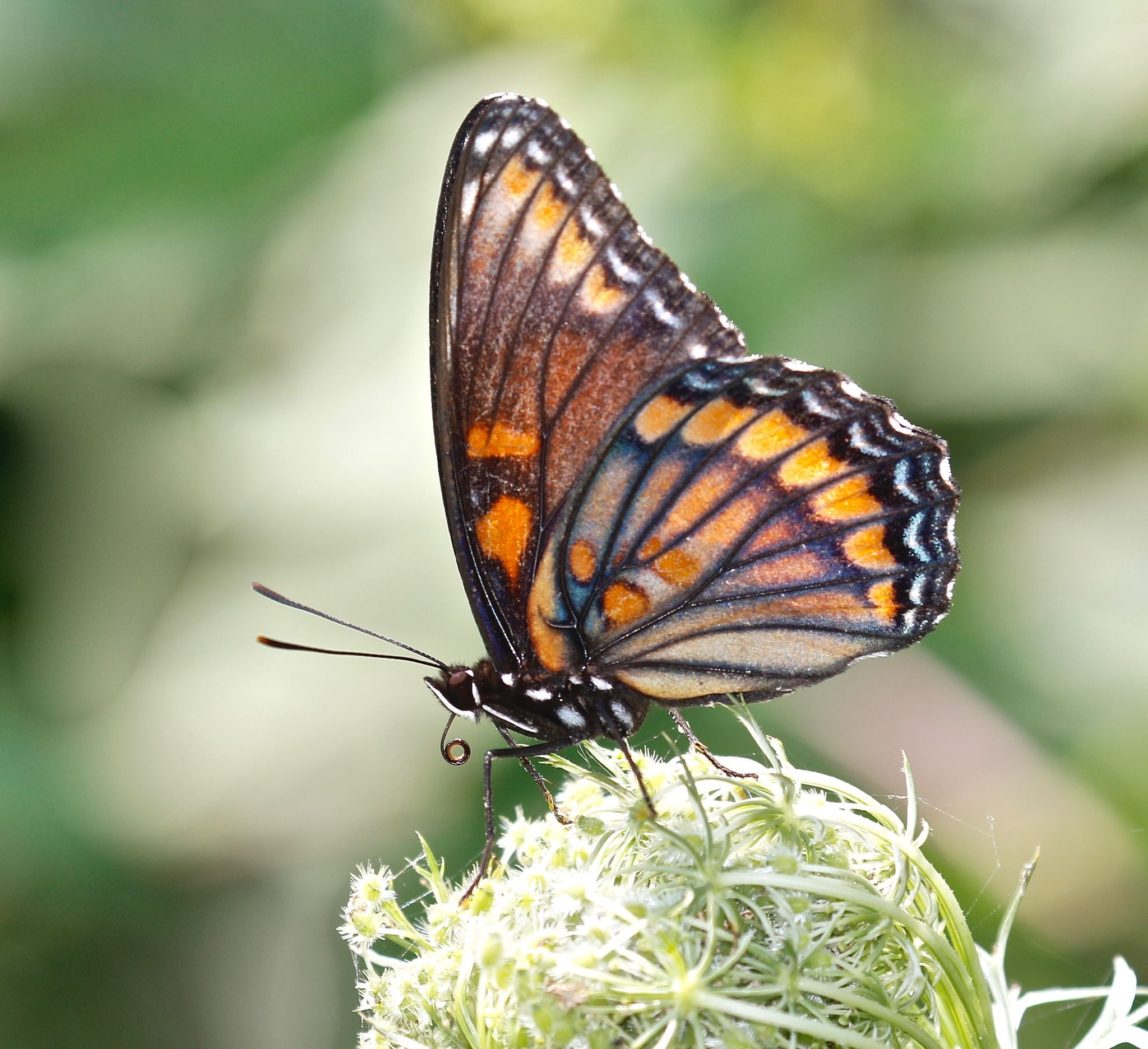
Brushfoots (Family Nymphalidae)

Brushfoots

Many brushfoots move pollen between flowers as they feed, and their caterpillars are part of healthy food webs.

View pollinator profile
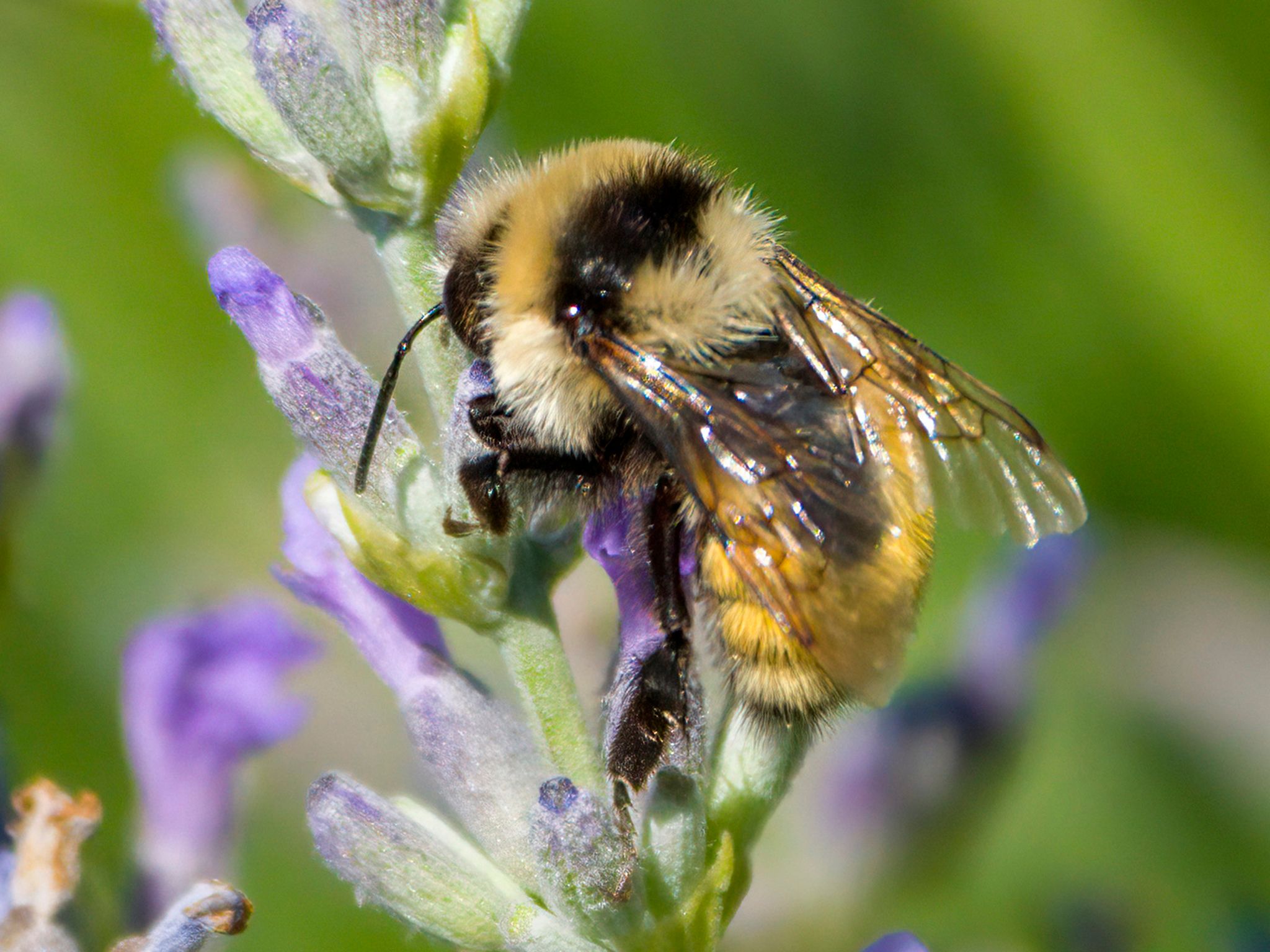
Bumble bees (Genus Bombus)

Bumble bees

Bumble bees are important pollinators of many wildflowers and garden plants, helping ecosystems and food crops reproduce.

View pollinator profile
F_hoverfly-01.jpg

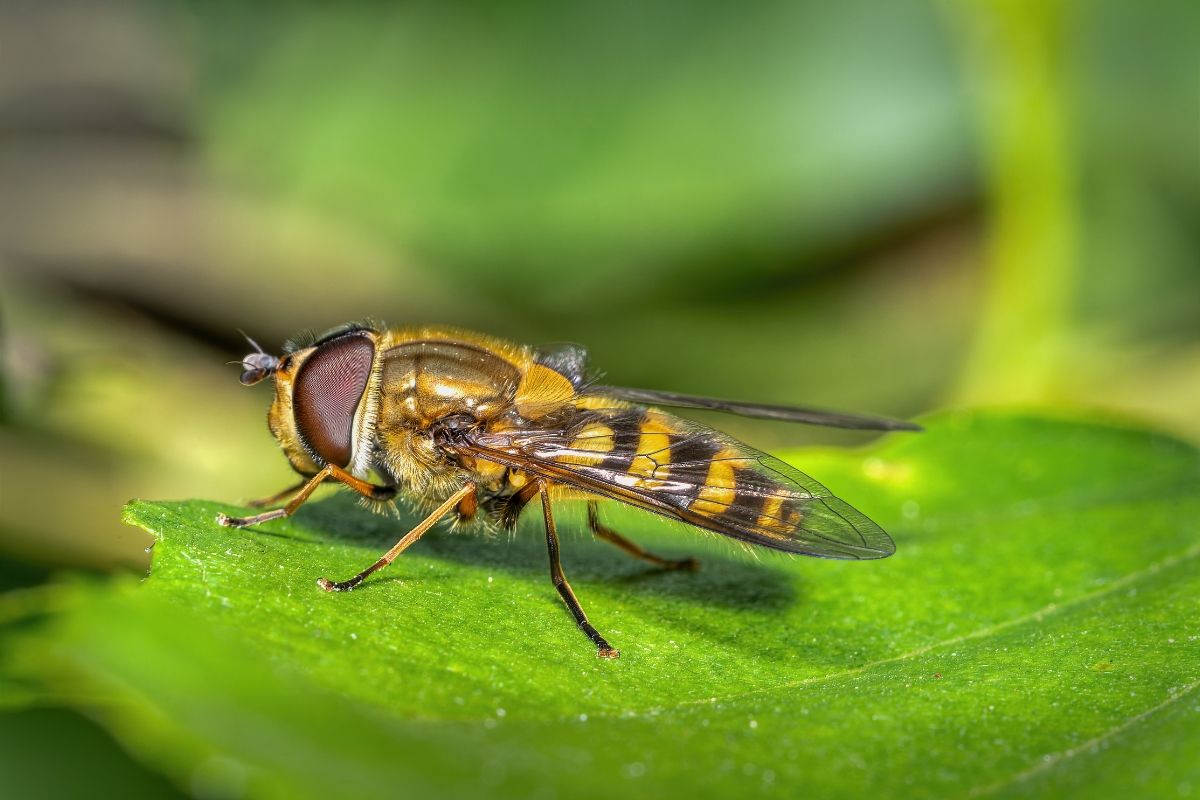
Flower flies / hoverflies

Adults visit flowers for nectar and pollen, and many species’ larvae help keep plant-eating pests in check.

View pollinator profile
Hawk / sphinx moths (Family Sphingidae)

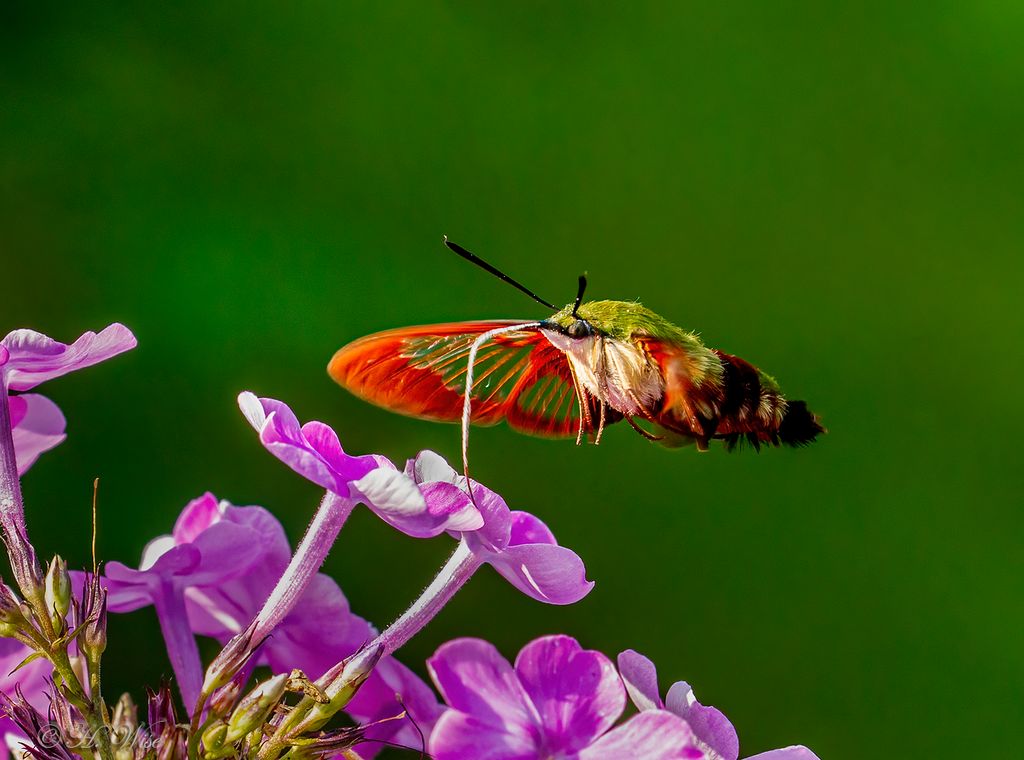
Hawk / sphinx moths

They can move pollen between flowers while feeding on nectar, especially for blooms that open or scent up in the evening.

View pollinator profile
Leafcutter bees (Genus Megachile)

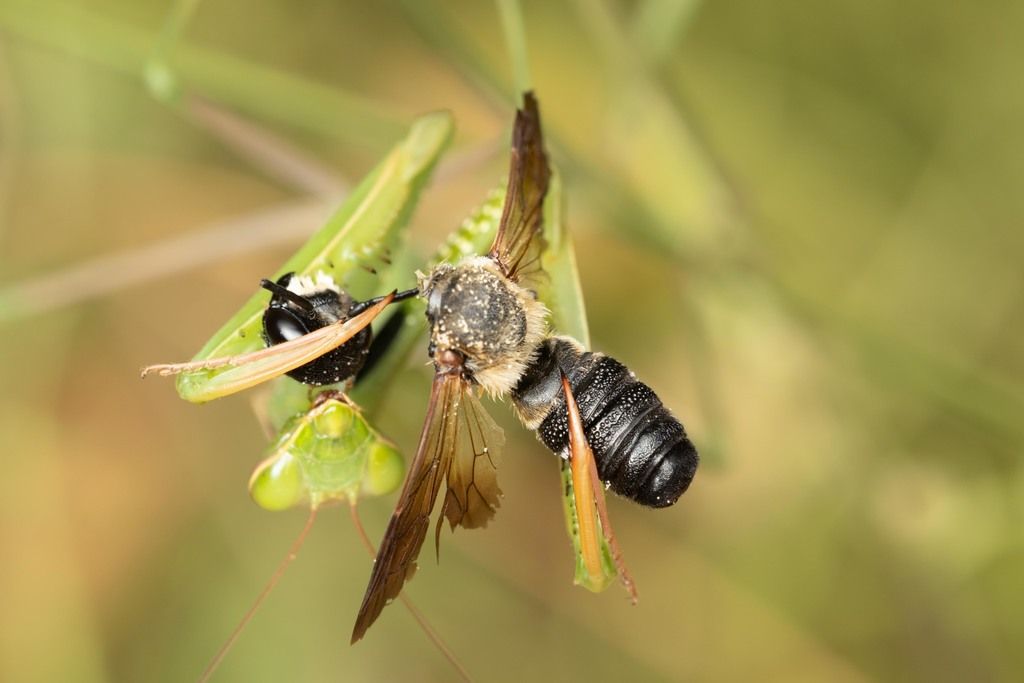
Leafcutter bees

They move pollen between flowers while foraging, helping many wild plants and garden plants set seed and fruit.

View pollinator profile
Mason bees (Genus Osmia)

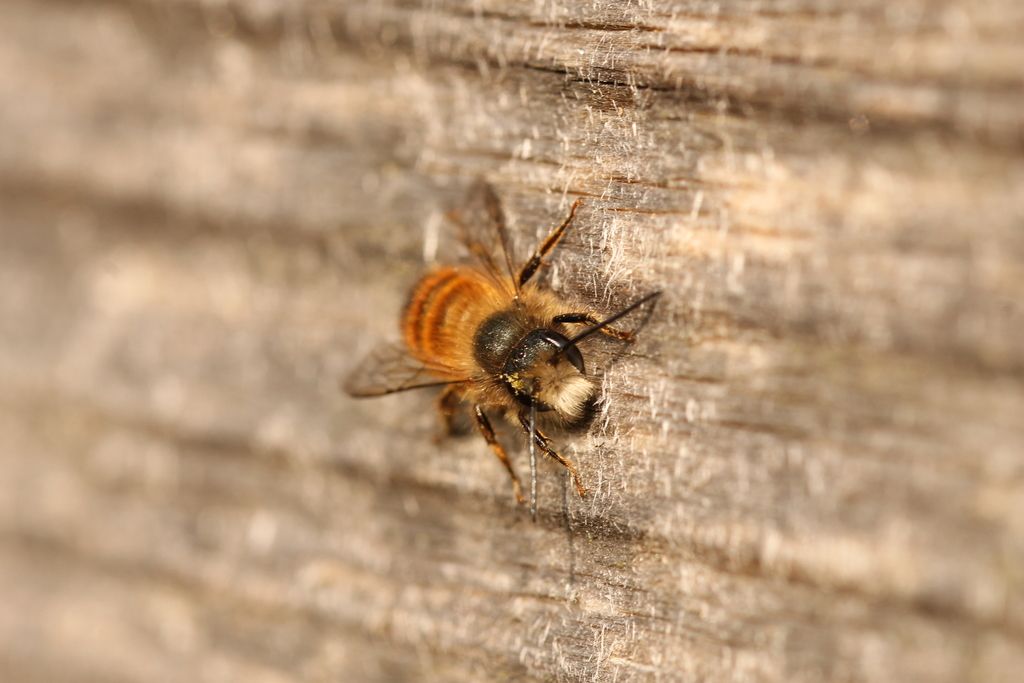
Mason bees

They move pollen between flowers while foraging, helping many wild plants and garden crops set seed and fruit.

View pollinator profile
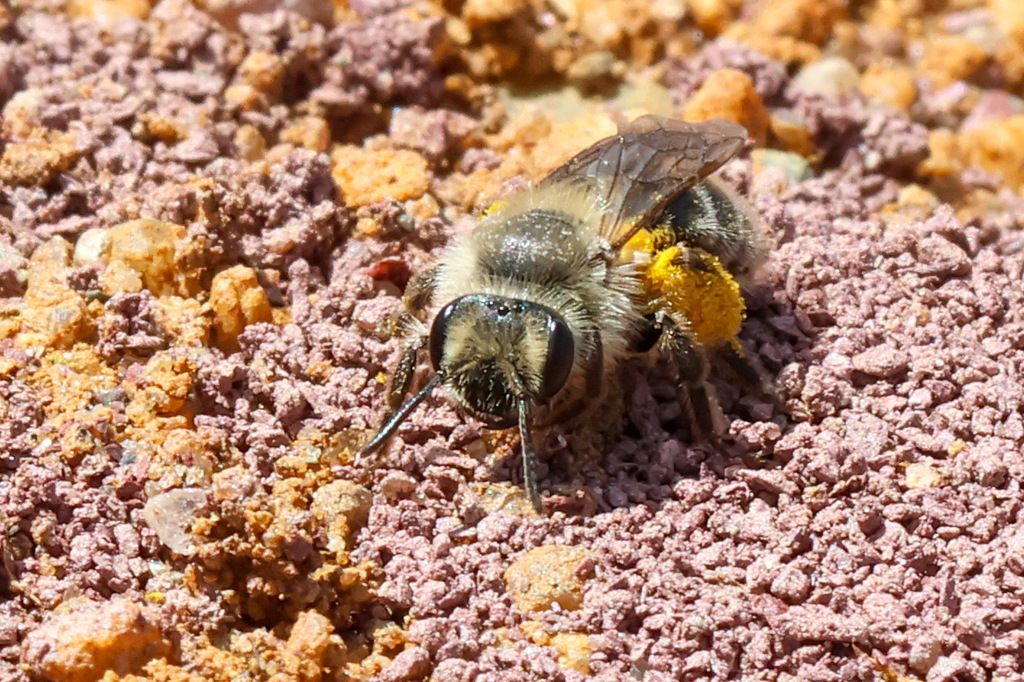
Mining bees (Genus Andrena)

Mining bees

They move pollen between flowers while foraging, helping many wild plants and garden plants set seed and fruit.

View pollinator profile
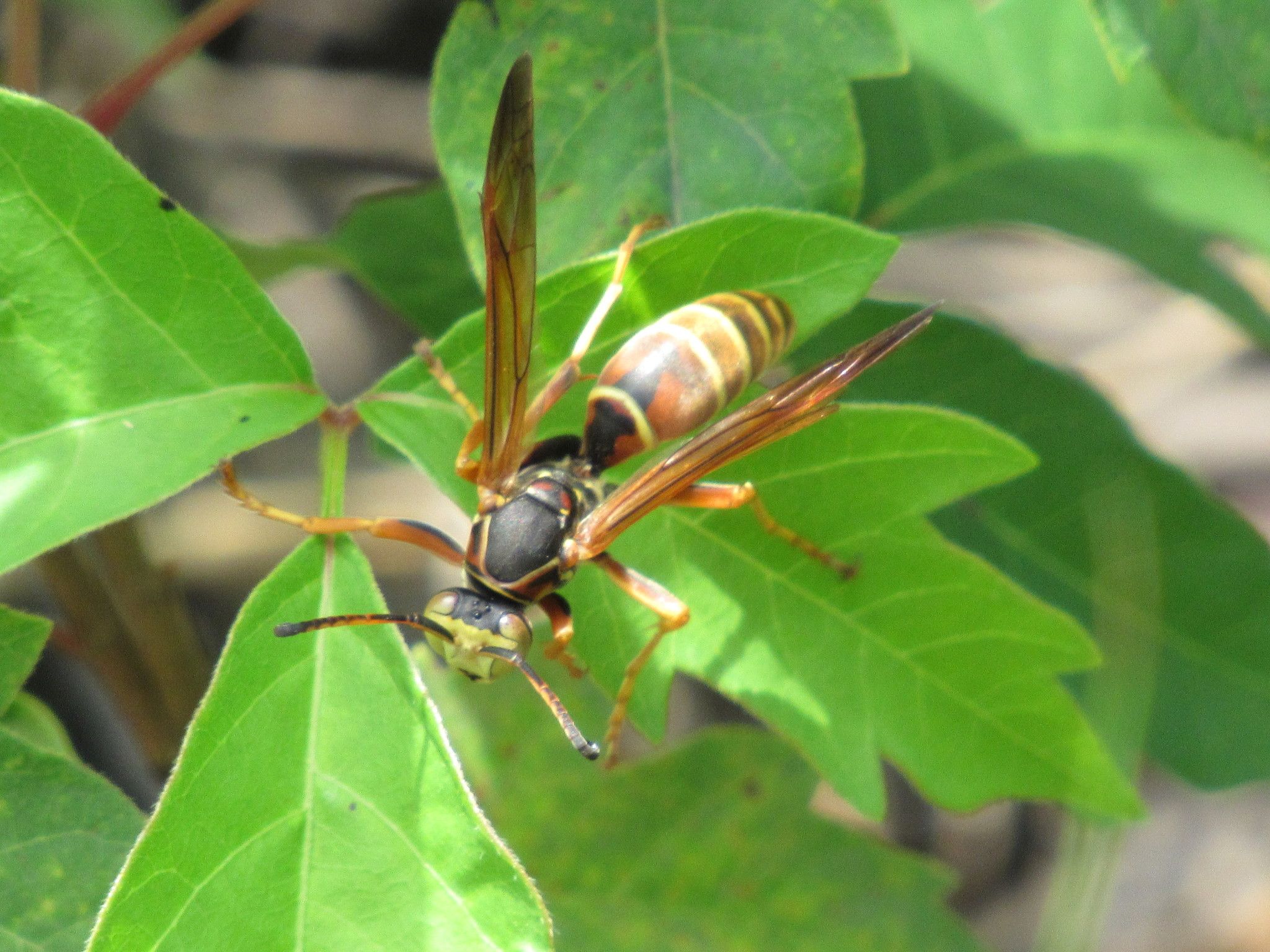
Paper wasps (Genus Polistes)

Paper wasps

They can move pollen while drinking nectar, and they also help control many plant-eating insects.

View pollinator profile
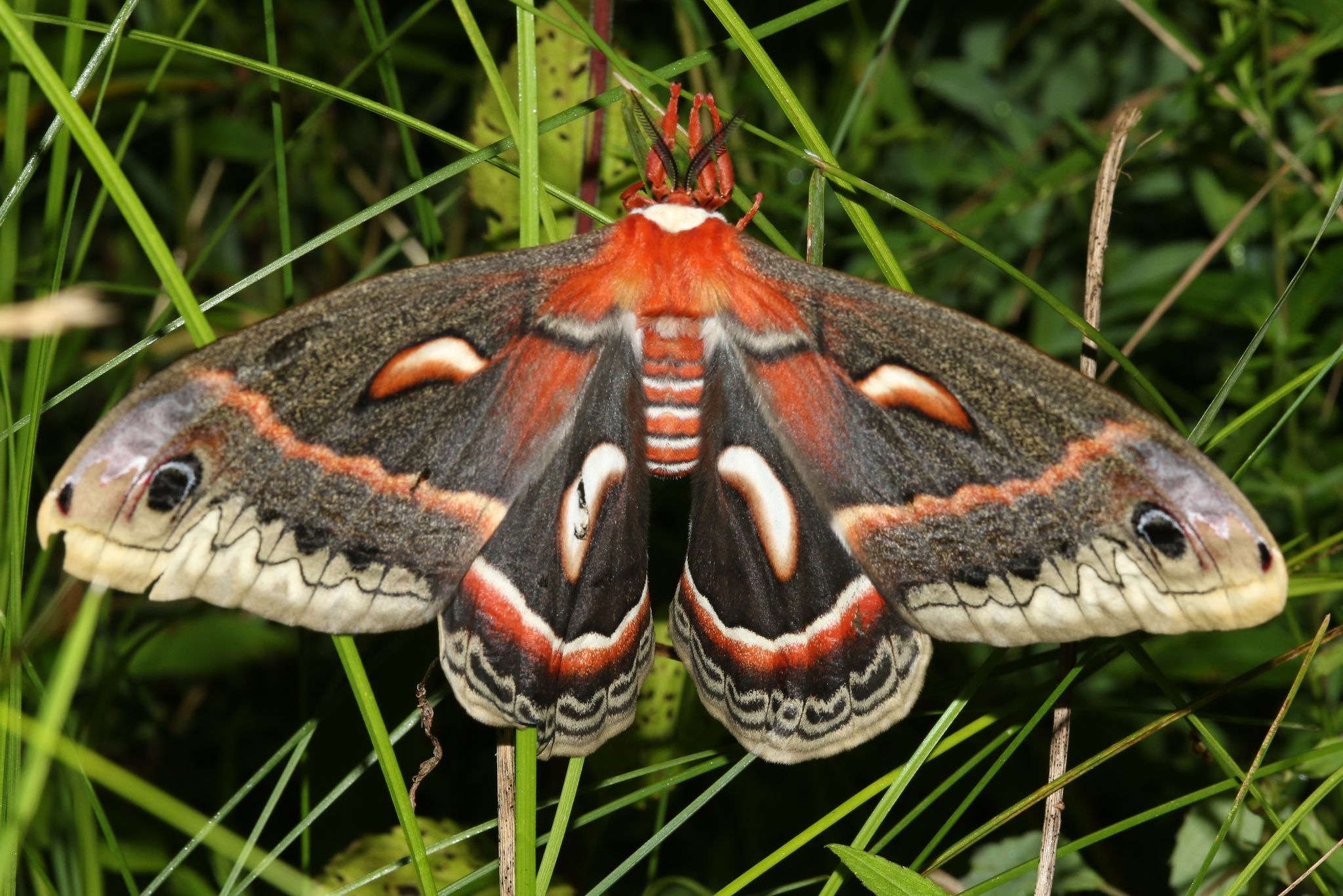
Silkmoths (giant moths) (Family Saturniidae)

Silkmoths (giant moths)

They’re part of healthy food webs and plant communities, and their caterpillars depend on a wide range of native trees and shrubs.

View pollinator profile
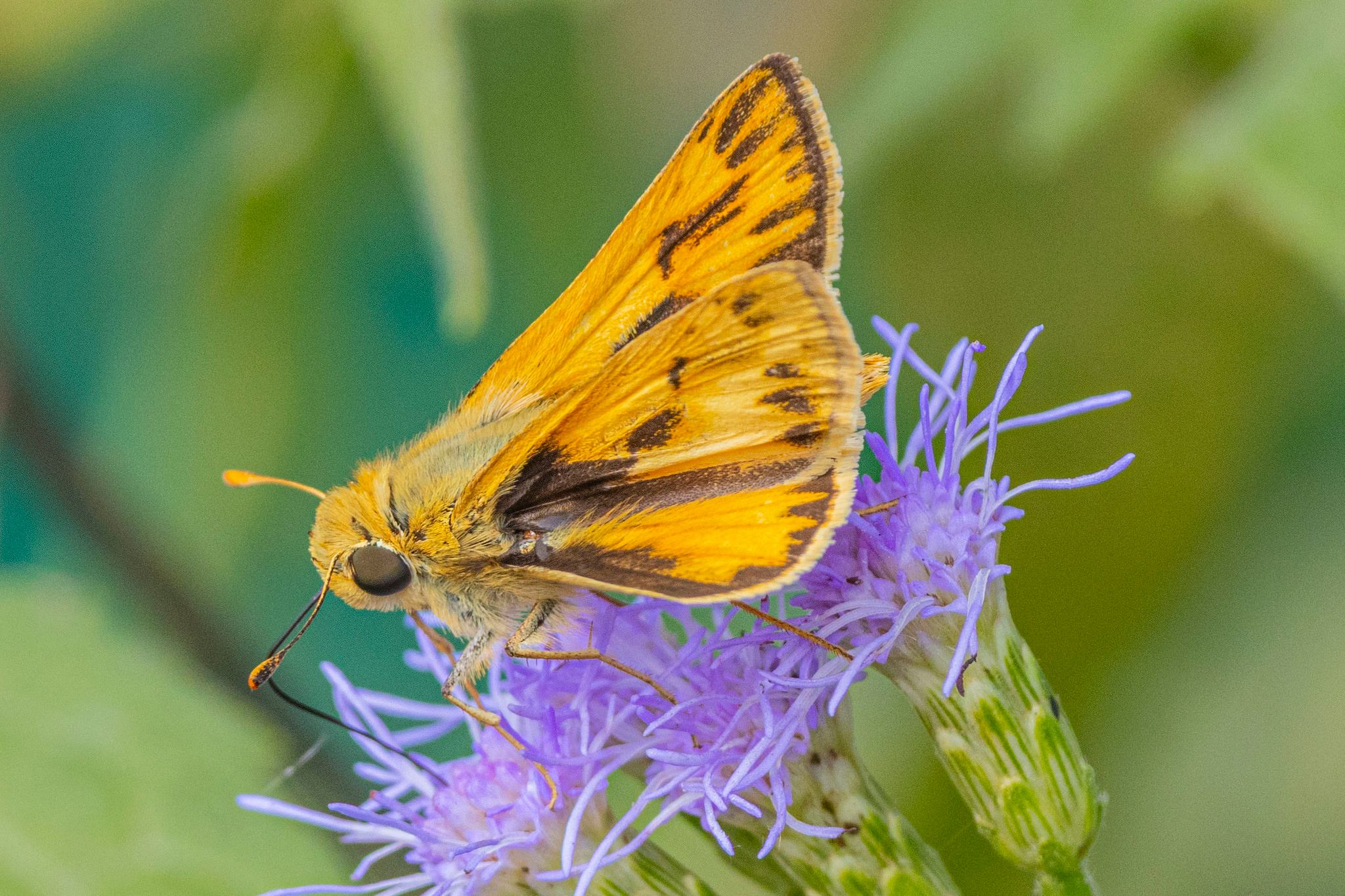
Skippers (Family Hesperiidae)

Skippers

Skippers visit many flowers for nectar and can help move pollen between blooms while they feed.

View pollinator profile
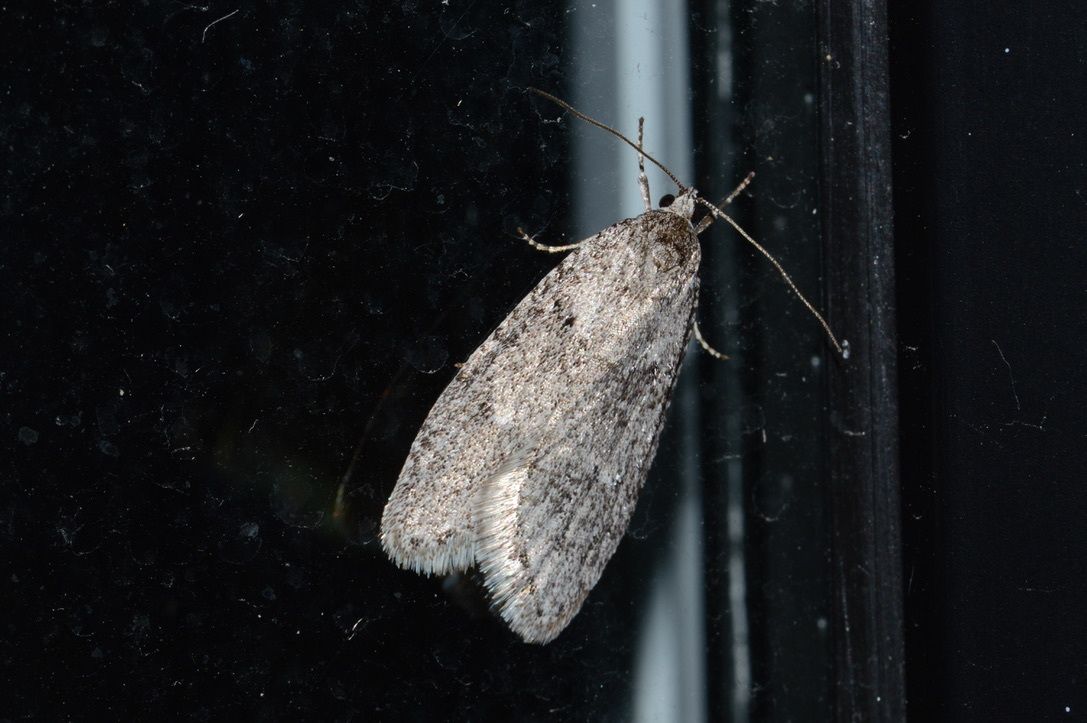
Small nectar moths (micro-moths) (Multiple families (varies))

Small nectar moths (micro-moths)

Many small moths move pollen while feeding on nectar, supporting wild plants and garden blooms—especially in the evening and at night.

View pollinator profile
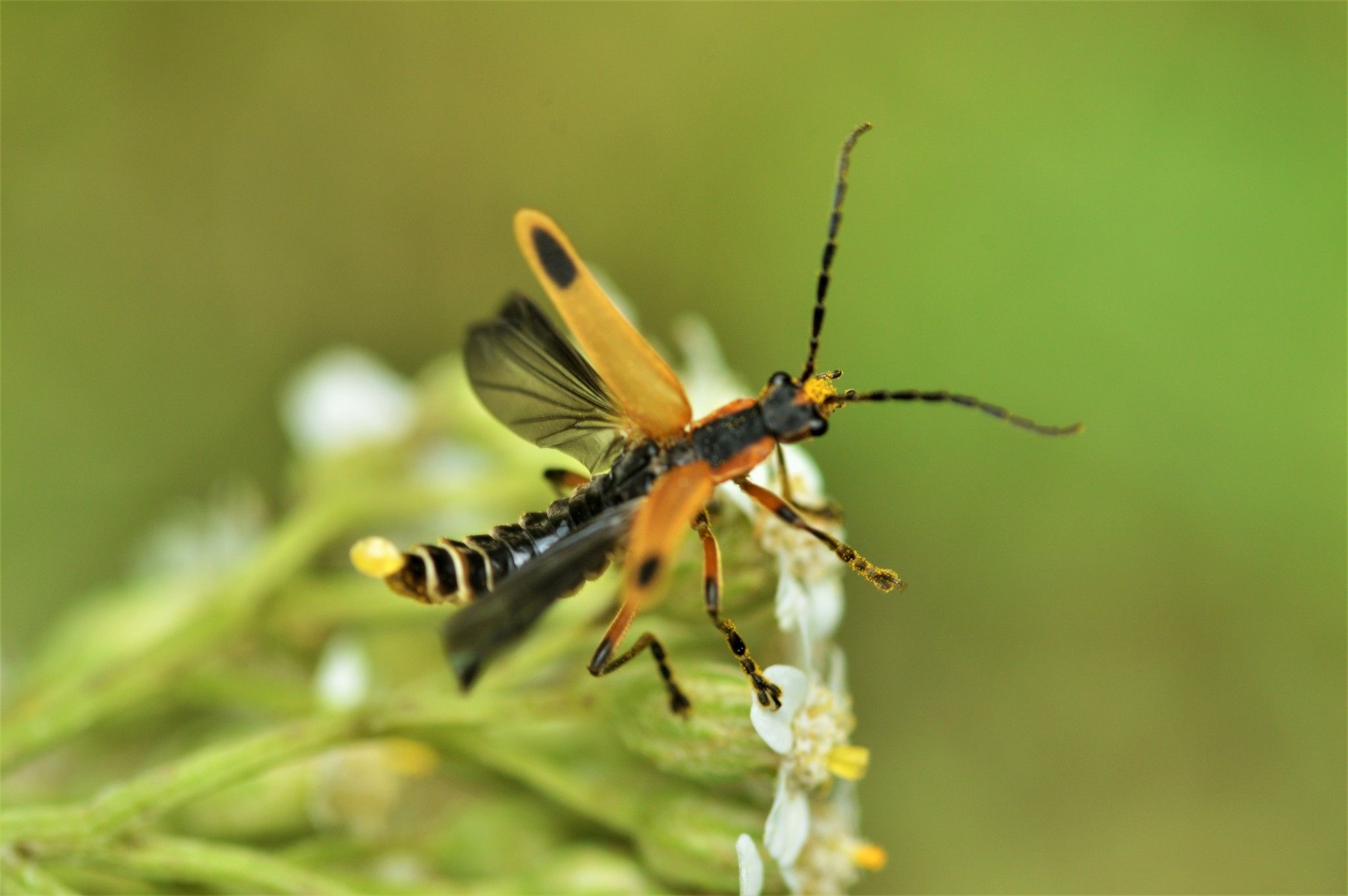
Soldier beetles (Family Cantharidae)

Soldier beetles

Many adults visit flowers and can move pollen between blooms, while also helping control some garden pests.

View pollinator profile
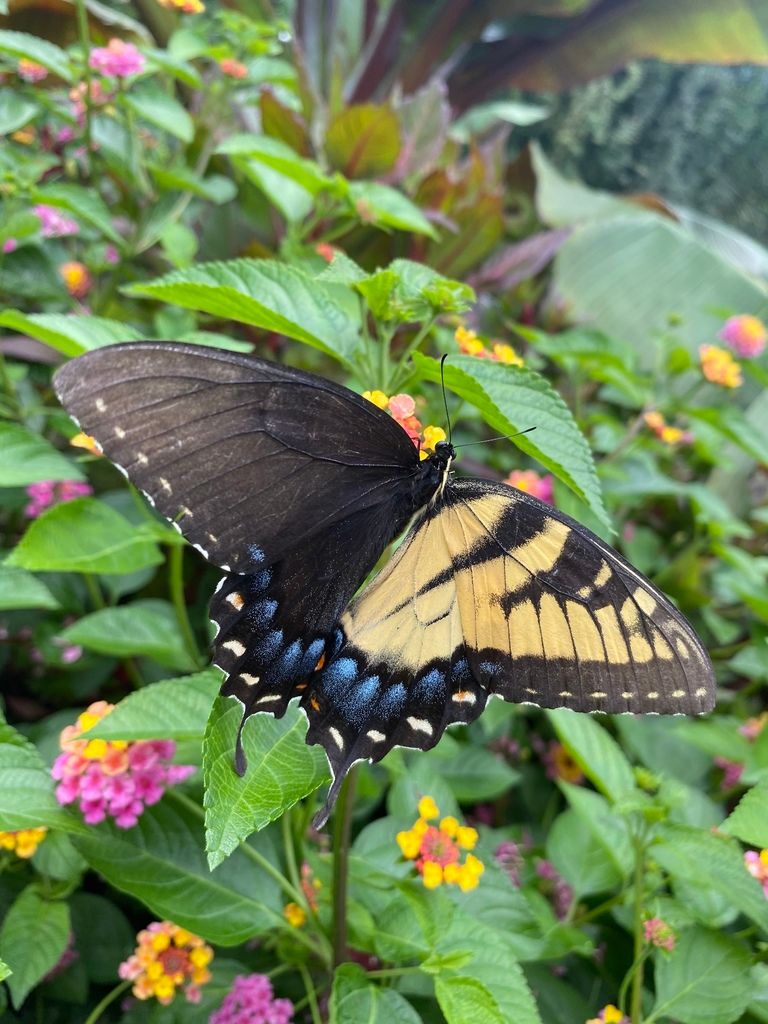
Swallowtails (Family Papilionidae)

Swallowtails

Adult swallowtails visit many flowers for nectar and can help move pollen between blooms as they feed.

View pollinator profile
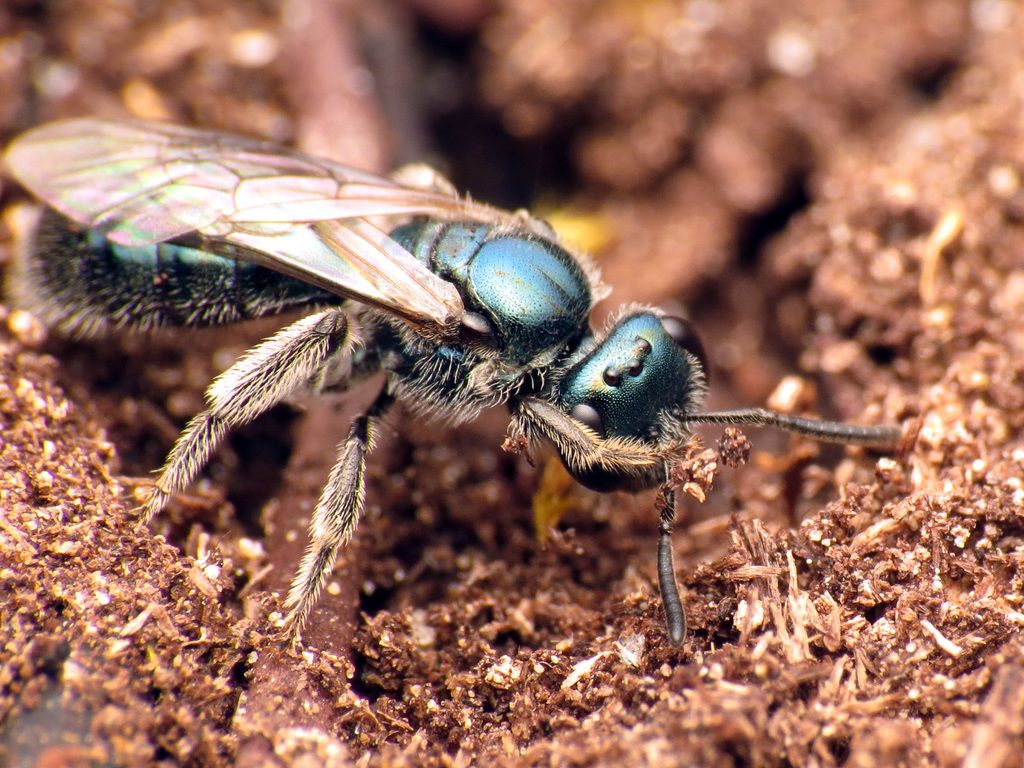
Sweat bees (Family Halictidae)

Sweat bees

They help move pollen between flowers in gardens, parks, and natural areas, supporting seed and fruit production.

View pollinator profile
Whites & sulphurs (Family Pieridae)

Whites & sulphurs

They visit a wide range of flowers for nectar and can help move pollen between blooms as they feed.

View pollinator profile