Skip to content
Photo
Region profile

California Deserts & Southern Nevada (Mojave)

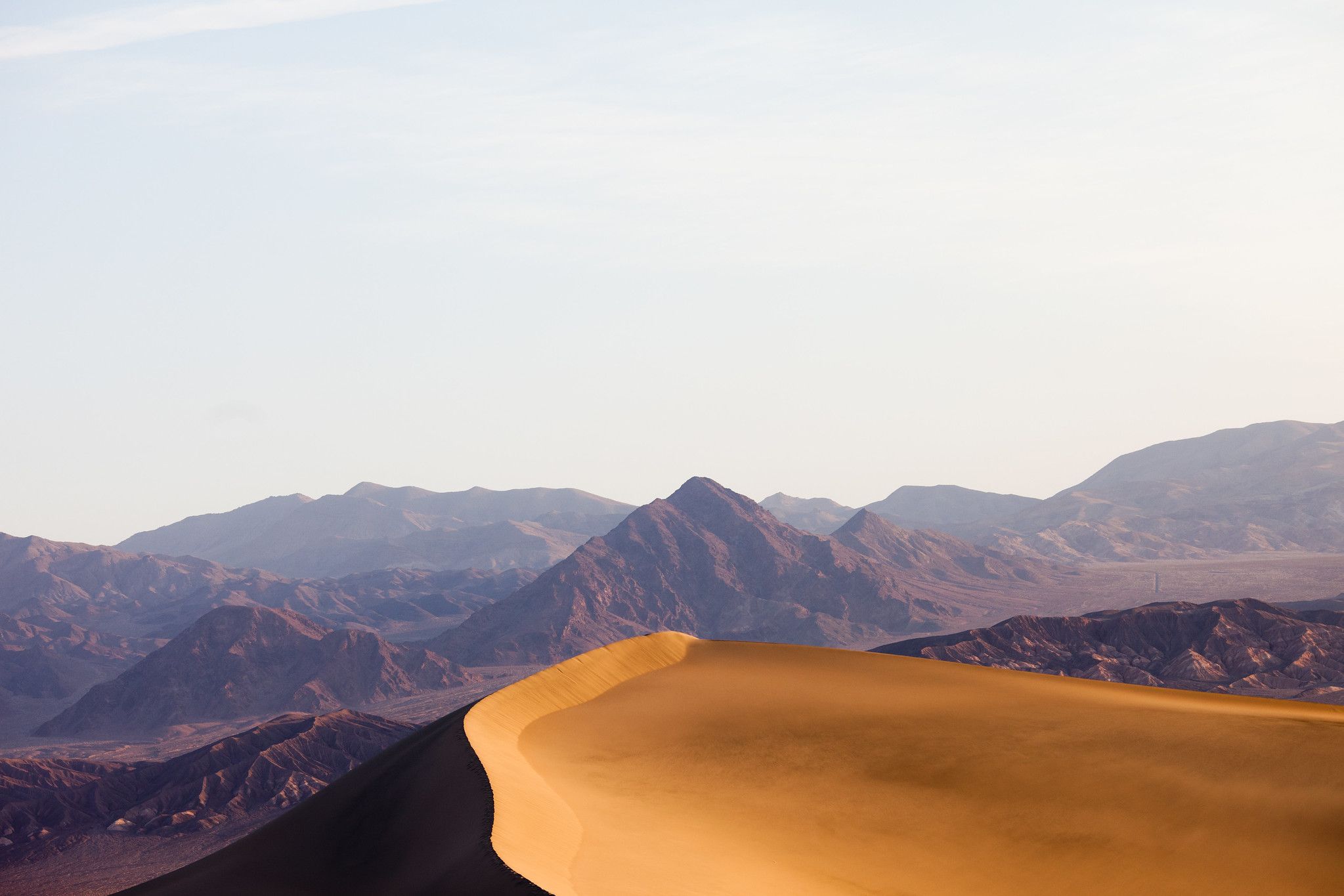
Mojave Basin and Range is a dry, subtropical desert ecoregion located in southeastern California, southern Nevada, southwestern Utah, and northwestern Arizona, characterized by scattered north-south trending mountains and broad basins, valleys, and old lakebeds.

Zone

Interior

Common Name

California Deserts & Southern Nevada (Mojave)

CEC Level III Code

10.2.1

CEC Level II Code

10.2 Warm Deserts

Overview

About This Region

The Mojave Desert, located primarily in southeastern California and southwestern Nevada, is a cold and hot desert biome. It is bordered by the Sierra Nevada and the Sonoran Desert. Pollinators in this region, such as wild bees like the Mojave poppy bee, face challenges including habitat loss, climate change, and invasive species that crowd out native flowering plants essential for food and shelter. Conservation efforts are crucial for the diverse species inhabiting this arid landscape.

Region facts

At a glance

AliasesCalifornia Deserts & Southern Nevada, Mojave Basin and Range, Mojave Desert, SoCal Desert, Southern Nevada Desert, CEC 10.2.1, Mojave Basin & Range, Mojave
Geographic Range
The Mojave Basin and Range is located in southeastern California, southern Nevada, southwestern Utah, and northwestern Arizona.
Climate SnapshotThe Mojave Basin and Range has a dry, subtropical desert climate with hot summers and warm winters, featuring mean annual temperatures ranging from 5°C to 24°C, and low mean annual precipitation of 167 mm.
Terrain ProfileThis ecoregion features scattered north-south trending mountains separated by broad basins and valleys, with elevations ranging from 85 m below sea level in Death Valley to over 3,300 masl on the highest mountain peaks.
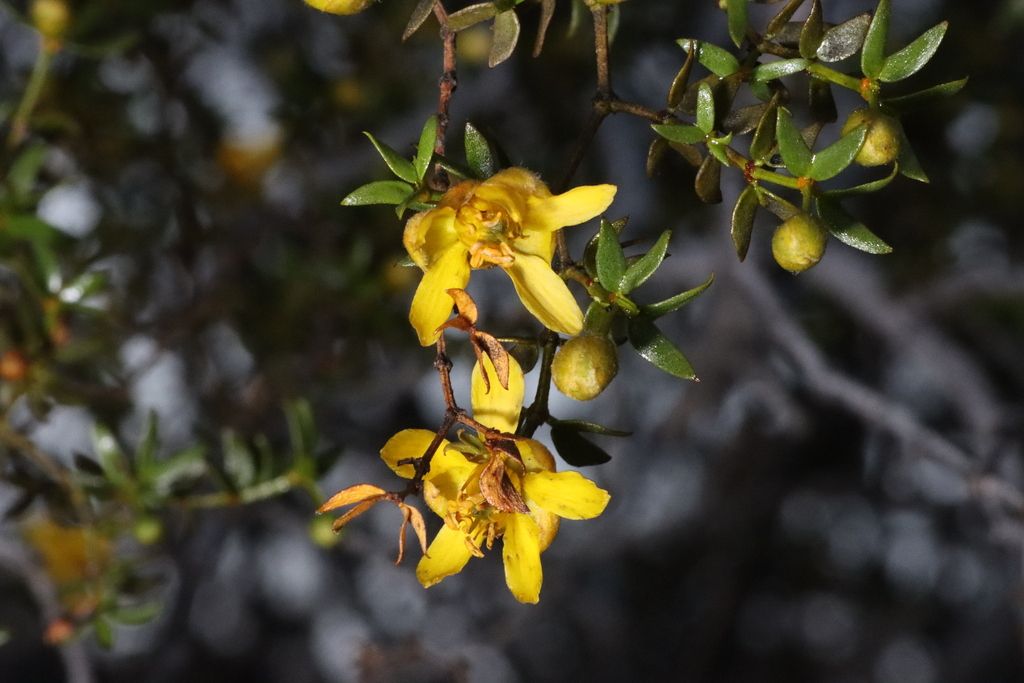
Vegetation CoverThe vegetation is typically sparse desert shrubland dominated by creosote bush, white bursage, Joshua-tree, and blackbrush, with saltbush and grasses on alkali flats, and various pines, juniper, and sagebrush found in the mountains.
Wildlife HabitatThe Mojave Basin and Range is home to representative wildlife such as desert bighorn sheep, pronghorn, coyote, kit fox, black-tail jackrabbit, desert cottontail rabbit, greater roadrunner, Gambel's quail, mourning dove, desert tortoise, and rattlesnake.

Eco snapshot

What shapes this region

Climate pattern

  • Rain can be patchy and unpredictable; some years have stronger bloom seasons than others
  • Heat and sun exposure strongly affect what survives in a yard or school garden
  • Microclimates (small local weather differences) matter: shade, slope, wind, and elevation can change plant performance
Vegetation profile

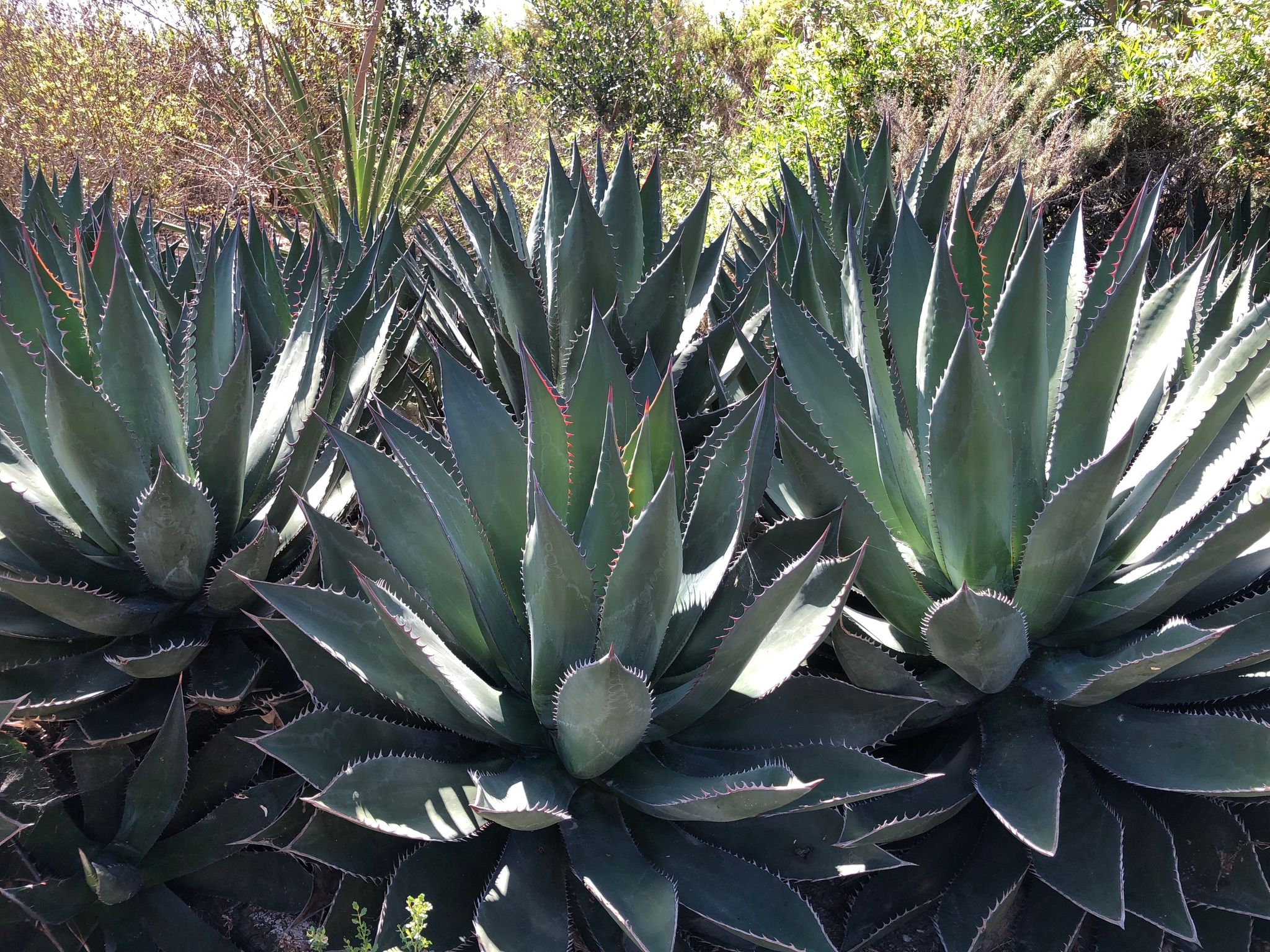
The vegetation is typically sparse desert shrubland dominated by creosote bush, white bursage, Joshua-tree, and blackbrush, with saltbush and grasses on alkali flats, and various pines, juniper, and sagebrush found in the mountains.

Wildlife profile

The Mojave Basin and Range is home to representative wildlife such as desert bighorn sheep, pronghorn, coyote, kit fox, black-tail jackrabbit, desert cottontail rabbit, greater roadrunner, Gambel’s quail, mourning dove, desert tortoise, and rattlesnake.

Why pollinators matter here

  • Pollinators help native plants set seed and keep desert ecosystems resilient
  • Flowering can be brief—so having multiple bloom times supports more species
  • Water-wise native gardens can provide “stepping stones” between natural areas
  • Nesting habitat (bare ground, stems, crevices) is as important as flowers

Seasonal timing

Planting seasons

Timing varies by microclimate; use this as a flexible guide.

Seasonal timing

  • Late winter/early spring: Often a key planting and establishment window in many warm-desert neighborhoods (site-dependent)
  • Spring: Great for adding plants and watching for early blooms after rains
  • Summer: Focus on heat-smart care (mulch, deep watering for new plants, shade for seedlings)
  • Late summer/fall: Another common planting window when heat eases (varies by location)
  • Winter: Plan, observe, and protect young plants from cold snaps (where they occur)

Quick seasonal checklist

  • Choose locally appropriate native plants (not “generic desert” plants)
  • Plant in groups (clumps) to make flowers easier for pollinators to find
  • Add a simple water plan for the first year (new plants need help establishing)
  • Keep some bare ground and stems for nesting
  • Avoid pesticides—especially during bloom

Yearly needs

Pollinator calendar

What pollinators need throughout the year, and what to do about it.

Late winter/early springEarly nectar/pollen; safe nesting startPlant/maintain early-blooming natives; leave some bare soil; avoid spraying
SpringLots of flowers; water sources; nesting materialsAdd a “bloom ladder” (several species); plant in clumps; provide a shallow water dish with stones
SummerHeat refuge; reliable blooms; hydrationPrioritize heat-tolerant bloomers; add afternoon shade where possible; water new plants deeply but less often
Late summer/fall“Bridge” blooms before winter; seed setAdd late bloomers; let some plants go to seed; keep stems/leaf litter for shelter
Winter or Dry SeasonShelter; undisturbed nesting sitesDon’t over-tidy; leave stems and natural corners; plan next season’s plant additions

Seed mix concept

A Billion Small Steps Seed mix

In the Mojave, a practical seed approach is to build a bloom ladder that can handle dry conditions and variable rainfall:

Spring starter

Spring starter: Fast, early bloomers that take advantage of cooler conditions and seasonal moisture

Summer bridge

Summer bridge: Heat-tolerant flowers (often perennials/shrubs) that keep nectar going through the hottest stretch

Fall finisher

Fall finisher: Late-season bloomers that support pollinators when many landscapes go quiet

What You Can Do

Make a difference for native habitats.

Turn this knowledge into action. Whether you plant a single pot or a whole garden, you are building a vital bridge for local biodiversity.

Join the movement to restore our shared habitats.

Native plants

Plants that thrive in this region

Agaves (*Agave* (genus))

Agaves

Agaves are bold, sculptural succulents that store water in thick leaves and thrive in bright, dry spots. Their flowers can be a big seasonal draw for pollinators when plants are mature and in bloom.

View plant profile
Creosote bush (*Larrea* spp.)

Creosote bush

Creosote bush (genus Larrea) is a tough, sun-loving shrub known for its small yellow flowers and resin-scented leaves. It’s best for dry, open spaces where you want a low-water plant that can still offer nectar and pollen when in bloom.

View plant profile
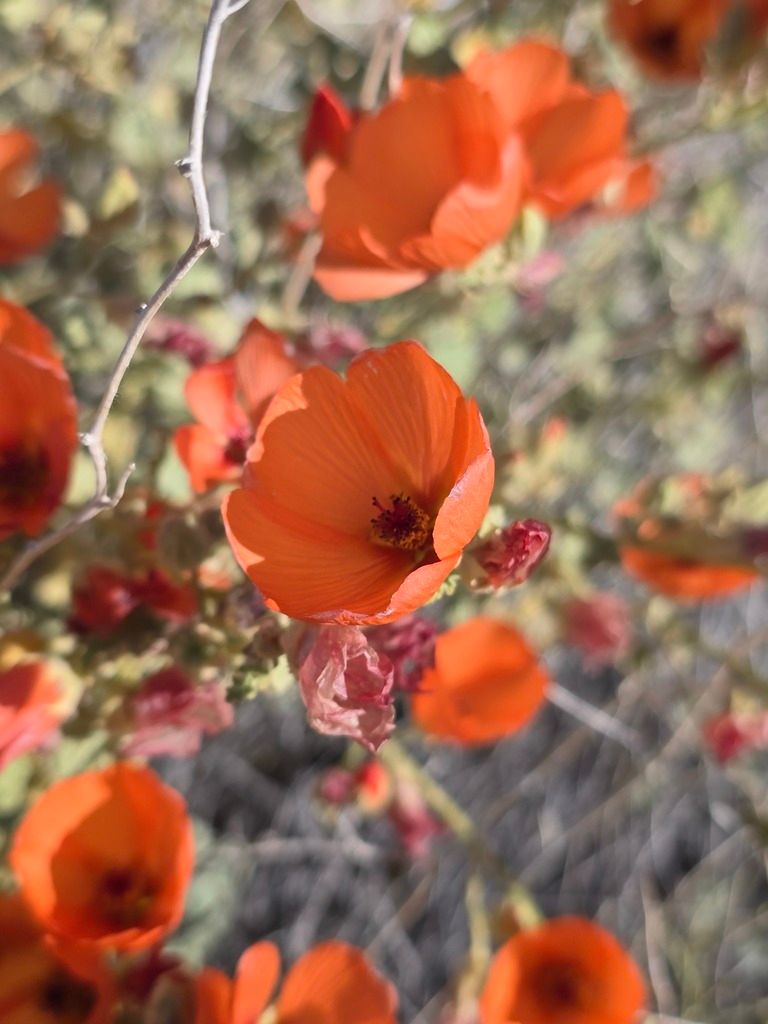
Desert mallows (*Sphaeralcea* spp.)

Desert mallows

Desert mallows (globe mallows) are tough, sun-loving plants in the genus Sphaeralcea that bring warm-colored blooms and easy pollinator value to dry, low-fuss gardens and containers.

View plant profile
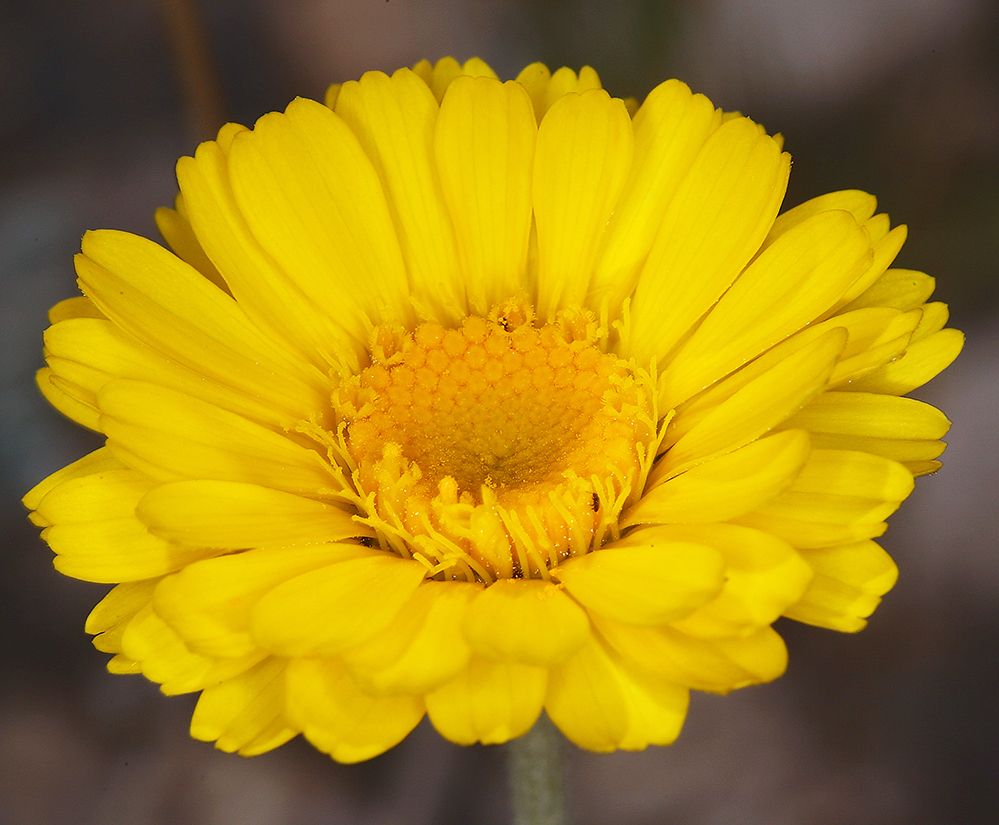
Marigolds (desert types) (Baileya spp.)

Marigolds

Desert marigolds are sunny, daisy-like wildflowers in the genus Baileya that bring bright color and steady nectar to warm, open garden spots.

View plant profile
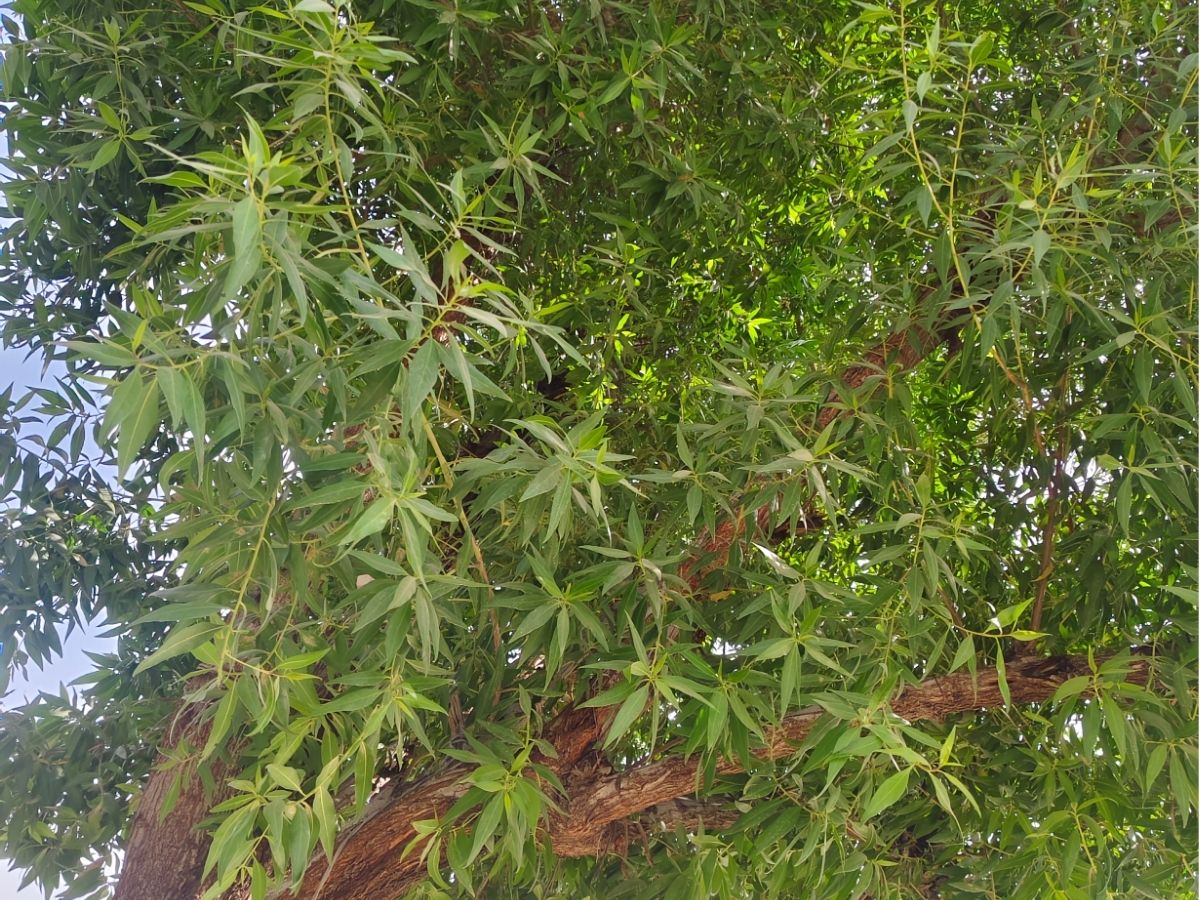
F_trees-mesquites-arid-regions.jpg

Mesquites

Mesquites are tough, drought-adapted trees in the genus Prosopis that can add shade and seasonal flowers to dry landscapes while offering nectar and pollen for a range of pollinators.

View plant profile
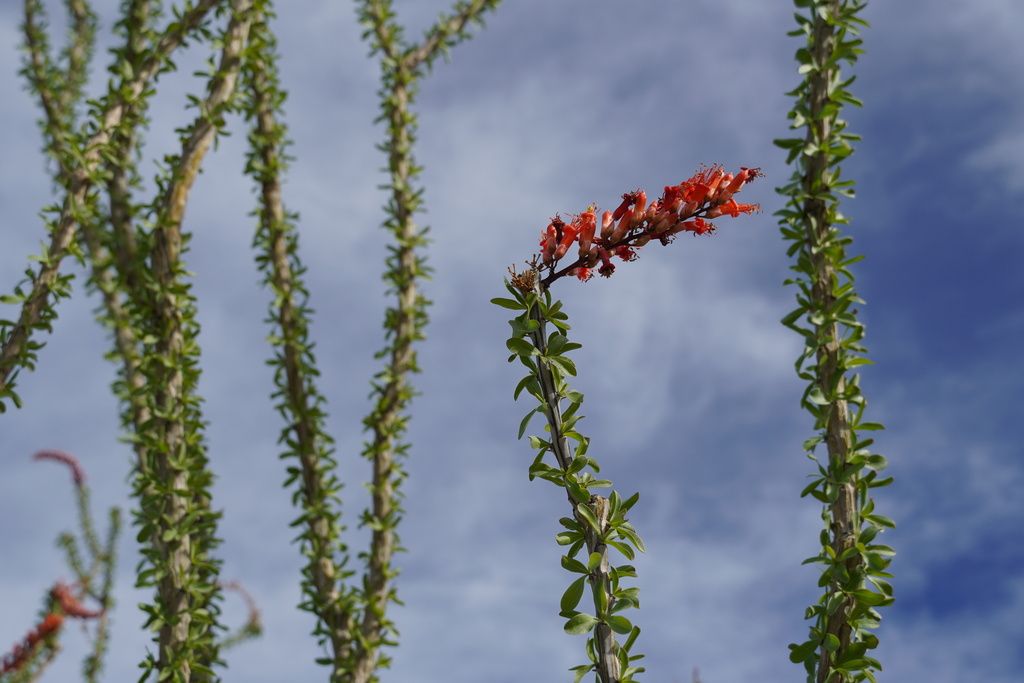
Ocotillo (*Fouquieria* spp.)

Ocotillo

Ocotillo is a dramatic desert shrub in the genus Fouquieria, known for tall, wand-like stems and bright flower clusters that can be a valuable nectar stop when in bloom.

View plant profile
Organ pipe & relatives (*Stenocereus* (genus))

Organ pipe & relatives

Organ pipe & relatives are columnar cacti in the genus Stenocereus, grown for their bold, upright stems and showy blooms that can offer nectar and pollen when flowers are open.

View plant profile
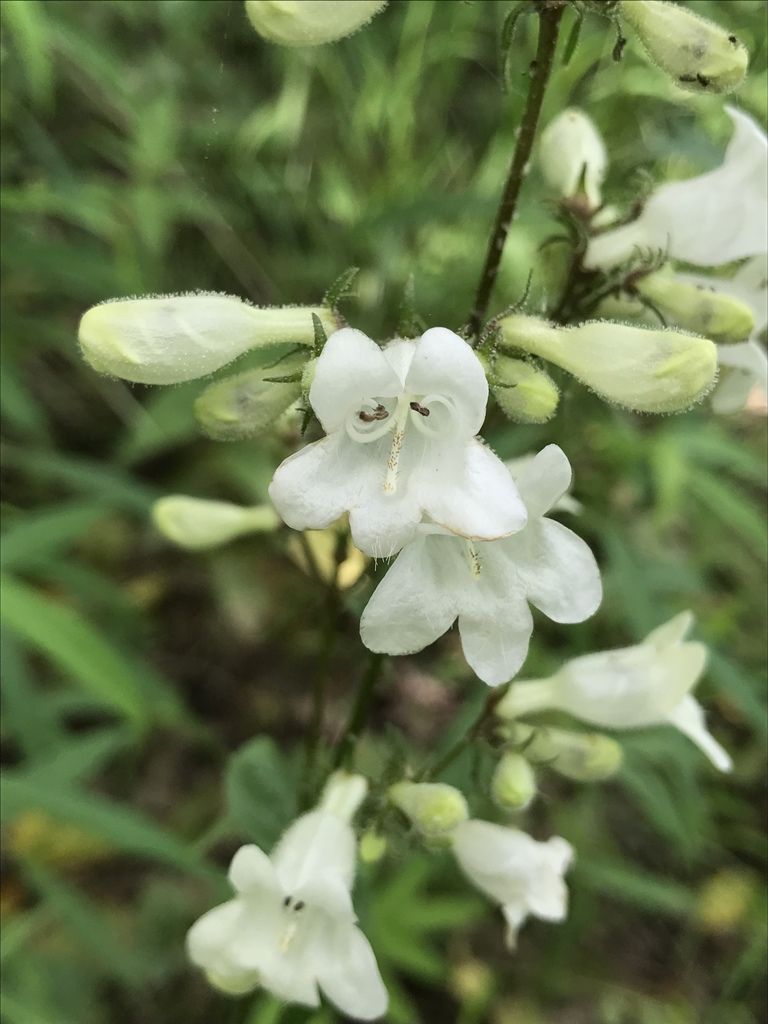
Penstemons (*Penstemon* (genus))

Penstemons

Penstemons (beardtongues) are hardy, flower-filled wildflowers that bring bright color and steady nectar to gardens and containers, especially in sunny spots with well-drained soil.

View plant profile
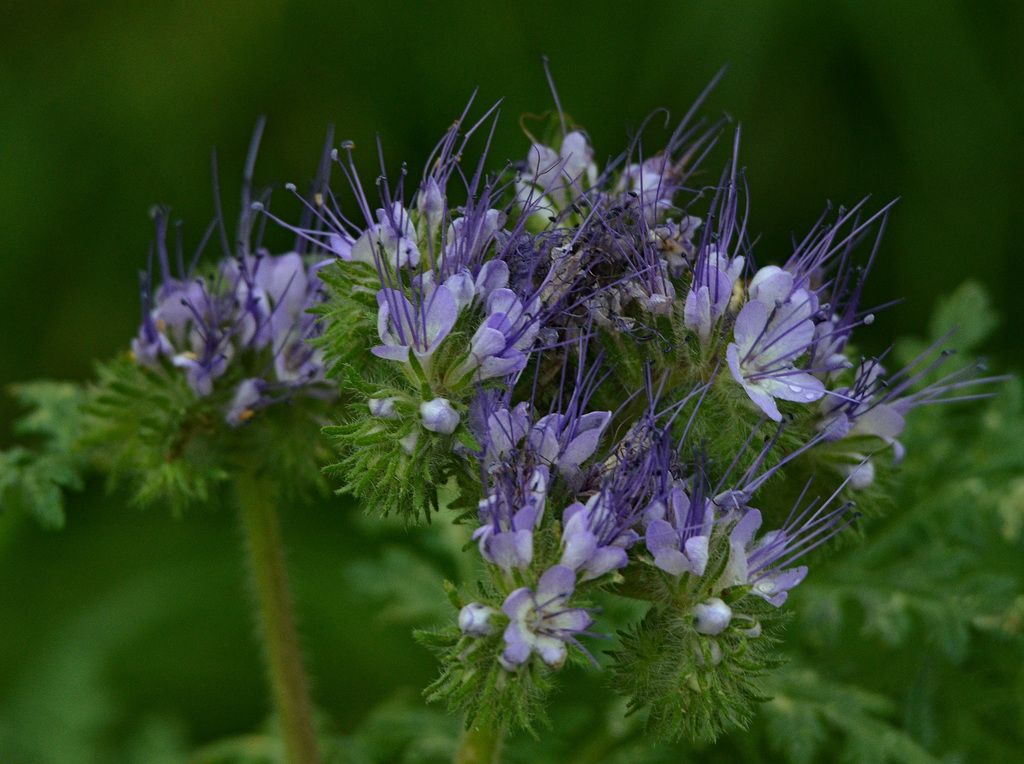
Phacelias (*Phacelia* spp.)

Phacelias

Phacelias are easygoing wildflowers in the genus Phacelia, known for their nectar-rich blooms that can bring lots of pollinator activity to gardens, schoolyards, and even containers.

View plant profile
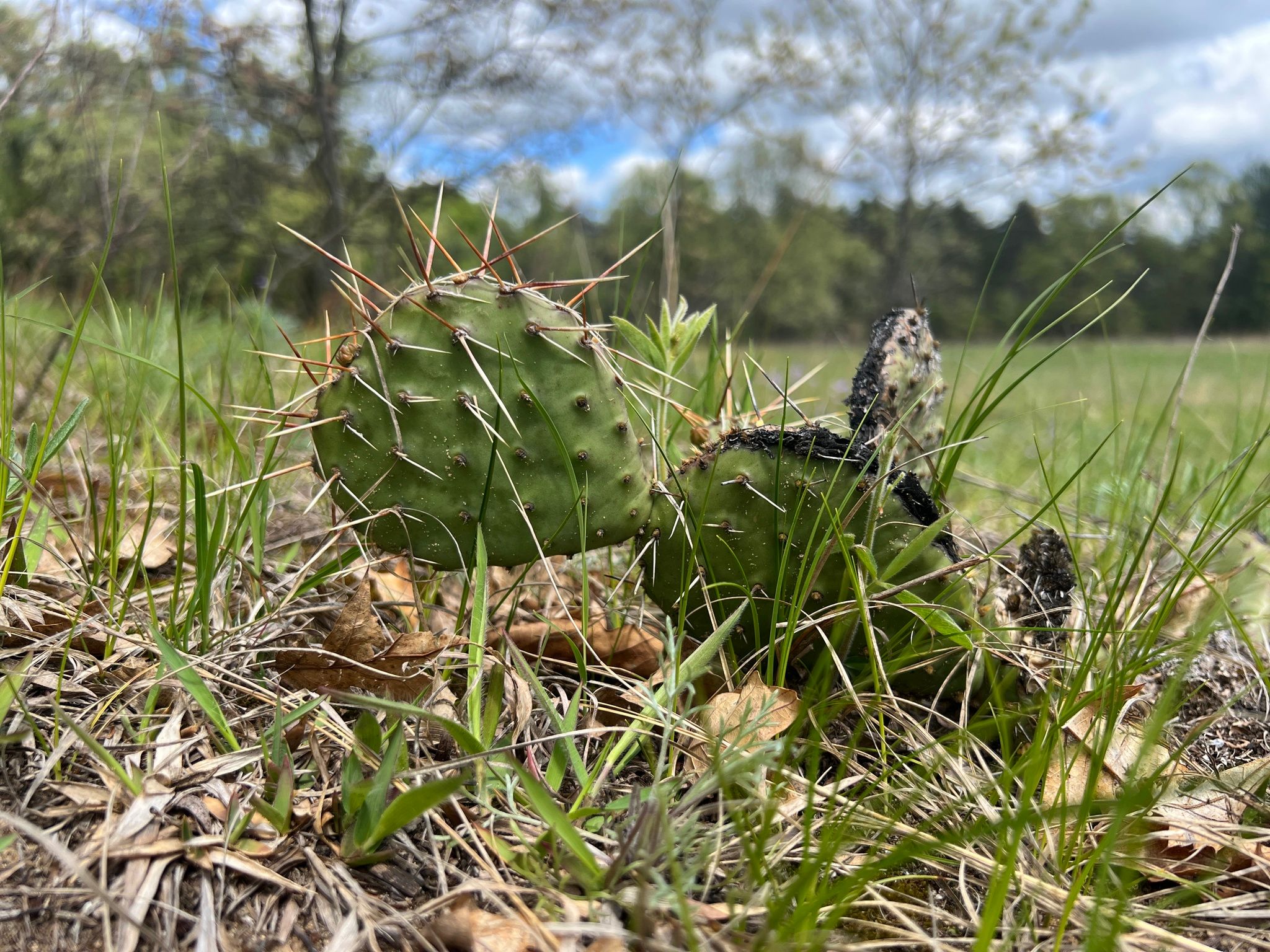
Prickly pears (*Opuntia* spp.)

Prickly pears

Prickly pears are tough, sun-loving cacti (genus Opuntia) with bright blooms that can offer nectar and pollen when in flower. They’re best for warm, bright spots and gardeners who want a low-water plant with big character.

View plant profile
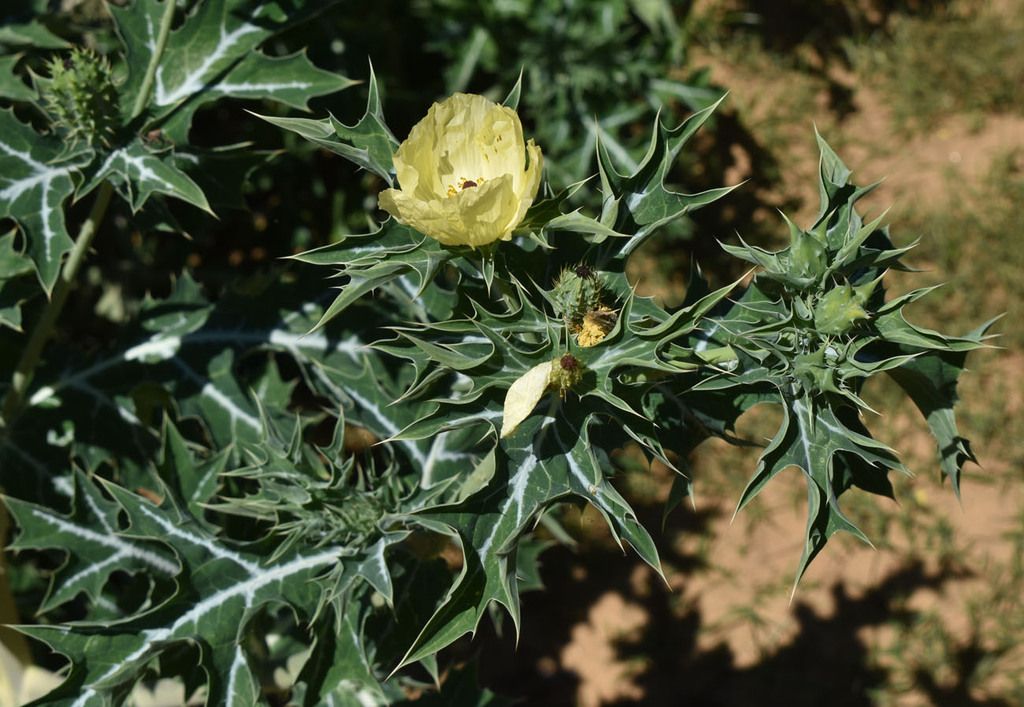
Prickly poppies (*Argemone* spp.)

Prickly poppies

Prickly poppies (genus Argemone) are bold, spiny wildflowers with papery blooms that can add bright color and nectar to sunny, low-fuss garden spots.

View plant profile
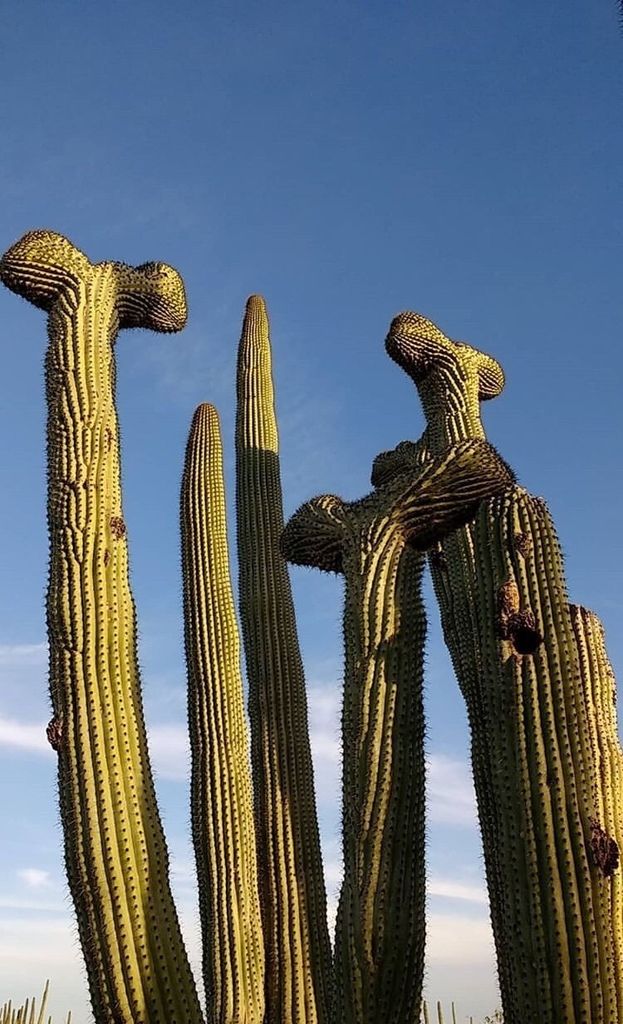
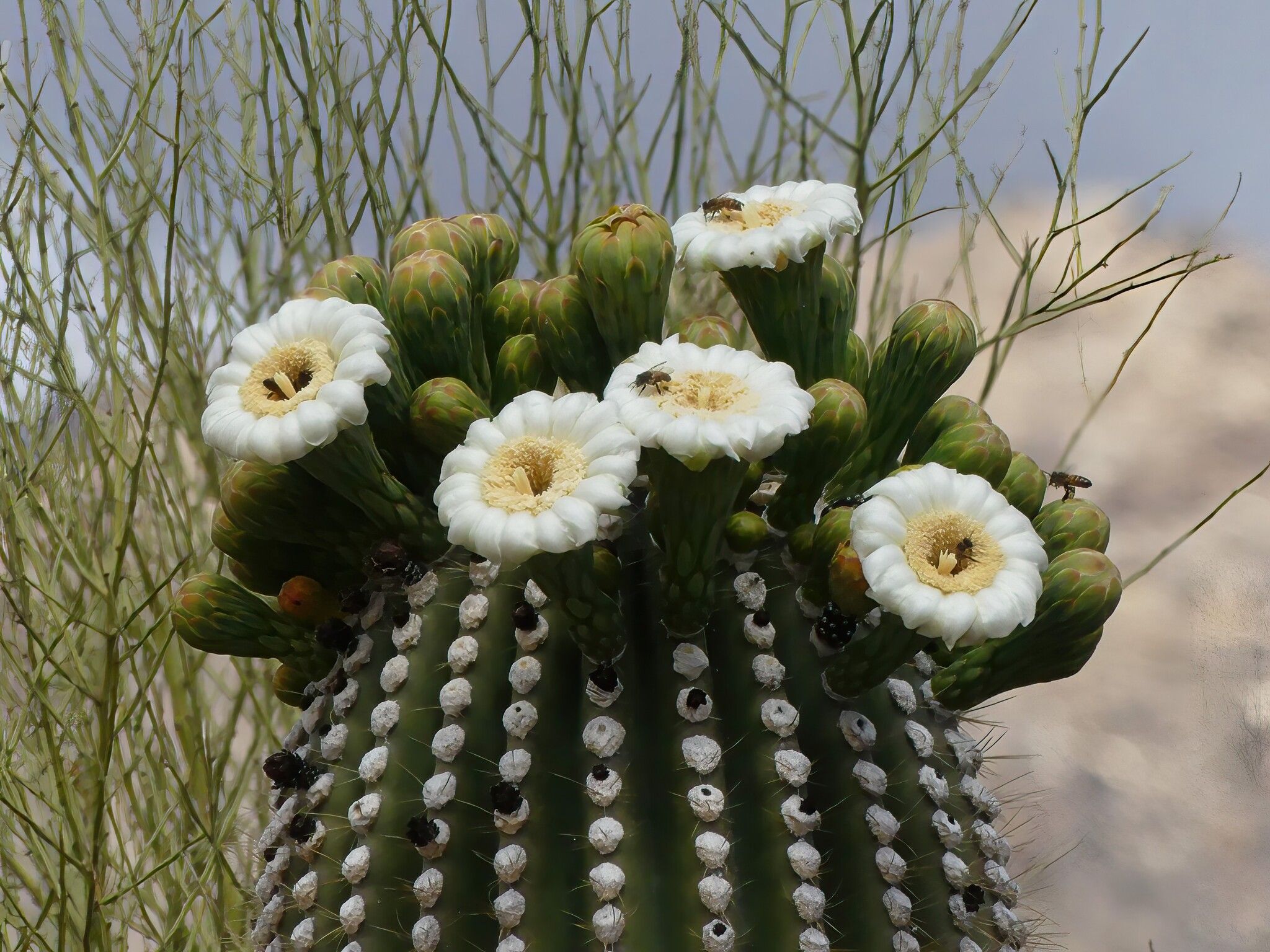
Saguaros (*Carnegiea gigantea*)

Saguaros

Saguaros are iconic desert cacti that grow slowly, live a long time, and offer seasonal flowers that can support pollinators when grown in the right conditions.

View plant profile
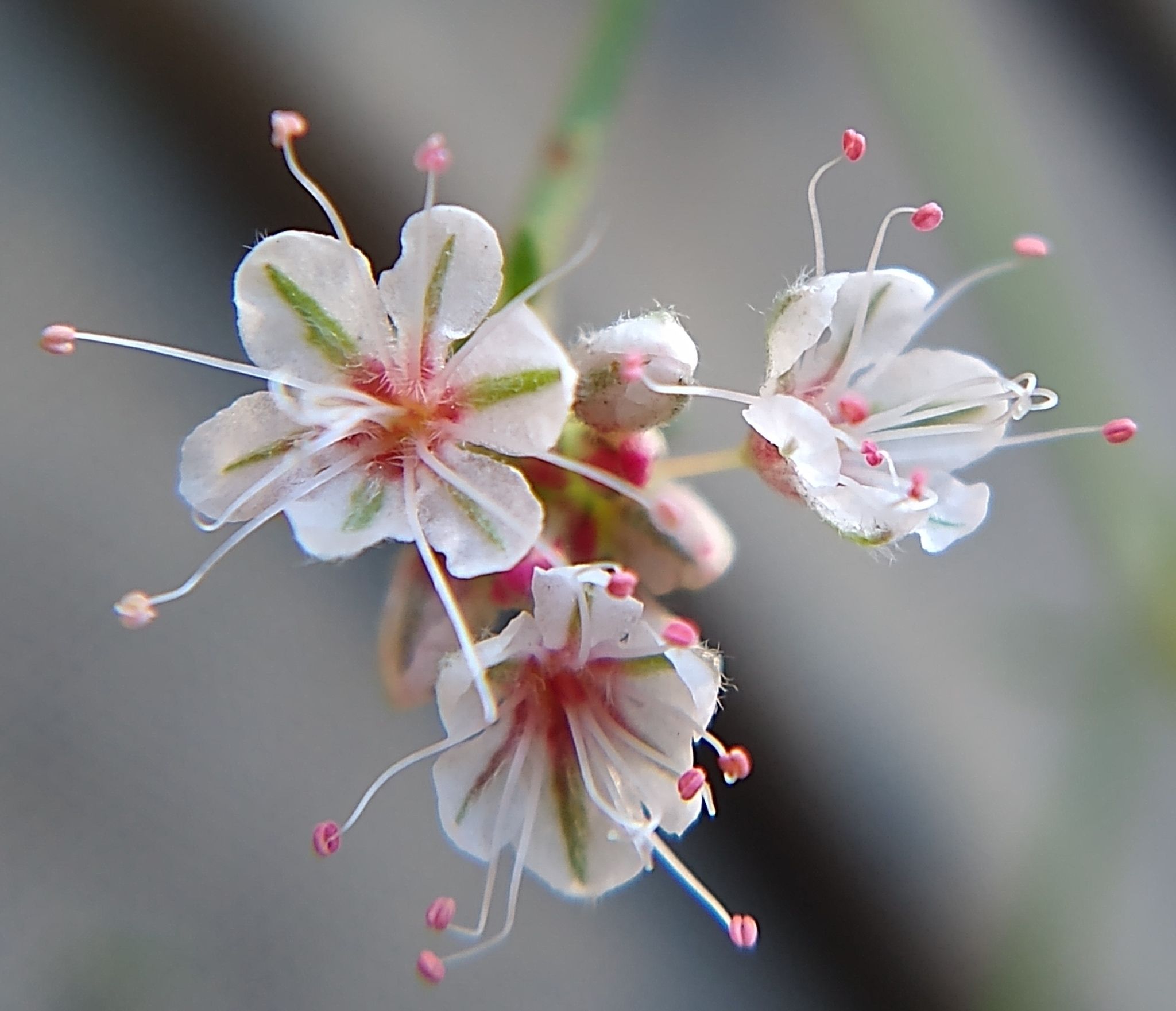
Wild buckwheats (*Eriogonum* (genus))

Wild buckwheats

Wild buckwheats (genus Eriogonum) are tough, long-blooming western native wildflowers that can turn dry, sunny spots into reliable pollinator stops.

View plant profile
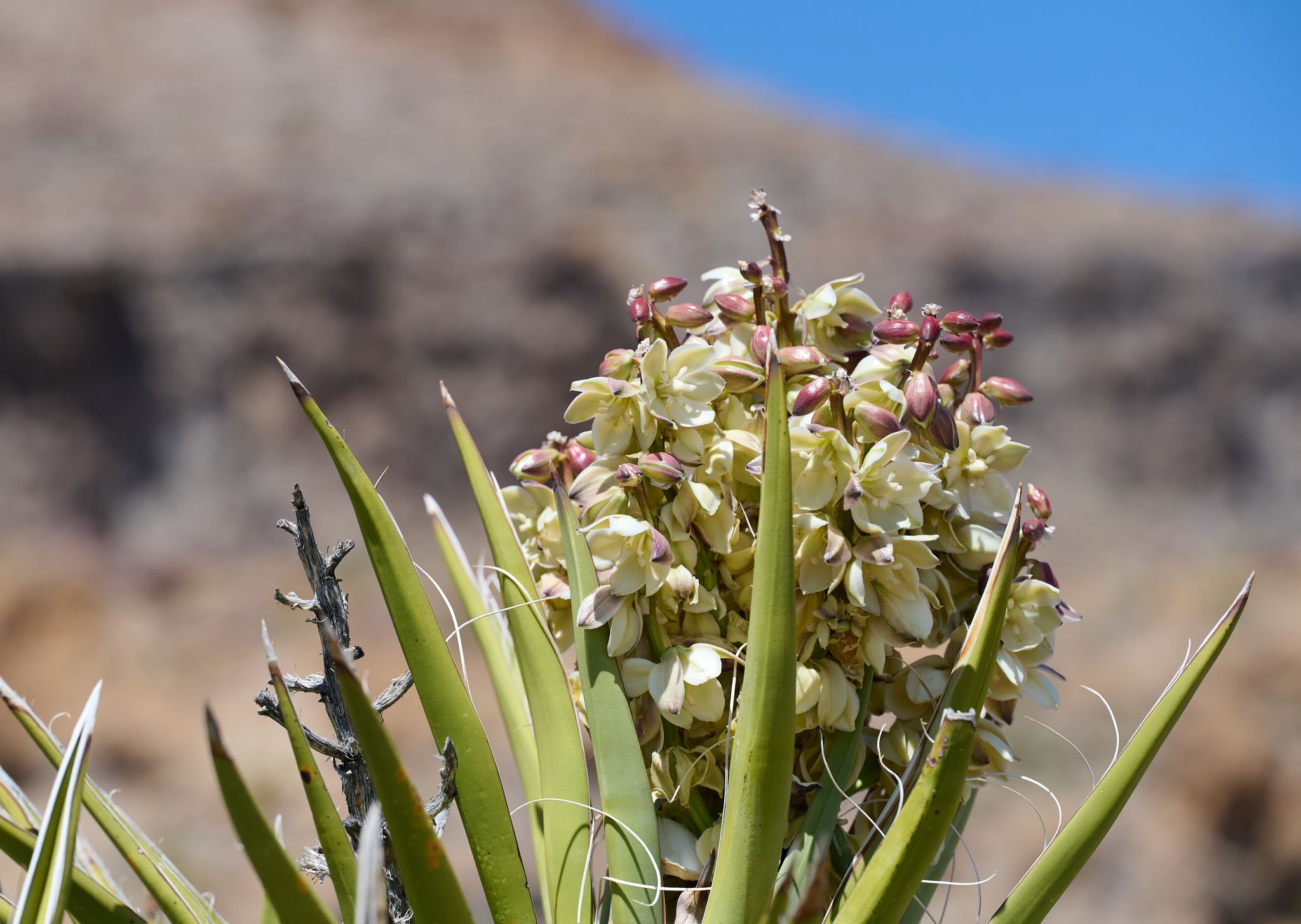
Yucca (*Yucca* (genus))

Yucca

Yucca is a group of bold, architectural plants with spiky leaves and tall flower stalks that can add structure to sunny gardens and containers. Many yuccas are tough once established and can be a low-fuss way to offer nectar to visiting pollinators when in bloom.

View plant profile

Pollinators

Pollinators active in this region

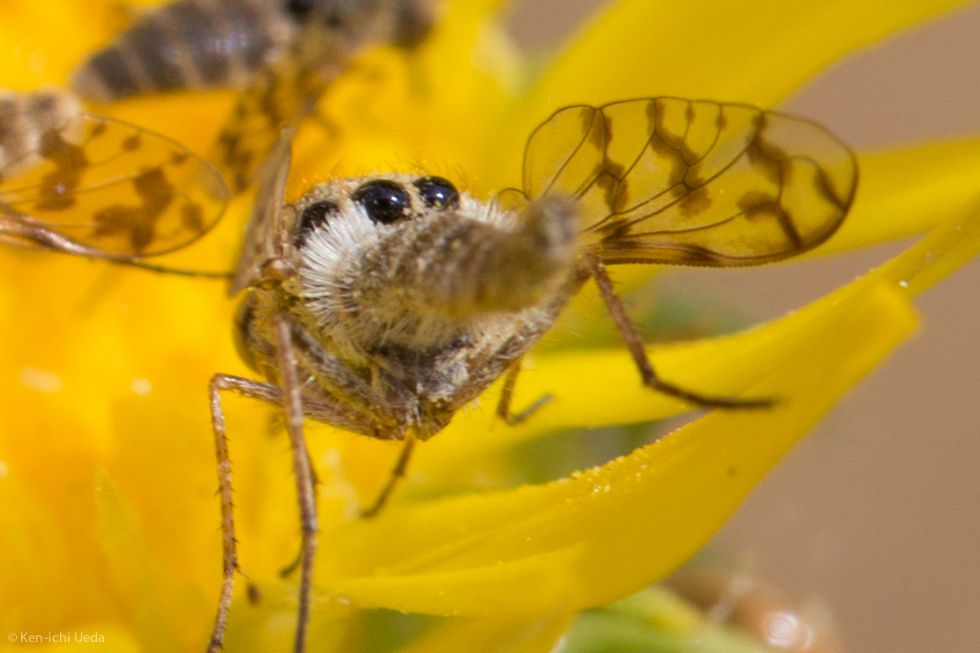
Bee flies (Family Bombyliidae)

Bee flies

Adults visit flowers for nectar and can move pollen between blooms; their presence is a sign of diverse, functioning habitats.

View pollinator profile
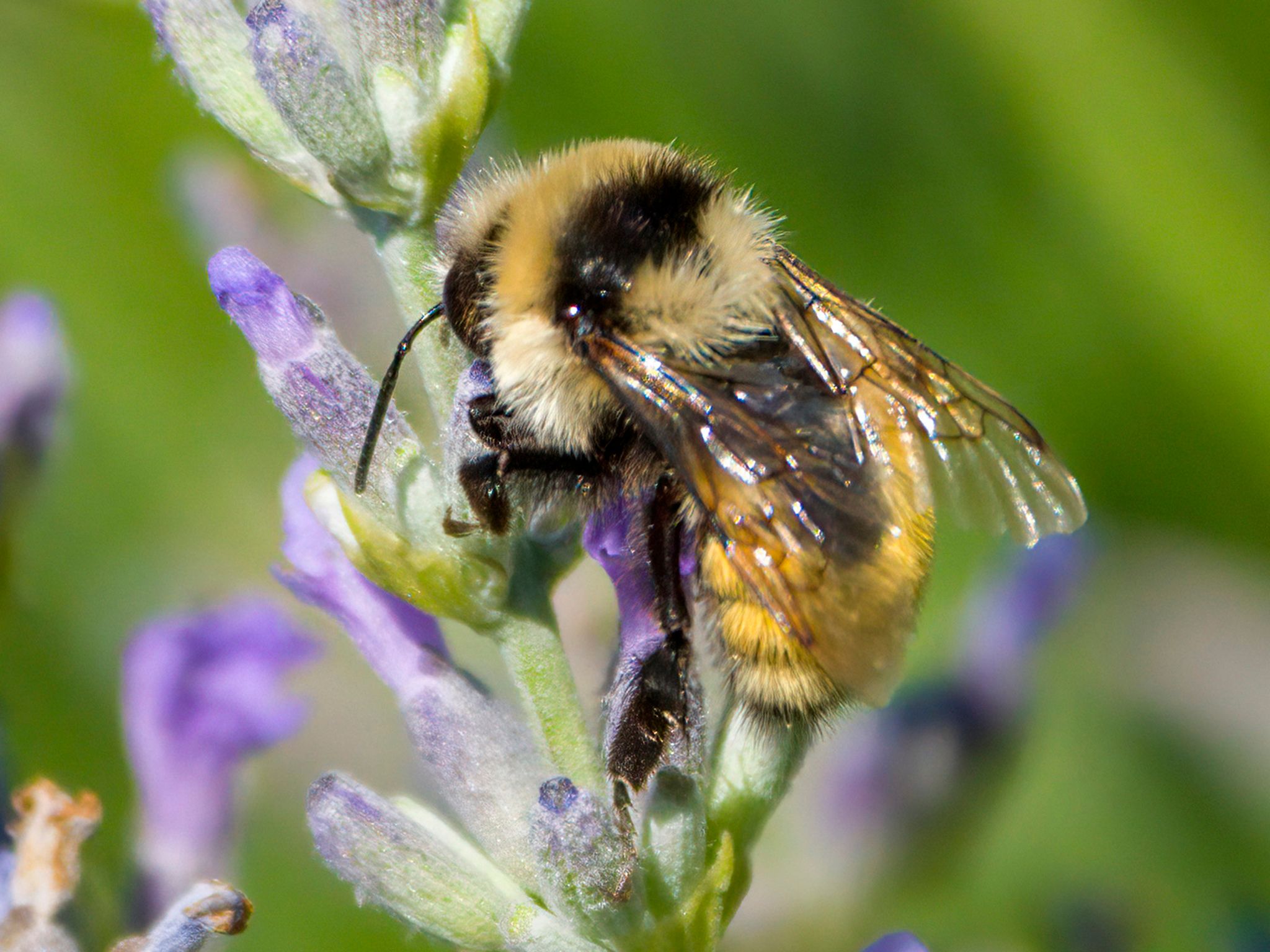
Bumble bees (Genus Bombus)

Bumble bees

Bumble bees are important pollinators of many wildflowers and garden plants, helping ecosystems and food crops reproduce.

View pollinator profile
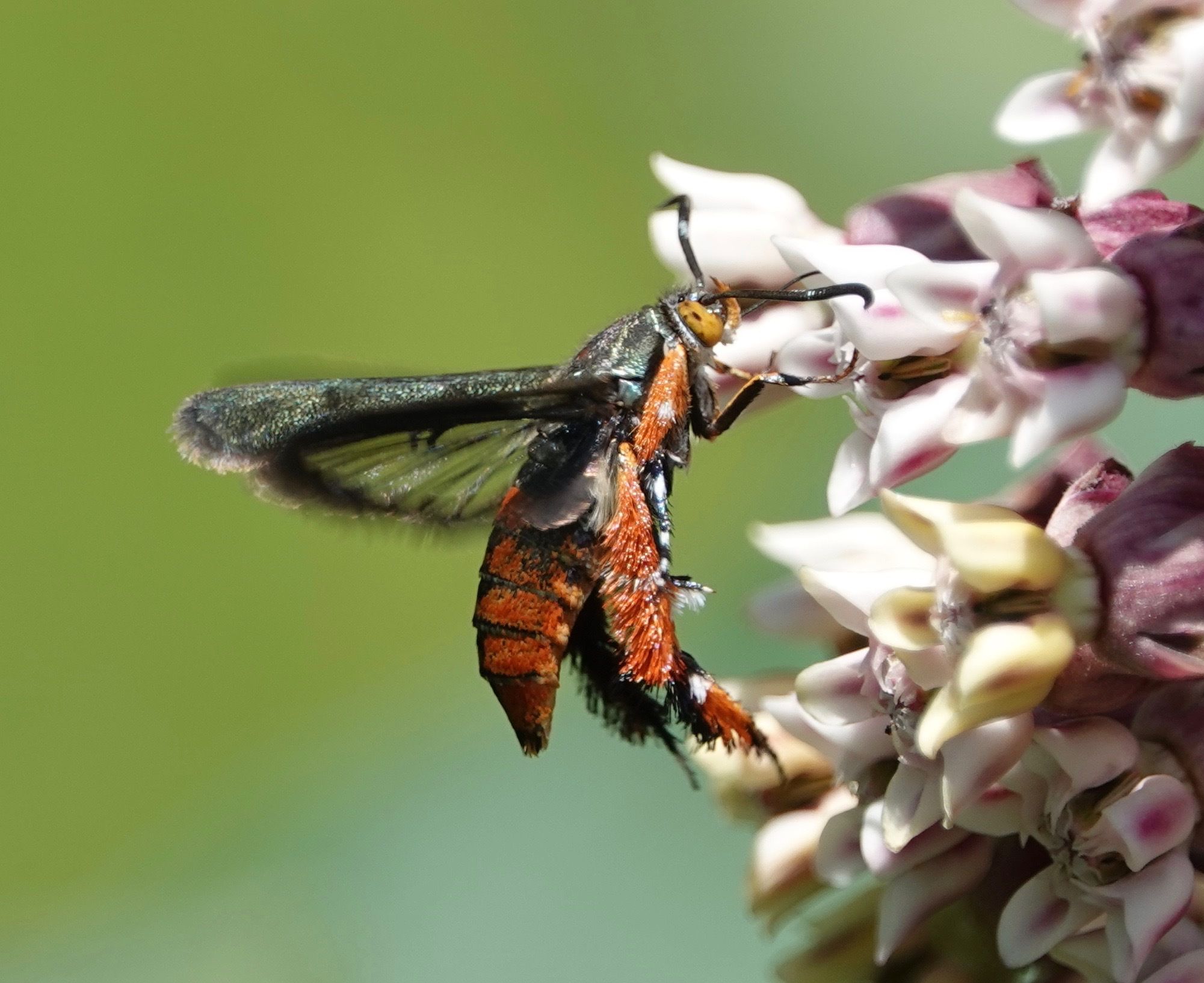
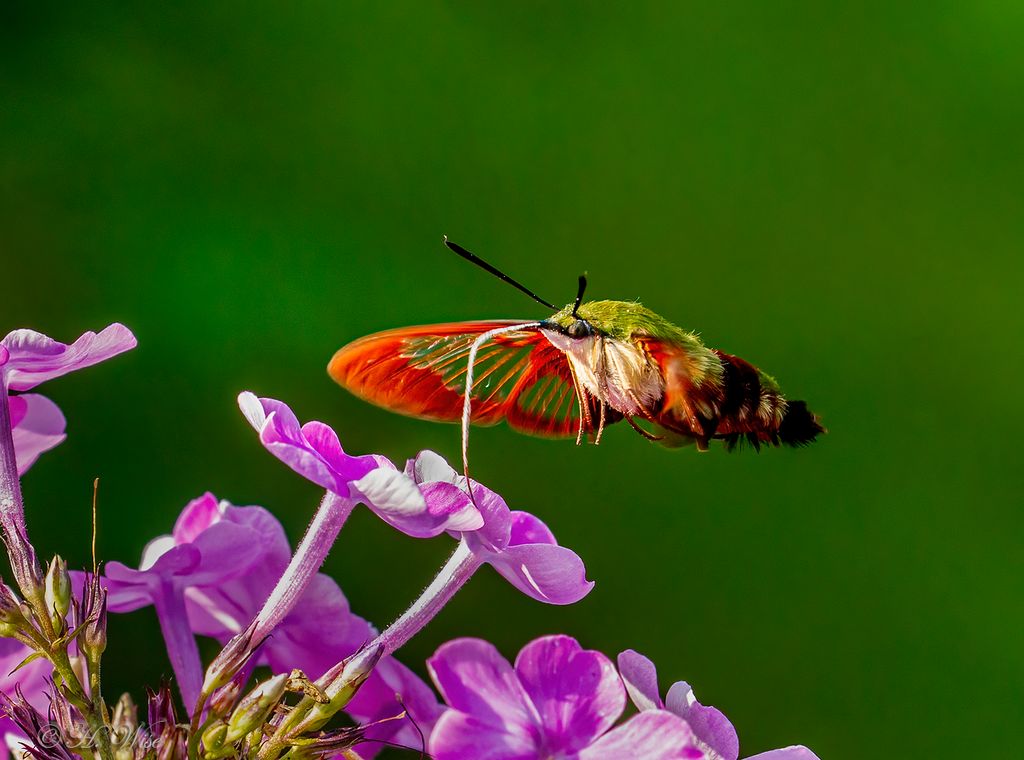
Clearwing moths (Family Sesiidae)

Clearwing moths

Adults can move pollen between blooms, and their presence can signal how healthy local plant communities are.

View pollinator profile
Digger bees (Tribe Anthophorini (e.g., Anthophora))

Digger bees

They move pollen between flowers while feeding, helping wild plants and many garden plants set seed and fruit.

View pollinator profile
F_hoverfly-01.jpg

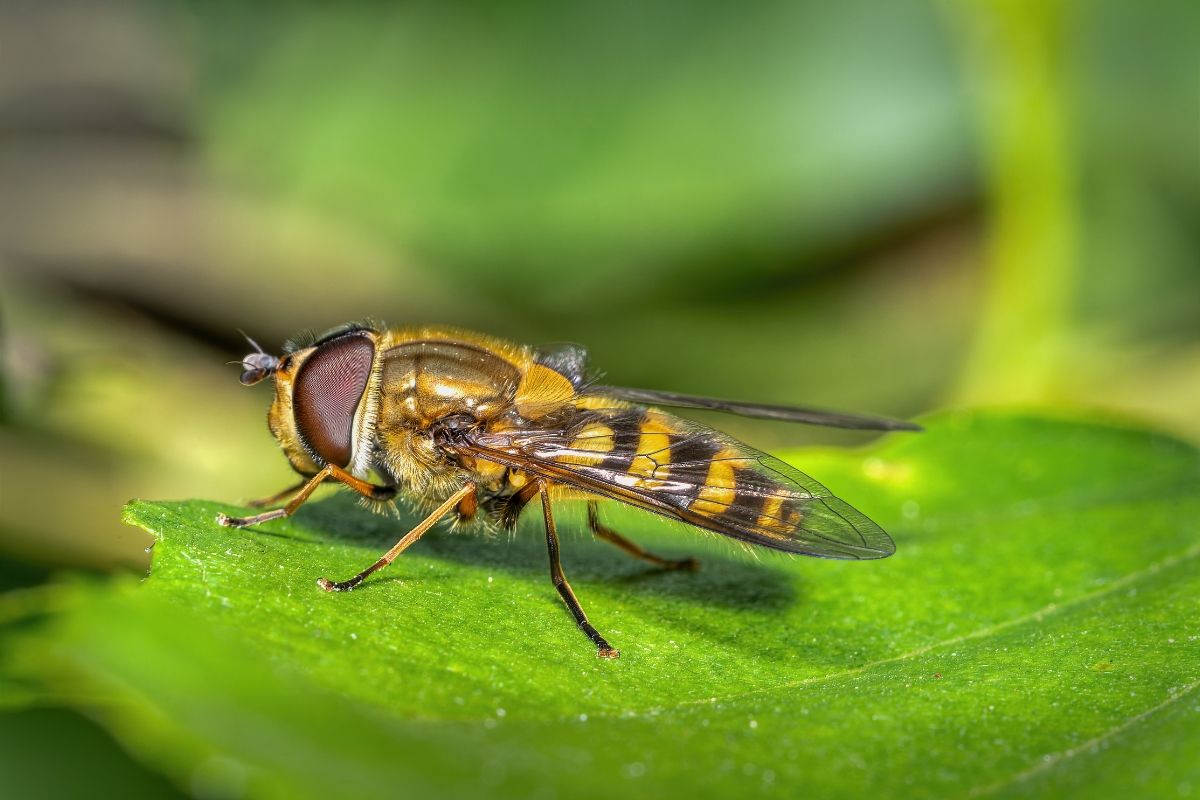
Flower flies / hoverflies

Adults visit flowers for nectar and pollen, and many species’ larvae help keep plant-eating pests in check.

View pollinator profile
Hawk / sphinx moths (Family Sphingidae)

Hawk / sphinx moths

They can move pollen between flowers while feeding on nectar, especially for blooms that open or scent up in the evening.

View pollinator profile
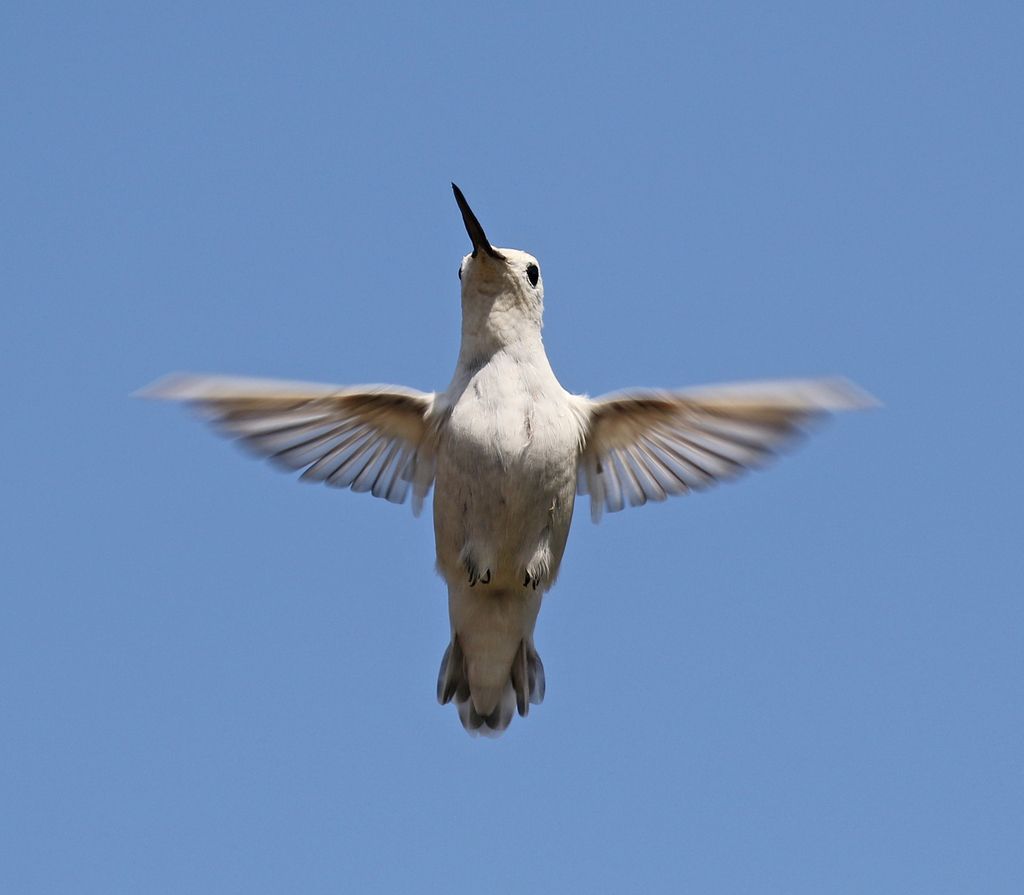
Hummingbirds (Family Trochilidae)

Hummingbirds

They move pollen between flowers while feeding, helping many plants reproduce.

View pollinator profile
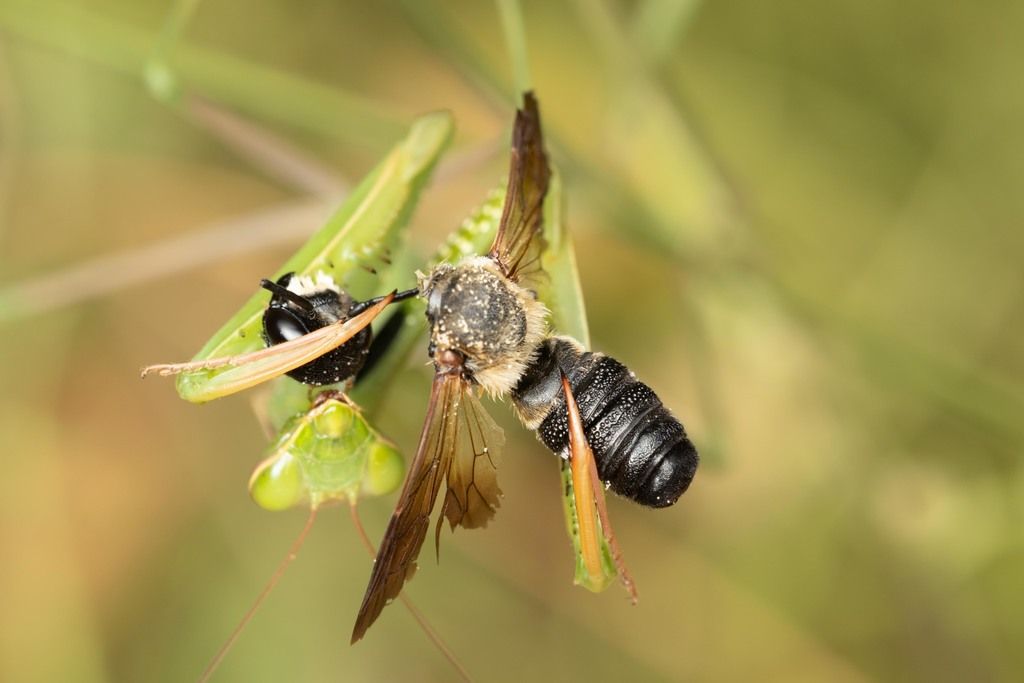
Leafcutter bees (Genus Megachile)

Leafcutter bees

They move pollen between flowers while foraging, helping many wild plants and garden plants set seed and fruit.

View pollinator profile
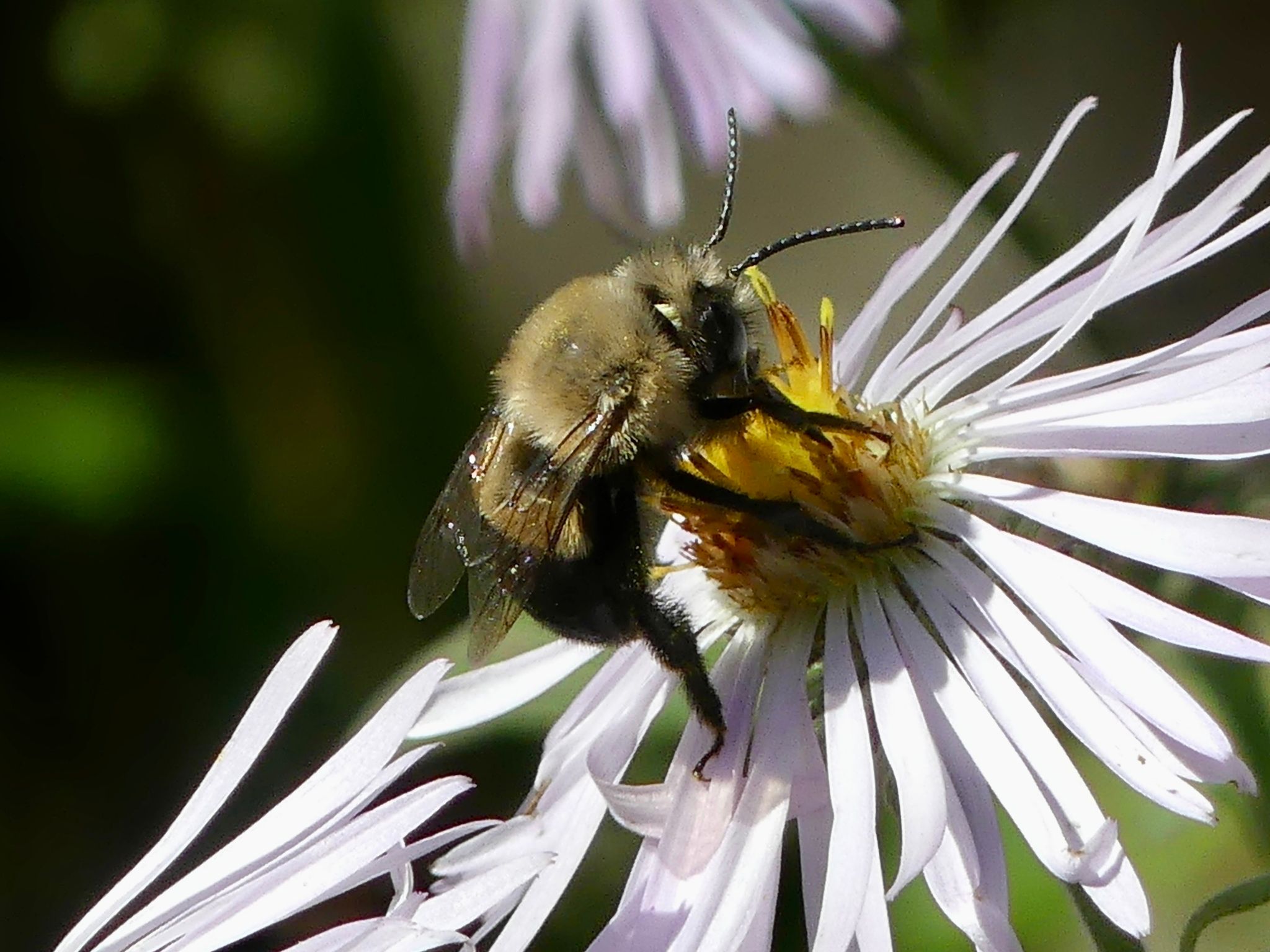
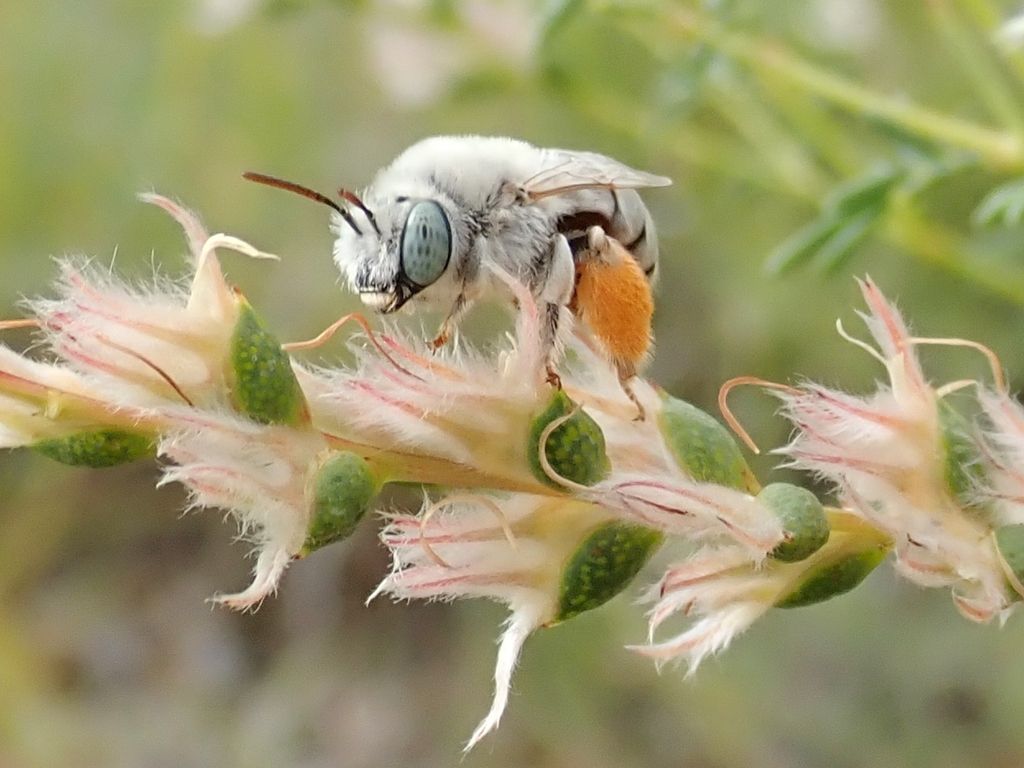
Long-horned bees (Tribe Eucerini)

Long-horned bees

They move pollen between flowers as they feed, supporting seed and fruit set in many wild plants and some crops.

View pollinator profile
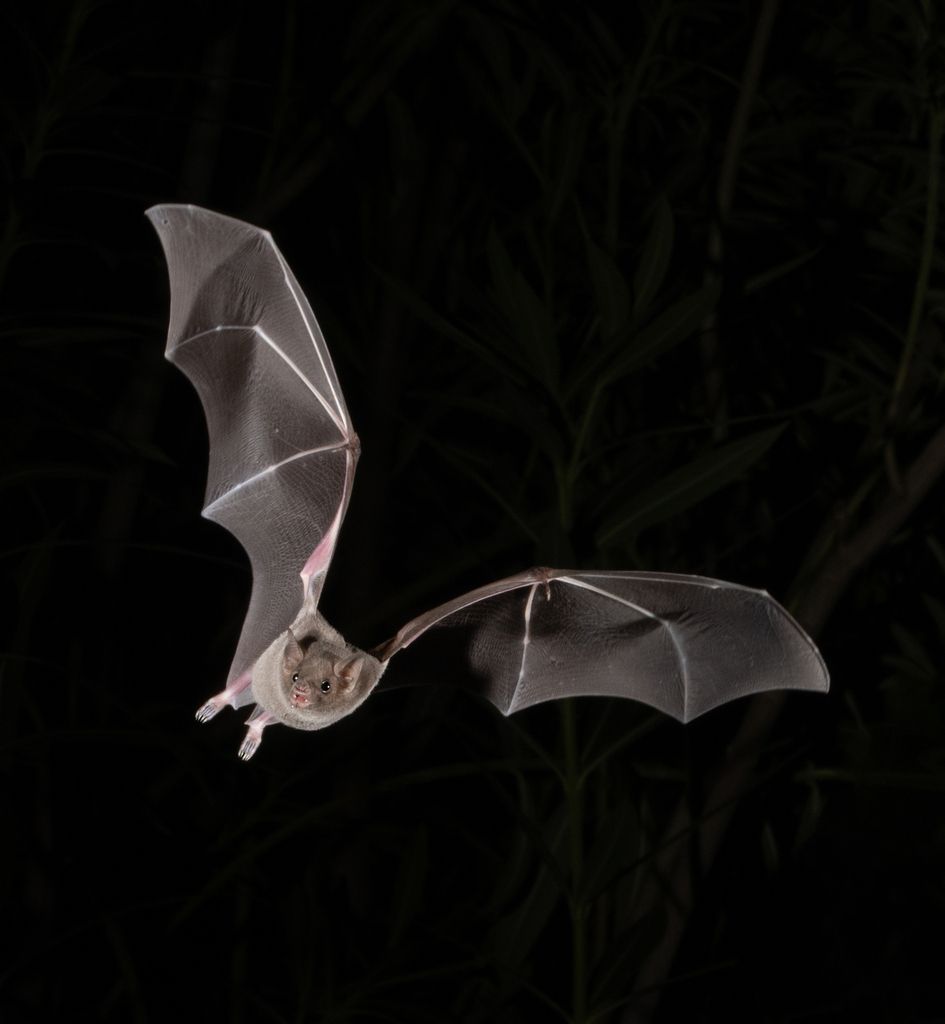
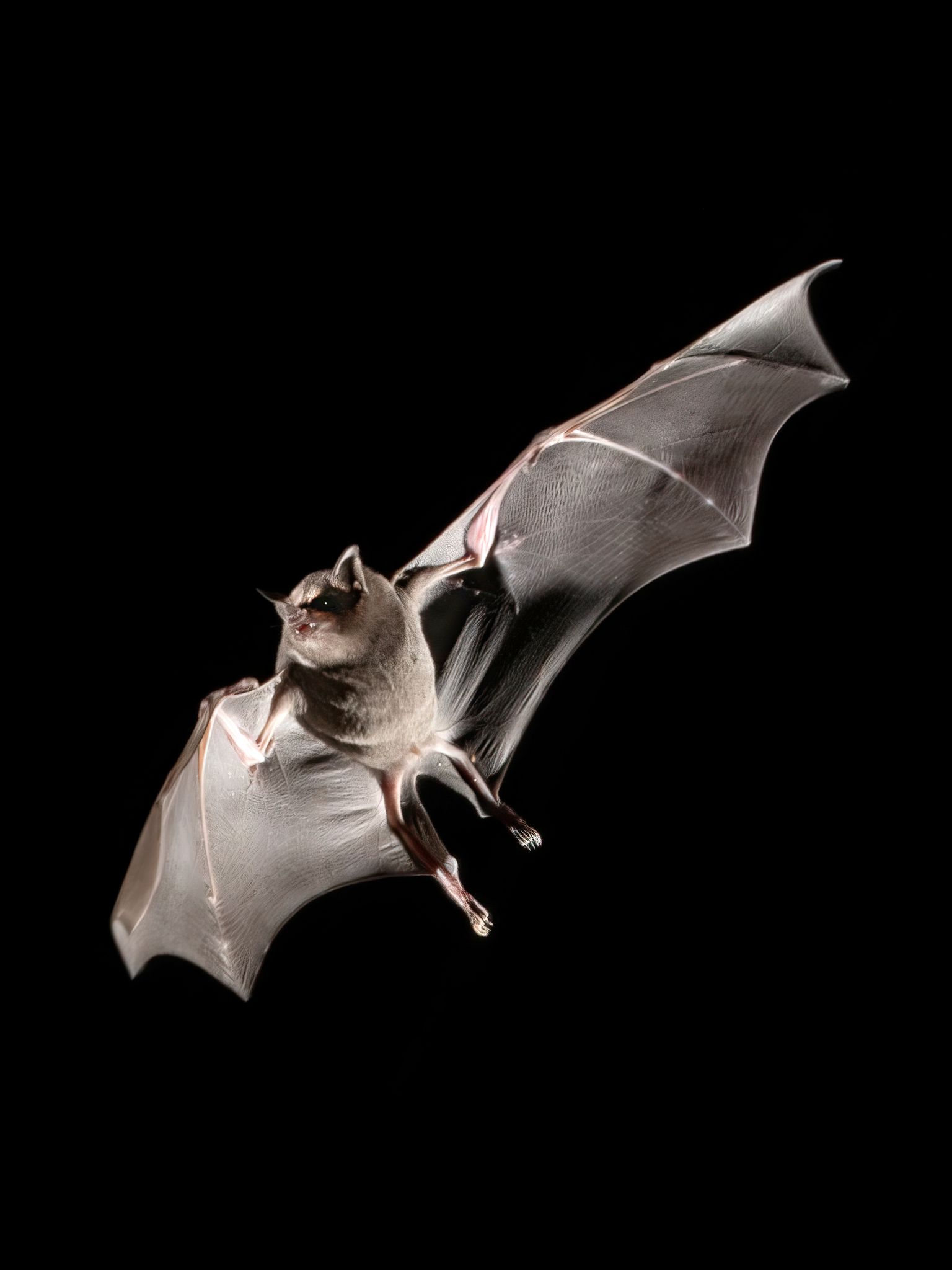
Long-nosed bats (Genus Leptonycteris)

Long-nosed bats

They move pollen between flowers over long distances, helping some plants set fruit and seed.

View pollinator profile
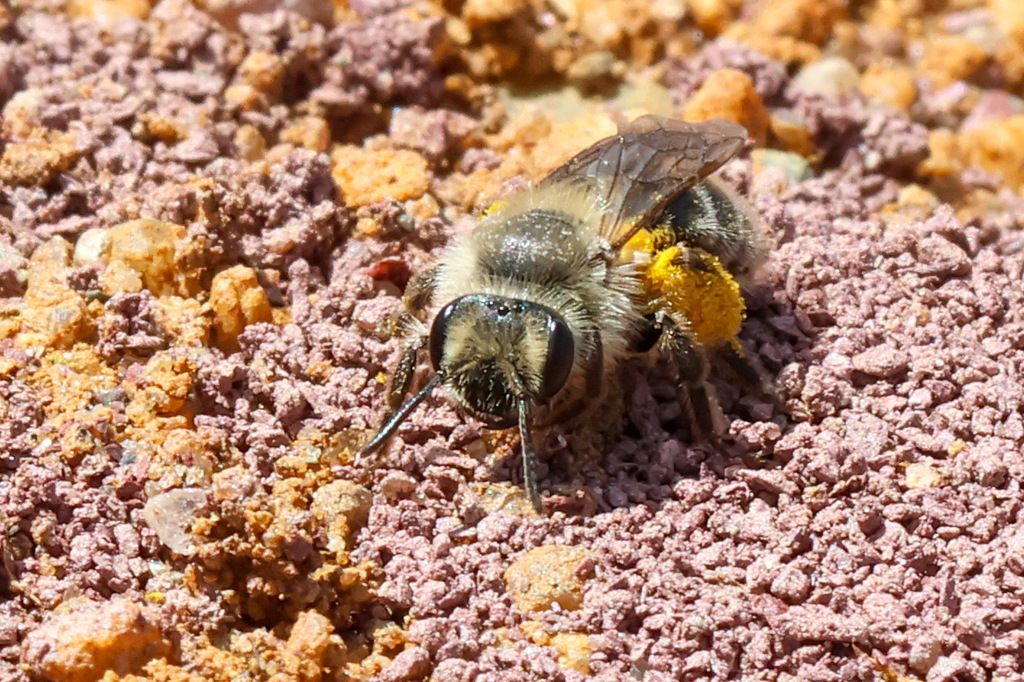
Mining bees (Genus Andrena)

Mining bees

They move pollen between flowers while foraging, helping many wild plants and garden plants set seed and fruit.

View pollinator profile
Nectar-feeding bats (Subfamily Glossophaginae)

Nectar-feeding bats

They move pollen between flowers over long distances and help many plants set fruit and seed.

View pollinator profile
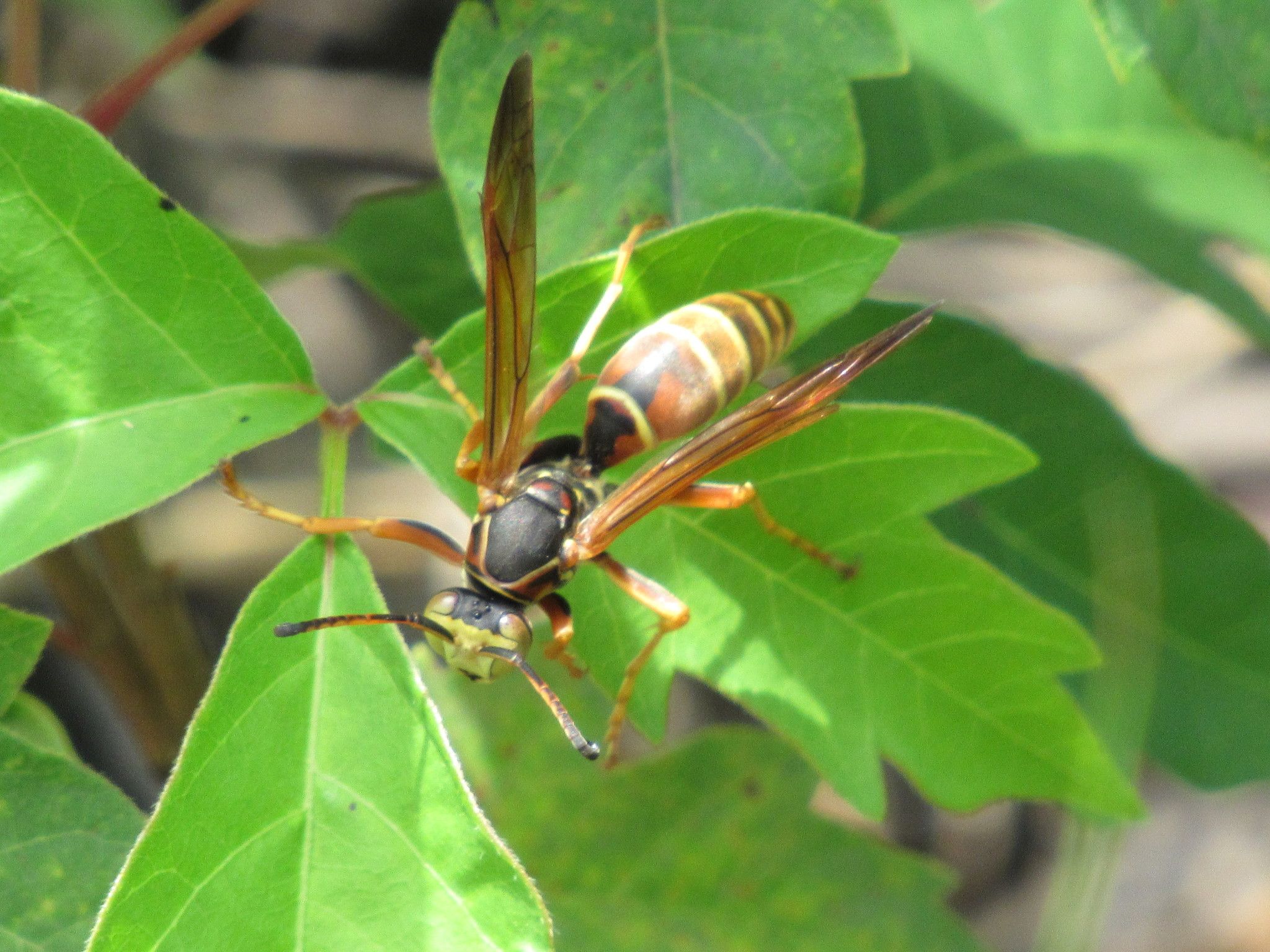
Paper wasps (Genus Polistes)

Paper wasps

They can move pollen while drinking nectar, and they also help control many plant-eating insects.

View pollinator profile
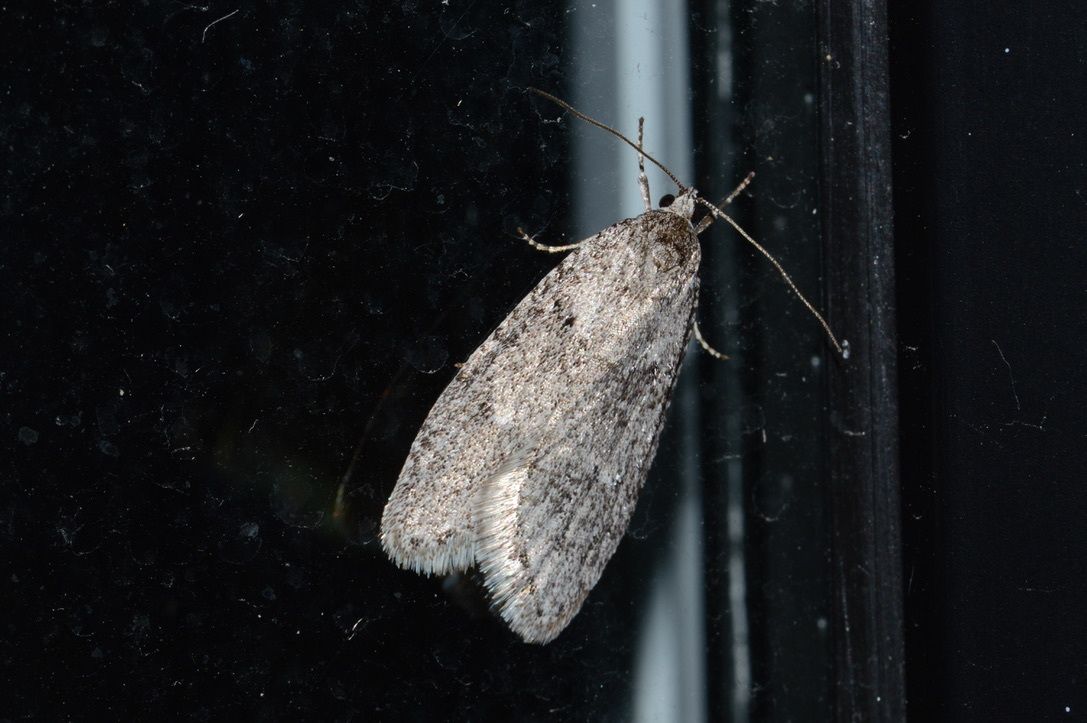
Small nectar moths (micro-moths) (Multiple families (varies))

Small nectar moths (micro-moths)

Many small moths move pollen while feeding on nectar, supporting wild plants and garden blooms—especially in the evening and at night.

View pollinator profile
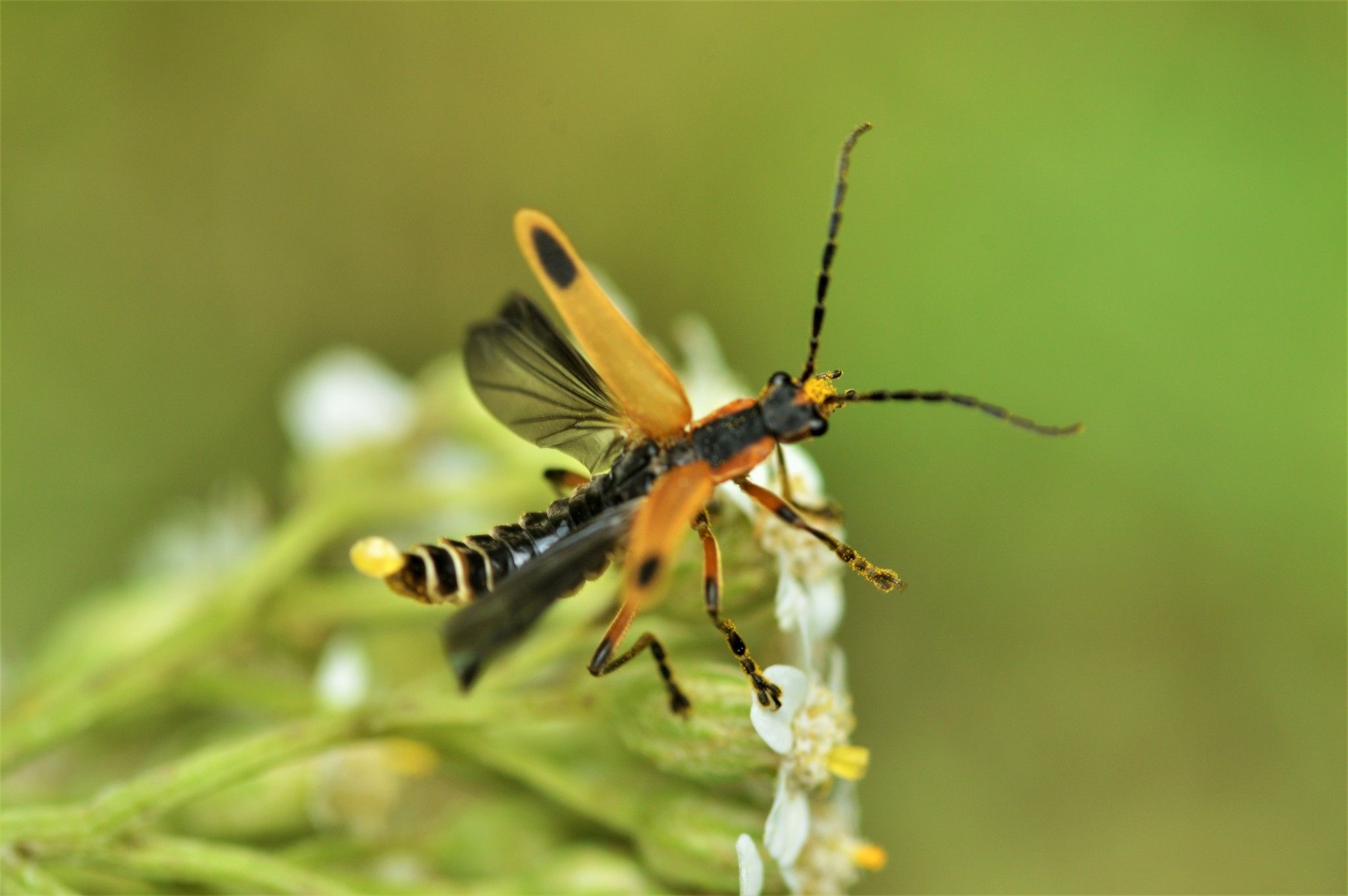
Soldier beetles (Family Cantharidae)

Soldier beetles

Many adults visit flowers and can move pollen between blooms, while also helping control some garden pests.

View pollinator profile
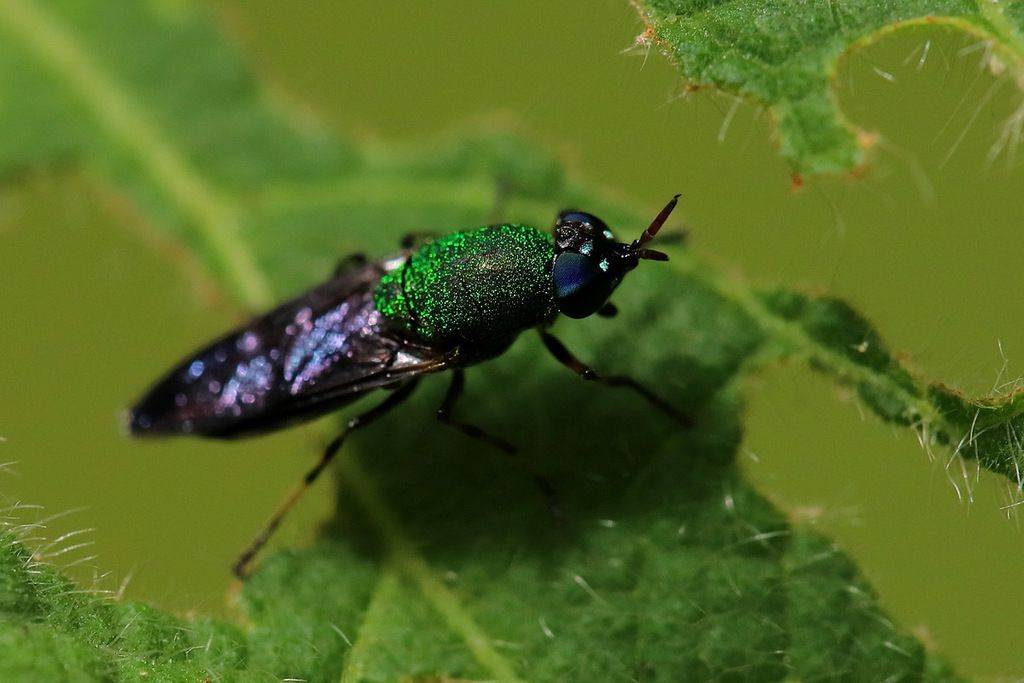
Soldier flies (Family Stratiomyidae)

Soldier flies

Many adults visit flowers for nectar and can move pollen between blooms while feeding.

View pollinator profile
Sweat bees (Family Halictidae)

Sweat bees

They help move pollen between flowers in gardens, parks, and natural areas, supporting seed and fruit production.

View pollinator profile