Skip to content
Region profile

Gulf of Mexico Coastal Plain with Wetlands and High Tropical Rain Forest

Gulf of Mexico Coastal Plain with Wetlands and Tropical Evergreen Forest is an extensive area spanning parts of Veracruz, Tabasco, Campeche, Oaxaca, and Chiapas, characterized by abundant water resources, flat topography with some hills, and a mix of ecosystems that are heavily disturbed by human activities, with the petroleum industry and agriculture as the most important economic activities.

Zone

Forest

Common Name

Gulf of Mexico Coastal Plain with Wetlands and High Tropical Rain Forest

CEC Level III Code

15.1.1

CEC Level II Code

15.1 Tropical Wet Forests

Overview

About This Region

The Gulf of Mexico Coastal Plain with Wetlands and High Tropical Rain Forest is a diverse region important for numerous pollinators, including bees (like bumble bees and sweat bees), hummingbirds, moths, and beetles. Coastal wetlands and salt marshes characterize parts of the area, while tropical rainforest elements host specialized plant-pollinator interactions. Factors affecting these species include habitat loss in coastal areas and potential challenges in forest ecosystems, though specific data on threats is limited. Key native plants, like Rattlesnake Master, attract many pollinators. The region is a crucial habitat for migratory and resident species.

Region facts

At a glance

AliasesGulf of Mexico Coastal Plain with Wetlands and High Tropical Rain Forest, Gulf Coast tropical wet forest coastal plain, Gulf of Mexico coastal plain wetlands
Geographic Range
This subregion is located in the states of Veracruz and Tabasco, part of Campeche, plus small portions of Oaxaca and Chiapas, situated within the Veracruz Coastal Plains and Tabasco Plains and Marshes physiographic subregions.
Climate SnapshotThe predominant climates are warm and semi-warm, with rainfall generally occurring throughout the year, though some areas experience mostly summer rains.
Terrain ProfileThe characteristic topography consists of extensive plains with gentle hills and in some cases, beaches and sandbars.
Vegetation CoverThe vegetation is dominated by cultivated grasslands but also features important mangrove swamps, tulars, popals, and endangered remnants of high and low tropical evergreen forests, along with some savannah and tropical oak forests.
Wildlife HabitatThe subregion's highly varied wildlife, including endangered species like the jaguar and West Indian manatee, has been severely disturbed by human activities across its forest and wetland ecosystems.

Eco snapshot

What shapes this region

Climate pattern

  • Often humid, with rainfall patterns that can be seasonal and vary by location.
  • Coastal influence can mean wind, salt exposure, and rapid weather shifts.
  • Microclimates (small local weather differences) happen between open coast, inland forest, and wetland edges.

Vegetation profile

The vegetation is dominated by cultivated grasslands but also features important mangrove swamps, tulars, popals, and endangered remnants of high and low tropical evergreen forests, along with some savannah and tropical oak forests.

Wildlife profile

The subregion’s highly varied wildlife, including endangered species like the jaguar and West Indian manatee, has been severely disturbed by human activities across its forest and wetland ecosystems.

Why pollinators matter here

  • Flowering plants in wetlands and forest edges support food webs that include birds, reptiles, amphibians, and mammals.
  • Pollinators help many native plants set seed and maintain healthy, diverse plant communities.
  • Wetland edges and sunny openings can be especially important “nectar corridors.”
  • Pesticide drift and habitat fragmentation can reduce pollinator survival even when flowers are present.

Seasonal timing

Planting seasons

Timing varies by microclimate; use this as a flexible guide.

Seasonal timing

  • Late winter/early spring: good for planning, site prep, and early-bloom additions where conditions allow.
  • Spring: common window for planting and establishing roots before hotter or wetter periods.
  • Summer: focus on watering/establishment (if needed), adding heat-tolerant bloomers, and avoiding disturbance during peak pollinator activity.
  • Late summer/fall: often a strong time for adding late-bloom plants and setting up next season’s habitat.

Quick seasonal checklist

  • Choose plants that match your soil moisture (wet, moist, or well-drained).
  • Aim for at least three bloom periods: early, mid, and late.
  • Add nesting habitat before you “need” it (bare soil, stems, leaf litter).
  • Keep it pesticide-free from day one.

Yearly needs

Pollinator calendar

What pollinators need throughout the year, and what to do about it.

Late winter/early springEarly nectar/pollen; safe shelter as temperatures shiftAdd a few early-blooming natives suited to your site; leave some leaf litter and stems in place; avoid “preventative” pesticide treatments
SpringSteady bloom; nesting materials and nest sitesPlant a mix of native flowers and shrubs; keep some bare, well-drained soil patches; provide shallow water with landing stones
SummerHeat- and humidity-ready flowers; shade and water; continuous bloomPrioritize mid-summer bloomers; water new plants as needed; keep a “no-spray” buffer around flowers
Late summer/fallHigh-energy nectar; late-season pollen; places to overwinterPlant late bloomers; leave seed heads and stems; reduce mowing and trimming where safe
Winter or Dry SeasonShelter from weather; undisturbed nesting/overwintering sitesDon’t clear everything; keep brush/leaf piles in a corner; plan next season’s plant additions for continuous bloom

Keystone plants

Keystone plants by season

Mix early, mid, and late bloomers so pollinators always find food.

Early Bloom

  • Red maple
  • Black willow
  • Buttonbush
  • Coral honeysuckle

Mid-Season Bloom

  • Swamp milkweed
  • Butterflyweed
  • Blue vervain
  • Partridge pea
  • Purple coneflower
  • Blazing star (dense blazing star)

Late-Season Bloom

  • Goldenrod (Canada goldenrod)
  • Asters (New England aster)
  • Joe-Pye weed (spotted Joe-Pye weed)
  • Ironweed

Seed mix concept

A Billion Small Steps Seed mix

A simple way to plan a pollinator patch is to think in three layers of bloom support:

Spring starter

Spring starter: early bloomers (often shrubs/trees and early flowers) to help pollinators rebuild energy and start nesting.

Summer bridge

Summer bridge: reliable mid-season flowers that keep nectar and pollen available through the hottest, most active months.

Fall finisher

Fall finisher: late bloomers (often asters/goldenrods and other late flowers) that help pollinators fuel up before the off-season.

What You Can Do

Make a difference for native habitats.

Turn this knowledge into action. Whether you plant a single pot or a whole garden, you are building a vital bridge for local biodiversity.

Join the movement to restore our shared habitats.

Native plants

Plants that thrive in this region

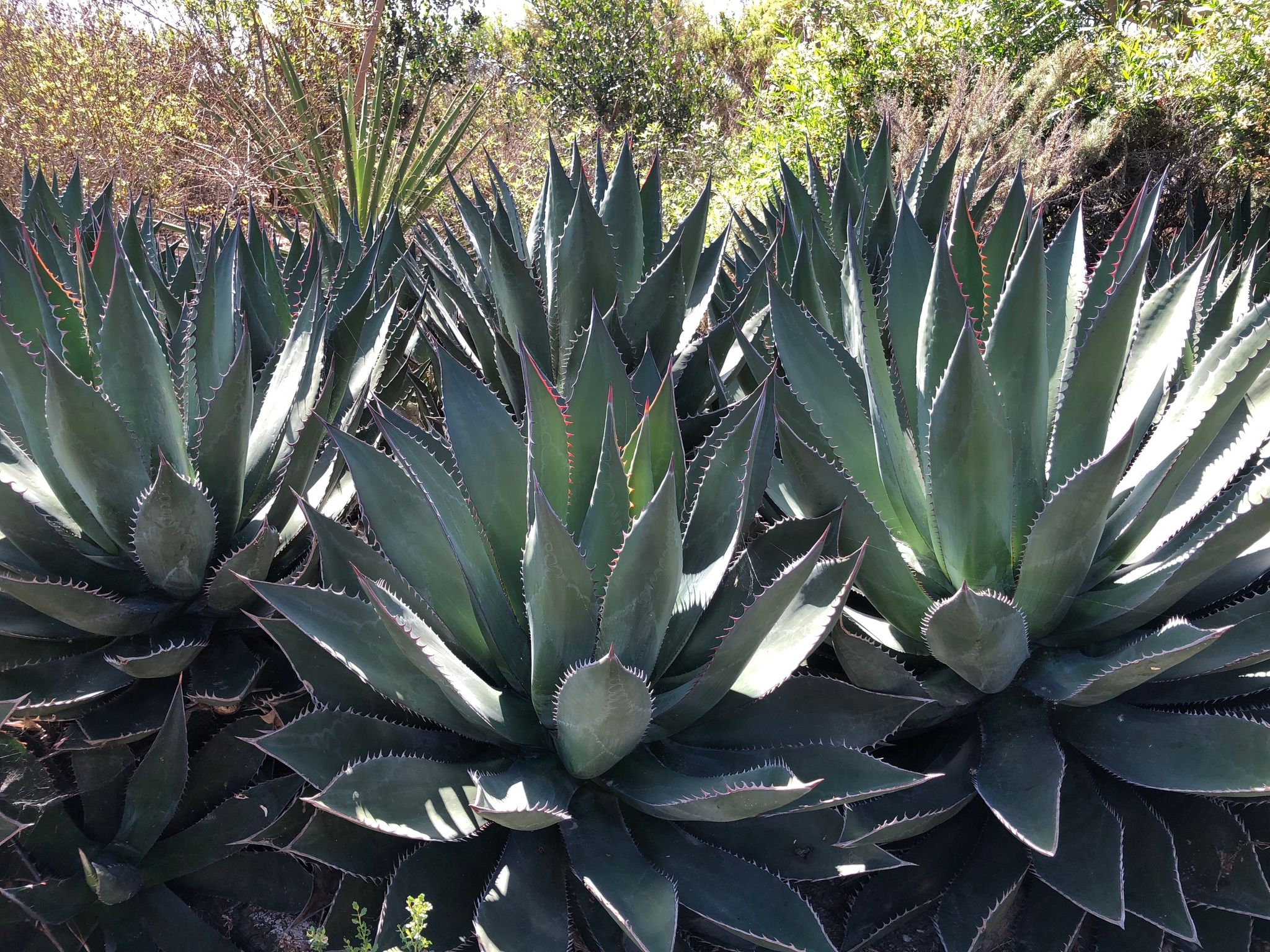
Agaves (*Agave* (genus))

Agaves

Agaves are bold, sculptural succulents that store water in thick leaves and thrive in bright, dry spots. Their flowers can be a big seasonal draw for pollinators when plants are mature and in bloom.

View plant profile
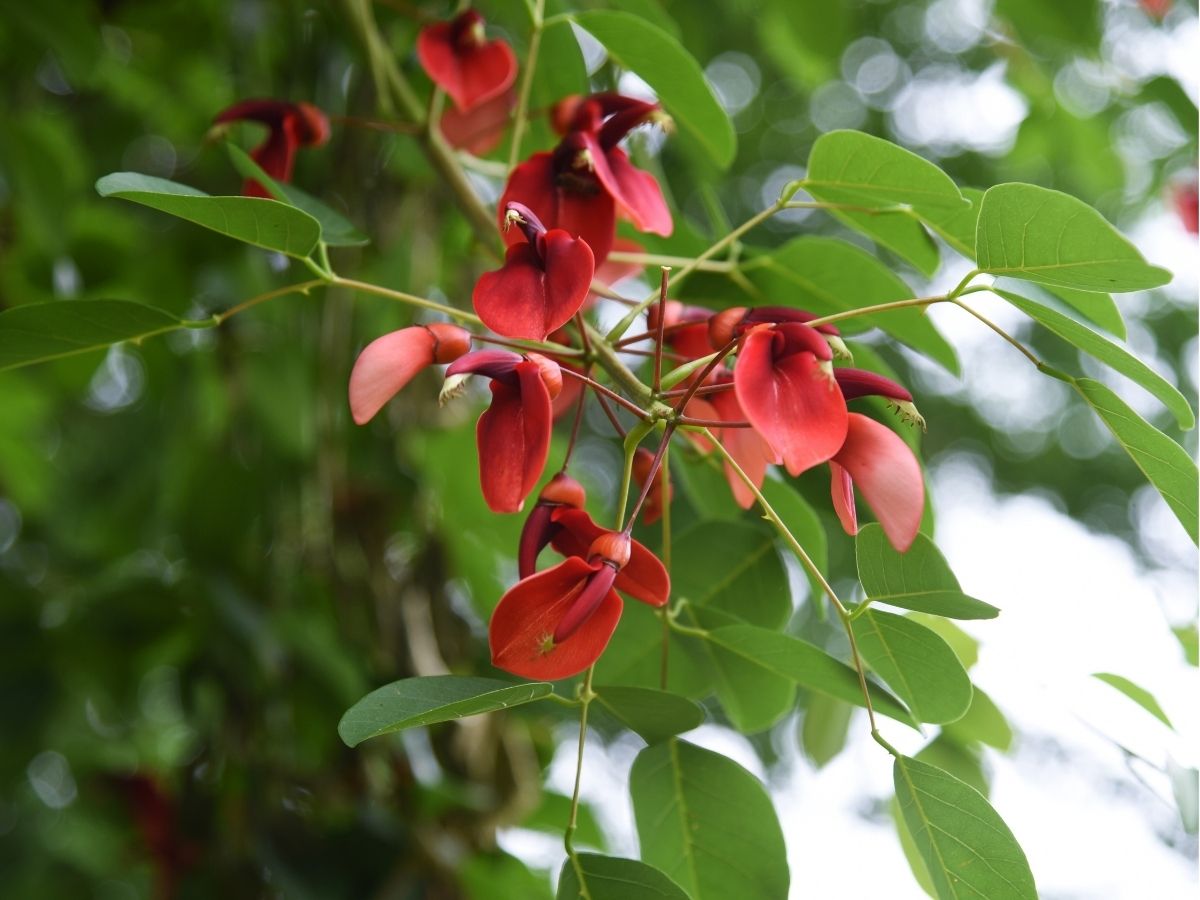
F_trees-erythrinas-mexico.jpg

Erythrinas

Erythrinas (coral trees) are showy flowering trees in the genus Erythrina, known for bold, nectar-rich blooms that can be a seasonal food stop for pollinators in warm gardens.

View plant profile
Inga (*Inga* (genus))

Inga

Inga is a group of tropical trees (genus Inga) known for fluffy, brush-like flowers and long pods. In warm climates, it can be a shade tree that also offers nectar and pollen for a variety of insects.

View plant profile
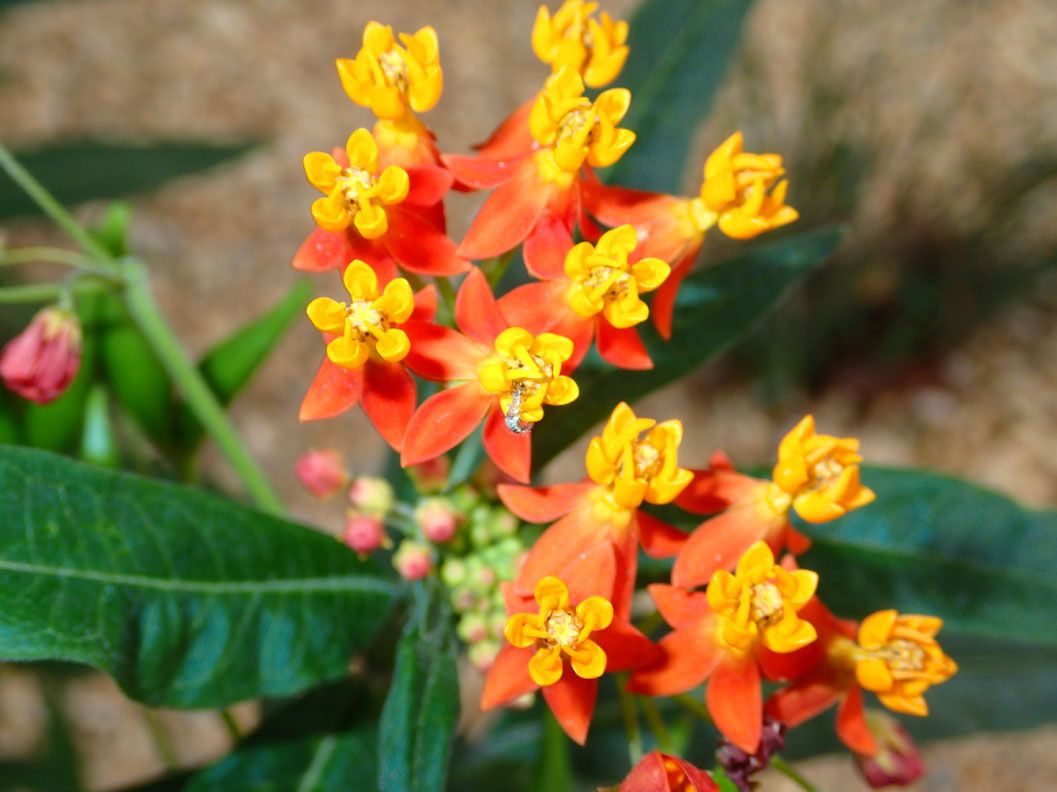
Milkweeds (*Asclepias* spp.)

Milkweeds

Milkweeds from tropical Mexico (genus Asclepias) are nectar-rich wildflowers that can add bright blooms and pollinator activity to sunny gardens and containers.

View plant profile
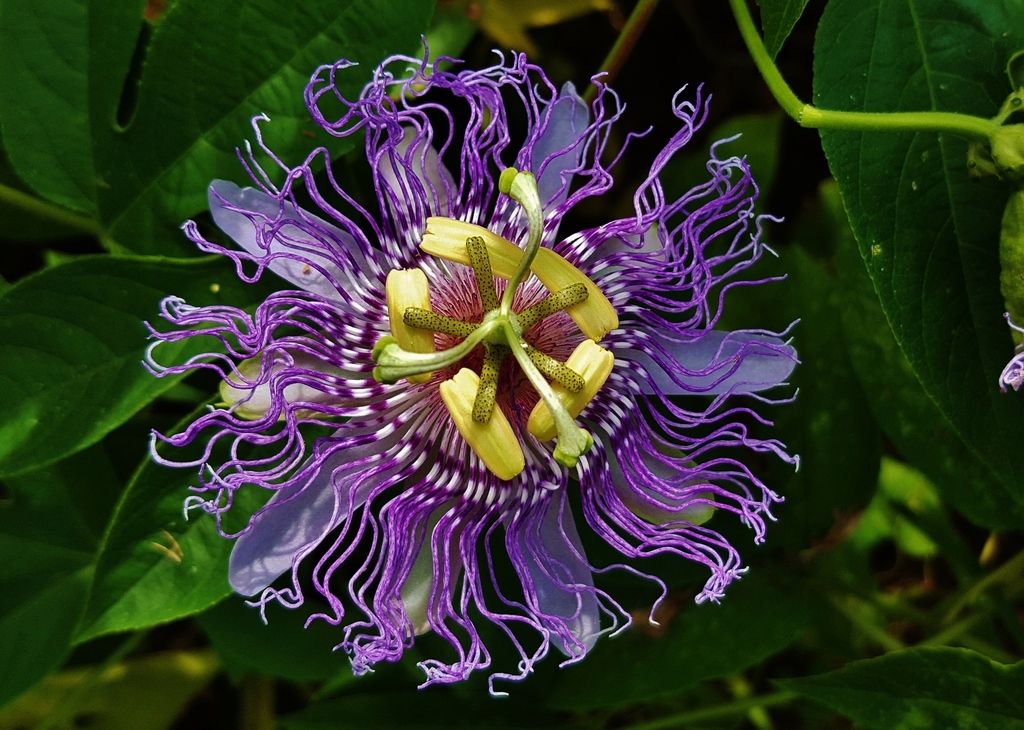
Passionflowers (*Passiflora* spp.)

Passionflowers

Passionflowers (genus Passiflora) are climbing vines known for their intricate, otherworldly blooms and their ability to add vertical color to fences, trellises, and sunny walls.

View plant profile
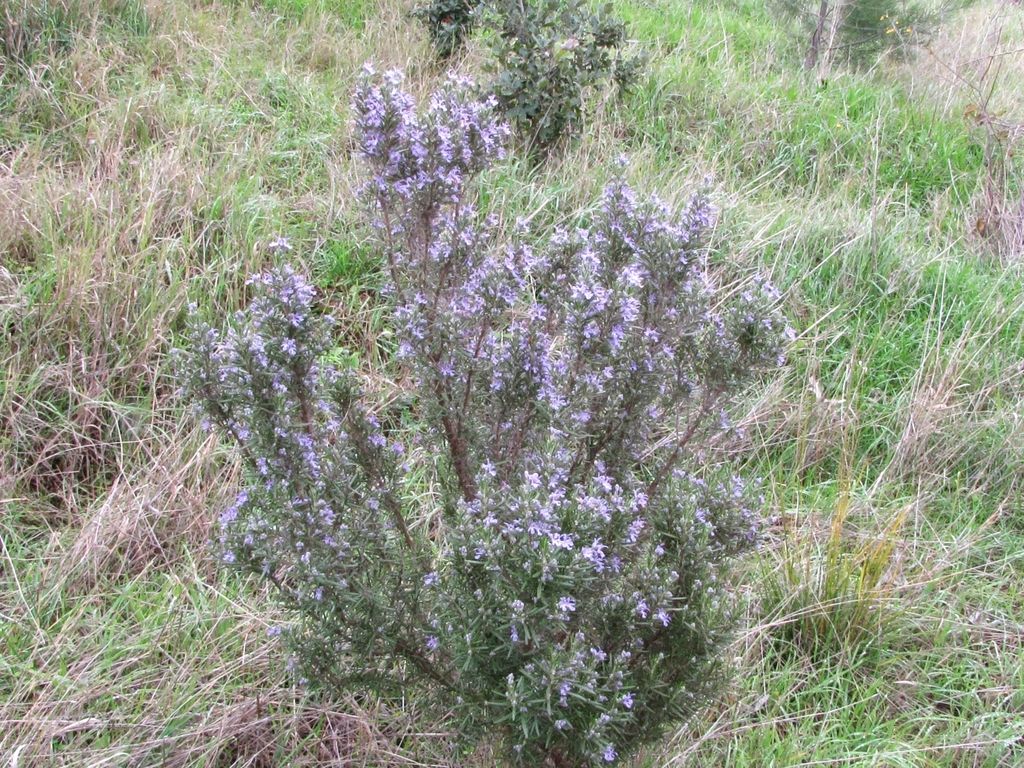
Salvias (Mexico diversity) (Salvia spp.)

Salvias

Salvias are a big, colorful group of flowering plants in the genus Salvia, with especially rich diversity in Mexico. Many are easy, pollinator-friendly garden plants that bloom over a long season when given sun and well-drained soil.

View plant profile
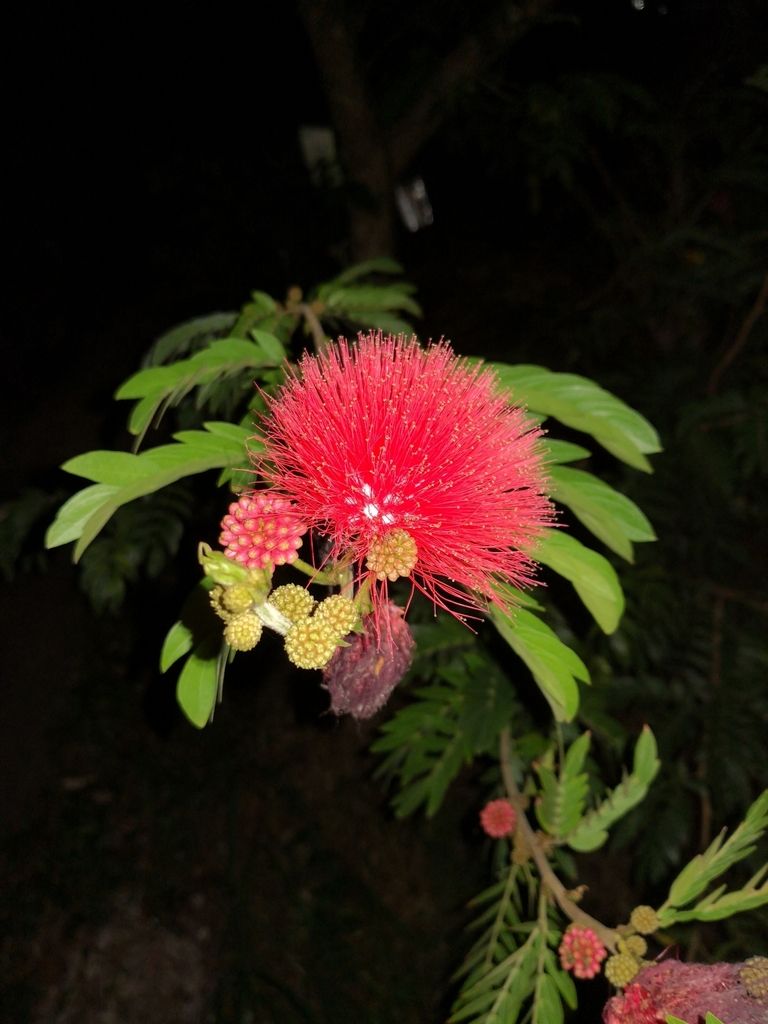
Wild lilacs (*Calliandra* spp.)

Wild lilacs

Wild lilacs (genus Calliandra) are warm-climate shrubs known for fluffy “powderpuff” blooms that can add color and pollinator activity to sunny gardens and patios.

View plant profile

Pollinators

Pollinators active in this region

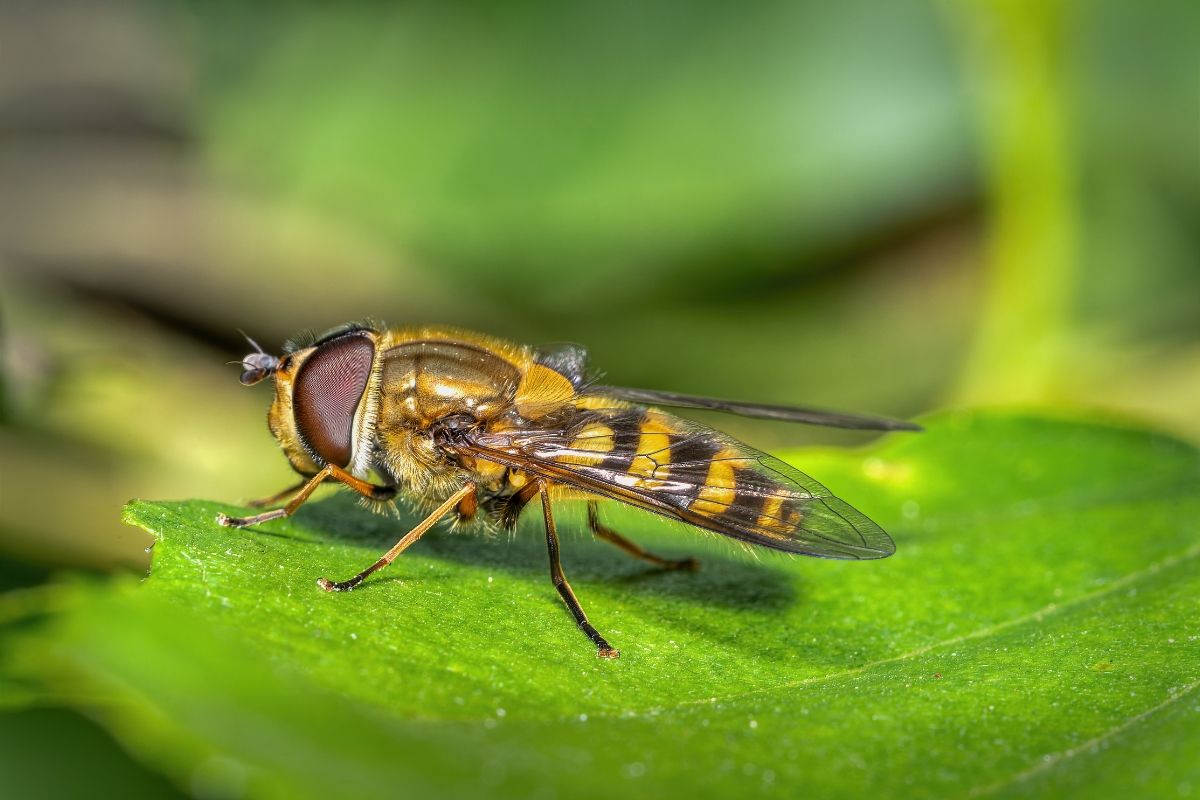
F_hoverfly-01.jpg

Flower flies / hoverflies

Adults visit flowers for nectar and pollen, and many species’ larvae help keep plant-eating pests in check.

View pollinator profile
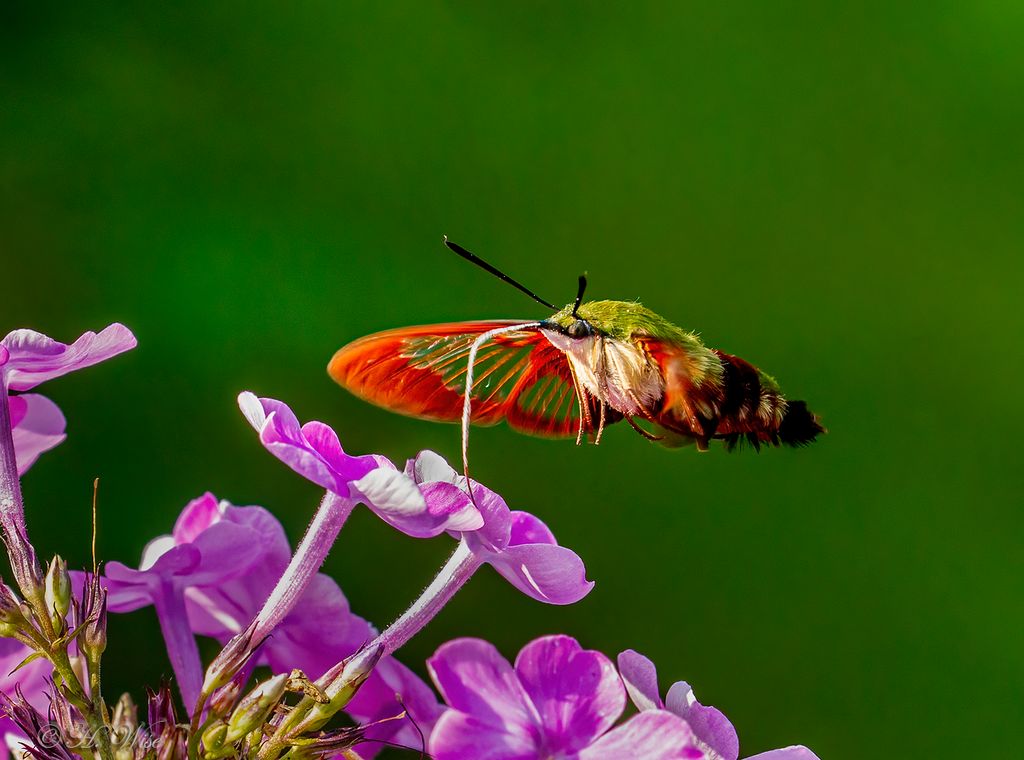
Hawk / sphinx moths (Family Sphingidae)

Hawk / sphinx moths

They can move pollen between flowers while feeding on nectar, especially for blooms that open or scent up in the evening.

View pollinator profile
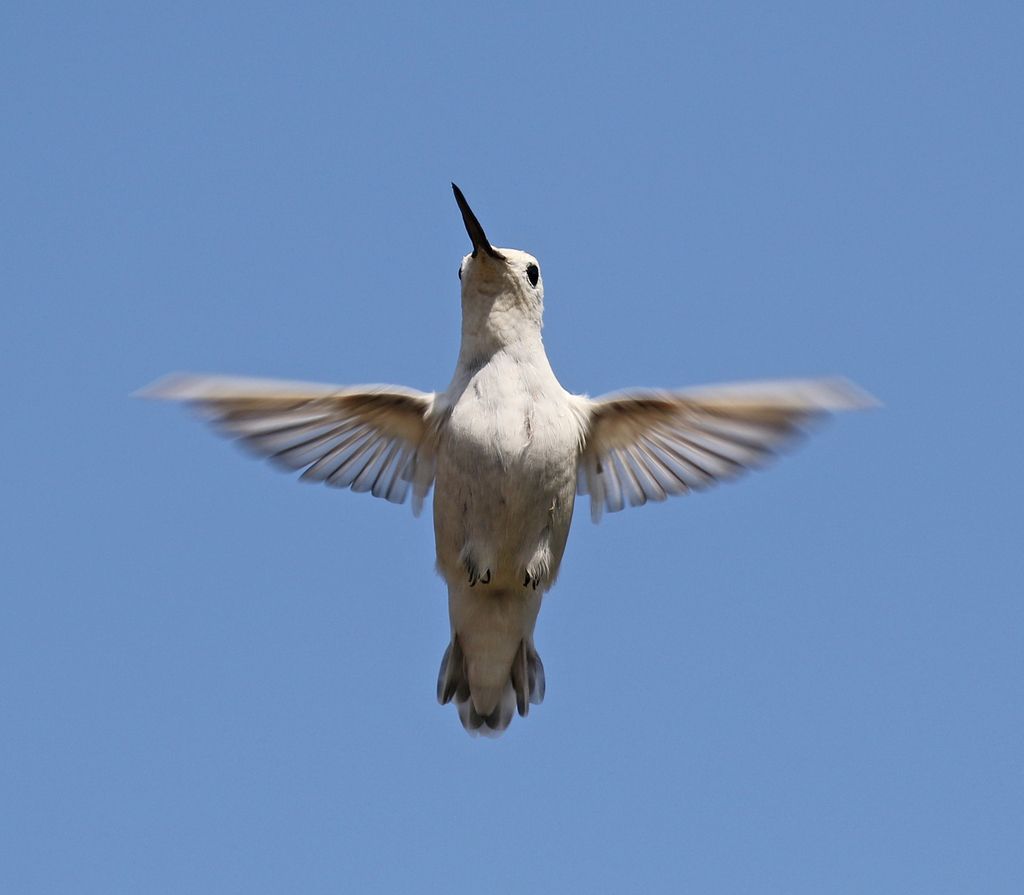
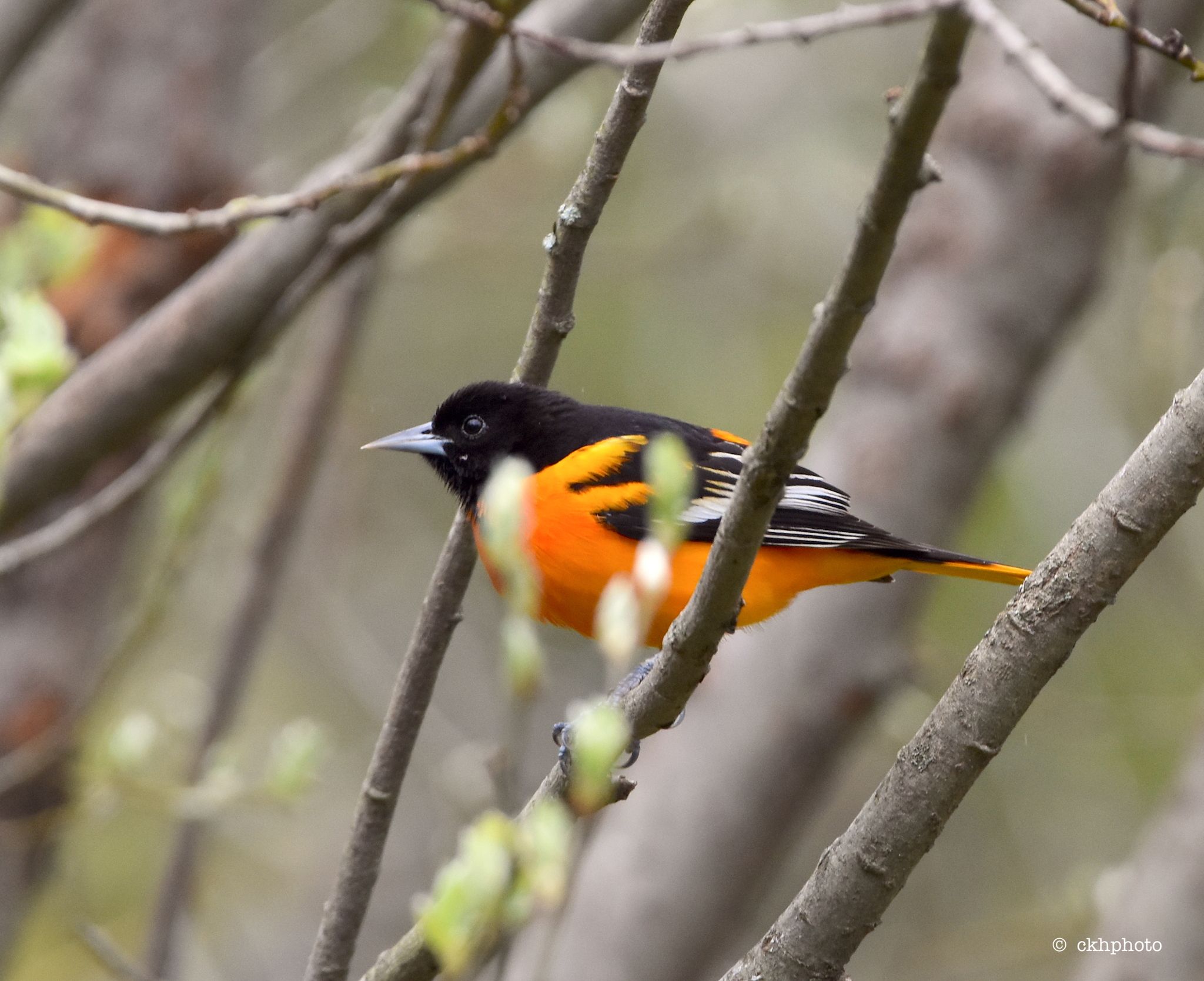
Hummingbirds (Family Trochilidae)

Hummingbirds

They move pollen between flowers while feeding, helping many plants reproduce.

View pollinator profile
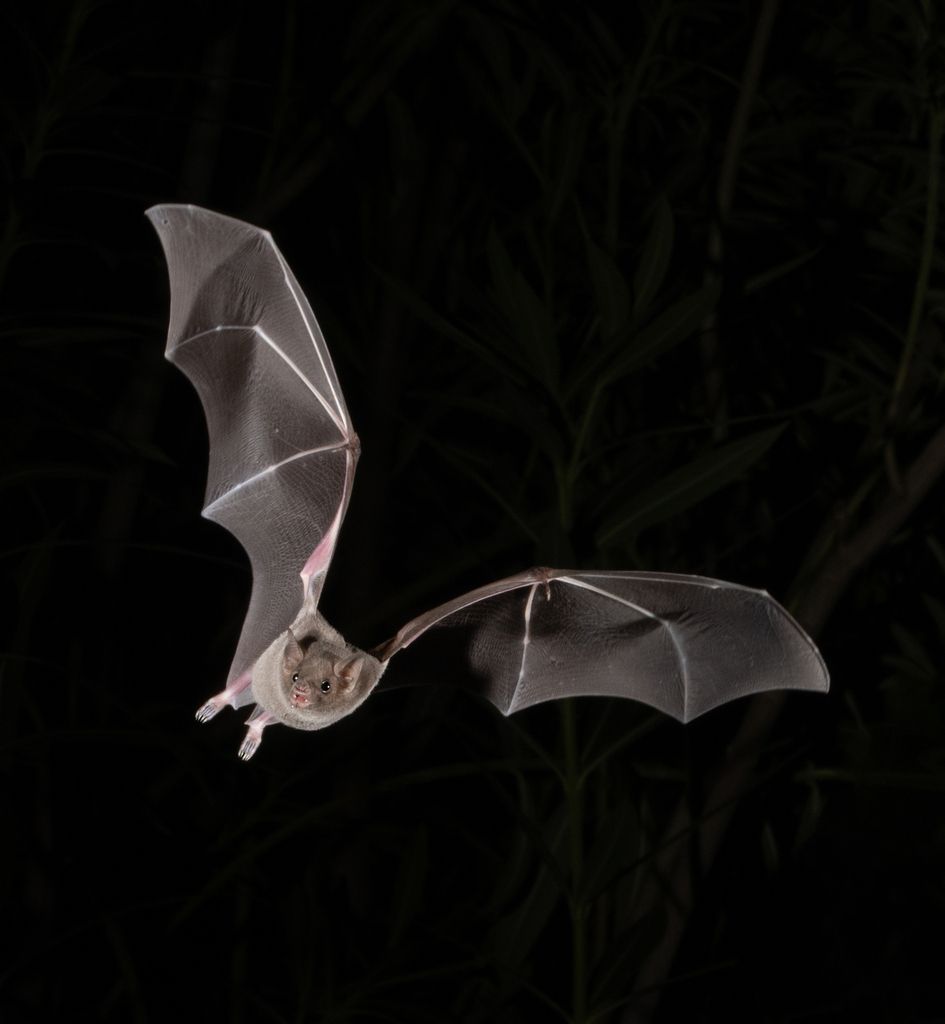
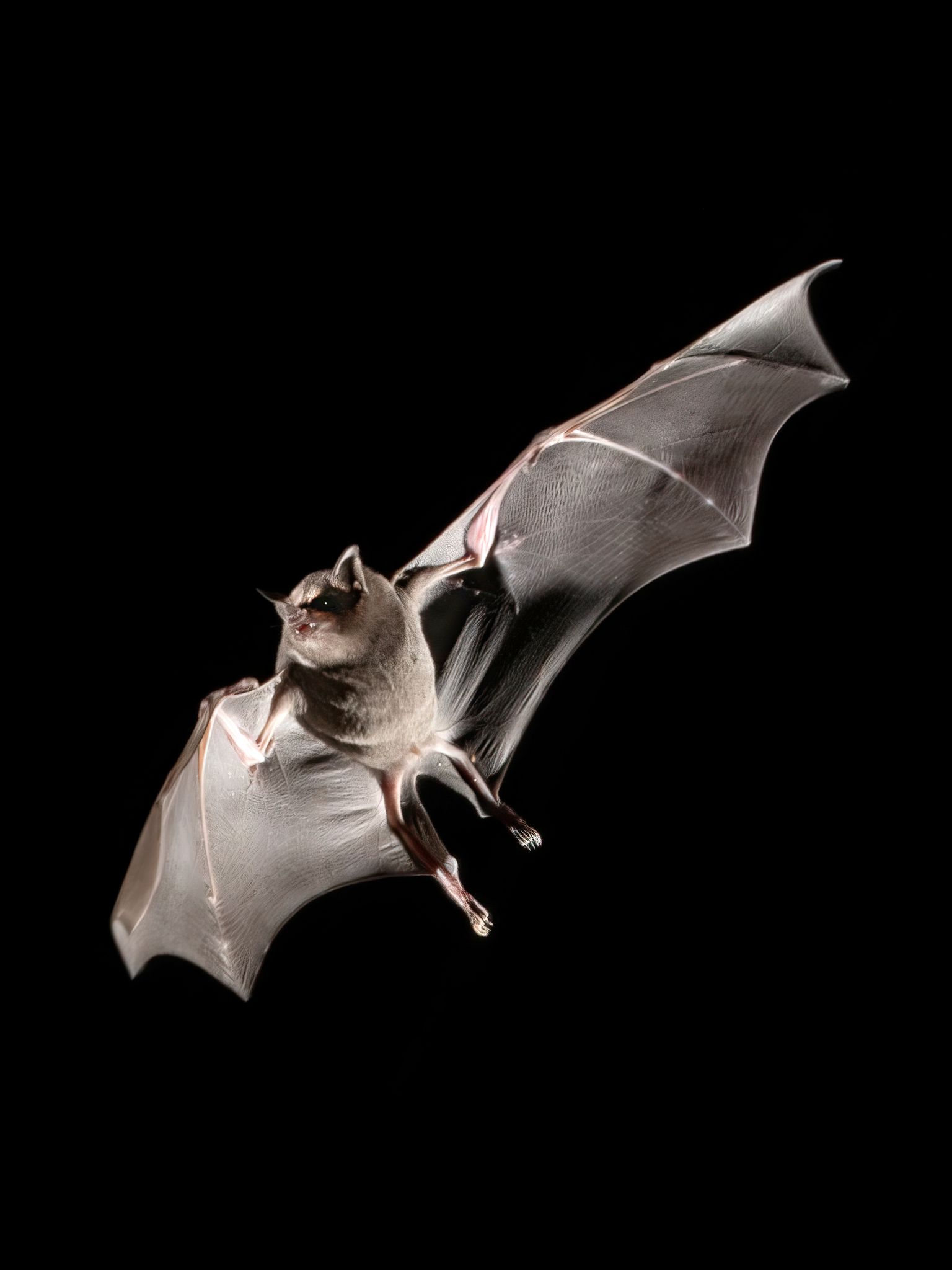
Long-nosed bats (Genus Leptonycteris)

Long-nosed bats

They move pollen between flowers over long distances, helping some plants set fruit and seed.

View pollinator profile
Nectar-feeding bats (Subfamily Glossophaginae)

Nectar-feeding bats

They move pollen between flowers over long distances and help many plants set fruit and seed.

View pollinator profile
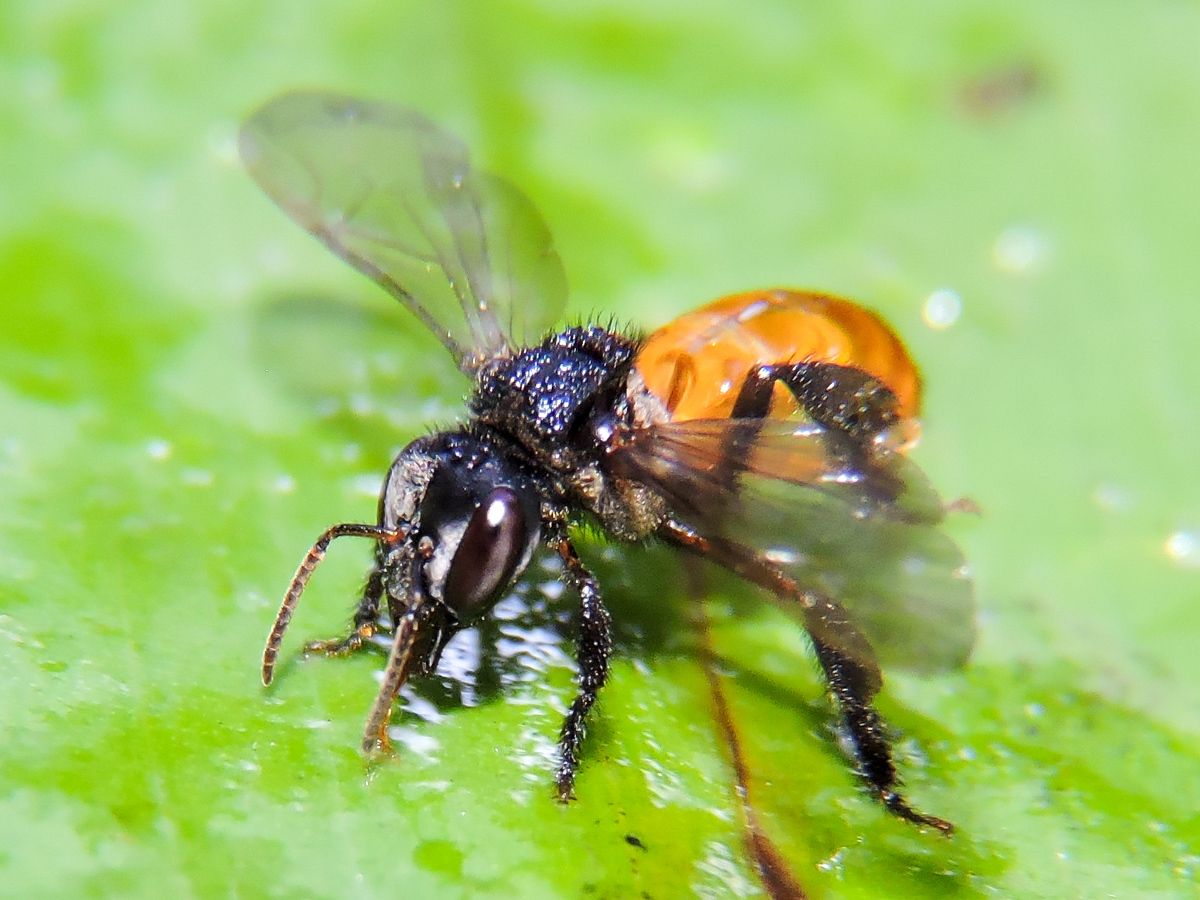
Stingless bees (Mexico / tropics) (Tribe Meliponini)

Stingless bees (Mexico / tropics)

They help pollinate many wild and cultivated plants in tropical and subtropical regions, supporting food webs and biodiversity.

View pollinator profile