Skip to content
Region profile

Hills and Interior Plains with Xeric Shrub and Mesquite Low Forest

Hills and Interior Plains with Xeric Shrub and Mesquite Low Forest is traditionally known as the Bajío region, covers an area of 66,921 km2 across parts of Guanajuato, Michoacán, Querétaro, Hidalgo, Mexico, and Jalisco, and is characterized by temperate and sub-humid climates, altered plant communities, and important hydrological basins including the Lerma River basin.

Zone

Interior

Common Name

Hills and Interior Plains with Xeric Shrub and Mesquite Low Forest

CEC Level III Code

12.2.1

CEC Level II Code

12.2 Chihuahuan Desert

Overview

About This Region

CEC Level III Region 12.2.1, Hills and Interior Plains with Xeric Shrub and Mesquite Low Forest, offers vital habitat for pollinators amid arid conditions. Characterized by drought-tolerant plants like mesquite and xeric shrubs, this region’s native flora provides essential nectar and pollen resources. However, habitat fragmentation from land use changes, climate variability leading to prolonged droughts, and the use of pesticides pose significant threats to local pollinator populations, including various bees, butterflies, and moths. Conservation efforts must focus on restoring native plant diversity and implementing sustainable land management practices to support these crucial species.

Region facts

At a glance

AliasesHills and Interior Plains with Xeric Shrub and Mesquite Low Forest, Chihuahuan Desert hills and interior plains
Geographic Range
This region, traditionally known as the Bajío, covers 66,921 km2 and includes the states of Guanajuato, Michoacán, Querétaro, the southwestern part of Hidalgo, plus portions of the state of Mexico and central/eastern Jalisco.
Climate SnapshotThe predominant climates are temperate and sub-humid with summer rains, variable temperatures in mountainous areas and semi-warm in the Bajío region, with dry, temperate, steppe, and semi-dry climates with warm summers and cool winters in other parts of the subregion.
Terrain ProfileThe region is characterized by valleys and plains from fluvial and lacustrine systems, with massive tuff deposits, evidence of pyroclastic cones and lava overflows, and the remains of ancient volcanoes forming mountainous areas like the Sierra de Guanajuato and Sierra de Pánjamo.
Vegetation CoverThe vegetation has been significantly altered by agriculture and grazing, now consisting primarily of tropical deciduous forests, remnants of mesquite forests in low areas, and oak and mixed oak-pine forests in mountainous areas, despite likely having been predominantly grassland historically.
Wildlife HabitatDespite intensive agricultural activity, the region maintains typical central Mexican wildlife such as white-tailed deer, coyote, and various birds, alongside a variety of adapted fish and endemic aquatic species in its water bodies.

Eco snapshot

What shapes this region

Climate pattern

  • Dry conditions are typical, but rainfall can be highly variable year to year.
  • “Microclimates” (small local weather differences) form around slopes, washes, walls, and shaded courtyards.
  • Hot, sunny exposure is common; sheltered spots can hold moisture longer.
Vegetation profile

The vegetation has been significantly altered by agriculture and grazing, now consisting primarily of tropical deciduous forests, remnants of mesquite forests in low areas, and oak and mixed oak-pine forests in mountainous areas, despite likely having been predominantly grassland historically.

Wildlife profile

Despite intensive agricultural activity, the region maintains typical central Mexican wildlife such as white-tailed deer, coyote, and various birds, alongside a variety of adapted fish and endemic aquatic species in its water bodies.

Why pollinators matter here

  • Flowering windows can be short, so every patch of blooms helps bridge gaps.
  • Native bees and other insects often specialize on certain flower shapes or seasons.
  • Shrubs and “weedy-looking” native wildflowers can be major nectar/pollen sources.
  • Nesting sites (bare ground, stems, cavities) are as important as flowers in drylands.

Seasonal timing

Planting seasons

Timing varies by microclimate; use this as a flexible guide.

Seasonal timing

  • Cooler seasons: good for establishing many native perennials and shrubs so roots grow before heat stress.
  • Warmer seasons: planting can work if timed with reliable moisture (natural rain periods or careful watering).
  • After rain events: a great moment to seed or transplant, when soil moisture is naturally higher.

Quick seasonal checklist

  • Choose drought-adapted natives and group plants with similar water needs.
  • Prepare soil gently (avoid over-amending); add mulch thoughtfully while keeping some bare ground for nesters.
  • Plan for “bloom relay”: early, mid, and late-season flowers.
  • Water deeply but less often during establishment (site-dependent), then taper as plants mature.

Yearly needs

Pollinator calendar

What pollinators need throughout the year, and what to do about it.

Late winter/early springEarly nectar/pollen; safe shelter as temperatures swingAdd a few early-blooming natives; keep some leaf litter/brush in a corner; provide a shallow water dish with stones for landing
SpringSteady bloom; nesting materials and undisturbed soilPlant a mix of spring bloomers; leave some bare, well-drained ground; avoid tilling and pesticides
SummerHeat-resilient flowers; water access; shade/shelterPrioritize drought-tough summer bloomers; offer a small, refreshed water source; include some light shade from shrubs
Late summer/fall“Last chance” nectar/pollen to fuel overwintering and migrationPlant late bloomers; avoid deadheading everything; let some plants set seed and leave stems standing
Winter or Dry SeasonShelter from cold/dry wind; intact nesting sitesDon’t over-tidy; keep stems, seedheads, and some natural debris; plan next season’s bloom sequence

Keystone plants

Keystone plants by season

Mix early, mid, and late bloomers so pollinators always find food.

Early Bloom

  • Desert marigold
  • Globemallow
  • Penstemon (various local species)
  • Blue flax
  • Beebalm / horsemint
  • Scarlet sage
  • Purple prairie clover
  • Blanketflower
  • Maximilian sunflower

Mid-Season Bloom

Late-Season Bloom

  • Goldenrod
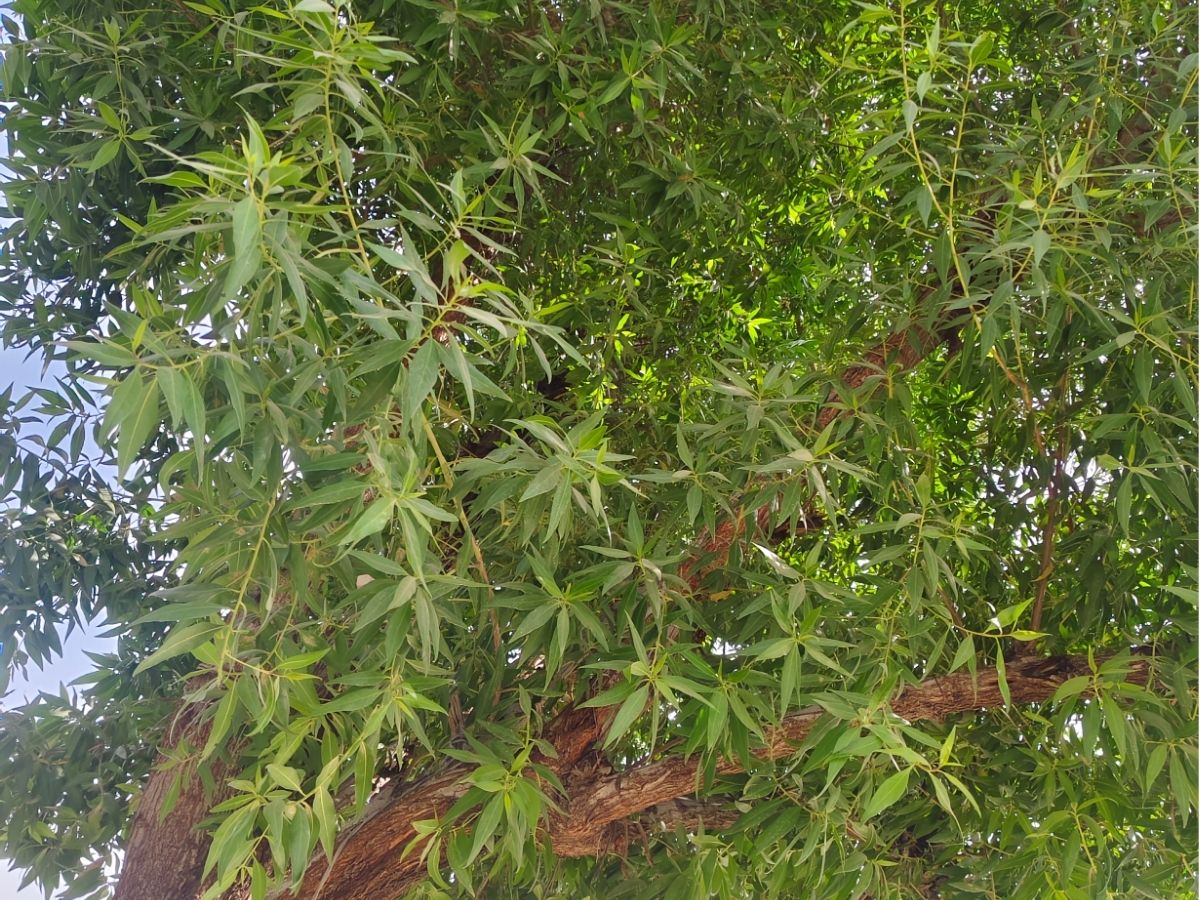
  • Desert willow
  • Fourwing saltbush
  • Mesquite (local species)

Seed mix concept

A Billion Small Steps Seed mix

A region-fit seed mix works best when it’s designed as a relay, so something is blooming across the growing season.

Spring starter

Spring starter: early-blooming, drought-tough wildflowers to “kick off” nectar and pollen.

Summer bridge

Summer bridge: heat-hardy bloomers that keep flowers available through hot, dry stretches.

Fall finisher

Fall finisher: late-season flowers (often composites like goldenrods/asters in suitable areas) to close the season strong.

What You Can Do

Make a difference for native habitats.

Turn this knowledge into action. Whether you plant a single pot or a whole garden, you are building a vital bridge for local biodiversity.

Join the movement to restore our shared habitats.

Native plants

Plants that thrive in this region

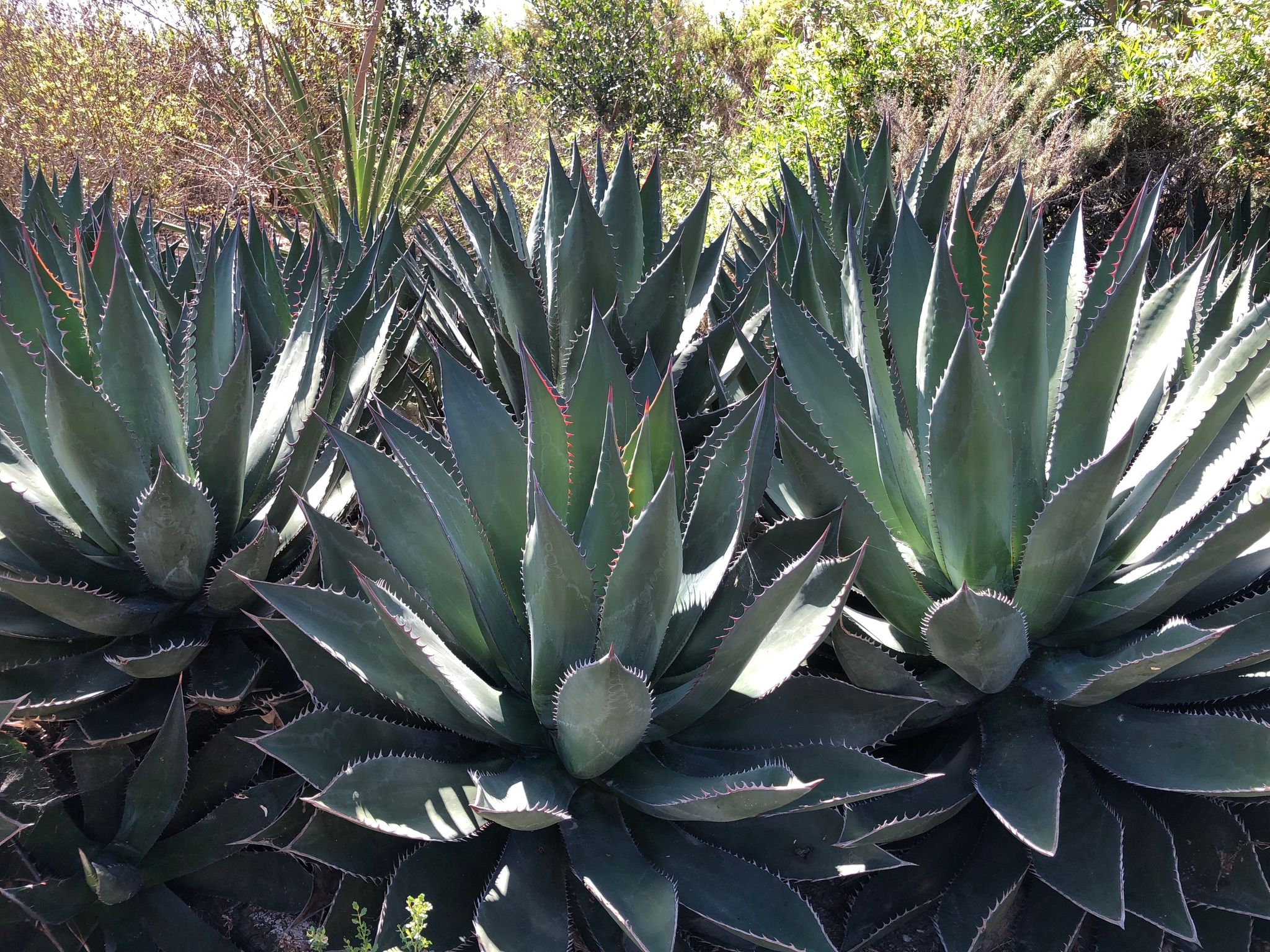
Agaves (*Agave* (genus))

Agaves

Agaves are bold, sculptural succulents that store water in thick leaves and thrive in bright, dry spots. Their flowers can be a big seasonal draw for pollinators when plants are mature and in bloom.

View plant profile
Creosote bush (*Larrea* spp.)

Creosote bush

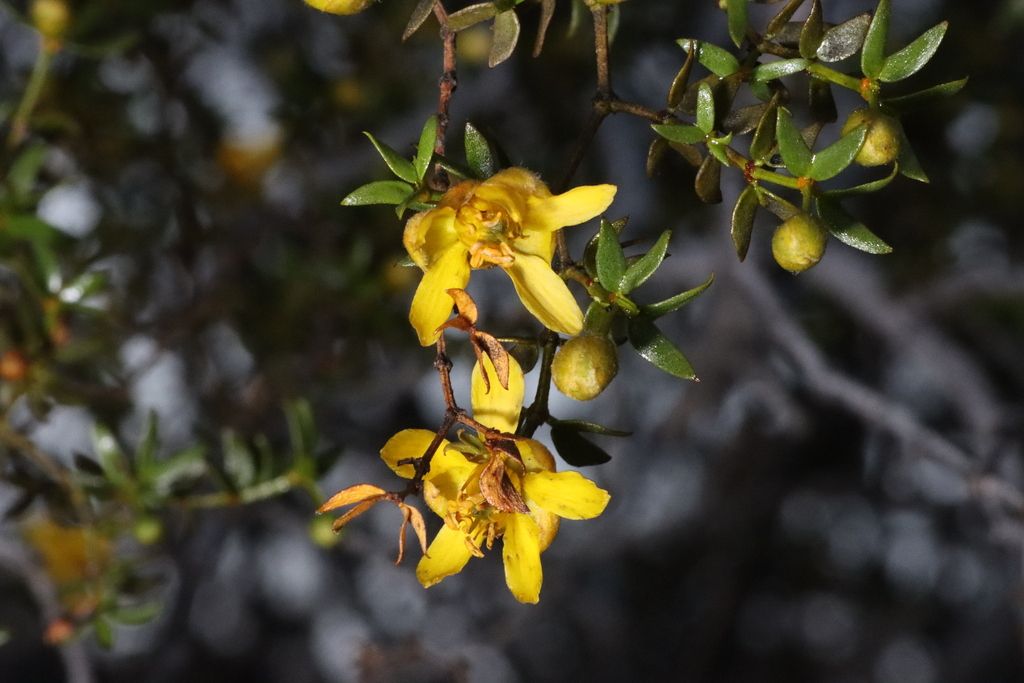
Creosote bush (genus Larrea) is a tough, sun-loving shrub known for its small yellow flowers and resin-scented leaves. It’s best for dry, open spaces where you want a low-water plant that can still offer nectar and pollen when in bloom.

View plant profile
Desert mallows (*Sphaeralcea* spp.)

Desert mallows

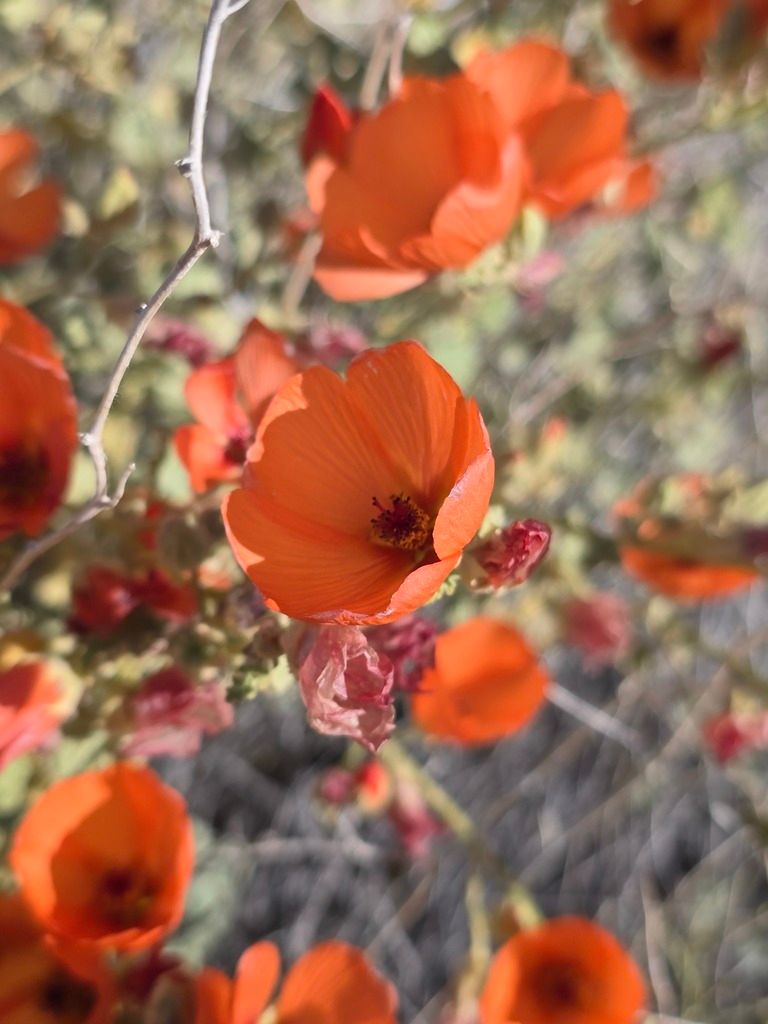
Desert mallows (globe mallows) are tough, sun-loving plants in the genus Sphaeralcea that bring warm-colored blooms and easy pollinator value to dry, low-fuss gardens and containers.

View plant profile
Marigolds (desert types) (Baileya spp.)

Marigolds

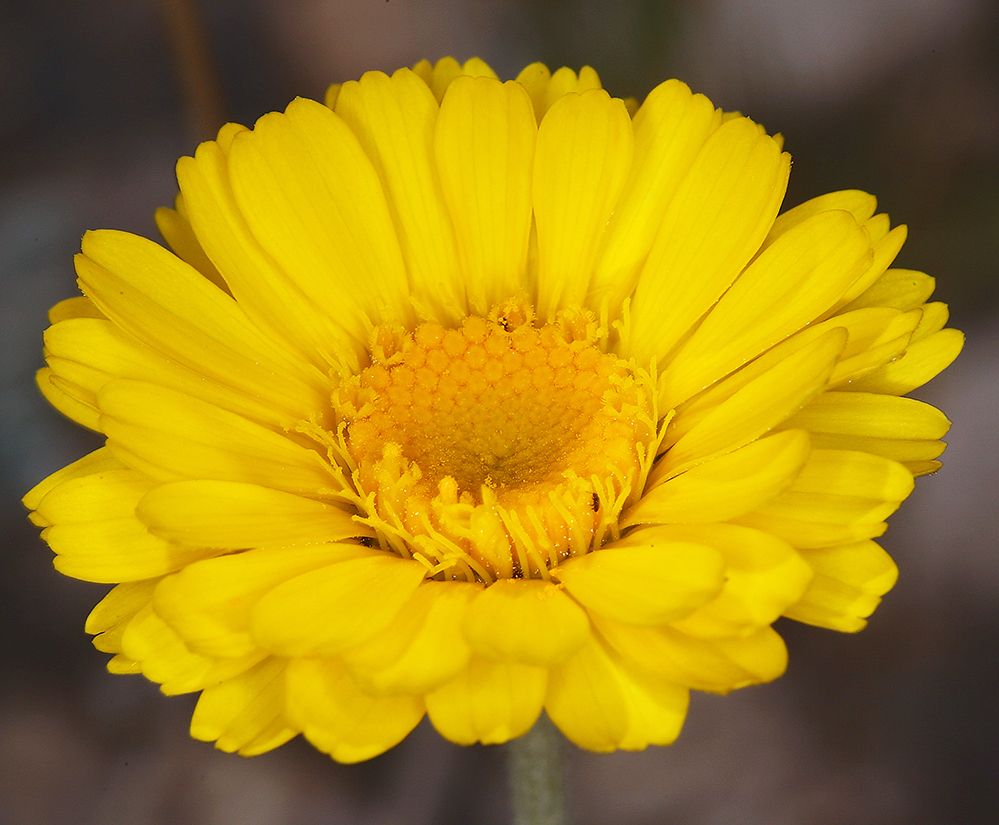
Desert marigolds are sunny, daisy-like wildflowers in the genus Baileya that bring bright color and steady nectar to warm, open garden spots.

View plant profile
F_trees-mesquites-arid-regions.jpg

Mesquites

Mesquites are tough, drought-adapted trees in the genus Prosopis that can add shade and seasonal flowers to dry landscapes while offering nectar and pollen for a range of pollinators.

View plant profile
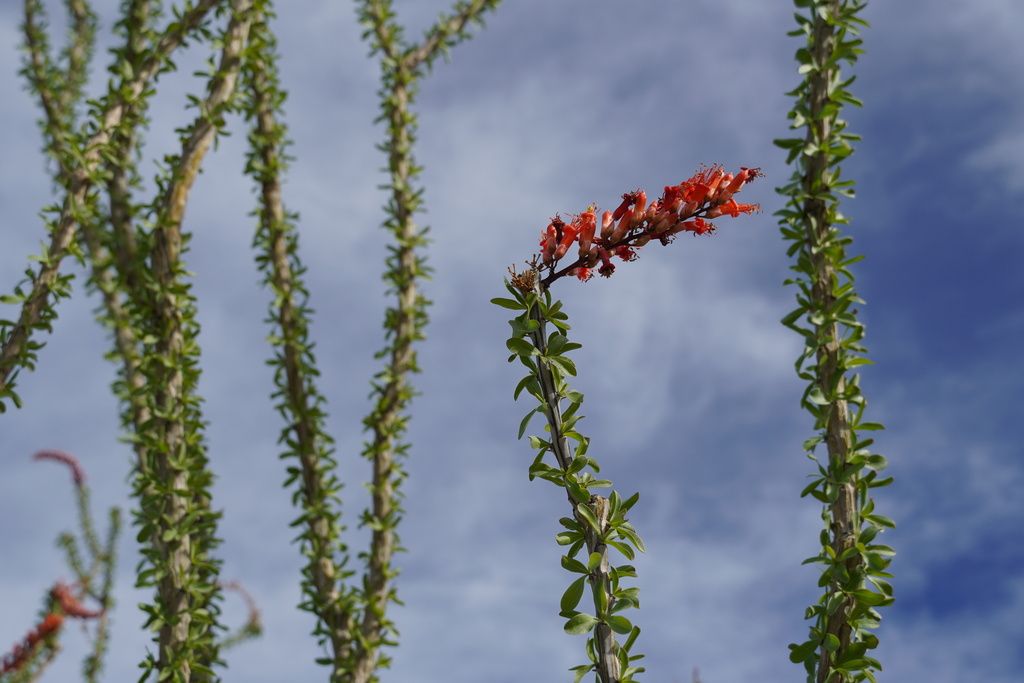
Ocotillo (*Fouquieria* spp.)

Ocotillo

Ocotillo is a dramatic desert shrub in the genus Fouquieria, known for tall, wand-like stems and bright flower clusters that can be a valuable nectar stop when in bloom.

View plant profile
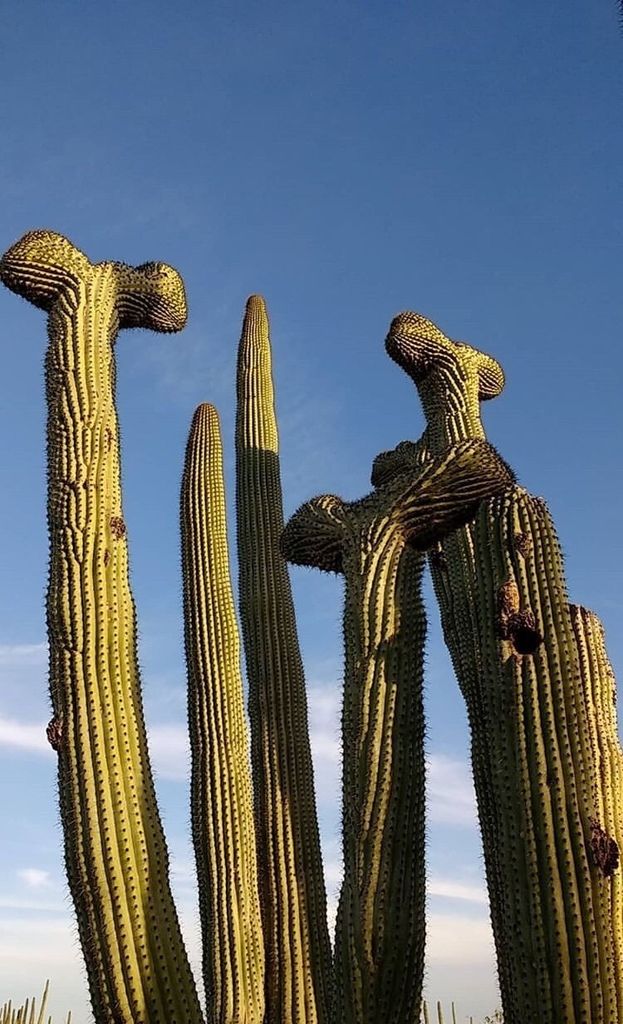
Organ pipe & relatives (*Stenocereus* (genus))

Organ pipe & relatives

Organ pipe & relatives are columnar cacti in the genus Stenocereus, grown for their bold, upright stems and showy blooms that can offer nectar and pollen when flowers are open.

View plant profile
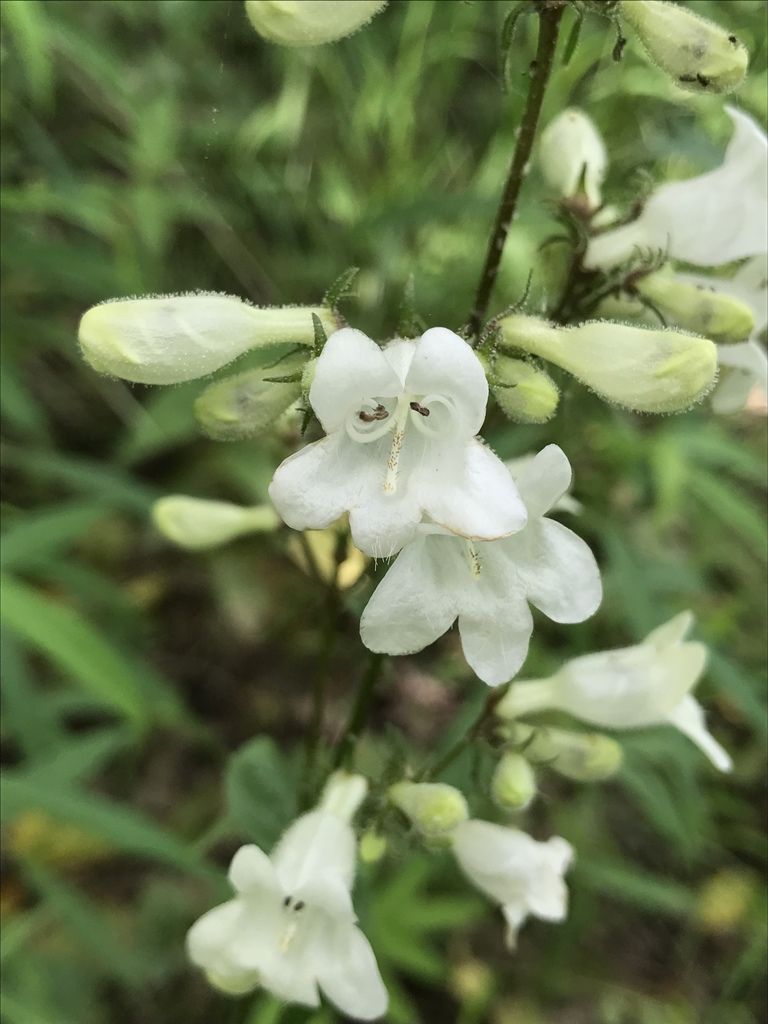
Penstemons (*Penstemon* (genus))

Penstemons

Penstemons (beardtongues) are hardy, flower-filled wildflowers that bring bright color and steady nectar to gardens and containers, especially in sunny spots with well-drained soil.

View plant profile
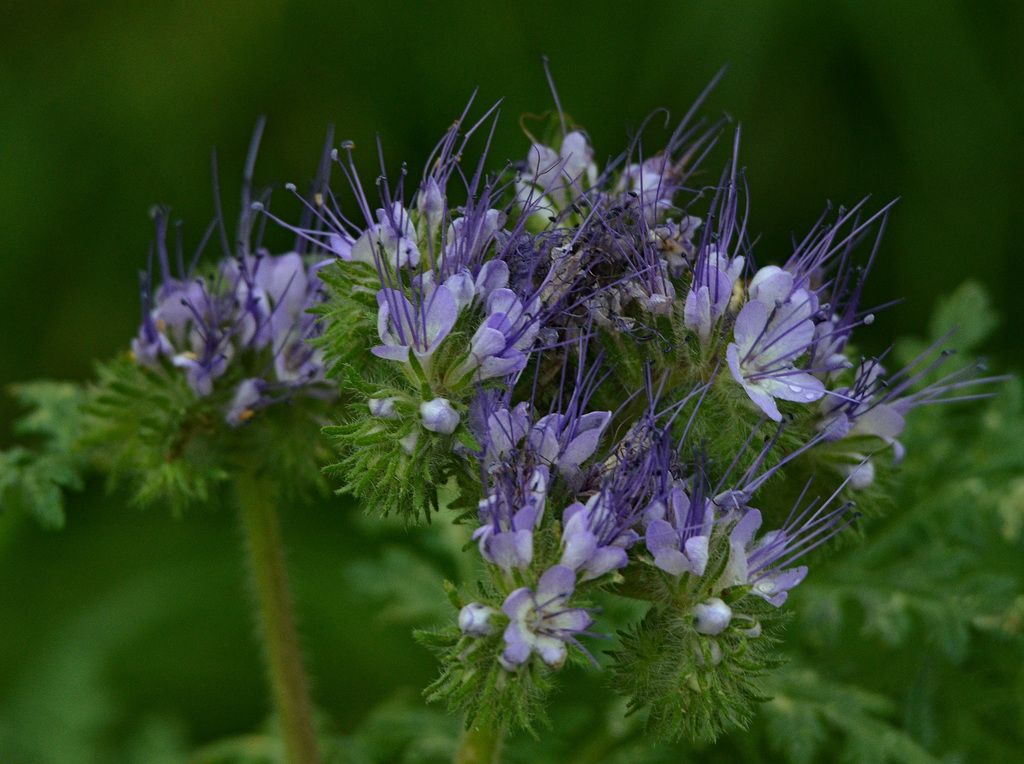
Phacelias (*Phacelia* spp.)

Phacelias

Phacelias are easygoing wildflowers in the genus Phacelia, known for their nectar-rich blooms that can bring lots of pollinator activity to gardens, schoolyards, and even containers.

View plant profile
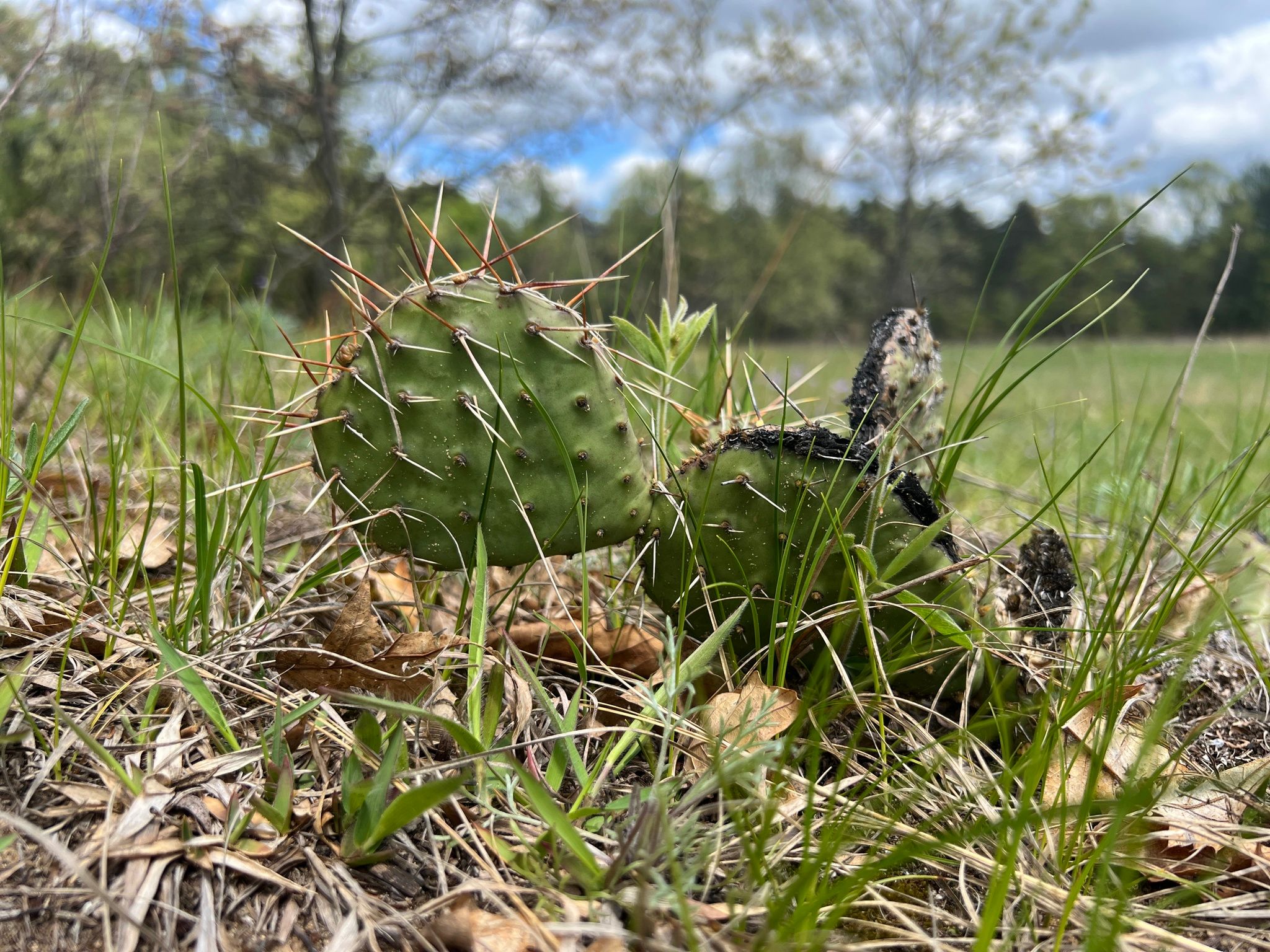
Prickly pears (*Opuntia* spp.)

Prickly pears

Prickly pears are tough, sun-loving cacti (genus Opuntia) with bright blooms that can offer nectar and pollen when in flower. They’re best for warm, bright spots and gardeners who want a low-water plant with big character.

View plant profile
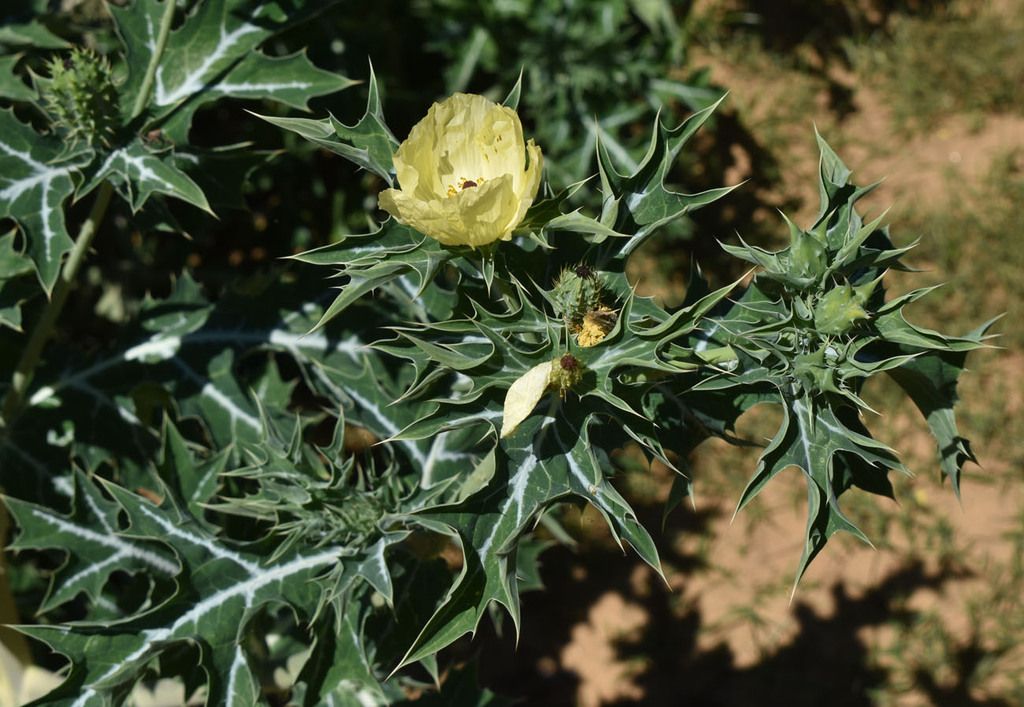
Prickly poppies (*Argemone* spp.)

Prickly poppies

Prickly poppies (genus Argemone) are bold, spiny wildflowers with papery blooms that can add bright color and nectar to sunny, low-fuss garden spots.

View plant profile
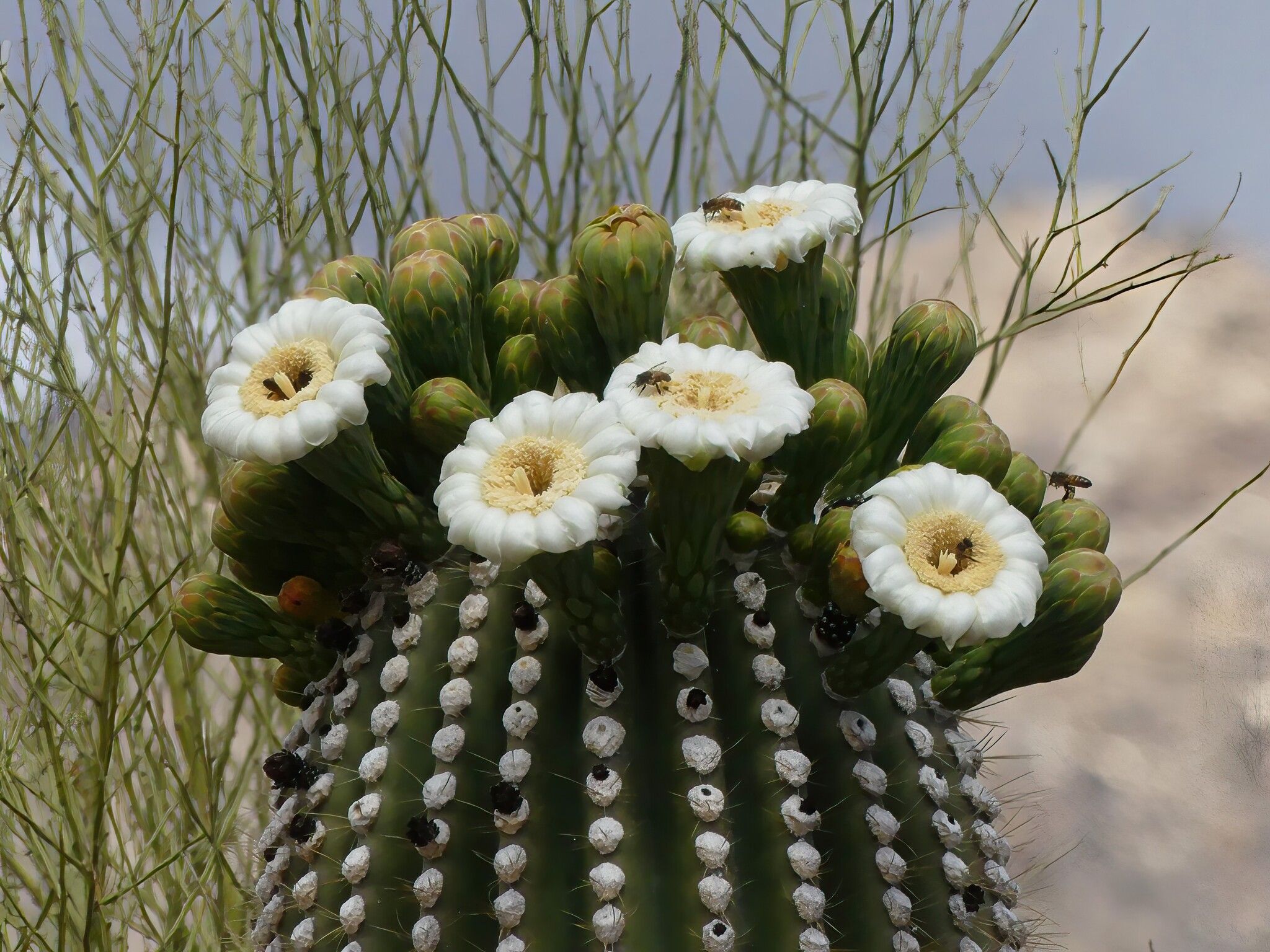
Saguaros (*Carnegiea gigantea*)

Saguaros

Saguaros are iconic desert cacti that grow slowly, live a long time, and offer seasonal flowers that can support pollinators when grown in the right conditions.

View plant profile
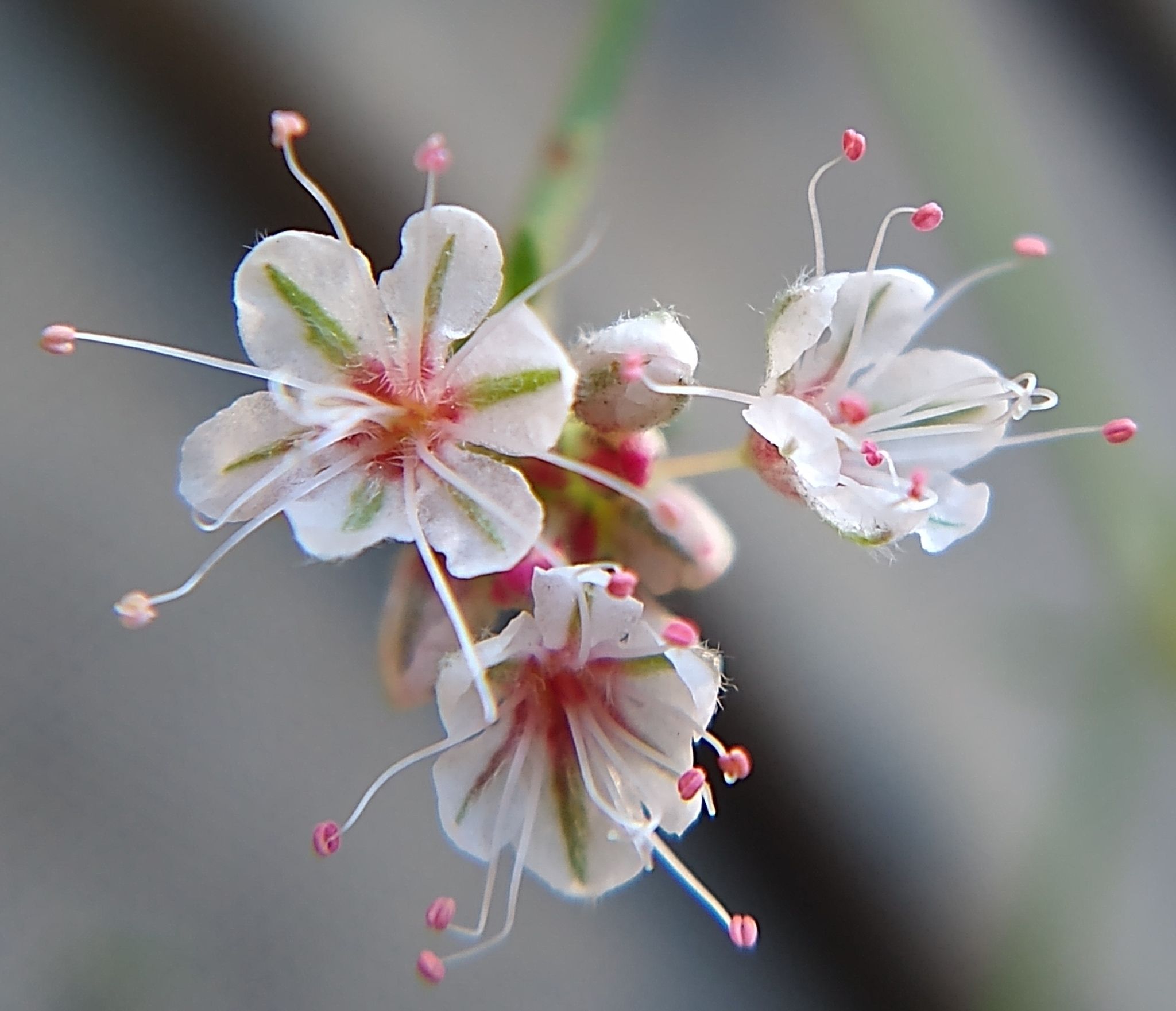
Wild buckwheats (*Eriogonum* (genus))

Wild buckwheats

Wild buckwheats (genus Eriogonum) are tough, long-blooming western native wildflowers that can turn dry, sunny spots into reliable pollinator stops.

View plant profile
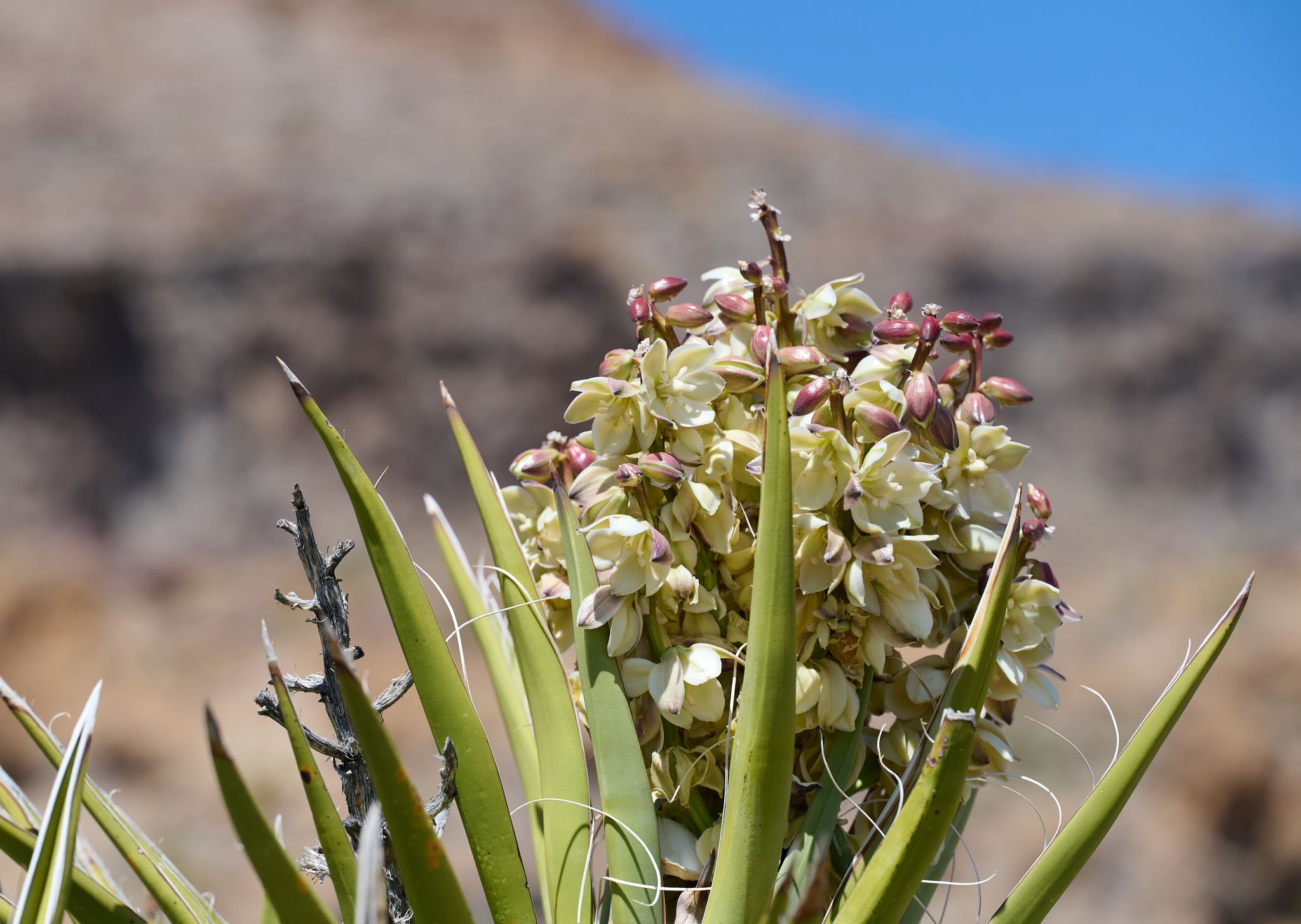
Yucca (*Yucca* (genus))

Yucca

Yucca is a group of bold, architectural plants with spiky leaves and tall flower stalks that can add structure to sunny gardens and containers. Many yuccas are tough once established and can be a low-fuss way to offer nectar to visiting pollinators when in bloom.

View plant profile

Pollinators

Pollinators active in this region

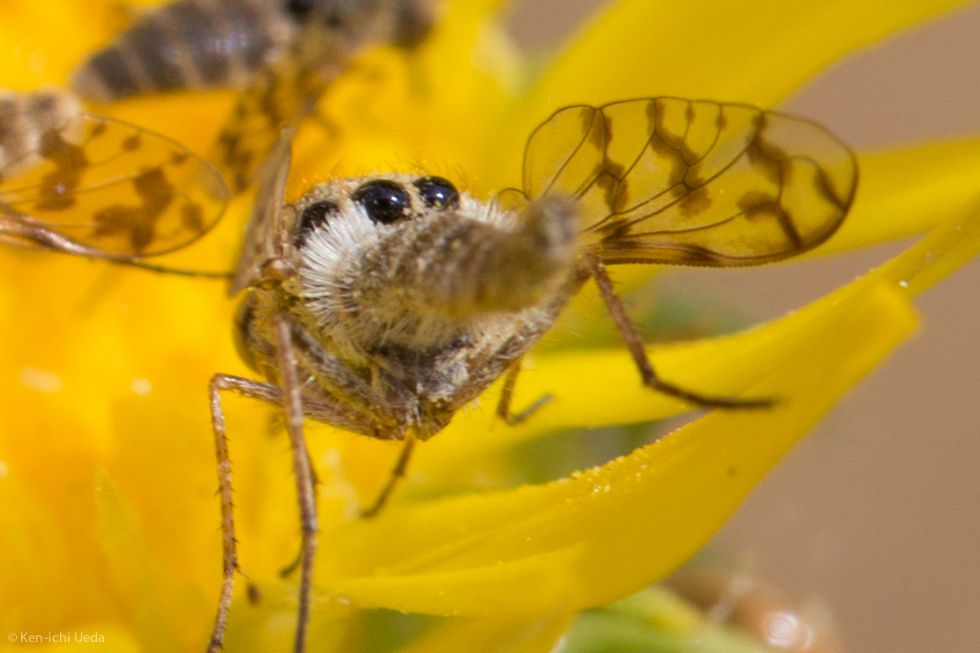
Bee flies (Family Bombyliidae)

Bee flies

Adults visit flowers for nectar and can move pollen between blooms; their presence is a sign of diverse, functioning habitats.

View pollinator profile
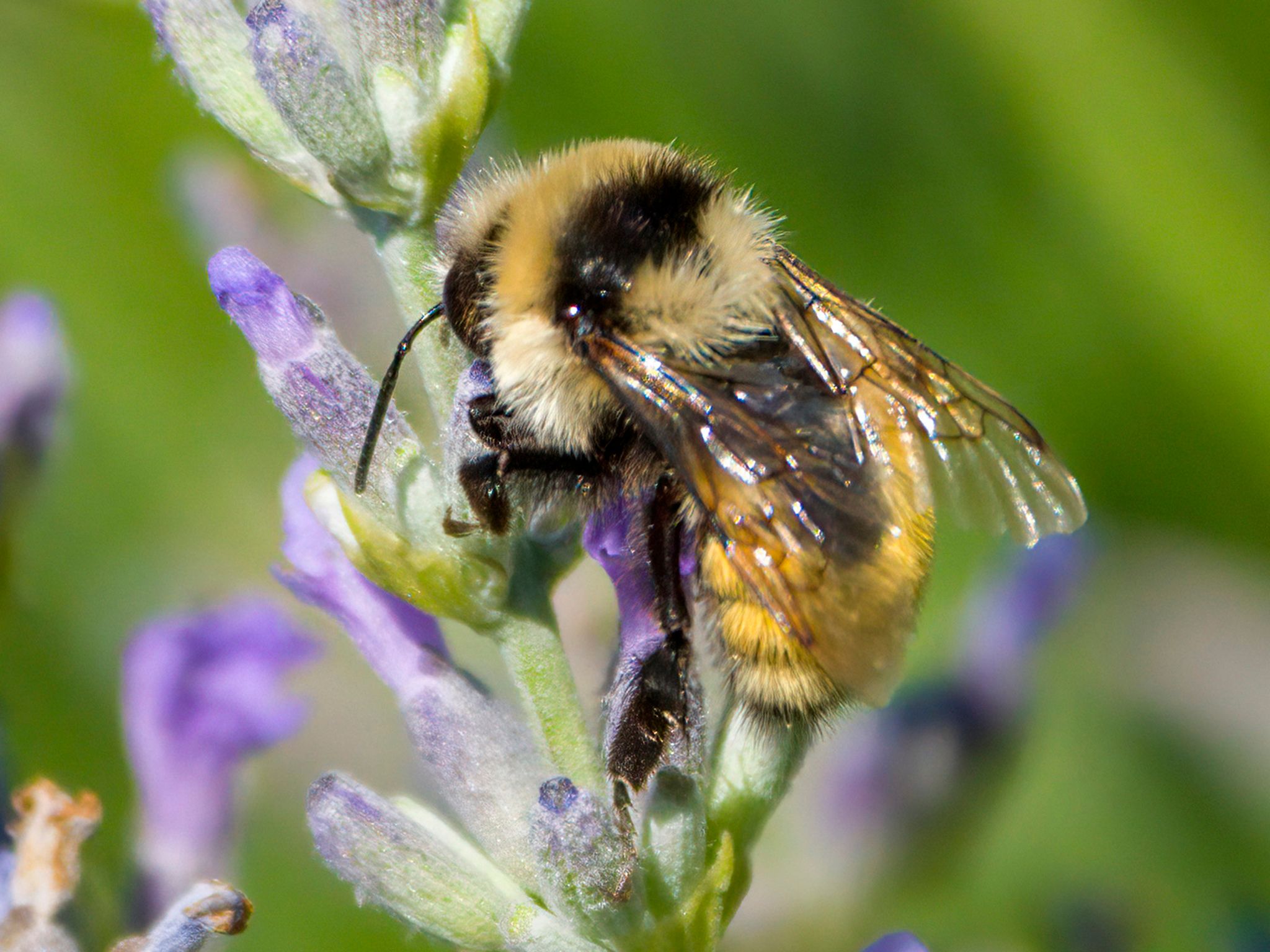
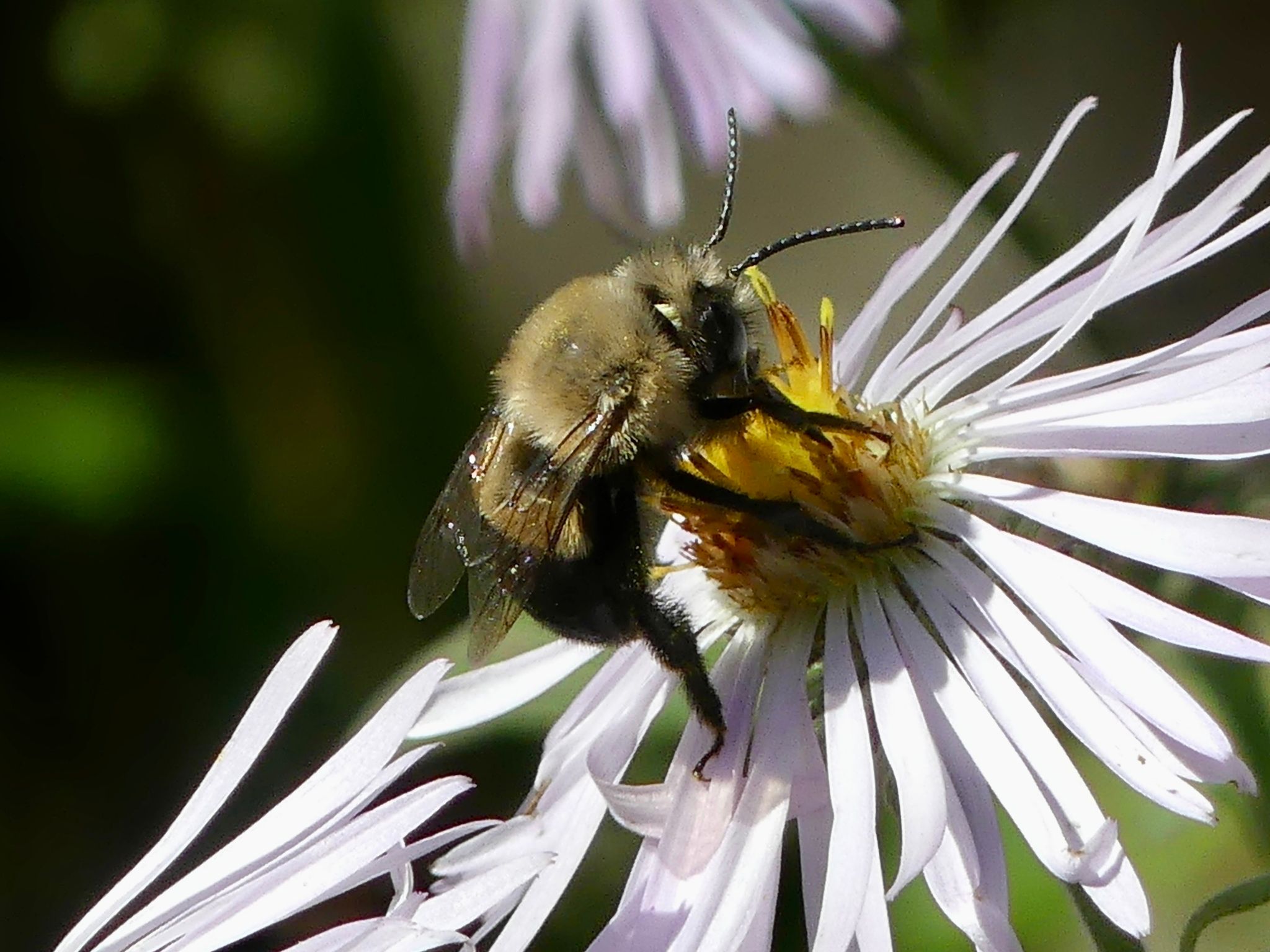
Bumble bees (Genus Bombus)

Bumble bees

Bumble bees are important pollinators of many wildflowers and garden plants, helping ecosystems and food crops reproduce.

View pollinator profile
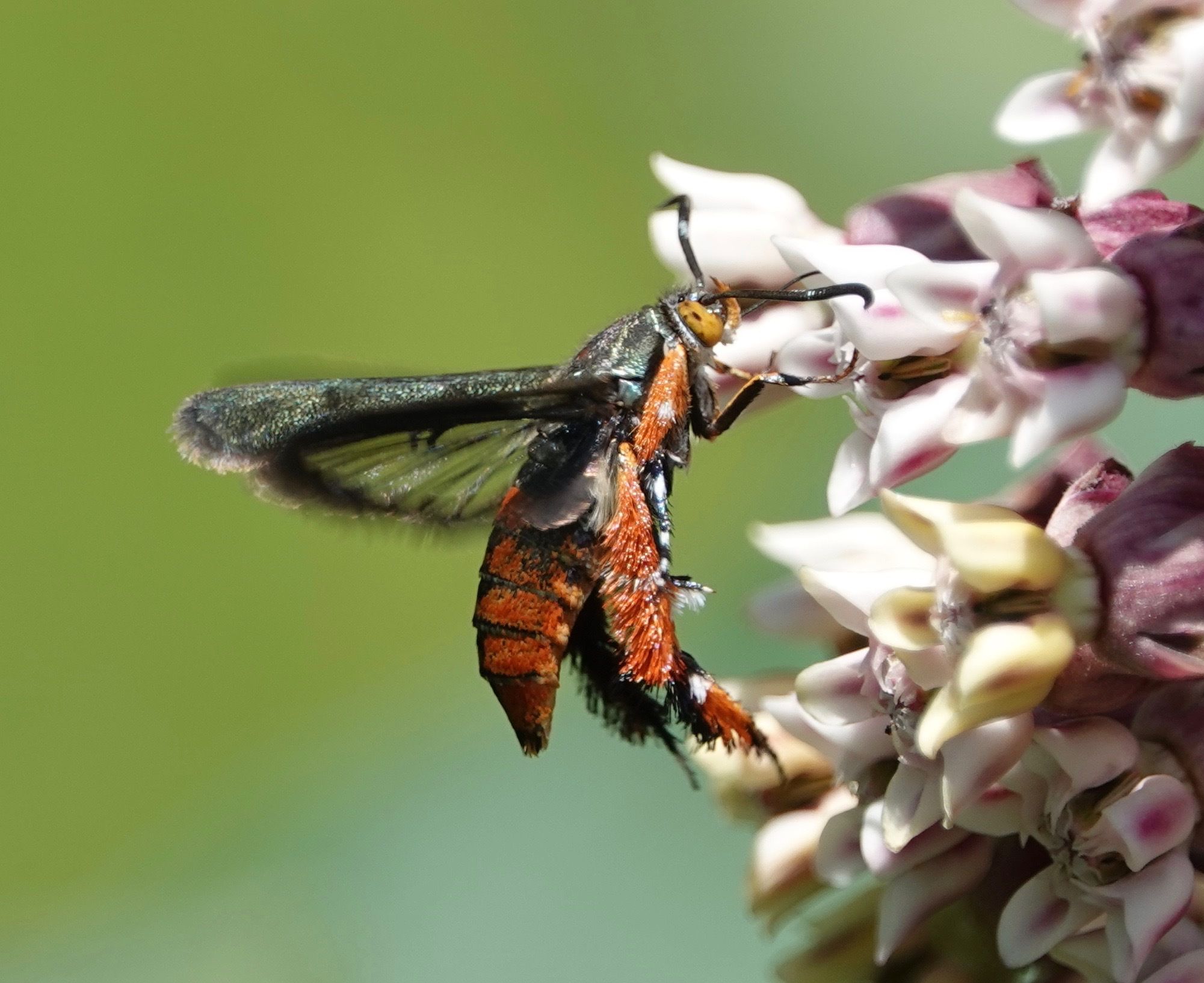
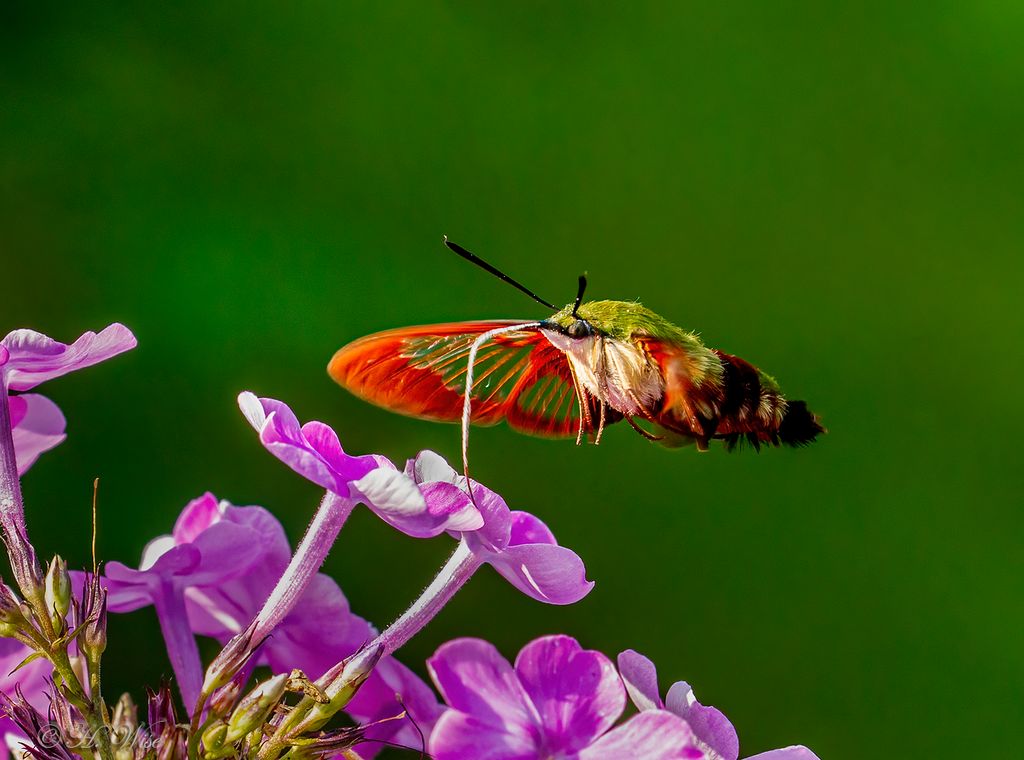
Clearwing moths (Family Sesiidae)

Clearwing moths

Adults can move pollen between blooms, and their presence can signal how healthy local plant communities are.

View pollinator profile
Digger bees (Tribe Anthophorini (e.g., Anthophora))

Digger bees

They move pollen between flowers while feeding, helping wild plants and many garden plants set seed and fruit.

View pollinator profile
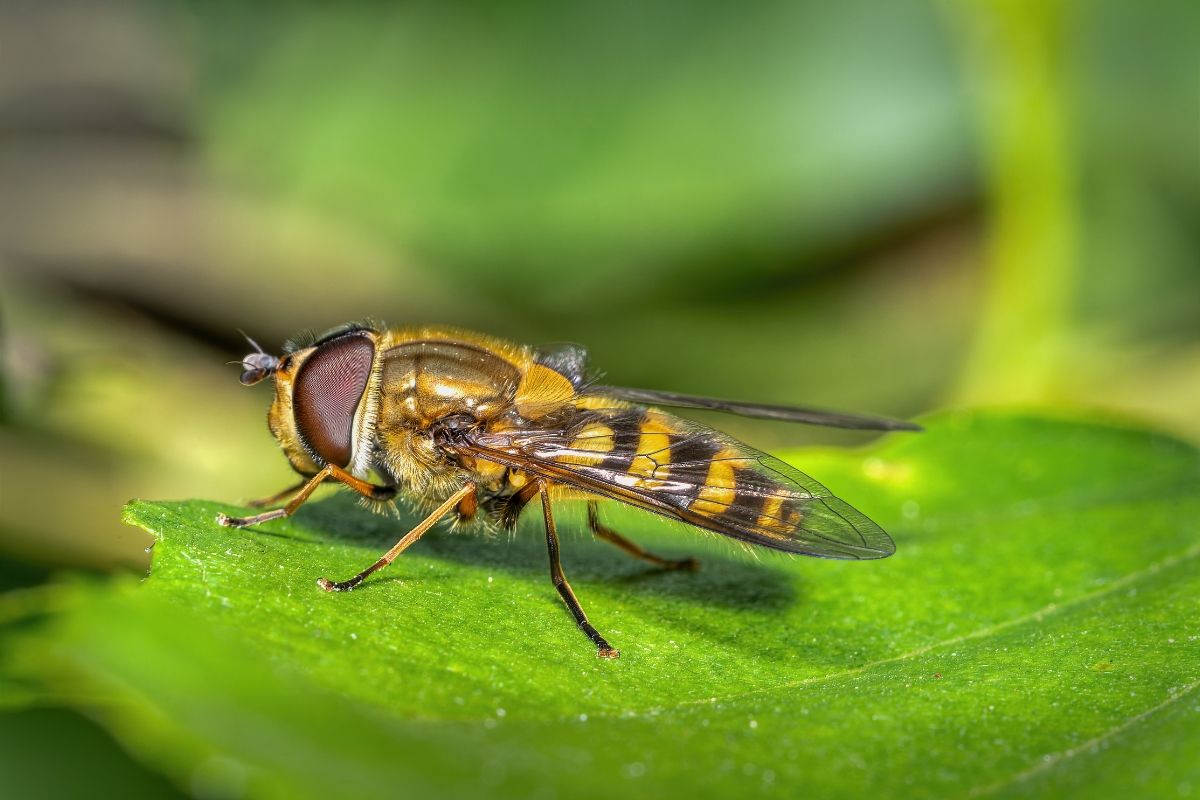
F_hoverfly-01.jpg

Flower flies / hoverflies

Adults visit flowers for nectar and pollen, and many species’ larvae help keep plant-eating pests in check.

View pollinator profile
Hawk / sphinx moths (Family Sphingidae)

Hawk / sphinx moths

They can move pollen between flowers while feeding on nectar, especially for blooms that open or scent up in the evening.

View pollinator profile
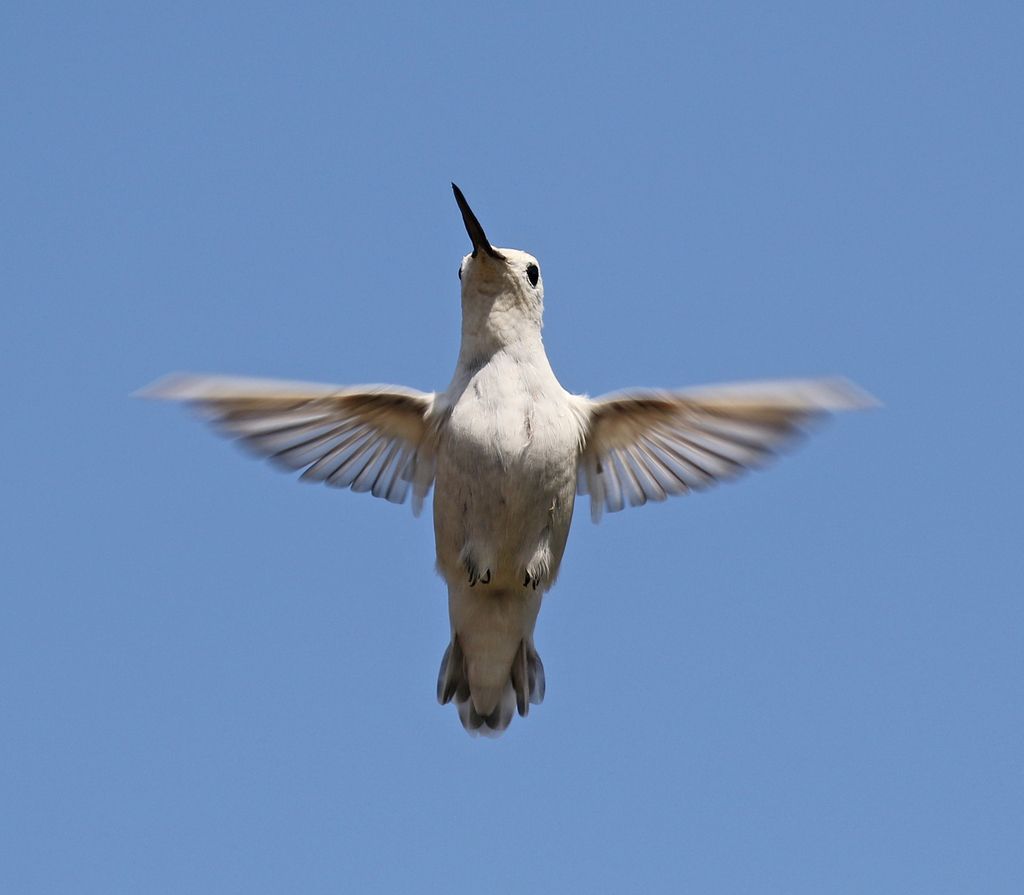
Hummingbirds (Family Trochilidae)

Hummingbirds

They move pollen between flowers while feeding, helping many plants reproduce.

View pollinator profile
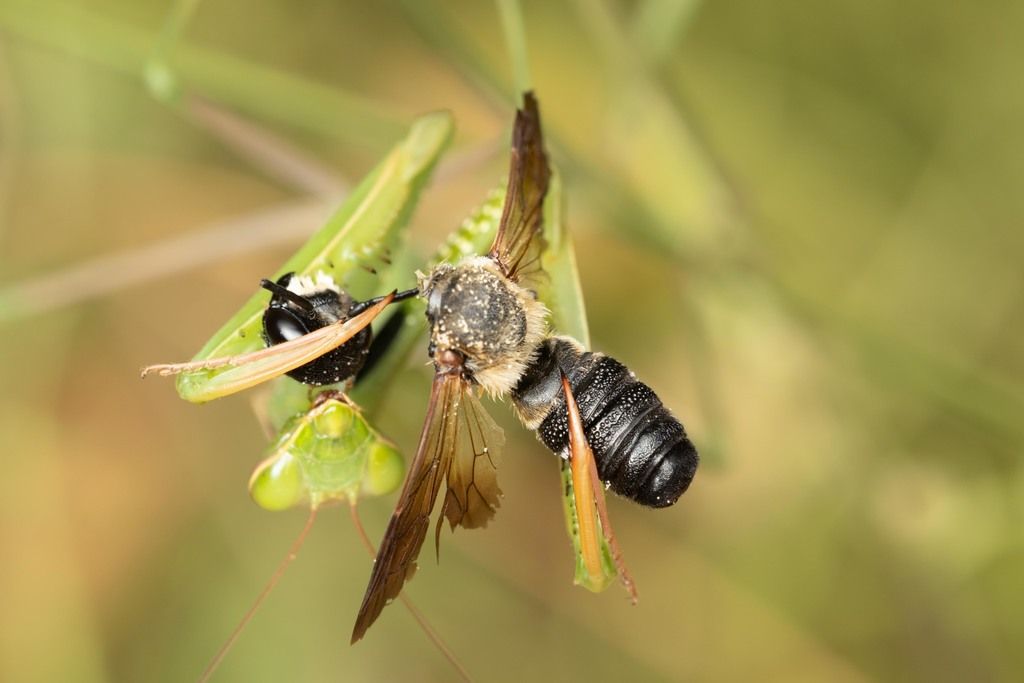
Leafcutter bees (Genus Megachile)

Leafcutter bees

They move pollen between flowers while foraging, helping many wild plants and garden plants set seed and fruit.

View pollinator profile
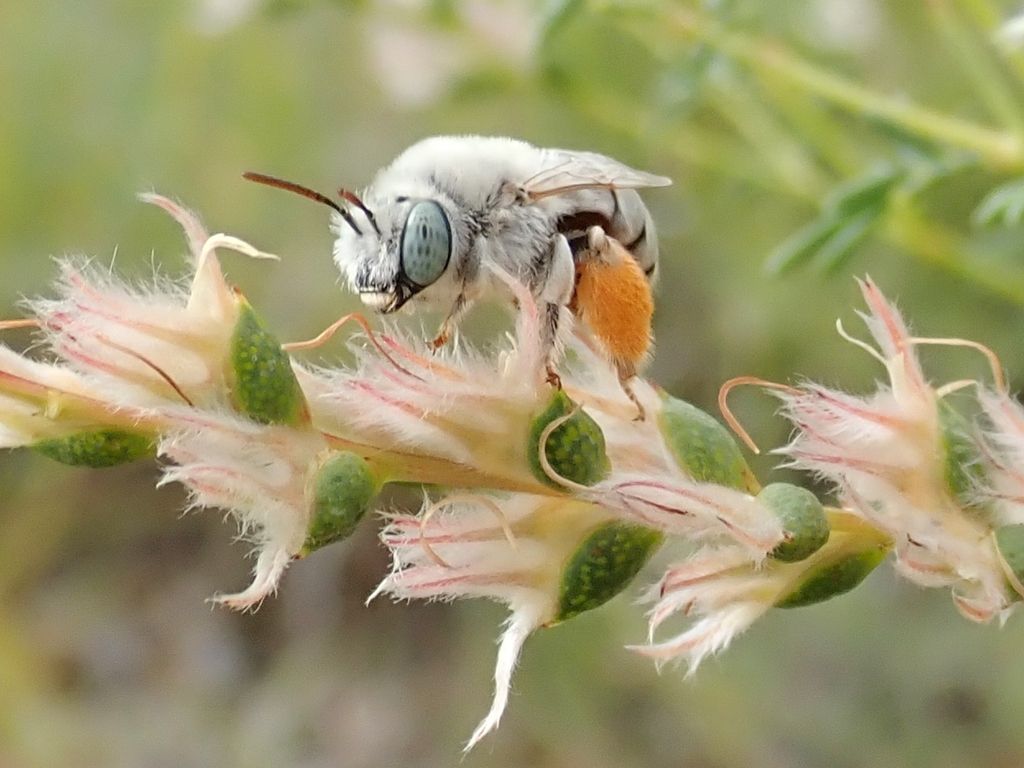
Long-horned bees (Tribe Eucerini)

Long-horned bees

They move pollen between flowers as they feed, supporting seed and fruit set in many wild plants and some crops.

View pollinator profile
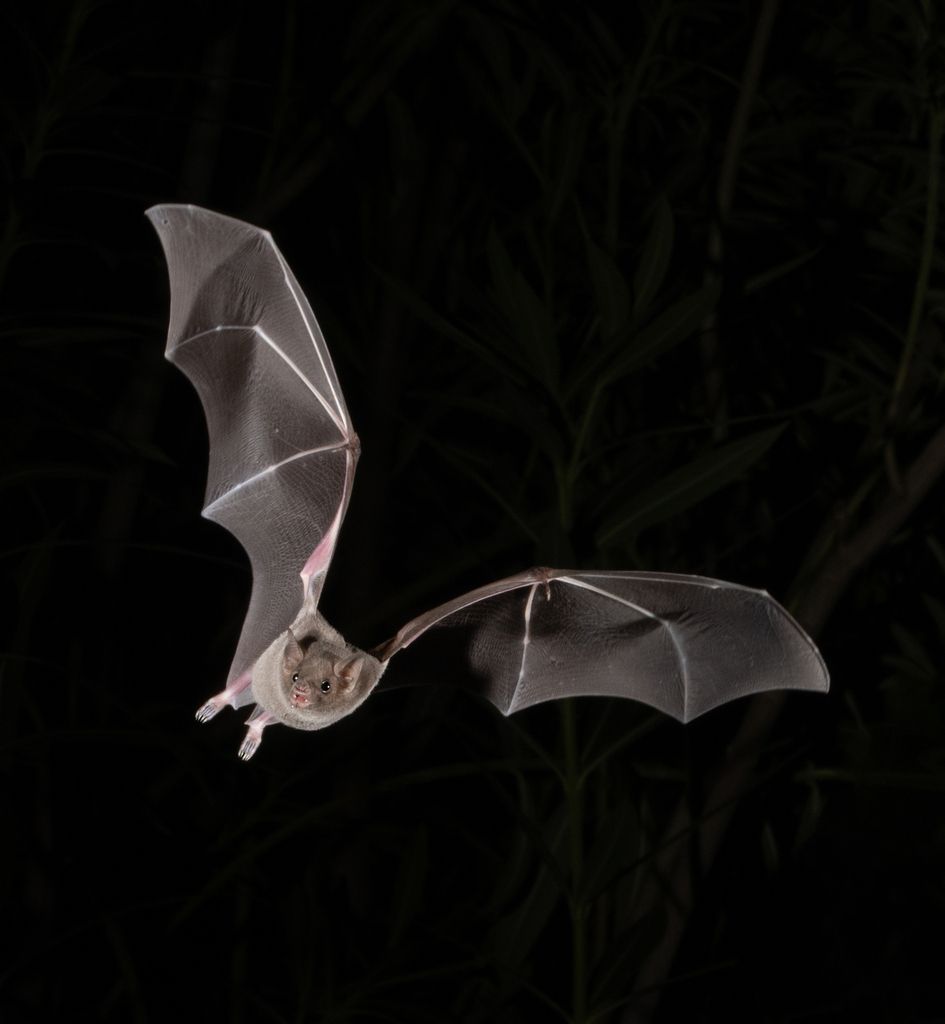
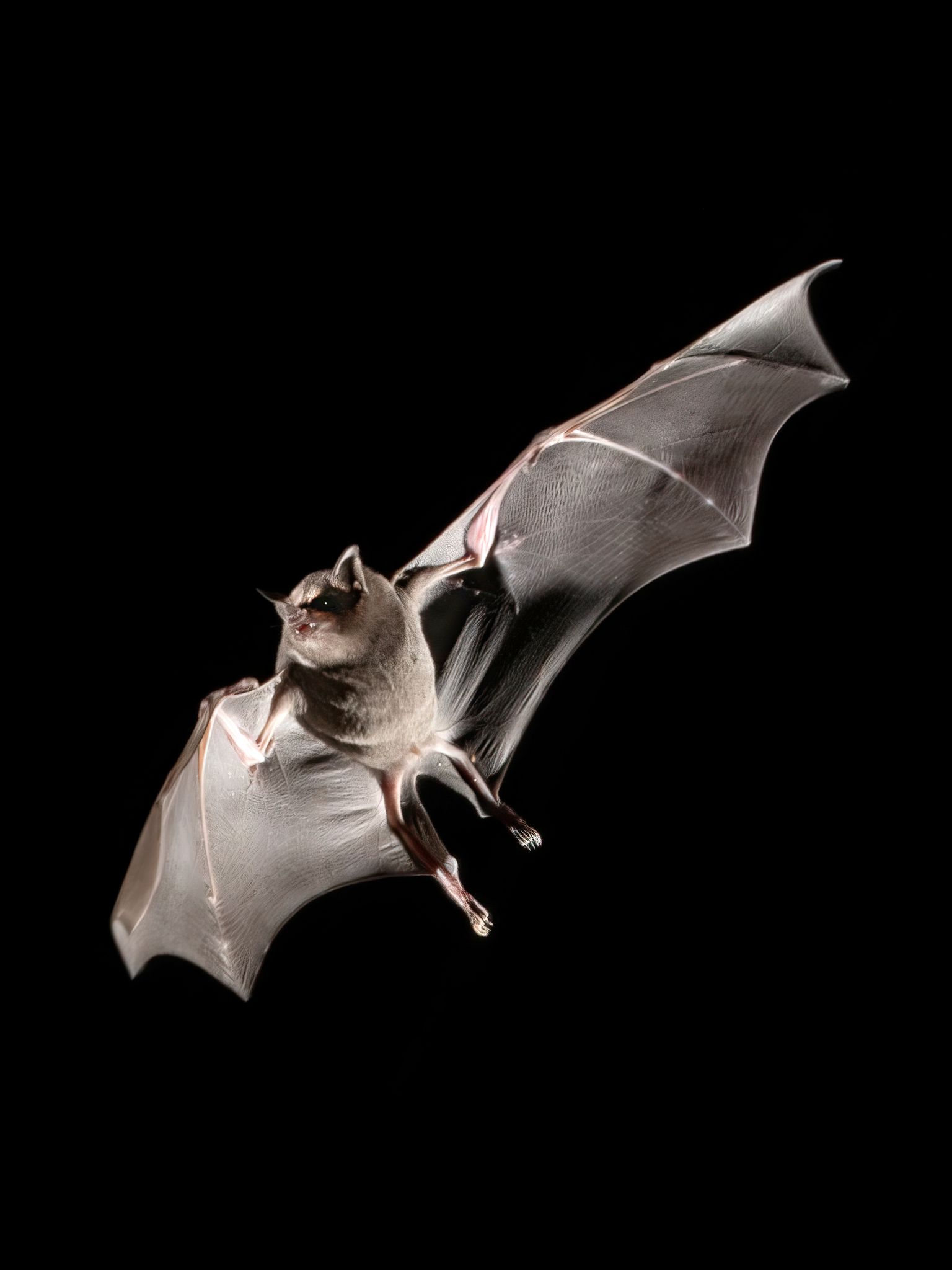
Long-nosed bats (Genus Leptonycteris)

Long-nosed bats

They move pollen between flowers over long distances, helping some plants set fruit and seed.

View pollinator profile
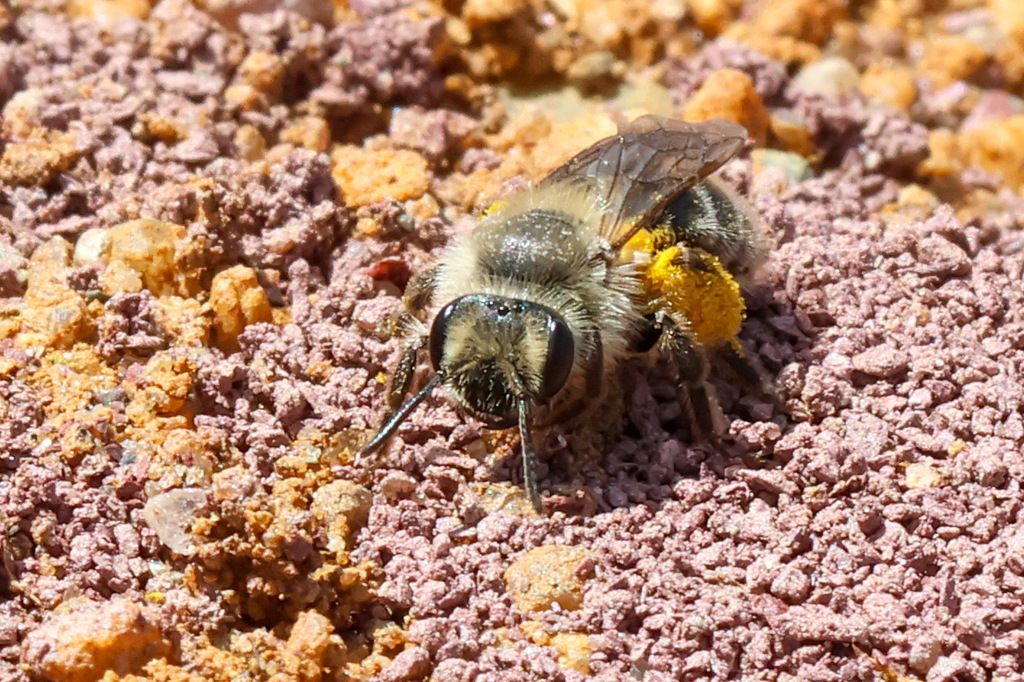
Mining bees (Genus Andrena)

Mining bees

They move pollen between flowers while foraging, helping many wild plants and garden plants set seed and fruit.

View pollinator profile
Nectar-feeding bats (Subfamily Glossophaginae)

Nectar-feeding bats

They move pollen between flowers over long distances and help many plants set fruit and seed.

View pollinator profile
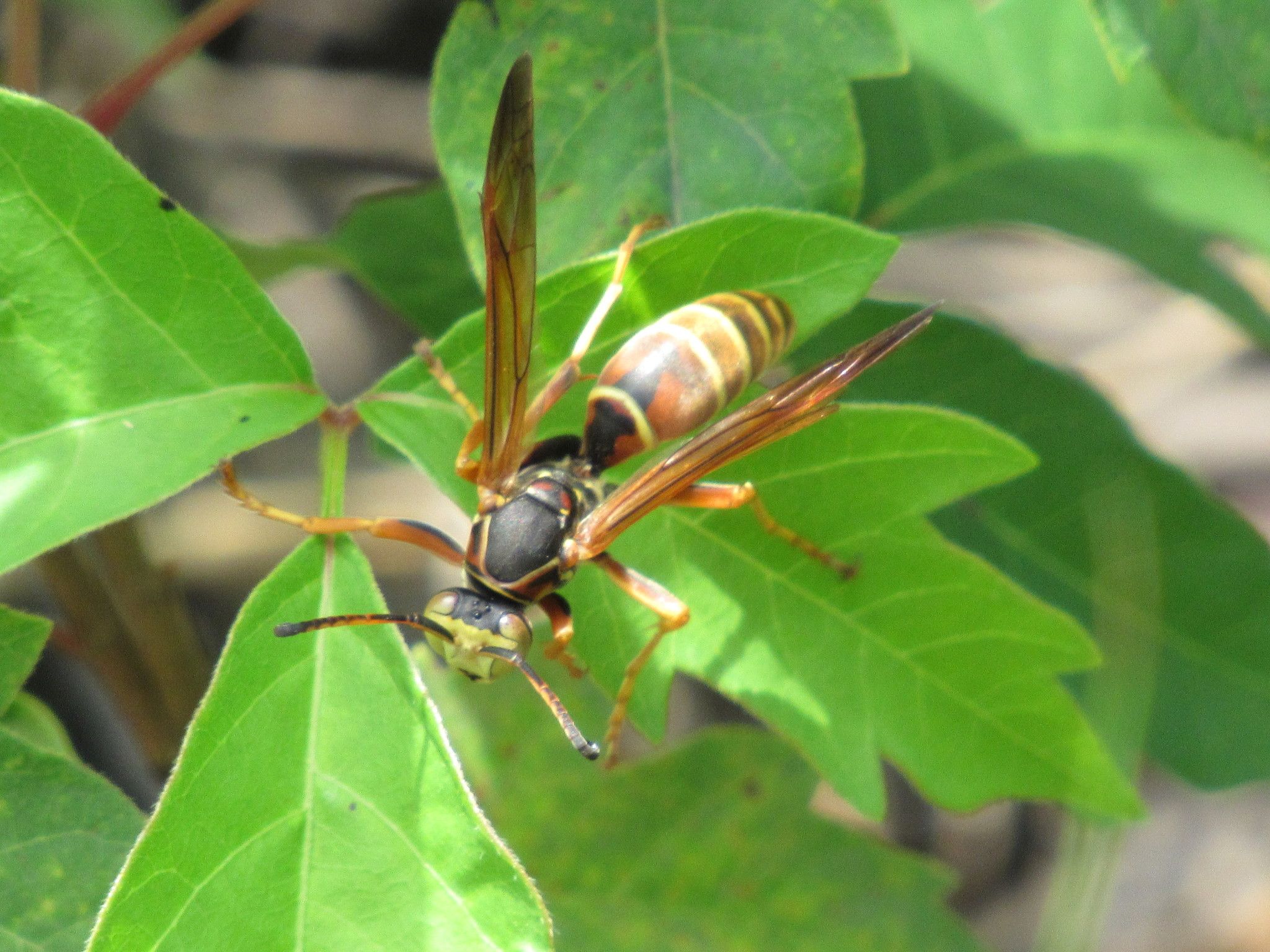
Paper wasps (Genus Polistes)

Paper wasps

They can move pollen while drinking nectar, and they also help control many plant-eating insects.

View pollinator profile
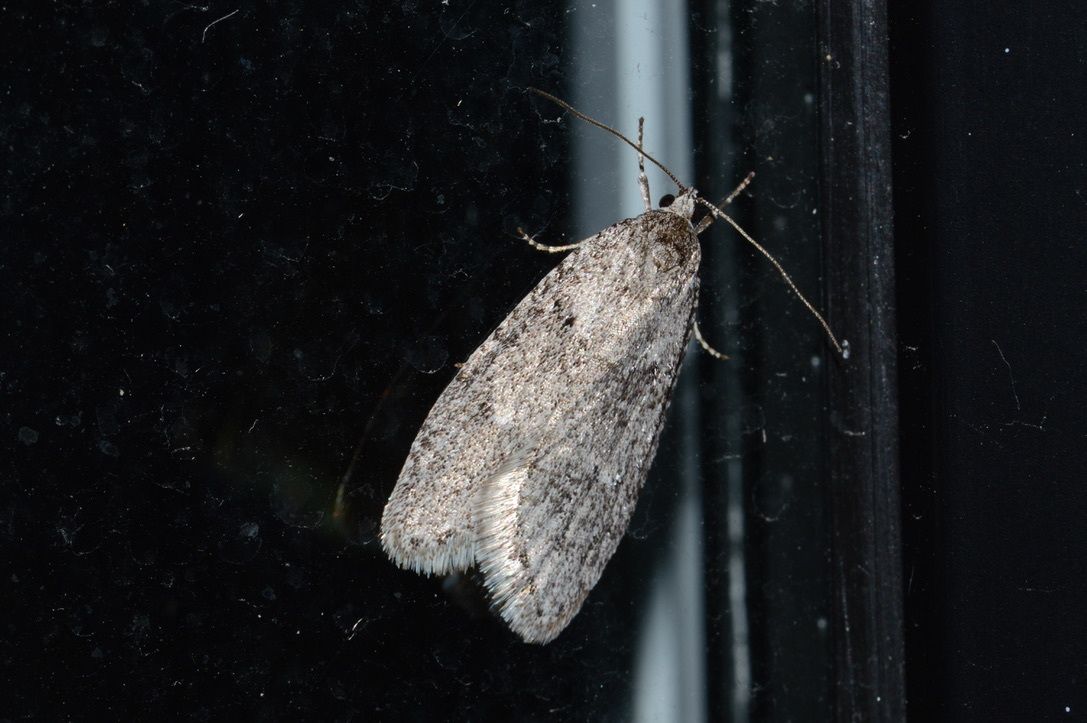
Small nectar moths (micro-moths) (Multiple families (varies))

Small nectar moths (micro-moths)

Many small moths move pollen while feeding on nectar, supporting wild plants and garden blooms—especially in the evening and at night.

View pollinator profile
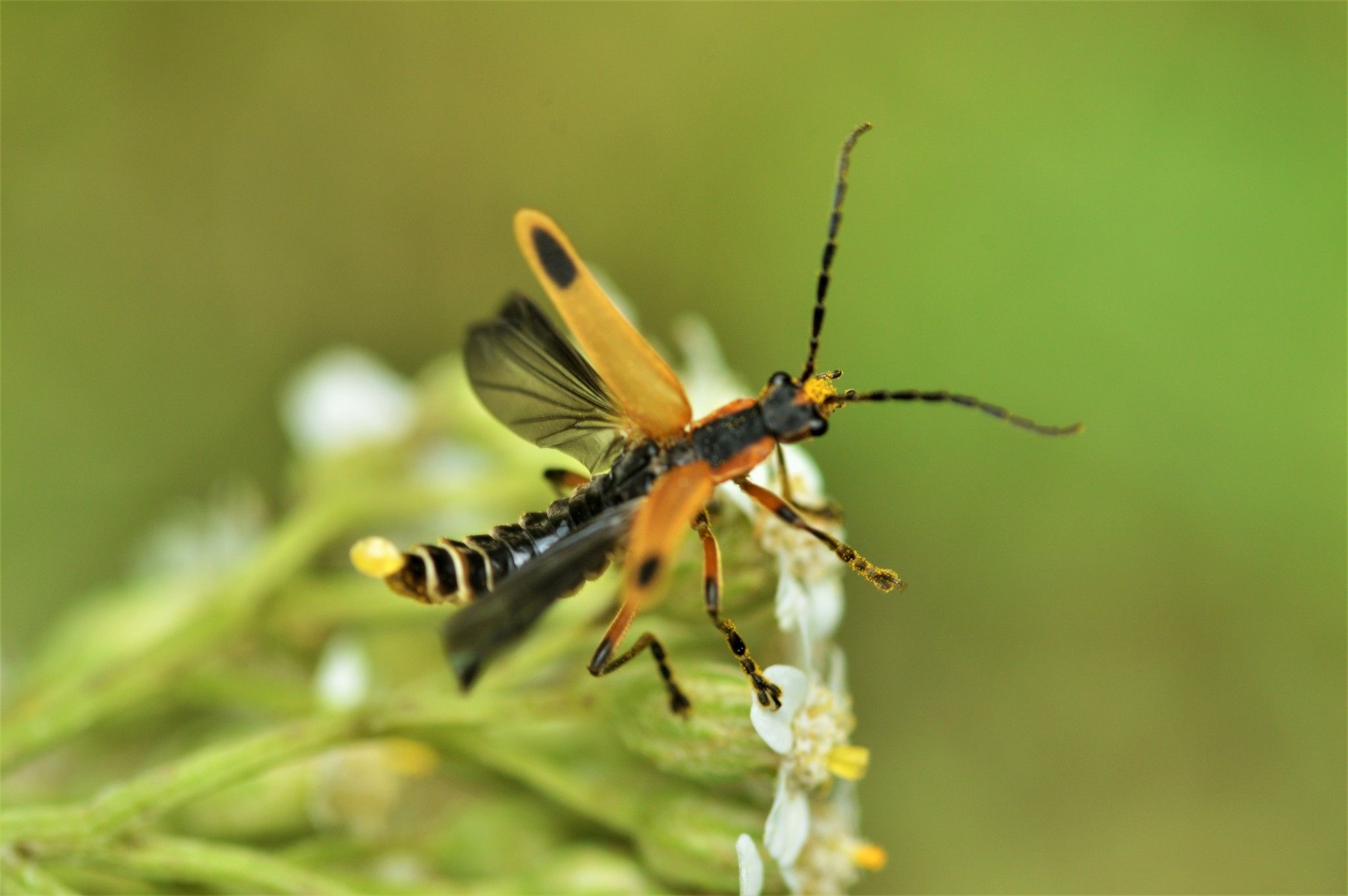
Soldier beetles (Family Cantharidae)

Soldier beetles

Many adults visit flowers and can move pollen between blooms, while also helping control some garden pests.

View pollinator profile
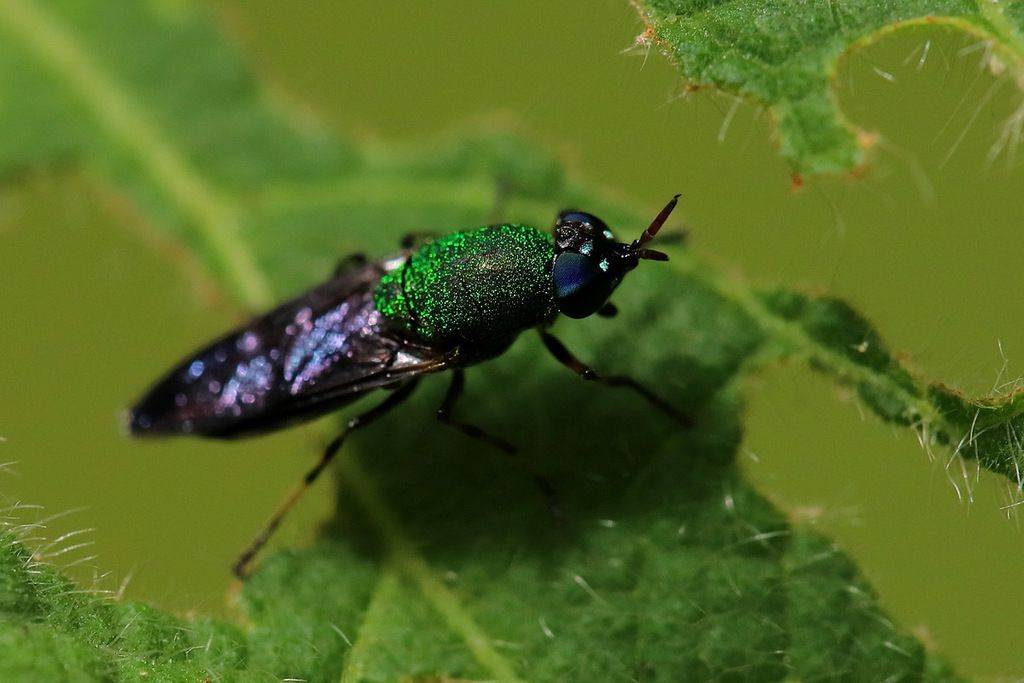
Soldier flies (Family Stratiomyidae)

Soldier flies

Many adults visit flowers for nectar and can move pollen between blooms while feeding.

View pollinator profile
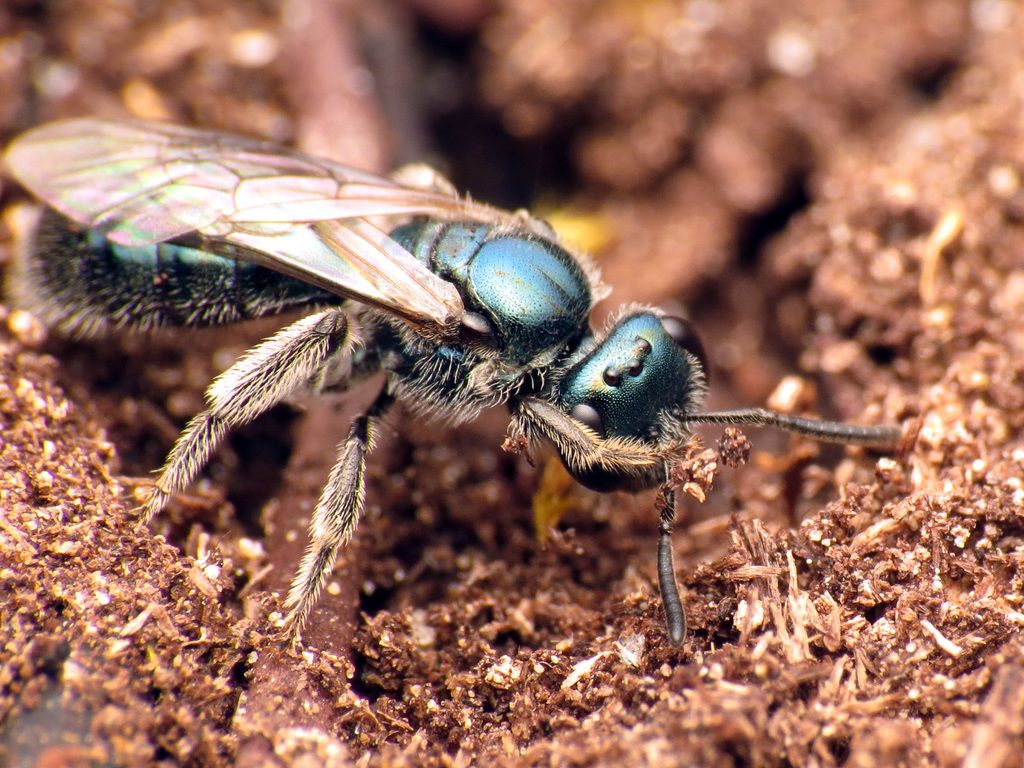
Sweat bees (Family Halictidae)

Sweat bees

They help move pollen between flowers in gardens, parks, and natural areas, supporting seed and fruit production.

View pollinator profile