Skip to content
Northern Basin and Range
Region profile

Northern Basin and Range

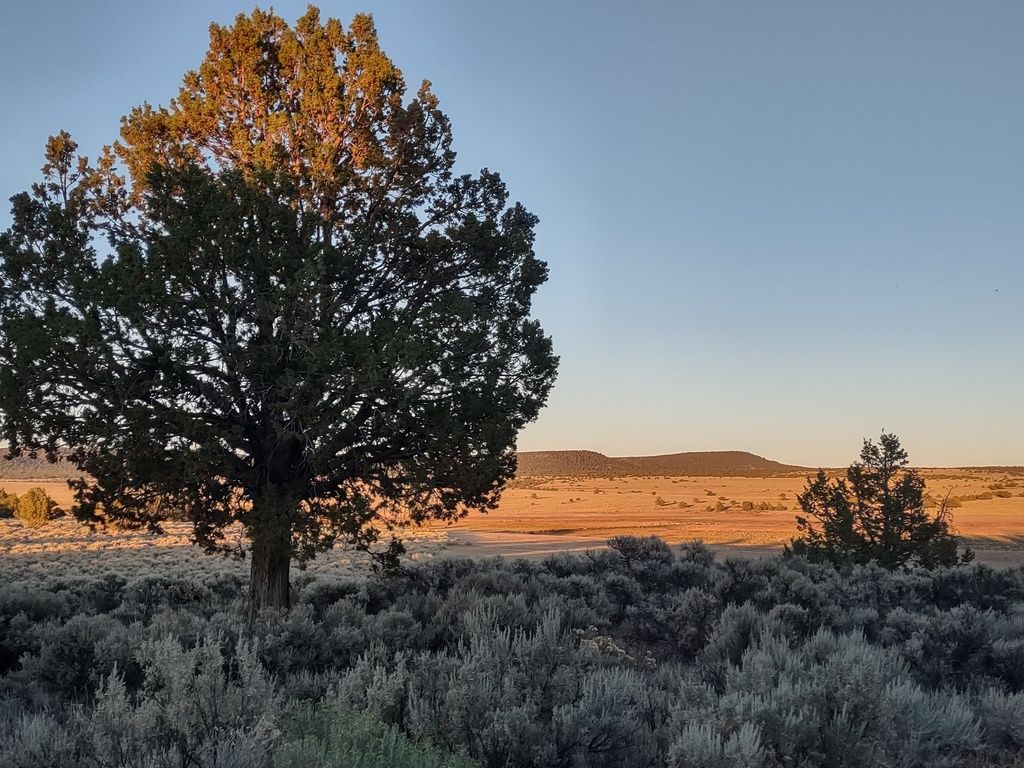
Northern Basin and Range forms part of the northern Great Basin, covering southeast Oregon, northern Nevada, southern Idaho, and a small portion of northern Utah, characterized by arid mid-latitude steppe and desert climates, tablelands, intermontane basins, and scattered north-south trending mountains.

Zone

Interior

Common Name

Northern Basin and Range

CEC Level III Code

10.1.3

CEC Level II Code

10.1 Cold Deserts

Overview

About This Region

The Northern Basin and Range ecoregion, spanning parts of Oregon, Idaho, Nevada, Utah, and California, is characterized by vast sagebrush steppe and high desert wetlands. This region is vital for diverse wildlife, including pollinators, but faces significant challenges. Historical overgrazing has degraded habitats, and invasive species like cheatgrass threaten native plant communities. Water availability, crucial for both agriculture (alfalfa, hay, etc.) and wildlife, is a limiting factor in this arid landscape. Conservation efforts are focused on restoring sagebrush habitats and managing grazing to support regional biodiversity and pollinator health.

Region facts

At a glance

AliasesNorthern Basin and Range, CEC 10.1.3
Geographic Range
The Northern Basin and Range ecoregion is part of the northern Great Basin, covering portions of southeast Oregon, northern Nevada, southern Idaho, and northern Utah, characterized by tablelands, intermontane basins, and scattered north-south trending mountains.
Climate SnapshotThe Northern Basin and Range ecoregion has an arid, mid-latitude steppe and desert climate characterized by hot summers, cold winters, a mean annual temperature between 5°C and 9°C, and a mean annual precipitation of 351 mm.
Terrain ProfileThe region features tablelands, intermontane basins, dissected lava plains, scattered north-south trending mountains, and valleys with long, gently sloping alluvial fans, with elevations ranging from about 800 masl in deep canyons to over 3,000 masl on the highest mountain peaks.
Vegetation CoverNon-mountain areas feature sagebrush steppe vegetation and cool season grasses, while ranges are covered in mountain sagebrush, mountain-mahogany, juniper, and Idaho fescue, with Douglas fir and aspen common at higher elevations.
Wildlife HabitatThe Northern Basin and Range supports prominent species like mule deer, pronghorn, and coyotes, along with a significant waterfowl migration route and endemic desert fish in its lakes and springs.

Eco snapshot

What shapes this region

Climate pattern

  • Cold-desert conditions are common: dry air, strong sun, and seasonal cold.
  • Bloom timing can shift a lot by microclimate (small local weather differences), like a sheltered yard vs. an exposed slope.
  • Higher elevations often stay cooler and can bloom later than valley floors.
Vegetation profile

Non-mountain areas feature sagebrush steppe vegetation and cool season grasses, while ranges are covered in mountain sagebrush, mountain-mahogany, juniper, and Idaho fescue, with Douglas fir and aspen common at higher elevations.

Wildlife profile

The Northern Basin and Range supports prominent species like mule deer, pronghorn, and coyotes, along with a significant waterfowl migration route and endemic desert fish in its lakes and springs.

Why pollinators matter here

  • Many native plants rely on insects for seed set, especially in spring and early summer bloom pulses.
  • Pollinators need “stepping-stone” flowers when natural blooms are between peaks.
  • Nesting habitat can be scarce where soils are heavily disturbed or landscapes are over-tidied.
  • Water-wise native plantings can support pollinators without high irrigation.

Seasonal timing

Planting seasons

Timing varies by microclimate; use this as a flexible guide.

Seasonal timing

  • Early season: Focus on cool-tolerant natives and early bloomers; watch for late cold snaps.
  • Warm season: Planting can work if you can establish roots with careful watering; prioritize heat- and drought-adapted species.
  • Late season: Often a good time for many natives to establish roots before winter; mulch lightly where appropriate.

Quick seasonal checklist

  • Choose 3–5 native species with staggered bloom times.
  • Prep soil gently (avoid over-tilling); add compost only if truly needed.
  • Water to establish, then taper toward deep, less frequent watering (site-dependent).
  • Leave some areas “messy” for nesting and shelter.

Yearly needs

Pollinator calendar

What pollinators need throughout the year, and what to do about it.

Late winter/early springEarly nectar/pollen; safe nesting start sitesAdd early-blooming natives; keep some bare, well-drained ground; avoid spring pesticide applications
SpringA strong run of blooms; nesting materials and undisturbed soilPlant a mix of spring bloomers; leave stems/leaf litter in a corner; provide a shallow water dish with stones
Summer“Bridge” flowers during hot/dry periods; shade and water accessAdd drought-tough summer bloomers; water young plants deeply but infrequently; keep blooms going in pots
Late summer/fallLate nectar to fuel overwintering; seed/cover habitatPlant late bloomers; avoid deadheading everything; leave seedheads and some standing stems
Winter or Dry SeasonShelter; intact nests; minimal disturbanceDon’t over-tidy; delay heavy cleanup; keep brush/leaf piles in a tucked-away spot

Seed mix concept

A Billion Small Steps Seed mix

A practical approach here is a three-part mix that keeps flowers available through the main growing season while staying water-wise.

Spring starter

Spring starter: early bloomers that support the first wave of native bees (often the most time-sensitive).

Summer bridge

Summer bridge: heat- and drought-tough flowers that reduce the mid-season nectar gap.

Fall finisher

Fall finisher: late bloomers (often rabbitbrush/asters/goldenrods) that help pollinators fuel up before winter.

What You Can Do

Make a difference for native habitats.

Turn this knowledge into action. Whether you plant a single pot or a whole garden, you are building a vital bridge for local biodiversity.

Join the movement to restore our shared habitats.

Native plants

Plants that thrive in this region

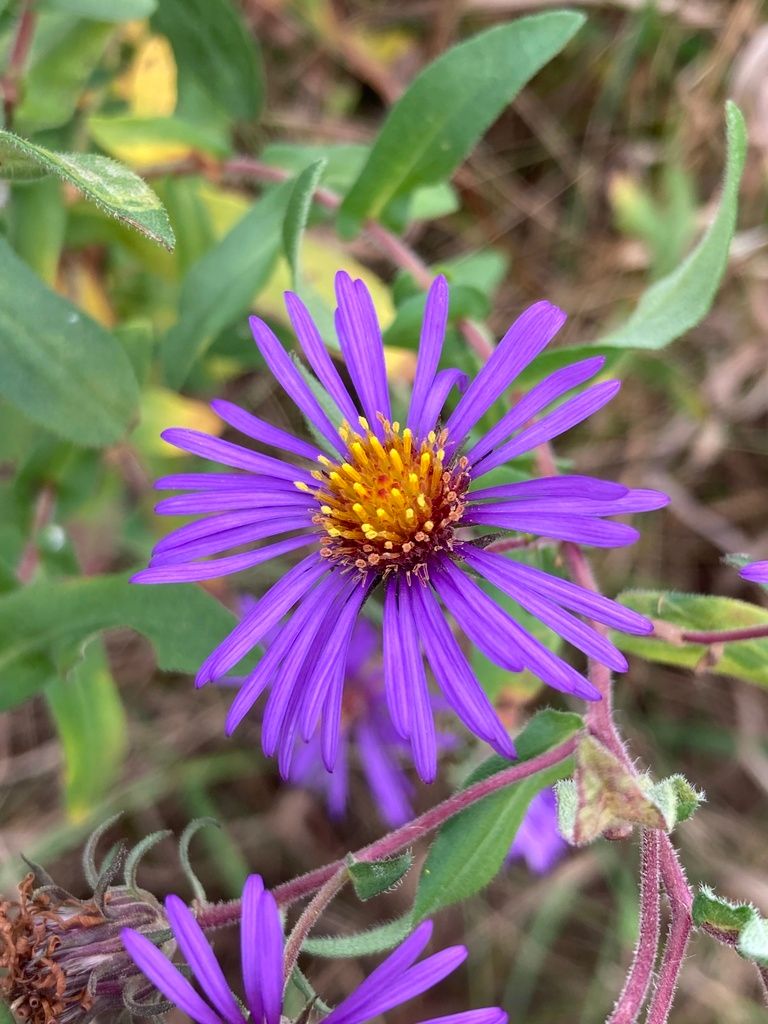
Asters (*Symphyotrichum* spp.)

Asters

Asters are late-season wildflowers that bring a burst of daisy-like blooms when many gardens are winding down, making them a reliable choice for pollinator-friendly planting.

View plant profile
F_wildflowers-herbaceous-perennials-blazing-stars (2).jpg

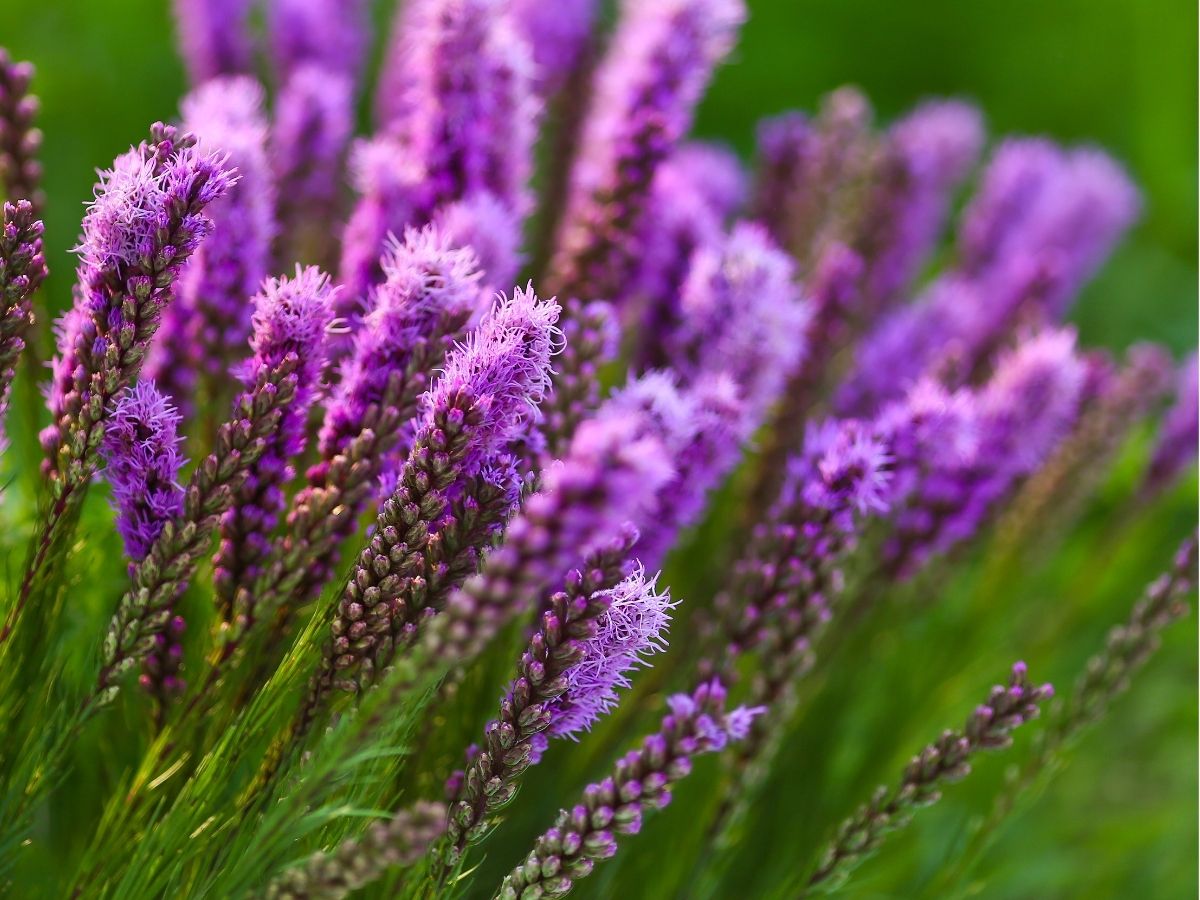
Blazing stars

Blazing stars (Liatris) are upright, purple-pink wildflowers that bloom in showy spikes and are well-loved by many pollinators. They’re a strong choice for sunny gardens, borders, and meadow-style plantings.

View plant profile
F_wildflowers-herbaceous-perennials-gilias.jpg

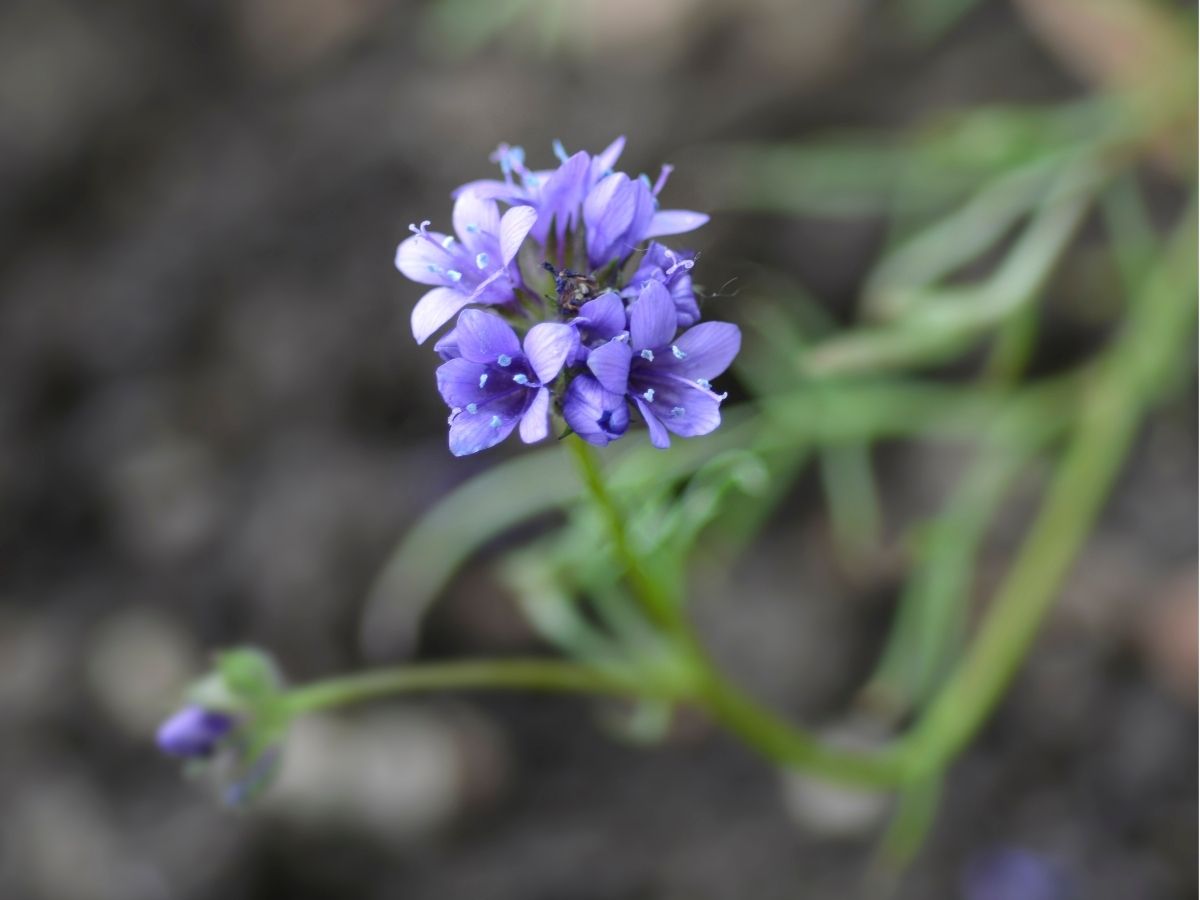
Gilias

Gilias (genus Gilia) are airy, nectar-rich wildflowers that can add quick color to sunny spots and help support a variety of pollinators.

View plant profile
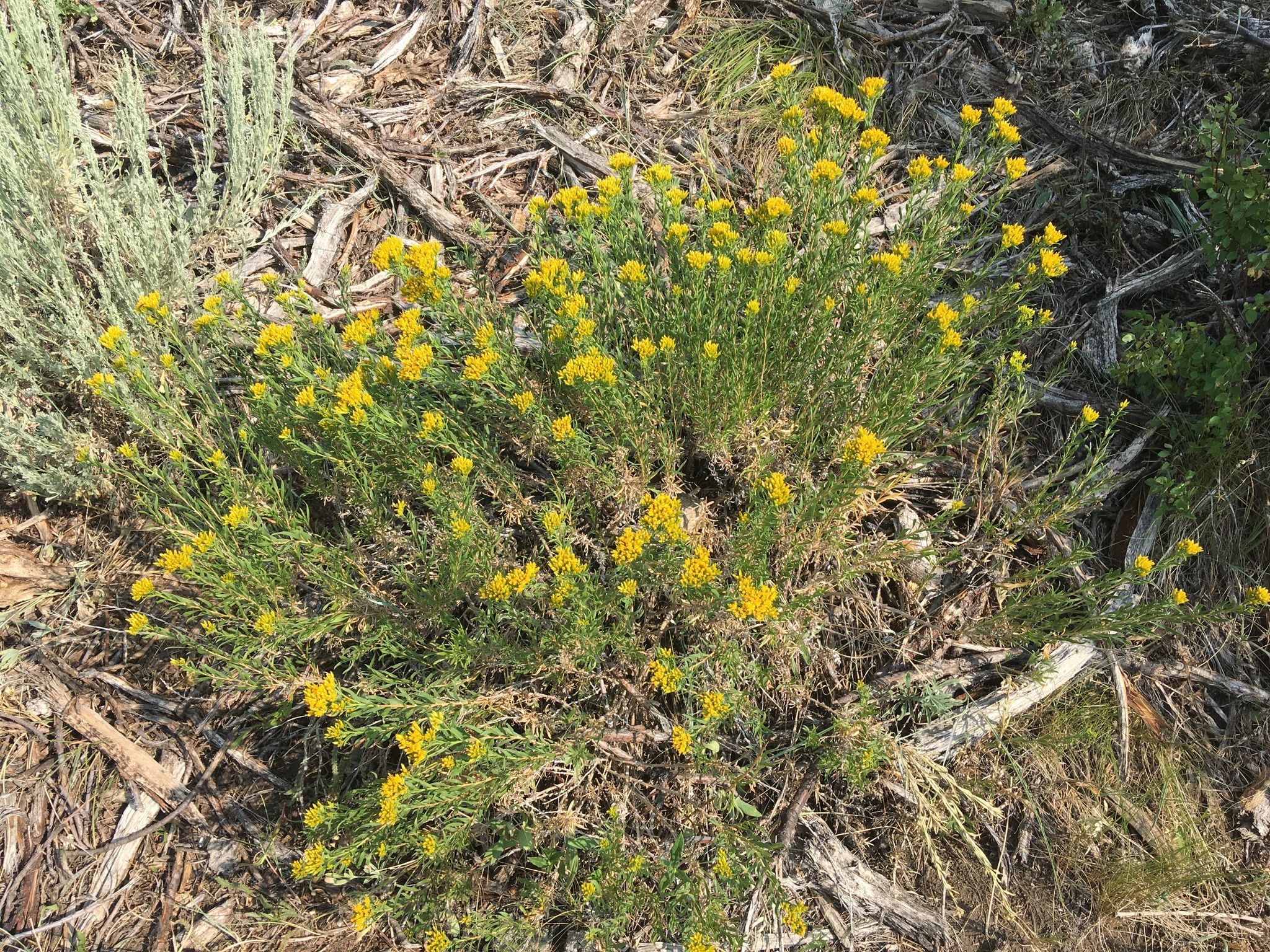
Goldenrods (*Solidago* spp.)

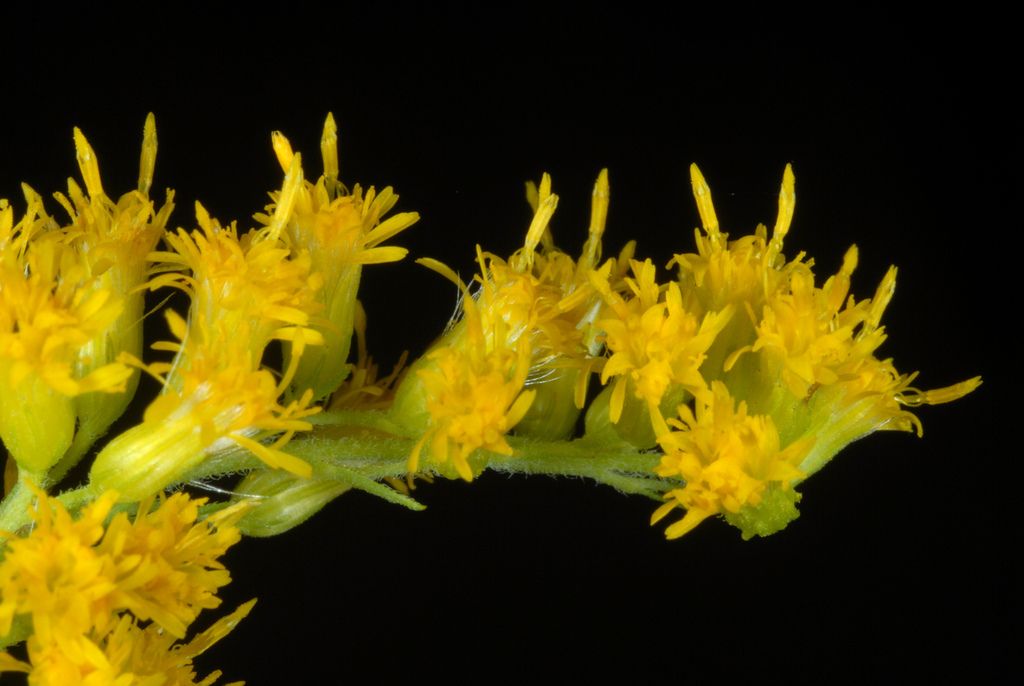
Goldenrods

Goldenrods are tough, sunny wildflowers in the genus Solidago that light up late-season gardens with golden blooms and provide reliable nectar and pollen when many other flowers are fading.

View plant profile
Penstemons (*Penstemon* (genus))

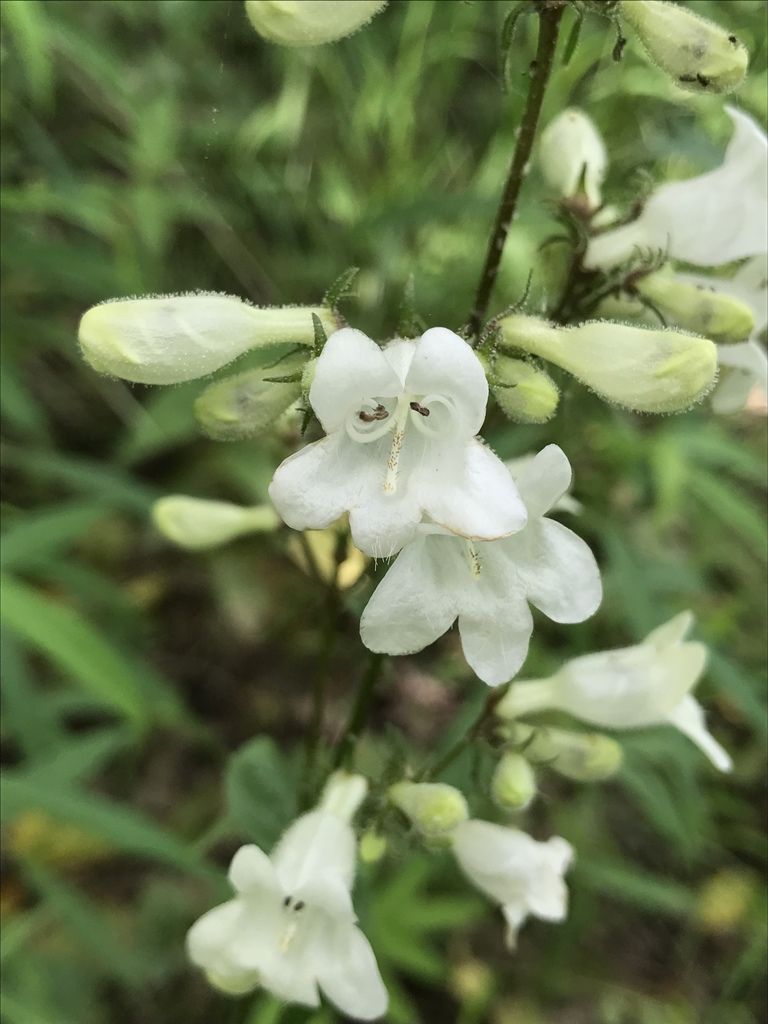
Penstemons

Penstemons (beardtongues) are hardy, flower-filled wildflowers that bring bright color and steady nectar to gardens and containers, especially in sunny spots with well-drained soil.

View plant profile
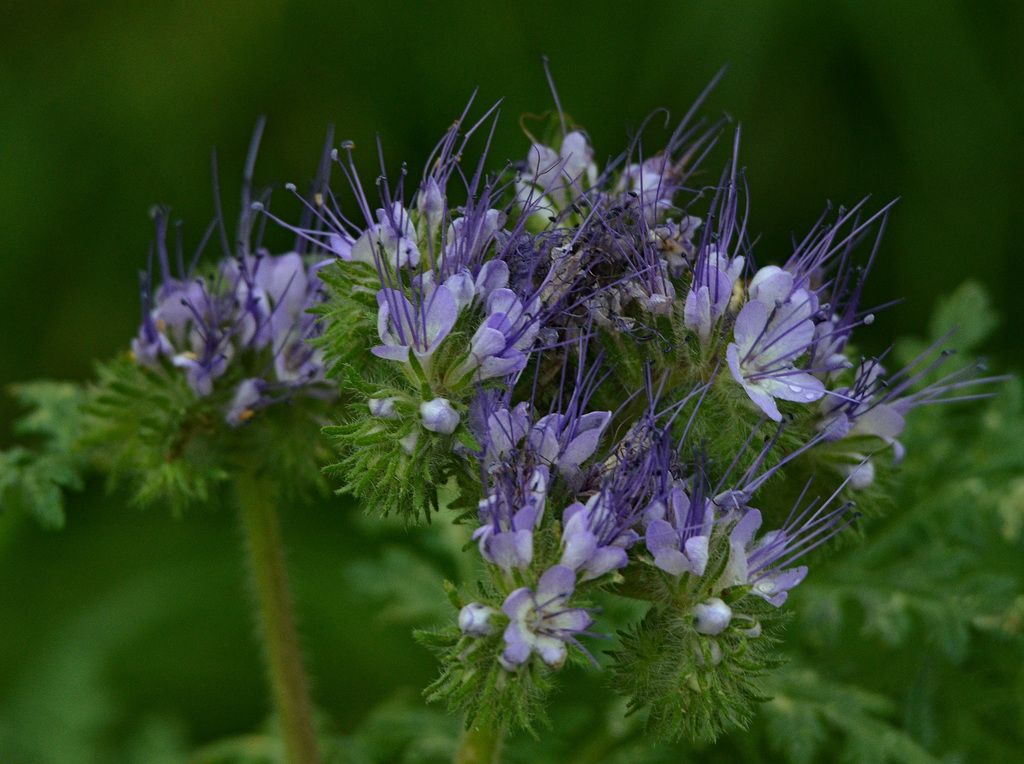
Phacelias (*Phacelia* spp.)

Phacelias

Phacelias are easygoing wildflowers in the genus Phacelia, known for their nectar-rich blooms that can bring lots of pollinator activity to gardens, schoolyards, and even containers.

View plant profile
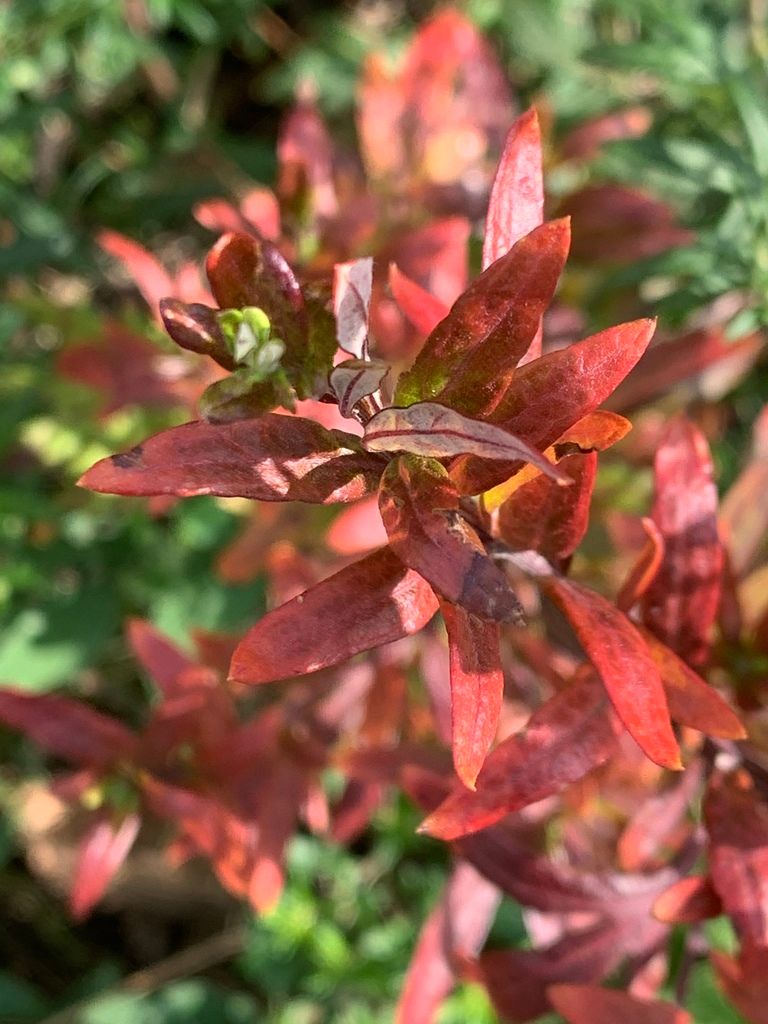
Rabbitbrush (*Ericameria* spp. / *Chrysothamnus* spp.)

Rabbitbrush

Rabbitbrush is a tough, sun-loving shrub known for its bright yellow late-season blooms that can help keep pollinators fed when many other flowers are fading.

View plant profile
Sagebrushes (*Artemisia* spp.)

Sagebrushes

Sagebrushes are tough, aromatic shrubs in the genus Artemisia that can anchor a dry, sunny habitat and offer shelter and seasonal nectar for a range of insects.

View plant profile
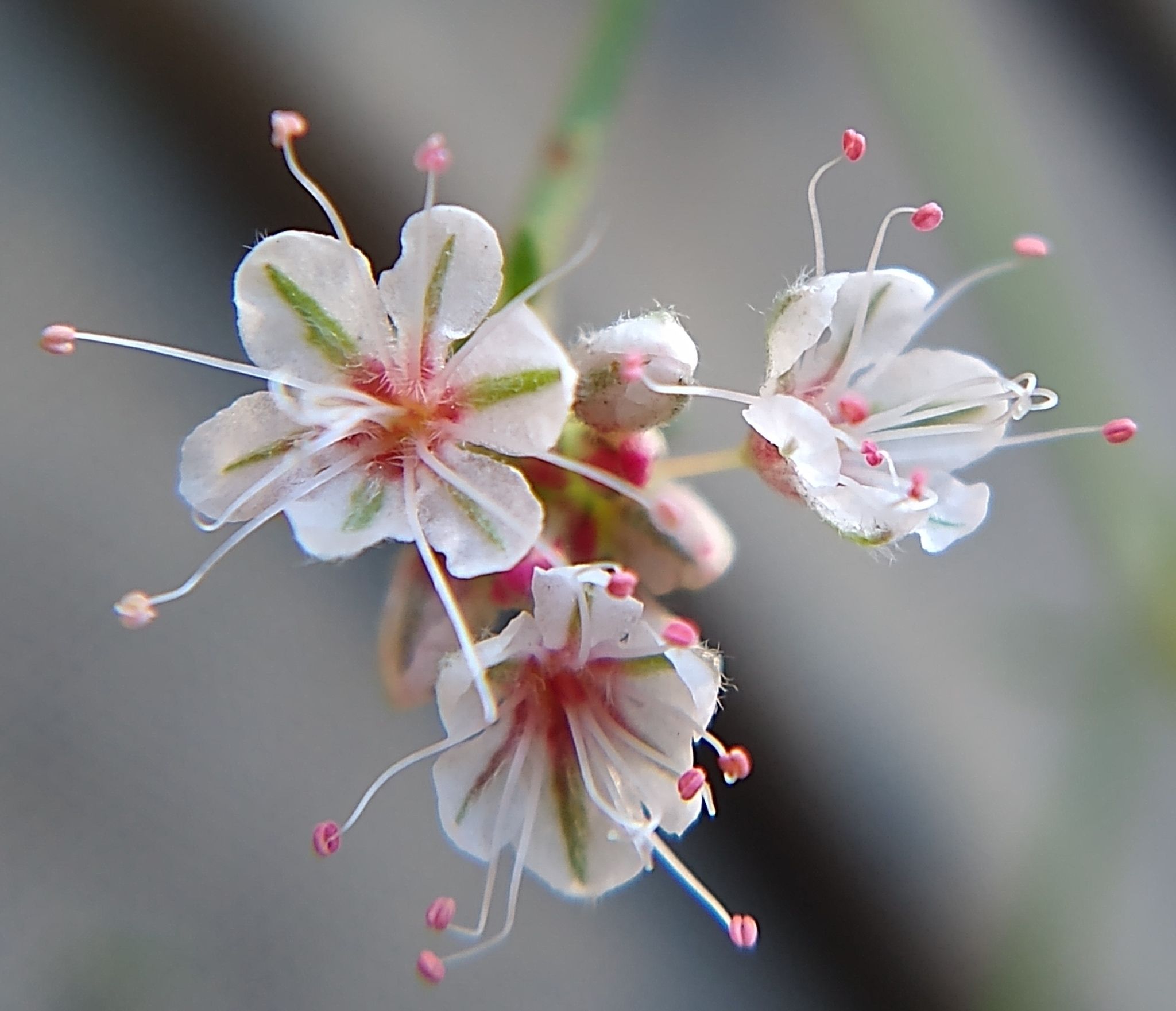
Wild buckwheats (*Eriogonum* (genus))

Wild buckwheats

Wild buckwheats (genus Eriogonum) are tough, long-blooming western native wildflowers that can turn dry, sunny spots into reliable pollinator stops.

View plant profile
Yarrow (*Achillea millefolium*)

Yarrow

Yarrow is a tough, easygoing wildflower that brings long-lasting blooms and steady pollinator visits to gardens, schoolyards, and even containers.

View plant profile

Pollinators

Pollinators active in this region

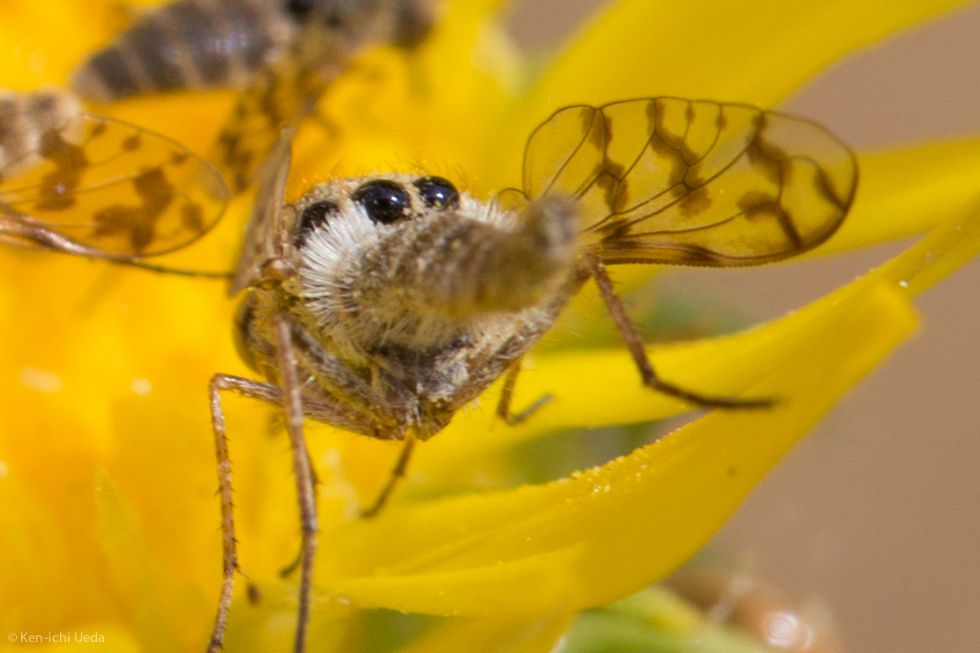
Bee flies (Family Bombyliidae)

Bee flies

Adults visit flowers for nectar and can move pollen between blooms; their presence is a sign of diverse, functioning habitats.

View pollinator profile
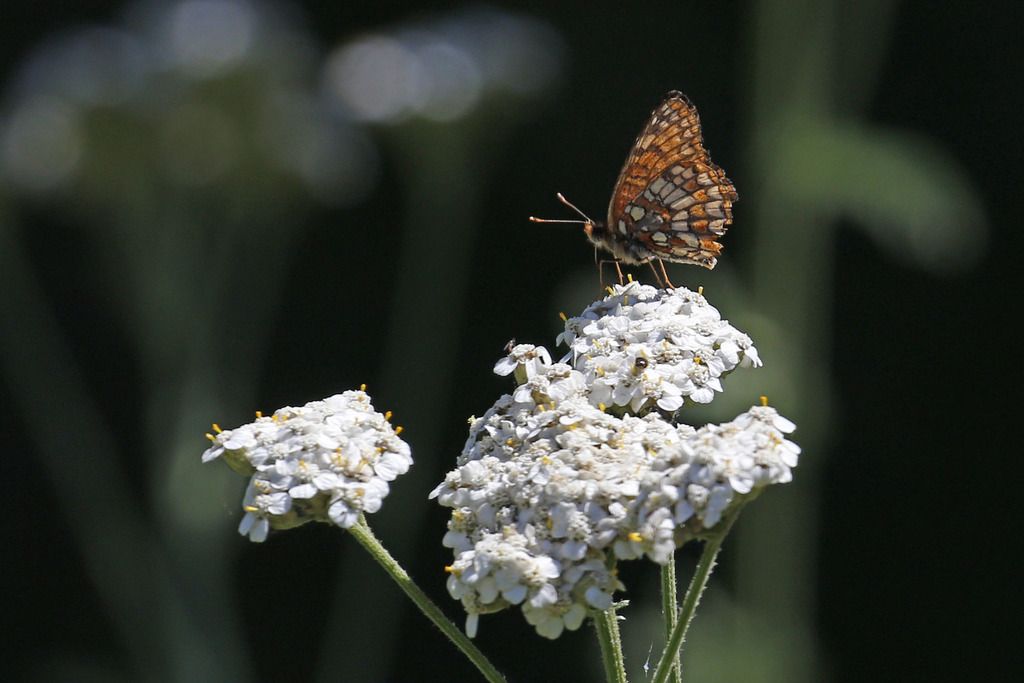
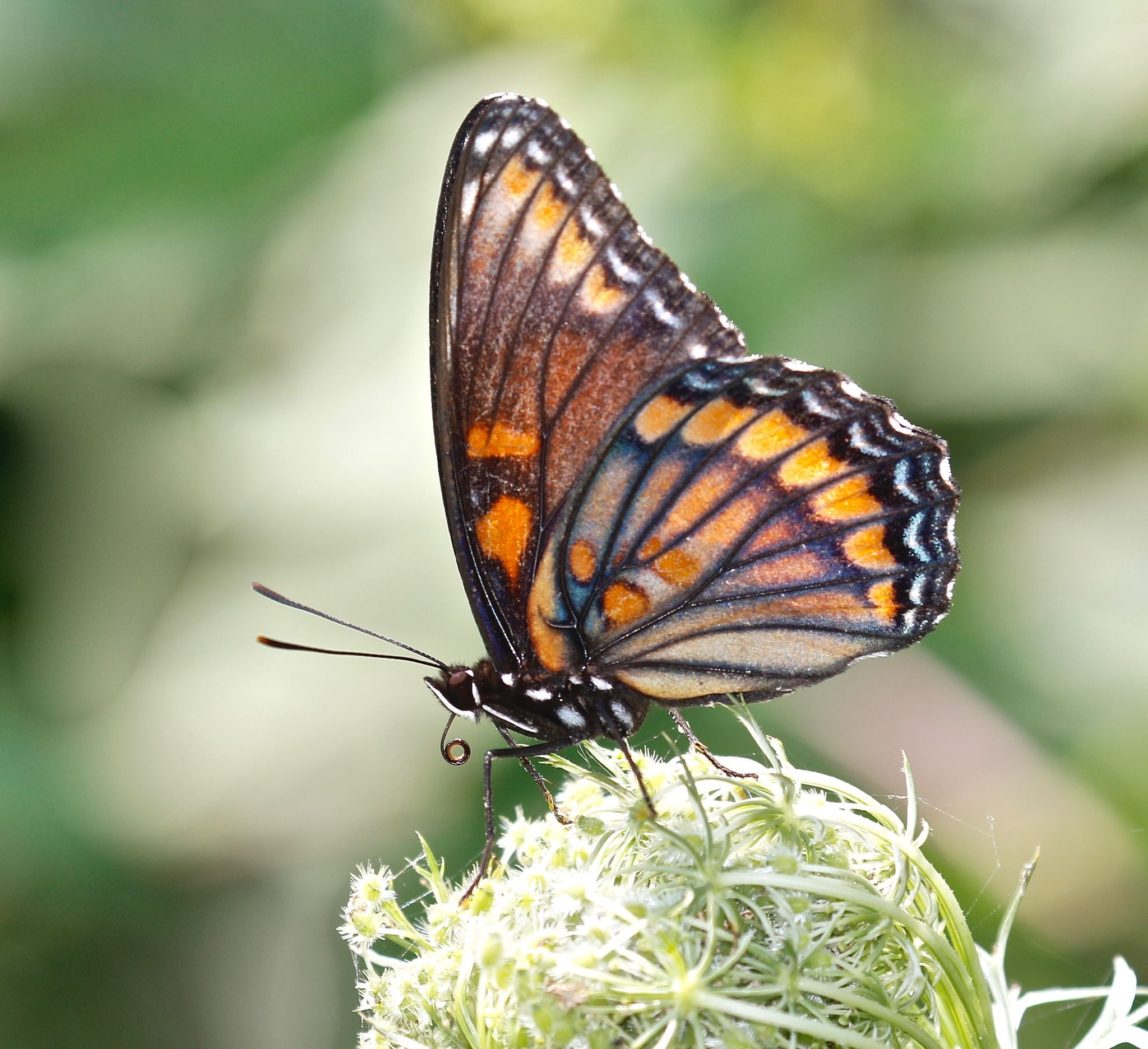
Brushfoots (Family Nymphalidae)

Brushfoots

Many brushfoots move pollen between flowers as they feed, and their caterpillars are part of healthy food webs.

View pollinator profile
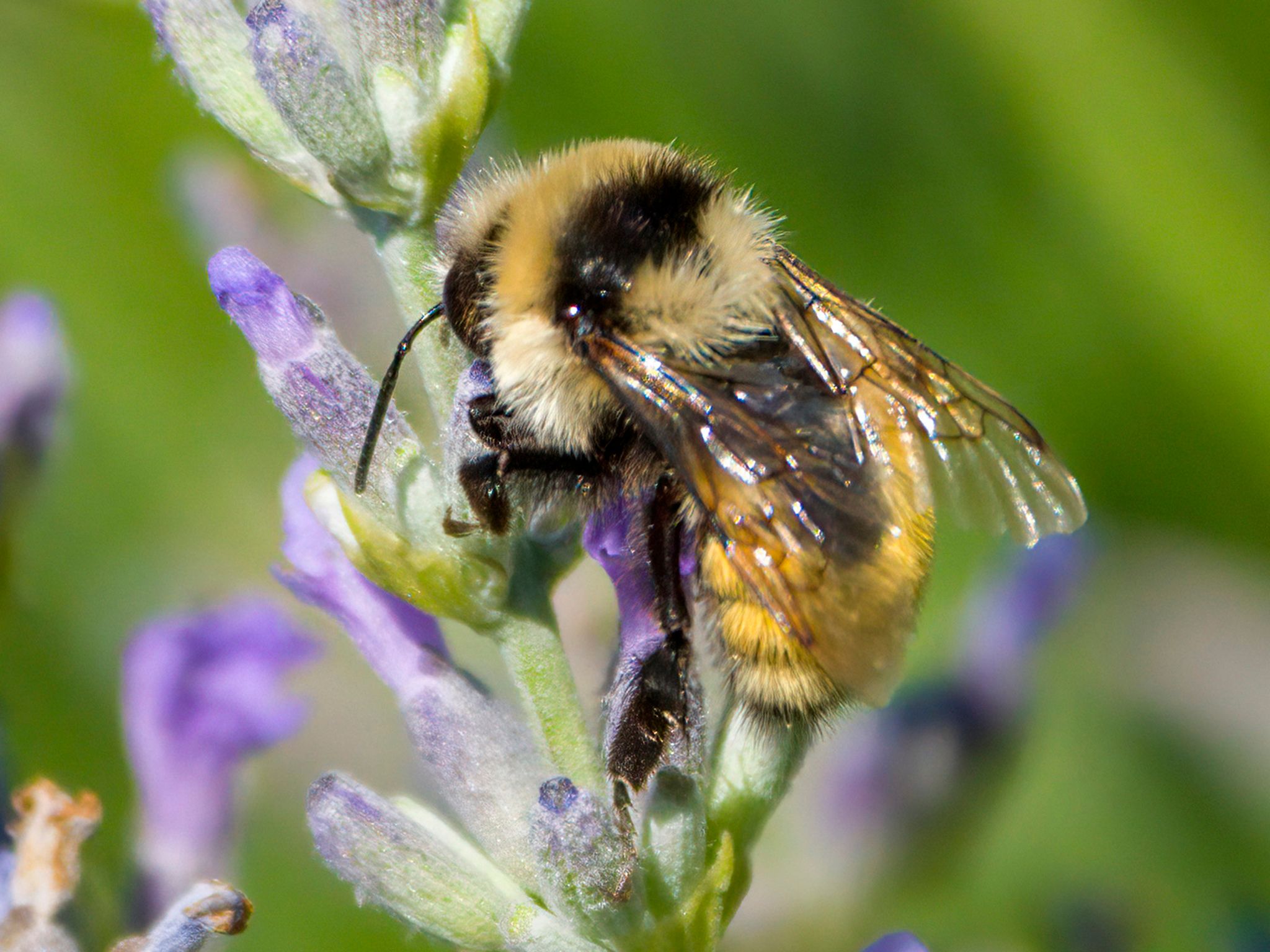
Bumble bees (Genus Bombus)

Bumble bees

Bumble bees are important pollinators of many wildflowers and garden plants, helping ecosystems and food crops reproduce.

View pollinator profile
F_hoverfly-01.jpg

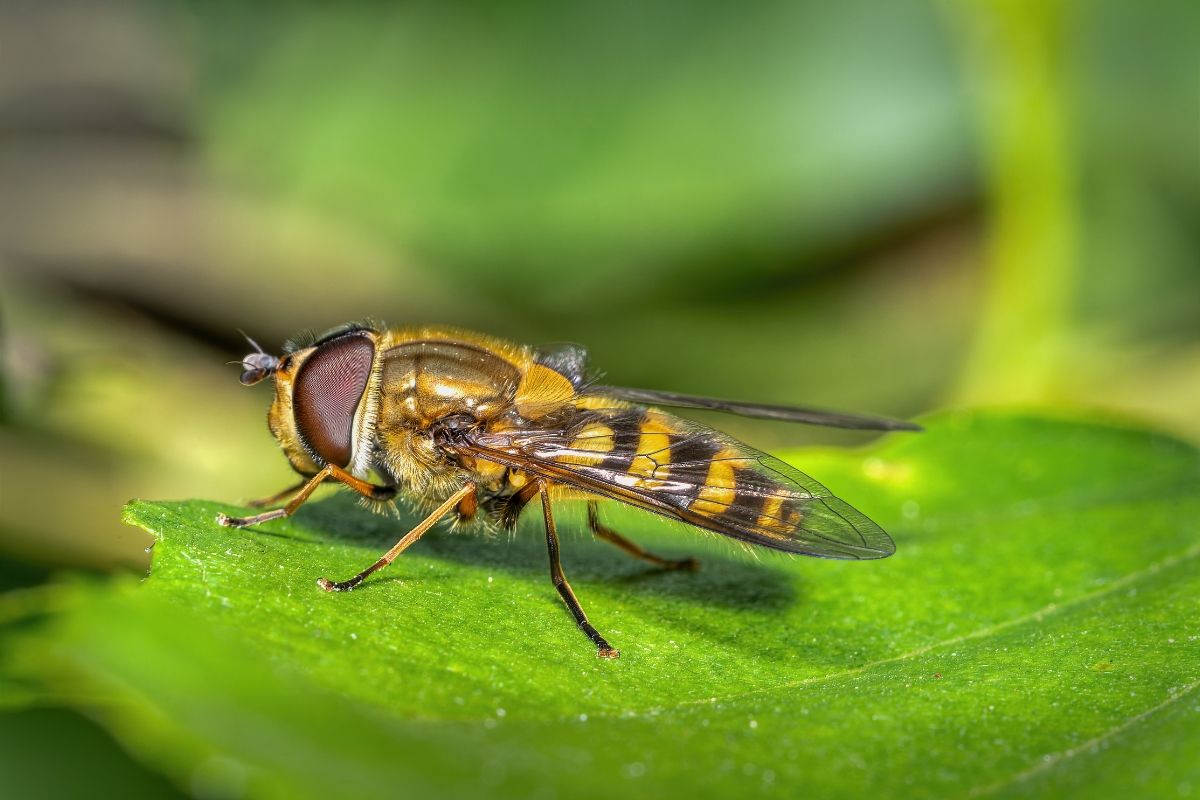
Flower flies / hoverflies

Adults visit flowers for nectar and pollen, and many species’ larvae help keep plant-eating pests in check.

View pollinator profile
Hawk / sphinx moths (Family Sphingidae)

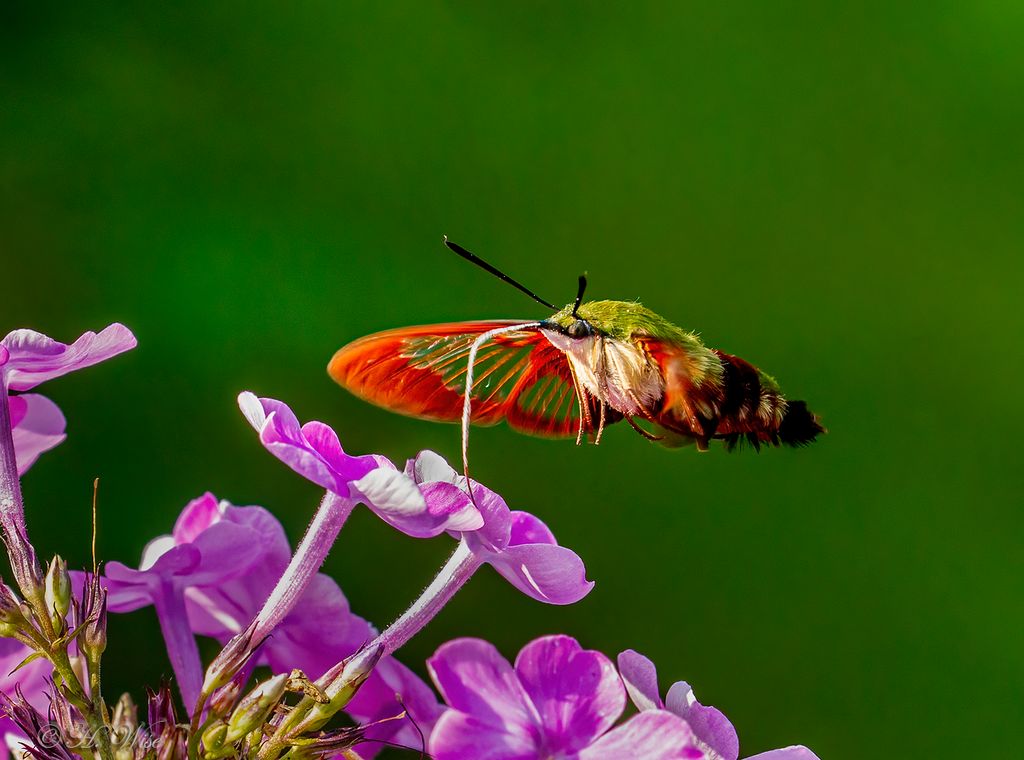
Hawk / sphinx moths

They can move pollen between flowers while feeding on nectar, especially for blooms that open or scent up in the evening.

View pollinator profile
Leafcutter bees (Genus Megachile)

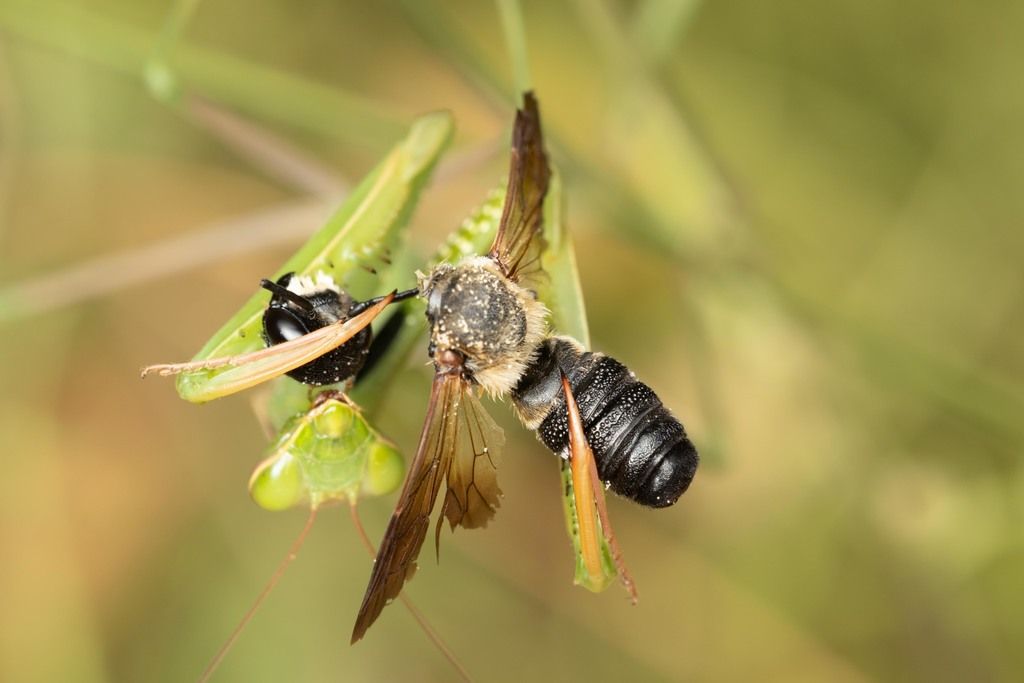
Leafcutter bees

They move pollen between flowers while foraging, helping many wild plants and garden plants set seed and fruit.

View pollinator profile
Mason bees (Genus Osmia)

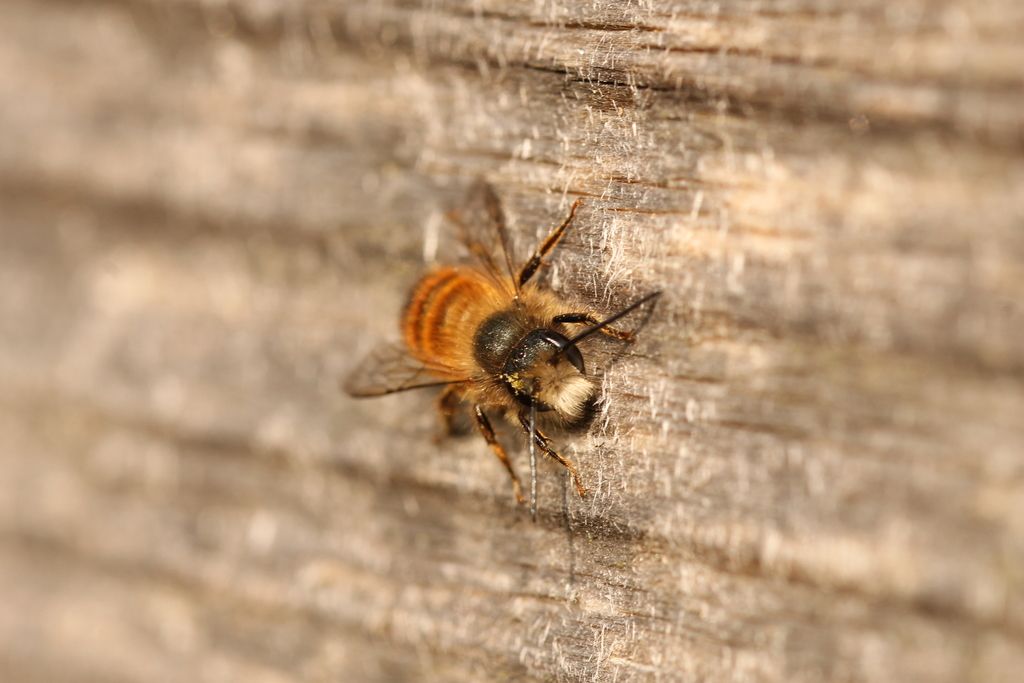
Mason bees

They move pollen between flowers while foraging, helping many wild plants and garden crops set seed and fruit.

View pollinator profile
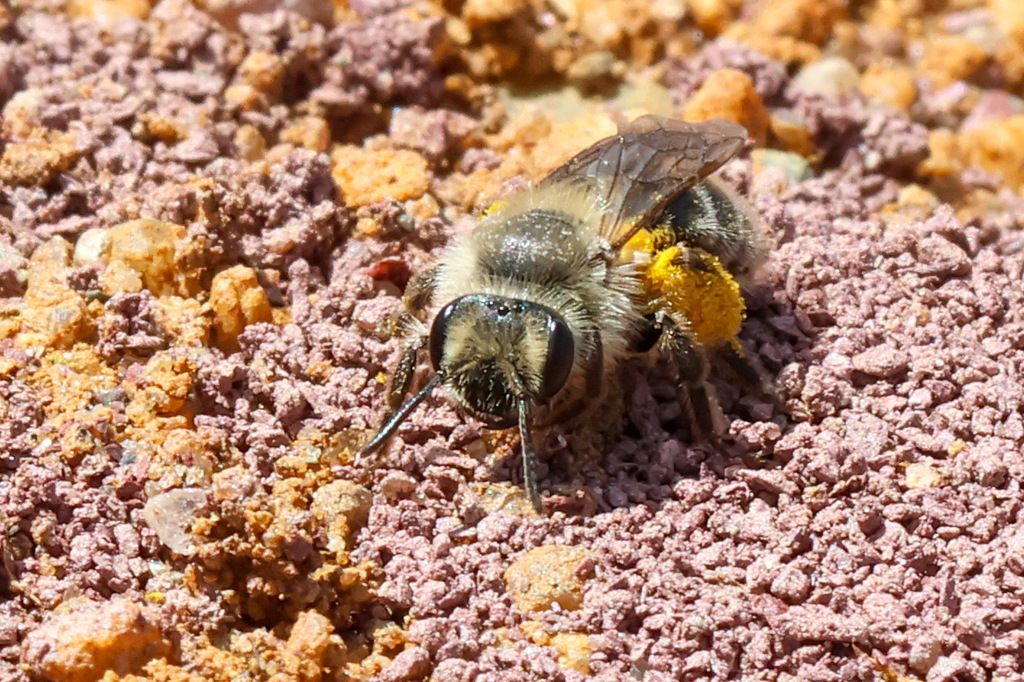
Mining bees (Genus Andrena)

Mining bees

They move pollen between flowers while foraging, helping many wild plants and garden plants set seed and fruit.

View pollinator profile
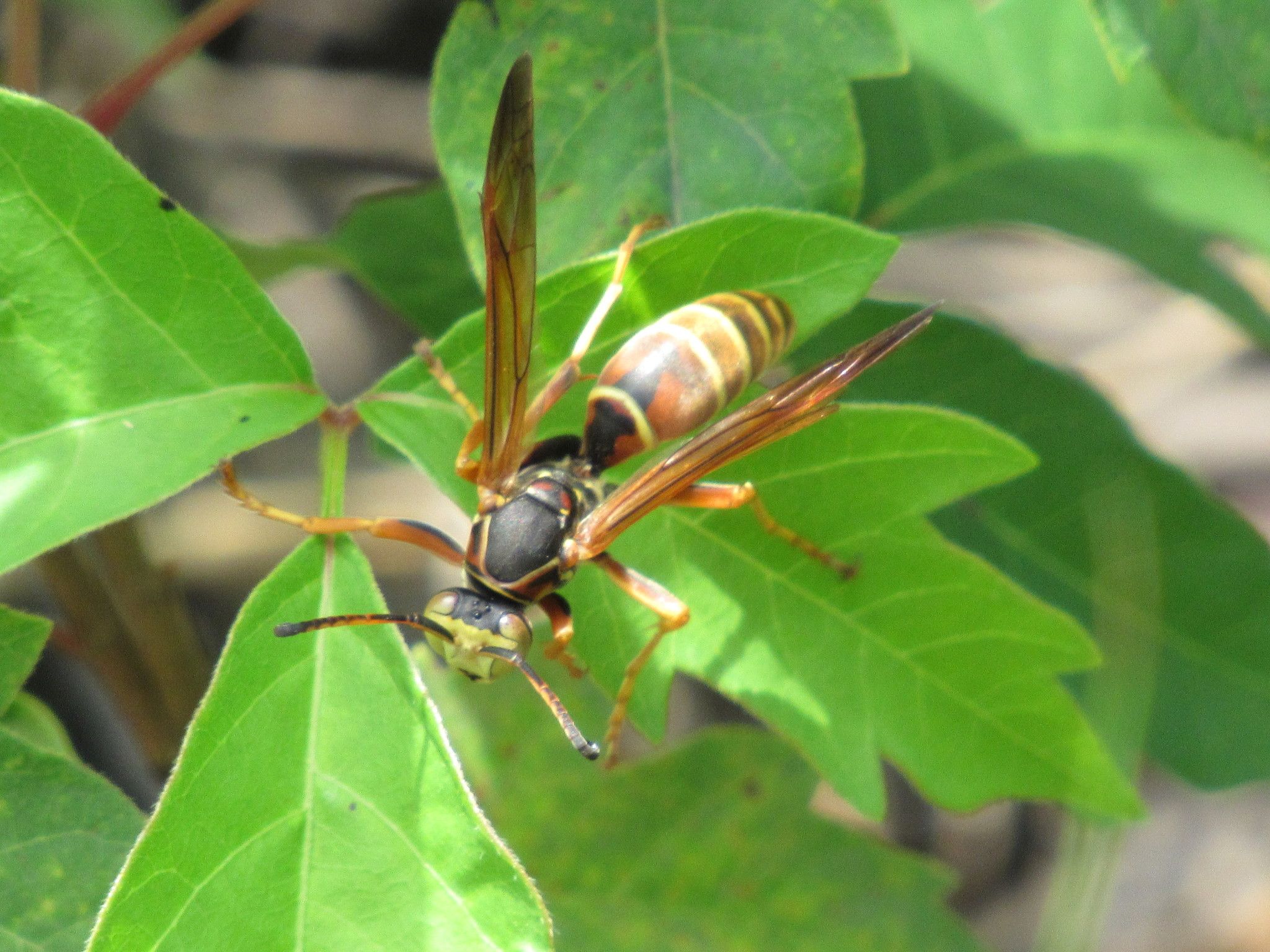
Paper wasps (Genus Polistes)

Paper wasps

They can move pollen while drinking nectar, and they also help control many plant-eating insects.

View pollinator profile
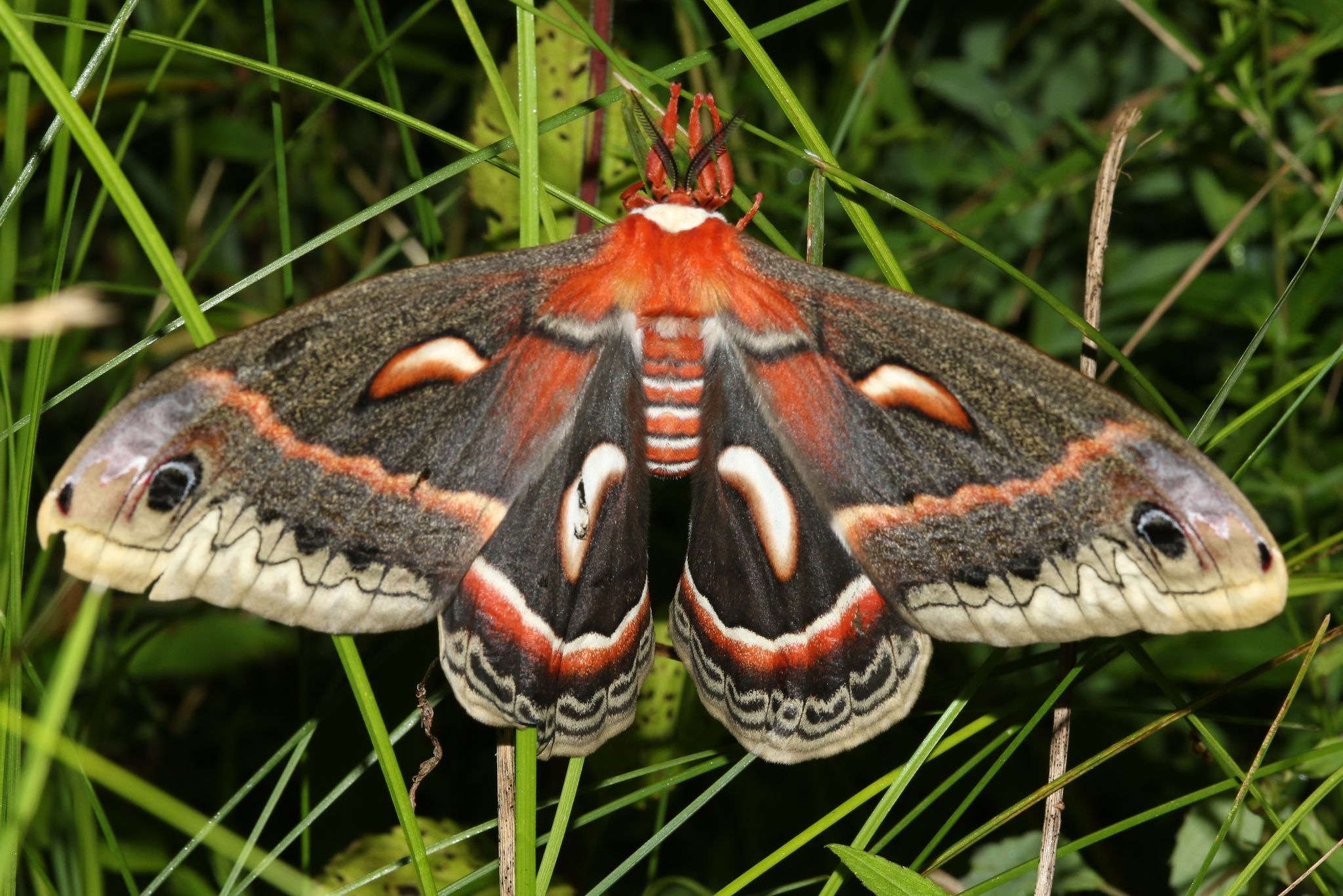
Silkmoths (giant moths) (Family Saturniidae)

Silkmoths (giant moths)

They’re part of healthy food webs and plant communities, and their caterpillars depend on a wide range of native trees and shrubs.

View pollinator profile
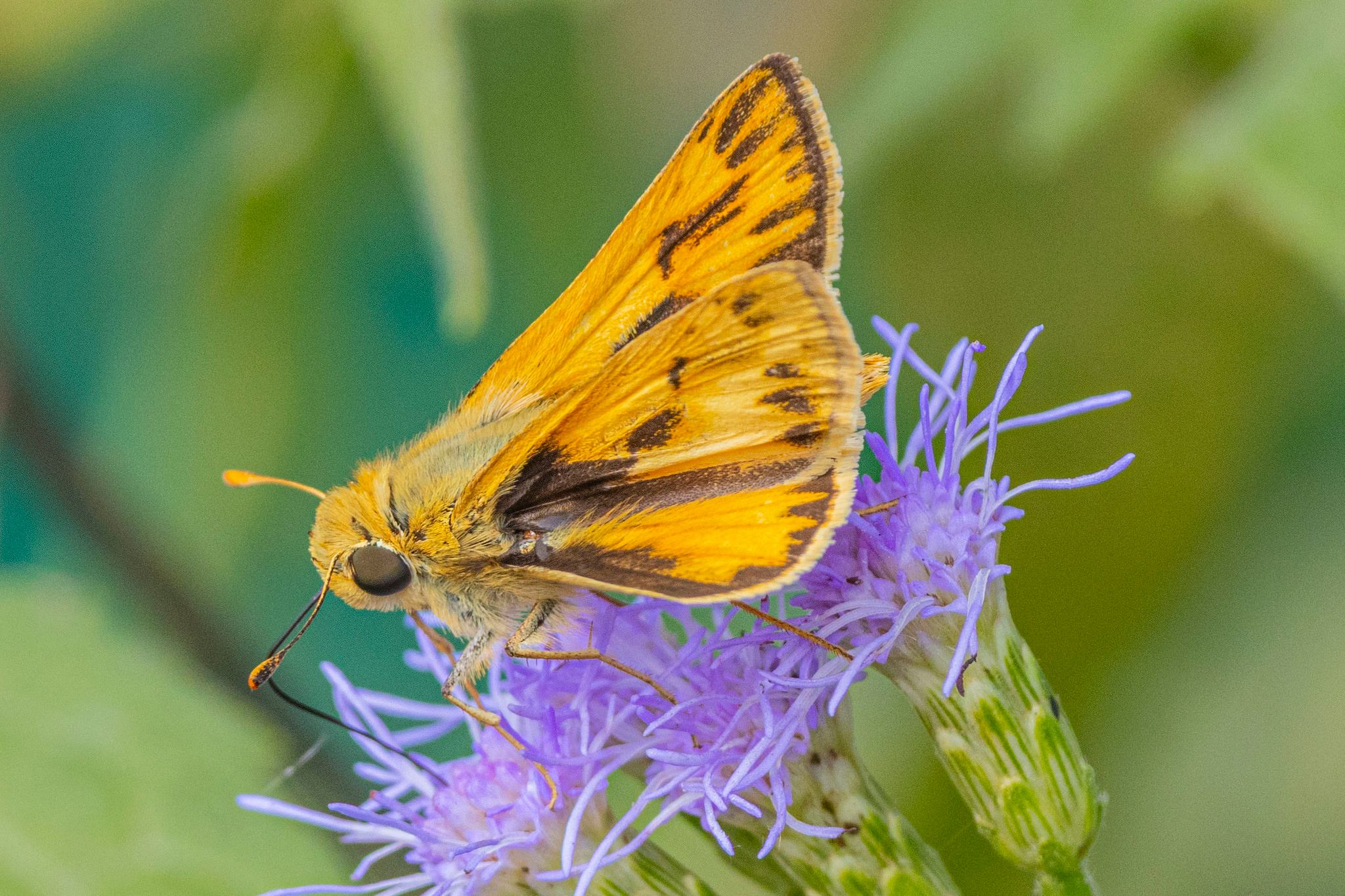
Skippers (Family Hesperiidae)

Skippers

Skippers visit many flowers for nectar and can help move pollen between blooms while they feed.

View pollinator profile
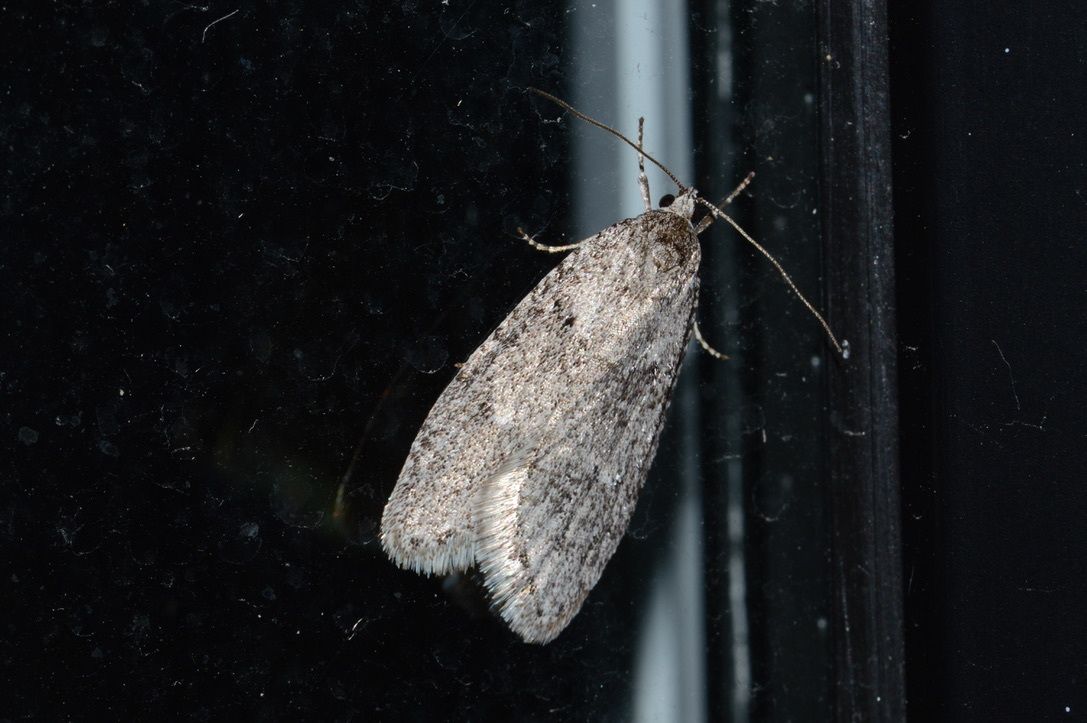
Small nectar moths (micro-moths) (Multiple families (varies))

Small nectar moths (micro-moths)

Many small moths move pollen while feeding on nectar, supporting wild plants and garden blooms—especially in the evening and at night.

View pollinator profile
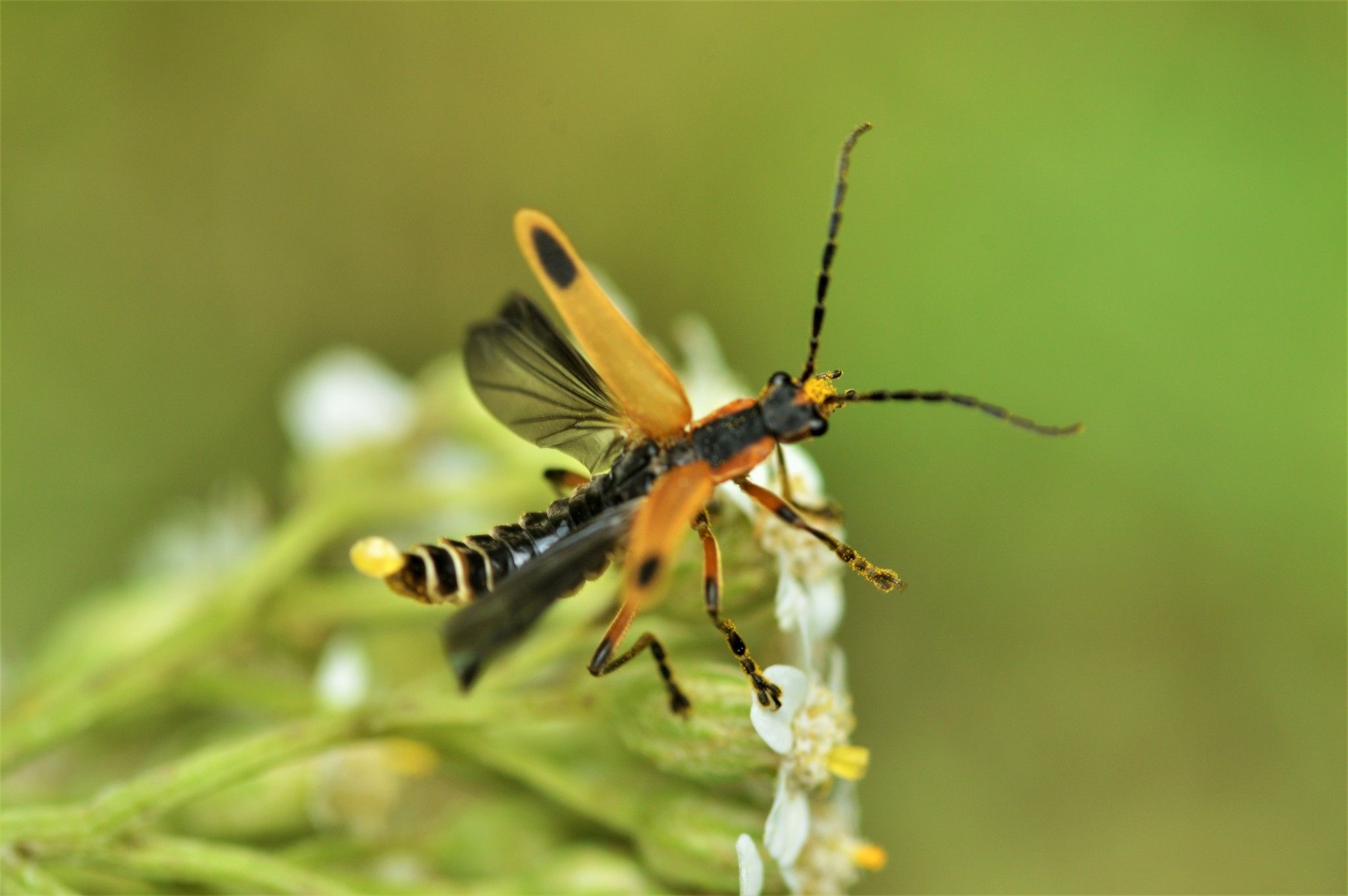
Soldier beetles (Family Cantharidae)

Soldier beetles

Many adults visit flowers and can move pollen between blooms, while also helping control some garden pests.

View pollinator profile
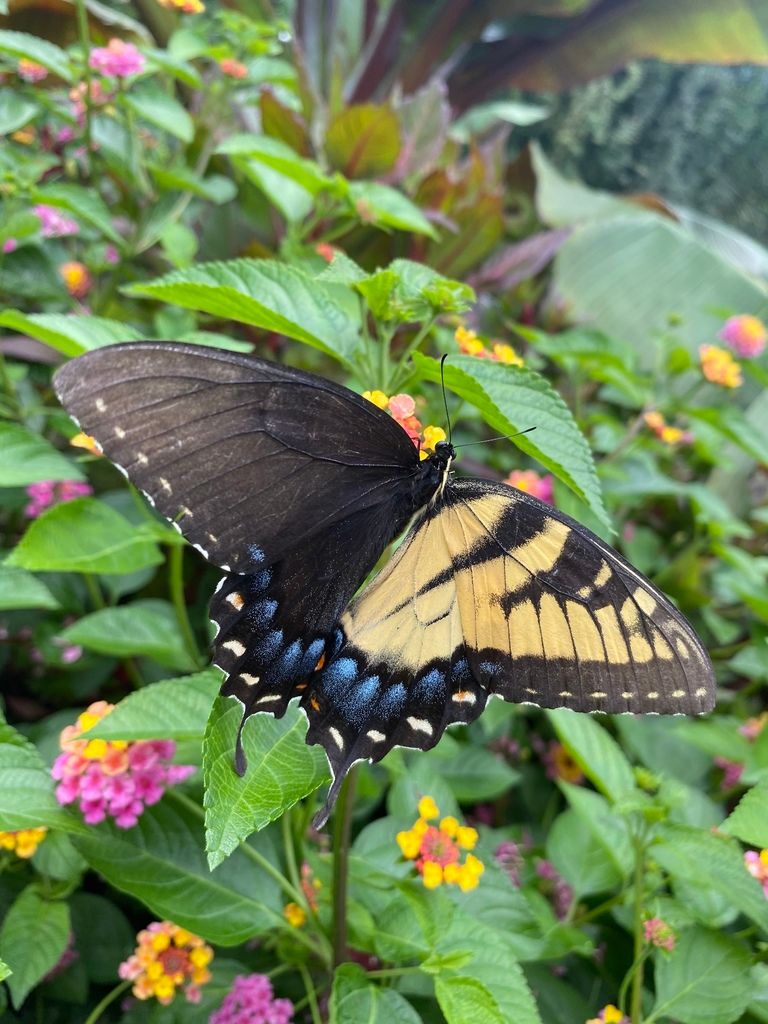
Swallowtails (Family Papilionidae)

Swallowtails

Adult swallowtails visit many flowers for nectar and can help move pollen between blooms as they feed.

View pollinator profile
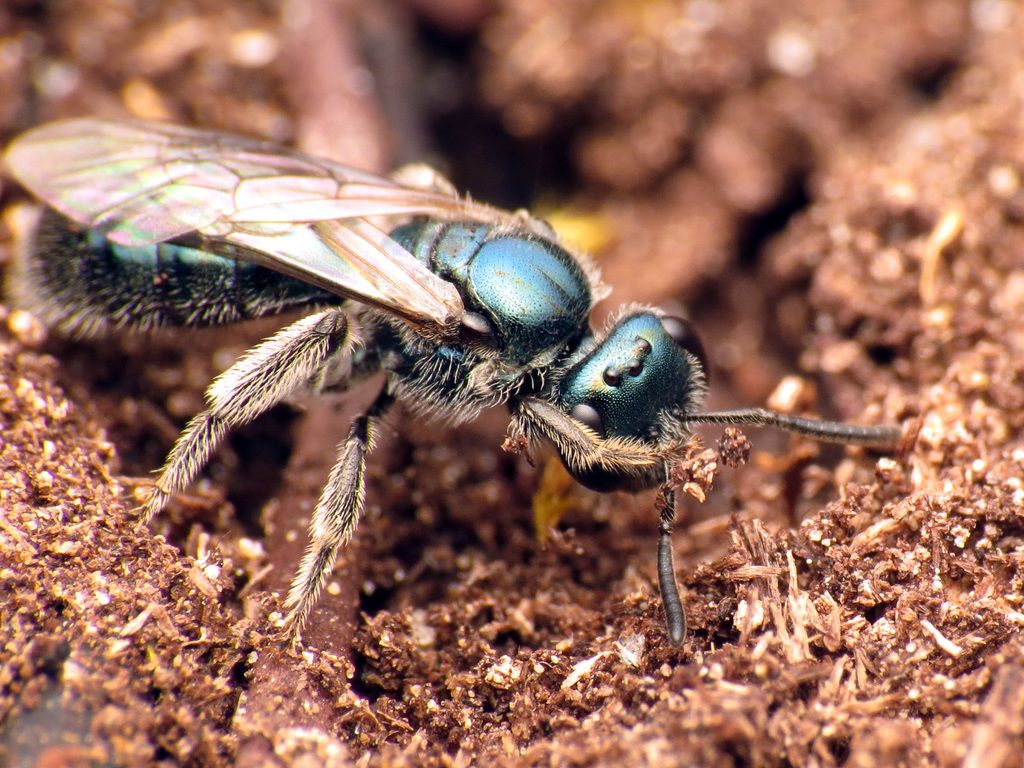
Sweat bees (Family Halictidae)

Sweat bees

They help move pollen between flowers in gardens, parks, and natural areas, supporting seed and fruit production.

View pollinator profile
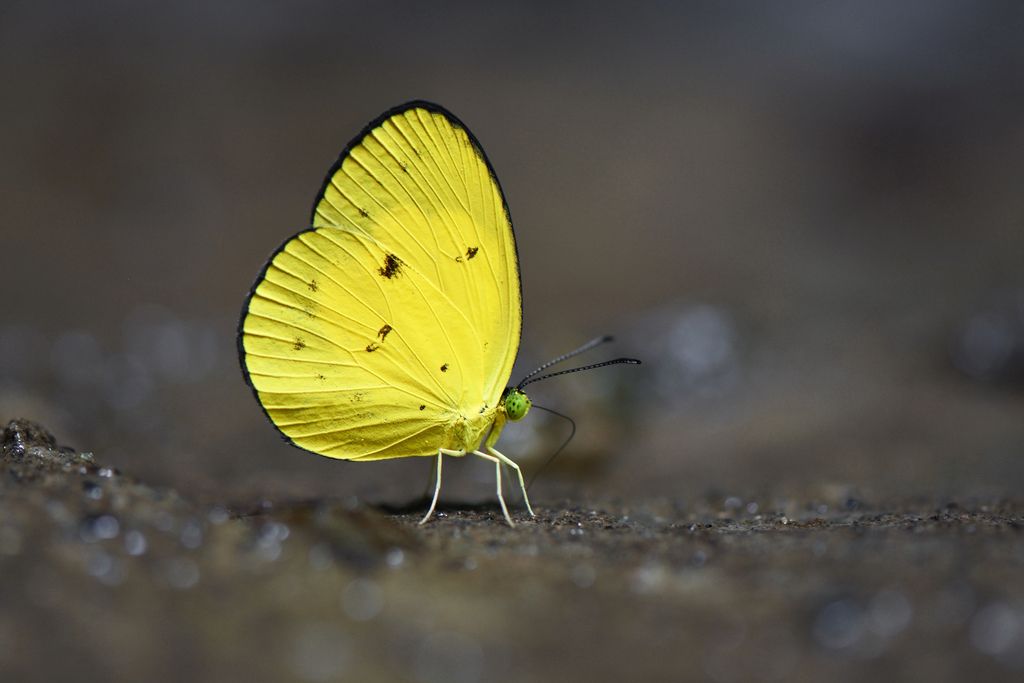
Whites & sulphurs (Family Pieridae)

Whites & sulphurs

They visit a wide range of flowers for nectar and can help move pollen between blooms as they feed.

View pollinator profile