Skip to content
Region profile

Plain with Medium and High Semi-Evergreen Tropical Forest

Plain with High and Medium-high Tropical Semi-Evergreen Forest is a subregion on the Yucatán peninsula and Quintana Roo, characterized by subterranean drainage, medium-height tropical semi-evergreen forest, and where the principal economic activity is large-scale tourism centered in Cancún.

Zone

Forest

Common Name

Plain with Medium and High Semi-Evergreen Tropical Forest

CEC Level III Code

15.2.2

CEC Level II Code

15.2 Tropical Wet Forests

Overview

About This Region

CEC Level III Region 15.2.2 is characterized by Plain with Medium and High Semi-Evergreen Tropical Forest. Pollinator diversity and abundance in this vital tropical ecosystem are heavily influenced by habitat patch size and floral resources. Factors like fragmentation, which reduces patch size, and changes in floral abundance due to land use or climate shifts can significantly impact key pollinators such as stingless bees, honey bees, carpenter bees, butterflies, and hummingbirds. Conservation efforts must focus on maintaining large, diverse habitat areas to support these crucial interactions and ensure forest health.

Region facts

At a glance

AliasesPlain with Medium and High Semi-Evergreen Tropical Forest, CEC 15.2.2, Tropical wet forest plain
Geographic Range
This subregion is located on the Yucatán peninsula and also covers most of the state of Quintana Roo.
Climate SnapshotThe region has warm, sub-humid climates with intermediate rains, a mean annual temperature of 26°C, and rainfall generally occurring from May to October, with December through February being the coolest months.
Terrain ProfileThis subregion is an almost flat area with low relief, elevations under 50 meters above sea level, and is composed primarily of superficial layers of carbonated rocks from the Upper Tertiary.
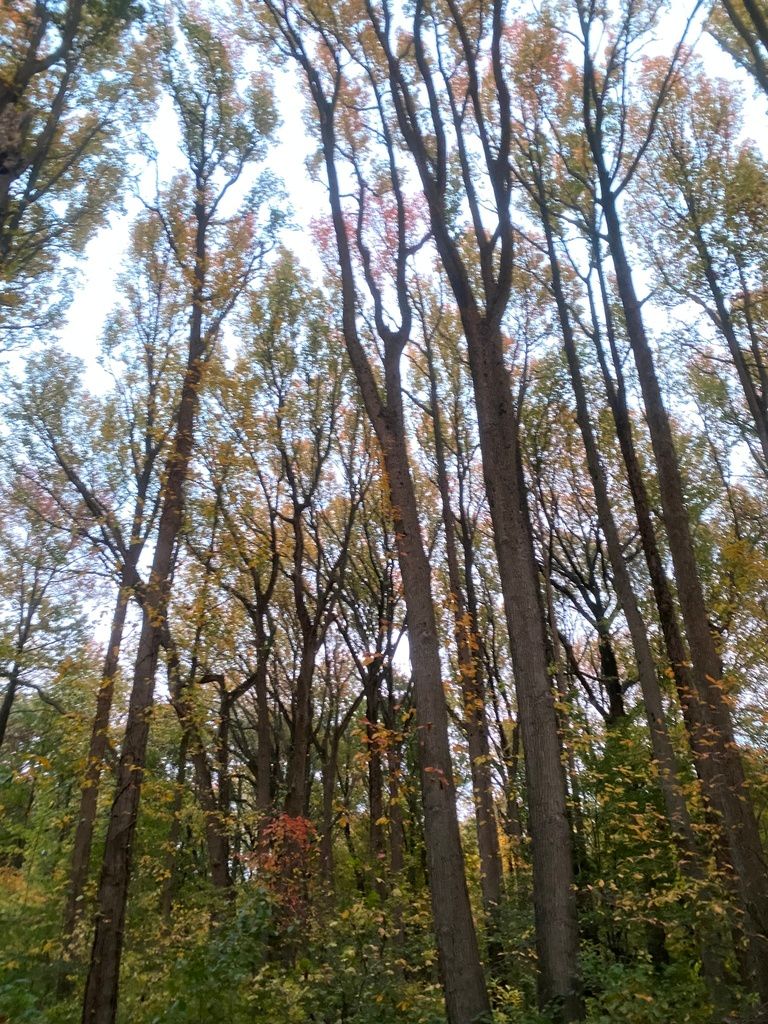
Vegetation CoverThe predominant vegetation is medium-height tropical semi-evergreen forest, characterized by buttressed trees (25 to 35 meters tall) with many epiphytes and lianas, including dominant species like breadnut, gumbo-limbo, and sapodilla, and uniquely featuring Caribbean pine stands in some areas.
Wildlife HabitatDespite habitat pressures, native wildlife such as the jaguar, white-tailed deer, spider monkey, ocelote, and various birds and reptiles continue to survive in this region.

Eco snapshot

What shapes this region

Climate pattern

  • Often wet-season / less-wet-season rhythms, with plant growth responding quickly to moisture.
  • Warm temperatures are typical, but shade, elevation, and proximity to water can change conditions.
  • Microclimates (small local weather differences) are common under tree canopy, in courtyards, and near streams.
Vegetation profile

The predominant vegetation is medium-height tropical semi-evergreen forest, characterized by buttressed trees (25 to 35 meters tall) with many epiphytes and lianas, including dominant species like breadnut, gumbo-limbo, and sapodilla, and uniquely featuring Caribbean pine stands in some areas.

Wildlife profile

Despite habitat pressures, native wildlife such as the jaguar, white-tailed deer, spider monkey, ocelote, and various birds and reptiles continue to survive in this region.

Why pollinators matter here

  • Many forest plants depend on pollinators to set fruit and seed, supporting broader food webs.
  • Pollinators help maintain plant diversity, especially where flowering happens in waves through the year.
  • Habitat fragmentation can create “gaps” where pollinators struggle to move between patches.
  • Pesticide use and loss of flowering understory can reduce food and nesting options.

Seasonal timing

Planting seasons

Timing varies by microclimate; use this as a flexible guide.

Seasonal timing

  • Start of wetter period: Often a good time to establish many plants because moisture supports rooting.
  • Middle of wetter period: Focus on adding “bridge” blooms and maintaining mulch/soil cover.
  • Toward the drier period: Prioritize drought-tolerant natives, deep watering for new plants, and shade where needed.
  • Any time (with care): Container planting can work year-round if watering and heat protection are managed.

Quick seasonal checklist

  • Add at least 3 different bloom times (early/mid/late).
  • Plant in clusters (easier for pollinators to find).
  • Keep bare soil patches and hollow stems/wood for nesting.
  • Use mulch and leaf litter to protect soil life and reduce watering needs.

Yearly needs

Pollinator calendar

What pollinators need throughout the year, and what to do about it.

Late winter/early springEarly nectar/pollen; safe shelter as activity ramps upAdd early-blooming natives; keep some leaf litter; avoid “cleanup” that removes shelter
SpringReliable food and nesting materialsPlant a mix of flowers, shrubs, and (if possible) small trees; provide shallow water with landing stones
SummerContinuous bloom; shade and water during heatAdd mid-season bloomers; water new plants deeply (site-dependent); include some partial-shade flowers
Late summer/fall“Finish-line” blooms; places to rest and prepare for tougher weatherPlant late bloomers; leave seed heads and stems; reduce mowing and trimming
Winter or Dry SeasonShelter; minimal disturbance; any available bloomsKeep habitat structure (logs, stems, leaf litter); protect soil; plan next plantings for the start of the wetter period

Seed mix concept

A Billion Small Steps Seed mix

In tropical wet-forest plains, a “seed mix” approach works best when it’s built around local native species suited to your exact site (sun vs. shade, wetter vs. drier). Think in three parts:

Spring starter

Start-of-wet-season starter: Fast-establishing native flowers for early nectar/pollen.

Summer bridge

Mid-season bridge: Longer-blooming natives that keep food available through peak growth.

Fall finisher

Late-season finisher: Heat- or dry-tolerant natives that flower later and help prevent gaps.

What You Can Do

Make a difference for native habitats.

Turn this knowledge into action. Whether you plant a single pot or a whole garden, you are building a vital bridge for local biodiversity.

Join the movement to restore our shared habitats.

Native plants

Plants that thrive in this region

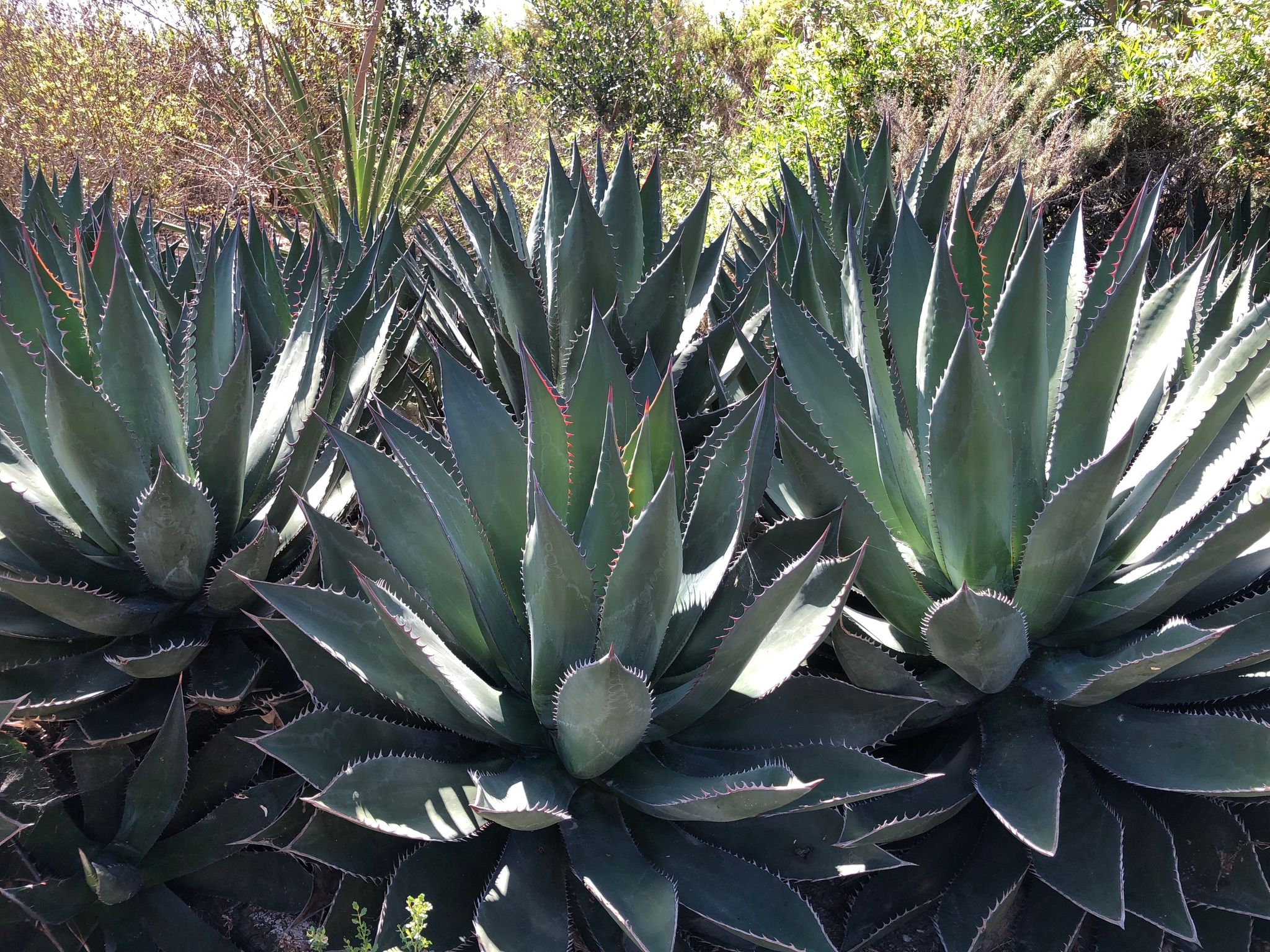
Agaves (*Agave* (genus))

Agaves

Agaves are bold, sculptural succulents that store water in thick leaves and thrive in bright, dry spots. Their flowers can be a big seasonal draw for pollinators when plants are mature and in bloom.

View plant profile
F_trees-erythrinas-mexico.jpg

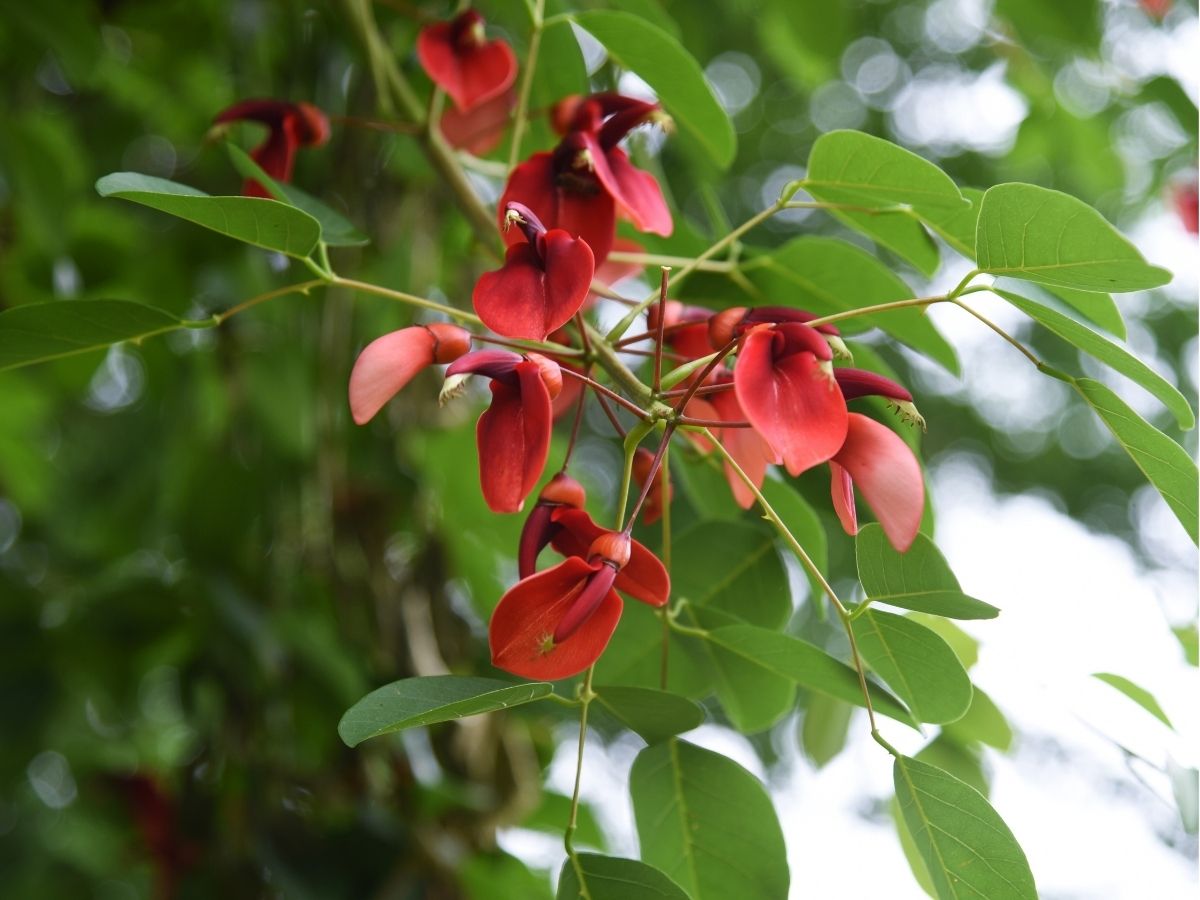
Erythrinas

Erythrinas (coral trees) are showy flowering trees in the genus Erythrina, known for bold, nectar-rich blooms that can be a seasonal food stop for pollinators in warm gardens.

View plant profile
Inga (*Inga* (genus))

Inga

Inga is a group of tropical trees (genus Inga) known for fluffy, brush-like flowers and long pods. In warm climates, it can be a shade tree that also offers nectar and pollen for a variety of insects.

View plant profile
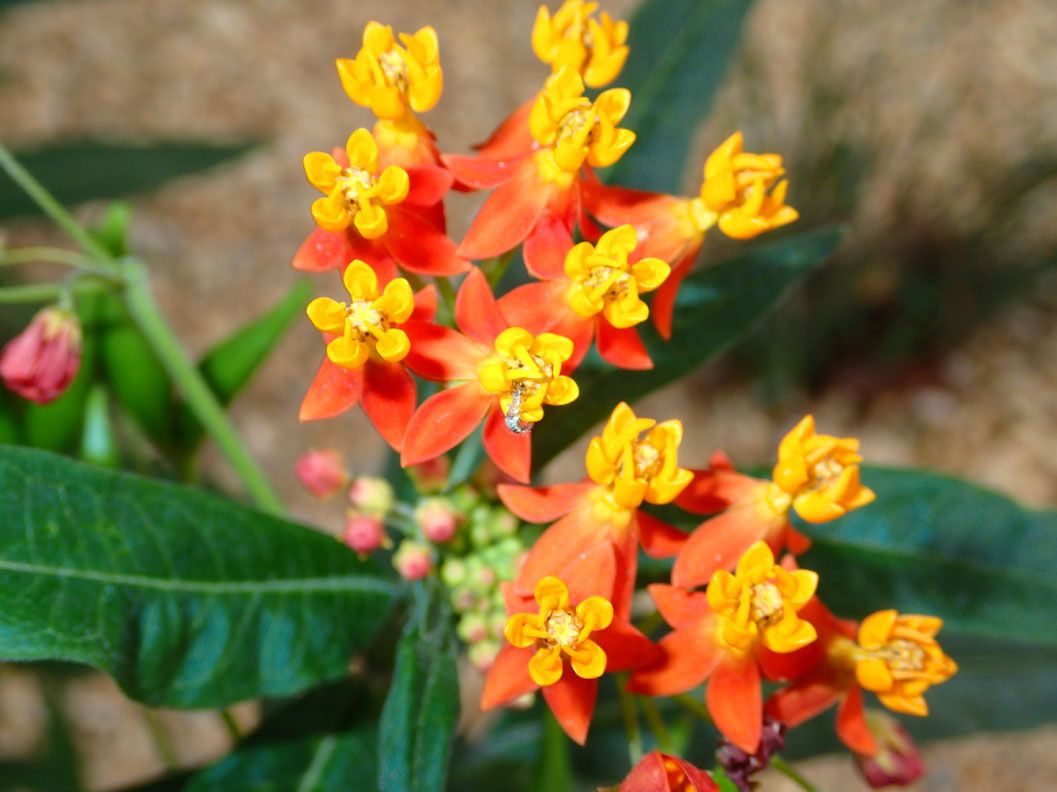
Milkweeds (*Asclepias* spp.)

Milkweeds

Milkweeds from tropical Mexico (genus Asclepias) are nectar-rich wildflowers that can add bright blooms and pollinator activity to sunny gardens and containers.

View plant profile
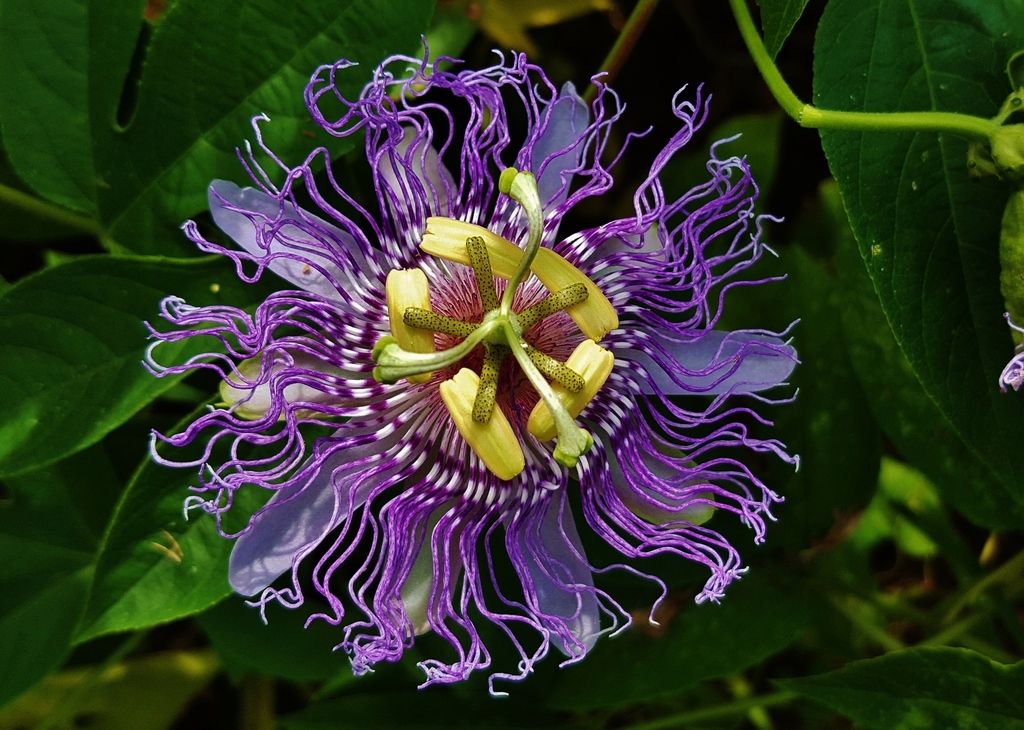
Passionflowers (*Passiflora* spp.)

Passionflowers

Passionflowers (genus Passiflora) are climbing vines known for their intricate, otherworldly blooms and their ability to add vertical color to fences, trellises, and sunny walls.

View plant profile
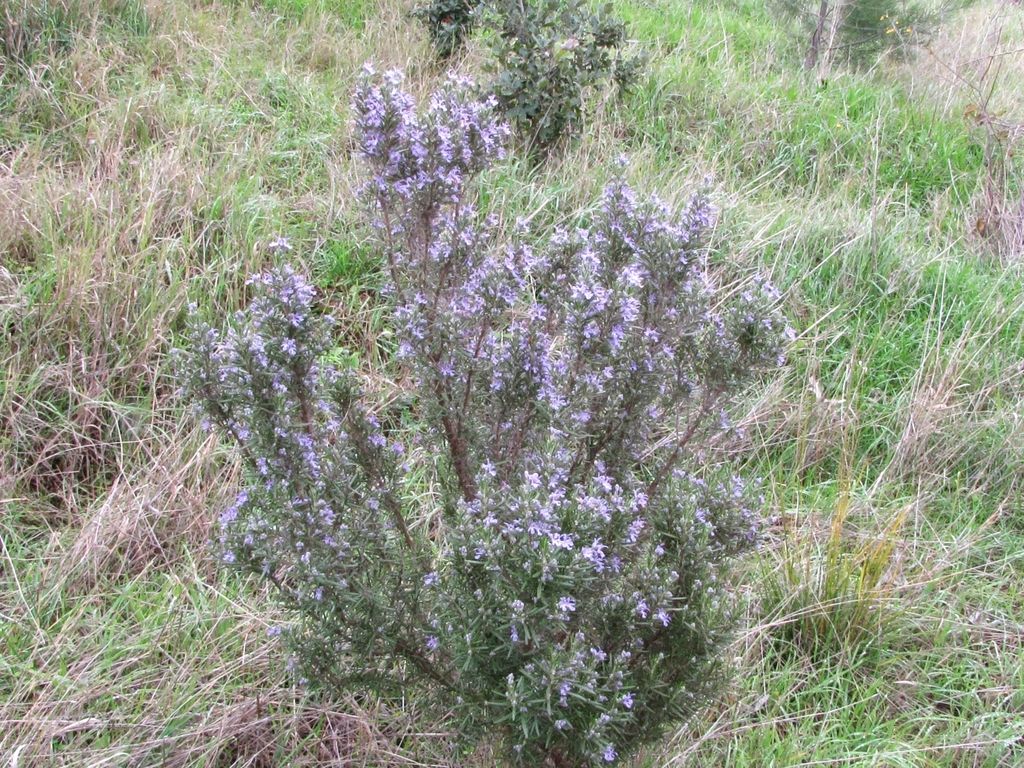
Salvias (Mexico diversity) (Salvia spp.)

Salvias

Salvias are a big, colorful group of flowering plants in the genus Salvia, with especially rich diversity in Mexico. Many are easy, pollinator-friendly garden plants that bloom over a long season when given sun and well-drained soil.

View plant profile
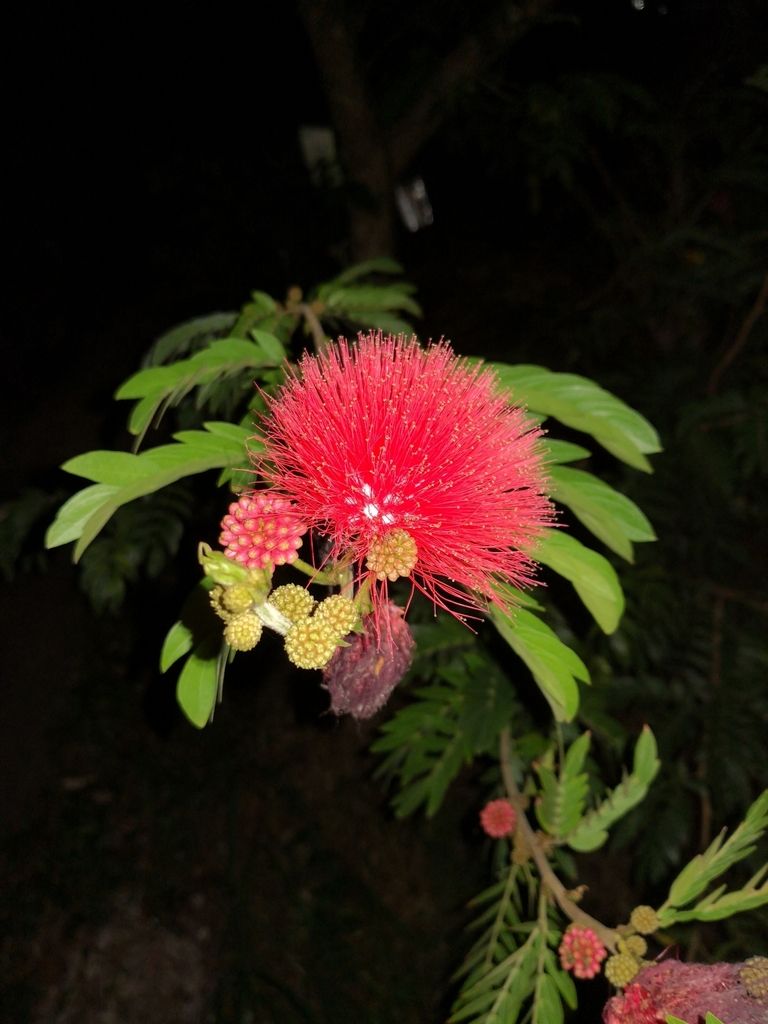
Wild lilacs (*Calliandra* spp.)

Wild lilacs

Wild lilacs (genus Calliandra) are warm-climate shrubs known for fluffy “powderpuff” blooms that can add color and pollinator activity to sunny gardens and patios.

View plant profile

Pollinators

Pollinators active in this region

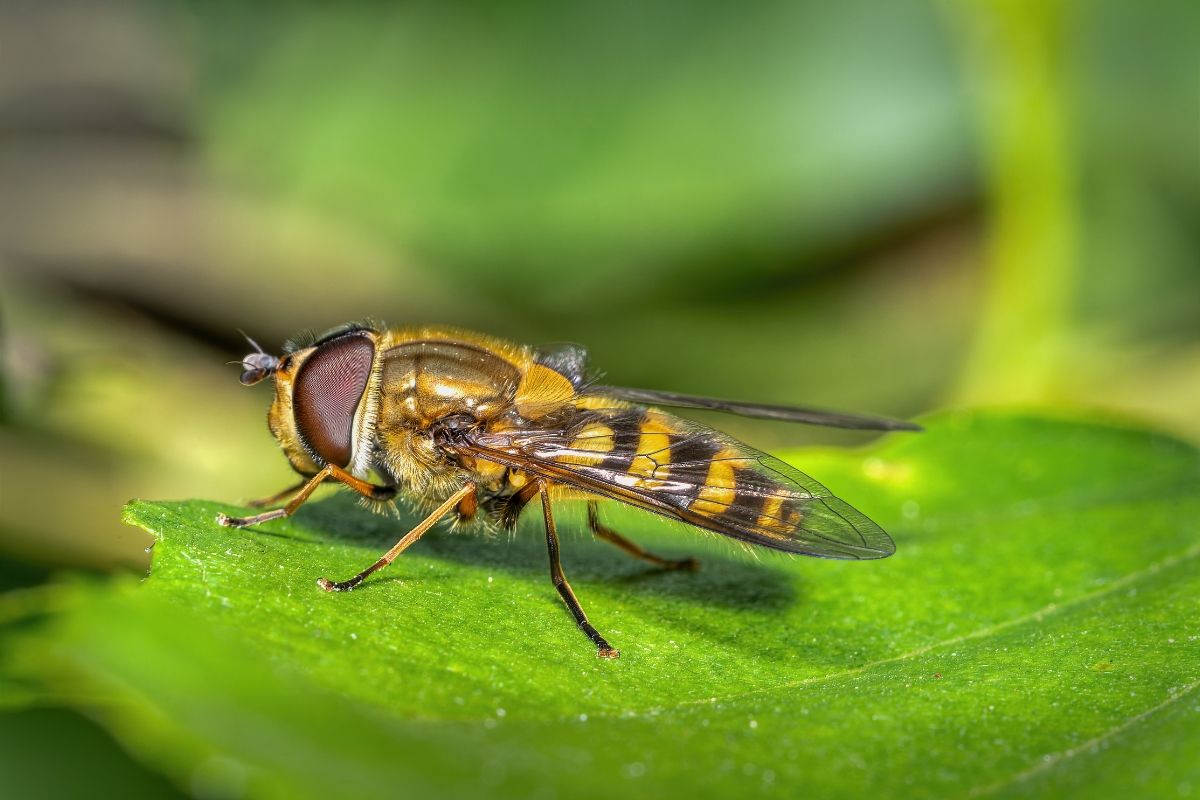
F_hoverfly-01.jpg

Flower flies / hoverflies

Adults visit flowers for nectar and pollen, and many species’ larvae help keep plant-eating pests in check.

View pollinator profile
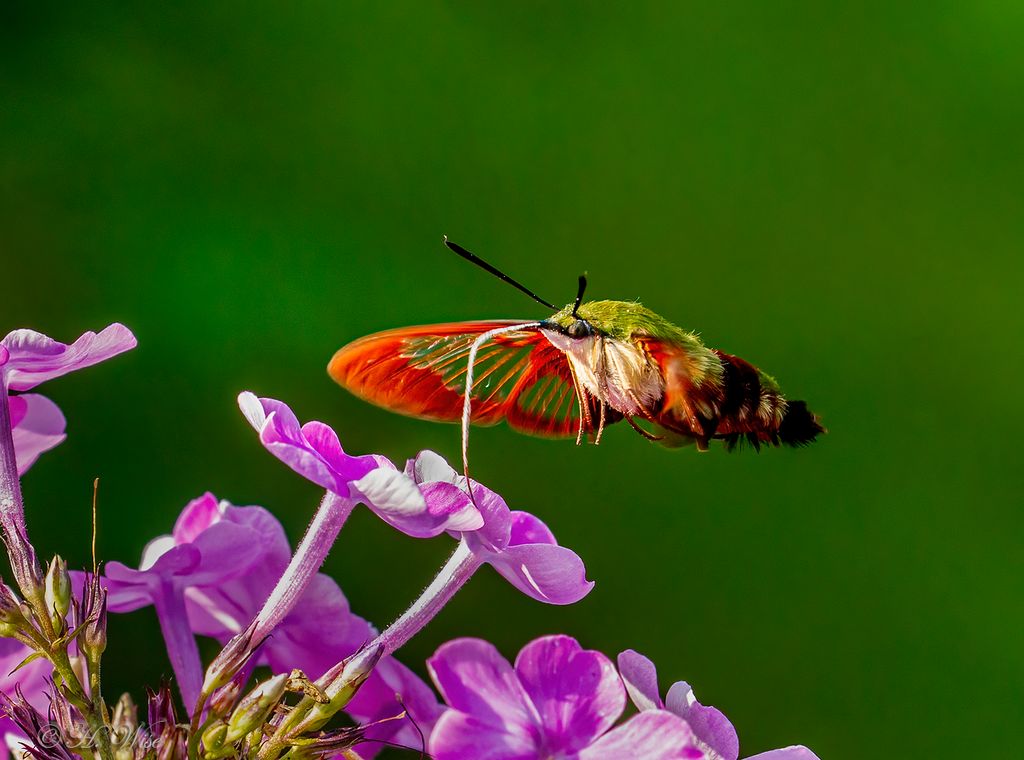
Hawk / sphinx moths (Family Sphingidae)

Hawk / sphinx moths

They can move pollen between flowers while feeding on nectar, especially for blooms that open or scent up in the evening.

View pollinator profile
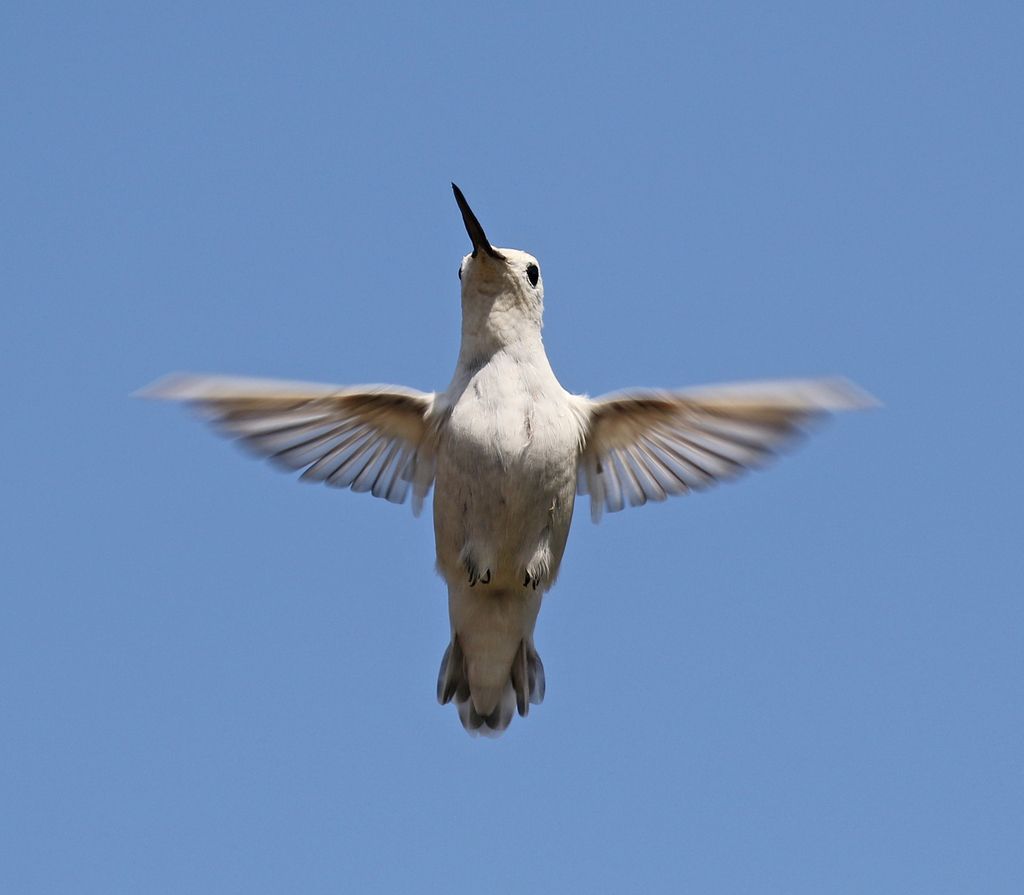
Hummingbirds (Family Trochilidae)

Hummingbirds

They move pollen between flowers while feeding, helping many plants reproduce.

View pollinator profile
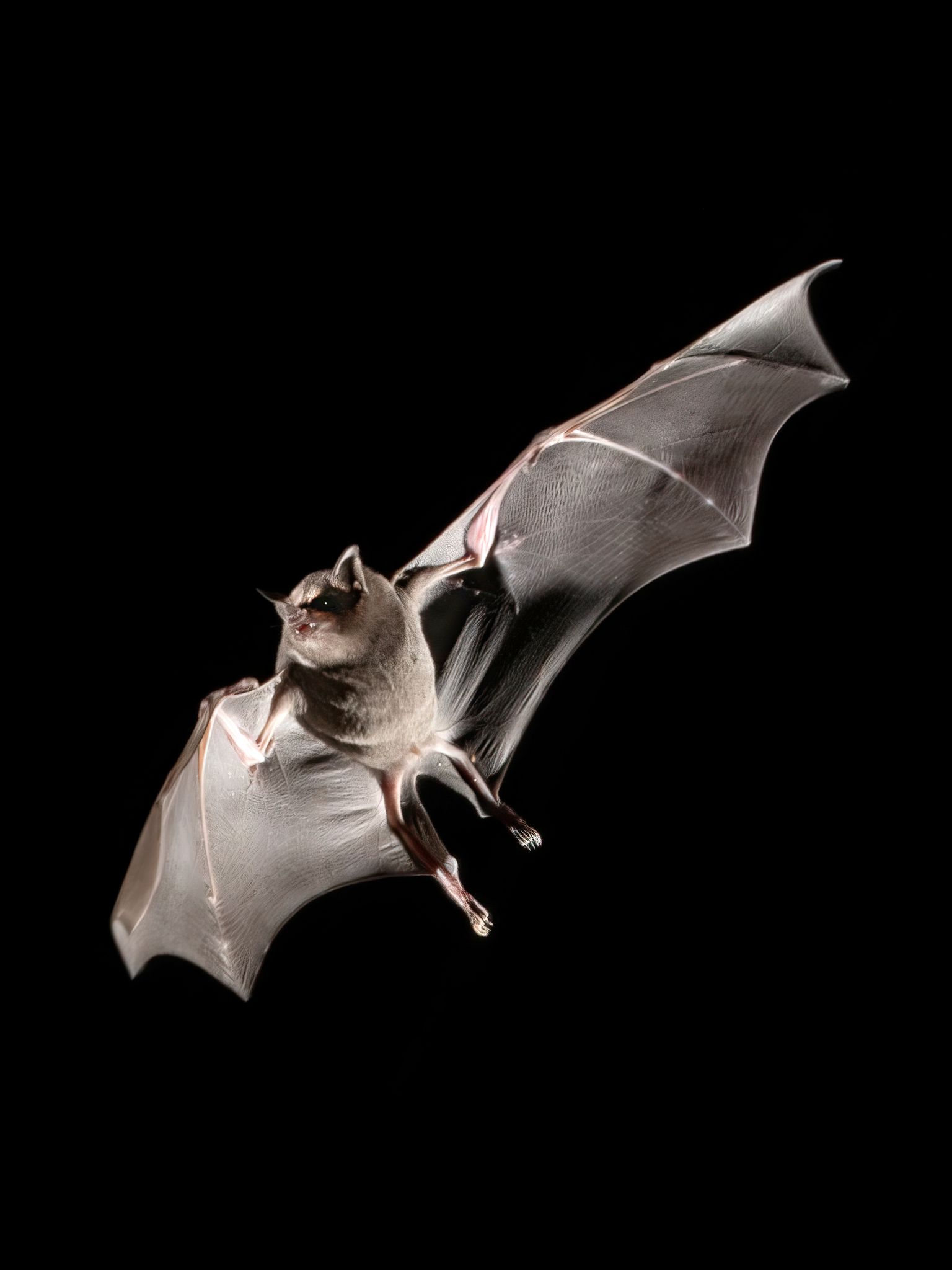
Long-nosed bats (Genus Leptonycteris)

Long-nosed bats

They move pollen between flowers over long distances, helping some plants set fruit and seed.

View pollinator profile
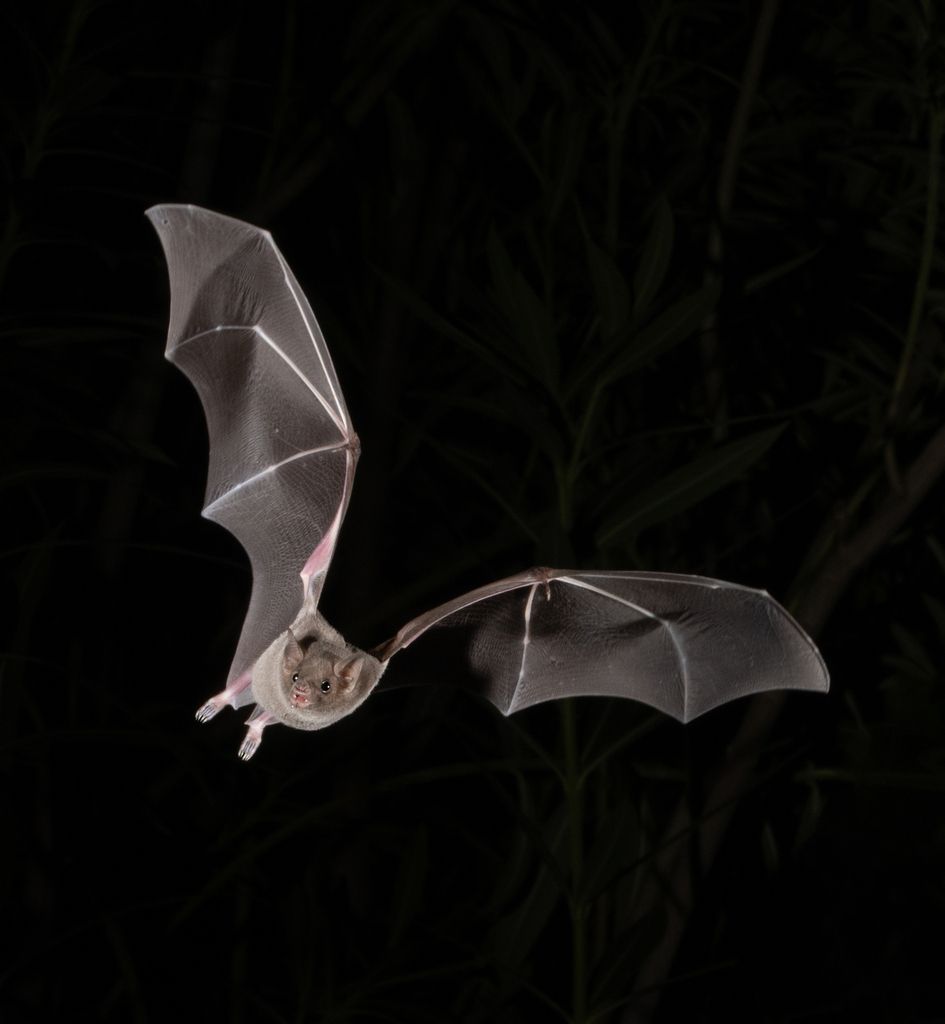
Nectar-feeding bats (Subfamily Glossophaginae)

Nectar-feeding bats

They move pollen between flowers over long distances and help many plants set fruit and seed.

View pollinator profile
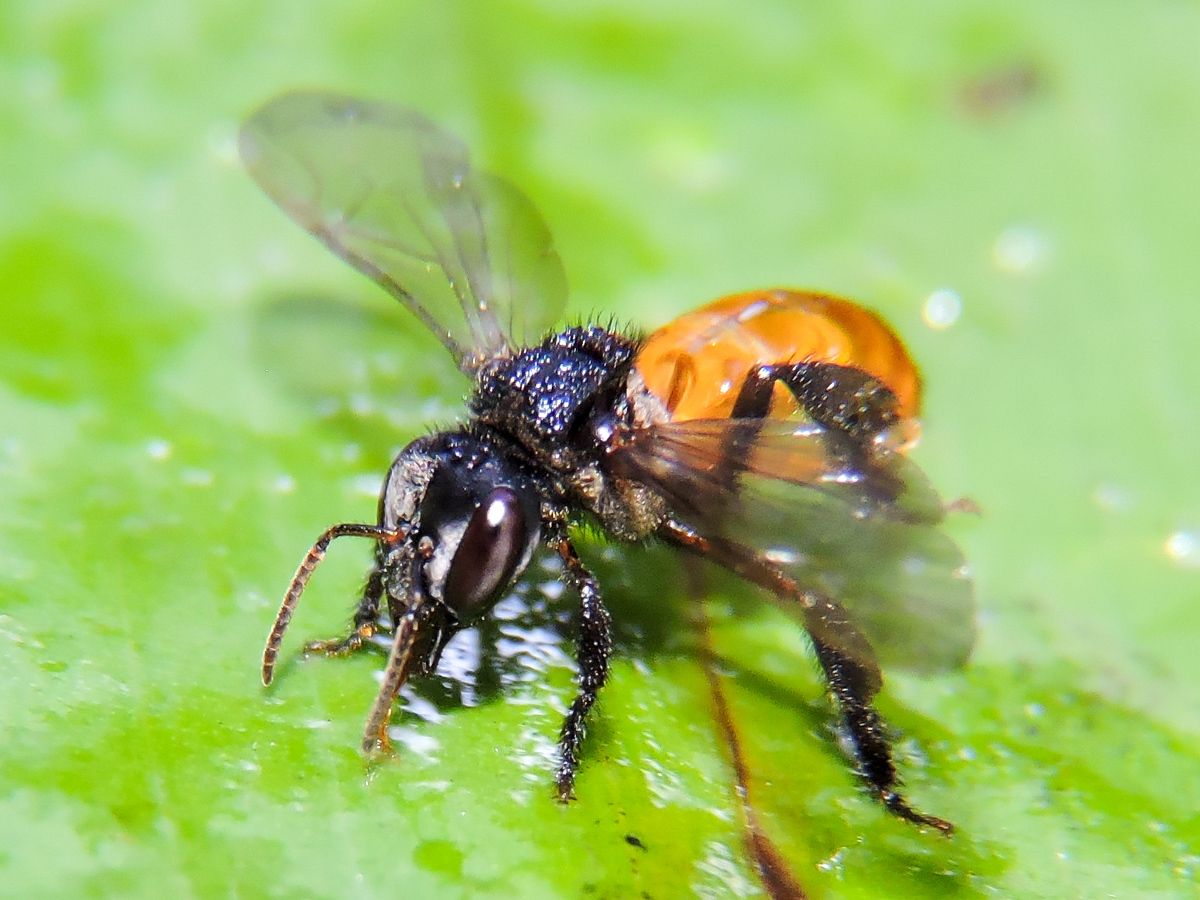
Stingless bees (Mexico / tropics) (Tribe Meliponini)

Stingless bees (Mexico / tropics)

They help pollinate many wild and cultivated plants in tropical and subtropical regions, supporting food webs and biodiversity.

View pollinator profile