Skip to content
Wyoming Basin
Region profile

Wyoming Basin

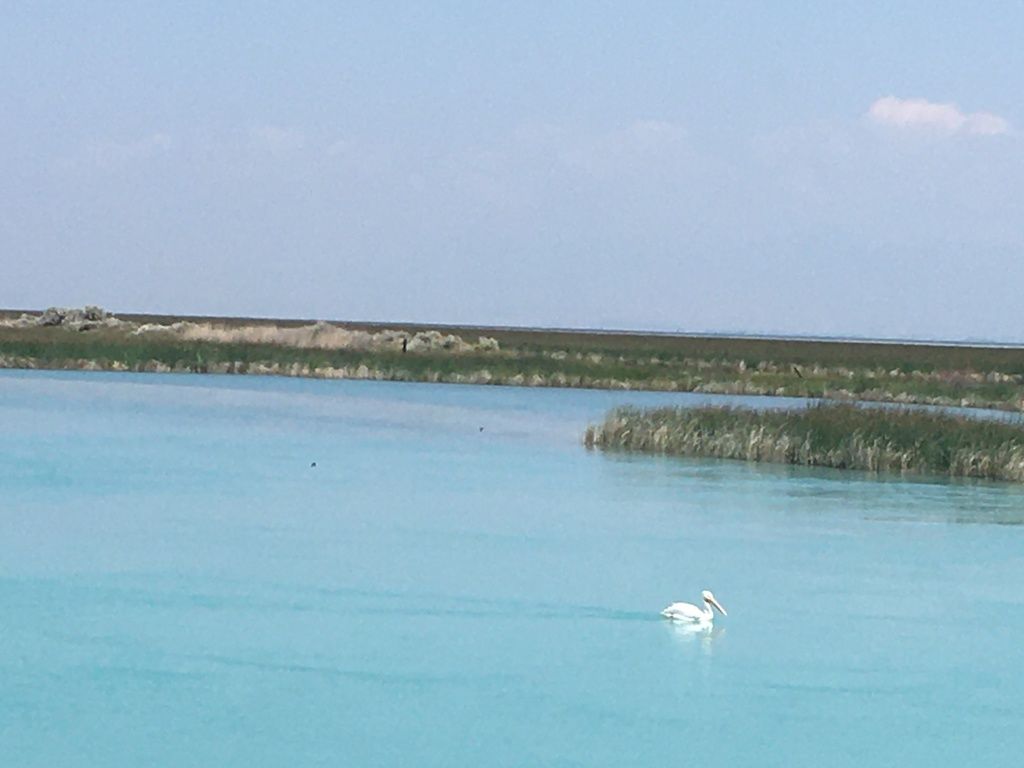
Wyoming Basin is a broad intermontane basin in central and western Wyoming, with extensions into neighboring states, characterized by dry, mid-latitude steppe and desert climates, arid grasslands, and significant natural resource extraction.

Zone

Interior

Common Name

Wyoming Basin

CEC Level III Code

10.1.4

CEC Level II Code

10.1 Cold Deserts

Overview

About This Region

The Wyoming Basin, characterized by arid and semiarid conditions, supports diverse pollinators including bees, butterflies, and small mammals crucial for its unique flora. Key threats to these essential species mirror global concerns: habitat loss due to development and resource extraction, disease, and the use of chemical pesticides. Conservation efforts in this region must focus on protecting native shrubland habitats and mitigating chemical exposure to ensure the future of local pollinator populations.

Region facts

At a glance

AliasesWyoming Basin
Geographic Range
The Wyoming Basin is an intermontane basin spanning central and western Wyoming, with extensions into Montana, Colorado, Utah, and Idaho, primarily characterized by arid grasslands and shrublands.
Climate SnapshotThe Wyoming Basin has dry, mid-latitude steppe and desert climates with warm to hot summers, cold winters, a mean annual temperature of 0°C to 8°C, and mean annual precipitation of 296 mm (ranging from 130 to 500 mm).
Terrain ProfileThe Wyoming Basin is a broad intermontane basin with elevations ranging from about 1,220 to 2,850 masl, interrupted by high hills, low mountains, piedmont plains, pediments, and badlands.
Vegetation CoverThe Wyoming Basin is dominated by arid grasslands and shrublands, featuring sagebrush steppes with species like Wyoming big sagebrush and black sagebrush, and desert shrublands including greasewood and saltbush.
Wildlife HabitatThe Wyoming Basin is home to a variety of animals, including mule deer, cougar, bobcat, coyote, pronghorn, jackrabbit, white-tailed prairie dog, golden eagle, prairie falcon, sage grouse, and Wyoming toad.

Eco snapshot

What shapes this region

Climate pattern

  • Cold-desert conditions: dry air, strong sun, and often windy weather.
  • “Microclimate” (small local weather differences) matters a lot—south-facing walls, sheltered courtyards, and low spots can behave very differently.
  • Snow and cold can shape spring timing; summer heat and drought can limit bloom without smart plant choices.
Vegetation profile

The Wyoming Basin is dominated by arid grasslands and shrublands, featuring sagebrush steppes with species like Wyoming big sagebrush and black sagebrush, and desert shrublands including greasewood and saltbush.

Wildlife profile

The Wyoming Basin is home to a variety of animals, including mule deer, cougar, bobcat, coyote, pronghorn, jackrabbit, white-tailed prairie dog, golden eagle, prairie falcon, sage grouse, and Wyoming toad.

Why pollinators matter here

  • Native shrubs and wildflowers provide critical nectar and pollen in a landscape with long dry periods.
  • Many native bees nest in the ground and need undisturbed soil patches.
  • Bloom timing can be “boom or bust” depending on moisture—gardens can help smooth out gaps.
  • Riparian and irrigated areas can act as important refuges when surrounding areas are very dry.

Seasonal timing

Planting seasons

Timing varies by microclimate; use this as a flexible guide.

Seasonal timing

  • Early season: focus on cool-tolerant natives and early bloomers; plant when soil is workable.
  • Warm season: plant heat- and drought-adapted species; prioritize deep watering while plants establish.
  • Late season: plant hardy perennials/shrubs early enough to root in; shift to mulching and habitat prep.

Quick seasonal checklist

  • Add at least 2–3 different bloom times (early/mid/late).
  • Plant in clumps (better “landing pads” for pollinators).
  • Keep one small patch of bare, well-drained soil for ground-nesting bees.
  • Plan a simple watering strategy for the first year (slow, deep, less often).

Yearly needs

Pollinator calendar

What pollinators need throughout the year, and what to do about it.

Late winter/early springEarly nectar/pollen; safe shelter as temperatures swingLeave stems/leaf litter in place a bit longer; add early-blooming natives; provide a shallow water dish with stones for landing
SpringSteady bloom; nesting sites (especially bare soil)Plant or seed natives; avoid disturbing soil everywhere at once; keep a small undisturbed soil patch
SummerHeat/drought resilience; continuous flowers; water accessChoose drought-tough natives; water deeply but infrequently while establishing; keep blooms going with mid-summer species
Late summer/fall“Last chance” nectar/pollen to build reservesAdd late bloomers; avoid deadheading everything; leave some seedheads and stems for habitat
Winter or Dry SeasonProtected overwintering sites (stems, leaf litter, soil)Don’t over-tidy; leave stems standing; keep pesticide-free practices year-round

Seed mix concept

A Billion Small Steps Seed mix

A simple Wyoming Basin-style mix works best when it’s planned like a relay race:

Spring starter

Spring starter: early bloomers that wake up pollinators and support nest-building.

Summer bridge

Summer bridge: heat- and drought-tough flowers that keep nectar/pollen available through the toughest months.

Fall finisher

Fall finisher: late bloomers (often including shrubs like rabbitbrush) that provide crucial end-of-season fuel.

What You Can Do

Make a difference for native habitats.

Turn this knowledge into action. Whether you plant a single pot or a whole garden, you are building a vital bridge for local biodiversity.

Join the movement to restore our shared habitats.

Native plants

Plants that thrive in this region

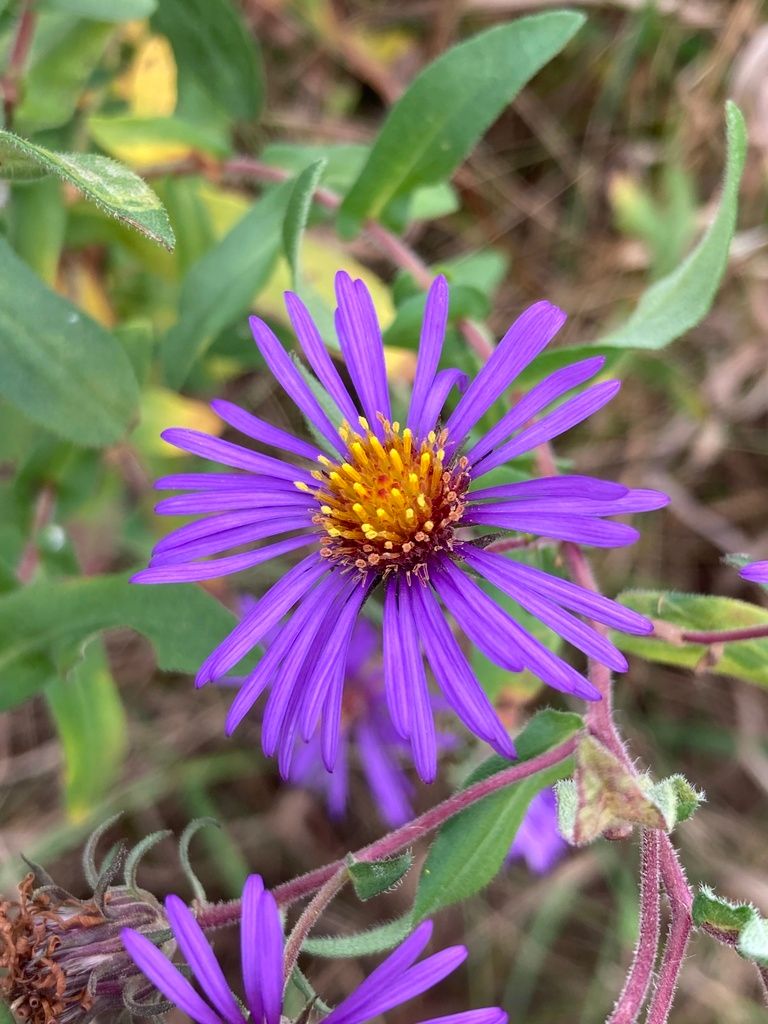
Asters (*Symphyotrichum* spp.)

Asters

Asters are late-season wildflowers that bring a burst of daisy-like blooms when many gardens are winding down, making them a reliable choice for pollinator-friendly planting.

View plant profile
F_wildflowers-herbaceous-perennials-blazing-stars (2).jpg

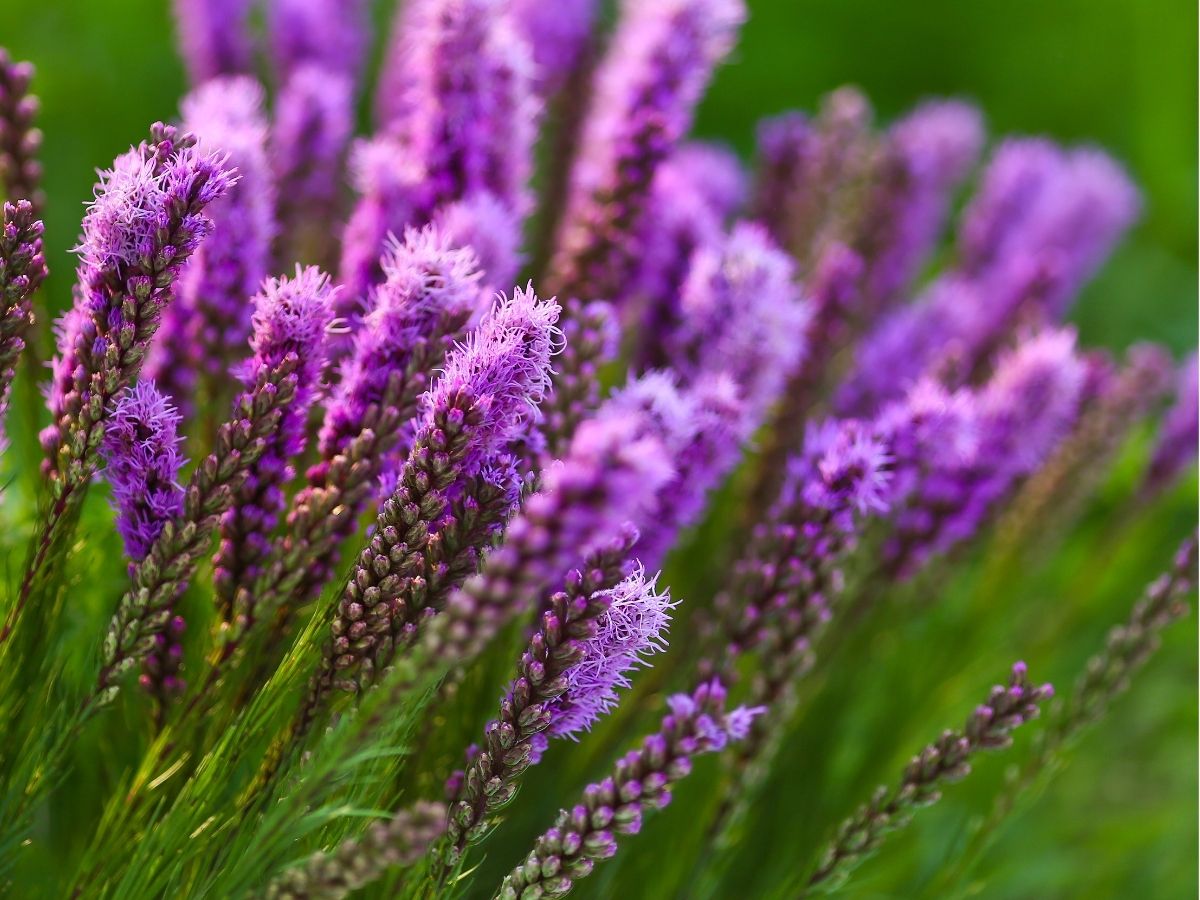
Blazing stars

Blazing stars (Liatris) are upright, purple-pink wildflowers that bloom in showy spikes and are well-loved by many pollinators. They’re a strong choice for sunny gardens, borders, and meadow-style plantings.

View plant profile
F_wildflowers-herbaceous-perennials-gilias.jpg

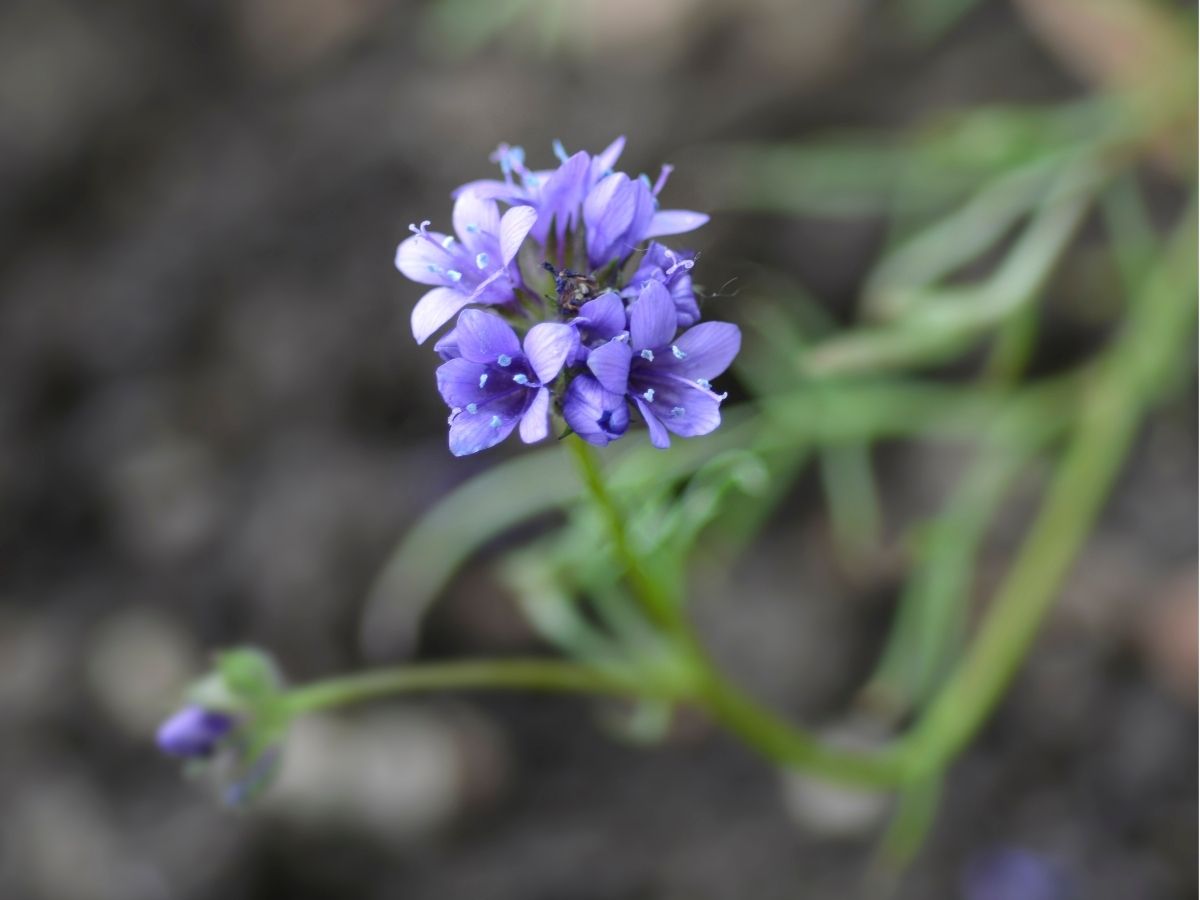
Gilias

Gilias (genus Gilia) are airy, nectar-rich wildflowers that can add quick color to sunny spots and help support a variety of pollinators.

View plant profile
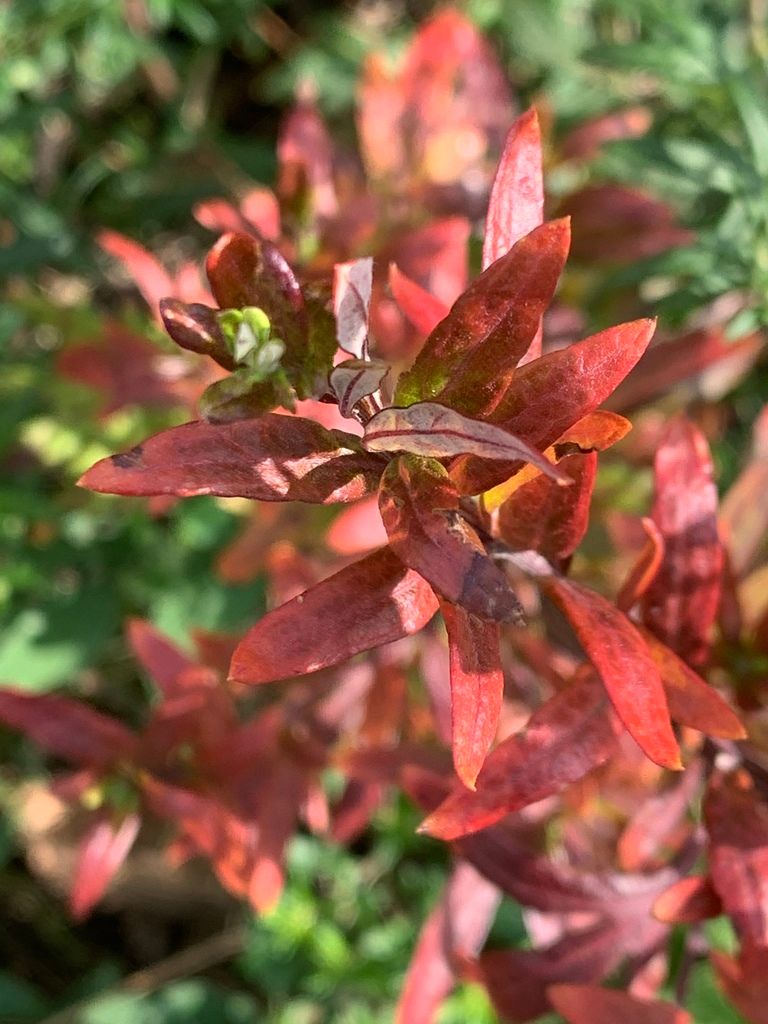
Goldenrods (*Solidago* spp.)

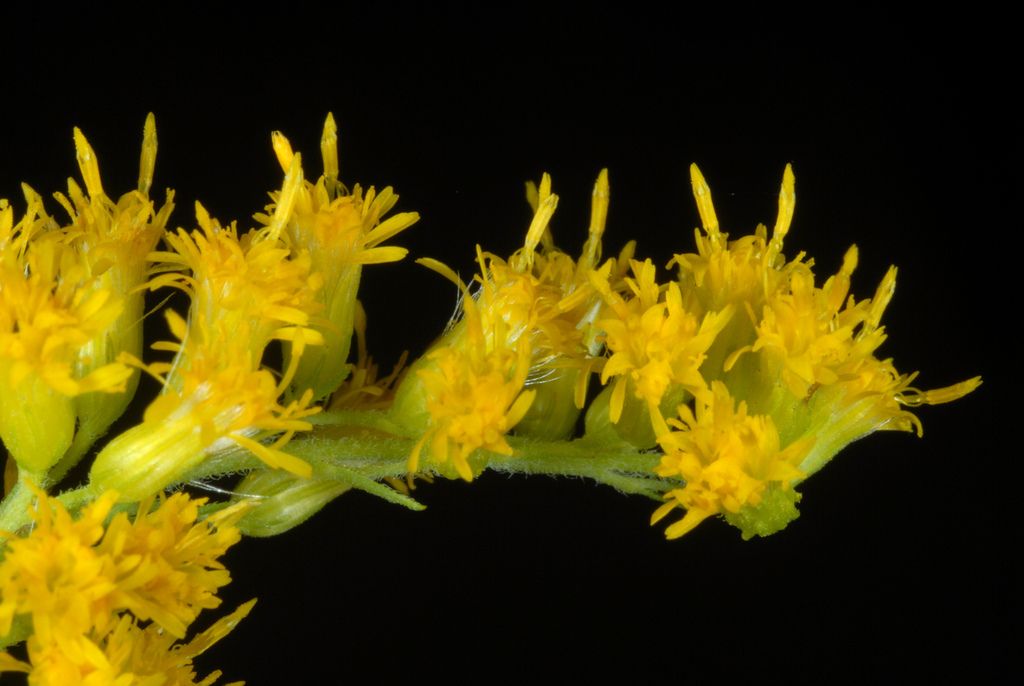
Goldenrods

Goldenrods are tough, sunny wildflowers in the genus Solidago that light up late-season gardens with golden blooms and provide reliable nectar and pollen when many other flowers are fading.

View plant profile
Penstemons (*Penstemon* (genus))

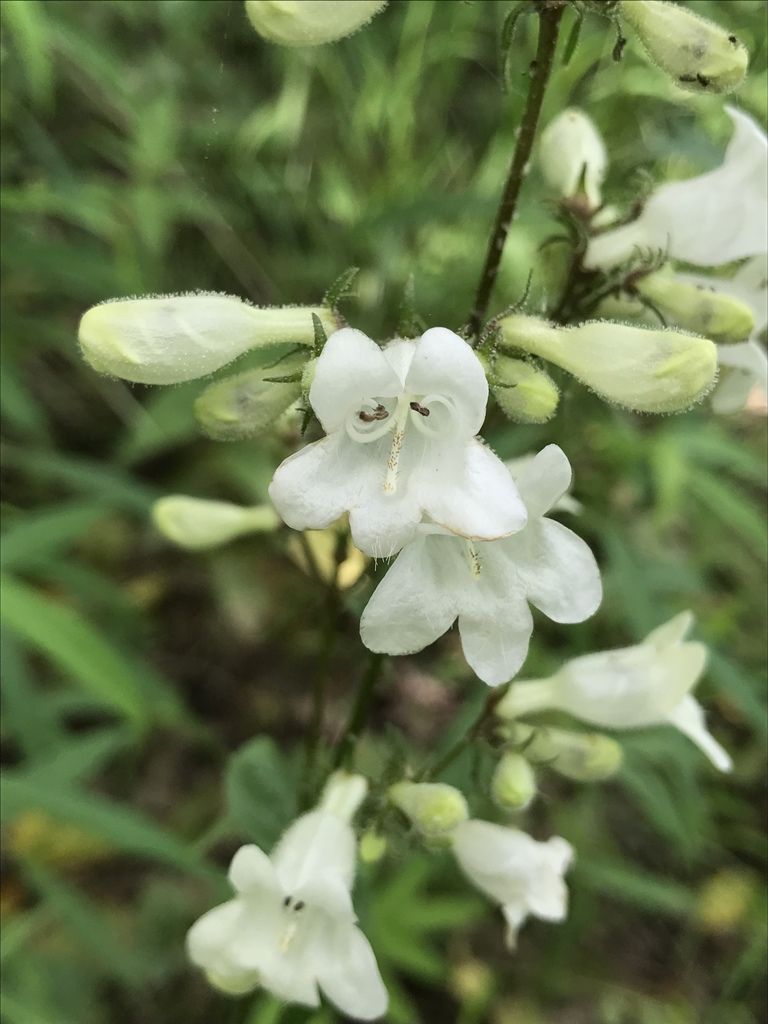
Penstemons

Penstemons (beardtongues) are hardy, flower-filled wildflowers that bring bright color and steady nectar to gardens and containers, especially in sunny spots with well-drained soil.

View plant profile
Phacelias (*Phacelia* spp.)

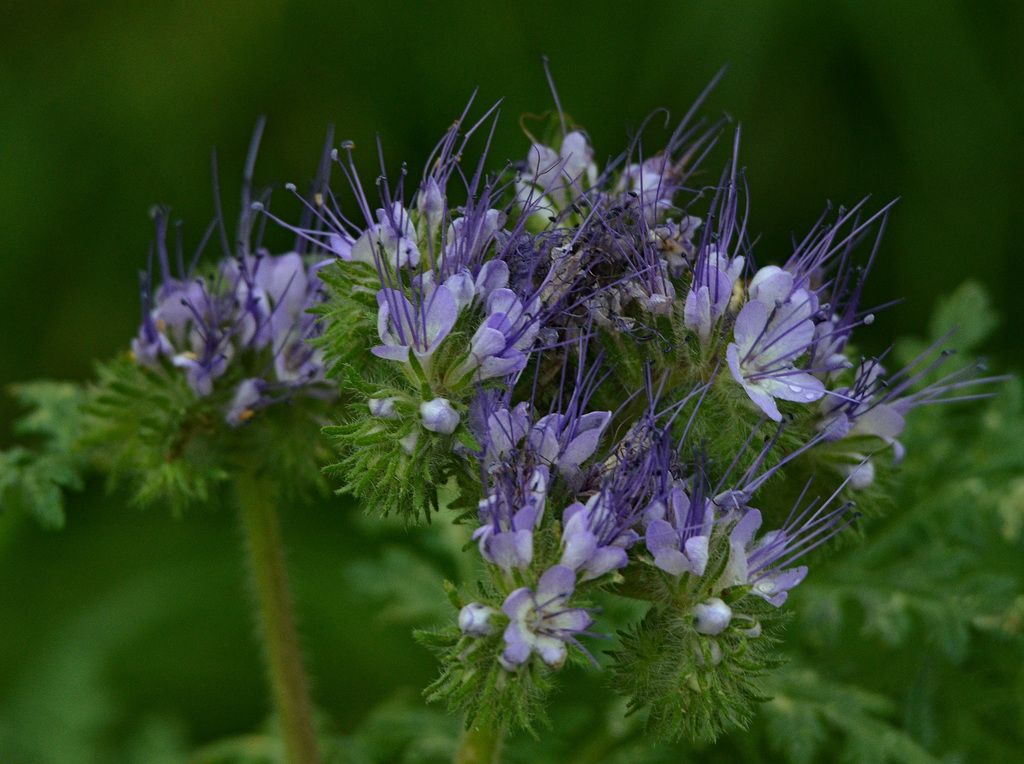
Phacelias

Phacelias are easygoing wildflowers in the genus Phacelia, known for their nectar-rich blooms that can bring lots of pollinator activity to gardens, schoolyards, and even containers.

View plant profile
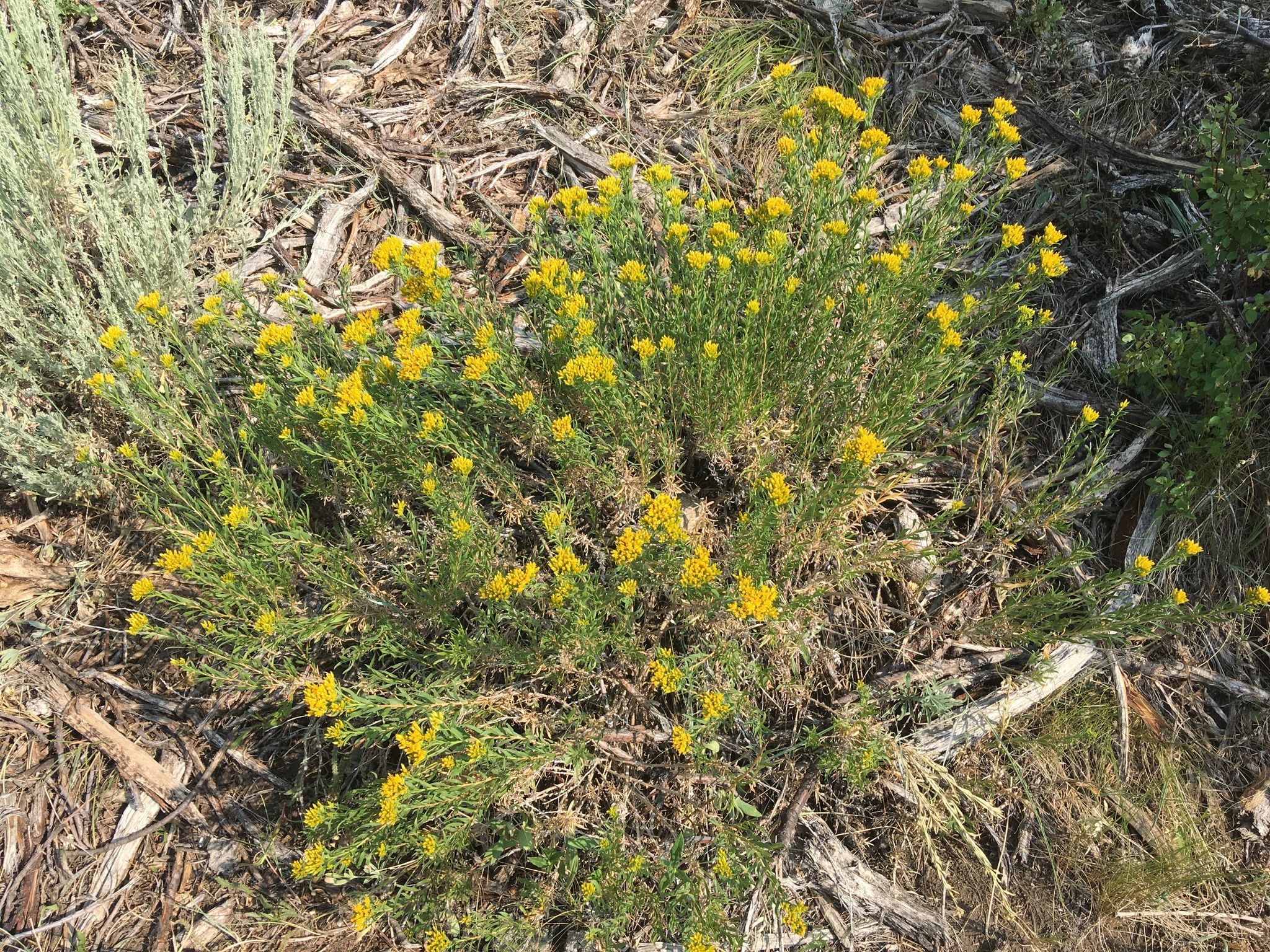
Rabbitbrush (*Ericameria* spp. / *Chrysothamnus* spp.)

Rabbitbrush

Rabbitbrush is a tough, sun-loving shrub known for its bright yellow late-season blooms that can help keep pollinators fed when many other flowers are fading.

View plant profile
Sagebrushes (*Artemisia* spp.)

Sagebrushes

Sagebrushes are tough, aromatic shrubs in the genus Artemisia that can anchor a dry, sunny habitat and offer shelter and seasonal nectar for a range of insects.

View plant profile
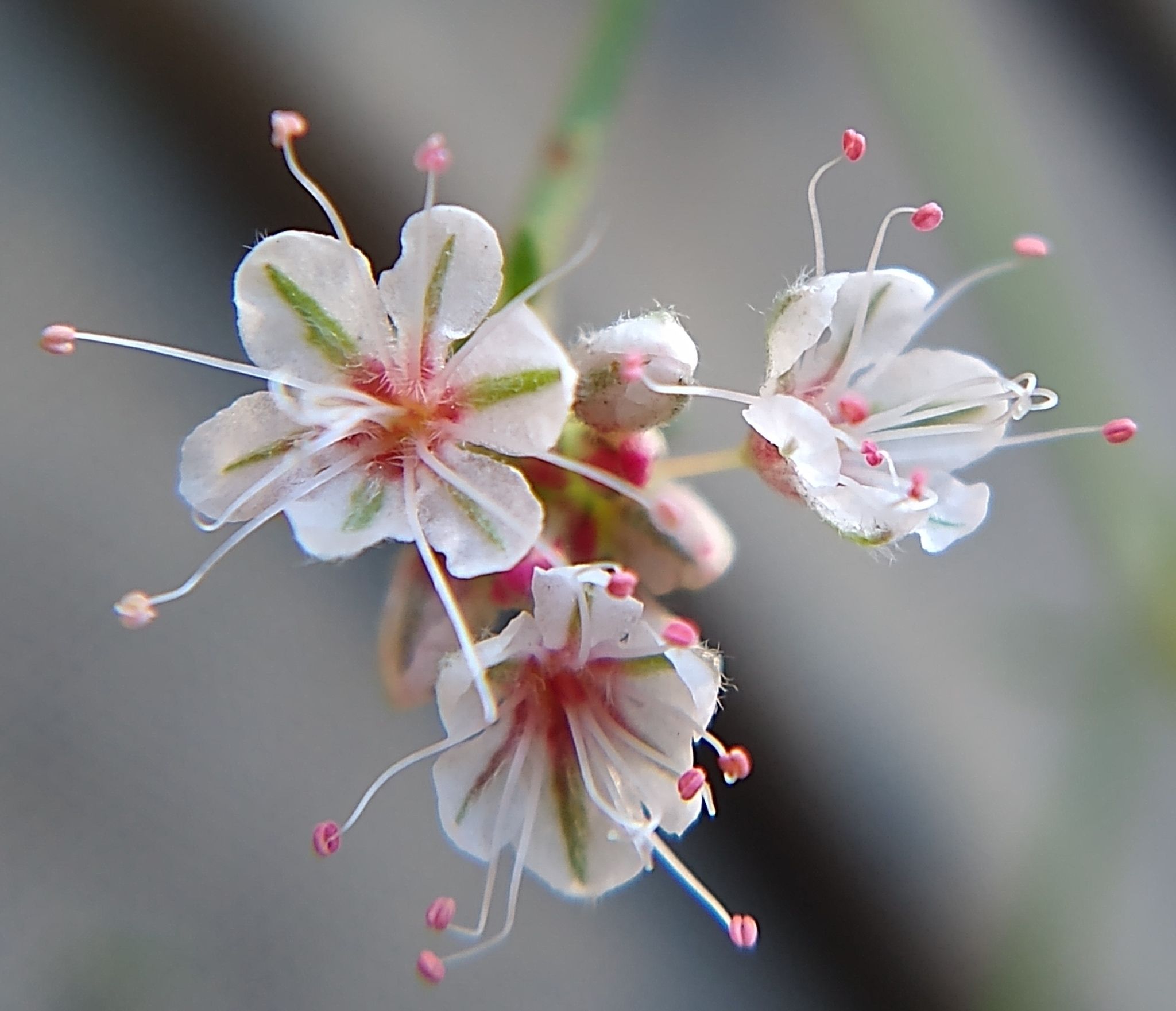
Wild buckwheats (*Eriogonum* (genus))

Wild buckwheats

Wild buckwheats (genus Eriogonum) are tough, long-blooming western native wildflowers that can turn dry, sunny spots into reliable pollinator stops.

View plant profile
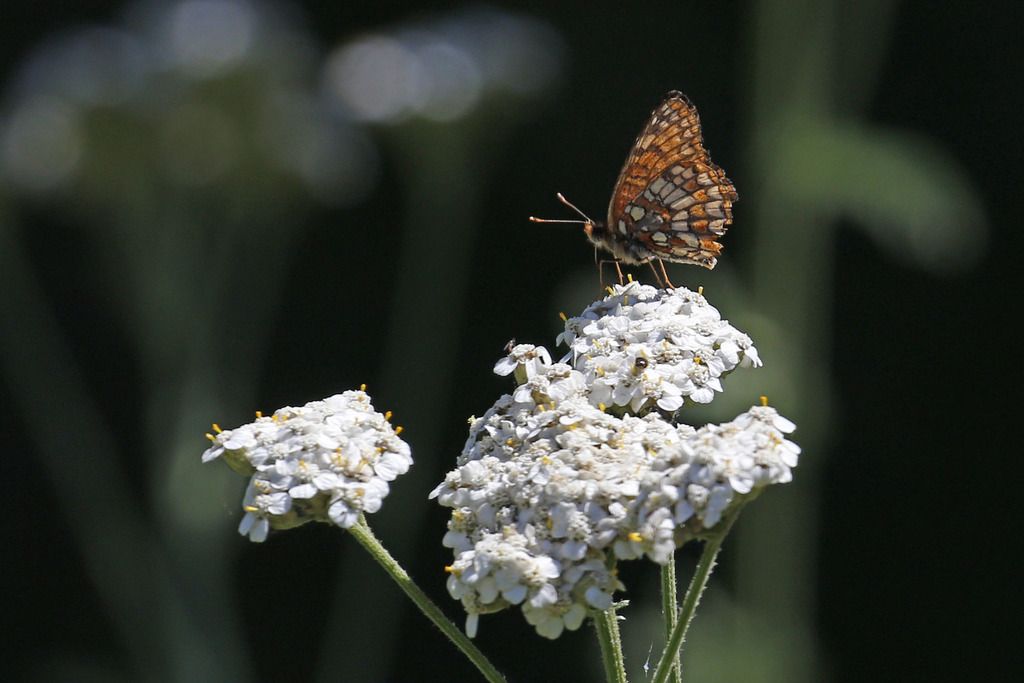
Yarrow (*Achillea millefolium*)

Yarrow

Yarrow is a tough, easygoing wildflower that brings long-lasting blooms and steady pollinator visits to gardens, schoolyards, and even containers.

View plant profile

Pollinators

Pollinators active in this region

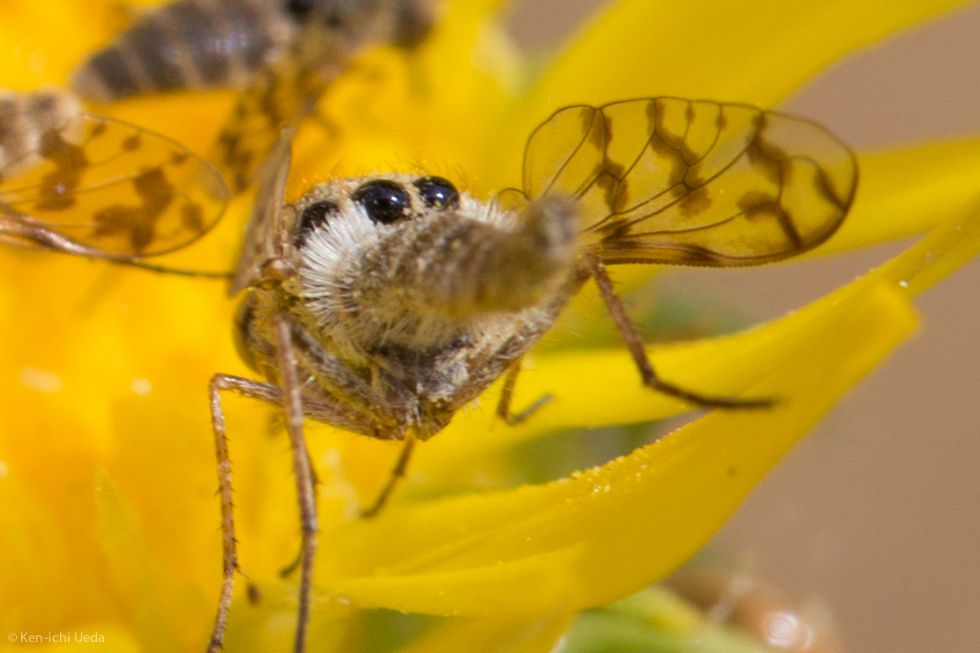
Bee flies (Family Bombyliidae)

Bee flies

Adults visit flowers for nectar and can move pollen between blooms; their presence is a sign of diverse, functioning habitats.

View pollinator profile
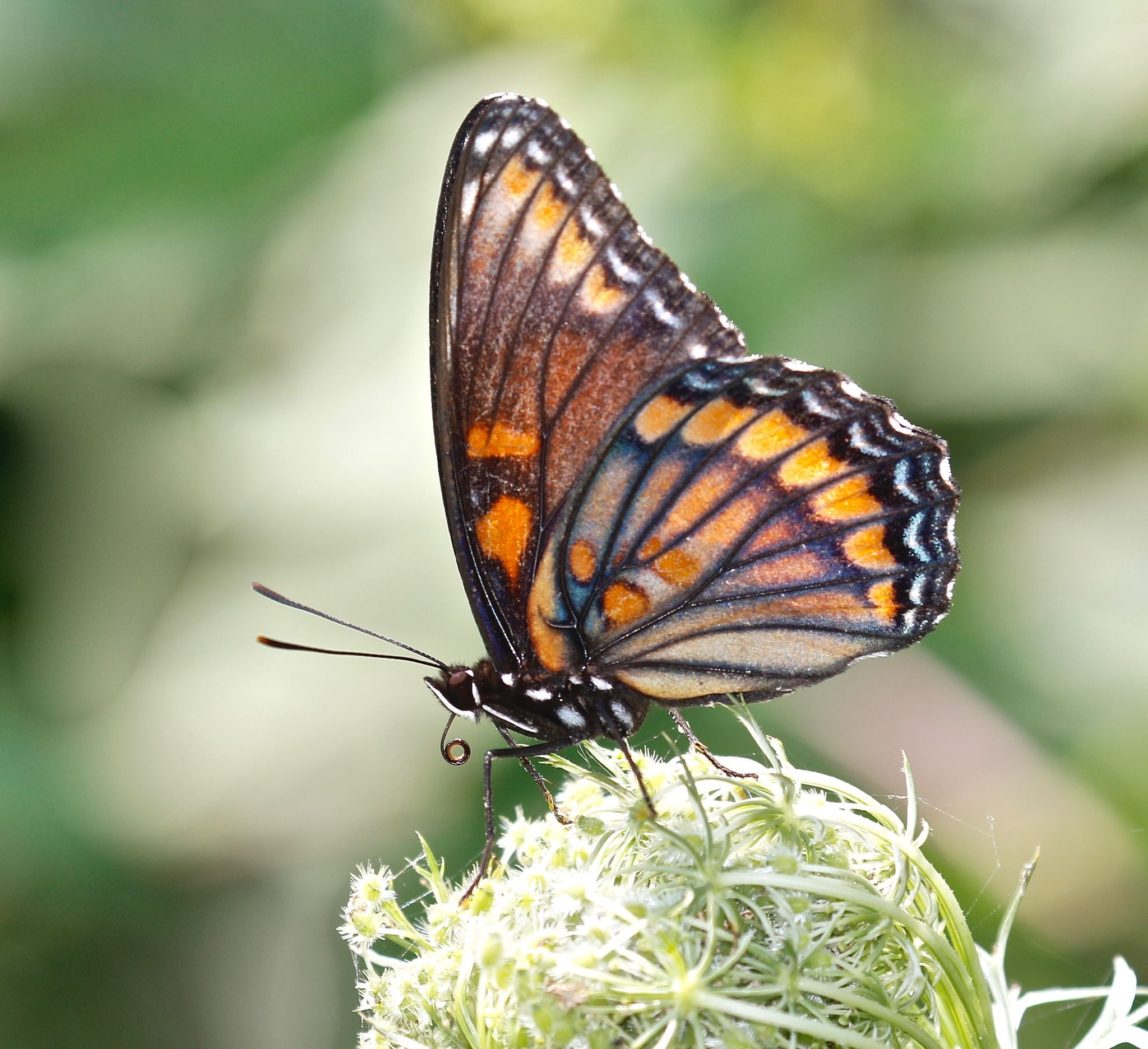
Brushfoots (Family Nymphalidae)

Brushfoots

Many brushfoots move pollen between flowers as they feed, and their caterpillars are part of healthy food webs.

View pollinator profile
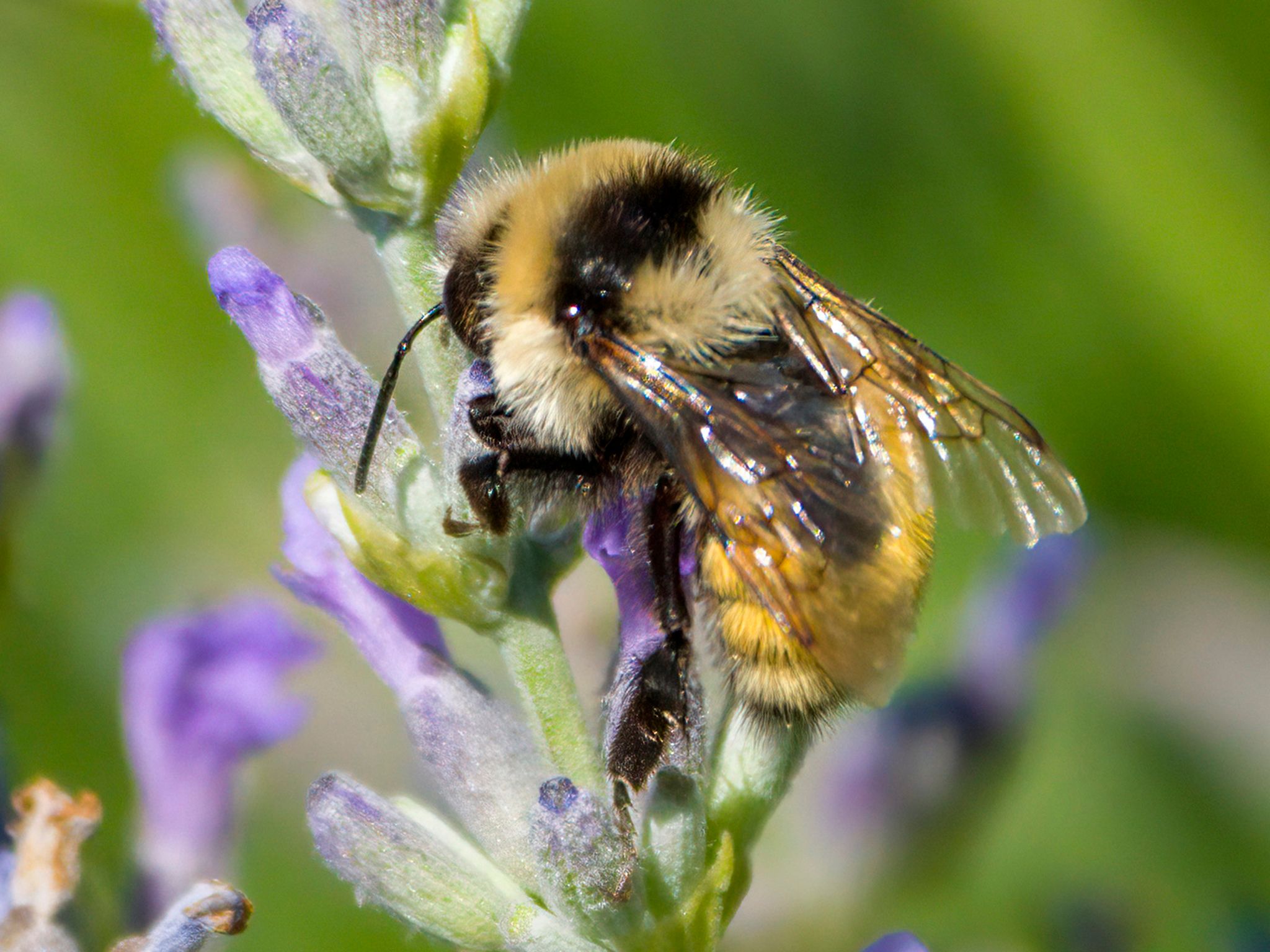
Bumble bees (Genus Bombus)

Bumble bees

Bumble bees are important pollinators of many wildflowers and garden plants, helping ecosystems and food crops reproduce.

View pollinator profile
F_hoverfly-01.jpg

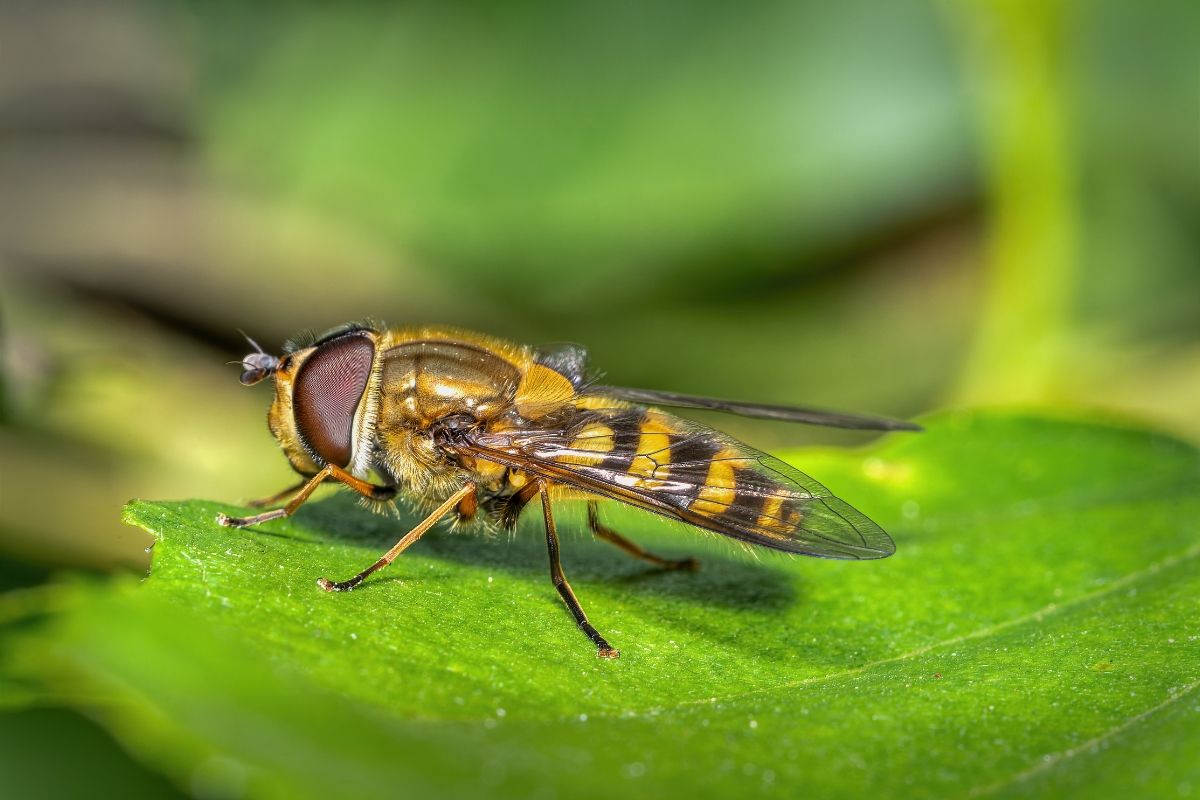
Flower flies / hoverflies

Adults visit flowers for nectar and pollen, and many species’ larvae help keep plant-eating pests in check.

View pollinator profile
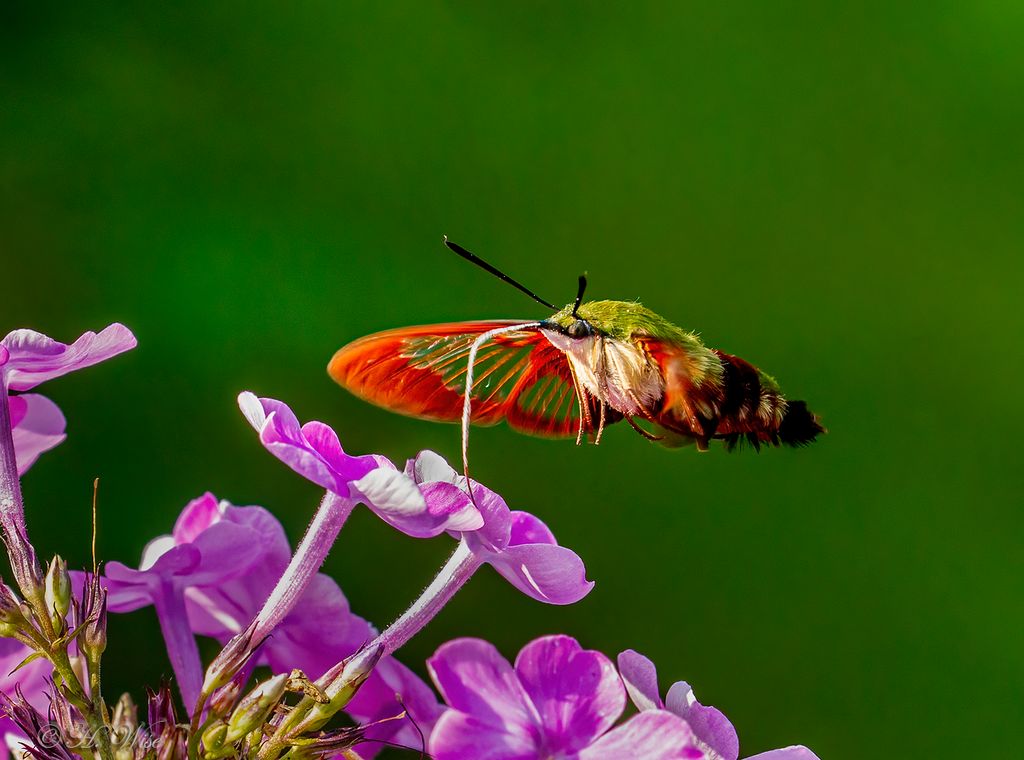
Hawk / sphinx moths (Family Sphingidae)

Hawk / sphinx moths

They can move pollen between flowers while feeding on nectar, especially for blooms that open or scent up in the evening.

View pollinator profile
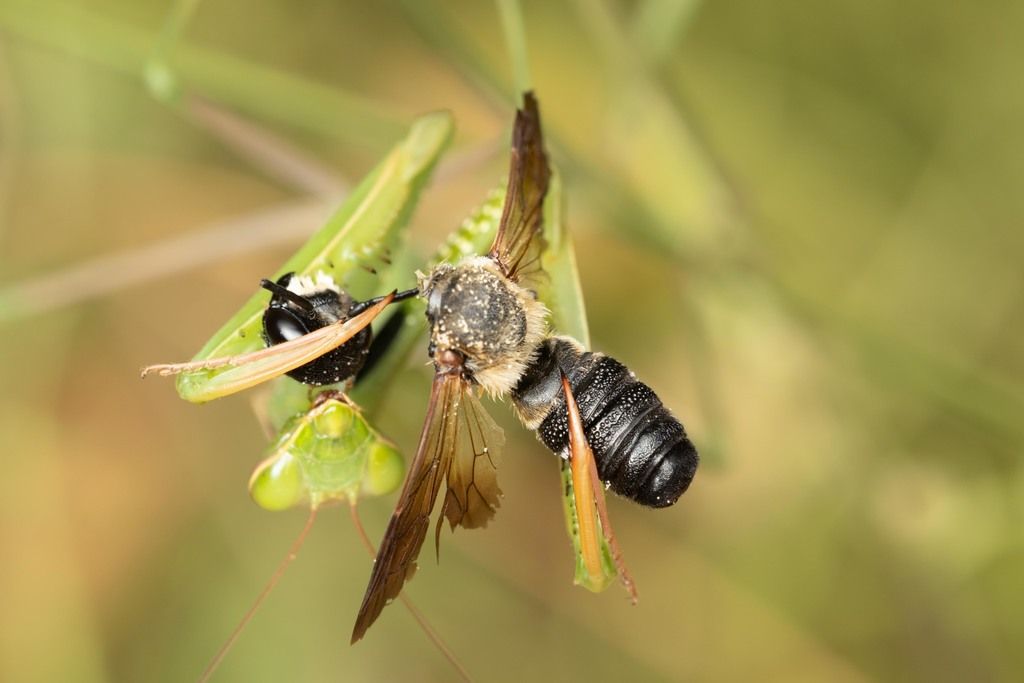
Leafcutter bees (Genus Megachile)

Leafcutter bees

They move pollen between flowers while foraging, helping many wild plants and garden plants set seed and fruit.

View pollinator profile
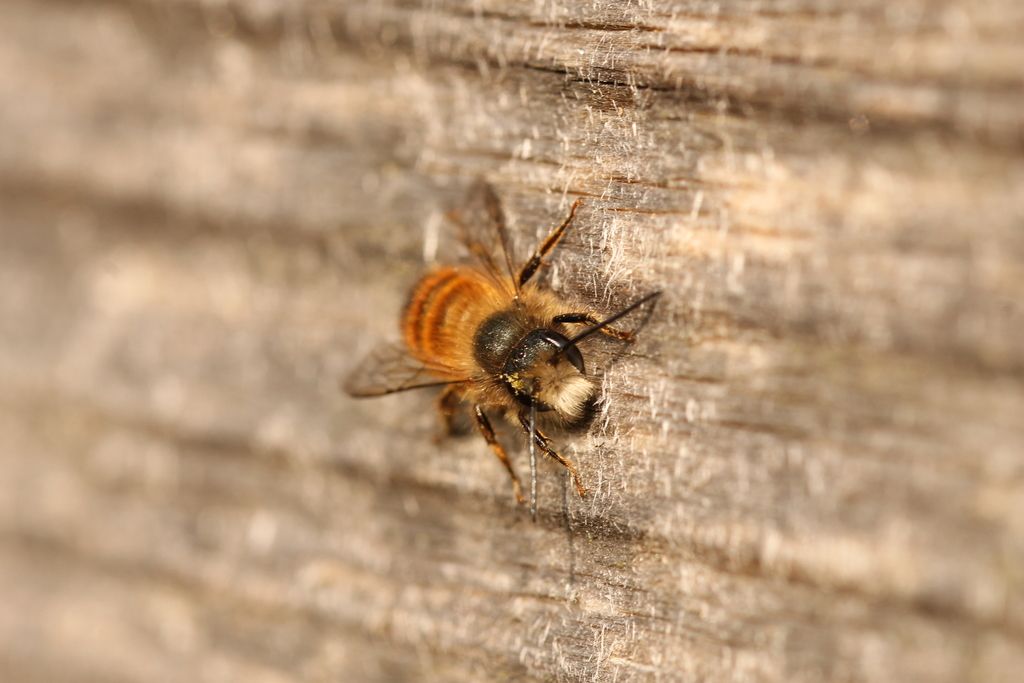
Mason bees (Genus Osmia)

Mason bees

They move pollen between flowers while foraging, helping many wild plants and garden crops set seed and fruit.

View pollinator profile
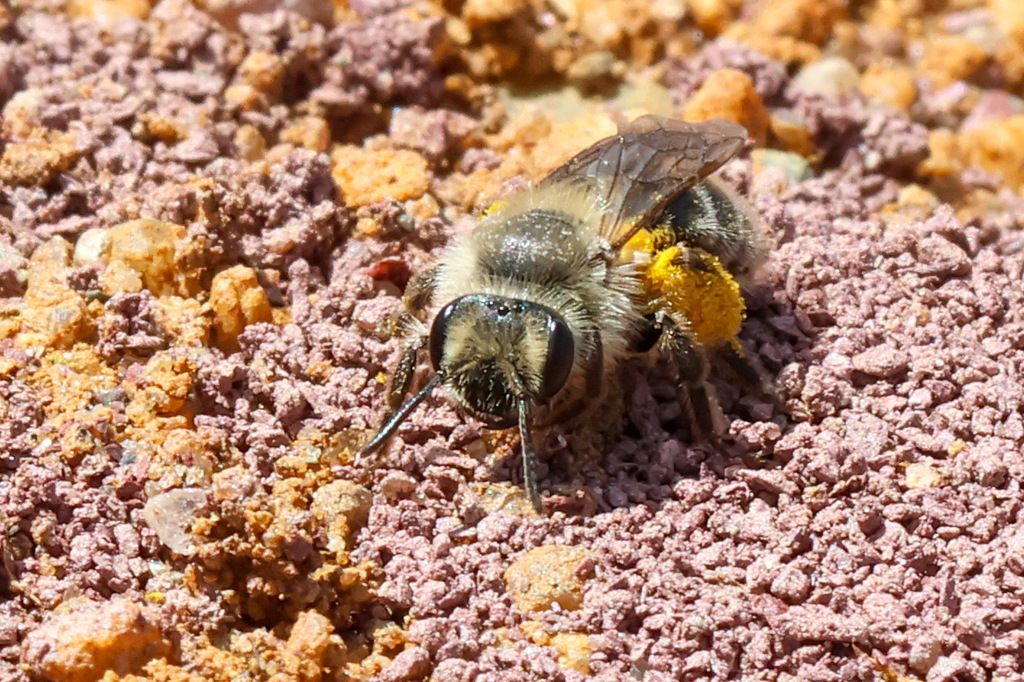
Mining bees (Genus Andrena)

Mining bees

They move pollen between flowers while foraging, helping many wild plants and garden plants set seed and fruit.

View pollinator profile
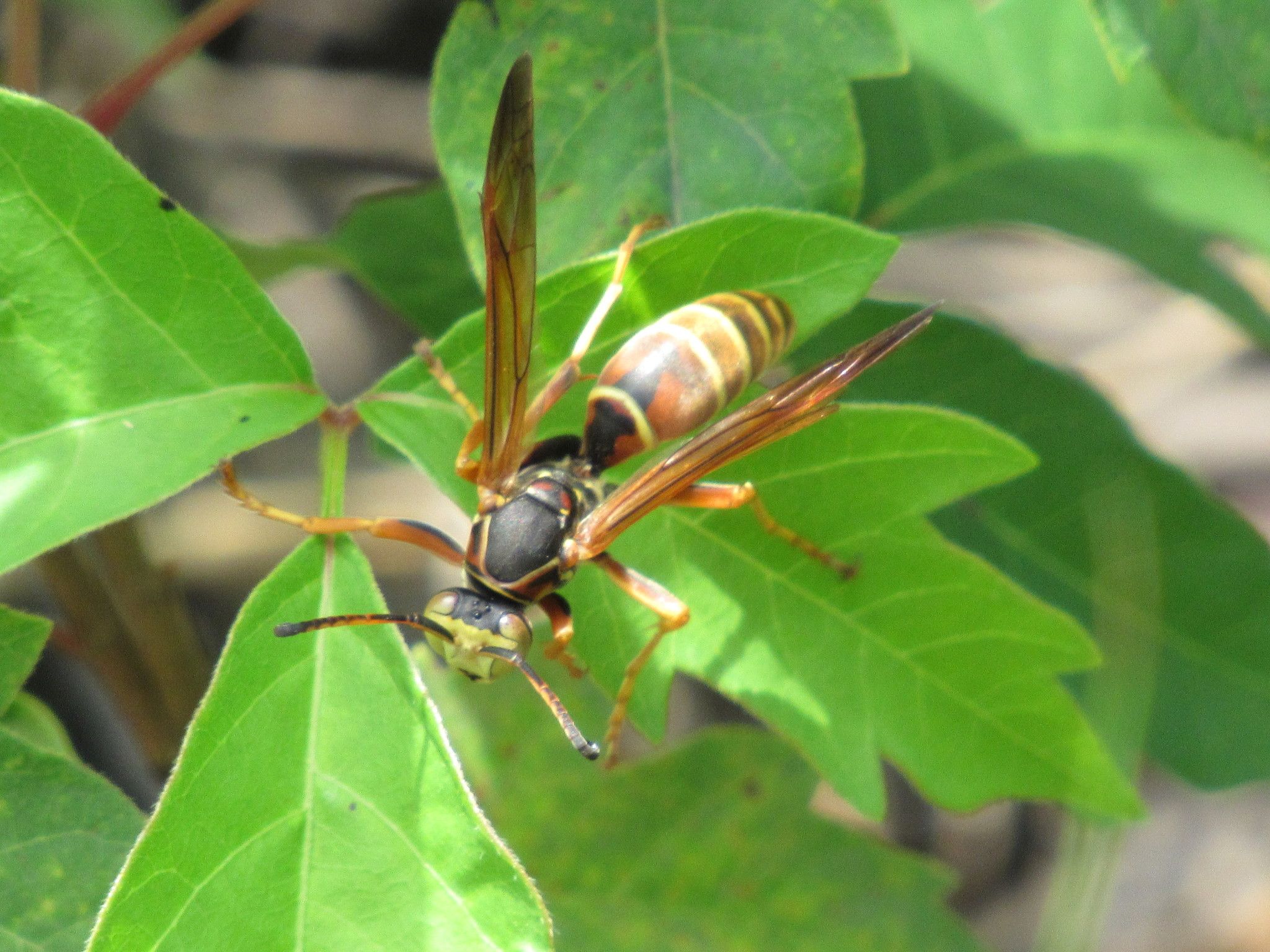
Paper wasps (Genus Polistes)

Paper wasps

They can move pollen while drinking nectar, and they also help control many plant-eating insects.

View pollinator profile
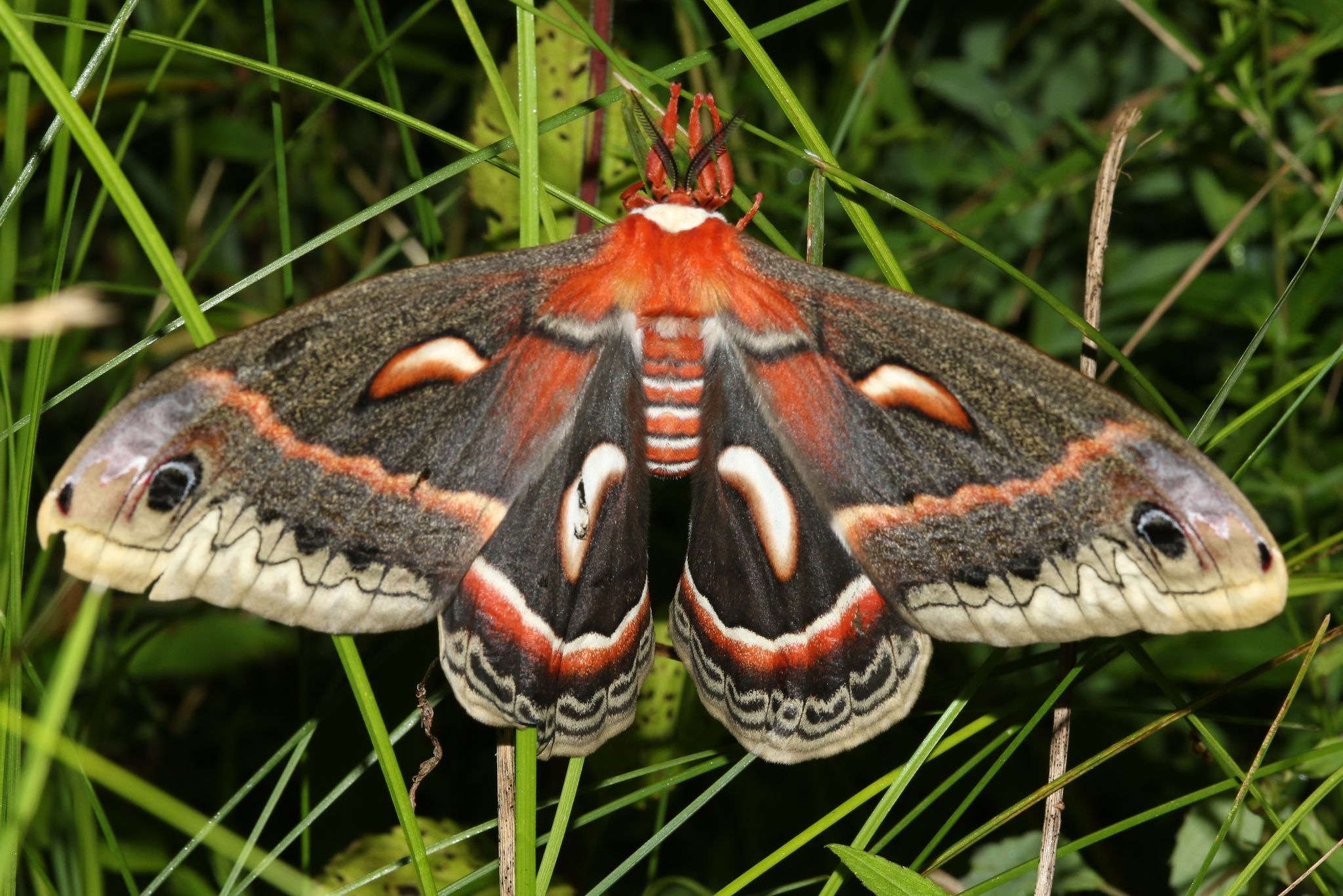
Silkmoths (giant moths) (Family Saturniidae)

Silkmoths (giant moths)

They’re part of healthy food webs and plant communities, and their caterpillars depend on a wide range of native trees and shrubs.

View pollinator profile
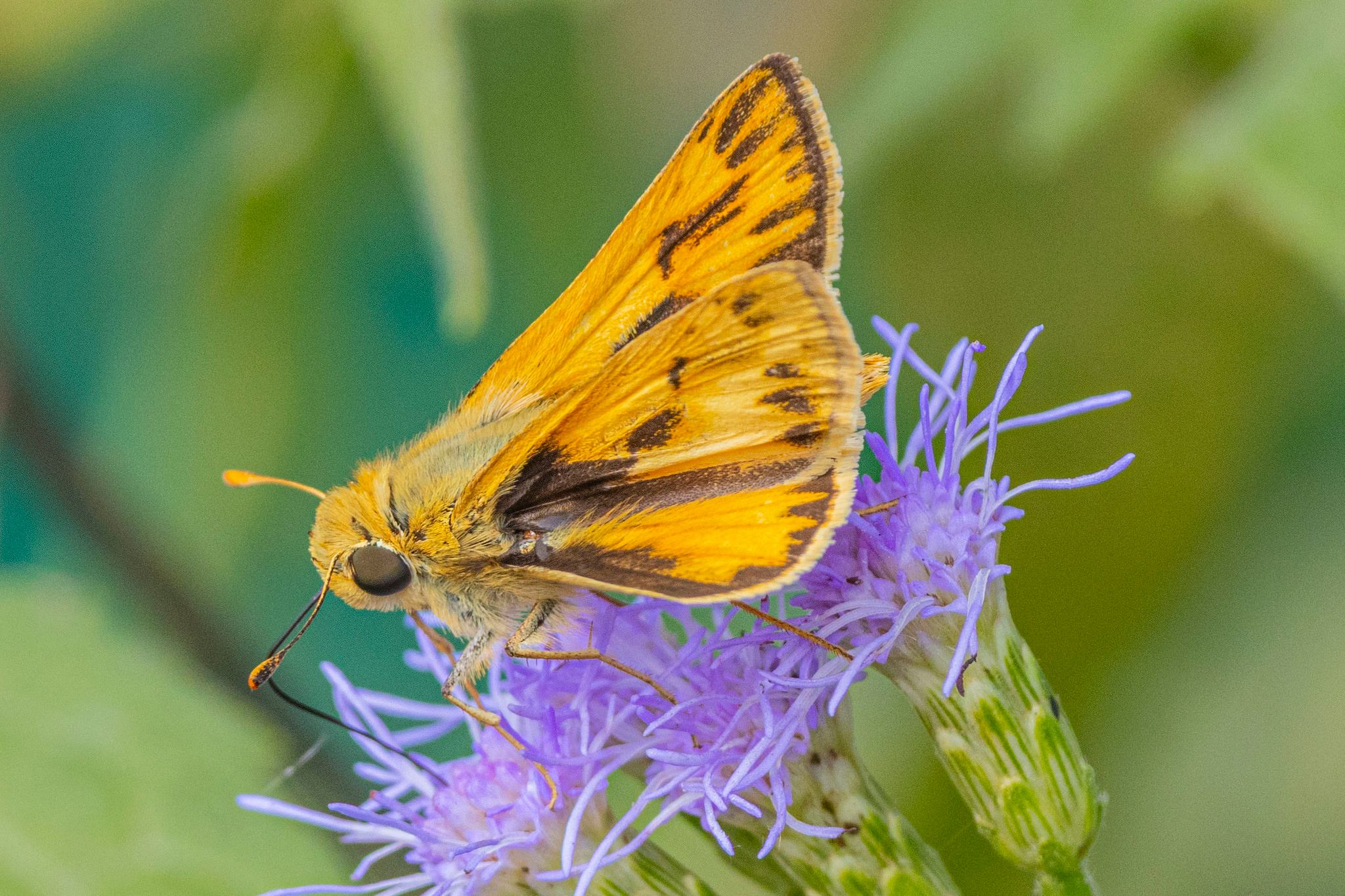
Skippers (Family Hesperiidae)

Skippers

Skippers visit many flowers for nectar and can help move pollen between blooms while they feed.

View pollinator profile
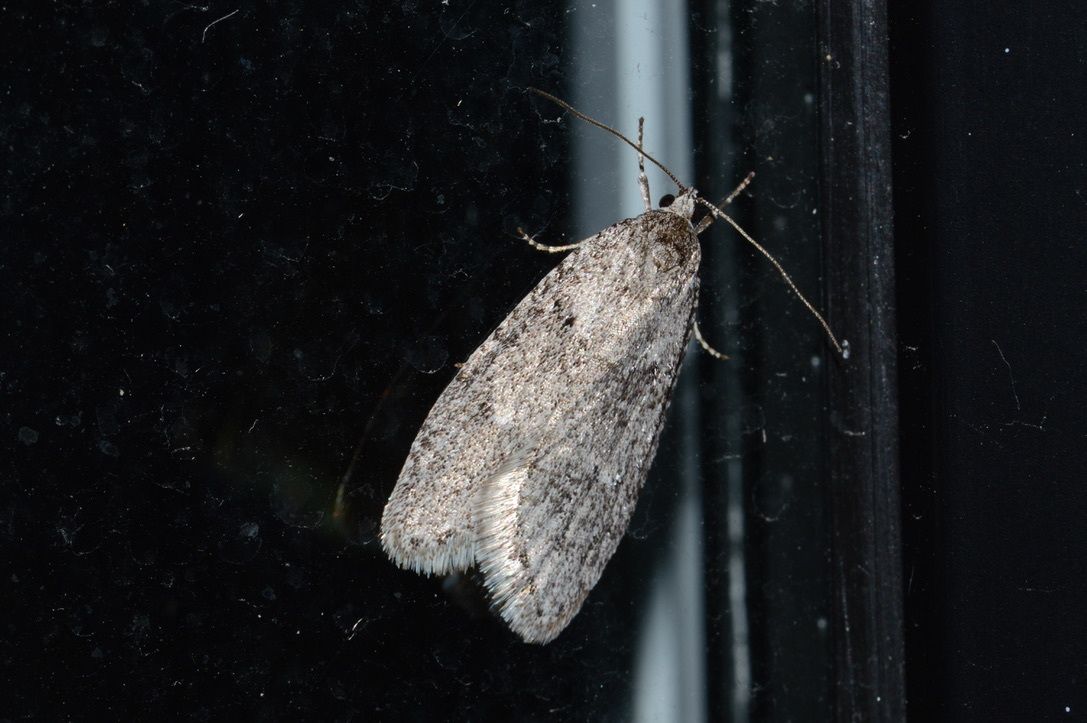
Small nectar moths (micro-moths) (Multiple families (varies))

Small nectar moths (micro-moths)

Many small moths move pollen while feeding on nectar, supporting wild plants and garden blooms—especially in the evening and at night.

View pollinator profile
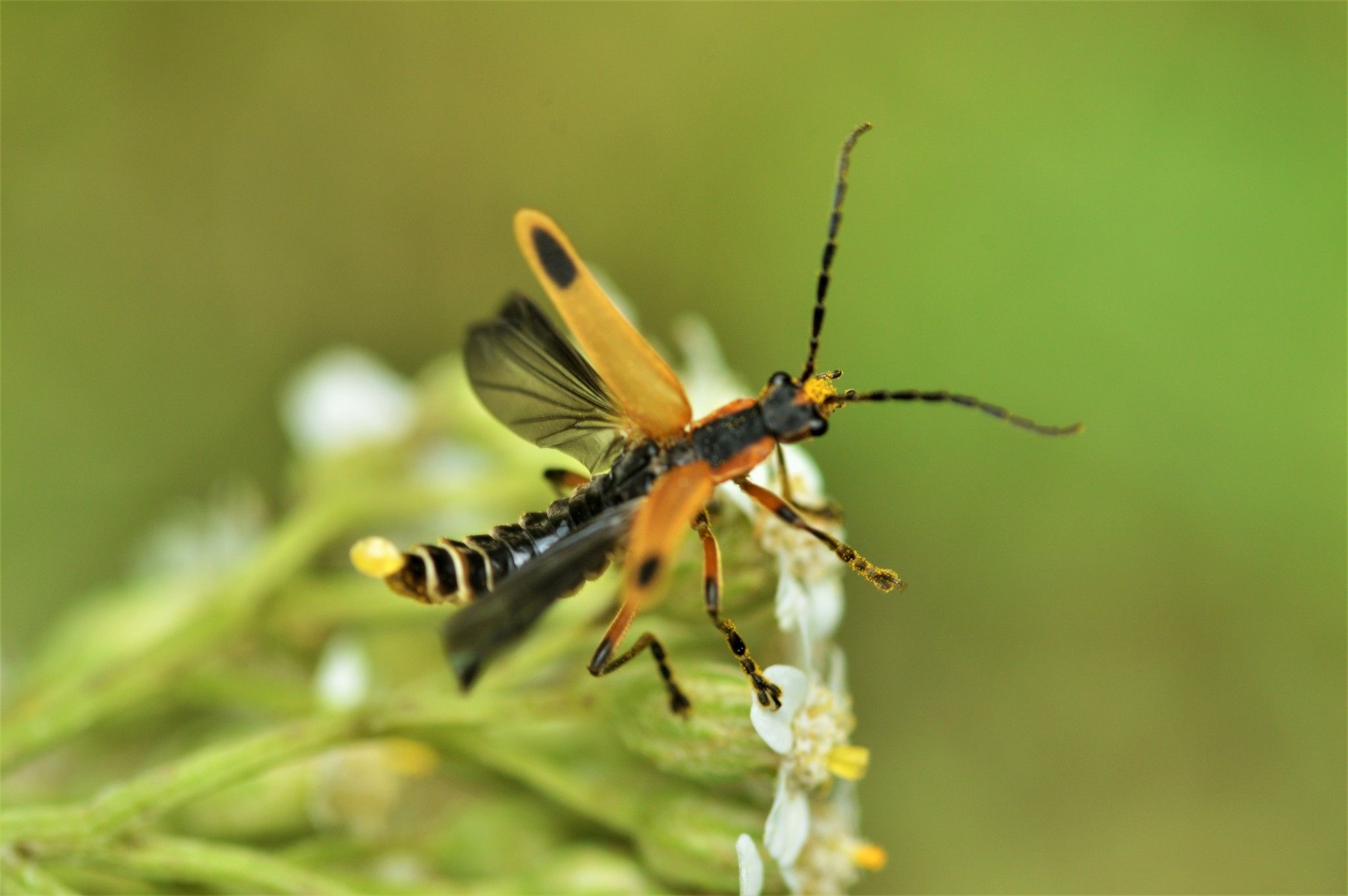
Soldier beetles (Family Cantharidae)

Soldier beetles

Many adults visit flowers and can move pollen between blooms, while also helping control some garden pests.

View pollinator profile
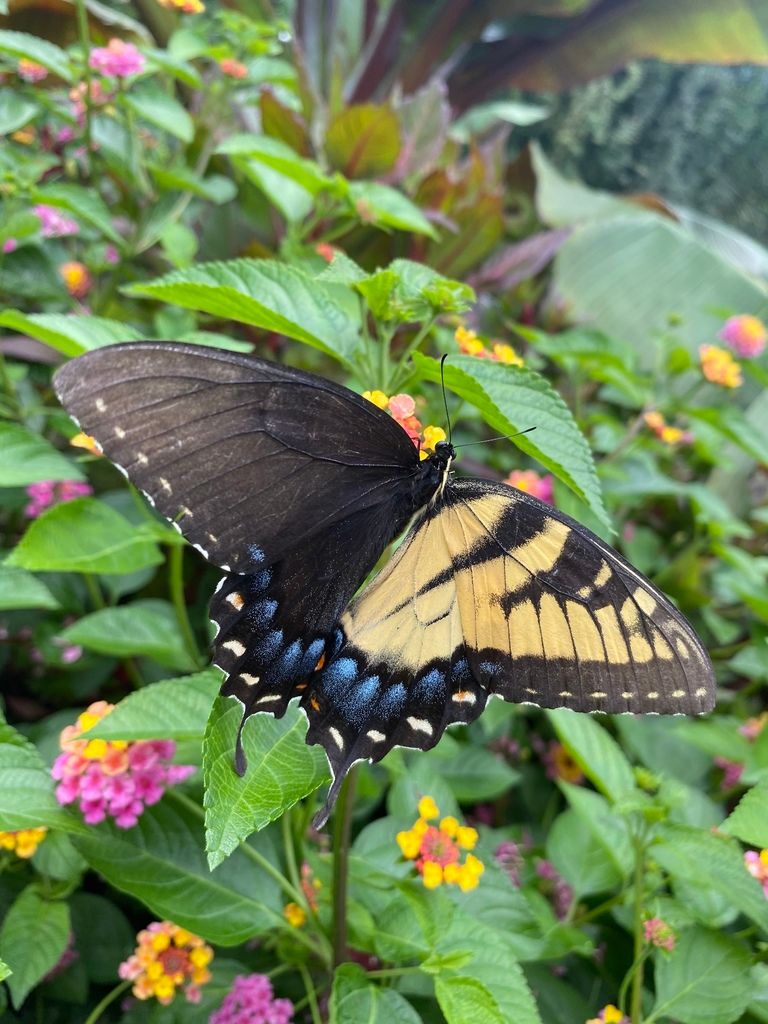
Swallowtails (Family Papilionidae)

Swallowtails

Adult swallowtails visit many flowers for nectar and can help move pollen between blooms as they feed.

View pollinator profile
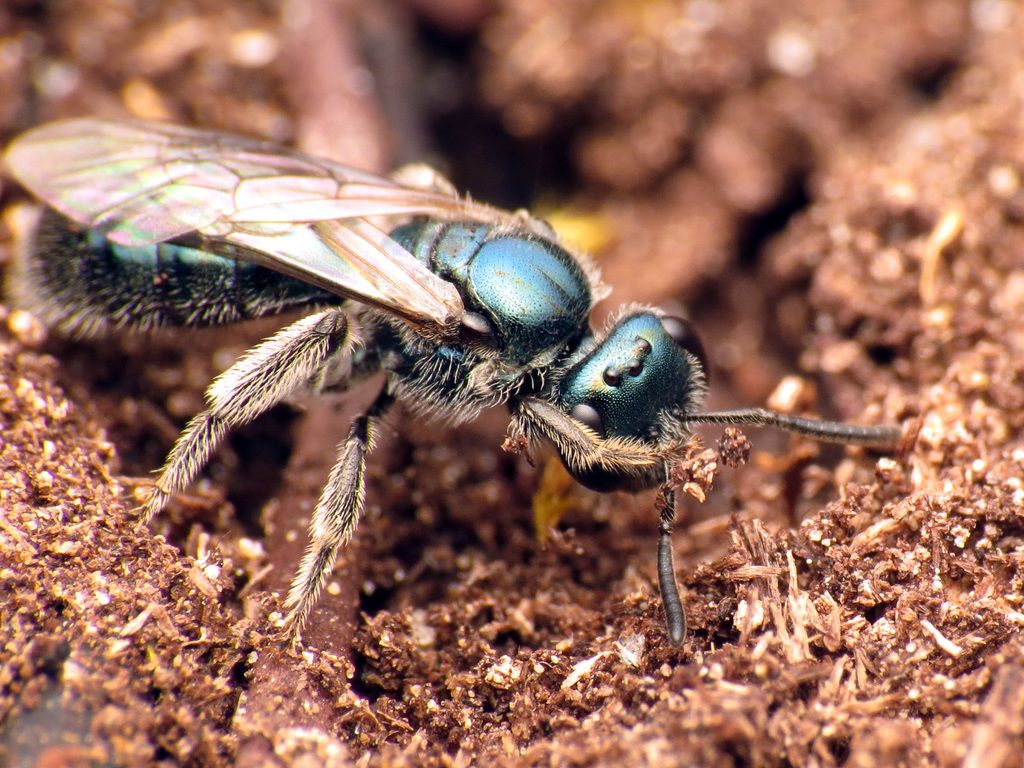
Sweat bees (Family Halictidae)

Sweat bees

They help move pollen between flowers in gardens, parks, and natural areas, supporting seed and fruit production.

View pollinator profile
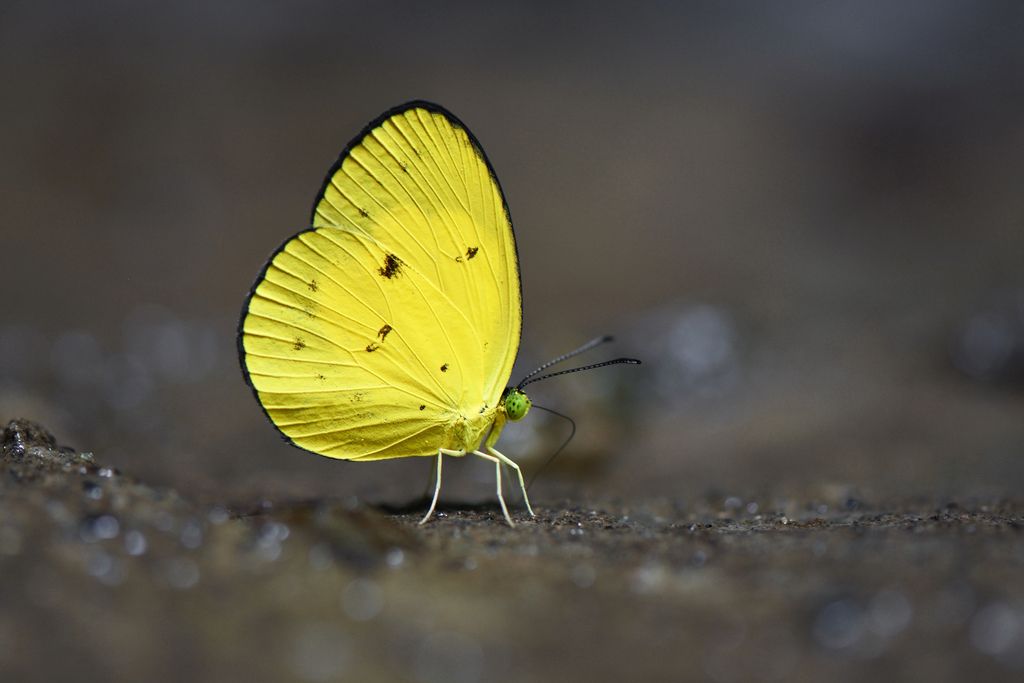
Whites & sulphurs (Family Pieridae)

Whites & sulphurs

They visit a wide range of flowers for nectar and can help move pollen between blooms as they feed.

View pollinator profile