Anxiety → Action Skills
All 52 skills for understanding and working with anxiety. Click any card to learn more.
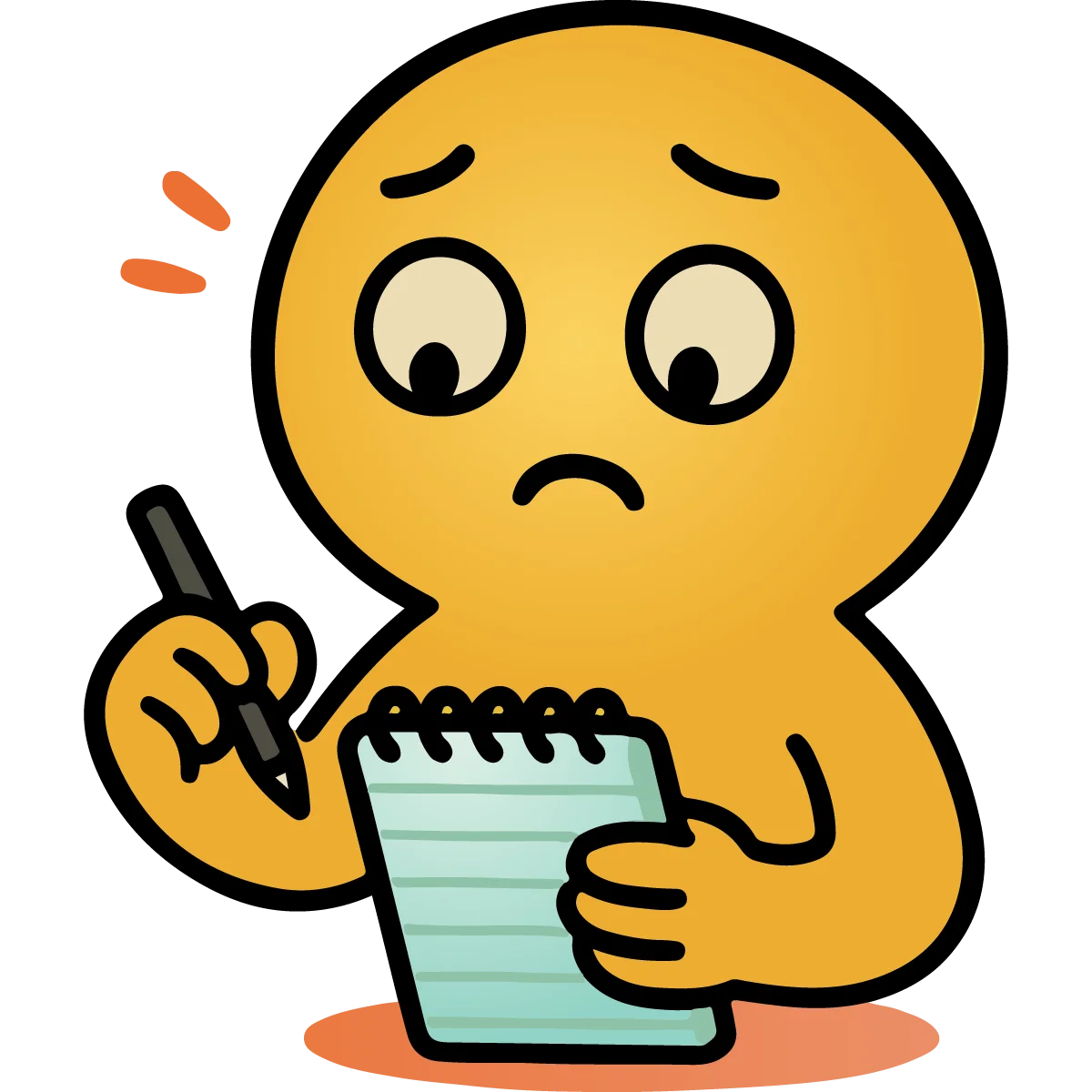
Catch it, Check it, Change it
A method to identify negative thoughts, evaluate their truth, and create balanced perspectives.
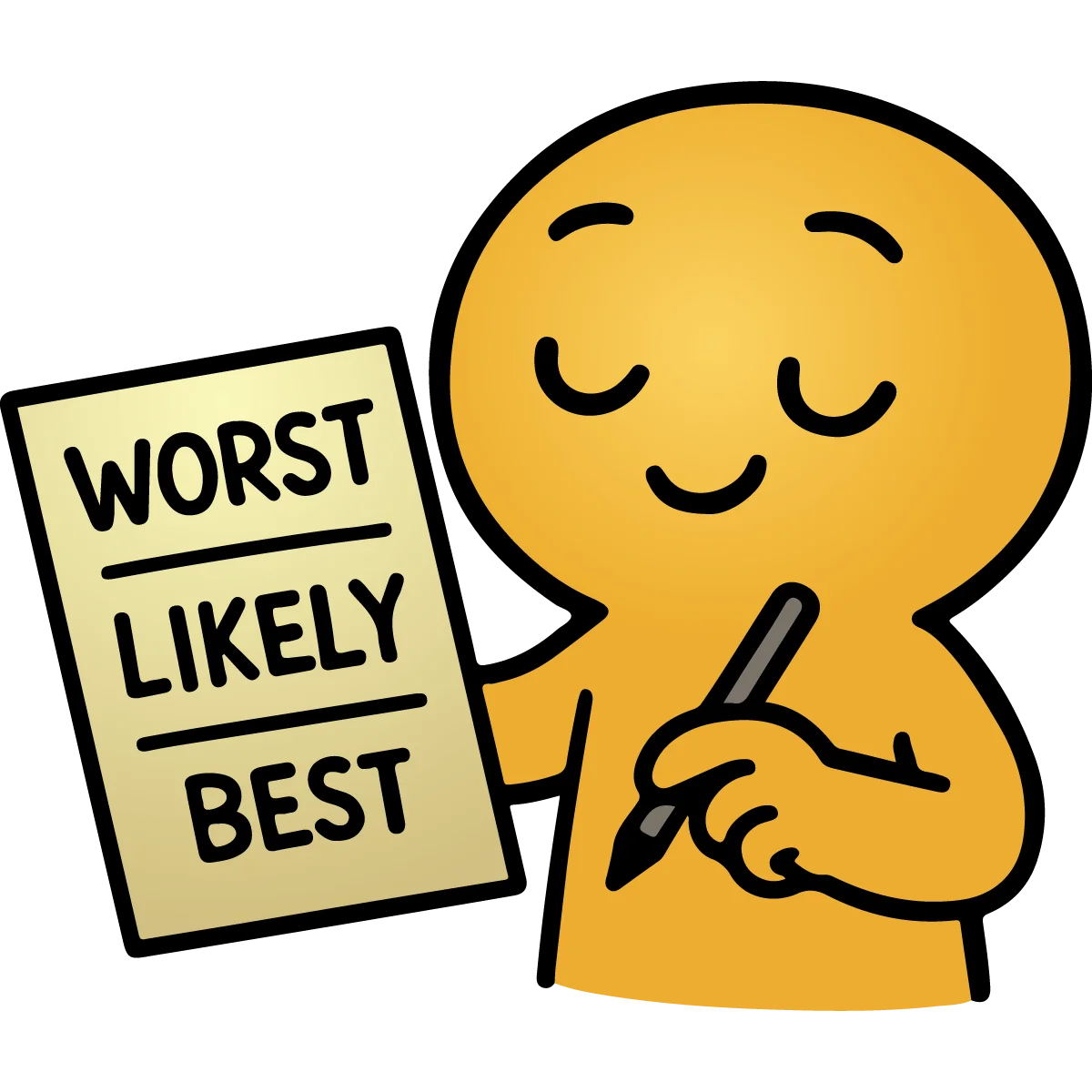
Worst → Likely → Best
This technique helps manage anxious thoughts by evaluating worst, most likely, and best outcomes.
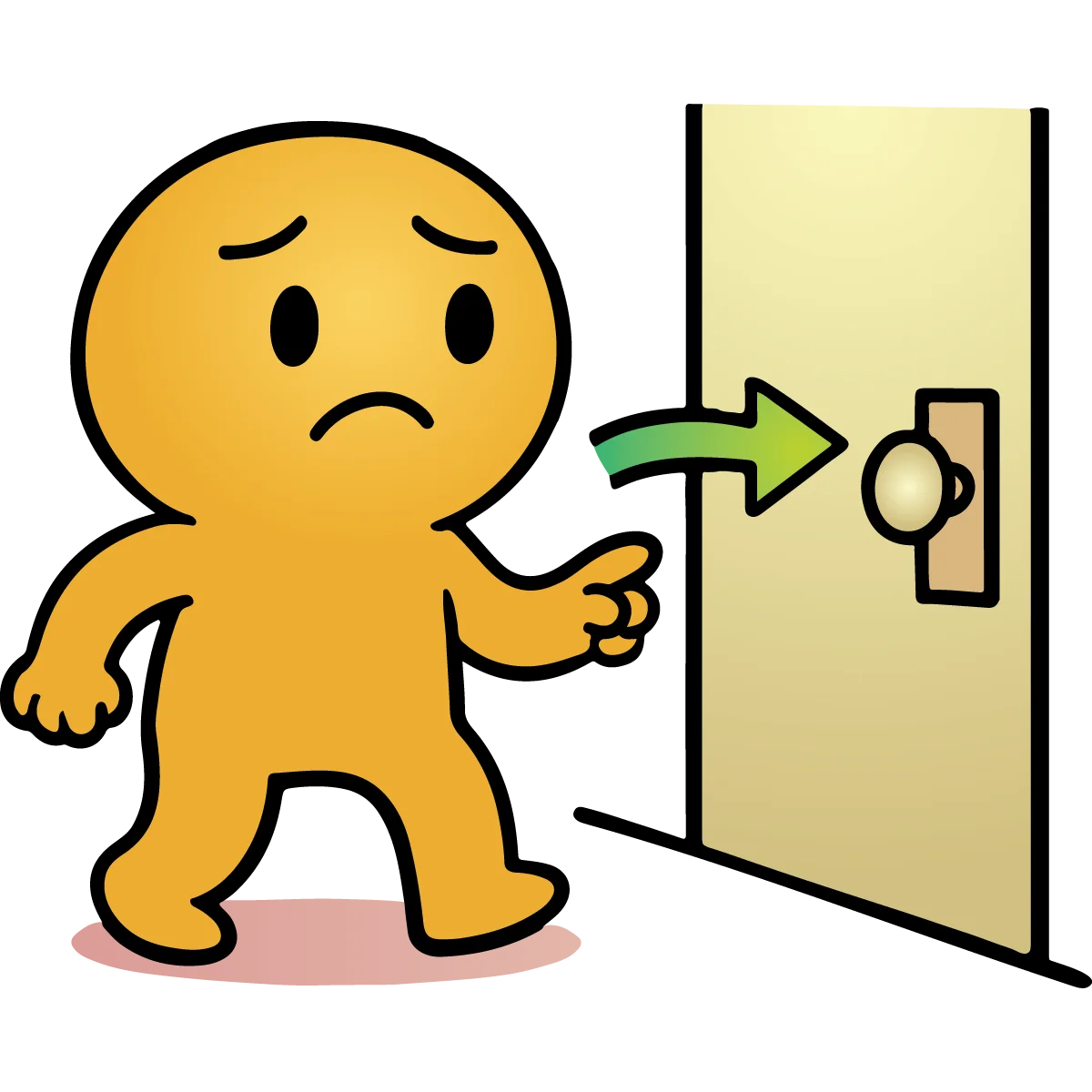
Tiny Approach
Break the cycle of avoidance by taking one small, manageable step toward things that cause worry.
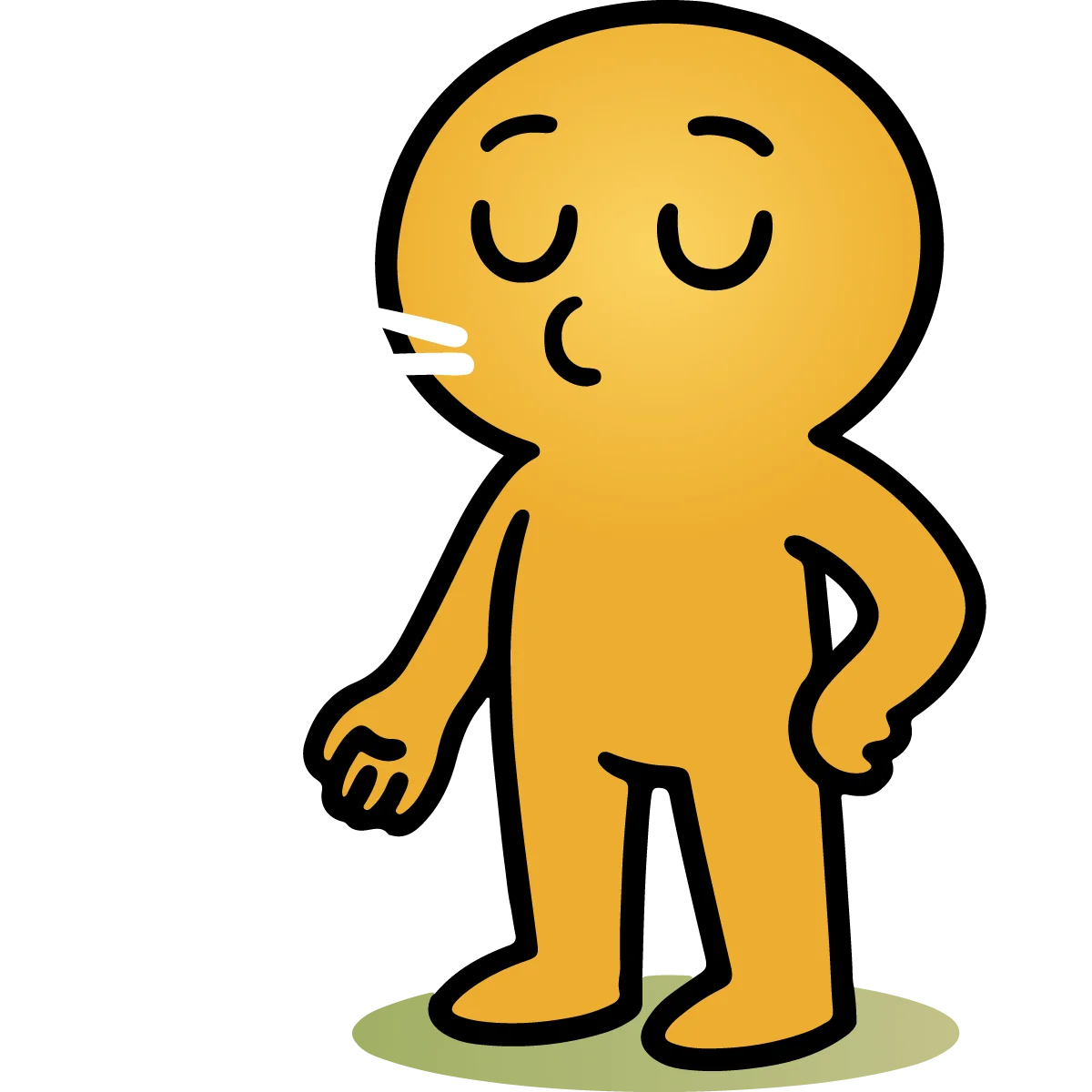
Body-Before-Brain
Use physical breathing to calm your system down before trying to think through a tough situation.
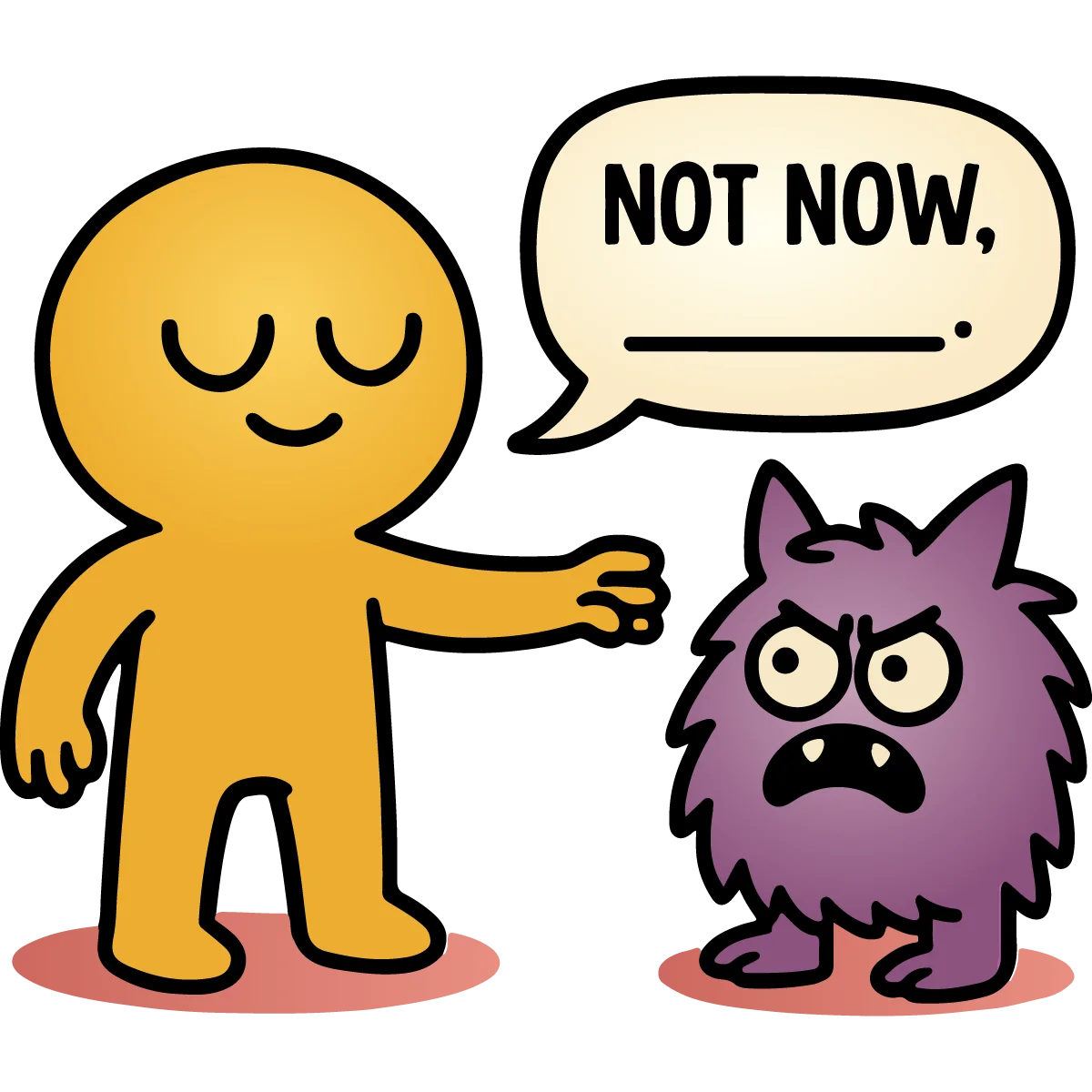
Name the Monster
A method for separating from anxious feelings by turning them into a distinct character.
It’s Anxiety, Not Danger
Learn to tell the difference between a scary feeling and an actual physical threat.
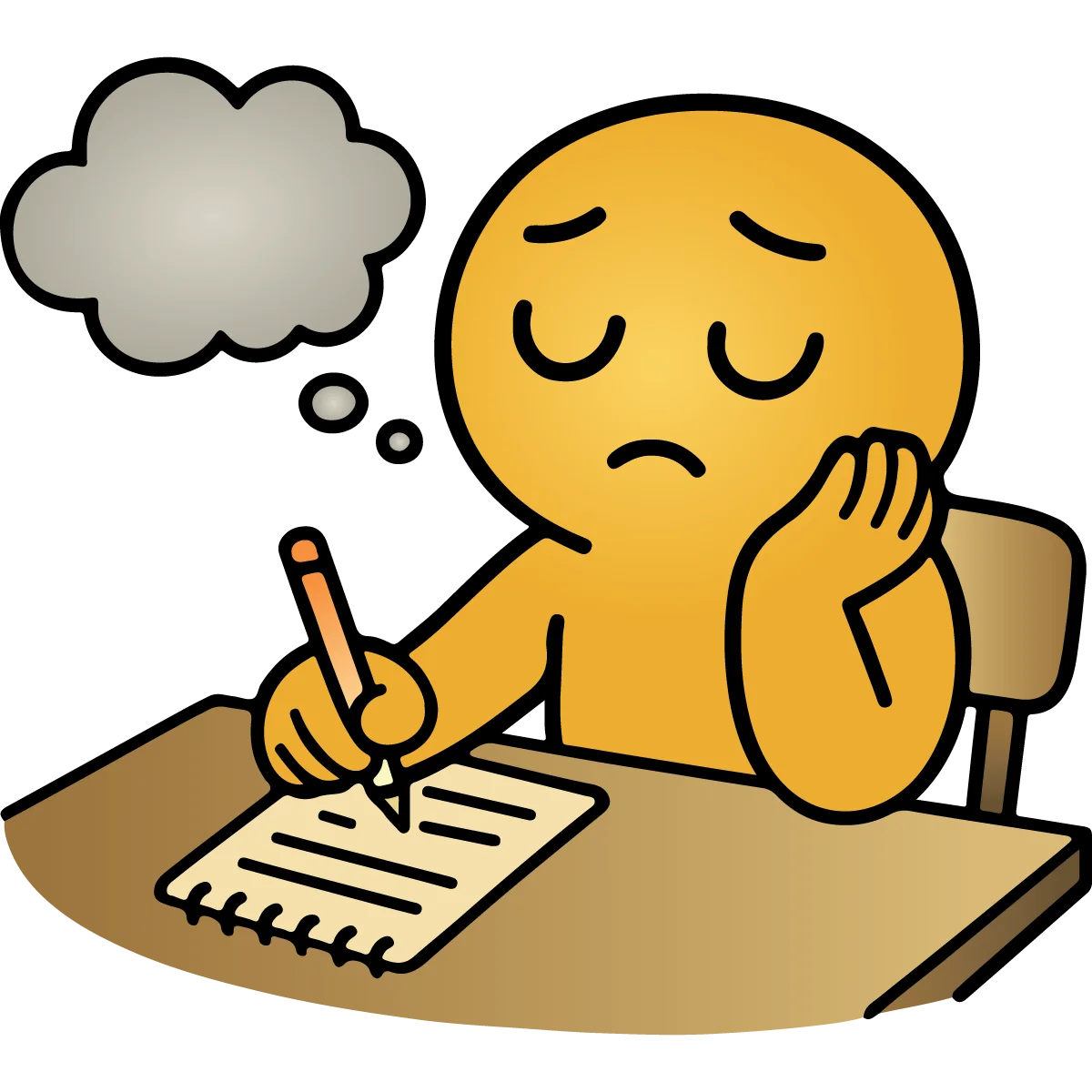
Worry Window
A way to manage stress by scheduling a specific time to focus on anxious thoughts each day.
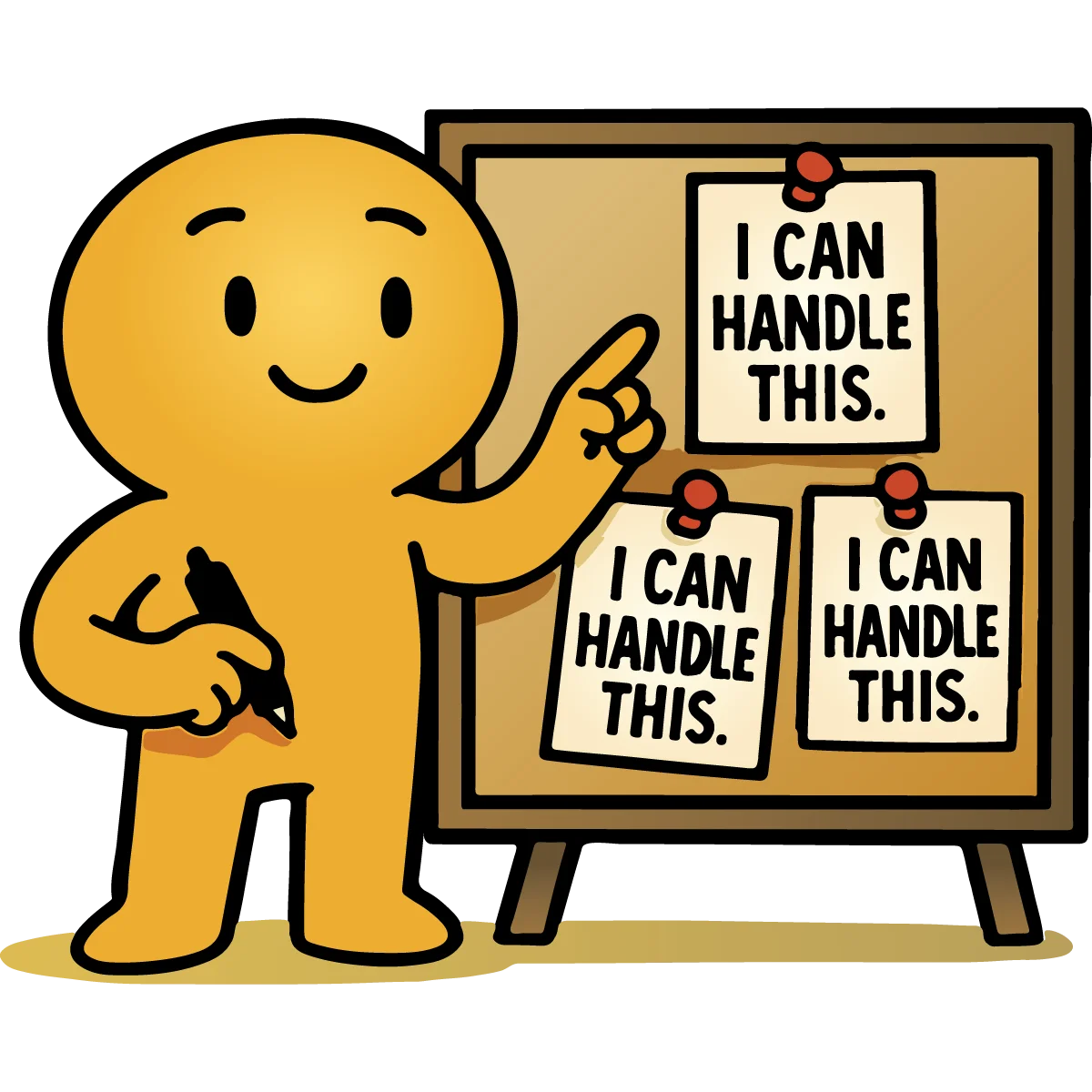
Evidence Board
A way to look back at things you have handled well to help you feel more capable right now.
History Check
A way to look back at your past wins to build up your confidence for current challenges.
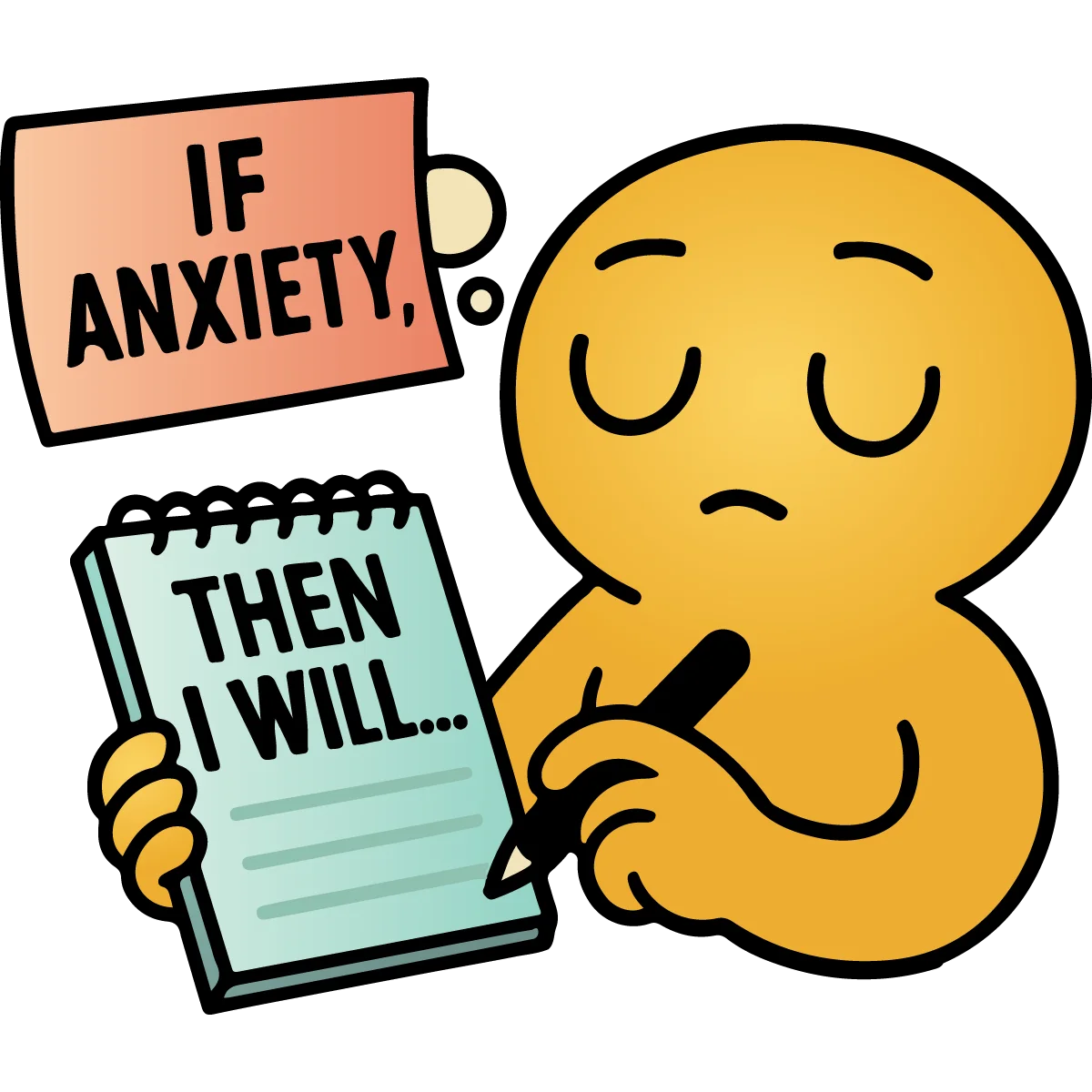
If/Then Plan
If/Then planning is a way to handle stress by choosing how to act before a worry happens.
Two-Minute Start
A simple way to stop putting things off by starting for just two minutes to build momentum.
Three Options Map
A simple way to get unstuck by finding three paths forward and picking the easiest one.
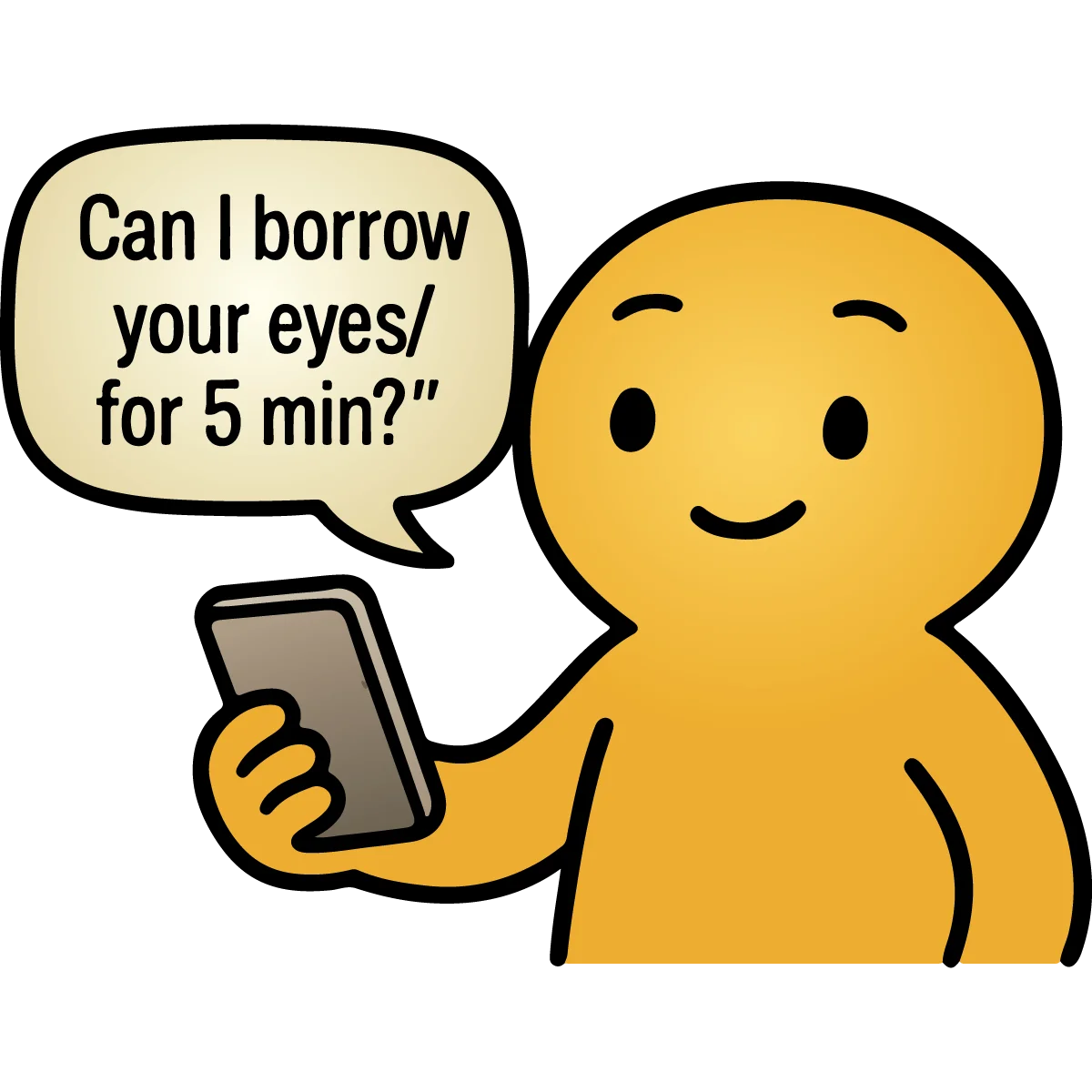
One Ask
A quick way to reach out for support by making small, specific, and timed requests.

Comfort vs. Safety
Learn to tell the difference between feeling safe and just staying in your comfort zone.

Anchor & Act
A simple grounding tool to help you stay steady when big feelings or stress start to take over.

Sigh-Then-Do
A simple breathing exercise paired with a quick task to help lower stress and build focus.
Opposite Action (Mini)
Learn how to handle intense feelings by doing the tiny opposite of what they tell you to do.

Values Arrow
Focus on your personal priorities and take a small action to manage stress and stay on track.

Courage Token
A physical tool used to notice and celebrate moments where you act despite feeling afraid.
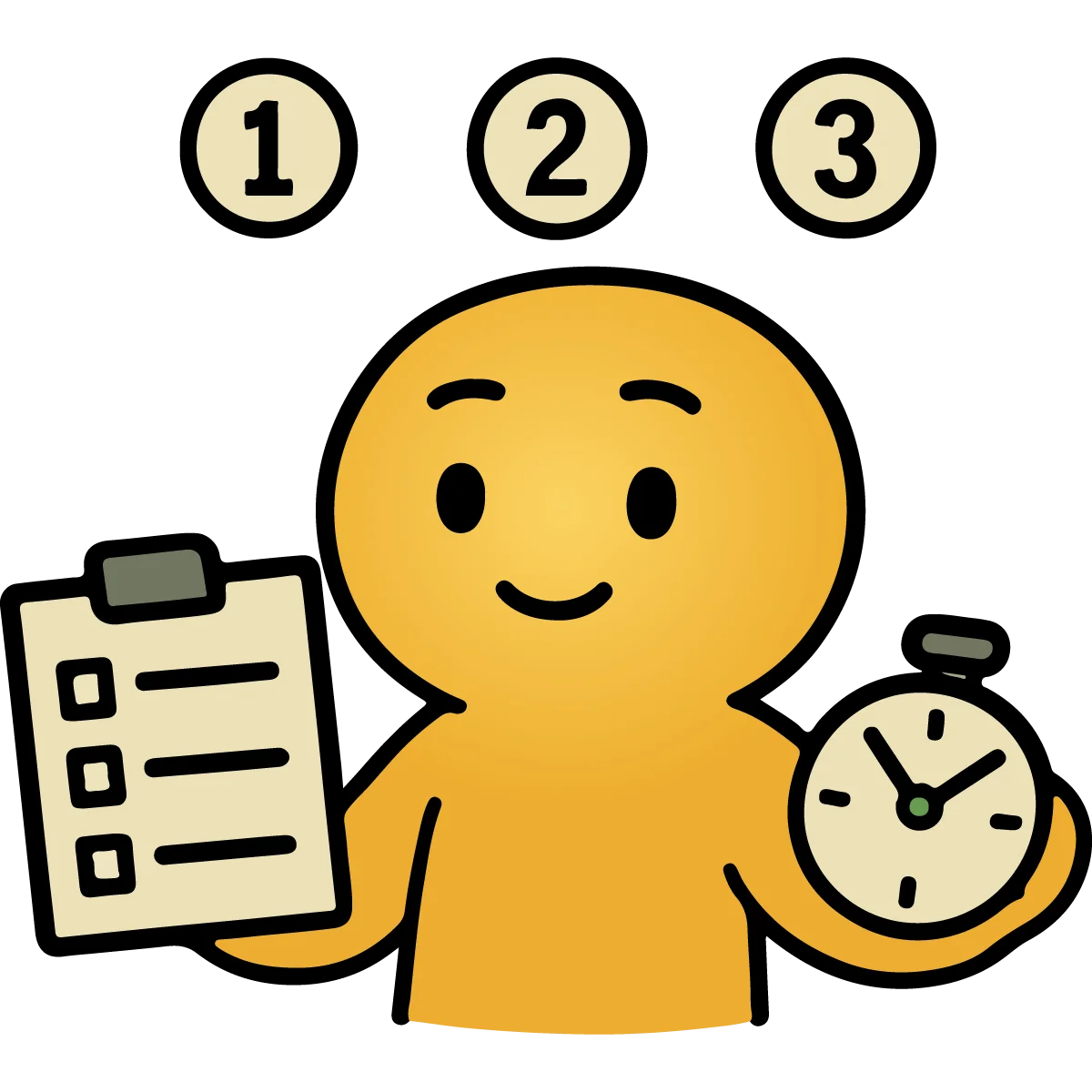
3×3 Exposure
A practical way to face fears by breaking them into small steps and staying present.
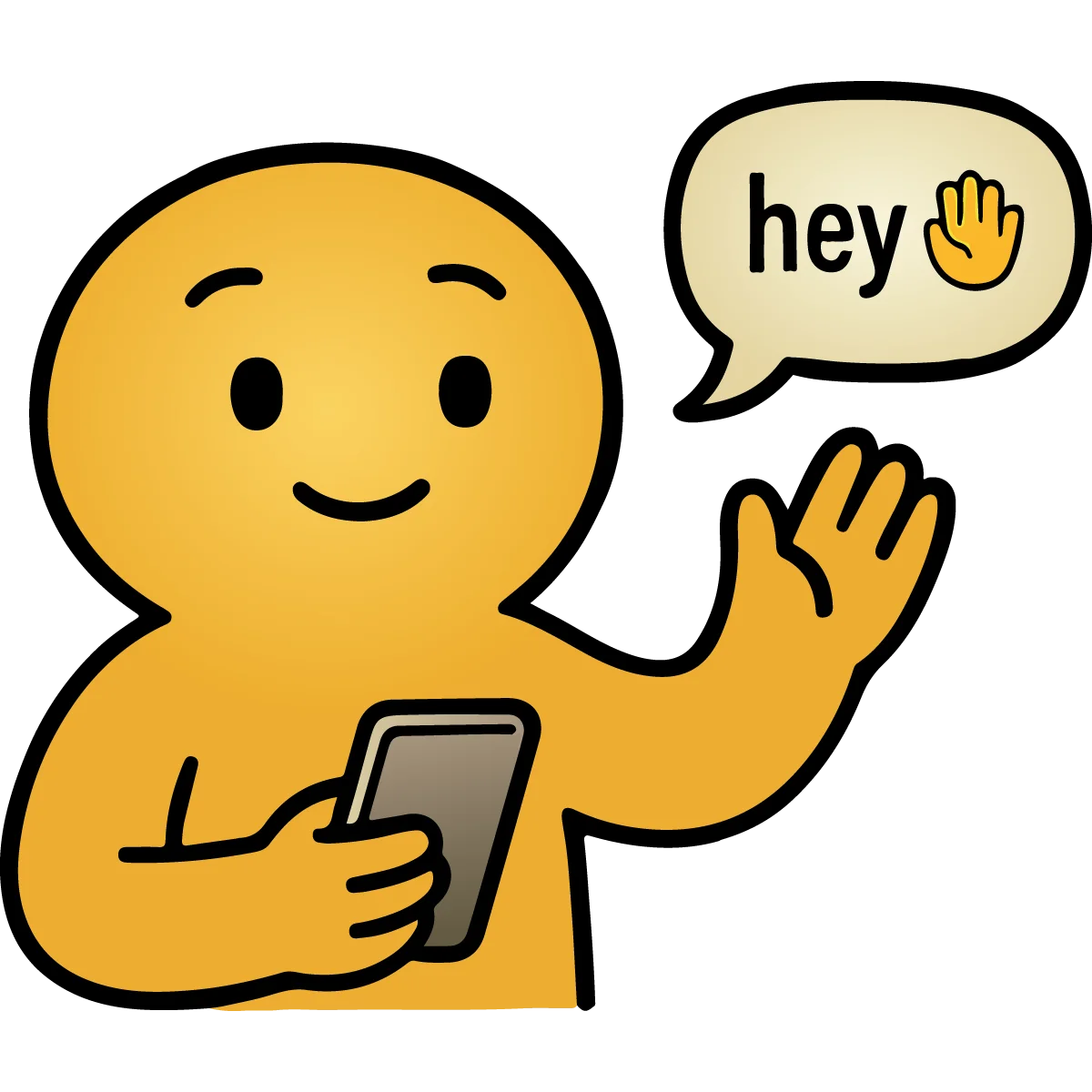
Social Nudge
A simple way to encourage connection by using tiny, low-pressure prompts for yourself.

Fact vs. Story
A simple way to separate objective facts from the stressful stories our brains create.
Timer Sprint
A way to handle big tasks by breaking them into small, timed windows of focused work.
Posture Flip & Move
Stand tall, open your chest, and walk to help lower stress and improve your overall mood.
Reassurance Budget
A practical tool for setting daily limits on asking for reassurance to help manage worry.
Decision Dice
Flipping a coin can help you figure out what you actually want when you are feeling stuck.
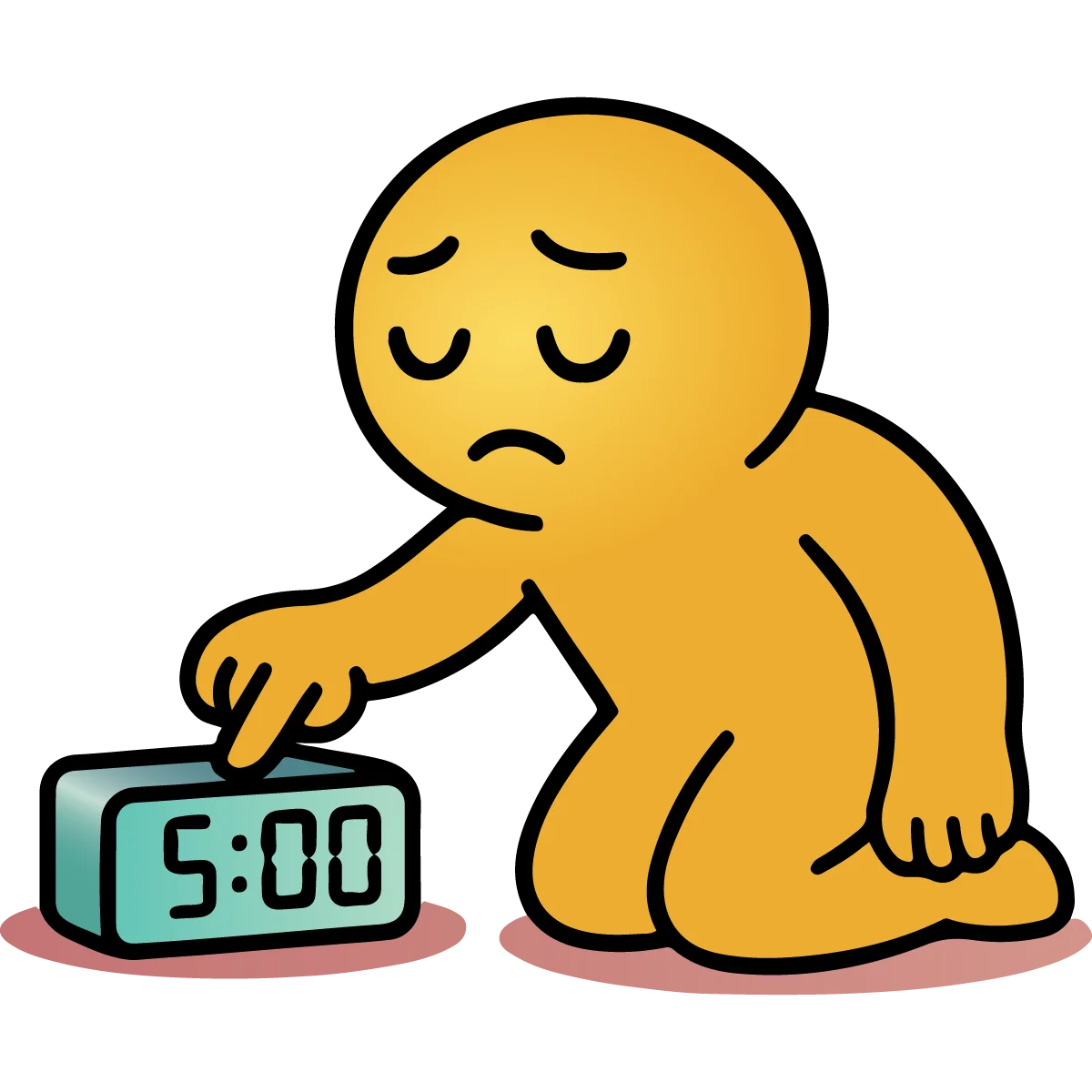
Five-Minute Rule
A simple way to get moving on hard tasks by promising yourself you only have to do five minutes.
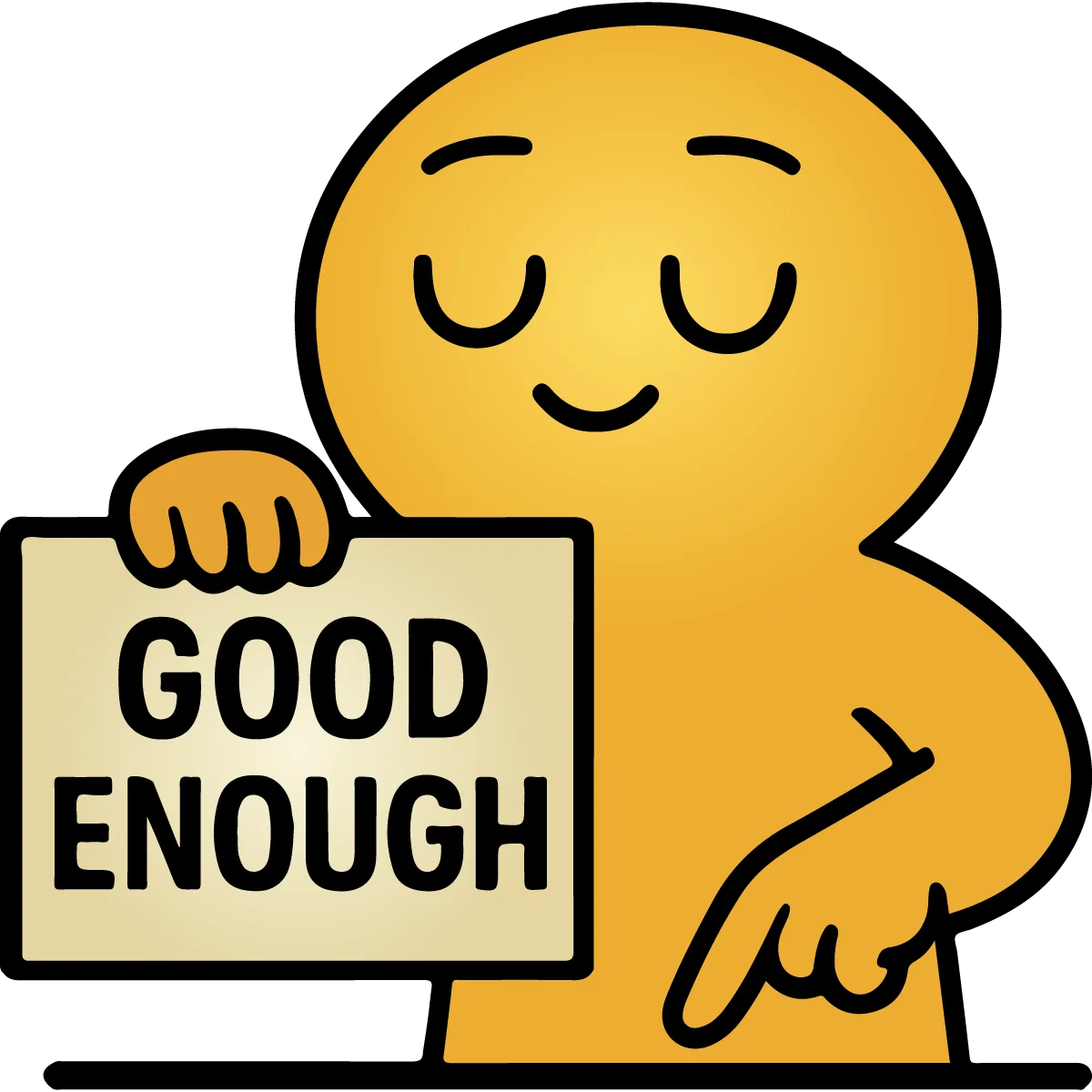
Good-Enough Line
A way to set realistic goals to help lower stress and stop overthinking tasks.

Future-You Credit
A technique for connecting your current actions to future rewards to help build lasting habits.

Uncertainty Reps
Practising small moments of not-knowing to help the brain handle unpredictable situations better.
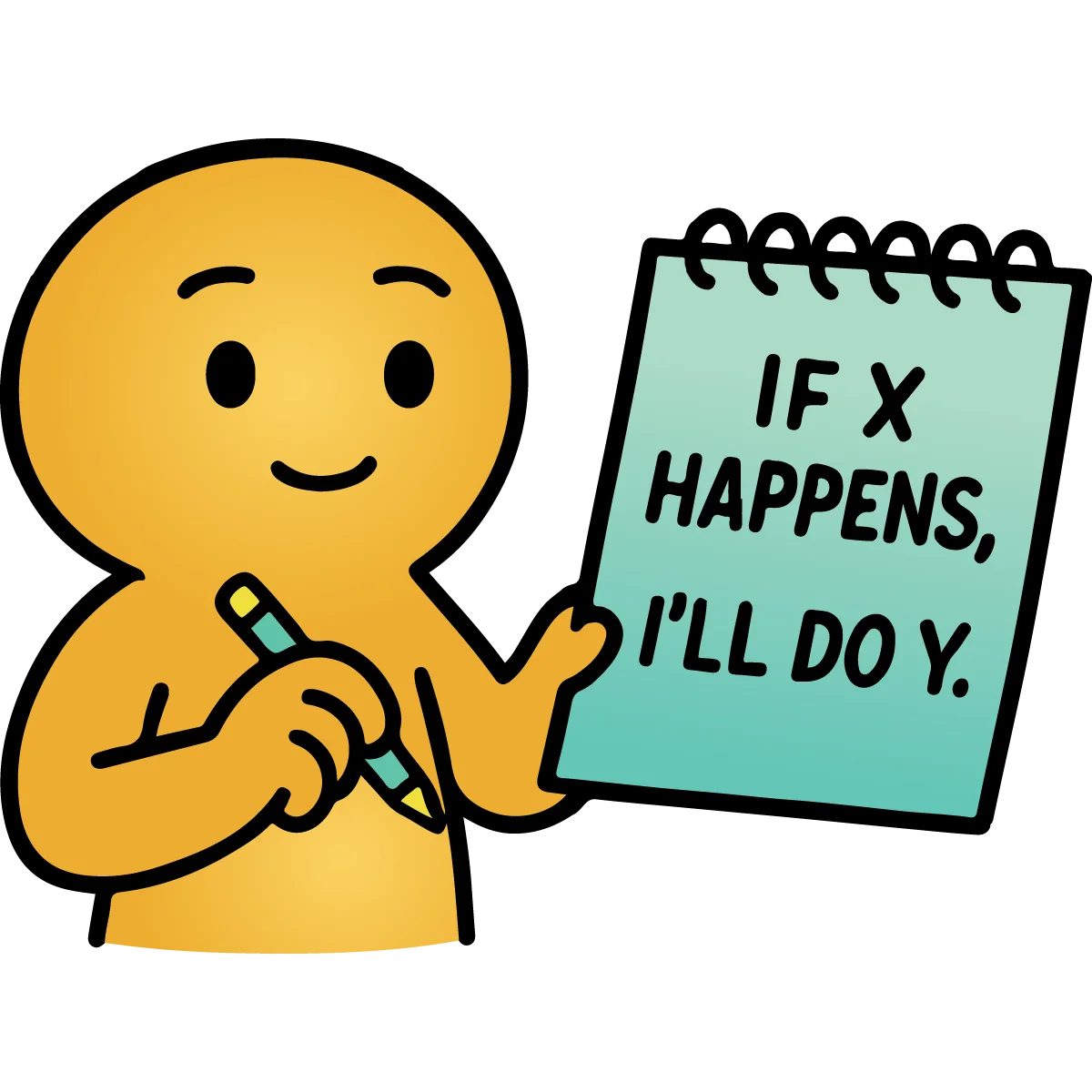
Plan B Sketch
A simple way to handle worries by making a quick if-then plan for when things feel tough.
Support Swap
A way to balance helping others with getting the support you need through mutual exchange.
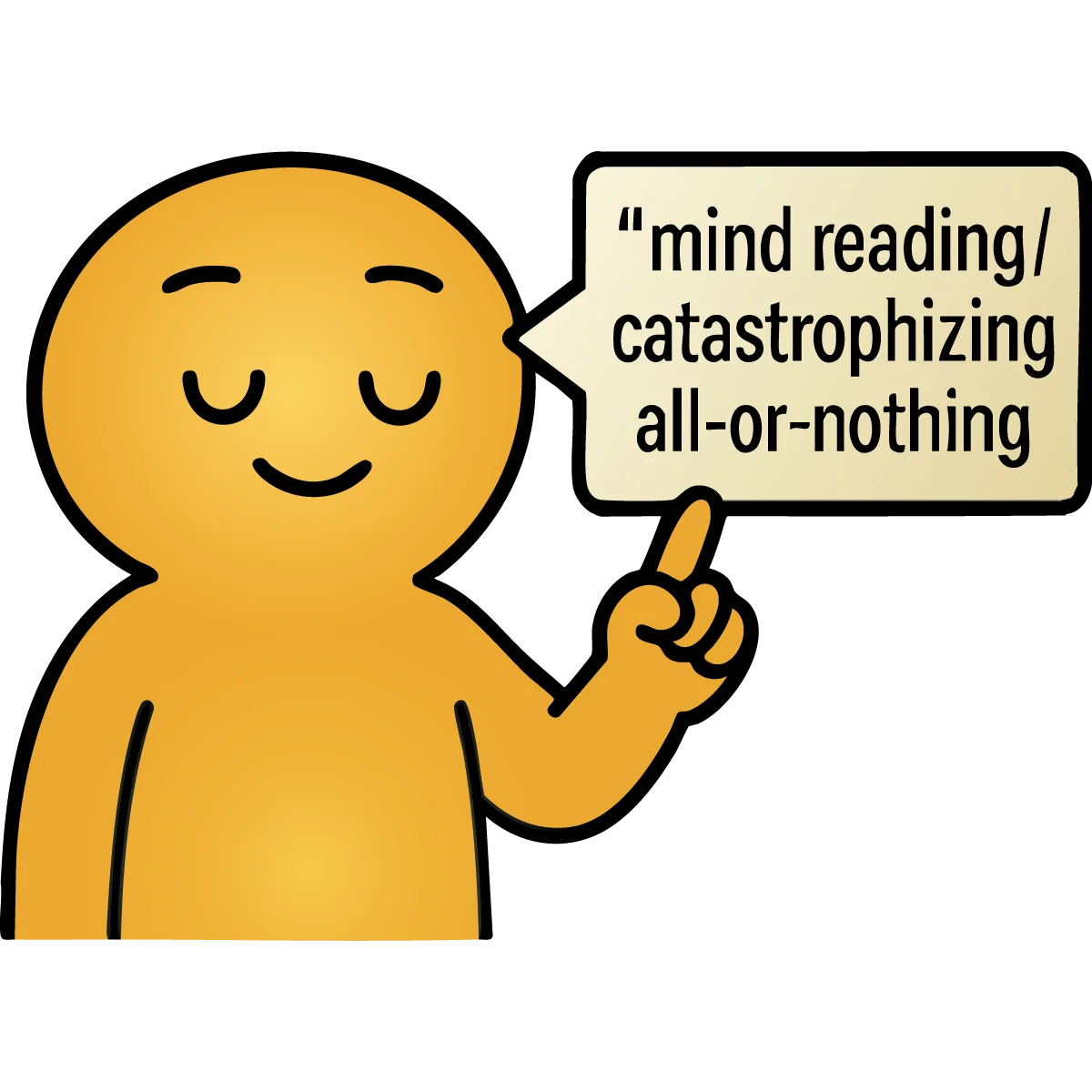
Label the Pattern
Learn how to identify and name tricky thinking patterns to help calm your mind.
What Else Is True?
A helpful way to challenge scary thoughts by looking for other possible outcomes or reasons.
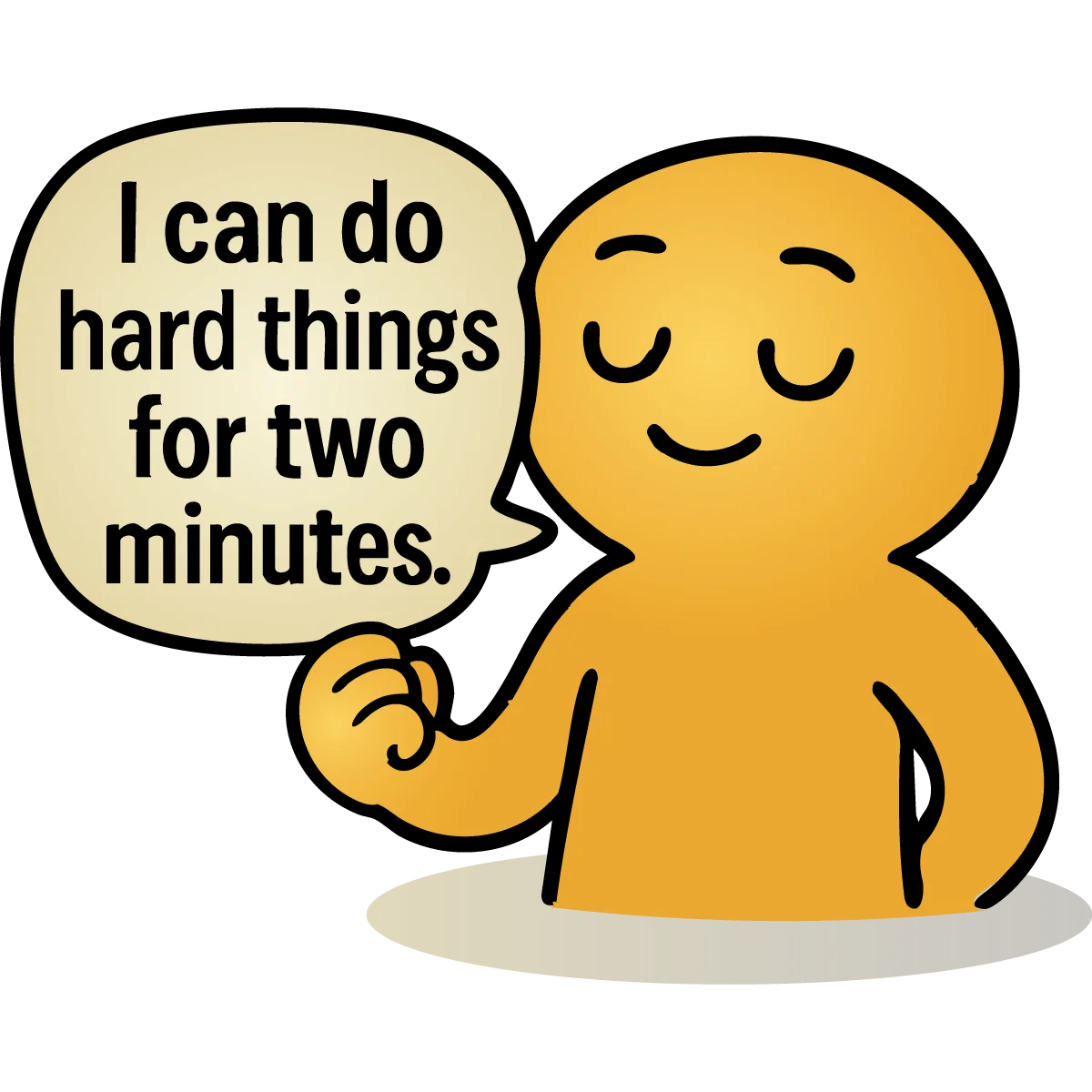
Two-Minute Courage
A simple way to start hard tasks by committing to only one hundred and twenty seconds.

Gratitude → Action
Combine a moment of thanks with one small task to move from feeling stuck to being active.
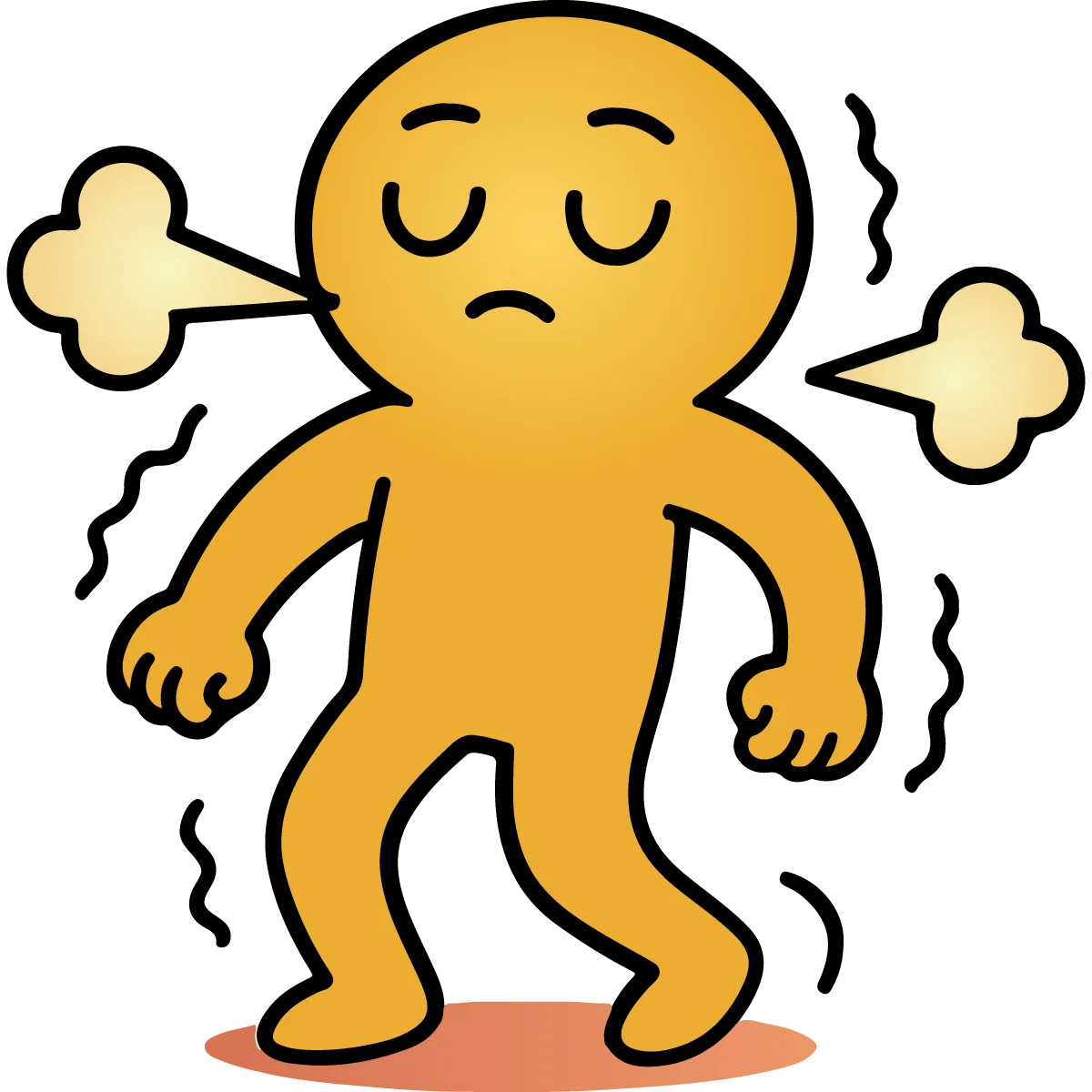
Shake & Reset
A physical technique to help your body let go of stress and find its natural balance.
Panic Plan 1-2-3
A three-step strategy to help manage sudden waves of panic and regain mental focus.

Rumination Exit Ramp
Stop stuck thinking by switching your focus to a simple physical activity right now.
Avoidance Audit
A simple way to notice things we are putting off and taking one small step to start.
Dopamine Drip
Boost your motivation by breaking big tasks into small wins to keep your brain focused.
Environment Assist
Clearing one distraction from your space to help you focus and feel more at ease.
Social Warm-Up
A way to build social confidence by using small, low-pressure interactions to get comfortable.
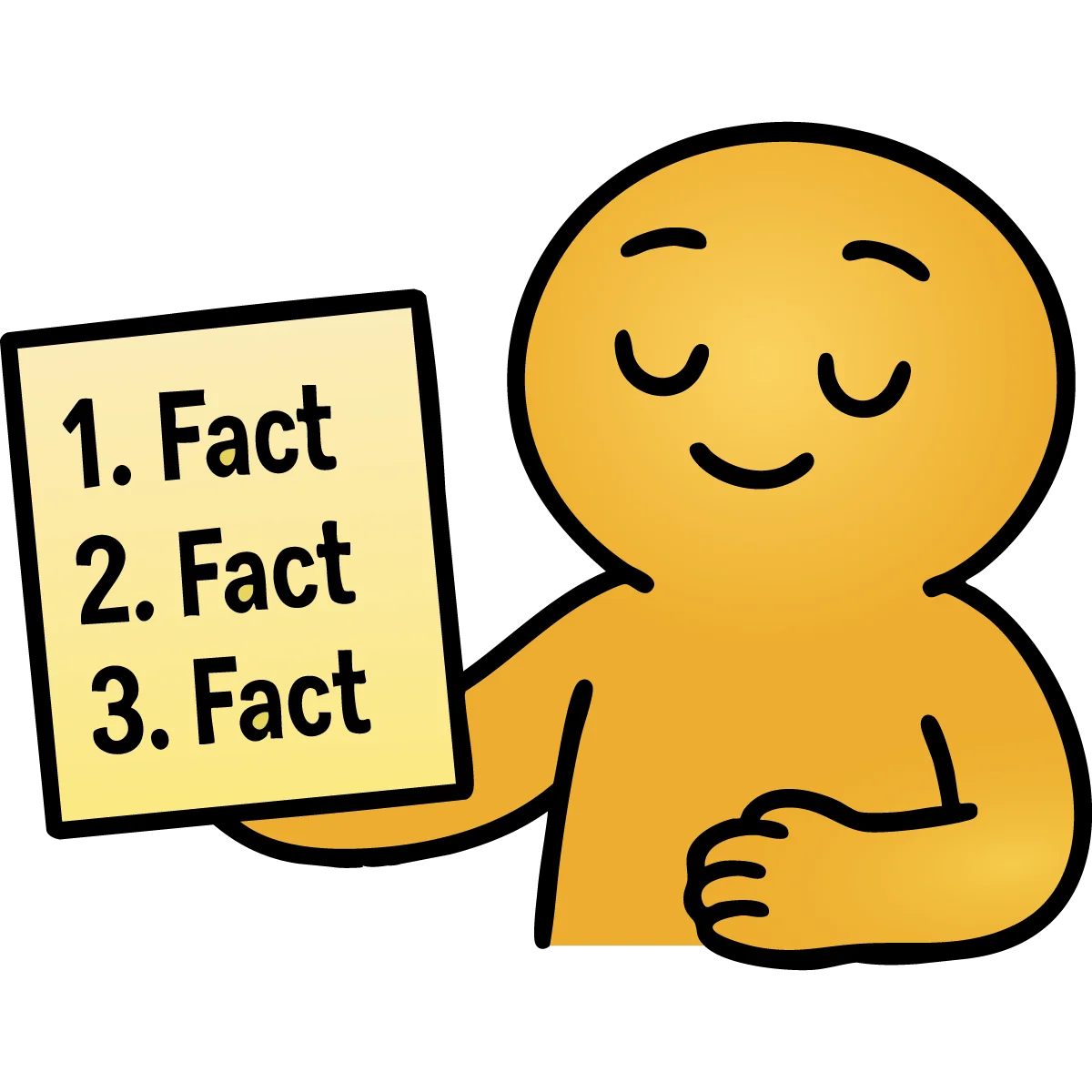
Test Jitters Quickie
Writing and reading three known facts can help lower test anxiety by shifting your focus.

Morning Dread Drill
A four-step morning routine to settle your nerves and build momentum for the day ahead.
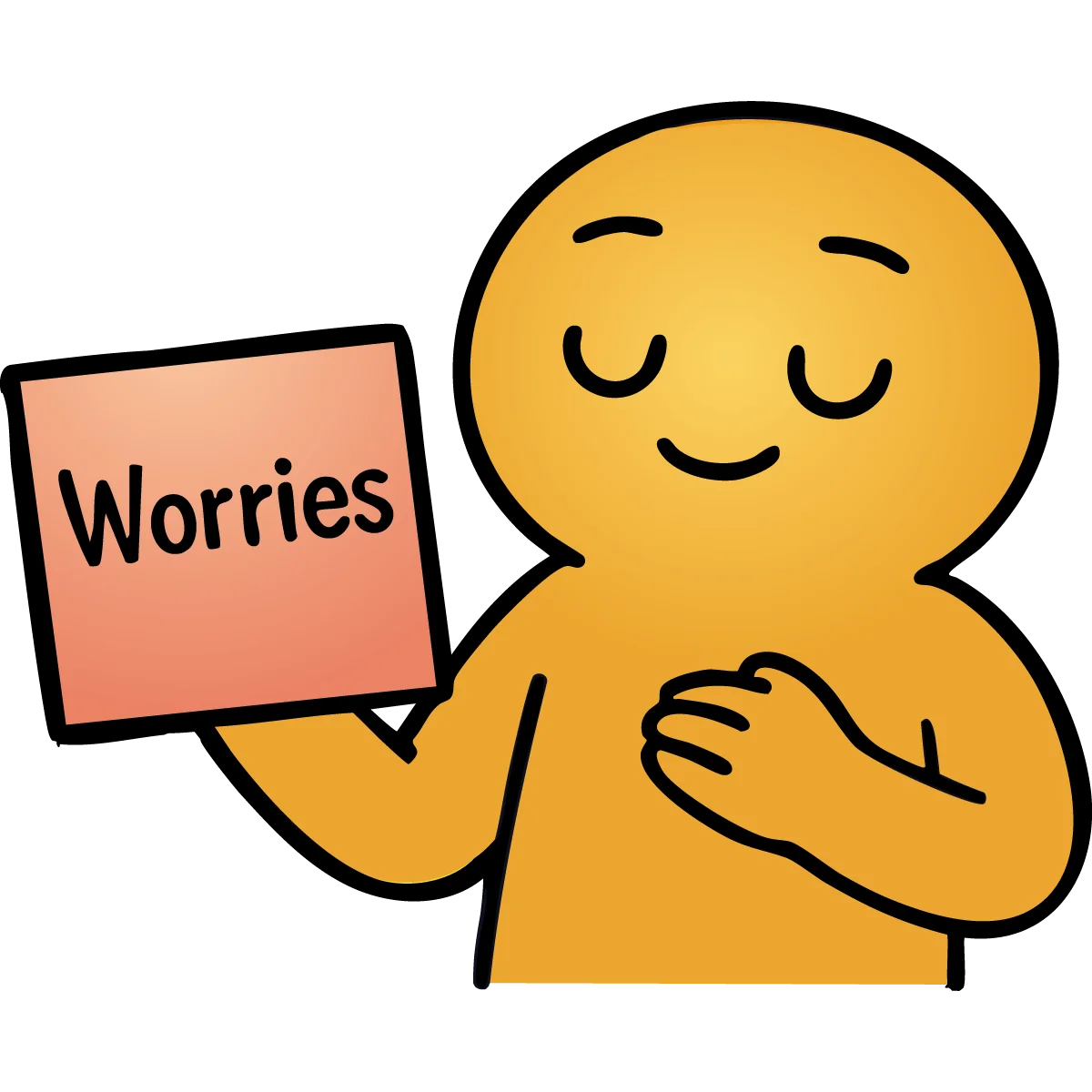
Bedtime Off-Ramp
A routine to park your nighttime worries so your brain can actually rest for the night.

Caffeine Check
This strategy involves tracking daily intake and adjusting the amount or timing to improve focus.
Screen Swap
Taking a 15-minute break from your phone to help your mind feel calmer and more focused.
Reframe: “This Rush = Fuel”
Use your brain to turn nervous energy into power by changing how you view your body's stress.
Courage Tracker
A tool for documenting specific moments where you chose to take action despite feeling anxious.
What Worked? What’s Next?
A quick way to calm your brain after a hard task by finding a win and planning your next move.
End-of-Day Reset
A 3-breath ritual and a simple phrase to help you switch from go mode to rest mode.